
Managing menstrual care while climbing Kilimanjaro is achievable with preparation, focusing on discreet hygiene, appropriate product selection, and effective waste disposal. Climbers can expect to trek for multiple days at altitude, making practical solutions for periods essential for comfort and safety on their 2026-2027 expedition. Top Guide Adventures advises carrying ample supplies of pads, tampons, or menstrual cups, along with biodegradable bags for waste, and utilizing communal toilet tents or designated areas for privacy and cleanliness.
Planning Your Kilimanjaro Climb with Menstruation in Mind
The prospect of climbing Kilimanjaro is exhilarating, a true test of endurance and spirit. For many women, however, a significant consideration is how their menstrual cycle might intersect with this incredible adventure. It’s a common concern, and one that deserves practical, no-nonsense advice. Rest assured, climbing Kilimanjaro during your period is not only possible but can be managed comfortably and safely with the right preparation and mindset. At Top Guide Adventures, we’ve guided countless women on their ascent, and we understand the unique challenges and solutions involved in menstrual care while climbing Kilimanjaro.
This comprehensive guide is designed to equip you with all the knowledge you need. We’ll cover everything from choosing the right menstrual products for trekking at altitude to effective waste management strategies and maintaining hygiene in a remote mountain environment. Our aim is to demystify the process, alleviate any anxieties, and empower you to focus on the awe-inspiring journey ahead. Whether you’re planning your climb for 2026, 2027, or any year, these principles remain constant. Let’s break down how to ensure your Kilimanjaro adventure is as comfortable and successful as possible, regardless of your cycle.
Understanding the Kilimanjaro Environment and Your Cycle
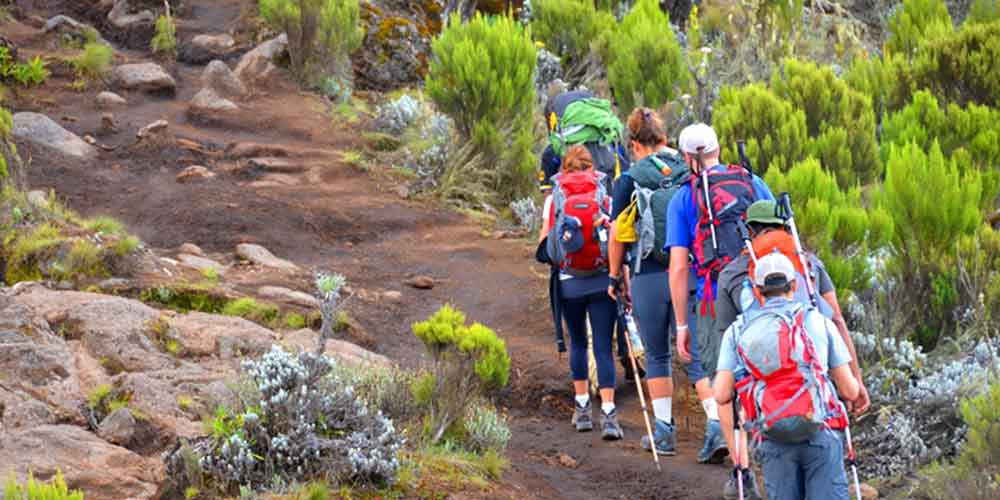
Before diving into specific product recommendations and strategies, it’s crucial to understand the unique conditions on Kilimanjaro and how they might affect your body and your period. The mountain presents a range of environments, from the lush rainforest at the base to the arctic conditions near the summit. Altitude, temperature fluctuations, and physical exertion all play a role.
Altitude and Menstruation
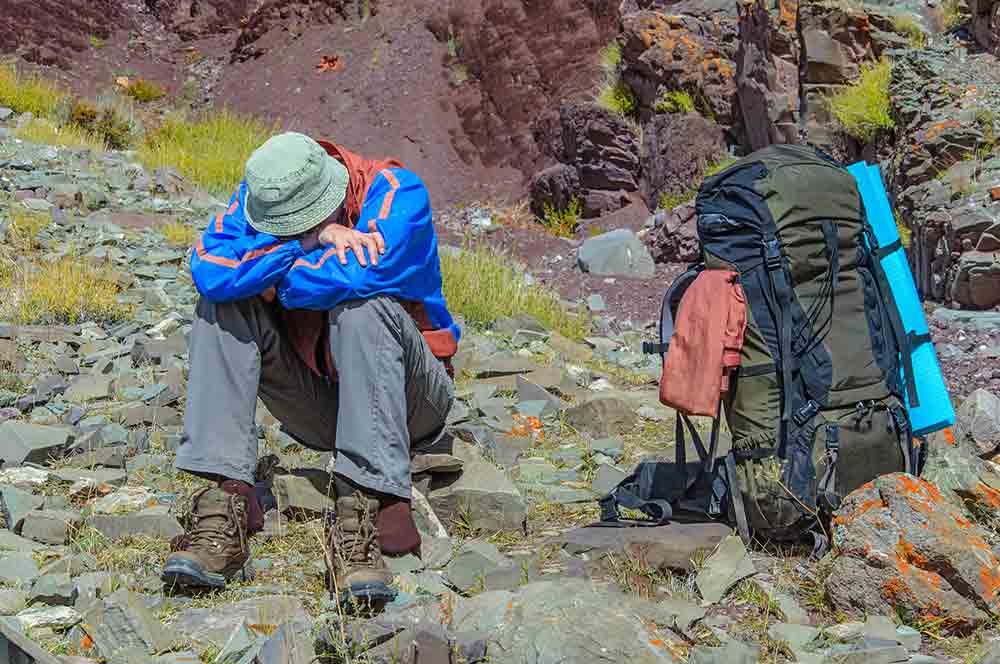
There’s anecdotal evidence and some scientific inquiry into how high altitude affects the menstrual cycle. Some women report changes in their cycle length or intensity when ascending to significant heights. While research is ongoing, it’s wise to be prepared for potential variations. Altitude sickness symptoms, such as headaches and nausea, can sometimes be mistaken for menstrual discomfort, and vice versa. Staying hydrated, eating well, and ascending slowly are key to acclimatizing and minimizing both altitude sickness and potential menstrual discomfort.
Temperature Fluctuations
Kilimanjaro experiences dramatic temperature changes. You’ll start in warm, humid conditions and end up in freezing temperatures near the summit. This means your menstrual care strategy needs to be adaptable. Products that might feel comfortable in the heat could be less so in the cold, and vice versa. Layering clothing is essential for trekking, and this applies to your menstrual management as well. Having options that work across different temperatures is beneficial.
Physical Exertion and Comfort
Climbing Kilimanjaro is physically demanding. Long trekking days, steep ascents, and carrying a daypack require significant energy. For some women, strenuous exercise can influence their menstrual flow, sometimes leading to lighter or heavier periods, or even spotting. It’s important to choose menstrual products that offer reliable protection and comfort during physical activity. Leak-proof options are paramount.
Hygiene and Sanitation Facilities
Sanitation on Kilimanjaro is basic. You’ll typically use portable toilet tents provided by your guide company, or sometimes just designated spots in nature. Access to running water for washing is limited, especially at higher camps. This makes efficient and discreet hygiene management critical. Planning for how you will clean yourself and dispose of waste is a cornerstone of successful menstrual care while climbing Kilimanjaro.
Choosing the Right Menstrual Products for Kilimanjaro
The most critical aspect of managing your period on Kilimanjaro is selecting the right products. Your choice will depend on personal preference, comfort, and practicality for a trekking environment. Here’s a breakdown of the most suitable options:
Menstrual Cups
Pros:
- Eco-friendly and Sustainable: A single cup can last for years, significantly reducing waste. This is a huge advantage on a mountain where waste disposal is a challenge.
- Long Wear Time: Cups can typically be worn for up to 12 hours, meaning you might only need to change it once or twice during a full trekking day.
- Discreet: Once inserted, they are not felt and do not create bulk.
- Less Odor: Menstrual fluid doesn’t get exposed to air, reducing potential odor.
Cons:
- Learning Curve: Some users find there’s a learning curve to insertion and removal. It’s essential to practice at home before your climb.
- Cleaning: While easier to clean than pads or tampons in terms of disposal, sterilizing a cup between uses can be tricky on the mountain. You’ll need boiled water (which can be provided by porters) or specific cup-cleaning wipes.
Recommendation for Kilimanjaro: Menstrual cups are an excellent choice for Kilimanjaro due to their low waste and long wear time. However, be prepared for the cleaning process. Bring a small bottle of mild, unscented soap and consider sterilizing wipes. Ensure you are very comfortable using yours before the trek.
Tampons
Pros:
- Familiarity: Many women are comfortable and accustomed to using tampons.
- Discreet: Relatively small and easy to carry.
- Good for Activity: Generally secure during physical exertion.
Cons:
- Waste Generation: Each tampon and its applicator (if used) create waste that must be packed out.
- Limited Wear Time: Typically need changing every 4-8 hours, meaning more changes required during a trek.
- Availability: You must bring enough for your entire trip.
Recommendation for Kilimanjaro: Tampons are a viable option, especially if you’re a regular user. Opt for applicator-free tampons to reduce waste. Bring significantly more than you think you’ll need, plus extra for leaks or unexpected changes. Remember, every single used tampon must be packed out.
Pads (Sanitary Napkins)
Pros:
- Easy to Use: Most familiar and straightforward option.
- Variety: Available in different absorbencies and sizes.
Cons:
- Bulky Waste: Used pads are bulky and must be packed out, which can quickly fill up your waste bag.
- Comfort in Heat/Sweat: Can become uncomfortable, especially in warmer, humid conditions at lower altitudes, and can feel less secure during strenuous activity.
- Less Discreet: Can be more noticeable under clothing.
Recommendation for Kilimanjaro: While possible, pads are generally the least practical option for Kilimanjaro due to bulk and potential discomfort. If you opt for pads, choose slim, highly absorbent designs. Consider period underwear as a more comfortable and less bulky alternative to traditional pads.
Period Underwear
Pros:
- Comfortable and Discreet: Feels like regular underwear, offering good support during activity.
- Absorbent: Many brands offer absorbency comparable to multiple tampons or pads.
- Reusable: Reduces waste compared to disposable products.
Cons:
- Washing: Requires rinsing and washing, which can be challenging on the mountain. You’ll need a separate bag for soiled underwear and a system for washing and drying them discreetly.
- Multiple Pairs Needed: You’ll need enough pairs to rotate through, especially if drying is slow.
Recommendation for Kilimanjaro: Period underwear is a fantastic option for comfort and reducing waste, particularly for lighter flow days or as a backup. Consider bringing 2-3 pairs. You can rinse them in your tent with biodegradable soap and hang them to dry inside your sleeping bag or pack to speed up the process. They are also great for managing spotting or irregular bleeding.
Essential Packing List for Menstrual Care on Kilimanjaro
Packing strategically is key to managing your period on Kilimanjaro. Think about quantity, discretion, and waste management. Here’s a comprehensive checklist:
Supplies:
- Your chosen menstrual products: Enough for the entire trek, plus a buffer (e.g., 1.5 to 2 times your usual monthly supply). Consider bringing a mix if you’re unsure.
- Menstrual cup cleaning wipes: Specifically designed for cleaning cups when water isn’t readily available or for a quick refresh.
- Small, unscented, biodegradable soap: For washing hands and potentially cleaning menstrual cups or period underwear.
- Hand sanitizer: Absolutely crucial for hygiene before and after managing your period.
- Small, quick-dry towel or washcloth: For personal hygiene.
- Wet wipes: Biodegradable ones are preferred, but even regular ones are useful for quick clean-ups. Pack these out!
- Ziploc bags or dedicated waterproof pouches: For storing clean supplies.
- Dark-colored, opaque bags for used products: Double-bagging is recommended for discretion and odor control.
Waste Disposal Bags:
- Heavy-duty, sealable plastic bags: Such as durable Ziploc bags or even small dry bags. You’ll need several.
- A larger, designated waste bag: To collect all your sealed used product bags. Your porters will carry this, but it needs to be secure.
Comfort Items:
- Pain relief medication: Ibuprofen or paracetamol for cramps and headaches.
- Small heating pad or hot water bottle: If you use one at home, consider a small, travel-friendly version. Porters can fill hot water bottles for you at camp.
- Comfortable underwear: Moisture-wicking fabrics are best.
Top Guide Adventures Tip: Pack your menstrual supplies in an easily accessible part of your daypack, not buried at the bottom of your main duffel bag. You might need them during a trek, not just at camp.
Managing Hygiene and Waste on the Mountain
This is arguably the most challenging aspect of menstrual care while climbing Kilimanjaro. The lack of traditional bathroom facilities and running water requires a proactive and meticulous approach.
Toilet Tents and Etiquette
Most reputable tour operators, including Top Guide Adventures, provide portable toilet tents. These offer privacy and a contained space. However, they are essentially a bucket or a chemical toilet. Always carry your own toilet paper and hand sanitizer. When using the toilet tent, be mindful of your waste. Ensure any sanitary products are securely bagged before disposal.
Personal Hygiene Practices
- Hand Washing: Always wash your hands thoroughly with soap and water or use hand sanitizer before and *after* changing menstrual products or using the toilet.
- Cleaning: If using a menstrual cup, you’ll need access to boiled water. Your guides and porters can provide this. Rinse the cup, clean it with boiled water, or use sterilization wipes. For period underwear, rinse thoroughly and wash with biodegradable soap.
- Drying: Use your small, quick-dry towel for personal drying. Ensure it dries completely to prevent mildew.
- Staying Fresh: Wet wipes can be a lifesaver for feeling refreshed, but remember to pack them out.
Waste Disposal – The Golden Rule: Pack It Out!
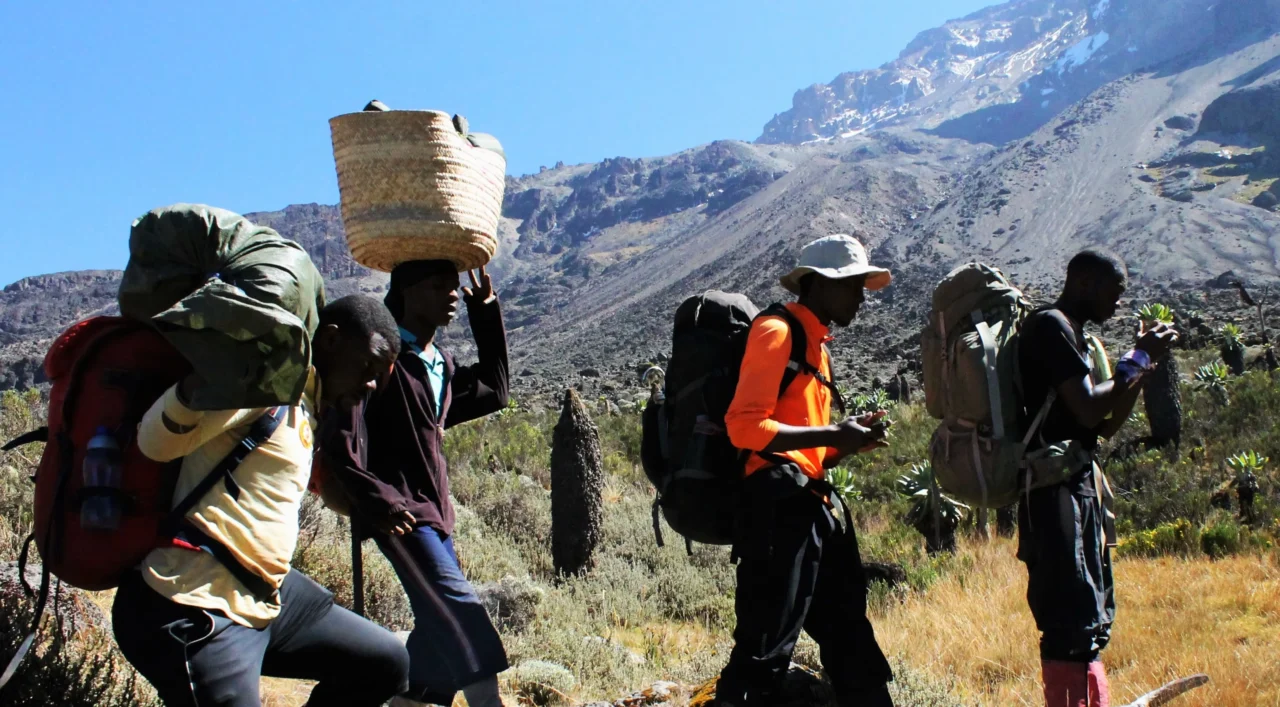
This cannot be stressed enough: All menstrual waste must be packed out of the mountain. This includes pads, tampons, wrappers, applicators, and wipes. Leaving anything behind is not only environmentally irresponsible but also against park regulations. Your porters are there to carry your main luggage and camp equipment, but they are not responsible for carrying out personal sanitary waste unless it’s securely bagged and handed to them. Top Guide Adventures enforces a strict ‘leave no trace’ policy, and this extends to menstrual waste.
- Double Bagging: Place used products in a small Ziploc bag, seal it tightly, then place that bag inside a larger, opaque, sealable bag. This contains odors and prevents leaks.
- Dedicated Waste Bag: Keep all your sealed sanitary waste bags in one larger, sturdy bag that you can easily hand over to your guide or porter at the end of each day.
- Communicate: Inform your guide if you have a significant amount of waste to hand over.
Practical Tips for Comfort and Confidence
Beyond the essentials of products and hygiene, several practical tips can significantly enhance your comfort and confidence while managing your period on Kilimanjaro.
Timing Your Trip
If possible, and if your cycle is regular, consider timing your trek to avoid your period. However, life is unpredictable, and your period might arrive when you least expect it. If you can’t avoid it, don’t let it deter you! The preparation outlined here will ensure you’re ready.
Pre-Trip Practice
If you plan to use a menstrual cup for the first time, or even if you’re a seasoned user, practice inserting and removing it at home. Try it during different activities. This ensures you’re comfortable and confident with the process before you’re on the mountain.
Medication and Pain Management
If you experience menstrual cramps or discomfort, pack your preferred pain relief medication. Over-the-counter options like ibuprofen or naproxen are effective for many. Consult your doctor about prescription options if needed. Taking medication preventatively before severe pain sets in can be beneficial.
Hydration and Nutrition
Staying well-hydrated is crucial for acclimatization and overall well-being. It also helps with digestion and can alleviate some menstrual discomfort. Eat the nutritious meals provided by your trekking team. Good nutrition supports your body through the physical demands of the climb.
Clothing Choices
Opt for moisture-wicking underwear made from synthetic materials or merino wool. Avoid cotton, which stays wet and can lead to chafing and discomfort. Dark-colored hiking pants or leggings can help mask any potential leaks and offer a sense of security.
Layering for Temperature Control
As temperatures fluctuate dramatically, effective layering is key. This helps manage body heat and moisture, which is important for comfort during your period. Wear breathable base layers, insulating mid-layers, and waterproof outer shells.
Communication with Your Guide Team
Don’t hesitate to communicate with your guide. They are experienced professionals and have assisted many female trekkers. They can help with practicalities like providing boiled water, assisting with waste disposal, or simply offering reassurance. Your guides are there to support your safety and comfort.
Mental Preparation
A positive and prepared mindset is your most valuable tool. Understand that managing your period on Kilimanjaro is a logistical challenge, not an insurmountable obstacle. Focus on the incredible experience of climbing the mountain. Remind yourself that thousands of women have successfully done it before you, managing their periods effectively.
Addressing Potential Concerns and FAQs
Here are some common questions and concerns women have regarding menstrual care while climbing Kilimanjaro:
Q: Will climbing Kilimanjaro affect my period?
A: High altitude and strenuous physical activity can sometimes influence menstrual cycles, potentially making them lighter, heavier, or irregular. Be prepared for this possibility by packing extra supplies.
Q: How do I dispose of used tampons/pads on Kilimanjaro?
A: All menstrual waste must be packed out. Use opaque, sealable bags to store used products, double-bagging for discretion and odor control. Hand these sealed bags to your guide or porter for transport down the mountain. Never bury or leave waste behind.
Q: Can I use a menstrual cup on Kilimanjaro?
A: Yes, menstrual cups are an excellent, eco-friendly option. You’ll need a way to clean and sterilize it, typically using boiled water provided by your support crew, or sterilization wipes. Practice using it at home first.
Q: What if I get my period unexpectedly?
A: Always pack more supplies than you anticipate needing. Keep a few essential items (like a tampon or pad, wet wipes, and hand sanitizer) in your daypack for immediate access. Your guide can also offer assistance.
Q: Is it safe to climb Kilimanjaro during my period?
A: Absolutely. With proper preparation, hygiene, and the right products, it is safe and entirely manageable to climb Kilimanjaro during your period. Focus on preparedness and listen to your body.
Q: How many days should I pack supplies for?
A: Most Kilimanjaro climbs range from 5 to 9 days. Pack enough supplies for the longest possible itinerary (9 days), plus an additional 2-3 days’ worth as a buffer. It’s always better to have too much than too little.
Q: What about using the toilets on Kilimanjaro?
A: You’ll primarily use portable toilet tents provided by your tour operator. These offer privacy but are basic. Always carry your own toilet paper and hand sanitizer. For more remote areas, designated spots in nature are used, always following Leave No Trace principles.
Why Choose Top Guide Adventures for Your Kilimanjaro Climb?
Navigating the logistics of climbing Kilimanjaro, including specific concerns like menstrual care while climbing Kilimanjaro, is where the expertise of a trusted tour operator shines. Top Guide Adventures is committed to providing a safe, comfortable, and unforgettable experience for every climber. Our experienced guides are trained to handle various situations and offer support with discretion and professionalism.
We understand the importance of proper waste management and ensure our teams are equipped to assist you. Our support crew can provide boiled water for cleaning cups, and our guides are knowledgeable about best practices for hygiene in the mountain environment. We prioritize your well-being from the moment you book your trip through to your summit success and return.
When planning your Kilimanjaro adventure for 2026 or 2027, choosing a company that prioritizes your personal needs makes all the difference. We offer:
- Experienced, certified guides who prioritize safety and comfort.
- Comprehensive pre-climb information and support.
- High-quality equipment, including portable toilet tents.
- A commitment to Leave No Trace principles, including responsible waste management.
- Personal attention and dedicated support for every client.
Don’t let concerns about your period prevent you from achieving your dream of climbing Kilimanjaro. With the right preparation and the support of Top Guide Adventures, you can have a successful and empowering climb. We are dedicated to making your Tanzanian adventure extraordinary.
Ready to plan your Kilimanjaro expedition for 2026 or 2027? Get in touch with us today. You can reach us via WhatsApp at +255616946642, email us at topguideadventures@gmail.com, or use our backup email info@topguideadventures.com. Let Top Guide Adventures help you prepare for an incredible journey!
Check Availability for Menstrual Care While Climbing Kilimanjaro: Expert Guide 2026-2027
Ready to compare dates, prices, and the best option for your group? Send the package name and travel month so the team can reply with a clear quote, availability, and what is included.
Kilimanjaro Climbing Price For Four People 2026-2027
Kilimanjaro Climbing Price for Four People is explained with current 2026-2027 planning, price, itinerary and booking information.
View package details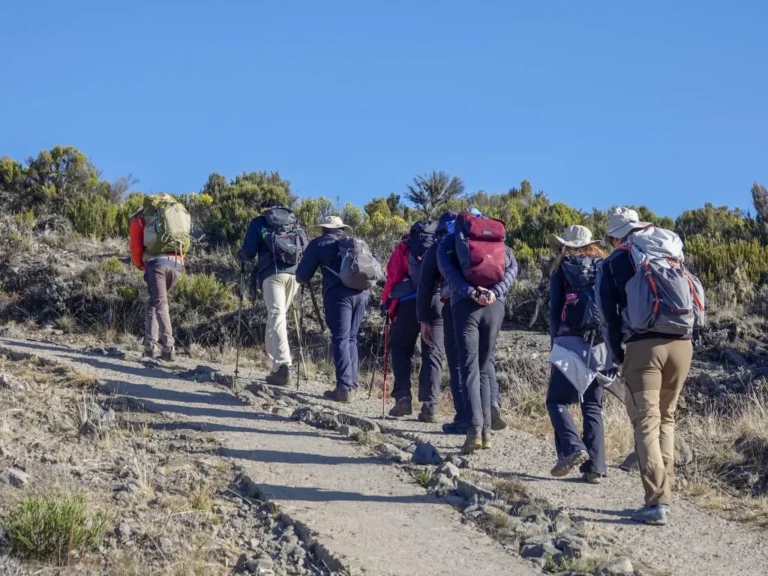
Kilimanjaro Climbing Payment Plan: Flexible Options For Your Adventure
Planning your Kilimanjaro climb is an exciting journey. Top Guide Adventures understands that financial flexibility is key. Discover how our Kilimanjaro climbing payment plan options can...
View package details
Kilimanjaro Region Seven-Day Non-Climbing Itinerary: Explore Beyond The Summit
Explore the vibrant Kilimanjaro Region for seven days without climbing the mountain. This itinerary focuses on cultural immersion, wildlife encounters, local markets, and scenic beauty...
View package details
Kilimanjaro Safari Before Rejoining Your Climbing Group | Top Guide Adventures
Combining a safari with your Kilimanjaro climb is a classic Tanzanian adventure. Discover how to seamlessly integrate a wildlife safari experience before meeting your climbing group for the...
View package details
Kilimanjaro Airport And Hotel Support For Climbing Groups | Top Guide
Top Guide Adventures provides comprehensive support for Kilimanjaro climbing groups, from arrival at Kilimanjaro International Airport (JRO) to comfortable hotel stays before and after your...
View package details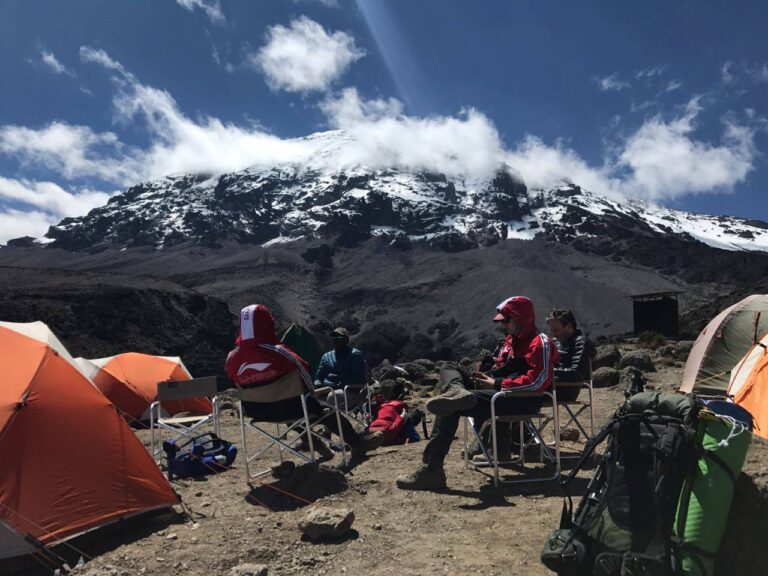
Kilimanjaro Cultural Tour While Friends Climb: Experience Tanzanias Heart
Discover the perfect way to experience Tanzania's vibrant culture and landscapes while your friends conquer Mount Kilimanjaro. This guide explores in-depth cultural tours designed to...
View package details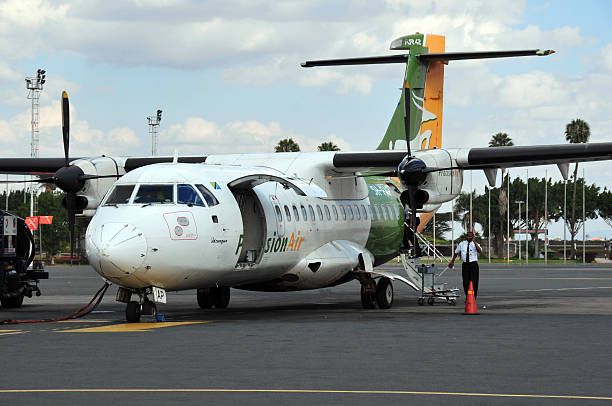
Kilimanjaro Family Holiday While One Person Climbs Guide
Organizing a Kilimanjaro family holiday with a mix of climbers and non-climbers requires careful planning. This guide details how to create a memorable trip for everyone in 2026-2027...
View package details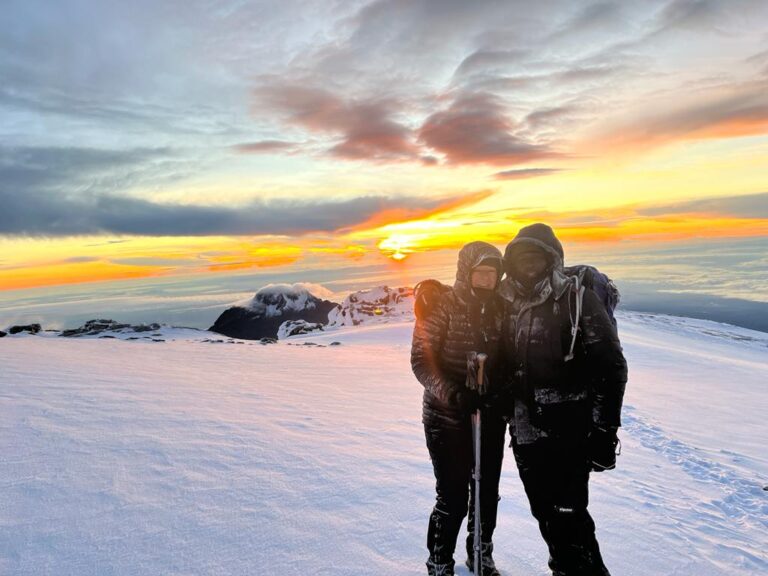
Kilimanjaro Family Trip: Climbing And Non-Climbing Options For 2026-2027
Organizing a Kilimanjaro family trip requires careful planning to accommodate varying interests and abilities, ensuring everyone has a memorable experience. This guide covers options for...
View package details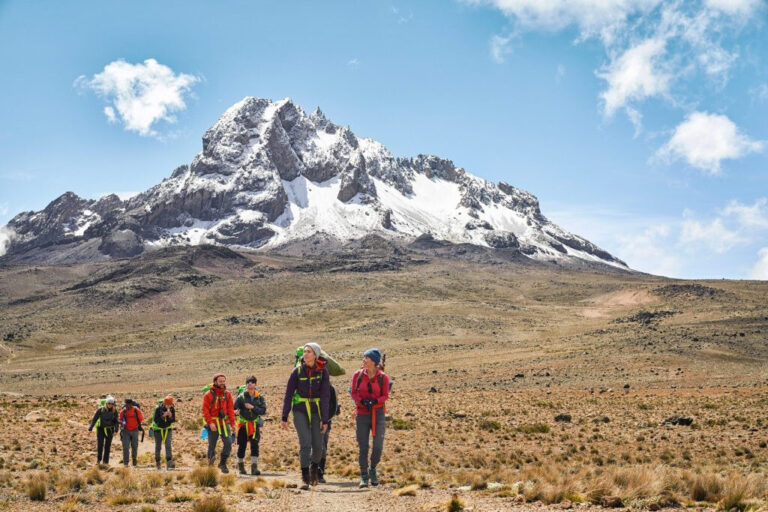
Adaptive Kilimanjaro Climbing Expeditions 2026-2027
Adaptive Kilimanjaro Climbing Expeditions is explained with current 2026-2027 planning, price, itinerary and booking information.
View package details
Multilingual Kilimanjaro Group Climbing Tour 2026-2027
Multilingual Kilimanjaro Group Climbing Tour is explained with current 2026-2027 planning, price, itinerary and booking information.
View package detailsCan You Drink Alcohol Before Climbing Kilimanjaro? 2026-2027
Can You Drink Alcohol before Climbing Kilimanjaro? is explained with current 2026-2027 planning, price, itinerary and booking information.
View package details
Kilimanjaro Climbing Package With Vegetarian Meals Guide
Planning a Kilimanjaro climb with specific dietary needs? This guide details Kilimanjaro climbing packages that cater to vegetarians, covering routes, meal preparation, and what to expect...
View package detailsNo related package matches those filters. Clear one or more filters to see the other topic-matched options.



