
Opting for a Kilimanjaro climb with a private sleeping tent means you will have your own dedicated tent for sleeping, separate from communal dining tents or tents shared by guides and porters. This setup significantly enhances personal space, privacy, and comfort throughout your trek, allowing for better rest and a more personalized mountain experience, especially beneficial on challenging expeditions planned for 2026 and 2027.
Understanding the Private Sleeping Tent Experience on Kilimanjaro
The ascent of Mount Kilimanjaro is an epic undertaking, a journey that tests physical endurance and mental fortitude. For many, the dream of standing on the Roof of Africa is intertwined with the desire for comfort and personal space amidst the rugged beauty of the mountain. This is where the option of a Kilimanjaro climb with a private sleeping tent truly shines. Unlike standard group treks where tents might be shared or positioned closely, a private sleeping tent offers a sanctuary of your own, a personal haven to retreat to after a long day’s trek.
At Top Guide Adventures, we understand that a Kilimanjaro climb is more than just reaching the summit; it’s about the entire experience. We pride ourselves on offering personalized service, and the provision of private sleeping tents is a key element in elevating your comfort and overall satisfaction. This arrangement ensures that your rest is undisturbed, your personal belongings are secure in your own space, and you can enjoy moments of solitude to reflect on your incredible journey. Whether you’re planning for 2026 or looking ahead to 2027, securing a private tent can make a significant difference to your expedition.
Why Choose a Private Sleeping Tent for Your Kilimanjaro Expedition?
The decision to book a Kilimanjaro climb with a private sleeping tent often comes down to individual preferences and priorities. While standard treks are perfectly enjoyable and well-supported, the added layer of privacy and comfort offered by a dedicated sleeping tent can be invaluable for certain travelers. Consider these key benefits:
- Enhanced Privacy: This is the most obvious advantage. You have your own space, free from the need to coordinate with a tent-mate or worry about their sleeping habits. This is particularly beneficial for solo travelers or couples who prefer their own personal zone.
- Improved Rest and Sleep Quality: A quiet, undisturbed sleeping environment is crucial for recovery at altitude. With your own tent, you minimize disruptions from snoring, different sleep schedules, or general tent-mate movement, leading to more restorative sleep.
- Personal Space for Belongings: You have ample room to organize your gear, keep your essentials within reach, and maintain a level of order that might be challenging in a shared tent.
- Sense of Independence: Even within a supported trek, having your own tent provides a feeling of autonomy and a personal base camp on the mountain.
- Hygiene and Comfort: While all tents are kept clean, having your own means you control who is in it, contributing to a sense of personal hygiene and comfort.
For those planning their Kilimanjaro climb in 2026 or 2027, understanding these benefits will help you decide if this upgrade aligns with your expectations for the expedition. Top Guide Adventures is committed to providing options that cater to diverse traveler needs.
Kilimanjaro Routes and Private Tent Availability
The choice of route on Kilimanjaro significantly impacts the overall trekking experience, from scenery and difficulty to acclimatization profiles. When considering a Kilimanjaro climb with a private sleeping tent, it’s important to know that this option is generally available across all major routes, provided you book with a reputable operator like Top Guide Adventures. However, the practicalities and benefits might subtly differ depending on the route’s nature and length.
Popular Kilimanjaro Routes and Their Suitability for Private Tents:
Here’s a look at how private tents fit into the most popular routes:
- Machame Route (7 Days): Often called the “Whiskey Route,” Machame is popular for its scenic beauty and good acclimatization. A 7-day Machame climb with a private sleeping tent allows for ample rest each night, crucial for tackling the challenging Lava Tower and Barranco Wall. The longer duration means more nights under canvas, making the comfort of your own tent a welcome feature.
- Lemosho Route (8 Days): This route is known for its stunning views and excellent acclimatization profile, often considered one of the most beautiful. An 8-day Lemosho trek with a private tent provides extended opportunities for undisturbed rest, particularly beneficial during the longer days and higher altitudes encountered on this scenic journey.
- Northern Circuit (9 Days): The longest route, the Northern Circuit, offers the best acclimatization and a unique circumnavigation of the mountain. For a 9-day expedition, a private sleeping tent is highly recommended. The extended time on the mountain means more nights where quality sleep is paramount for success.
- Marangu Route (5 or 6 Days): The “Coca-Cola Route” is unique for its hut accommodation. While you can’t have a private sleeping tent in the huts, if you opt for a camping variation or want a private space during brief overnight stops in designated camping areas on longer Marangu itineraries, it can be arranged. However, the primary accommodation is in dormitories.
- Rongai Route (7 Days): Approaching from the north, Rongai offers a different landscape and is known for being drier. A 7-day Rongai climb with a private sleeping tent ensures you have a comfortable personal space, especially as the route can be less crowded, offering a more solitary experience even before you consider your tent.
Regardless of the route chosen for your 2026 or 2027 Kilimanjaro adventure, Top Guide Adventures ensures that the provision of a private sleeping tent is handled with the same meticulous attention to detail, ensuring quality equipment and setup.
Operational Aspects of Private Tents on the Mountain
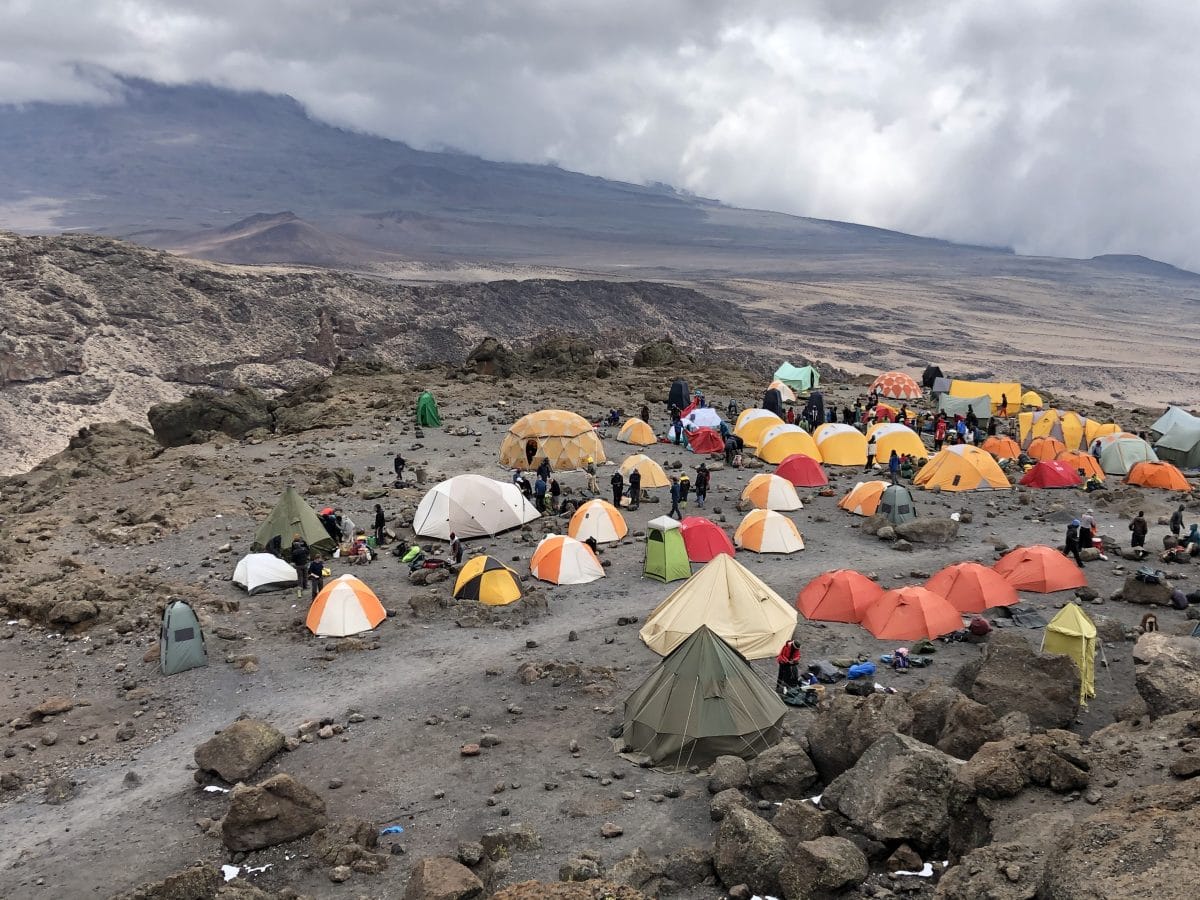
When you book a Kilimanjaro climb with a private sleeping tent, our crew is trained to set up your tent in a prime location, often slightly separated from the main porter camps for added quiet. This setup includes a comfortable sleeping mat and ensures your tent is securely pitched, even in challenging weather conditions. The process is managed by our experienced guides and porters, so you don’t need to worry about the logistics; your only focus is on enjoying the climb.
What’s Included in a Private Kilimanjaro Climb Package?
When you choose a Kilimanjaro climb with a private sleeping tent through Top Guide Adventures, you’re investing in a premium experience. Our packages are designed to be comprehensive, ensuring that your focus remains solely on the ascent and enjoying the journey. While specific inclusions can vary slightly based on the chosen route and duration, a typical private tent package will cover the essentials and more, providing peace of mind for your 2026 or 2027 climb.
Standard Inclusions for a Private Tent Kilimanjaro Climb:
- Private Sleeping Tent: Your dedicated, high-quality sleeping tent, pitched and ready for you each night.
- Experienced Guides: Certified, knowledgeable lead guides and assistant guides trained in high-altitude trekking and wilderness first aid.
- Porters: A dedicated team of porters to carry all group equipment, including your luggage, tents, food, and cooking gear.
- Cook: A skilled cook to prepare nutritious and delicious meals throughout the trek.
- All Meals on the Mountain: Three hot, balanced meals per day (breakfast, lunch, dinner) plus snacks and drinking water.
- Accommodation: Camping equipment including mess tents (dining tent), tables, chairs, and toilet tents.
- Park Fees: All required national park entry fees, camping fees, and rescue fees.
- Campsite Equipment: High-quality tents, sleeping mats, cooking equipment, fuel, and safety gear.
- Drinking Water: Boiled and purified water provided daily.
- Oxygen Cylinders: Emergency oxygen for safety.
- Transfer: Return transfers from Arusha to the Kilimanjaro National Park gate.
- Pre-Climb Briefing: A comprehensive briefing before your trek commences.
- First Aid Kit: Well-equipped first aid kits carried by guides.
What Might Be Excluded?
To ensure transparency, it’s also important to be aware of common exclusions:
- Flights: International flights to and from Kilimanjaro International Airport (JRO).
- Visa Fees: Costs associated with obtaining a Tanzanian visa.
- Travel Insurance: Comprehensive travel and medical insurance, including high-altitude trekking and emergency evacuation. This is mandatory.
- Personal Gear: Sleeping bags, trekking poles, personal clothing, and toiletries. We provide a detailed packing list.
- Tips for Crew: Gratuities for guides, porters, and cooks. This is a customary part of trekking in Tanzania.
- Soft Drinks and Alcoholic Beverages: Any drinks other than the provided water.
- Personal Expenses: Souvenirs, laundry, etc.
- Pre/Post Climb Accommodation: Accommodation in Arusha before or after your climb.
When planning your Kilimanjaro climb with a private sleeping tent for 2026 or 2027, always confirm the exact inclusions and exclusions with your tour operator to avoid any surprises.
Costs Associated with a Private Kilimanjaro Climb
The cost of a Kilimanjaro climb with a private sleeping tent is generally higher than a standard group trek, reflecting the additional logistics and equipment involved in providing individual accommodation. At Top Guide Adventures, we aim for transparency in our pricing, ensuring you understand what you’re paying for. The final price will depend on several factors, including the chosen route, the duration of the trek, the specific quality of equipment provided, and the level of service.
For a Kilimanjaro climb with a private sleeping tent, expect the price to be at the higher end of the spectrum for Kilimanjaro treks. While exact figures require a personalized quote, typical price ranges for a quality, fully-supported private tent climb can start from around $2,500 to $4,000+ per person for standard routes like Machame or Lemosho over 7-8 days in 2026-2027. Longer routes like the Northern Circuit will naturally be more expensive due to the increased number of days and park fees.
Factors Influencing the Cost of a Private Tent Climb:
- Route Choice: Longer routes with better acclimatization (e.g., Lemosho, Northern Circuit) typically cost more than shorter ones (e.g., Marangu, Machame 6-day).
- Duration: More days on the mountain mean higher park fees, more food, and more crew wages.
- Number of Climbers: While you have a private tent, the cost is usually calculated per person. A private group booking might offer slightly different pricing structures.
- Equipment Quality: Top-tier, robust tents designed for extreme conditions, comfortable sleeping mats, and high-quality dining tents contribute to the overall cost.
- Service Level: The experience and ratio of guides to clients, quality of food, and overall support can influence pricing.
- Time of Year: Peak seasons (e.g., January-March, June-October) may have slightly higher operational costs compared to shoulder seasons.
When budgeting for your 2026 or 2027 Kilimanjaro climb with a private sleeping tent, it’s essential to get a detailed quote. Top Guide Adventures provides comprehensive quotes that clearly outline all included services and associated costs. We encourage you to contact us for a personalized quotation to plan your adventure accurately.
Comparing Private vs. Shared Tent Costs
A standard group climb, where you might share a tent with one or two other trekkers, typically ranges from $1,800 to $2,800 per person for a similar duration and route. The additional cost for a private sleeping tent reflects the rental of an extra tent, potentially a slightly larger or more premium model, and the logistics of managing it separately. This difference, often a few hundred dollars, is a worthwhile investment for those prioritizing personal space and enhanced comfort on their Kilimanjaro journey.
Preparing for Your Kilimanjaro Climb with a Private Tent
A successful Kilimanjaro climb with a private sleeping tent hinges on thorough preparation. While the private tent ensures comfort, the physical demands of the climb remain significant. Proper training, acclimatization strategy, and packing are paramount for both safety and enjoyment. Top Guide Adventures provides detailed guidance to ensure you’re fully prepared for your 2026 or 2027 expedition.
Physical Training and Fitness
Kilimanjaro is not a technical climb, but it is a strenuous high-altitude trek. Your training should focus on cardiovascular fitness and leg strength.
- Cardiovascular Exercise: Aim for at least 3-4 sessions per week, including activities like hiking (with a weighted backpack), running, cycling, or swimming. Focus on endurance.
- Strength Training: Include exercises that target your legs and core, such as squats, lunges, step-ups, and planks.
- Hiking Practice: The most relevant training is hiking. Try to do long hikes (4-6 hours) on consecutive days if possible, ideally with some elevation gain. Practice hiking with the backpack you intend to use.
- Simulate Conditions: If possible, train in varied weather conditions to get used to dressing in layers and managing temperature changes.
Acclimatization Strategy
Proper acclimatization is the single most critical factor for summit success and avoiding altitude sickness. Choosing a longer route (7+ days) and a reputable operator that emphasizes a slow ascent is key. Your guides will manage the pace on the mountain, but understanding the principles of “pole pole” (slowly, slowly) is vital.
- Ascend Slowly: Longer routes allow your body to adapt gradually to the decreasing oxygen levels.
- Hydrate: Drink plenty of water (3-4 liters per day).
- Avoid Alcohol and Smoking: These hinder acclimatization.
- Eat Well: Maintain a good caloric intake.
- Listen to Your Body: Report any symptoms of altitude sickness (headache, nausea, dizziness) to your guide immediately.
Essential Packing List for a Private Tent Climb
Your packing list for a Kilimanjaro climb with a private sleeping tent will be similar to any Kilimanjaro trek, with a few considerations for your personal space.
Key Gear Categories:
- Clothing: Layering is essential. Include moisture-wicking base layers, insulating mid-layers (fleece or down), and a waterproof/windproof outer shell. Don’t forget warm hats, gloves, and socks.
- Footwear: Broken-in, waterproof hiking boots are crucial. Camp shoes or comfortable trainers for the evenings are also recommended.
- Sleeping Gear: A warm sleeping bag rated to at least -10°C (0°F) is vital. While you have a private tent, you still need your own sleeping bag for warmth. A comfortable sleeping pad can enhance comfort, though mats are usually provided.
- Backpack: A comfortable daypack (30-40 liters) for essentials you carry during the day, and a larger duffel bag (80-100 liters) for porters to carry.
- Headlamp: Essential for navigating camp at night and for the summit push.
- Sun Protection: High SPF sunscreen, sunglasses, and a wide-brimmed hat.
- Toiletries: Biodegradable soap, toothbrush, toothpaste, wet wipes, hand sanitizer.
- First Aid: Personal medications, blister treatment, pain relievers.
- Hydration: Water bottles or a hydration reservoir (at least 3 liters capacity).
While Top Guide Adventures provides robust tents, ensuring your personal gear is of good quality and suitable for cold, high-altitude conditions will significantly contribute to your comfort, especially within your private sleeping tent during your 2026 or 2027 Kilimanjaro adventure.
The Role of Guides and Crew in Your Private Tent Experience
The success and enjoyment of any Kilimanjaro climb, particularly a Kilimanjaro climb with a private sleeping tent, depend heavily on the expertise and dedication of the mountain crew. At Top Guide Adventures, our guides and porters are the backbone of our operations, ensuring not only your safety but also your comfort and a memorable experience. For those opting for a private tent, their role is subtly enhanced to cater to your specific needs.
Experienced and Certified Guides
Your lead guide is your primary point of contact and decision-maker on the mountain. Our guides are:
- Highly Experienced: They have summited Kilimanjaro numerous times and understand its changing conditions intimately.
- Certified: Trained in wilderness first aid, high-altitude medicine, and mountain rescue techniques.
- Knowledgeable: They possess extensive knowledge of the local flora, fauna, and culture, enriching your trek.
- Attentive: They monitor your health closely, manage the pace of the group, and make critical decisions regarding safety.
For a private tent trek, your guide will ensure your tent is set up in the best possible location and will be available to address any specific needs related to your personal space.
Dedicated Porter and Cook Teams
Porters are essential for carrying the bulk of the equipment, including your private tent, sleeping mats, dining tent, kitchen gear, and food. Our porter teams are:
- Strong and Reliable: Committed to safely transporting all gear to the next campsite.
- Respectful: We adhere to strict ethical guidelines regarding porter welfare, ensuring fair treatment and good working conditions.
The cook is responsible for preparing delicious and nourishing meals. They work within the mobile kitchen setup to provide:
- Hot, Varied Meals: From breakfast to dinner, expect wholesome dishes that provide the energy needed for climbing.
- Dietary Needs: We can cater to most dietary restrictions (vegetarian, vegan, allergies) with advance notice.
Setting Up Your Private Sleeping Tent
When you arrive at each campsite, the crew will work efficiently to establish the camp. This includes pitching the dining tent, kitchen tent, and, crucially, your private sleeping tent. They ensure it’s securely anchored, properly oriented for wind and sun, and that your sleeping mat is inside, ready for your arrival. This attention to detail allows you to relax and recover immediately after a day’s trek.
The professionalism and teamwork of the crew are fundamental to a smooth and enjoyable Kilimanjaro climb with a private sleeping tent. For your 2026 or 2027 expedition, you can trust Top Guide Adventures to provide a crew that is not only highly competent but also friendly and supportive.
Comparing Private Tent Options vs. Standard Group Tents
The choice between a Kilimanjaro climb with a private sleeping tent and a standard group tent setup is a significant decision that impacts comfort, privacy, and overall experience. Understanding the differences can help you make the best choice for your 2026 or 2027 adventure.
Key Differences at a Glance:
| Feature | Kilimanjaro Climb with Private Sleeping Tent | Standard Group Tent |
|---|---|---|
| Occupancy | One person per tent. | Two or three people per tent (depending on operator policy and tent size). |
| Privacy | Maximum personal privacy. | Limited privacy; shared space. |
| Rest Quality | Potentially higher due to fewer disturbances. | Can be affected by tent-mates’ habits (snoring, movement). |
| Space for Gear | Ample personal space for organizing belongings. | Shared space; requires coordination with tent-mates. |
| Cost | Higher due to additional tent and logistics. | Lower, as costs are shared among more people. |
| Ideal For | Solo travelers, couples seeking privacy, individuals prioritizing comfort and undisturbed rest. | Budget-conscious travelers, those comfortable sharing space, groups of friends who don’t mind sharing. |
Who Benefits Most from a Private Sleeping Tent?
A Kilimanjaro climb with a private sleeping tent is particularly advantageous for:
- Solo Travelers: Eliminates the need to be paired with a stranger, ensuring personal space and comfort.
- Couples: Provides a private, romantic space for the duration of the trek.
- Individuals with Specific Sleep Needs: Those who are light sleepers, easily disturbed by noise, or have different sleep schedules.
- Travelers Prioritizing Comfort: If a high level of comfort and personal space is a key factor in your travel decisions, this option is worth the investment.
- Those Concerned About Altitude Sickness: Better rest can contribute to better physical and mental recovery, which is vital when dealing with altitude.
Considerations for Standard Group Tents
Standard group tents are a perfectly viable and popular option. They are:
- Cost-Effective: The primary reason many choose this option.
- Social: Sharing a tent can foster camaraderie among trekkers.
- Functional: They are designed for the purpose and are well-maintained by operators like Top Guide Adventures.
However, the success of a shared tent experience relies on compatible tent-mates. If you are unsure about sharing, or if you have specific requirements for rest and privacy, the private tent option for your 2026 or 2027 Kilimanjaro climb is the clear choice.
Choosing the Right Time for Your Private Kilimanjaro Climb
The best time to climb Kilimanjaro, whether with a private tent or not, is dictated by weather patterns. While Kilimanjaro can be climbed year-round, certain periods offer significantly better conditions, increasing your chances of a successful and enjoyable summit attempt. For those planning a Kilimanjaro climb with a private sleeping tent in 2026 or 2027, timing your expedition strategically is crucial.
Kilimanjaro experiences two main dry seasons and two shorter, wetter seasons:
Kilimanjaro Climbing Seasons:
| Season | Months | Weather Conditions | Pros | Cons |
|---|---|---|---|---|
| Dry Season (Peak) | January – March | Clear skies, moderate temperatures, low humidity. Good for summit views. | Best weather, excellent visibility. | Coldest months, can be busy. |
| Short Rains | April – May | Rain showers, increased cloud cover, mud. | Fewer crowds, greener landscapes. | Unpredictable weather, higher chance of rain. |
| Dry Season (Peak) | June – October | Clear skies, cooler temperatures, lower humidity. Often considered the best overall. | Stable weather, good visibility, pleasant temperatures. | Can be busy, especially July-September. |
| Long Rains | November – December | Frequent rain showers, mist, muddy trails. | Very few crowds, lush scenery. | Challenging trekking conditions, limited summit views. |
Optimal Times for 2026-2027 Climbs
- January to March: Excellent for clear skies and good summit chances. The cold can be intense, making a warm sleeping bag within your private tent essential.
- June to October: This is another prime window with stable, dry weather. Temperatures are cooler, especially at higher altitudes, but generally manageable with proper gear. This period is ideal for a Kilimanjaro climb with a private sleeping tent, offering comfort and clear views.
Shoulder and Low Seasons
- April and May (Long Rains): Generally not recommended due to persistent rain, though some trekkers may find fewer crowds appealing.
- November and December (Short Rains): Can be unpredictable, with intermittent rain. However, these months can also offer clear days, and the lack of crowds is a significant draw for some.
When booking your 2026 or 2027 expedition, consider that peak seasons might see higher demand, and booking well in advance is advisable, especially if you require specific dates for your Kilimanjaro climb with a private sleeping tent. Top Guide Adventures can help you choose the best time based on your preferences for weather, crowds, and cost.
Safety and Health Considerations for Your Kilimanjaro Trek
Safety is paramount on any high-altitude trek, and a Kilimanjaro climb with a private sleeping tent is no exception. While the private tent enhances personal comfort, the risks associated with altitude and the mountain environment must be managed diligently. Top Guide Adventures prioritizes your well-being throughout the expedition.
Altitude Sickness (Acute Mountain Sickness – AMS)
AMS is the most common health risk on Kilimanjaro. Symptoms can range from mild headaches and nausea to severe, life-threatening conditions like High Altitude Pulmonary Edema (HAPE) and High Altitude Cerebral Edema (HACE).
- Prevention: The best prevention is a slow ascent with proper acclimatization, adequate hydration, and avoiding overexertion. Choosing a longer route (7+ days) significantly reduces risk.
- Recognition: Guides are trained to recognize AMS symptoms. It’s crucial to communicate any discomfort immediately.
- Treatment: Mild AMS can often be managed by descending slightly, resting, and hydrating. Severe AMS requires immediate descent. Emergency oxygen is carried by our guides.
The improved rest provided by a private sleeping tent can contribute to better recovery from the day’s exertion, potentially aiding in the body’s acclimatization process.
Other Health and Safety Measures
- Guides’ Expertise: Our guides are certified in first aid and high-altitude medicine, equipped with comprehensive medical kits.
- Emergency Evacuation: We work with reputable evacuation services. Comprehensive travel insurance covering high-altitude trekking and emergency evacuation is mandatory for all climbers.
- Food and Water Safety: All food is prepared by our cooks under strict hygiene standards. Water is boiled and purified.
- Weather Preparedness: Kilimanjaro’s weather can change rapidly. Proper gear, including waterproofs and warm layers, is essential.
- Communication: Guides carry satellite phones or radios for emergencies.
For your 2026 or 2027 Kilimanjaro climb with a private sleeping tent, Top Guide Adventures ensures all safety protocols are rigorously followed. We recommend consulting your doctor before your trip regarding vaccinations, malaria prophylaxis (for lower altitudes), and any personal health concerns.
Booking Your Kilimanjaro Climb with a Private Sleeping Tent
Ready to experience the majesty of Kilimanjaro with the added comfort of your own private sleeping tent? Booking your expedition with Top Guide Adventures is straightforward and ensures a well-organized, safe, and memorable journey. Whether you’re planning for 2026 or looking ahead to 2027, we are here to help you every step of the way.
How to Book with Top Guide Adventures
- Contact Us: Reach out to us via email or WhatsApp to discuss your preferred dates, route, and the inclusion of a private sleeping tent.
- Get a Personalized Quote: Based on your requirements, we will provide a detailed itinerary and a comprehensive quote outlining all inclusions.
- Confirm and Deposit: Once you’re happy with the proposal, we’ll require a deposit to secure your booking and reserve your spot, especially important for peak season dates in 2026 and 2027.
- Pre-Trip Information: We’ll send you a detailed packing list, training advice, and pre-departure information to help you prepare.
- Final Payment: The balance payment is typically due a few weeks before your departure.
Why Choose Top Guide Adventures for Your Private Tent Climb?
- Personalized Service: We offer dedicated support and tailor-made experiences.
- Experienced Crew: Our guides and porters are highly trained and professional.
- Safety Focused: Your well-being is our top priority, with robust safety protocols.
- Ethical Operations: We are committed to fair treatment of our staff and responsible tourism.
- Quality Equipment: We provide reliable, high-quality camping gear, including comfortable private sleeping tents.
Don’t compromise on comfort during your Kilimanjaro adventure. A Kilimanjaro climb with a private sleeping tent offers an unparalleled level of personal space and rest, ensuring you can focus on the incredible journey. Contact us today to start planning your dream climb for 2026 or 2027!
WhatsApp: +255616946642
Email: topguideadventures@gmail.com
Backup Email: info@topguideadventures.com
Check Availability for Kilimanjaro Climb With A Private Sleeping Tent: Your Ultimate Comfort Guide
Ready to compare dates, prices, and the best option for your group? Send the package name and travel month so the team can reply with a clear quote, availability, and what is included.
Private Kilimanjaro Interpreter And Guide Package: Your Ultimate Summit
Discover the benefits of a Private Kilimanjaro Interpreter and Guide Package for your trek. Ensure safety, cultural understanding, and a smoother journey to the Roof of Africa with expert...
View package details
Single-Occupancy Tents On Kilimanjaro: Your Guide To Privacy And Comfort
Discover the advantages of opting for a single-occupancy tent during your Kilimanjaro climb. This guide details the benefits, costs, and booking process for solo tent arrangements, ensuring...
View package details
Can You Change Clothes Privately On Kilimanjaro? Guide
Discover how to maintain privacy and comfort while changing clothes during your Kilimanjaro trek. Top Guide Adventures explains the practicalities of staying clean and dignified on the...
View package details
Kilimanjaro Climb With Camp Chairs And Dining Tent Guide
Elevate your Kilimanjaro climbing experience with the added comfort of camp chairs and a dining tent. This guide details the benefits, what's included, and why these amenities are...
View package details
What Happens If Your Kilimanjaro Group Does Not Form? | Top Guide Adventures
If your planned Kilimanjaro group doesn't materialize, Top Guide Adventures offers flexible options including joining an existing group, a private climb, or exploring alternative dates for...
View package details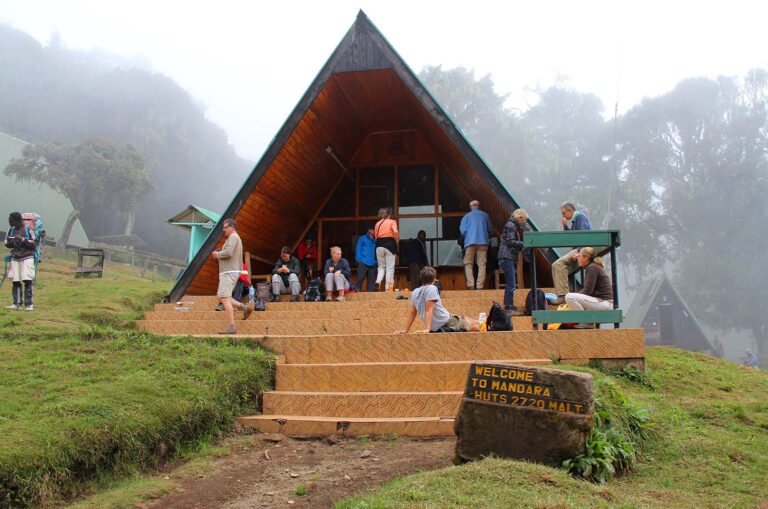
Can You Add An Extra Day During A Kilimanjaro Climb? 2026-2027
Can You Add an Extra Day during a Kilimanjaro Climb? is explained with current 2026-2027 planning, price, itinerary and booking information.
View package detailsCan Kilimanjaro Climbs Be Delayed By Weather? A Guide 2026-2027
Understand how weather can impact your Kilimanjaro climb. This guide details the risks of delays, cancellations, and how to prepare for challenging conditions on the mountain, especially...
View package details
Kilimanjaro Charity Group Payment Plan Options For Climbs 2026-2027
Discover how to fund your Kilimanjaro charity climb with flexible payment plans for 2026-2027 departures. Top Guide Adventures offers tailored financial solutions to make your expedition...
View package details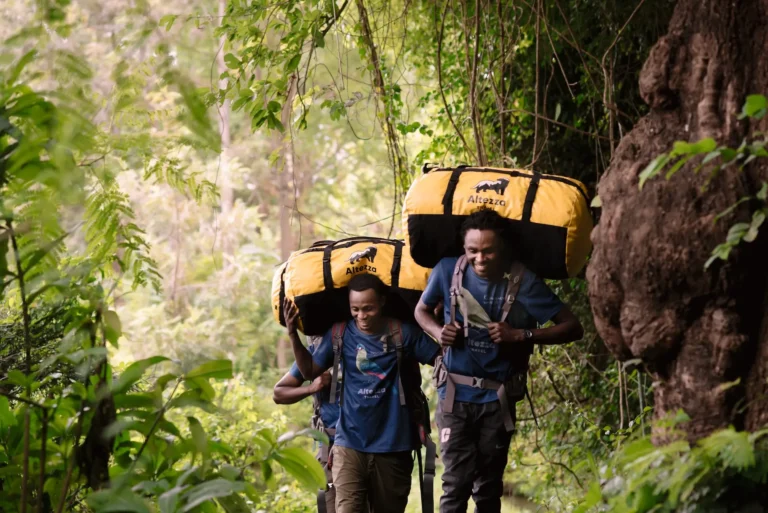
Kilimanjaro Climb Refund And Credit Policy For Climbs | Top Guide Adventures
Navigating the Kilimanjaro climb refund and credit policy is crucial for trekkers planning their 2026-2027 adventure. Top Guide Adventures provides clear guidelines on cancellations...
View package detailsKilimanjaro Group Pricing By Number Of Climbers In | Top Guide Adventures
Understand how the number of climbers affects Kilimanjaro group pricing for your 2026-2027 adventure. Top Guide Adventures breaks down the cost dynamics, from solo trekkers to large...
View package details
Kilimanjaro Climb With Flexible Payment Options: Your Guide 2026-2027
Discover how Top Guide Adventures makes climbing Mount Kilimanjaro accessible with flexible payment plans, perfect for planning your 2026 or 2027 adventure. This guide details payment...
View package details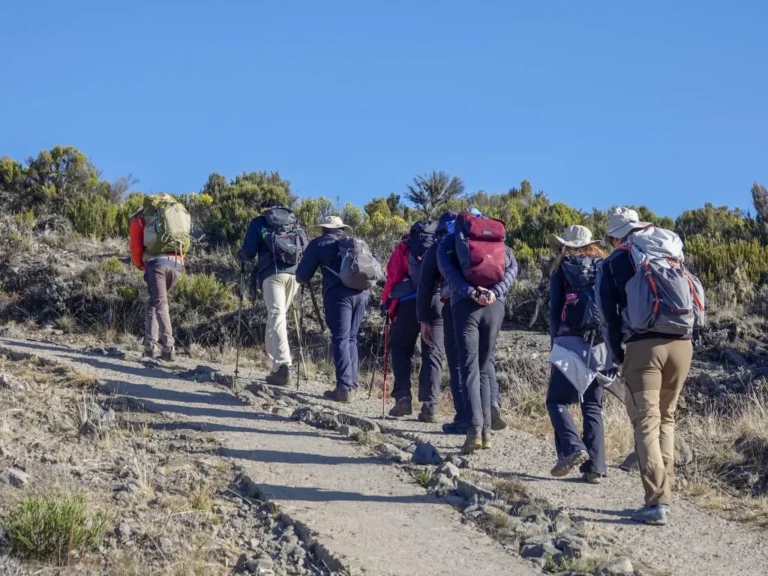
Kilimanjaro Climbing Payment Plan: Flexible Options For Your Adventure
Planning your Kilimanjaro climb is an exciting journey. Top Guide Adventures understands that financial flexibility is key. Discover how our Kilimanjaro climbing payment plan options can...
View package detailsNo related package matches those filters. Clear one or more filters to see the other topic-matched options.



