
Climbing Mount Kilimanjaro with a chronic condition is indeed possible for many individuals, but it requires thorough medical consultation, meticulous preparation, careful route selection, and choosing a reputable operator committed to safety and support. Success hinges on understanding your specific condition, its limitations, and how it might be affected by altitude, exertion, and the remote environment. Early consultation with your doctor, realistic assessment of your fitness, and opting for slower acclimatization routes are crucial steps for any traveler with a chronic health condition planning a Kilimanjaro climb in 2026-2027.
Understanding the Challenges: Kilimanjaro for Travellers with Chronic Conditions
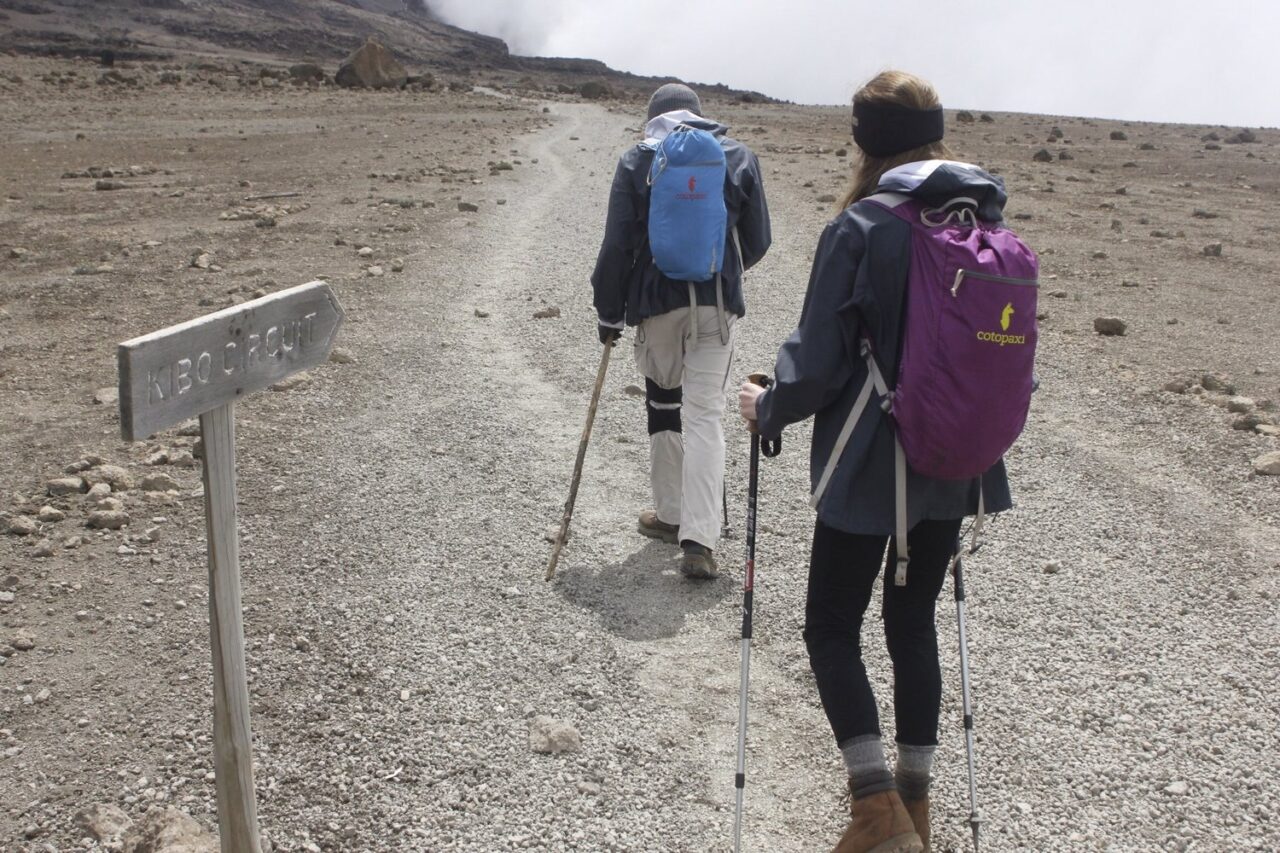
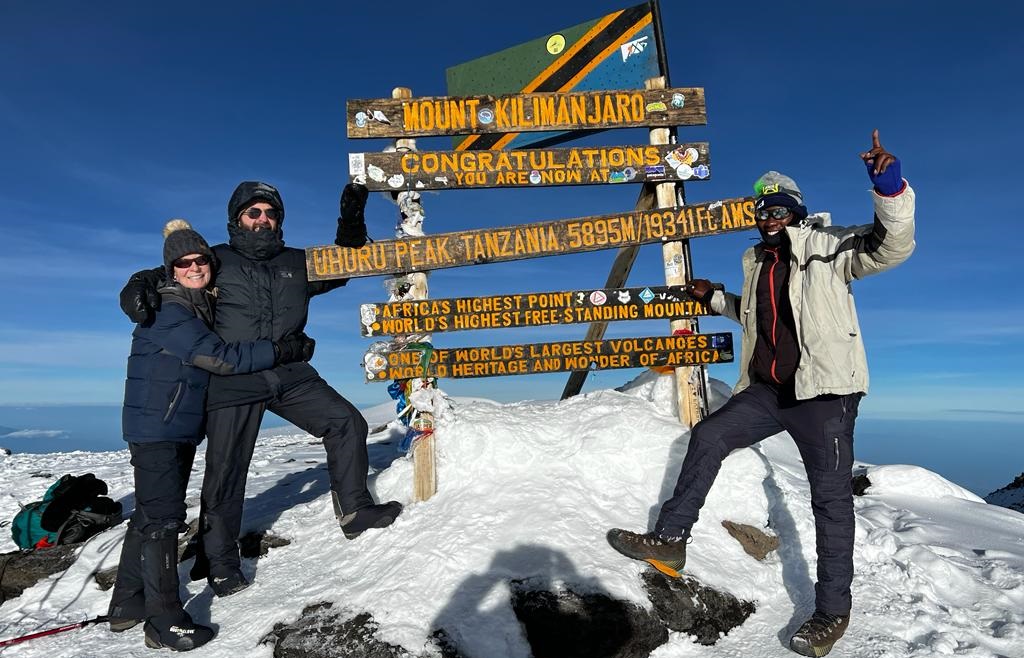
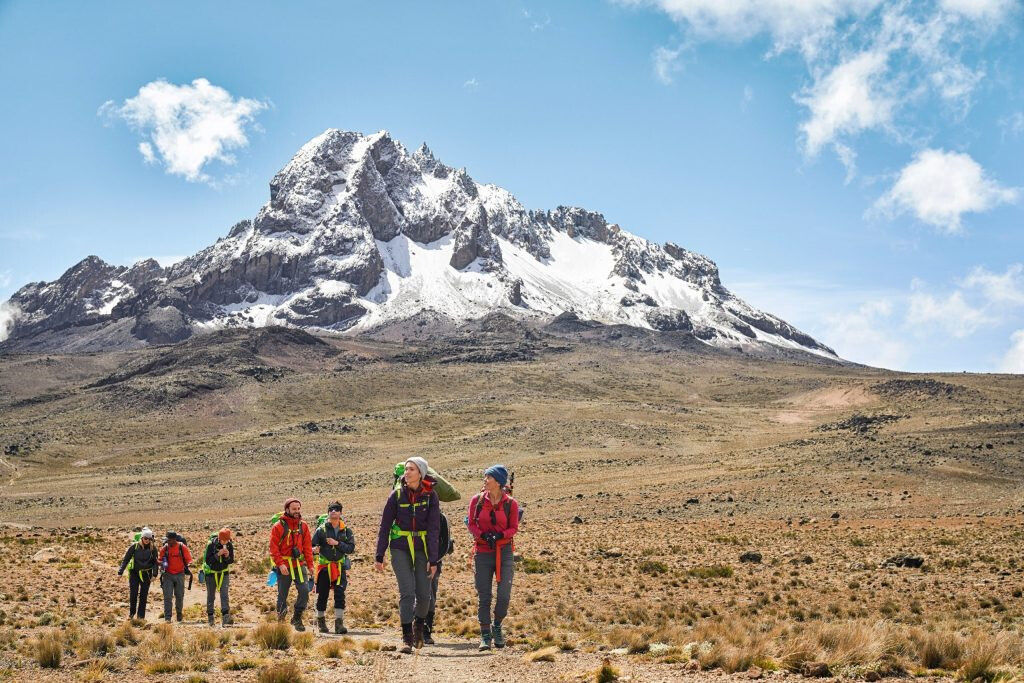
Mount Kilimanjaro, standing at 5,895 meters (19,341 feet), presents a significant physical challenge for any trekker. For individuals managing chronic health conditions, the ascent introduces an added layer of complexity. Altitude sickness (Acute Mountain Sickness – AMS), hypobaric hypoxia (reduced oxygen availability), extreme temperature fluctuations, and the physical demands of prolonged trekking can potentially exacerbate existing health issues. However, with the right approach, many of these challenges can be mitigated, making a Kilimanjaro climb a rewarding experience even for those with chronic conditions.
The key lies in a proactive and informed strategy. This involves:
- Comprehensive Medical Assessment: Consulting with your physician well in advance of your planned climb is non-negotiable.
- Realistic Fitness Preparation: Tailoring your training to build endurance and strength specifically for trekking.
- Choosing the Right Route: Opting for routes that prioritize gradual acclimatization.
- Selecting a Reputable Operator: Partnering with a tour company that has experience with diverse client needs and prioritizes safety.
- Proper Gear and Nutrition: Ensuring you have appropriate clothing, equipment, and understand your dietary needs at altitude.
- Mindful Trekking: Pacing yourself, staying hydrated, and monitoring your body’s responses closely.
This guide will explore each of these facets in detail, providing actionable advice for travelers with chronic conditions aiming for the Roof of Africa in 2026 or 2027.
Medical Consultation: Your First and Most Important Step
Before you even consider booking a Kilimanjaro climb, a thorough discussion with your healthcare provider is paramount. This isn’t a casual check-up; it’s a detailed consultation focused on your ability to undertake high-altitude trekking while managing your specific chronic condition.
What to Discuss with Your Doctor
Be prepared to provide your doctor with comprehensive information about the trek. This includes:
- The Altitude: Kilimanjaro’s summit is nearly 6,000 meters. Discuss how your condition might be affected by thin air and reduced oxygen.
- The Duration and Intensity: Most Kilimanjaro climbs range from 5 to 9 days, involving 4-8 hours of walking per day, often on steep and uneven terrain.
- The Remoteness: Medical facilities on the mountain are basic. Evacuation is possible but can be challenging and time-consuming.
- Environmental Factors: Extreme cold, potential for rain or snow, and intense sun exposure.
Specifically, discuss your chronic condition, including:
- Diagnosis and Severity: Be precise about your condition.
- Current Management Plan: Detail your medications, dosages, and any lifestyle adjustments you currently make.
- Potential Exacerbations: How might altitude, exertion, or cold affect your condition?
- Warning Signs: What are the early symptoms of your condition worsening, and how do they differ from altitude sickness symptoms?
- Medication Suitability: Are your current medications safe and effective at high altitudes? Will you need specific altitude-related medications (e.g., Diamox)?
- Emergency Protocols: What immediate actions should be taken if your condition deteriorates?
- Fitness Recommendations: What level of physical fitness is recommended, and how can you best achieve it?
Common Chronic Conditions and Kilimanjaro Considerations
While a definitive list is impossible, here are some common chronic conditions and specific points to address with your doctor:
Cardiovascular Conditions (e.g., Hypertension, Heart Disease)
Altitude can significantly impact the cardiovascular system. Reduced oxygen levels can strain the heart. Your doctor will assess your heart health, resting heart rate, blood pressure response to exertion, and any history of arrhythmias or heart failure. They may recommend specific medications or advise against the climb if risks are too high.
Respiratory Conditions (e.g., Asthma, COPD)
Reduced oxygen availability is a primary concern. While mild asthma might be manageable with proper medication and monitoring, severe COPD or uncontrolled asthma could pose significant risks. Discuss your lung function, medication effectiveness, and how to manage potential bronchospasm at altitude.
Diabetes (Type 1 and Type 2)
Managing blood sugar levels at altitude is complex. Exertion increases glucose uptake, while altitude can affect insulin sensitivity and carbohydrate metabolism. You’ll need a precise plan for medication timing, carbohydrate intake, and frequent blood sugar monitoring. Hypoglycemia (low blood sugar) is a particular concern during strenuous activity.
Autoimmune Diseases (e.g., Rheumatoid Arthritis, Lupus)
While not directly related to altitude, the physical stress, cold, and potential for dehydration can trigger flare-ups. Discuss how your condition might react to these environmental factors and the physical demands. Ensure you have adequate supplies of all necessary medications.
Neurological Conditions (e.g., Epilepsy, Multiple Sclerosis)
Altitude can sometimes affect neurological function. For epilepsy, doctors will assess the risk of seizures being triggered by stress, exertion, or hypoxia. For MS, the effects of fatigue, heat, and cold need careful consideration. Any condition affecting balance or coordination requires careful evaluation due to the challenging terrain.
Gastrointestinal Conditions (e.g., Crohn’s Disease, Ulcerative Colitis)
The stress of trekking, changes in diet, and potential for dehydration can impact the GI system. Discuss how to manage your condition, maintain hydration, and cope with potential symptoms. Ensure you carry any specific medications required.
Obtaining Medical Clearance
Your doctor may provide a letter of medical clearance, which you should carry with you. This letter should outline your condition, any specific recommendations, and emergency contact information. This can be invaluable if you require medical attention during your trek.
Fitness Training for Kilimanjaro: A Tailored Approach
A good level of cardiovascular fitness is essential for any Kilimanjaro climb. For individuals with chronic conditions, training needs to be strategic, gradual, and closely monitored to build the necessary stamina without triggering health issues.
Cardiovascular Endurance
The primary goal is to build your body’s ability to sustain moderate aerobic activity for extended periods. Aim for activities like:
- Brisk Walking/Hiking: This is the most direct form of training. Start with shorter distances on flat terrain and gradually increase duration, distance, and incline. Incorporate hills and stairs to simulate the mountain’s demands.
- Cycling: Excellent for cardiovascular health and leg strength, with less impact than running.
- Swimming: A low-impact option that builds overall endurance.
- Elliptical Trainer: Mimics the motion of walking and provides a good cardio workout.
Frequency: Aim for 3-5 sessions per week, gradually increasing the duration of your longest session to at least 4-5 hours. Listen to your body and incorporate rest days, especially if managing a chronic condition.
Strength Training
Strong legs, core, and back muscles are vital for carrying a daypack, navigating steep ascents and descents, and maintaining balance. Focus on:
- Legs: Squats, lunges, calf raises, step-ups.
- Core: Planks, Russian twists, crunches.
- Back: Rows, deadlifts (with proper form).
Frequency: 2-3 times per week, allowing for recovery between sessions.
Altitude Simulation (Optional but Beneficial)
If available, using an altitude training center or altitude simulation tent can help your body adapt to lower oxygen levels before you travel. This can provide a significant advantage, especially for those concerned about altitude sickness.
Training with Your Condition in Mind
This is where personalization is key. If you have a heart condition, focus on controlled aerobic exercise and monitor your heart rate. If you have a joint condition, prioritize low-impact exercises and ensure proper form to avoid injury. If managing diabetes, coordinate your training with your meal and medication schedule, always carrying readily available glucose sources.
Crucially: If any training activity causes pain or exacerbates your condition, stop immediately and consult your doctor or a physical therapist. The goal is to build fitness safely, not to push through pain that could lead to injury or a health crisis.
Choosing the Right Kilimanjaro Route for Chronic Conditions
The route you choose for your Kilimanjaro climb significantly impacts your acclimatization profile and overall success rate. For trekkers with chronic conditions, prioritizing routes with slower ascent profiles and more days on the mountain is highly recommended.
The principle of ‘Pole Pole’ (slowly, slowly) is especially critical.
Recommended Routes for Slower Acclimatization
Routes that offer longer durations (7-9 days) are generally better for acclimatization.
Key Routes and Their Suitability:
- Lemosho Route (8 days): Often considered one of the most scenic and offers excellent acclimatization due to its longer duration and gradual ascent profile. It starts on the western side and traverses the southern circuit.
- Machame Route (7 days): Popular and scenic, Machame is known as the ‘Whiskey Route’ and also offers good acclimatization with its 7-day option, which includes a summit success rate comparable to Lemosho. It also follows a ‘climb high, sleep low’ strategy.
- Northern Circuit (9 days): The longest route, circumnavigating the mountain. This extended duration provides the best acclimatization profile, significantly increasing success rates and reducing the risk of altitude-related illness. It is ideal for those prioritizing safety and comfort.
- Marangu Route (5 or 6 days): While the shortest and most popular, the 5-day option has a rapid ascent profile and a lower success rate, making it generally not recommended for individuals with chronic conditions or those seeking optimal acclimatization. The 6-day option offers slightly better acclimatization but is still less ideal than Lemosho, Machame, or Northern Circuit.
Why Longer Routes are Better
- Gradual Ascent: More days allow your body to adapt more effectively to decreasing oxygen levels.
- ‘Climb High, Sleep Low’: Many of these routes incorporate this crucial acclimatization strategy, where you ascend to higher altitudes during the day and descend to sleep at a lower elevation, aiding physiological adaptation.
- Reduced Fatigue: A slower pace means less cumulative fatigue, which can be beneficial for managing chronic conditions.
- More Time for Monitoring: A longer trek provides more opportunities for guides to monitor your health and for you to recognize and report any symptoms.
When discussing routes with your tour operator for a 2026 or 2027 climb, explicitly state your need for a longer acclimatization period. Prioritize the Northern Circuit (9 days) or the 8-day Lemosho Route for the best chance of a safe and successful Kilimanjaro climb with a chronic condition.
Gear and Equipment: Staying Comfortable and Safe
Appropriate gear is essential for comfort and safety on Kilimanjaro, especially when managing a chronic condition. Staying warm, dry, and protected from the elements can prevent your condition from being aggravated and help you feel your best.
Layering System is Key
The temperature on Kilimanjaro can range from tropical at the base to well below freezing at the summit. A layering system allows you to adjust your clothing to maintain a comfortable body temperature.
- Base Layer: Moisture-wicking (synthetic or merino wool) to draw sweat away from your skin. Avoid cotton.
- Mid Layer: Insulating layers like fleece jackets or down vests to trap body heat.
- Outer Layer: Waterproof and windproof jacket and trousers (e.g., Gore-Tex) to protect against rain, snow, and wind.
Essential Items to Pack
Kilimanjaro Gear Checklist for Trekkers with Chronic Conditions:
- Boots: Waterproof, broken-in hiking boots with good ankle support.
- Socks: Several pairs of wool or synthetic hiking socks.
- Trekking Trousers: Lightweight, quick-drying.
- Base Layer Tops: Long-sleeved moisture-wicking shirts.
- Mid Layer Tops: Fleece jackets or similar.
- Insulated Jacket: A warm down or synthetic jacket for evenings and summit night.
- Waterproof Outerwear: Jacket and trousers.
- Gloves: Warm, waterproof outer gloves and thinner liner gloves.
- Hat: Warm woolen hat covering the ears, and a sun hat/cap.
- Scarf/Buff: For neck and face protection.
- Headlamp: With extra batteries.
- Sunglasses: High UV protection.
- Sunscreen: High SPF.
- Lip Balm: With SPF.
- Water Bottles/Hydration Reservoir: At least 2-3 liters capacity. Insulated covers are recommended for cold weather.
- Trekking Poles: Highly recommended for stability and reducing strain on knees.
- Backpack: Comfortable daypack (30-40 liters) for essentials.
- Duffel Bag: Waterproof, for your main gear carried by porters (80-90 liters).
- Sleeping Bag: Rated to at least -10°C (0°F) or -20°C (-4°F) for summit night.
- Personal First-Aid Kit: Including any personal medications, blister treatment, pain relievers, antiseptic wipes, etc.
- Toiletries: Biodegradable soap, toothbrush, toothpaste, wet wipes.
- Snacks: High-energy, easily digestible snacks.
- Camera: With extra batteries and memory cards.
- Portable Charger/Power Bank: For electronics.
- Personal Medications: A comprehensive supply, plus extras.
Specific Considerations for Chronic Conditions
- Medication Management: Ensure you have enough of all prescribed medications for the entire trip, plus a buffer. Keep them easily accessible in your daypack, protected from extreme temperatures.
- Hydration: Dehydration can worsen many chronic conditions and increase the risk of altitude sickness. Carry sufficient water and drink consistently. Electrolyte powders can be beneficial.
- Foot Care: Blisters can become serious infections. Ensure boots fit well and use good quality socks. Pack blister treatment kits (e.g., Compeed).
- Sun Protection: High altitude sun is intense. Use high SPF sunscreen and lip balm, wear a hat and sunglasses to protect against UV damage.
- Trekking Poles: These are invaluable for stability on uneven terrain, reducing stress on joints, and providing support during ascents and descents.
Your tour operator should provide a detailed packing list. Review it carefully and discuss any specific needs related to your chronic condition with them.
On the Mountain: Acclimatization, Hydration, and Monitoring
Once on Kilimanjaro, adherence to best practices for acclimatization, hydration, and self-monitoring is crucial for everyone, but especially for those with chronic conditions. Your guides are trained to spot signs of altitude sickness, but your own awareness of your body is equally important.
The Golden Rules of Acclimatization
- Ascend Slowly: Follow the ‘Pole Pole’ mantra. Avoid rapid ascents.
- Hydrate Consistently: Drink 3-5 liters of water per day. Avoid alcohol and excessive caffeine.
- Eat Well: Maintain your energy levels with regular meals and snacks. High-carbohydrate diets are recommended at altitude.
- Sleep: Rest is vital. Try to sleep as much as possible, though sleep can be difficult at higher altitudes.
- Monitor Symptoms: Be aware of the signs of AMS (headache, nausea, dizziness, fatigue) and report them immediately.
Hydration Strategies
Dehydration is a significant risk factor for altitude sickness and can exacerbate many chronic conditions. Make a conscious effort to drink constantly throughout the day.
- Carry Sufficient Water: Ensure you have at least 2-3 liters of water accessible in your daypack.
- Use Insulated Covers: In cold weather, water bottles can freeze. Insulated covers help prevent this.
- Consider Electrolytes: Adding electrolyte powders to your water can help with hydration and replenish salts lost through sweat.
- Warm Drinks: Herbal teas and soups are excellent for hydration and warmth.
Nutrition on the Mountain
Your body requires more calories at altitude. Aim for a diet rich in carbohydrates, which are easier to metabolize at lower oxygen levels.
- Three Main Meals: Provided by your cook, these are typically balanced and carbohydrate-focused.
- Snacks: Carry your own high-energy snacks like nuts, dried fruit, energy bars, and chocolate. Eat small amounts frequently.
- Listen to Your Appetite: Appetite can decrease at altitude. Try to eat something, even if you don’t feel hungry.
Recognizing and Reporting Symptoms
Altitude sickness can range from mild to severe. Early recognition and reporting are key to preventing serious complications.
Signs of Altitude Sickness (AMS):
- Headache: Often the first symptom.
- Nausea and Vomiting: Feeling sick to your stomach.
- Dizziness and Lightheadedness: Feeling unsteady.
- Fatigue and Weakness: Unusual tiredness.
- Loss of Appetite.
- Difficulty Sleeping.
Severe AMS symptoms include: shortness of breath at rest, confusion, loss of coordination (ataxia), and coughing up frothy sputum. These require immediate descent.
Crucially for travelers with chronic conditions: Understand how these symptoms might overlap with or be mistaken for symptoms of your chronic condition. For example, fatigue can be a symptom of both AMS and certain chronic illnesses. Communicate openly with your guide about any new or worsening symptoms, even if you suspect they are related to your condition.
The Role of Your Guides and Support Team
Your guides are trained in High-Altitude Medicine (often Wilderness First Responder or similar). They will:
- Monitor your health daily.
- Assess your breathing and heart rate.
- Ask about your well-being.
- Administer oxygen if necessary (on some routes/operators).
- Make decisions about descent if AMS progresses.
Do not hesitate to inform your guide about any concerns, no matter how minor they seem. They are there to ensure your safety.
Medications and Health Management on Kilimanjaro
Managing your specific medications and health needs while trekking Kilimanjaro requires careful planning and preparation.
Altitude Sickness Medications
Diamox (Acetazolamide) is commonly prescribed to help prevent and treat Acute Mountain Sickness. Your doctor will advise if it is suitable for you, considering your chronic condition and other medications.
- Dosage: Typically 125mg twice daily, starting 1-2 days before ascent and continuing during the climb.
- Side Effects: Common side effects include increased urination, tingling in extremities, and altered taste. These are usually mild and manageable.
- Contraindications: Consult your doctor regarding Diamox if you have sulfa allergies or certain kidney conditions.
Other medications may be prescribed depending on your individual health profile.
Personal Medications
Always carry a sufficient supply of your personal prescription medications, plus at least an extra week’s worth as a buffer. Keep these medications:
- In your daypack: For easy access during the trek.
- Protected from extreme temperatures: Avoid leaving them in direct sunlight or extreme cold.
- In original packaging: With clear labeling.
First-Aid Kit Essentials
In addition to your personal medications, your kit should include:
- Pain relievers (e.g., Ibuprofen, Paracetamol)
- Antiseptic wipes
- Bandages and gauze
- Blister treatment (e.g., Moleskin, Compeed)
- Antidiarrheal medication
- Antihistamines
- Any specific items recommended by your doctor for your condition.
Managing Specific Conditions On-Trail
Diabetes: Regular blood sugar monitoring is vital. Carry fast-acting glucose sources (gels, tablets, juice). Inform your guides about your condition and how they can assist in case of hypoglycemia. Adjust insulin or oral medication as advised by your doctor, considering increased activity levels.
Asthma/COPD: Carry your inhaler(s) at all times. Be aware of the signs of worsening respiratory distress. Use supplemental oxygen if provided and recommended by your guide.
Heart Conditions: Monitor your heart rate and blood pressure if possible. Report any chest pain, unusual palpitations, or severe shortness of breath immediately.
Emergency Procedures
In case of a medical emergency:
- Inform your guide immediately.
- Guides will assess the situation and administer basic first aid.
- For serious issues, they will contact the park authorities and arrange for evacuation via stretcher or helicopter (if available and conditions permit).
- Travel Insurance: Ensure your travel insurance covers emergency medical evacuation from remote areas, including Kilimanjaro. This is non-negotiable.
Choosing a Reputable Tour Operator: Safety First
The choice of tour operator is perhaps the single most critical decision for a traveler with a chronic condition planning a Kilimanjaro climb. Safety standards, guide training, equipment quality, and the operator’s willingness to accommodate individual needs can make all the difference.
What to Look for in a Tour Operator
- Safety Record and Protocols: Do they have a strong safety record? What are their emergency procedures? Do they carry emergency oxygen and first-aid kits?
- Guide Training: Are guides certified in wilderness first aid and high-altitude medicine? How many years of experience do they have?
- Acclimatization Focus: Do they recommend and offer longer itineraries (7+ days)? Do they actively promote ‘Pole Pole’?
- Communication: Are they responsive to your queries, especially regarding your health condition? Do they encourage pre-trip medical consultations?
- Staff-to-Client Ratio: A lower ratio ensures more personalized attention.
- Equipment Quality: Do they provide quality tents, sleeping mats, and cooking equipment?
- Reviews and Reputation: Look for independent reviews, particularly from trekkers with similar concerns.
Top Guide Adventures: Your Partner for a Safe Kilimanjaro Climb
At Top Guide Adventures, we understand that every trekker is unique, and we are committed to providing a safe, supportive, and memorable Kilimanjaro experience for all, including those managing chronic conditions. We pride ourselves on:
- Experienced, Certified Guides: Our guides are highly trained in mountain rescue, first aid, and altitude sickness management.
- Focus on Safety: We prioritize safety above all else, carrying comprehensive medical kits and emergency oxygen on all climbs.
- Recommended Itineraries: We strongly advocate for and offer 7, 8, and 9-day routes (like Machame and Northern Circuit) to ensure optimal acclimatization.
- Personalized Support: We encourage open communication about pre-existing conditions and work with you and your doctor to ensure you are well-prepared.
- Quality Equipment: We use reliable, high-quality gear to ensure your comfort and safety on the mountain.
- ‘Pole Pole’ Philosophy: Our guides are trained to maintain a slow, steady pace suitable for all trekkers.
We are dedicated to helping you achieve your dream of summiting Kilimanjaro responsibly. For a personalized consultation regarding your Kilimanjaro climb for 2026 or 2027, and to discuss your specific health needs, please reach out to us.
Contact Top Guide Adventures:
- WhatsApp: +255616946642
- Email: topguideadventures@gmail.com
- Backup Email: info@topguideadventures.com
Booking Your Climb for 2026-2027
When booking your Kilimanjaro climb for 2026 or 2027, especially with a chronic condition, allow ample time for preparation. Booking at least 6-12 months in advance is advisable to accommodate thorough medical consultations and a structured training program.
Discuss your needs openly with your chosen operator. A good operator will be transparent about their safety protocols, guide qualifications, and recommended routes for acclimatization. Avoid operators who push for the shortest, cheapest options, as these often compromise safety and acclimatization.
Mental Preparation and Expectations
Beyond the physical and medical aspects, mental preparedness plays a significant role in the success of a Kilimanjaro climb, particularly for individuals managing chronic conditions.
Setting Realistic Goals
Understand that summiting Kilimanjaro is a challenging endeavor. For individuals with chronic conditions, the focus should be on the journey, the experience, and personal achievement, rather than solely on reaching the summit. Listen to your body; if the altitude or exertion becomes too much, descending is a sign of wisdom, not failure. Many people with chronic conditions successfully complete Kilimanjaro climbs by focusing on reaching as high as they comfortably can and enjoying the incredible scenery and accomplishment.
Dealing with Discomfort and Fatigue
Trekking at high altitude is inherently uncomfortable. You will likely experience fatigue, cold, and potentially mild altitude sickness symptoms. Being mentally prepared for this discomfort can help you manage it more effectively. Remind yourself of your training and your reasons for undertaking this challenge.
Positive Mindset and Support
Maintain a positive attitude. Focus on the progress you are making each day. Your guides and crew are there to support you. Communicate your feelings and concerns openly. Remember that many others have successfully climbed Kilimanjaro with chronic health conditions, and you can too with careful planning and a determined spirit.
Post-Climb Considerations
After completing your Kilimanjaro climb, whether you summited or not, allow your body adequate time to recover. Pay attention to any lingering symptoms and follow up with your doctor as needed.
- Gradual Return to Normal Activities: Avoid jumping back into strenuous activities immediately.
- Monitor Your Health: Continue to monitor your chronic condition and any changes you may have experienced during the trek.
- Hydration and Nutrition: Maintain good hydration and a balanced diet to aid recovery.
- Debrief with Your Doctor: Discuss your experience, any challenges faced, and how your condition responded to the trek.
Your Kilimanjaro climb is a significant achievement. Celebrate your accomplishment and the strength and resilience you demonstrated throughout the journey.
Conclusion: Kilimanjaro Climb for Travellers with Chronic Conditions
Embarking on a Kilimanjaro climb with a chronic condition is a serious undertaking that demands thorough preparation, careful planning, and a commitment to safety. By consulting with your doctor early, undertaking a tailored fitness program, choosing a longer, slower acclimatization route like the Northern Circuit (9 days) or Lemosho (8 days), selecting a reputable operator such as Top Guide Adventures, and staying vigilant about your health on the mountain, you can significantly increase your chances of a safe and successful ascent. Remember that ‘Pole Pole’ is more than just a pace; it’s a philosophy for managing the climb and your health. With the right approach, the Roof of Africa is within reach for many trekkers, offering an unparalleled sense of accomplishment and adventure.
For personalized advice and to plan your Kilimanjaro adventure for 2026 or 2027, tailored to your specific needs, please contact Top Guide Adventures:
WhatsApp: +255616946642
Email: topguideadventures@gmail.com
Backup Email: info@topguideadventures.com
Check Availability for Kilimanjaro Climb For Travellers With Chronic Conditions: Your Expert Guide
Ready to compare dates, prices, and the best option for your group? Send the package name and travel month so the team can reply with a clear quote, availability, and what is included.
Kilimanjaro Climb For Travellers With Food Allergies 2026-2027
Kilimanjaro Climb for Travellers with Food Allergies is explained with current 2026-2027 planning, price, itinerary and booking information.
View package details
Can You Add An Extra Day During A Kilimanjaro Climb? 2026-2027
Can You Add an Extra Day during a Kilimanjaro Climb? is explained with current 2026-2027 planning, price, itinerary and booking information.
View package details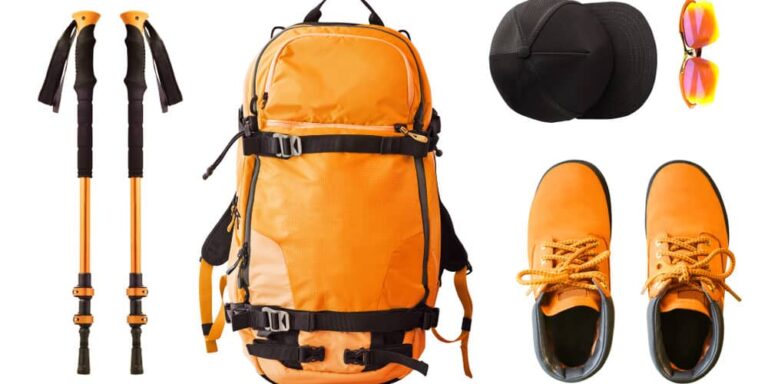
Can Kilimanjaro Climbs Be Delayed By Weather? A Guide 2026-2027
Understand how weather can impact your Kilimanjaro climb. This guide details the risks of delays, cancellations, and how to prepare for challenging conditions on the mountain, especially...
View package details
Kilimanjaro Charity Group Payment Plan Options For Climbs 2026-2027
Discover how to fund your Kilimanjaro charity climb with flexible payment plans for 2026-2027 departures. Top Guide Adventures offers tailored financial solutions to make your expedition...
View package details
Kilimanjaro Climb Refund And Credit Policy For Climbs | Top Guide Adventures
Navigating the Kilimanjaro climb refund and credit policy is crucial for trekkers planning their 2026-2027 adventure. Top Guide Adventures provides clear guidelines on cancellations...
View package details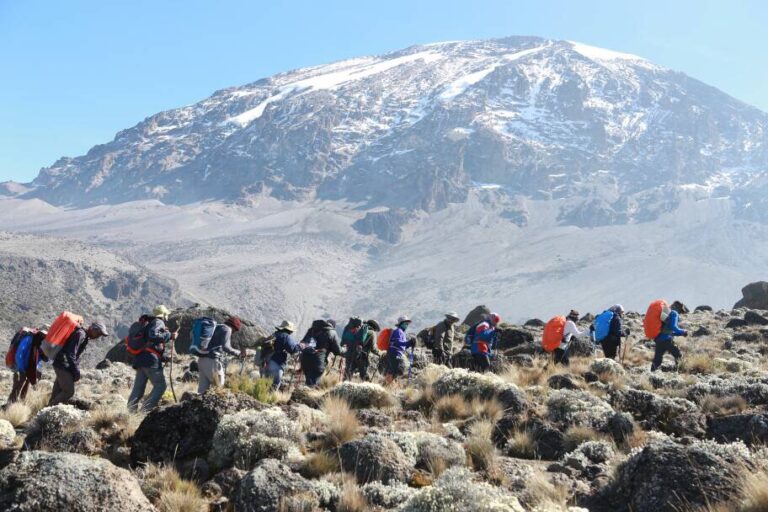
Kilimanjaro Group Pricing By Number Of Climbers In | Top Guide Adventures
Understand how the number of climbers affects Kilimanjaro group pricing for your 2026-2027 adventure. Top Guide Adventures breaks down the cost dynamics, from solo trekkers to large...
View package details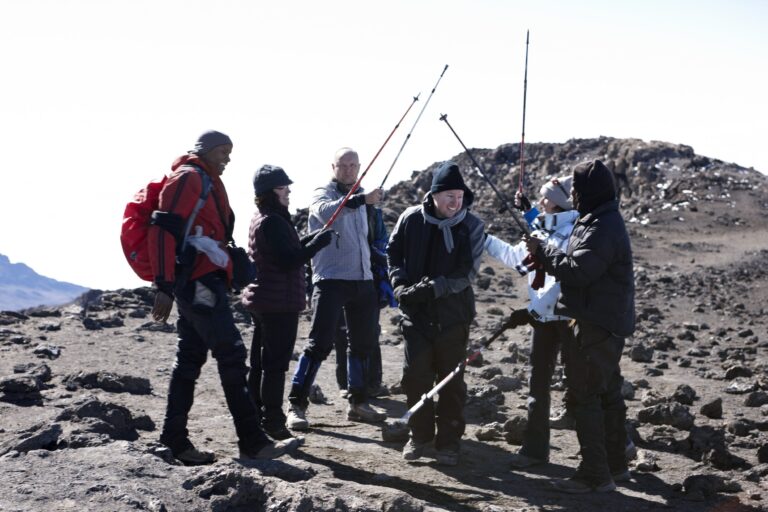
Kilimanjaro Climb With Flexible Payment Options: Your Guide 2026-2027
Discover how Top Guide Adventures makes climbing Mount Kilimanjaro accessible with flexible payment plans, perfect for planning your 2026 or 2027 adventure. This guide details payment...
View package details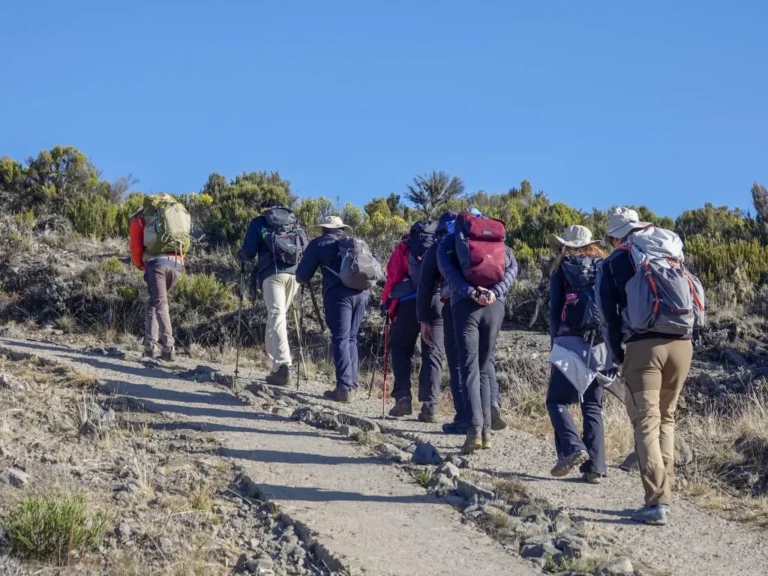
Kilimanjaro Climbing Payment Plan: Flexible Options For Your Adventure
Planning your Kilimanjaro climb is an exciting journey. Top Guide Adventures understands that financial flexibility is key. Discover how our Kilimanjaro climbing payment plan options can...
View package detailsKilimanjaro Local Culture Week For Non-Climbers: Experience Tanzanias Heart
Experience the rich cultural mix surrounding Mount Kilimanjaro without the climb. Our Local Culture Week offers non-climbers an unforgettable journey into the heart of Tanzanian traditions...
View package details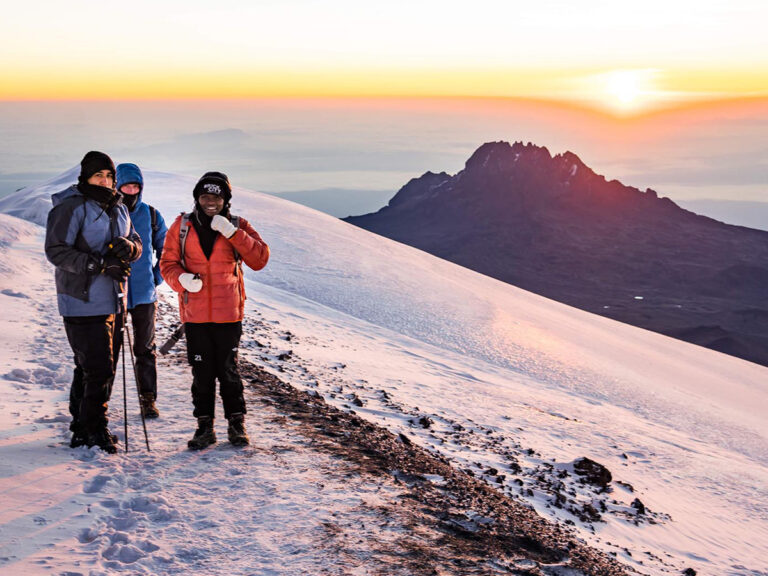
Kilimanjaro Relaxation And Spa Package: Rejuvenate After Your Climb 2026-2027
After conquering Mount Kilimanjaro, a dedicated relaxation and spa package is the perfect way to recover and rejuvenate. Top Guide Adventures provides comprehensive post-climb wellness...
View package details
Kilimanjaro Safari Before Rejoining Your Climbing Group | Top Guide Adventures
Combining a safari with your Kilimanjaro climb is a classic Tanzanian adventure. Discover how to seamlessly integrate a wildlife safari experience before meeting your climbing group for the...
View package details
Kilimanjaro Airport And Hotel Support For Climbing Groups | Top Guide
Top Guide Adventures provides comprehensive support for Kilimanjaro climbing groups, from arrival at Kilimanjaro International Airport (JRO) to comfortable hotel stays before and after your...
View package detailsNo related package matches those filters. Clear one or more filters to see the other topic-matched options.



