
A Kilimanjaro Marathon training camp in Moshi offers runners a unique opportunity to prepare at altitude, acclimatize effectively, and benefit from specialized coaching and logistical support in the shadow of Africa’s highest peak. These camps are crucial for runners targeting the marathon, half-marathon, or 5k events, providing a structured environment for peak performance during the race, especially for the upcoming 2026 and 2027 editions.
Why Moshi is the Premier Location for Kilimanjaro Marathon Training
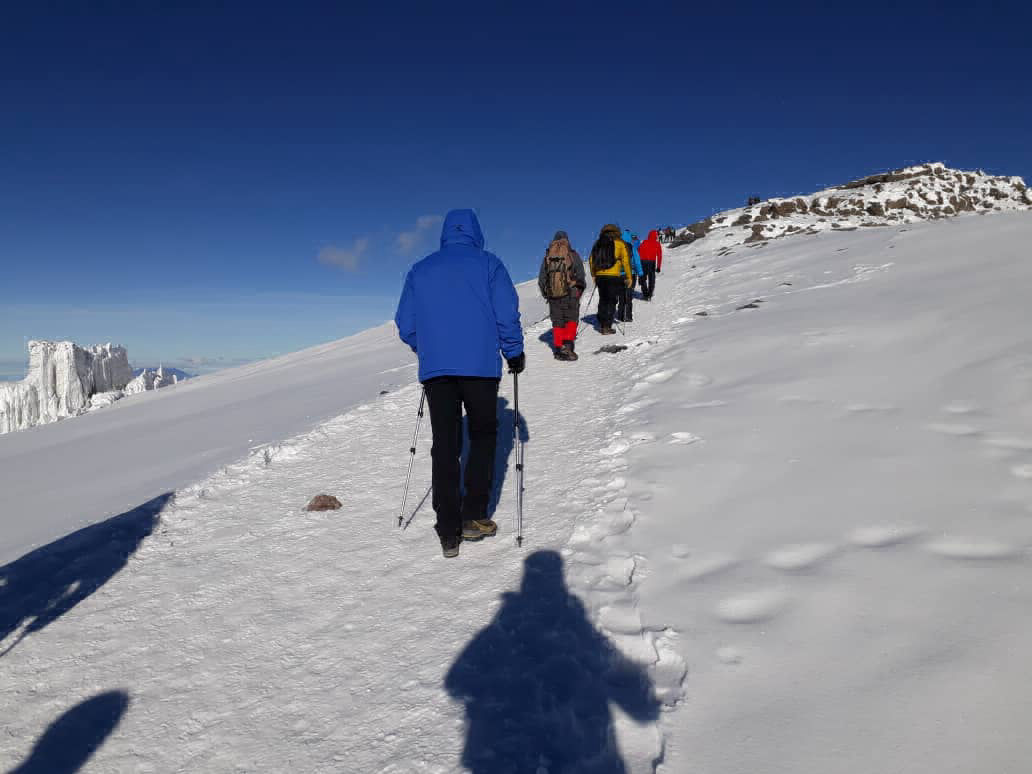
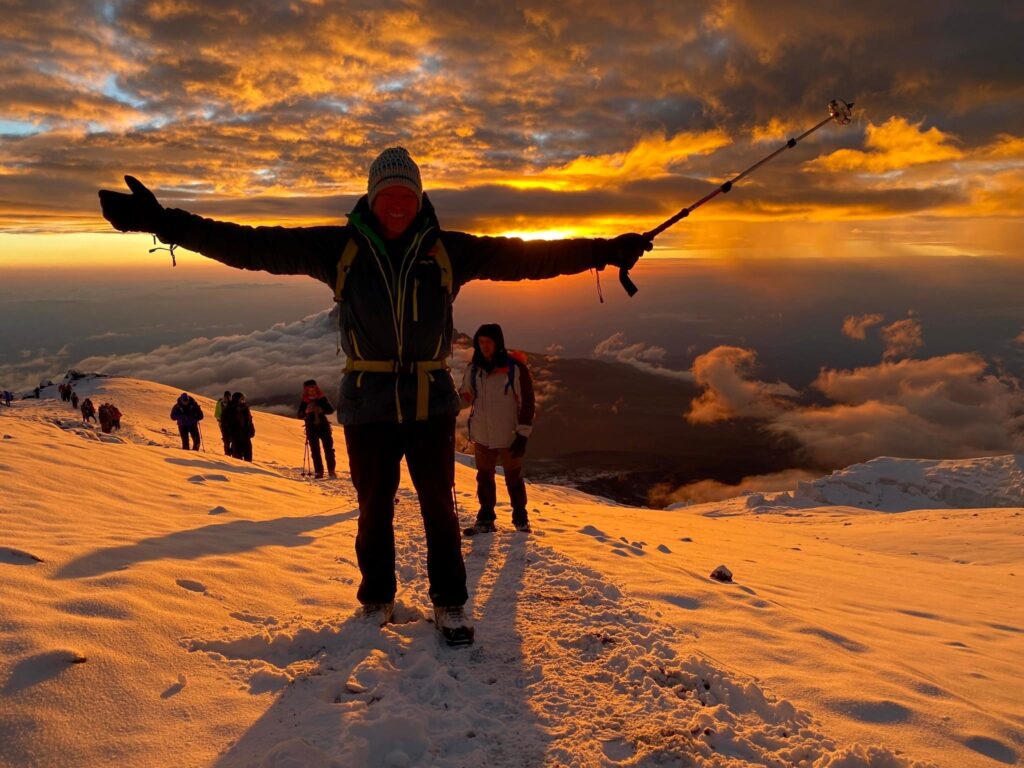
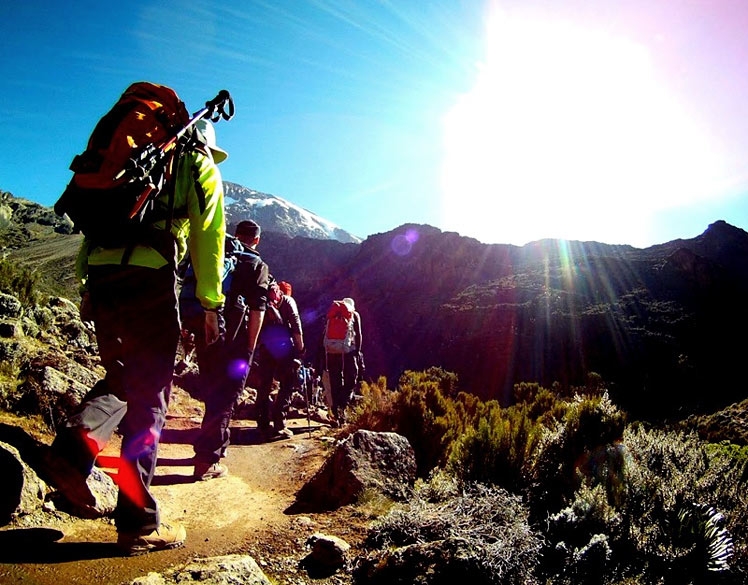
Moshi, a vibrant town situated on the slopes of Mount Kilimanjaro, is more than just a gateway to the mountain; it’s the heart of preparation for the annual Kilimanjaro Marathon. Its strategic location offers a perfect blend of altitude, accessibility, and local expertise, making it the undisputed choice for serious athletes aiming to conquer the challenging course. For the 2026 and 2027 races, understanding why Moshi stands out is the first step in planning an effective training camp.
Altitude Advantage: Training at the Right Elevation
Moshi sits at an elevation of approximately 815 meters (2,674 feet) above sea level. While not as high as the summit of Kilimanjaro itself, this altitude is significant enough to provide a substantial acclimatization benefit for marathon runners. Training at this moderate altitude helps your body adapt by increasing red blood cell production, improving oxygen transport, and enhancing endurance. This physiological preparation is invaluable for a race known for its demanding uphill sections and variable weather. Runners arriving a week or more before the Kilimanjaro Marathon 2026 or Kilimanjaro Marathon 2027 can use Moshi as a base to gradually adjust, reducing the risk of altitude sickness and maximizing their performance on race day.
Logistical Hub and Local Expertise
As the primary town serving Kilimanjaro National Park, Moshi boasts well-developed infrastructure that supports international visitors. This includes a range of accommodations, from comfortable guesthouses to more upscale hotels, all accustomed to hosting trekkers and runners. Furthermore, local tour operators and guides based in Moshi possess intimate knowledge of the region, including optimal training routes, local nutrition, and race-day logistics. For a Kilimanjaro Marathon training camp in Moshi, this means access to experienced personnel who can arrange everything from airport transfers to specialized coaching and race-day support, ensuring a smooth and focused preparation period.
The Kilimanjaro Marathon Experience: Beyond Just the Race
The Kilimanjaro Marathon, typically held in late February or early March, is a major event drawing international participants. It’s not just a race; it’s an experience that combines athletic challenge with cultural immersion. The course winds through scenic rural landscapes, offering glimpses of local life and the majestic Kilimanjaro. A training camp in Moshi allows participants to soak in this atmosphere before the main event, fostering a deeper connection to the place and the challenge ahead. For those planning for Kilimanjaro Marathon 2026 or Kilimanjaro Marathon 2027, this pre-race immersion can significantly enhance the overall journey.
Components of an Effective Kilimanjaro Marathon Training Camp
A successful training camp goes beyond simply running miles. It’s a holistic approach that integrates physical conditioning, mental preparation, acclimatization, and logistical planning. For a Kilimanjaro Marathon training camp in Moshi, the key components are designed to prepare athletes for the unique demands of racing at altitude in Tanzania.
Structured Training Regimens
Professional training camps provide customized or group training plans tailored to different runner levels (marathon, half-marathon, 5k). These plans typically include:
- Altitude Runs: Utilizing the local terrain around Moshi for runs that simulate race conditions, including uphill sprints and tempo runs at elevation.
- Strength and Conditioning: Sessions focused on building core strength, leg power, and injury prevention, often incorporating bodyweight exercises suitable for a travel environment.
- Flexibility and Recovery: Incorporating stretching, foam rolling, and rest days to aid muscle recovery and prevent overtraining.
- Pacing Strategies: Guidance on race pacing, especially crucial given the altitude and potential for significant elevation changes during the Kilimanjaro Marathon.
Altitude Acclimatization Strategies
While Moshi offers a base altitude, effective acclimatization involves more than just staying there. Camps often incorporate strategies such as:
- Gradual Exposure: Spending initial days in Moshi to allow the body to adjust before commencing intense training.
- Hydration and Nutrition: Emphasis on proper hydration and a balanced diet rich in carbohydrates and electrolytes, crucial for performance and recovery at altitude.
- Sleep Hygiene: Encouraging good sleep habits, as altitude can sometimes disrupt sleep patterns.
- Monitoring: Experienced coaches or guides will monitor participants for any signs of altitude sickness, making necessary adjustments to training intensity or recommending rest.
Nutritional Support and Hydration
Proper nutrition is paramount when training at altitude. A good Kilimanjaro Marathon training camp in Moshi will focus on:
- Balanced Meals: Providing or recommending meals rich in complex carbohydrates for energy, lean proteins for muscle repair, and healthy fats.
- Local Produce: Incorporating fresh, local fruits and vegetables to ensure adequate vitamin and mineral intake.
- Hydration Protocols: Educating runners on the increased fluid needs at altitude and providing access to safe drinking water and electrolyte supplements.
Mental Preparation and Race Strategy
The mental aspect of marathon running, especially at altitude, is often underestimated. Camps can include:
- Course Familiarization: Discussing the known route of the Kilimanjaro Marathon, including key inclines and descents.
- Mindfulness and Visualization: Techniques to build mental toughness and focus for race day.
- Goal Setting: Helping runners set realistic goals based on their training and acclimatization.
Logistical Coordination
A significant benefit of a structured camp is the handling of logistics, allowing runners to focus solely on their preparation. This includes:
- Airport Transfers: Hassle-free pick-up from Kilimanjaro International Airport (JRO).
- Accommodation: Arranging comfortable and well-located lodging.
- Transportation: Organizing transport to training locations and to the race start/finish.
- Race Registration Support: Assisting with the registration process for the Kilimanjaro Marathon 2026 or Kilimanjaro Marathon 2027.
- Pre- and Post-Race Services: Offering support before and after the event, including recovery assistance.
Choosing the Right Kilimanjaro Marathon Training Camp in Moshi
With the growing popularity of the Kilimanjaro Marathon, several operators offer training camps. Selecting the right one is critical for a positive and effective experience. Consider these factors:
Expertise of Coaches and Staff
Look for camps led by experienced coaches with a background in endurance sports, altitude training, and preferably, knowledge of the Kilimanjaro Marathon course. Staff should be knowledgeable about local conditions and capable of providing comprehensive support.
Camp Duration and Timing
The ideal duration for a Kilimanjaro Marathon training camp in Moshi typically ranges from 7 to 14 days before the race. This allows ample time for acclimatization, structured training, and rest. Ensure the camp dates align with your travel plans and the specific race date for Kilimanjaro Marathon 2026 or Kilimanjaro Marathon 2027.
Inclusions and Exclusions
Carefully review what is included in the camp package. Common inclusions are accommodation, meals, guided training runs, strength sessions, and race day support. Exclusions might include flights, visa fees, race entry fees, personal insurance, and optional excursions. Top Guide Adventures, for instance, prides itself on transparent inclusions, ensuring you know exactly what to budget for.
Accommodation and Facilities
The quality of accommodation can significantly impact your recovery and overall comfort. Look for camps offering clean, comfortable rooms with good amenities. Access to facilities for physical therapy or recovery sessions can also be a plus.
Group Size and Training Philosophy
Consider whether you prefer a small, intimate group or a larger, more social setting. Understand the camp’s training philosophy – is it focused on performance, completion, or a balance of both? A camp that aligns with your personal goals and training style will be more rewarding.
Reviews and Testimonials
Seek out reviews from past participants. Testimonials on platforms like TripAdvisor or directly from the operator’s website can offer valuable insights into the camp’s effectiveness, the quality of coaching, and the overall participant experience. For example, the positive reviews for Top Guide Adventures highlight their commitment to client care and successful Kilimanjaro expeditions, a testament to their organizational capabilities that extend to training camps.
Sample Training Itinerary in Moshi (10-Day Camp)
This sample itinerary provides a glimpse into what a structured Kilimanjaro Marathon training camp in Moshi might look like. It balances intensive training with crucial recovery and acclimatization, designed for runners targeting the full marathon for the Kilimanjaro Marathon 2026 or Kilimanjaro Marathon 2027.
Days 1-2: Arrival and Gentle Acclimatization
- Day 1: Arrive at Kilimanjaro International Airport (JRO), transfer to your hotel in Moshi. Rest and hydration. Welcome briefing by camp organizers.
- Day 2: Light shakeout run (3-5 km) on local paths. Focus on mobility and stretching. Educational session on altitude effects and nutrition.
Days 3-4: Building Intensity
- Day 3: Moderate-paced run (8-10 km) with some gentle inclines. Introduction to strength and conditioning exercises.
- Day 4: Tempo run (6-8 km) focusing on race pace simulation. Post-run recovery session (stretching/foam rolling).
Days 5-6: Peak Training Load
- Day 5: Long run (16-20 km) on varied terrain. Focus on fueling strategy during the run.
- Day 6: Interval training session (e.g., 6 x 800m repeats) at a controlled pace. Active recovery or light cross-training.
Days 7-8: Tapering and Race Simulation
- Day 7: Shorter, faster run (5-7 km) to maintain leg speed. Final detailed race strategy discussion.
- Day 8: Very light shakeout run (3-4 km) or complete rest. Focus on hydration and carb-loading.
Days 9-10: Race Preparation and Departure
- Day 9: Final pre-race preparations. Light stretching. Early bedtime.
- Day 10: Kilimanjaro Marathon day! Post-race celebration and recovery support.
- Day 11 (Optional): Departure or transfer to next destination.
This is a flexible outline; actual training plans will be adjusted based on individual fitness levels and the specific goals of the participants for the Kilimanjaro Marathon 2026 or Kilimanjaro Marathon 2027.
Beyond the Training Camp: Experiencing Moshi and Kilimanjaro
While the primary focus of a Kilimanjaro Marathon training camp in Moshi is race preparation, the location offers unique opportunities for exploration and cultural engagement. Integrating these experiences can enrich your trip.
Short Treks and Hikes
If time and energy permit before or after the intense training, consider short hikes on the lower slopes of Mount Kilimanjaro. Routes like the Marangu or Machame routes offer accessible day hikes that provide stunning views and a taste of the mountain environment without the commitment of a full climb. This can also serve as a gentle active recovery or a final acclimatization boost.
Cultural Immersion
Moshi is a hub for Chagga culture. Engaging with the local community can be a rewarding part of your trip:
- Coffee Plantations: Visit a local coffee farm to learn about the bean-to-cup process, a significant part of the region’s economy.
- Local Markets: Explore Moshi’s bustling markets for souvenirs, local crafts, and a vibrant glimpse into daily life.
- Chagga Homes: Some tours offer visits to traditional Chagga homes, providing insight into their history and way of life.
Wildlife Encounters
While not a primary safari destination, the Kilimanjaro region offers opportunities for wildlife viewing:
- Arusha National Park: A relatively short drive from Moshi, this park is known for its diverse wildlife, including colobus monkeys, buffaloes, and its stunning Mount Meru. It’s an excellent option for a day trip or a short safari before or after your training camp.
- Mkomazi National Park: Further afield but accessible for a longer excursion, Mkomazi is a vital sanctuary for black rhinos and wild dogs.
Relaxation and Recovery
After rigorous training and the marathon itself, Moshi offers a relaxed atmosphere to unwind. Enjoy local cuisine, visit cafes, or simply rest and reflect on your achievement. Many hotels and lodges offer swimming pools and spa services.
Preparing for Kilimanjaro Marathon 2026 and 2027: Key Considerations
Planning ahead is essential for a successful Kilimanjaro Marathon training camp in Moshi, especially as you look towards the Kilimanjaro Marathon 2026 and Kilimanjaro Marathon 2027.
Visa and Travel Documents
Ensure your passport is valid for at least six months beyond your stay and that you have obtained the necessary visa for Tanzania. This can often be done online in advance or upon arrival at JRO, but checking requirements well before your travel dates is crucial.
Health and Vaccinations
Consult your doctor or a travel clinic regarding recommended vaccinations and malaria prophylaxis for Tanzania. Staying hydrated and practicing good hygiene are also important preventative measures.
Travel Insurance
Comprehensive travel insurance is non-negotiable. It should cover medical emergencies, trip cancellations, and lost luggage. Ensure it specifically covers participation in marathon events.
Packing Essentials
Beyond your running gear, pack light, breathable clothing suitable for warm weather, a light jacket for cooler evenings, comfortable walking shoes, sun protection (hat, sunglasses, sunscreen), insect repellent, and any personal medications.
Race Registration
The Kilimanjaro Marathon typically opens registration several months in advance. To secure your spot and potentially benefit from early bird pricing for the Kilimanjaro Marathon 2026 or Kilimanjaro Marathon 2027, register as soon as possible. Many training camps can assist with this process.
Top Guide Adventures: Your Partner for Kilimanjaro Marathon Preparation
At Top Guide Adventures, we understand the dedication and meticulous planning required for a successful Kilimanjaro Marathon experience. As one of Tanzania’s most trusted tour companies, we offer more than just general travel services; we provide tailored support for athletes aiming for peak performance.
Tailored Training Camp Packages
While we specialize in Kilimanjaro climbs and safaris, we collaborate with expert local partners to offer comprehensive Kilimanjaro Marathon training camps in Moshi. These camps are designed to leverage the unique advantages of training at altitude, ensuring you are physically and mentally prepared for the challenges of the race. Our packages for Kilimanjaro Marathon 2026 and Kilimanjaro Marathon 2027 are crafted with your performance goals in mind.
Comprehensive Support
Our commitment extends beyond the training schedule. We arrange:
- Airport Transfers: smooth pick-up and drop-off at Kilimanjaro International Airport (JRO).
- Accommodation: Comfortable and strategically located lodging in Moshi.
- Logistics Management: Handling transportation to training sites and race-day logistics.
- Nutritional Guidance: Recommendations and support for optimal race fueling.
- Race Entry Assistance: Helping you navigate the registration process.
- Post-Race Recovery: Support services to aid your recovery after crossing the finish line.
Why Choose Top Guide Adventures?
Our foundation is built on personal attention, care, and dedicated support for every client. We leverage our extensive local knowledge and network to create an unparalleled preparation experience. Whether you’re aiming for a personal best in the marathon, completing the half-marathon, or participating in the 5k, we ensure your Kilimanjaro Marathon training camp in Moshi is a resounding success. Our dedication to client satisfaction is reflected in our positive reviews, showcasing our commitment to making your Tanzanian adventure unforgettable.
Connect With Us
Ready to plan your ultimate Kilimanjaro Marathon preparation? Get in touch with us to discuss your training camp needs for the Kilimanjaro Marathon 2026 or Kilimanjaro Marathon 2027. We are here to help you achieve your race goals with confidence and comfort.
- WhatsApp: +255616946642
- Email: topguideadventures@gmail.com
- Backup Email: info@topguideadventures.com
- Website: www.topguideadventures.com
- Instagram: @top_guide_adventures
Check Availability for Kilimanjaro Marathon Training Camp In Moshi: Your Ultimate Preparation Guide
Ready to compare dates, prices, and the best option for your group? Send the package name and travel month so the team can reply with a clear quote, availability, and what is included.
Kilimanjaro Mountain-Biking Tour From Moshi: Your Ultimate Adventure Guide
Discover the thrill of a Kilimanjaro Mountain-Biking Tour departing from Moshi. This comprehensive guide covers routes, preparation, costs, and what to expect for your 2026-2027 adventure.
View package details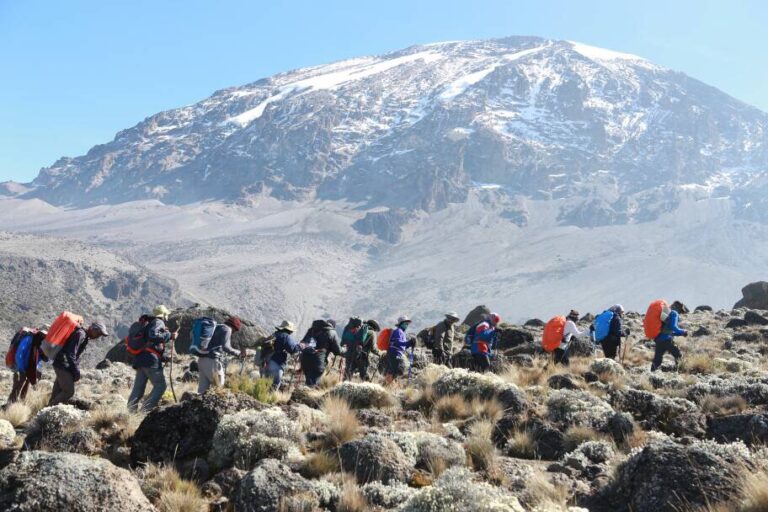
Kilimanjaro High-Altitude Running Camp: Training, Itinerary & Expert Guide
Prepare for peak performance on Kilimanjaro with a specialized high-altitude running camp. This comprehensive guide covers training protocols, ideal routes, essential gear, and expert...
View package details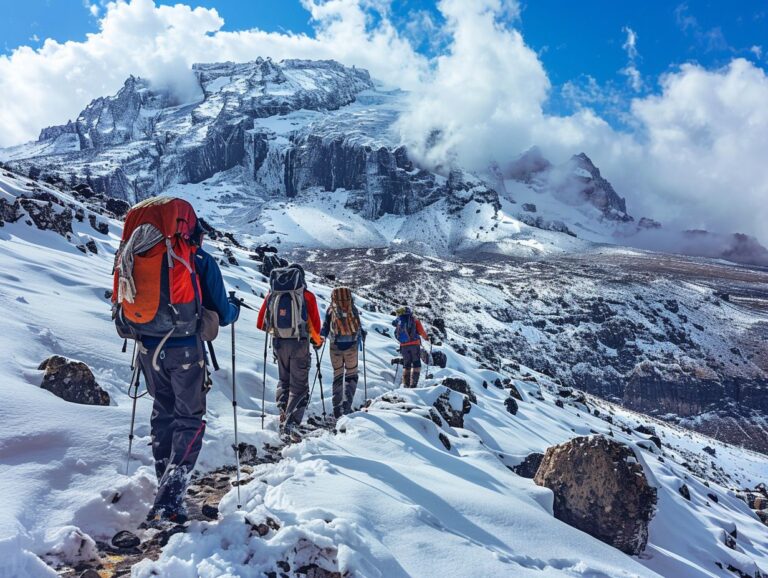
Where Do You Receive Your Kilimanjaro Certificate? A Complete Guide 2026-2027
Upon successfully summiting Mount Kilimanjaro, you'll receive your commemorative certificate at the mountain's base, typically in Moshi or Arusha, shortly after descending. This guide...
View package details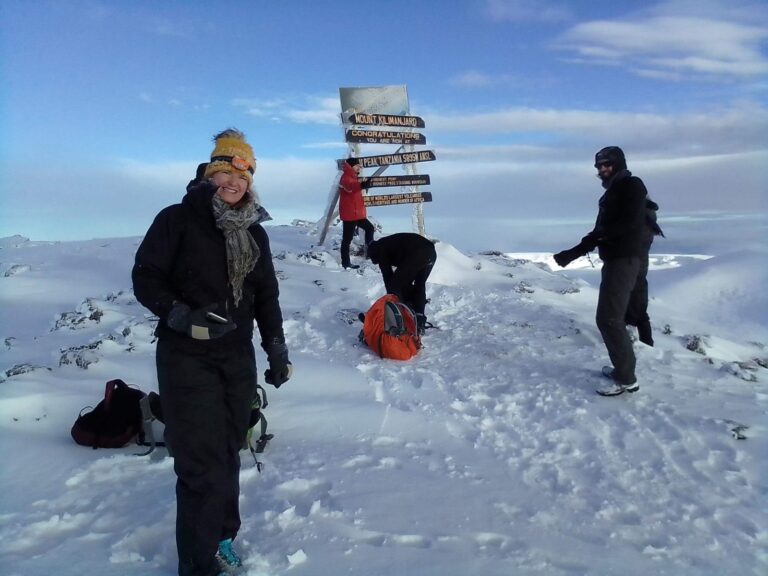
What Happens If You Lose Your Passport In Moshi? Guide
Losing your passport in Moshi, Tanzania, while on safari or climbing Kilimanjaro can be stressful. This guide outlines the immediate steps, required documents, embassy procedures, and...
View package details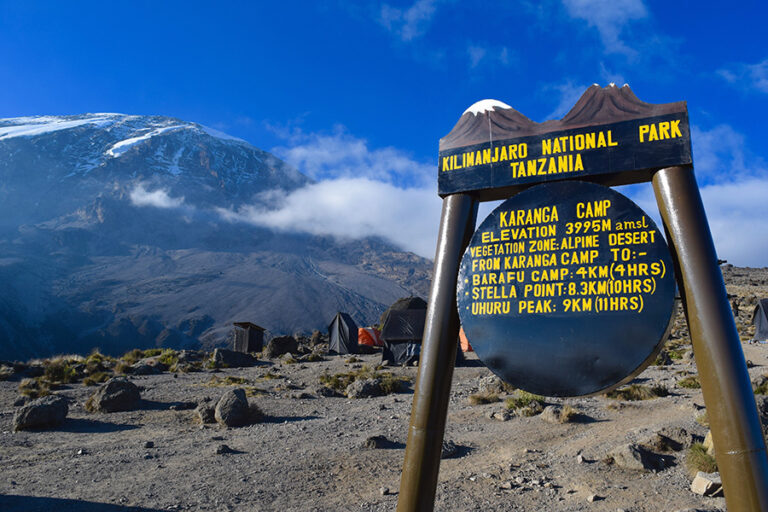
What Is Kosovo Camp On Kilimanjaro? 2026-2027
What Is Kosovo Camp on Kilimanjaro? is explained with current 2026-2027 planning, price, itinerary and booking information.
View package details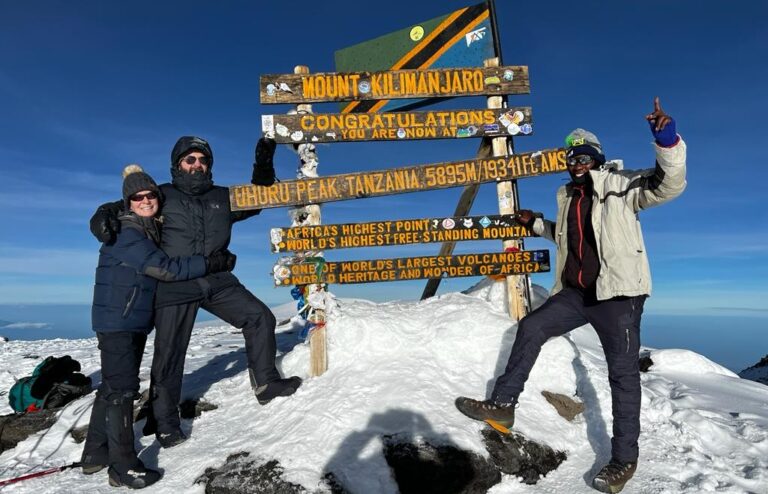
Kilimanjaro Marathon And Materuni Waterfalls Recovery Tour In 2026-2027
Experience the thrill of the Kilimanjaro Marathon followed by a rejuvenating recovery tour to the stunning Materuni Waterfalls. This unique package offers the perfect blend of athletic...
View package details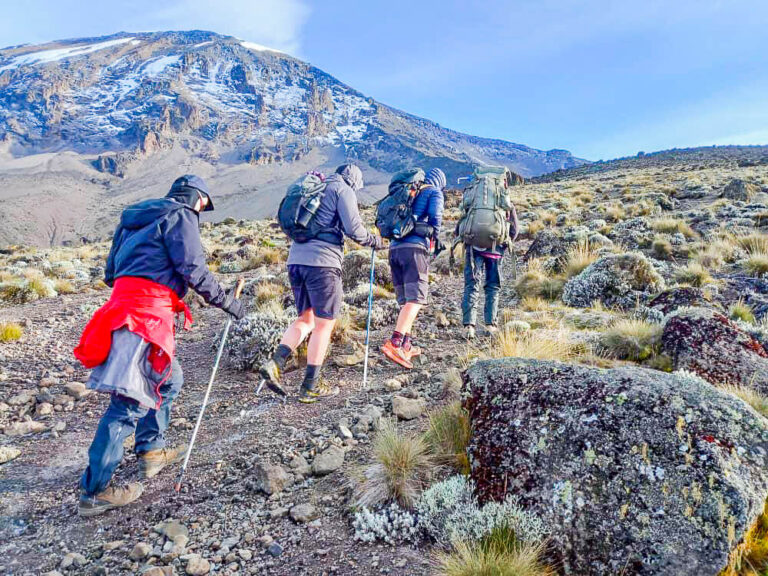
Kilimanjaro Marathon Family Travel Packages For | Top Guide Adventures
Experience the thrill of the Kilimanjaro Marathon with your family! Top Guide Adventures crafts unique travel packages for 2026-2027, blending the excitement of the race with the wonders of...
View package details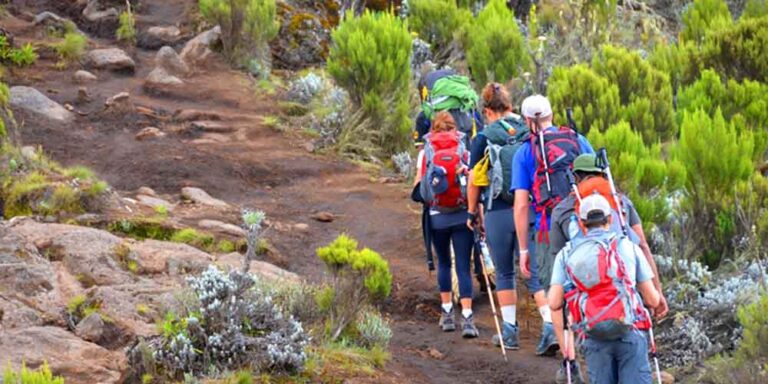
Kilimanjaro Marathon Spectator Package: Your Ultimate Guide For 2026-2027
Planning to support a runner at the Kilimanjaro Marathon? This guide details everything you need to know about spectator packages for 2026-2027, including accommodation, transport, and...
View package details
Kilimanjaro Marathon Hotel And Airport Transfer Package 2026-2027
Kilimanjaro Marathon Hotel and Airport Transfer Package is explained with current 2026-2027 planning, price, itinerary and booking information.
View package details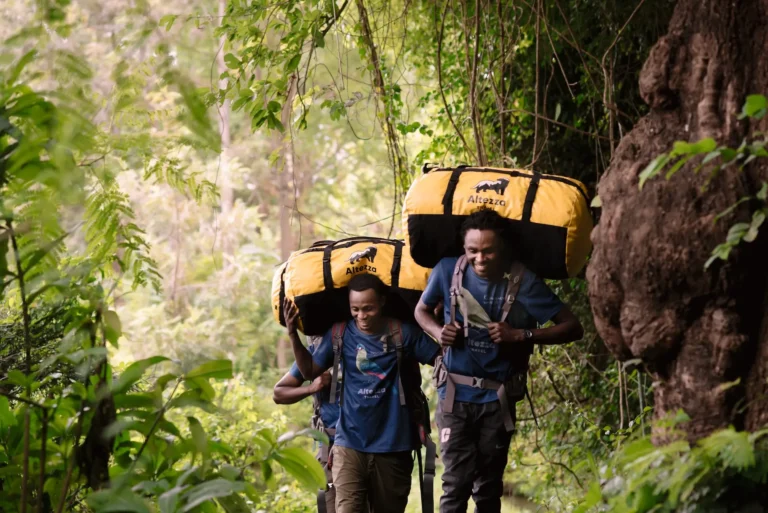
Kilimanjaro Marathon And Serengeti Safari: The Ultimate Tanzania Adventure
Experience the thrill of conquering Mount Kilimanjaro and the wonder of a Serengeti safari in one epic Tanzanian journey. This guide details how to combine the Kilimanjaro Marathon with an...
View package details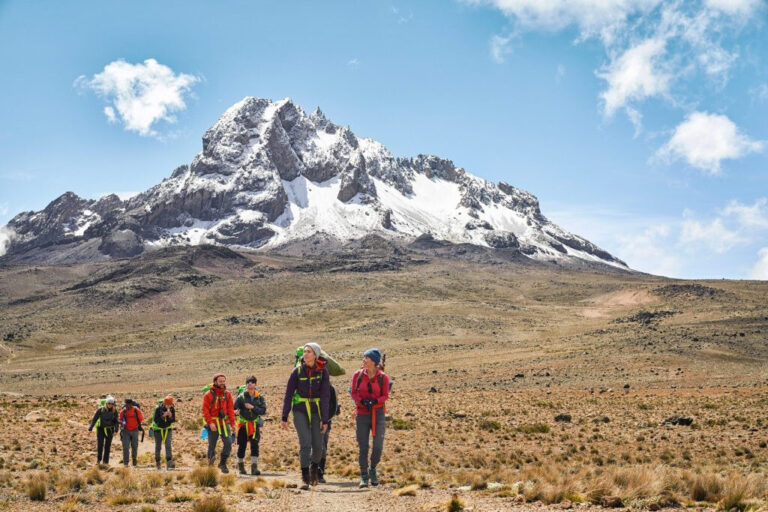
Kilimanjaro Marathon And Zanzibar Holiday: The Ultimate Combination Adventure
Experience the thrill of conquering Mount Kilimanjaro and the Kilimanjaro Marathon, followed by the serene beauty of a Zanzibar beach holiday. This guide details how to combine these...
View package detailsKilimanjaro Marathon Travel Package: Your Complete Guide 2026-2027
Planning to run the Kilimanjaro Marathon? Top Guide Adventures offers comprehensive travel packages for the 2026-2027 races, covering everything from race entry and accommodation to pre...
View package detailsNo related package matches those filters. Clear one or more filters to see the other topic-matched options.



