
Kilimanjaro group pricing by the number of climbers generally decreases on a per-person basis as the group size increases, due to shared fixed costs like crew wages, park entry fees, and equipment. While a solo climber or a small group (2-4 people) will have a higher individual cost, larger groups (5-10 people or more) benefit from economies of scale, potentially lowering the price per person. However, the total cost for the operator rises with more climbers, and the exact pricing structure depends on the chosen route, duration, accommodation standards, and included services for your 2026-2027 trek.
Understanding Kilimanjaro Group Pricing: The Impact of Climber Numbers
Planning a Kilimanjaro climb is an exciting endeavor, and understanding the associated costs is a crucial part of the preparation. For many, the idea of joining a group trek is appealing, offering camaraderie and potential cost savings. At Top Guide Adventures, we frequently receive inquiries about how the number of climbers in a group influences the overall pricing for a Kilimanjaro expedition. This detailed guide will explore the intricate relationship between group size and Kilimanjaro group pricing, helping you make an informed decision for your 2026 or 2027 climb.
The core principle behind group pricing on Kilimanjaro is the distribution of fixed and variable costs. When you book a climb, whether independently or as part of a group, certain expenses are incurred by the tour operator regardless of how many people are on the mountain. These include the salaries and provisions for your guide team (lead guide, assistant guides, cooks, porters), park entrance fees, camping or hut fees, rescue fees, and the initial setup of expedition equipment. These costs remain relatively constant whether you are a solo climber or part of a larger party.
Conversely, some costs are directly variable with the number of climbers, such as food consumed by trekkers and porter wages that are sometimes calculated per porter per day, which can increase slightly with more trekkers needing more porters. However, the most significant factor in how group size impacts per-person Kilimanjaro group pricing is the sharing of those substantial fixed costs. As more climbers join a trek, these fixed expenses are divided among a larger number of individuals, naturally bringing down the cost attributable to each person.
Let’s break down how this dynamic plays out across different group sizes for potential climbs in 2026 and 2027.
Solo Climber vs. Group Departures: A Cost Comparison
The most pronounced difference in Kilimanjaro group pricing by number of climbers is seen when comparing a solo trekker to joining a pre-scheduled group departure.
The Solo Kilimanjaro Climb: Premium Pricing
Opting for a solo climb offers unparalleled flexibility and a personalized experience. You set the pace, the departure date, and can focus entirely on your own journey. However, this exclusivity comes at a premium. When you climb alone, you bear the entire cost of the expedition crew (guides, cook, porters) and the distribution of fixed park fees solely on your shoulders. This means a solo trek will invariably be the most expensive option on a per-person basis. For instance, a typical 7-day Machame route climb that might cost $2,500 per person in a group could easily be $4,000 or more for a solo trekker. This higher price reflects the operator’s need to cover all operational costs without the benefit of cost-sharing among multiple clients.
Small Group Kilimanjaro Climbs (2-4 Trekkers): Shared Costs Begin
A small group of 2 to 4 climbers represents the initial step towards cost-sharing. While still more expensive per person than larger groups, the price per individual is significantly lower than a solo trek. The fixed costs are now divided among 2, 3, or 4 people, making it a more viable option for couples, friends, or small families looking to share the experience. For a 7-day Machame route climb, the per-person price for a group of 2 might be around $2,800, increasing slightly for 3 or 4 trekkers, but still offering a substantial saving compared to climbing alone.
Medium Group Kilimanjaro Climbs (5-9 Trekkers): Optimal Value Emerges
This is often considered the sweet spot for Kilimanjaro group pricing. A group of 5 to 9 climbers allows for significant cost distribution. The per-person price typically drops noticeably compared to smaller groups. Many tour operators, including Top Guide Adventures, offer competitive rates for this size group. A 7-day Machame route climb for a group of 5-9 might fall into the range of $2,400 to $2,600 per person. This is where the economies of scale start to make a real difference, making Kilimanjaro more accessible for friends planning a trip together or individuals joining open group departures.
Large Group Kilimanjaro Climbs (10+ Trekkers): Maximum Per-Person Savings
The largest groups, typically 10 or more climbers, usually command the lowest Kilimanjaro group pricing on a per-person basis. With a substantial number of individuals sharing the fixed operational costs, the price per climber can be at its lowest. For a 7-day Machame route, a group of 10+ might see prices ranging from $2,200 to $2,400 per person. These larger groups often form from open departures where individuals sign up for specific dates, or from corporate teams, large families, or organized clubs. The logistics for larger groups are more complex, but the financial benefit for each climber is clear.
Key Takeaway on Group Size and Pricing
Generally, the larger the group, the lower the per-person cost for a Kilimanjaro climb due to the spreading of fixed expedition expenses like crew wages and park fees across more individuals. Solo climbers pay the highest per-person rate, while groups of 10 or more typically receive the best value on a per-person basis.
Factors Influencing Kilimanjaro Group Pricing Beyond Climber Numbers
While the number of climbers is a primary driver of Kilimanjaro group pricing, it’s essential to understand that other significant factors also shape the final cost. These elements can influence the price even within groups of the same size. When comparing quotes for 2026 or 2027, consider these variables:
1. Route Choice: The Foundation of Your Trek
Different routes on Kilimanjaro vary in length, difficulty, scenery, and acclimatization profiles. These differences directly translate into cost variations. Longer routes require more days on the mountain, meaning more food, more porter days, and potentially higher park fees for extended stays. Shorter, more direct routes might seem cheaper initially but often have lower success rates due to poor acclimatization, leading to higher overall costs if a second attempt is needed.
- Marangu Route (Coca-Cola Route): Often the most affordable due to its hut accommodation and shorter duration (5-6 days). However, it has a lower success rate.
- Machame Route (Whiskey Route): Popular for its scenic beauty and good acclimatization profile, typically 6-7 days. Mid-range pricing.
- Lemosho Route: Known for stunning scenery and excellent acclimatization, usually 7-8 days. Generally more expensive due to its length and remoteness.
- Shira Route: Similar to Lemosho but starts at a higher altitude, often 7-8 days. Also mid-to-high range pricing.
- Rongai Route: Approaches from the north, drier and often less crowded, typically 6-7 days. Pricing is comparable to Machame.
- Northern Circuit: The longest route (9-10 days), offering the best acclimatization and highest success rates, circling the mountain. This is typically the most expensive route.
For example, a 7-day Machame group climb might be priced similarly across operators, but an 8-day Lemosho group climb will naturally be more expensive than a 6-day Marangu group climb, regardless of the number of climbers in each group.
2. Duration of the Climb: More Days, More Costs
As mentioned, longer routes inherently cost more. This is because park fees, crew wages, and consumables (food, fuel) are calculated daily or per day. A 9-day Northern Circuit trek will cost more than a 6-day Marangu trek, even if both groups have 5 people. The longer duration allows for better acclimatization, significantly increasing success rates, which is a key consideration for climbers in 2026-2027.
3. Accommodation Standards and Services: Comfort Levels
The level of service and comfort provided by the tour operator significantly impacts Kilimanjaro group pricing. This includes:
- Quality of Tents and Camping Gear: High-quality, all-weather tents and comfortable sleeping mats add to the operational cost.
- Food Quality and Variety: More elaborate meals, including fresh ingredients, dietary accommodations, and hot drinks, require more resources.
- Porterage: The number of porters assigned per climber can vary. While regulations set a minimum, some operators provide more porters for greater comfort, ensuring trekkers carry lighter loads. This increases costs but enhances the experience.
- Guide-to-Climber Ratio: A lower ratio (e.g., 1:2 or 1:3 assistant guides per climber) ensures more personal attention and safety, but requires more guides and thus higher costs.
- Hut vs. Camping: The Marangu route’s unique hut accommodation has different cost structures compared to the camping required on other routes.
Top Guide Adventures prides itself on offering excellent value by providing high-quality gear, experienced and well-remunerated crew, and delicious, nutritious meals, ensuring a comfortable and safe climb without compromising on the essential elements that contribute to success.
4. Inclusions and Exclusions: What’s Covered?
The final price of a Kilimanjaro group climb is heavily influenced by what is included in the package. Always scrutinize the details:
- Park Fees: These are non-negotiable and a significant portion of the cost. Ensure they are included.
- Rescue Fees: Essential for safety, these should always be part of the package.
- Accommodation before and after the climb: Some packages include hotel stays in Moshi or Arusha, while others do not.
- Airport transfers: Check if transfers to/from Kilimanjaro International Airport (JRO) are covered.
- Tipping: While tipping is customary, some operators include recommended tips in their pricing, while others leave it to the client.
- Bottled water: Many operators provide boiled or purified water, but some may offer bottled water, which adds to the cost.
- Gear rental: Items like sleeping bags, trekking poles, or waterproof jackets might be included or available for rent.
Operators who include more services will naturally have a higher initial price, but it often represents better overall value and simplifies your planning. For 2026-2027 bookings, clarity on inclusions is paramount.
5. Operator’s Reputation and Support Level
Established tour operators with a strong safety record, experienced guides, and a commitment to ethical treatment of porters often command slightly higher prices. This is an investment in your safety and the quality of your experience. Companies that invest in advanced medical training for their guides, carry comprehensive medical kits, and have robust emergency evacuation plans (often involving a dedicated rescue vehicle) justify their pricing through superior support structures.
Top Guide Adventures is committed to responsible tourism, ensuring fair wages and working conditions for our staff, which is reflected in our pricing structure. We believe that investing in our crew and safety protocols is investing in your successful and memorable Kilimanjaro journey.
How Group Size Affects Specific Cost Components
Let’s look at how the number of climbers directly impacts the cost breakdown for a typical Kilimanjaro expedition:
Park and Camping/Hut Fees
These are often calculated on a per-person, per-day basis. For example, a climber might pay approximately $70-$80 per day for park fees and another $30-$40 per day for camping fees (or hut fees on Marangu). These fees are largely fixed per individual, regardless of group size. Therefore, while the total amount collected by the park authority increases with more climbers, the per-person rate doesn’t decrease. The benefit here is purely in the tour operator’s administrative efficiency and potentially slightly better negotiation power with the park authorities for very large, pre-booked groups, though this is less common for standard tourist groups.
Guide and Porter Wages
This is where group size has the most significant impact on Kilimanjaro group pricing. Tour operators must hire a minimum number of guides, a cook, and porters based on regulations and the number of trekkers. For instance:
- Guides: Typically, 1 lead guide and 2 assistant guides are required for groups up to 8 people. For larger groups, additional assistant guides are needed. The wages for these guides are paid per expedition day.
- Cook: One cook is usually sufficient for most group sizes, though very large groups might require an assistant cook.
- Porters: Regulations dictate the porter-to-climber ratio, often around 1:1.5 or 1:2 (meaning for every 2 climbers, there might be 3 porters). Porter wages are paid per day.
Example Scenario (Simplified):
Assume daily wages are: Lead Guide $40, Assistant Guide $30, Cook $25, Porter $15.
- Solo Climber (7-day trek): 1 Lead Guide + 2 Assistant Guides + 1 Cook + approx. 10-15 Porters (for gear, food, personal luggage). The wages for these 14-19 crew members are borne entirely by the solo climber.
- Group of 6 (7-day trek): 1 Lead Guide + 2 Assistant Guides + 1 Cook + approx. 20-25 Porters (more porters needed for shared group equipment and food). These crew wages are divided among 6 climbers.
As you can see, even though the total crew cost increases with more porters for a larger group, when divided by 6 people, the per-person share of the crew’s wages is substantially lower than for a solo climber.
Food and Consumables
The cost of food per person per day is relatively consistent. However, larger groups allow for more efficient purchasing of bulk ingredients, potentially leading to slight cost savings per person for the operator. Additionally, waste management and fuel for cooking can be optimized in larger groups.
Equipment and Logistics
The cost of purchasing, maintaining, and transporting expedition equipment (tents, cooking gear, tables, mattresses) is a significant fixed cost. For a larger group, this cost is spread across more people. While a larger group might require more tents, the cost per tent might be slightly reduced through bulk purchasing or efficient use of available gear.
Calculating Your Kilimanjaro Group Pricing: A Practical Approach
When you receive a quote from a tour operator like Top Guide Adventures for your 2026 or 2027 Kilimanjaro climb, it will be based on the factors discussed. Here’s how you can interpret it:
Standard Group Departures
These are pre-scheduled climbs open to anyone who wishes to join. Operators set specific dates, and individuals or small groups can book onto these. The Kilimanjaro group pricing for these departures is typically set to be attractive, often reflecting a medium-to-large group size (e.g., based on an assumed 6-10 climbers). If fewer people book than anticipated, the operator might absorb the difference, or in rare cases, they might increase the price slightly or cancel the departure (with full refunds or options to join another date).
Top Guide Adventures offers several open group departures for 2026 and 2027 across popular routes like Machame and Lemosho. These are ideal for solo travelers or small parties looking for a guaranteed climb at a competitive price. You can find our scheduled group departure dates here: Machame Route Group Departures.
Private Group Bookings
If you have a specific group of friends, family, or colleagues, you can book a private climb. The Kilimanjaro group pricing for private groups is calculated based on the exact number of people in your party.
- 2-3 Climbers: Expect a price slightly higher per person than a standard group departure, but significantly less than a solo climb.
- 4-7 Climbers: This size group often matches the pricing of standard group departures, offering the benefit of a private group experience at a similar cost.
- 8+ Climbers: You might even negotiate slightly better rates than standard group departures, or at least ensure a very comfortable crew ratio and personalized service.
When requesting a quote for a private group, be specific about the number of participants, your preferred dates, and the route you wish to take. This allows operators like Top Guide Adventures to provide an accurate and tailored Kilimanjaro group pricing structure.
Customizing Your Group Climb
Even within a private group, you can customize your experience. Want a slightly higher crew-to-climber ratio for more support? Need specific dietary arrangements? Want to add a day of acclimatization or a rest day? These customizations can affect the overall Kilimanjaro group pricing, but they allow you to fine-tune your expedition to your exact needs and budget for 2026-2027.
Example Cost Breakdown for a 7-Day Machame Route Climb (Mid-Range Operator)
This is a hypothetical breakdown to illustrate how group size affects per-person costs. Prices are estimates and can vary significantly.
| Cost Component | Solo Climber (Est. Price/Person) | Group of 4 (Est. Price/Person) | Group of 8 (Est. Price/Person) |
|---|---|---|---|
| Park & Camping Fees (7 days) | $770 | $770 | $770 |
| Guide & Crew Wages (7 days) | $1,200 | $500 | $300 |
| Food & Consumables (7 days) | $350 | $250 | $200 |
| Equipment & Logistics | $400 | $200 | $150 |
| Operator Margin & Overhead | $580 | $480 | $430 |
| Total Estimated Per Person Cost | $3,300 | $2,200 | $1,850 |
Note: This table simplifies complex cost structures. Actual prices vary by operator, route, and specific inclusions.
Maximizing Value: Tips for Finding the Best Kilimanjaro Group Pricing
Securing the best Kilimanjaro group pricing for your 2026-2027 adventure involves more than just looking at the bottom line. It’s about finding a balance between cost, quality, safety, and experience.
1. Book in Advance, Especially for Group Departures
For popular group departure dates in 2026 and 2027, booking well in advance is crucial. This not only secures your spot but also allows tour operators to plan logistics more effectively, potentially leading to better resource allocation and pricing. Early booking also gives you more time to prepare physically and mentally.
2. Compare Inclusions Carefully
As highlighted earlier, what’s included can drastically alter the perceived price. Always ask for a detailed breakdown of what is covered. A cheaper quote might seem attractive, but if it excludes essential items like park fees or adequate porterage, it could end up costing you more in the long run.
3. Look for Reputable Operators
While it’s tempting to go for the absolute cheapest option, remember that Kilimanjaro is a serious undertaking. Choosing a reputable operator like Top Guide Adventures ensures that you have experienced guides, well-maintained equipment, adequate food, and robust safety protocols. The Kilimanjaro group pricing reflects the investment in these critical areas.
We encourage you to read reviews and testimonials. For example, see what our clients say on TripAdvisor. Our commitment is to provide an exceptional experience with transparent pricing.
4. Consider Shoulder Seasons
While Kilimanjaro can be climbed year-round, certain periods are considered shoulder seasons (e.g., April-May, November). These months may have slightly less ideal weather but often come with lower prices for flights and potentially slightly adjusted tour operator pricing due to lower demand. Always discuss weather expectations with your operator for these periods.
5. Understand the Value Proposition
Kilimanjaro group pricing isn’t just about the number of people; it’s about the value you receive. Consider the expertise of the guides, the quality of the food, the comfort of the camping gear, the safety measures in place, and the ethical treatment of the support crew. A slightly higher price for a superior experience and increased safety is often well worth it.
Kilimanjaro Group Pricing by Number of Climbers in 2026-2027: What to Expect
As we look ahead to the climbing seasons of 2026 and 2027, the fundamental principles of Kilimanjaro group pricing by number of climbers will remain consistent. However, there might be minor adjustments due to inflation, changes in park fees, or currency exchange rates. It’s always advisable to get the most up-to-date quotes from your chosen operators.
For 2026 and 2027, here’s a general expectation for per-person costs on a popular 7-day Machame Route climb with a reputable operator like Top Guide Adventures:
- Solo Climber: Likely to range from $3,200 – $4,500+ USD.
- Group of 2-3: Likely to range from $2,700 – $3,500 USD per person.
- Group of 4-7: Likely to range from $2,400 – $2,900 USD per person.
- Group of 8-12+: Likely to range from $2,200 – $2,600 USD per person.
These figures are estimates and can vary based on the specific inclusions, route duration, and the operator’s service level. Always request a detailed quote.
Joining an Open Group Departure in 2026 or 2027
If you’re an individual or part of a small group looking for the best Kilimanjaro group pricing, joining one of our scheduled group departures is an excellent strategy. These departures are designed to offer excellent value by pooling resources. You’ll climb with like-minded adventurers, share costs, and benefit from the expertise of Top Guide Adventures’ experienced crew. Check out our latest schedule for 2026 and 2027: Tanzania Group Departures.
Planning a Private Group Expedition for 2026-2027
For families, friends, or corporate teams, a private group climb offers a tailored experience. The Kilimanjaro group pricing for private groups is calculated based on your specific number of climbers. Even for smaller private groups (4-6 people), the per-person cost is often comparable to or only slightly higher than joining a larger open group, while providing the benefits of a private departure.
Contact us directly to discuss your private group’s needs. We can help you select the best route, duration, and customize the itinerary to match your group’s goals and budget for 2026 or 2027.
The Role of Top Guide Adventures in Your Kilimanjaro Climb
At Top Guide Adventures, we are dedicated to providing unforgettable Kilimanjaro climbing experiences. We understand that Kilimanjaro group pricing by number of climbers is a critical factor for many adventurers. Our commitment is to transparency, safety, and exceptional value.
We offer a range of routes and departure dates, catering to different preferences and budgets. Whether you’re joining one of our scheduled group departures or planning a private expedition for 2026 or 2027, you can expect:
- Experienced and Certified Guides: Our guides are highly trained in wilderness first aid and possess extensive knowledge of Kilimanjaro.
- High-Quality Equipment: We provide durable, comfortable tents and essential camping gear.
- Nutritious Meals: Our cooks prepare delicious and energy-boosting meals to fuel your climb.
- Ethical Crew Treatment: We ensure fair wages and good working conditions for all our porters and guides.
- Safety First Approach: Comprehensive safety protocols, including oxygen systems and emergency communication.
We believe that the best Kilimanjaro group pricing is one that doesn’t compromise on quality or safety. We are here to answer all your questions and help you plan the adventure of a lifetime.
Ready to discuss your Kilimanjaro climb for 2026 or 2027? Get in touch with our expert team today. You can reach us via WhatsApp at +255616946642, email us at topguideadventures@gmail.com, or use our backup email info@topguideadventures.com. Let’s make your Kilimanjaro dream a reality!
Check Availability for Kilimanjaro Group Pricing By Number Of Climbers In | Top Guide Adventures
Ready to compare dates, prices, and the best option for your group? Send the package name and travel month so the team can reply with a clear quote, availability, and what is included.
Eco-Friendly Kilimanjaro Group Expedition: Your Sustainable Climb In 2026-2027
Discover how to undertake an eco-friendly Kilimanjaro group expedition, focusing on sustainability, responsible tourism, and preparing for your climb in 2026-2027 with Top Guide Adventures.
View package details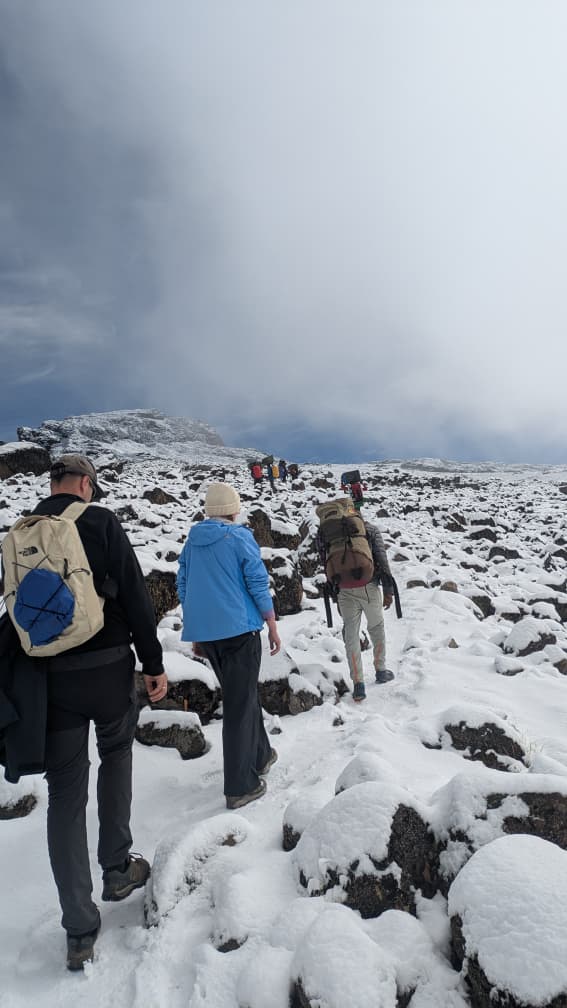
Kilimanjaro Corporate Group Booking Rates & Planning For 2026-2027
Discover how to secure advantageous Kilimanjaro corporate group booking rates for your company's next team-building adventure or incentive trip in 2026 and 2027. Top Guide Adventures...
View package details
Kilimanjaro Charity Group Payment Plan Options For Climbs 2026-2027
Discover how to fund your Kilimanjaro charity climb with flexible payment plans for 2026-2027 departures. Top Guide Adventures offers tailored financial solutions to make your expedition...
View package details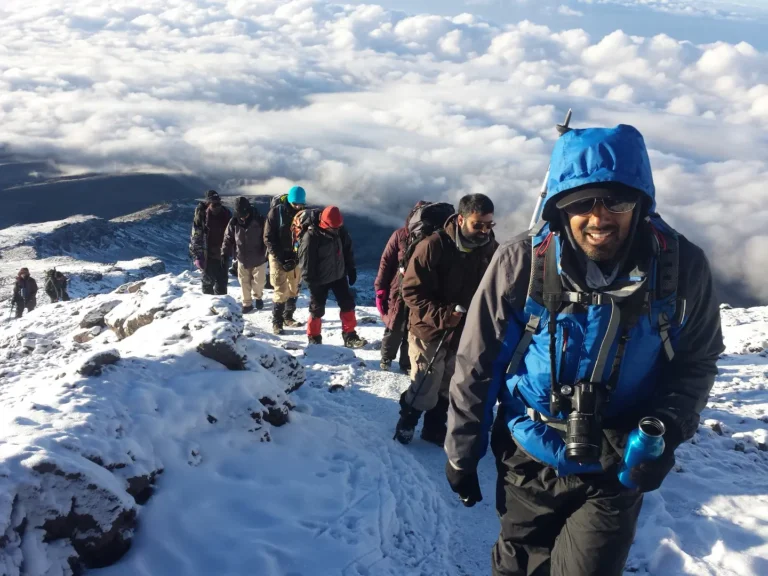
Kilimanjaro Booking Terms For Group Leaders 2026-2027
Kilimanjaro Booking Terms for Group Leaders is explained with current 2026-2027 planning, price, itinerary and booking information.
View package details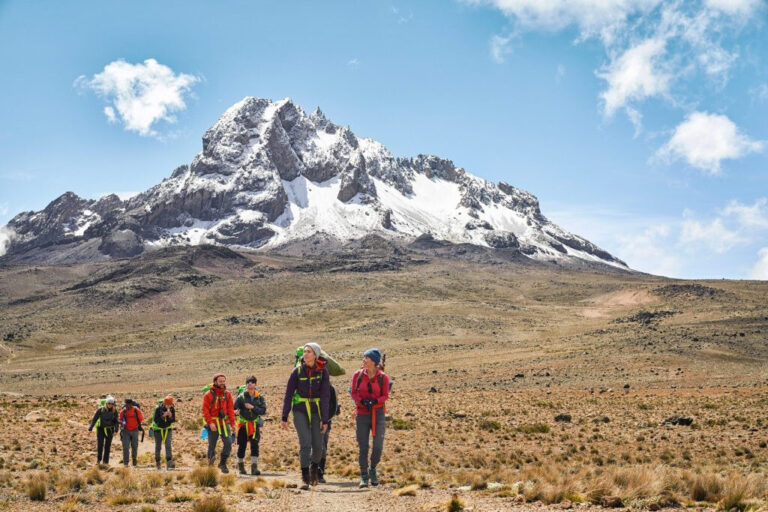
What Happens If Your Kilimanjaro Group Does Not Form? | Top Guide Adventures
If your planned Kilimanjaro group doesn't materialize, Top Guide Adventures offers flexible options including joining an existing group, a private climb, or exploring alternative dates for...
View package details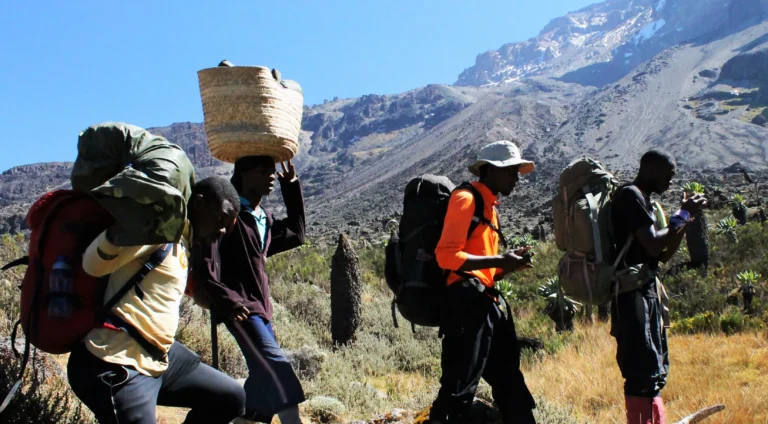
Kilimanjaro Safari Before Rejoining Your Climbing Group | Top Guide Adventures
Combining a safari with your Kilimanjaro climb is a classic Tanzanian adventure. Discover how to seamlessly integrate a wildlife safari experience before meeting your climbing group for the...
View package details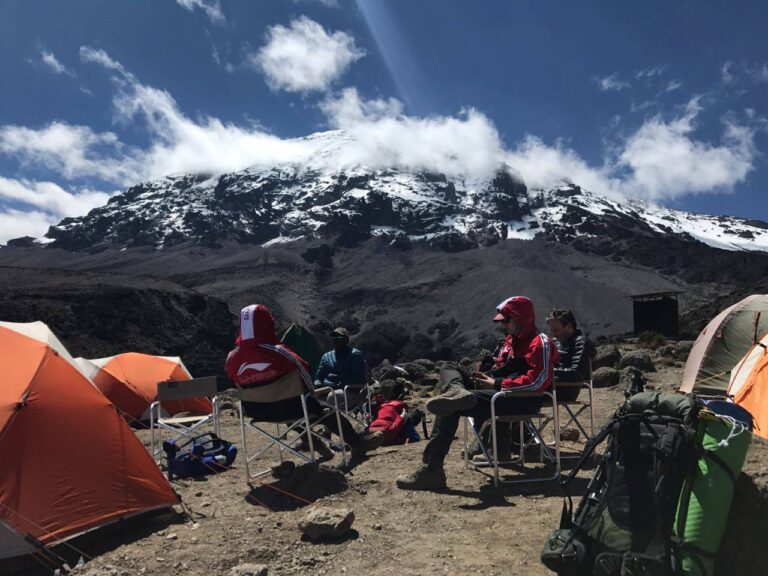
Spanish Group Departures For Kilimanjaro: Dates, Costs & Planning 2026-2027
Discover upcoming Spanish group departures for Kilimanjaro climbs, offering a cost-effective and social way to conquer Africa's highest peak. This guide details 2026-2027 dates, route...
View package details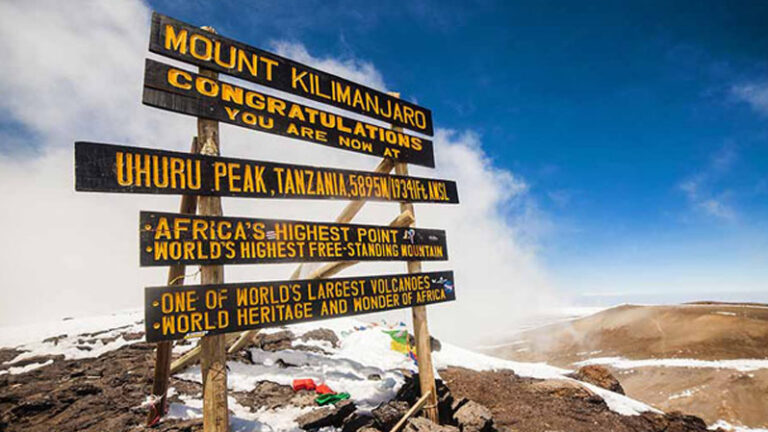
French Group Departures For Kilimanjaro: Your Guide 2026-2027
Discover essential information for French speakers planning a Kilimanjaro climb via group departures in 2026-2027. This comprehensive guide covers routes, preparation, costs, and booking...
View package detailsGerman Group Departures For Kilimanjaro: Your Guide 2026-2027
Planning a Kilimanjaro climb with fellow German speakers? Discover curated group departures for 2026-2027, focusing on safety, success, and cultural connection. Top Guide Adventures...
View package details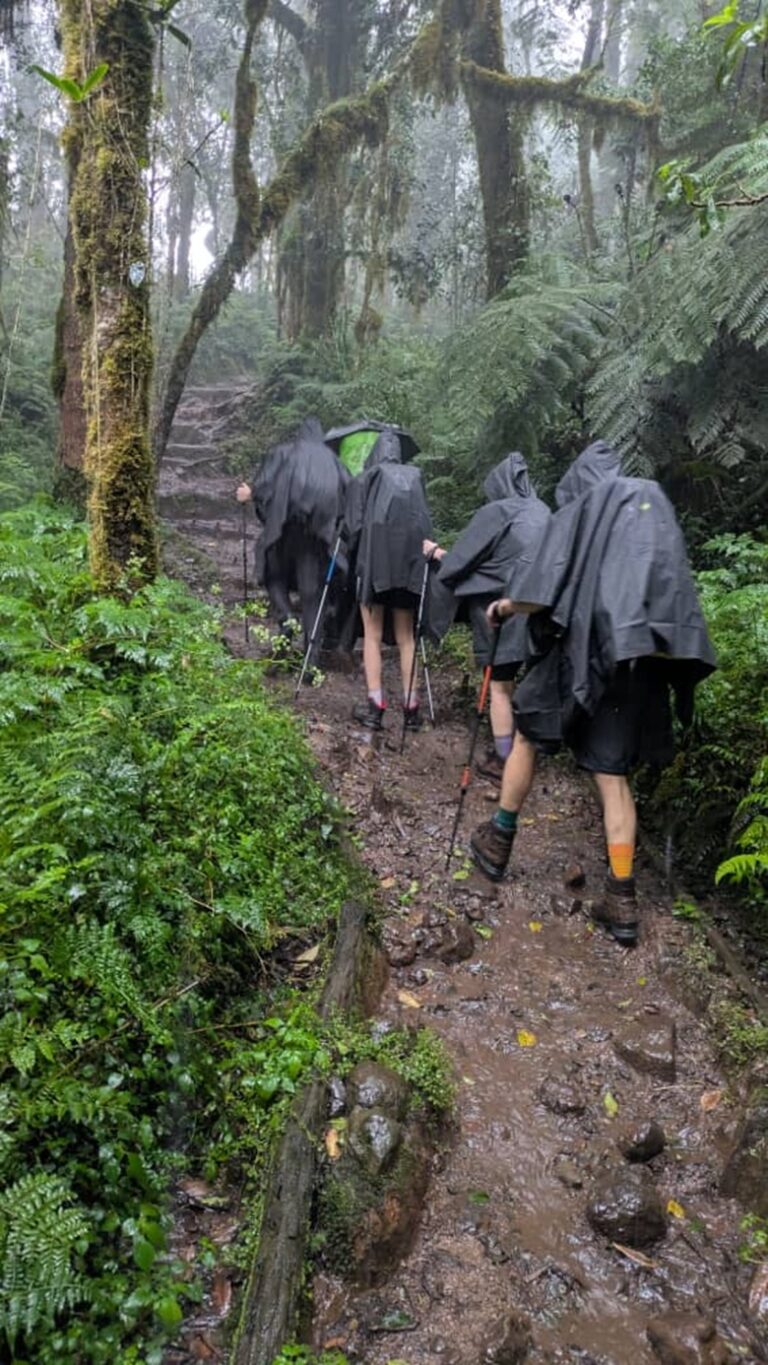
Multilingual Kilimanjaro Group Climbing Tour 2026-2027
Multilingual Kilimanjaro Group Climbing Tour is explained with current 2026-2027 planning, price, itinerary and booking information.
View package details
How Long Does It Take To Climb The Barranco Wall On Kilimanjaro? 2026-2027
The Barranco Wall, a highlight of Kilimanjaro climbs, typically takes between 3 to 5 hours to ascend. This challenging yet rewarding section requires scrambling and careful navigation, with...
View package details
Kilimanjaro Companion Package For Non-Climbers | Top Guide Adventures
A Kilimanjaro Companion Package is designed for friends, family, or partners of climbers who wish to experience the magic of Kilimanjaro National Park and its surroundings without...
View package detailsNo related package matches those filters. Clear one or more filters to see the other topic-matched options.



