
Yes, Kilimanjaro climbs can absolutely be delayed or even cancelled due to severe weather conditions. While Kilimanjaro is climbable year-round, extreme weather events like heavy snowstorms, intense rains, or high winds can create hazardous situations, making it unsafe for climbers and guides. Tour operators like Top Guide Adventures prioritize safety and will assess conditions to determine if a climb must be postponed, rerouted, or cancelled to ensure the well-being of everyone involved. Planning your climb for the drier seasons and being prepared for unpredictable mountain weather are crucial steps, especially when looking at expeditions in 2026 or 2027.
Understanding Kilimanjaro’s Climate and Weather Volatility
Mount Kilimanjaro, standing at an impressive 5,895 meters (19,341 feet), is an island in the sky. Its sheer altitude creates a unique and dynamic climate that changes dramatically with elevation. It’s not a single climate zone but a series of distinct ecological zones, each with its own weather patterns. Understanding these zones and how weather manifests within them is key to grasping why Kilimanjaro climbs can be delayed by weather.
From the lush rainforest at the base to the arid alpine desert and the desolate arctic summit, the mountain experiences a broad spectrum of conditions. The weather is rarely static; it can shift from sunny and pleasant to freezing, foggy, and windy within hours. This inherent variability means that while most climbs proceed without significant weather-related issues, the potential for delays or cancellations due to adverse weather is a real concern for any prospective climber planning their adventure, whether for 2026 or 2027.
The Six Ecological Zones of Kilimanjaro
The mountain’s climate is best understood by examining its distinct ecological zones:
- Cultivation Zone (approx. 800 – 1,800 meters): This is the fertile lower slope, characterized by farms and villages. The weather here is generally warm and humid, with rainfall supporting agriculture. It’s the starting point for most treks.
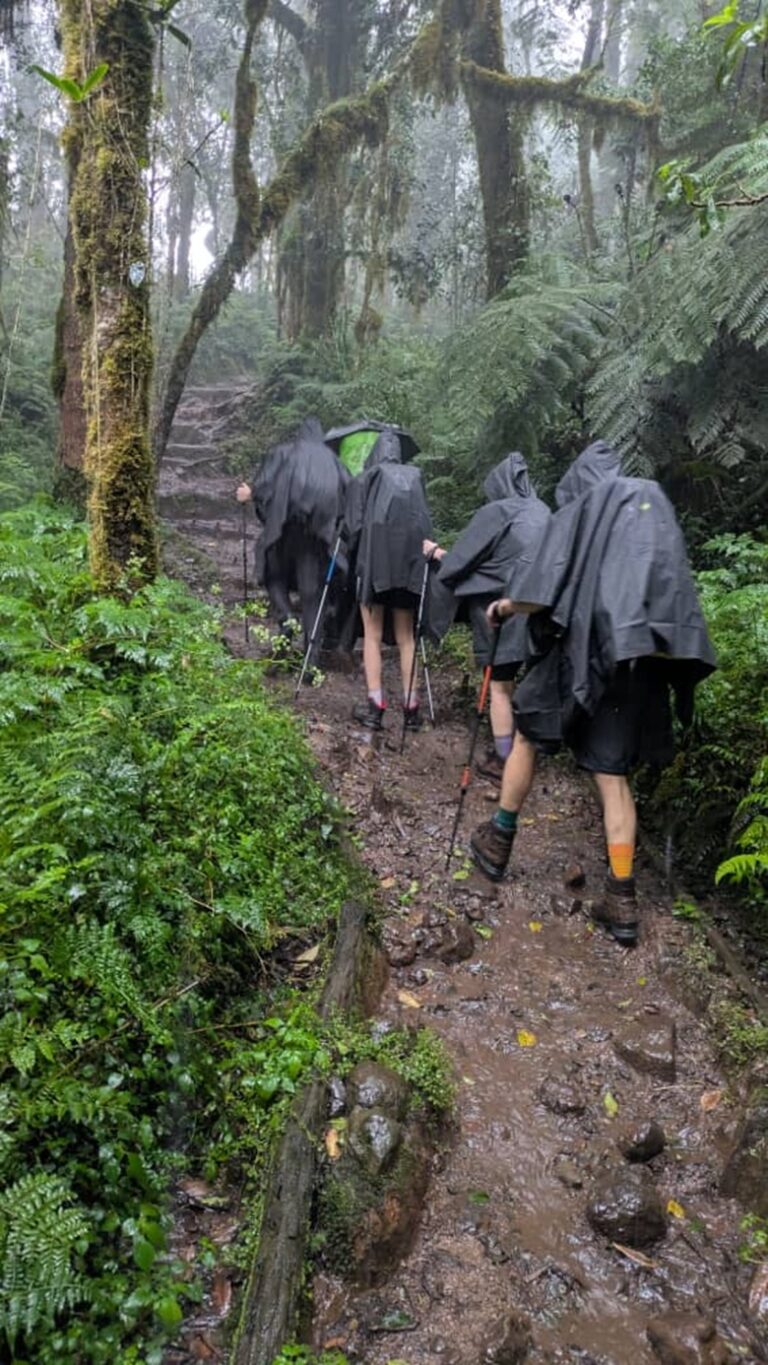
- Rainforest Zone (approx. 1,800 – 2,800 meters): As you ascend, you enter the dense cloud forest. This zone receives significant rainfall year-round, often shrouded in mist and fog. Temperatures are cooler and more stable than the cultivation zone. Expect damp conditions and potential for leeches during certain times of the year.
- Heath and Heather Zone (approx. 2,800 – 4,000 meters): The vegetation thins out, giving way to moorlands with hardy grasses, heathers, and senecios. The weather here becomes more exposed, with cooler temperatures, stronger winds, and more direct sunlight. Mist and rain are still common, but snow begins to appear at higher elevations.
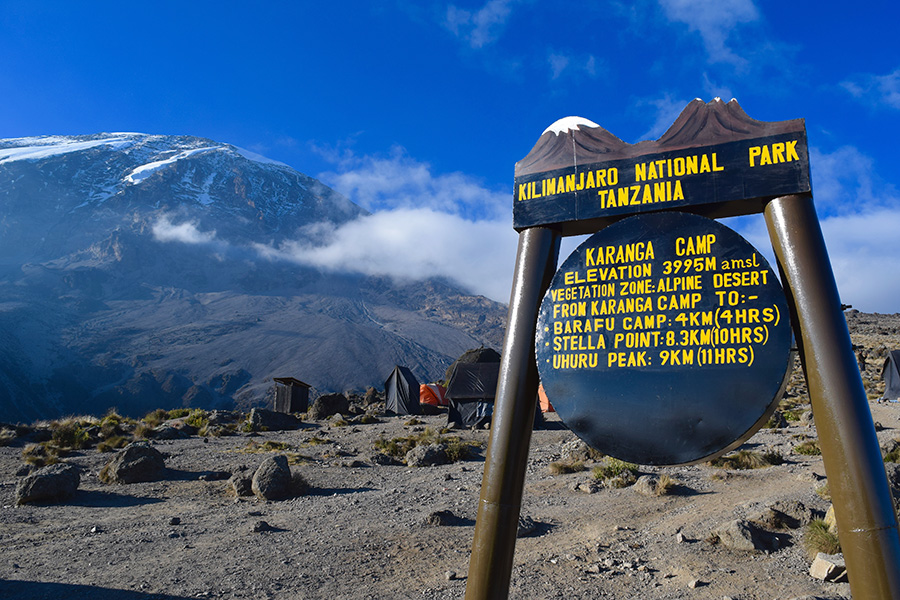
- Alpine Desert Zone (approx. 4,000 – 5,000 meters): This zone is stark and arid, resembling a high-altitude desert. Plant life is scarce, consisting mainly of mosses and lichens. Temperatures drop significantly, especially at night, and the air becomes noticeably thinner. The weather is often dry but can be harsh, with strong winds and intense solar radiation during the day, and freezing temperatures at night.
- Arctic Zone (approx. 5,000 meters and above): This is the summit region, above the tree line and permanent vegetation. It’s characterized by extreme cold, low oxygen levels, high winds, and often snow and ice. The weather here is the most unpredictable and challenging, with conditions that can change in minutes.
- Summit Zone (Uhuru Peak): The very top, including the crater rim and Uhuru Peak itself, is permanently covered in snow and ice. The weather is extremely harsh, with temperatures well below freezing, fierce winds, and very thin air.
The interplay of these zones means that a climb can encounter vastly different weather conditions on a single day. What might be a pleasant, misty rainforest trek can quickly turn into an icy, windswept ordeal as you gain altitude. This is precisely why weather is a critical factor influencing Kilimanjaro climbs, and why delays by weather are a distinct possibility.
When Does Weather Become a Problem for Kilimanjaro Climbs?
While Kilimanjaro is a popular trekking destination year-round, certain weather phenomena can pose significant challenges and lead to delays or cancellations. These are not everyday occurrences, but they are serious enough to warrant careful consideration during your planning, particularly for 2026-2027 expeditions.
Heavy Snowfall and Blizzards
Though Kilimanjaro is equatorial, snow is a constant feature at the summit. However, exceptionally heavy snowfall, especially outside the typical snowy periods or in unusual patterns, can create dangerous conditions. This can:
- Obscure trails: Deep snow can make it impossible to follow established routes, increasing the risk of climbers getting lost.
- Create avalanche risks: While less common on Kilimanjaro than in major mountain ranges, heavy snow accumulation on steep slopes can pose an avalanche threat.
- Increase the risk of hypothermia: Wet and cold conditions, exacerbated by snow, can rapidly lead to dangerous drops in body temperature.
- Damage infrastructure: Heavy snow can affect camp sites and basic facilities.
In cases of severe blizzards, rescue operations become extremely difficult and dangerous, leading tour operators to make the difficult decision to postpone or cancel climbs to ensure safety.
Intense Rains and Flooding
The rainy seasons, particularly the long rains from March to May, can bring prolonged periods of heavy precipitation. While most treks are designed to cope with rain, extreme downpours can lead to:
- Trail erosion and washouts: Heavy rain can turn paths into muddy slides or even wash away sections of the trail, making them impassable or extremely hazardous.
- Increased risk of landslides: Steep slopes, saturated by rain, can become unstable, leading to landslides that could block routes or pose a direct threat.
- River crossings becoming dangerous: Streams that are normally easy to cross can swell into torrents, making them impassable.
- Flooding at base camps: Lower-lying camps can be affected by flooding, making them uninhabitable.
While a few days of rain are normal, prolonged, exceptionally heavy rainfall that causes significant trail damage or dangerous river conditions can necessitate delays. This is more likely during the peak of the rainy seasons.
High Winds and Storms
Kilimanjaro is notorious for its winds, especially at higher altitudes. However, gale-force winds or severe storms can:
- Increase the risk of falls: Strong gusts can easily knock climbers off balance, especially on exposed ridges or steep ascents.
- Exacerbate cold: Wind chill can dramatically lower the perceived temperature, significantly increasing the risk of frostbite and hypothermia, even if the air temperature is not extremely low.
- Damage tents and equipment: High winds can rip tents, damage equipment, and make camping conditions unbearable and unsafe.
- Impact visibility: Storms often come with poor visibility, making navigation difficult.
Severe windstorms, particularly near the summit and on exposed sections of routes like Kibo’s crater rim, can be a major reason for delaying or halting a climb. The safety of climbers and guides is paramount, and operating in extreme wind conditions is often deemed too risky.
Extreme Cold and Frostbite Risk
While Kilimanjaro is always cold at altitude, extreme, unseasonable cold snaps can compound the risks. When combined with high winds, this can lead to rapid frostbite and hypothermia. If temperatures plummet to dangerous levels beyond what is typically experienced even in the arctic zone, or if conditions become so extreme that standard safety protocols are insufficient, a climb might be postponed.
Sudden Changes in Visibility (Fog and Whiteouts)
While fog is common, exceptionally dense fog or sudden whiteout conditions (often due to snow) can severely impair visibility. This is critical on the summit night and day. If visibility drops to near zero, it becomes incredibly difficult for guides to navigate, ensure all climbers are accounted for, and manage the group safely, especially on the exposed, rocky terrain of the upper slopes. This can lead to a decision to wait for conditions to improve before proceeding or returning.
Kilimanjaro’s Weather Patterns: Seasons and Their Impact on Delays
Kilimanjaro experiences two main dry seasons and two main wet seasons. Understanding these helps in planning and assessing the likelihood of weather-related delays. For 2026 and 2027 expeditions, choosing the right season is your first line of defense against unpredictable weather.
Dry Seasons (Generally December-February and June-October)
These are considered the best times to climb Kilimanjaro because they offer the highest chance of clear skies and stable weather. However, even during these periods, weather can be unpredictable.
- December-February: This period is generally warm and dry, with clear skies. However, it can experience occasional heavy rains, especially in January and February, which can be more intense than usual. There’s also a chance of snow, particularly in January. While delays are less common, they are not impossible.
- June-October: This is another excellent dry season, often characterized by cooler temperatures and clear skies. However, June can still experience some residual rain from the ‘long rains’ earlier in the year. The winds can be stronger during this period, especially at higher altitudes. While generally stable, severe storms are still a possibility, though rare.
Even in the dry seasons, you can encounter rain, fog, and cold, especially at higher elevations. It’s essential to pack for all conditions regardless of the season. The probability of a climb being significantly delayed by weather is lowest during these months.
Wet Seasons (Generally March-May and November)
These periods are characterized by higher rainfall, increased cloud cover, and more unpredictable weather. Climbing during these times is possible but comes with a higher risk of weather-related challenges.
- March-May (The Long Rains): This is the wettest period on Kilimanjaro. Expect heavy and persistent rain, especially in the rainforest zone. Trails can become very muddy, slippery, and prone to erosion. Visibility can be poor due to fog and clouds. While summit success is still achievable, the experience can be less pleasant, and the risk of minor delays due to trail conditions or heavy downpours is higher. Major cancellations are more likely during extreme weather events within this period.
- November (The Short Rains): This is a shorter, less intense rainy period than March-May. Rainfall is typically in the form of showers, often in the afternoon. While less severe, these rains can still make trails slippery and reduce visibility. The risk of delays is moderate.
Climbing during the wet seasons requires more robust gear and a greater mental preparedness for challenging conditions. It’s also often a more budget-friendly option due to lower demand, but the potential for weather-induced delays needs to be factored into your 2026-2027 travel plans.
How Weather Impacts Kilimanjaro Climb Planning
Knowing that Kilimanjaro climbs can be delayed by weather is crucial for effective planning. This awareness influences several aspects of your expedition.
Choosing the Right Season for Your 2026-2027 Climb
As detailed above, the dry seasons (Dec-Feb and Jun-Oct) offer the best odds for favorable weather. If your primary concern is minimizing the risk of weather-related delays, aim for these periods. For 2026-2027, booking your climb during these windows is advisable if weather certainty is high on your priority list.
Peak Seasons for Kilimanjaro Climbs (2026-2027)
Best Dry Seasons:
- January & February: Warm, clear, but potential for occasional heavy rain/snow.
- June to October: Cooler, clear, but can be windy.
Shoulder Seasons (Moderate Risk):
- November: Short rains, afternoon showers.
- March to May: Long rains, highest chance of significant weather disruption.
Flexibility in Itinerary and Dates
When booking your 2026 or 2027 Kilimanjaro climb, consider building some flexibility into your travel dates. If a weather delay occurs, having an extra day or two buffer before your next commitment (like a flight home or a safari) can make a significant difference. This is especially true if you are climbing during the shoulder or wet seasons.
Packing for All Conditions
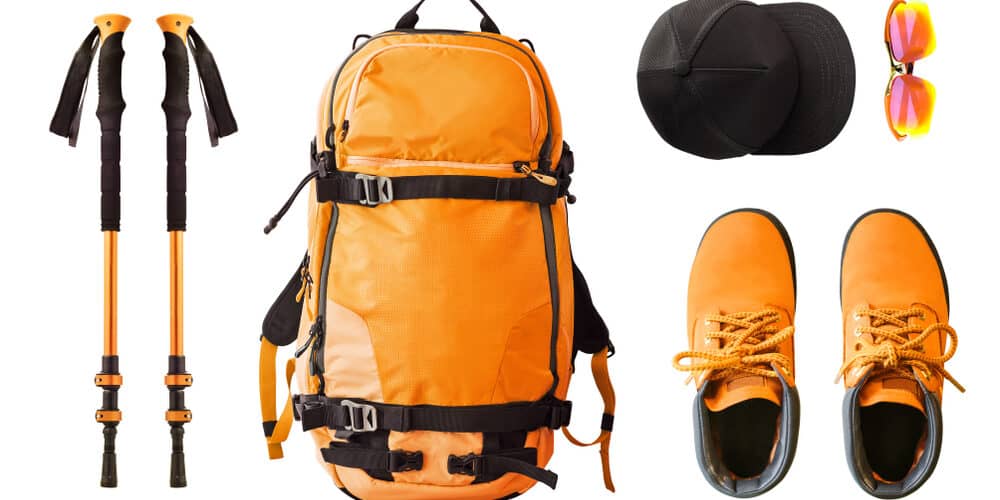
Regardless of the season, you must pack appropriately for extreme weather. This means layers are essential. Your gear should protect you from cold, wind, rain, and sun. Even if the forecast looks good, mountain weather can change rapidly. Proper gear is your first line of defense against the elements and can prevent minor weather inconveniences from becoming major issues.
- Waterproof and windproof outer layers: Essential for rain and wind protection.
- Warm mid-layers: Fleece or down jackets for insulation.
- Thermal base layers: To wick away moisture and retain heat.
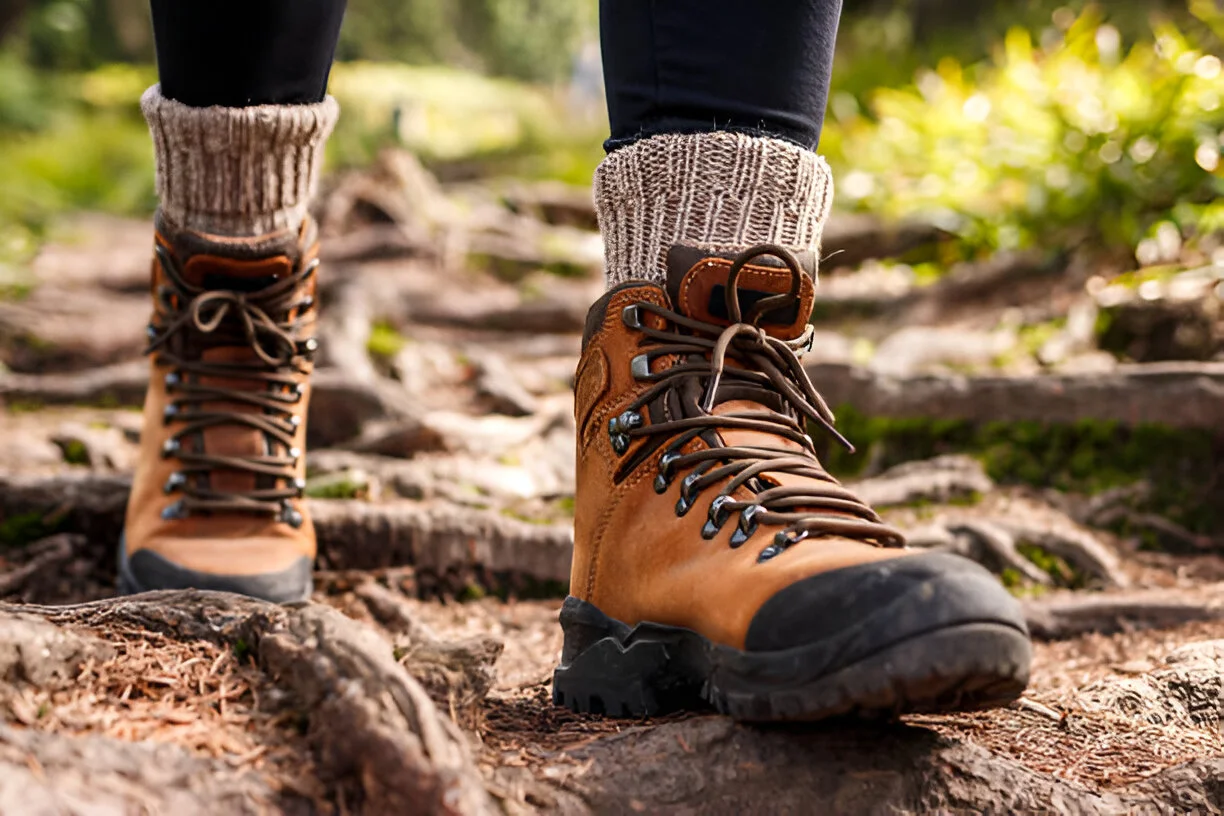
- Waterproof hiking boots: Broken-in and waterproof.
- Warm hat and gloves: Crucial for summit night.
- Sun protection: Sunglasses, sunscreen, and a wide-brimmed hat for sunny days.
Choosing a Reputable Tour Operator
This is perhaps the most critical factor when considering weather risks. Reputable companies like Top Guide Adventures have extensive experience operating on Kilimanjaro. They:
- Monitor weather forecasts: They have access to reliable, up-to-date weather information for the mountain.
- Prioritize safety: Their guides are trained to assess risks and make decisions based on safety, not just summit success.
- Have contingency plans: They know how to manage situations when weather turns bad, including when to delay, reroute, or turn back.
- Communicate effectively: They will inform you promptly about any potential delays or changes and explain the reasons.
When booking your 2026-2027 climb, inquire about their weather policies and how they handle delays. This transparency is a hallmark of a trustworthy operator.
What Happens During a Weather Delay?
If severe weather threatens your Kilimanjaro climb, your tour operator will take action to ensure everyone’s safety. The specific response will depend on the severity and nature of the weather event, as well as your location on the mountain.
Assessment and Communication
The process typically begins with the lead guide and the tour operator’s ground team assessing the situation. They will consult weather forecasts, observe conditions, and evaluate the risks to climbers and crew. Communication is key: you will be informed about the situation, the potential risks, and the planned course of action. This might involve a decision to wait, change the itinerary, or even descend.
Waiting for Conditions to Improve
If the weather is temporarily severe but expected to pass, you might be asked to wait at a camp or a sheltered spot. This could involve staying in tents for a few extra hours or even an extra day. During this time, guides will focus on keeping climbers warm, hydrated, and fed, managing morale, and conserving energy.
Route Adjustments or Detours
In some cases, a specific section of a route might become impassable due to weather (e.g., a washed-out bridge, a snowdrift). Your guides may attempt to find an alternative path if one exists and is safe. However, on Kilimanjaro, routes are generally fixed, so significant detours are rare; it’s more likely that a section will be deemed impassable, potentially forcing a descent.
Descent from the Mountain
If the weather poses an immediate and serious threat to safety, or if conditions are unlikely to improve in a timely manner, the decision may be made to descend. This is the most drastic measure and is taken only when necessary. The descent might be to a lower camp, or even all the way to the base, depending on the severity.
Cancellation of the Climb
In extreme and rare circumstances, a climb might be cancelled altogether. This is usually due to widespread severe weather that makes any attempt to ascend unsafe, or if conditions deteriorate rapidly, posing an unmanageable risk. This is a decision made with the utmost seriousness, prioritizing lives over summit attempts.
Can Kilimanjaro Climbs Be Cancelled Due to Weather?
Yes, Kilimanjaro climbs can indeed be cancelled due to weather. While tour operators strive to complete every scheduled climb, safety is always the absolute priority. Cancellations are rare but can occur under the following circumstances:
- Extreme and prolonged adverse weather: If the weather is so severe (e.g., a major blizzard, persistent hurricane-force winds, widespread flooding) that it becomes impossible to operate safely for an extended period, a climb might be cancelled.
- Unforeseen weather events: Sometimes, weather patterns can be unusually severe or unpredictable, exceeding standard safety margins.
- National Park Authority Decisions: In very rare instances, the Kilimanjaro National Park authorities themselves might close certain routes or the entire mountain if conditions are deemed too dangerous for any activity.
If a climb is cancelled due to weather, reputable operators like Top Guide Adventures will work with clients to reschedule their climb for a later date, potentially in 2026 or 2027, or offer alternative trekking options. Understanding the cancellation policy of your chosen operator is essential during the booking process.
What About Refunds or Rescheduling if a Climb is Cancelled?
This is a critical question for anyone planning a Kilimanjaro climb, especially when considering the possibility of weather delays or cancellations for 2026-2027 expeditions. The policy will vary between tour operators:
- Rescheduling: Most reputable operators will offer the option to reschedule your climb for a future date, often within a specified timeframe (e.g., within one year). You might need to cover any difference in price if the new dates fall into a higher season or if prices have increased.
- Partial Refunds: If rescheduling isn’t feasible, some operators may offer a partial refund. This would typically cover costs that were not incurred (e.g., park fees, guide salaries for the cancelled days). However, many operators have significant non-refundable costs associated with booking and permits, so full refunds are uncommon.
- Travel Insurance: This is where comprehensive travel insurance becomes invaluable. Ensure your policy covers trip cancellation or interruption due to severe weather. This can help recoup non-refundable expenses.
Top Guide Adventures is committed to client satisfaction and safety. While we cannot control the weather, we work closely with our clients to find the best possible solutions, whether it’s rescheduling for a new date in 2026 or 2027, or exploring alternative arrangements, always prioritizing your investment and experience.
Mitigating Weather Risks: Tips for a Smoother Kilimanjaro Climb
While you can’t control the weather, you can take proactive steps to mitigate its potential impact on your Kilimanjaro climb.
1. Choose Your Dates Wisely
As discussed, the dry seasons (December-February and June-October) offer the lowest probability of severe weather. If minimizing weather risk is a top priority for your 2026-2027 expedition, book within these windows.
2. Select a Longer Route
Longer routes like the Lemosho or Machame routes (typically 7-8 days) offer better acclimatization. This means you are more likely to be physically prepared for the altitude and the conditions you might encounter. While they don’t prevent bad weather, better acclimatization can improve your resilience and ability to cope if conditions become challenging. Shorter routes are more rushed, increasing the risk of altitude sickness, which can be compounded by adverse weather.
3. Pack High-Quality Gear
Invest in or rent good quality, waterproof, and windproof clothing and equipment. This includes boots, jackets, trousers, gloves, and hats. A comfortable, warm sleeping bag is also essential. Good gear not only protects you from the elements but also significantly improves your comfort and morale, making it easier to deal with unexpected weather.
4. Listen to Your Guides
Your guides are experienced professionals who know Kilimanjaro’s weather intimately. Trust their judgment. If they advise against proceeding, or suggest a change of plan due to weather, it’s for your safety. Arguing with guides about weather conditions will not change the mountain’s temperament and can put everyone at risk.
5. Stay Hydrated and Eat Well
Good nutrition and hydration are crucial for maintaining energy levels and helping your body acclimatize. When weather is bad, it’s even more important to keep your energy reserves up. Your body needs fuel to stay warm and fight off the effects of cold and altitude.
6. Maintain a Positive Attitude
Bad weather can be discouraging. However, maintaining a positive outlook can make a significant difference to your experience and your ability to cope. Remember that Kilimanjaro is an adventure, and sometimes that includes facing challenging conditions.
7. Consider Travel Insurance
Ensure your travel insurance covers trip cancellation or interruption due to adverse weather. This provides financial protection if your climb is significantly impacted or cancelled. Review the policy details carefully to understand what is covered.
Kilimanjaro Weather: A 2026-2027 Outlook
Predicting specific weather patterns for Kilimanjaro years in advance (like for 2026 or 2027) is impossible. However, general climate trends and historical data provide a reliable basis for planning. The equatorial location means the mountain experiences distinct wet and dry seasons, which are expected to remain consistent. Climate change, however, is a global phenomenon that can influence weather patterns, potentially leading to more extreme or unpredictable events.
While the core seasonal patterns are likely to persist, climbers in 2026-2027 should remain aware of the possibility of more intense rainfall during the wet seasons or unusual cold snaps during dry periods. This reinforces the importance of robust preparation, flexible planning, and choosing experienced operators who are adept at managing variable conditions.
The Role of Climate Change
While the exact impact of climate change on Kilimanjaro’s weather is complex, anecdotal evidence and broader climate science suggest potential for increased variability. This could mean:
- More intense rainfall events during the wet seasons.
- Potentially drier conditions in some dry seasons, or shifts in their timing.
- Unusual temperature fluctuations.
For climbers in 2026-2027, this means that historical patterns are a guide, but not an absolute guarantee. Being prepared for the unexpected is more important than ever.
Can Kilimanjaro Climbs Be Delayed by Weather? The Operator’s Perspective
As a tour operator deeply involved in organizing Kilimanjaro expeditions, Top Guide Adventures places the highest premium on client safety. We understand that for many, a Kilimanjaro climb is a lifelong dream, and the prospect of a delay or cancellation due to weather can be disheartening. However, our operational philosophy is built on responsible trekking.
Our guides are highly trained and possess extensive local knowledge. They are equipped with communication tools and regularly receive weather updates. When weather conditions deteriorate, they are empowered to make difficult decisions to protect our clients. This might mean advising a temporary halt, a change of pace, a descent, or, in rare, extreme cases, a full cancellation.
We believe in transparency. If a weather delay or cancellation is anticipated or occurs, we will communicate openly with you, explaining the situation and outlining the available options. Our goal is to ensure that while we strive for successful summit attempts, the safety and well-being of our clients always come first. For your 2026 or 2027 adventure, choosing an operator with a strong safety record and clear protocols for adverse weather is paramount.
Safety Protocols and Decision-Making
Our safety protocols are designed to address potential hazards, including severe weather:
- Constant Monitoring: Weather conditions are monitored continuously by guides on the mountain and by our operations team.
- Guide Empowerment: Lead guides have the final authority on all decisions regarding the group’s safety, including when to turn back or halt progress due to weather.
- Emergency Procedures: We have established emergency evacuation and communication plans in place, which become critical during severe weather events.
- Client Consultation: While safety decisions are final, we ensure clients are kept informed and involved in the decision-making process where feasible, explaining the rationale behind any changes to the itinerary.
Booking with Confidence for 2026-2027
When you book with Top Guide Adventures for your 2026 or 2027 Kilimanjaro climb, you are entrusting your adventure to a team that prioritizes your safety above all else. We understand the investment you make – both financially and emotionally – and we are dedicated to providing a responsible and memorable experience, even when faced with the unpredictable forces of nature.
We encourage you to discuss any concerns about weather or safety protocols with us. You can reach us via WhatsApp at +255616946642 or by email at topguideadventures@gmail.com or info@topguideadventures.com. We are here to help you plan a safe and successful climb.
Conclusion: Preparing for the Possibility of Weather Delays
In answer to the question, “Can Kilimanjaro climbs be delayed by weather?” the definitive answer is yes. While most climbs proceed without significant issues, the mountain’s altitude and location create a dynamic environment where severe weather can and does occur. These events can lead to delays, route changes, or, in rare cases, cancellations.
For anyone planning a Kilimanjaro expedition, especially for 2026 or 2027, understanding this possibility is key. It means:
- Choosing the right season to minimize risk.
- Opting for longer routes for better acclimatization.
- Packing appropriate gear for all conditions.
- Selecting a reputable tour operator with a strong safety record.
- Being flexible with your travel dates.
- Having comprehensive travel insurance.
By taking these precautions, you can significantly improve your chances of a smooth and successful climb, while being prepared for any eventuality that nature might present. Kilimanjaro is an incredible challenge, and with proper planning and respect for the mountain’s environment, your adventure can be everything you hope for.
If you are considering a Kilimanjaro climb for 2026 or 2027 and want to ensure you are in the best hands, please contact Top Guide Adventures. We are dedicated to providing safe, well-organized, and unforgettable climbing experiences. Reach out to us on WhatsApp at +255616946642, email us at topguideadventures@gmail.com, or our backup email info@topguideadventures.com. Let us help you plan your journey to the Roof of Africa.
Check Availability for Can Kilimanjaro Climbs Be Delayed By Weather? A Guide 2026-2027
Ready to compare dates, prices, and the best option for your group? Send the package name and travel month so the team can reply with a clear quote, availability, and what is included.
Kilimanjaro Packing List For Teenagers: Expert Guide Climbs 2026-2027
A comprehensive Kilimanjaro packing list tailored for teenage climbers, covering essential gear, clothing layers, footwear, and personal items for a successful 2026-2027 ascent. Expert tips...
View package details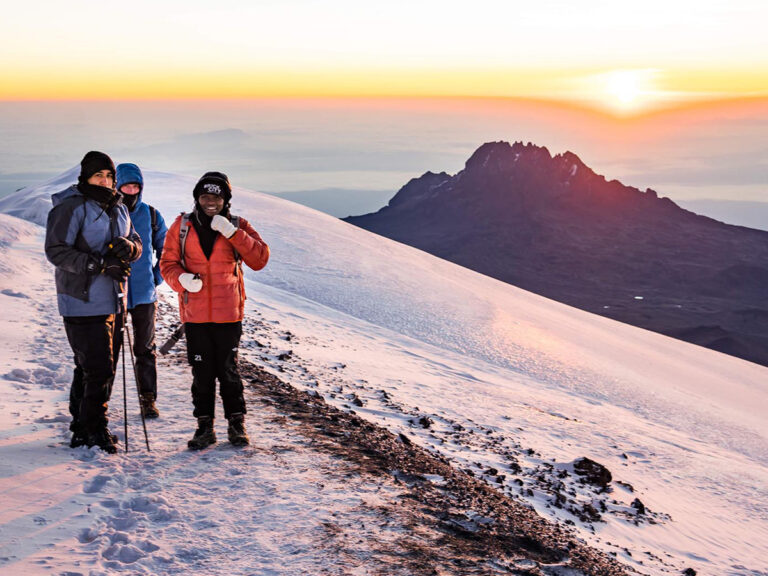
What Happens If Your Flight To Kilimanjaro Is Delayed? 2026-2027
What Happens If Your Flight to Kilimanjaro Is Delayed? is explained with current 2026-2027 planning, price, itinerary and booking information.
View package details
Kilimanjaro Charity Group Payment Plan Options For Climbs 2026-2027
Discover how to fund your Kilimanjaro charity climb with flexible payment plans for 2026-2027 departures. Top Guide Adventures offers tailored financial solutions to make your expedition...
View package details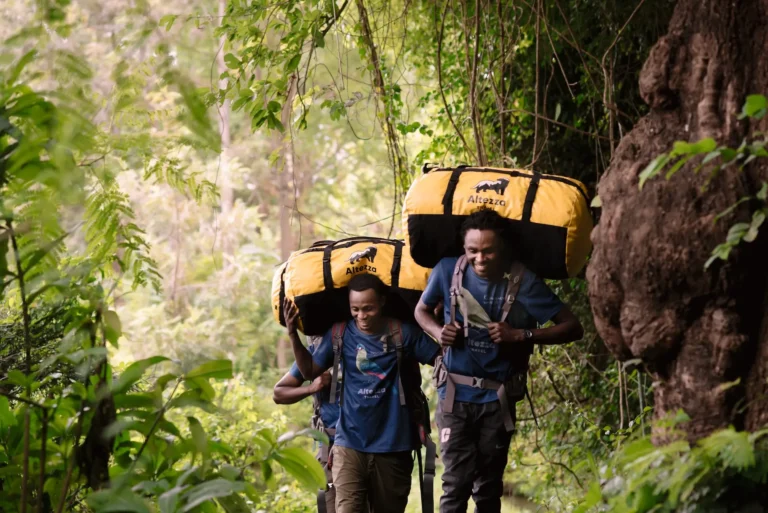
Kilimanjaro Climb Refund And Credit Policy For Climbs | Top Guide Adventures
Navigating the Kilimanjaro climb refund and credit policy is crucial for trekkers planning their 2026-2027 adventure. Top Guide Adventures provides clear guidelines on cancellations...
View package details
Kilimanjaro Family Holiday While One Person Climbs Guide
Organizing a Kilimanjaro family holiday with a mix of climbers and non-climbers requires careful planning. This guide details how to create a memorable trip for everyone in 2026-2027...
View package detailsKilimanjaro Support Package For Mixed-Ability Groups: Expert Guidance Climbs
Top Guide Adventures offers specialized Kilimanjaro support packages designed for mixed-ability groups, ensuring a safe and successful climb for everyone in 2026 and 2027. This...
View package details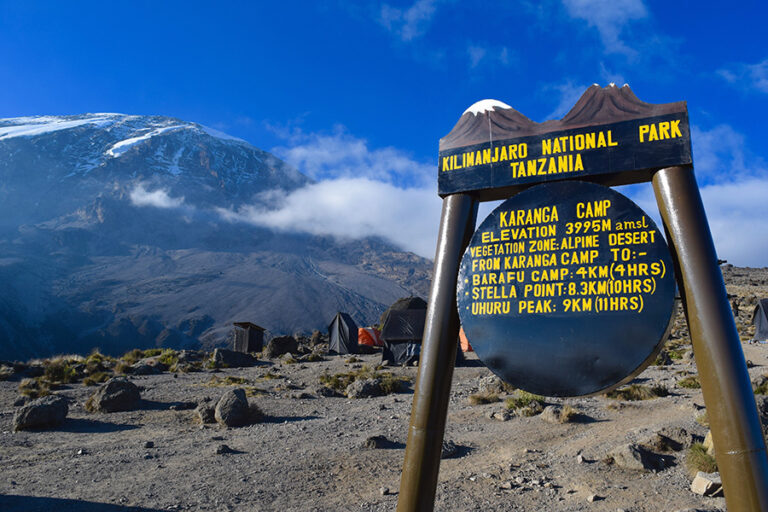
Kilimanjaro Safari And Climb Package For Seniors: Your Adventure 2026-2027
Top Guide Adventures offers tailored Kilimanjaro safari and climb packages for seniors in 2026-2027, focusing on safety, comfort, and an unforgettable Mount Kilimanjaro experience. Explore...
View package details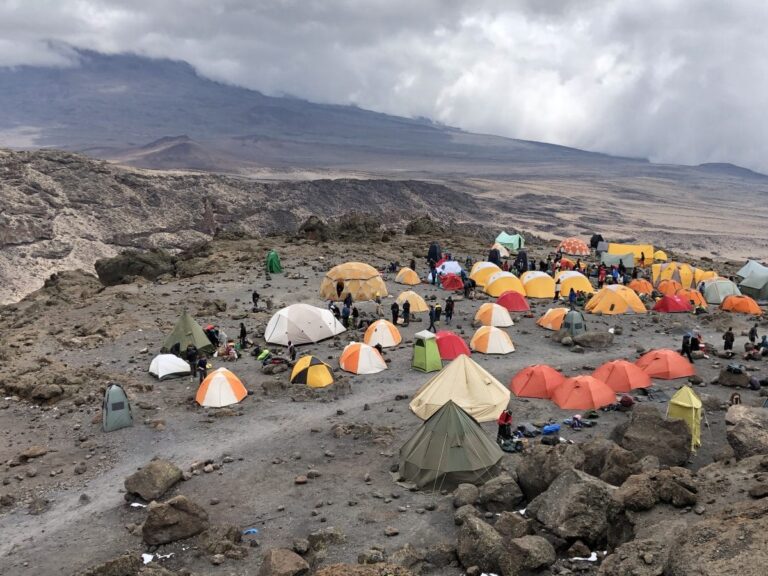
Kilimanjaro Travel Insurance For Travellers Over 65 In 2026-2027
Climbing Kilimanjaro over 65? This guide covers essential travel insurance for seniors, detailing coverage needs, policy types, and how to find the right policy for your 2026-2027 adventure.
View package details
Kilimanjaro Summit Success Tips For Older Hikers In | Top Guide Adventures
Achieving your dream of standing on the Roof of Africa is possible at any age. This guide provides essential Kilimanjaro summit success tips specifically for older hikers, covering...
View package details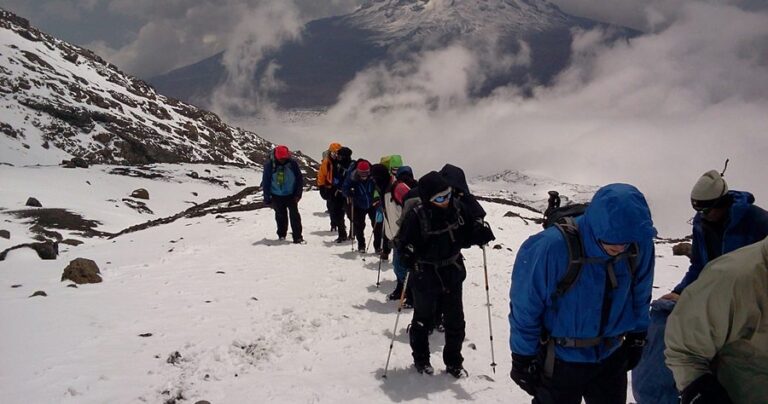
Kilimanjaro Climb With Private Medical Support Guide
Climbing Mount Kilimanjaro is a dream for many adventurers. Ensuring your safety and well-being is paramount, especially at high altitudes. A Kilimanjaro climb with private medical support...
View package details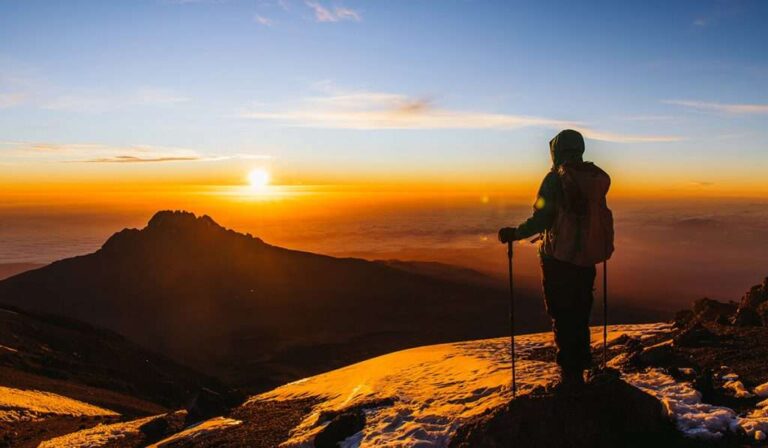
Kilimanjaro Climb With Additional Personal Porter 2026-2027
Kilimanjaro Climb with Additional Personal Porter is explained with current 2026-2027 planning, price, itinerary and booking information.
View package details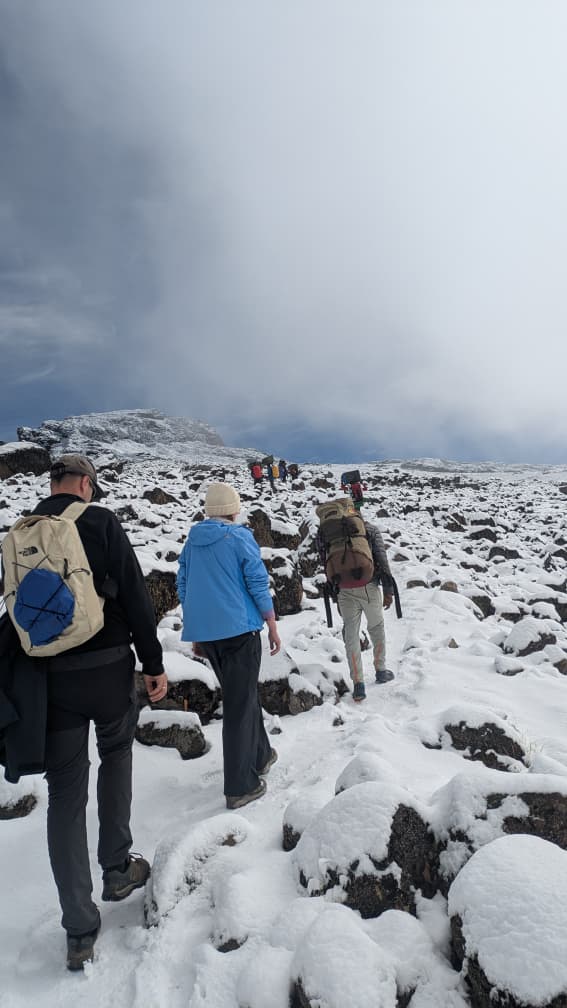
Kilimanjaro Luxury Climb For Mature Travellers In | Top Guide Adventures
Discover the ultimate Kilimanjaro luxury climb experience designed specifically for mature travellers in 2026-2027. Top Guide Adventures provides unparalleled comfort, expert guides, and...
View package detailsNo related package matches those filters. Clear one or more filters to see the other topic-matched options.



