
While it is technically possible to change your Kilimanjaro route after booking, it is often complex, may incur significant additional costs, and is generally not recommended. The feasibility and expense depend heavily on how far in advance you notify your tour operator, the specific routes involved, and the operator’s policies. For most trekkers planning a 2026 or 2027 climb, it’s best to finalize your route choice before booking to avoid these complications and ensure a smoother, more predictable experience.
Understanding the Implications of Changing Your Kilimanjaro Route Post-Booking
The dream of standing on the Roof of Africa, Mount Kilimanjaro, is one that many travelers share. As you begin planning your ascent, typically for a trip in 2026 or 2027, a crucial decision is selecting the right climbing route. Each path offers a unique experience, varying in difficulty, scenery, acclimatization profile, and cost. However, sometimes circumstances change, or new information comes to light after the initial booking, leading trekkers to question: Can you change routes after booking Kilimanjaro?
At Top Guide Adventures, we understand that planning a major expedition like climbing Kilimanjaro involves many moving parts. While our goal is always to facilitate your adventure, changing a Kilimanjaro route post-booking is not a simple administrative task. It involves re-arranging permits, park fees, crew assignments, logistics, and potentially accommodation. These elements are often secured well in advance, especially for popular climbing seasons in 2026 and 2027. Therefore, while not impossible, it’s a process that requires careful consideration and communication with your chosen tour operator.
This article will explore why changing routes is complicated, the factors that influence its possibility, the potential costs involved, and the best strategies for making an informed decision before you book, ensuring your 2026-2027 Kilimanjaro adventure is as smooth as possible.
Why Route Changes After Booking Are Complicated
The primary reason changing your Kilimanjaro route after booking is complex lies in the operational and logistical nature of organizing such an expedition. Kilimanjaro National Park operates under a strict permit system, and fees are associated with specific routes, entry points, and durations. Tour operators, like Top Guide Adventures, must secure these permits and pay these fees on your behalf, often months in advance, particularly for peak seasons in 2026 and 2027.
Here’s a breakdown of the key complexities:
- Permits and Park Fees: Each route has associated park entry fees, camping fees, and sometimes rescue fees. These are non-transferable and route-specific. If you switch from, say, the Marangu route (which has unique hut fees) to the Machame route (which uses camping fees), the original permits and payments may not be valid for the new route.
- Logistics and Crew: Your booking often includes guides, porters, and cooks specifically assigned to your chosen route and dates. Changing routes might mean different base camps, different trek durations, and therefore, a need for a different support crew. Re-assigning or re-hiring staff can be difficult, especially on short notice, and may incur additional costs.
- Accommodation: Routes like Marangu utilize mountain huts, while others (Machame, Lemosho, Shira, Rongai, Northern Circuit) use camping. If you booked a hut-based trek and wish to change to a camping route, the operator needs to arrange tents, sleeping mats, and camping equipment, which might not be readily available or might incur extra rental fees. Conversely, switching from camping to huts may be impossible if huts are fully booked for your dates.
- Itinerary Adjustments: Different routes have varying daily schedules, distances, and acclimatization profiles. A change necessitates a complete overhaul of the planned itinerary, potentially affecting the number of days on the mountain, which directly impacts fees and logistics.
- Operator Policies: Each tour operator has its own terms and conditions regarding changes and cancellations. Some may have strict policies against route changes after a certain point, while others might allow it but charge administrative fees, re-booking fees, or the difference in costs.
Factors Influencing the Possibility of a Route Change
The likelihood and ease of changing your Kilimanjaro route after booking are not uniform. Several critical factors come into play:
1. Timing is Everything: How Far in Advance?
This is arguably the most significant factor. If you decide to change your route very early in the planning process, shortly after booking, your tour operator might be more flexible. However, as your climb date for 2026 or 2027 approaches, the logistical arrangements become more solidified, making changes progressively harder and more expensive.
- More Than 60-90 Days Before Departure: Generally, if you notify your operator well in advance (e.g., 3-4 months before your climb), there’s a higher chance they can accommodate the change. Permits might not have been finalized, and crew assignments can still be adjusted.
- 30-60 Days Before Departure: The possibility starts to decrease, and administrative fees or cost differences become more likely. Some permits might already be issued, and initial crew bookings may be in place.
- Less Than 30 Days Before Departure: At this stage, changing routes becomes highly improbable. Permits are usually secured, and the support team is finalized. Any change would likely be treated as a cancellation of the original booking and a new booking, potentially forfeiting initial payments.
2. The Specific Routes Involved
The difference in cost and logistics between the routes you wish to switch between is a major determinant. For instance:
- Changing to a Shorter Route: If you wanted to climb the 8-day Northern Circuit and decide to switch to the 5-day Machame route, you might be able to get a partial refund for the unused days, minus administrative fees and any penalties.
- Changing to a Longer Route: Switching from a shorter route to a longer one, such as from Marangu to Lemosho, will almost certainly incur additional costs for the extra days, permits, fees, and crew.
- Changing Between Camping and Hut Routes: As mentioned, switching between the Marangu (huts) and other (camping) routes involves different infrastructure. This can be logistically challenging and costly.
3. The Tour Operator’s Policies and Flexibility
This is where your relationship with your tour operator is key. Reputable companies like Top Guide Adventures strive for client satisfaction but must operate within practical and financial constraints. Their policies regarding changes should be clearly outlined in their terms and conditions. Some operators might:
- Charge a Flat Administrative Fee: Regardless of the cost difference, a fee to cover administrative work.
- Charge the Difference in Route Costs: The most common approach, where you pay the extra amount if the new route is more expensive, or potentially get a partial refund (less fees) if it’s cheaper.
- Treat it as a Cancellation and Re-booking: In some cases, especially close to the departure date, they might require you to cancel your original booking (subject to cancellation penalties) and make a new booking for the desired route.
- Be Unwilling to Change: Some operators might have very rigid policies and simply state that changes are not possible after a certain point.
It’s crucial to read your contract carefully and communicate openly with your operator. For those planning for 2026 or 2027, asking about the change policy before booking is a wise step.
4. Availability of Permits and Crew
Even if your operator is willing, the availability of Kilimanjaro National Park permits and suitable support crew for your desired new dates or route can be a limiting factor. Popular routes and peak climbing seasons (like June-October and December-March) in 2026 and 2027 see high demand. If you need to shift your dates along with your route, this adds another layer of complexity.
Potential Costs Associated with Changing Routes
If a route change is permitted, it’s essential to understand the potential financial implications. These costs can vary significantly:
- Difference in Park Fees and Permits: Longer routes or routes with higher daily fees will obviously cost more. For example, switching from a 6-day route to a 7-day route on the same mountain means paying for an additional day’s park fees, camping fees, and crew wages.
- Administrative Fees: Many operators charge a fee to cover the paperwork, communication, and logistical re-arrangements involved. This could range from $50 to $200 or more.
- Crew Re-assignment Costs: If the original crew is no longer available or needs to be compensated for a change in their schedule, this can add to the cost.
- Lost Deposits or Payments: If the change is treated as a cancellation and re-booking, you might forfeit initial deposits or face cancellation penalties on the original booking, which can be substantial.
- Gear Rental Differences: If switching between hut and camping routes, there might be costs associated with renting camping equipment if it wasn’t part of your original package.
Example Scenario for 2026/2027 Trekkers: Imagine you booked the 7-day Machame route for a 2027 climb, costing $2,200. Six weeks before departure, you decide you want to switch to the 8-day Lemosho route, which costs $2,500. Your operator might charge you the $300 difference, plus a $100 administrative fee, totaling $400. However, if the Lemosho route was actually cheaper, you might get a refund for the difference, minus the administrative fee.
It’s crucial to get a clear, written breakdown of all potential costs from your operator before agreeing to the change.
When a Route Change Might Be Necessary (and What to Do)
While we strongly advise choosing your route carefully before booking, there might be rare, compelling circumstances that necessitate a change. These could include:
- Serious Health Concerns: If a medical condition arises after booking that makes your originally chosen route significantly riskier, and a different route with a better acclimatization profile is deemed safer.
- Unforeseen Personal Circumstances: Major life events might impact your ability to undertake the original itinerary, and a shorter or different route could be a viable alternative.
- Operator-Initiated Changes: In very rare cases, an operator might need to change your route due to unforeseen circumstances like trail closures or logistical issues, though they usually try to avoid this.
If you find yourself in such a situation:
- Contact Your Operator Immediately: The sooner you inform them, the better. Explain your situation clearly and honestly.
- Refer to Your Contract: Understand the change and cancellation clauses.
- Be Prepared for Costs: Accept that there will likely be financial implications.
- Be Flexible: Your operator might offer alternatives or solutions you haven’t considered.
- Consider a Deferral: If a route change isn’t feasible, ask if you can defer your booking to a later date or a different trip, though this also often comes with fees.
The Best Strategy: Choosing Your Route Wisely Before Booking
Given the complexities and potential costs, the most practical advice for anyone planning a Kilimanjaro climb in 2026 or 2027 is to make an informed decision about your route before you commit financially.
Here’s how to do it effectively:
1. Research Each Route Thoroughly
Understand the key characteristics of each major Kilimanjaro route:
- Marangu Route (Coca-Cola Route): The oldest, unique for its hut accommodation. Gradual ascent, but arguably poorer acclimatization profile. 5-7 days.
- Machame Route (Whiskey Route): Very popular, known for its scenic beauty and good acclimatization profile (“climb high, sleep low”). Camping. 6-7 days.
- Lemosho Route: Considered one of the most scenic routes, offering excellent acclimatization. Starts in the west, joins Machame. Camping. 7-8 days.
- Shira Route: Similar to Lemosho but starts at a higher altitude, potentially affecting initial acclimatization. Camping. 7-8 days.
- Rongai Route: Approaches from the north, drier side. Good for those climbing during the wetter seasons. Camping. 6-7 days.
- Northern Circuit: The longest route, offering the best acclimatization and highest success rates. Circles the mountain. Camping. 8-9 days.
- Umbwe Route: The shortest, steepest, and most challenging route. Poor acclimatization. For experienced hikers only. Camping. 5-6 days.
2. Assess Your Fitness and Experience
Be honest about your physical condition and previous hiking experience. Routes like Umbwe or even Machame require a good level of fitness. Longer routes like the Northern Circuit are more forgiving on the body due to their slower pace and better acclimatization, making them suitable for a wider range of fitness levels if time permits.
3. Consider Your Acclimatization Needs
Success on Kilimanjaro is largely determined by how well your body adapts to the altitude. Routes that offer better acclimatization (longer duration, “climb high, sleep low” principle) significantly increase your chances of reaching the summit safely. The Northern Circuit, Lemosho, and longer Machame itineraries are generally recommended for this reason.
4. Factor in Scenery and Experience
While summiting is the goal, the journey is equally important. Routes like Lemosho and Machame are renowned for their spectacular views and diverse landscapes, traversing different sides of the mountain.
5. Align with Your Budget and Timeframe
Longer routes naturally cost more due to additional days on the mountain, requiring more resources (park fees, food, crew wages). Ensure the route you choose fits both your available time and your budget for 2026 or 2027.
6. Consult with Experts
This is where Top Guide Adventures excels. Our experienced team can provide personalized recommendations based on your preferences, fitness, and goals. We can help you compare routes, understand the pros and cons, and make the best choice for your specific needs.
Don’t hesitate to reach out to us:
- WhatsApp: +255616946642
- Email: topguideadventures@gmail.com
- Backup Email: info@topguideadventures.com
We are here to guide you through every step, ensuring you select the route that best suits you before you book, saving you potential headaches later.
Key Takeaway for 2026-2027 Trekkers
Choosing your Kilimanjaro route is a critical decision that should be finalized before booking. While route changes after booking are sometimes possible, they often involve significant extra costs, administrative hurdles, and potential logistical challenges. Prioritize thorough research and consultation with your tour operator to select the ideal route from the outset for a stress-free climb in 2026 or 2027.
Comparing Kilimanjaro Routes: A Pre-Booking Decision Guide
To further assist you in making the right choice before booking, let’s compare the most popular Kilimanjaro routes in terms of key factors relevant to your decision for a 2026 or 2027 trek.
| Route | Duration (Days) | Accommodation | Scenery | Acclimatization Profile | Difficulty | Crowds | Success Rate (Approx.) | Cost (Estimate Range) |
|---|---|---|---|---|---|---|---|---|
| Marangu | 5-7 | Huts | Moderate, less varied | Poor | Moderate | High | ~70% (5-day) | $$ |
| Machame | 6-7 | Camping | Excellent, varied | Good | Moderate to High | Very High | ~80-85% (7-day) | $$$ |
| Lemosho | 7-8 | Camping | Exceptional, remote | Very Good | Moderate | Moderate (starts remote) | ~90% (8-day) | $$$$ |
| Shira | 7-8 | Camping | Excellent, high plateau | Good (starts high) | Moderate | Moderate | ~85% (8-day) | $$$$ |
| Rongai | 6-7 | Camping | Good, drier side | Good | Moderate | Low to Moderate | ~80% (7-day) | $$$ |
| Northern Circuit | 8-9 | Camping | Outstanding, panoramic | Excellent | Moderate (due to length) | Low | ~95% (9-day) | $$$$$ |
| Umbwe | 5-6 | Camping | Steep, direct | Poor | Very High | Low | ~60-70% (6-day) | $$$ |
Note: Cost estimates are relative ($$ = lower, $$$$$ = higher) and vary significantly based on the operator, inclusions, and specific season for 2026-2027. Always request a detailed quote.
What About Changing Routes for Group Departures in 2026-2027?
Many trekkers opt for group departures to share costs and the experience. If you’ve booked onto a scheduled group departure for a specific route, changing routes becomes even more complicated. Group departures are meticulously planned around a fixed itinerary and a set number of participants.
Key considerations for group departures:
- Group Cohesion: Your chosen route and pace are often set to accommodate the group. Changing your route might mean you’re no longer with your original group.
- Logistical Constraints: The operator has committed resources (permits, crew, food) for the entire group on that specific route. Adjusting for one individual can disrupt the entire plan.
- Cost Sharing: Group rates are based on a certain number of participants. A change by one person might affect the per-person cost for others if not carefully managed.
If you are on a Machame Route group departure scheduled for 2026, and wish to switch to a Lemosho group departure, it’s highly unlikely to be possible without treating it as a cancellation and re-booking. The most feasible scenario, if the operator allows, is switching to a different, similarly priced group departure if available and if you provide sufficient notice. However, this is rare and depends entirely on the operator’s flexibility and the timing.
For those seeking flexibility, booking a private climb offers more control. While typically more expensive, a private climb allows for greater customization, including potentially changing routes, though still subject to the timing and cost implications discussed earlier.
Can You Change Kilimanjaro Routes If You Booked Through a Third Party?
Sometimes, trekkers book their Kilimanjaro climb through a travel agent or a third-party booking platform rather than directly with a local Tanzanian operator. If you find yourself in this situation and wish to change your route, the process can be even more convoluted.
Challenges include:
- Communication Layers: You’ll need to go through the agent or platform, who will then liaise with the actual ground operator in Tanzania. This adds time and potential for miscommunication.
- Agent’s Policies: The third party will have their own terms and conditions regarding changes, which may be stricter than the ground operator’s.
- Potential Markups: If fees or differences in cost are involved, the third party might add their own commission or service charge on top.
Our recommendation for 2026-2027 bookings: Whenever possible, book directly with a reputable local operator like Top Guide Adventures. This ensures clear communication, direct access to operational decisions, and often, better value. If you booked through a third party and need to change routes, start by contacting them immediately, but be prepared for a more complex process.
What If Your Operator Changes the Route?
While the focus has been on the trekker initiating a change, it’s worth noting that occasionally, the tour operator might need to alter the planned route. This is extremely rare and usually only occurs due to:
- National Park Closures or Restrictions: Unforeseen circumstances like landslides, environmental damage, or park management decisions could temporarily close certain trails.
- Safety Concerns: If a particular section of a trail becomes unsafe due to weather or other factors.
- Logistical Failures: Though highly unlikely with experienced operators, a major logistical breakdown might necessitate a route adjustment.
In such instances, a reputable operator like Top Guide Adventures would:
- Inform You Immediately: Provide clear reasons for the change.
- Offer Alternatives: Suggest a comparable alternative route, ideally one that meets or exceeds the original experience.
- Adjust Costs Accordingly: If the new route is more expensive, they might absorb some of the cost as a gesture of goodwill, or charge only the difference. If it’s cheaper, they should refund you the difference.
- Provide Options: If no suitable alternative is available or acceptable to you, they should offer options such as deferring your climb or a partial refund based on services not rendered.
This is another reason why choosing a trusted operator with a strong track record and excellent customer service is paramount for your 2026-2027 Kilimanjaro adventure.
Making Your Final Route Decision: A Checklist Before Booking
To avoid the complexities of changing routes after booking, use this checklist to ensure you’ve made the right choice before committing:
- [ ] Have I researched the different Kilimanjaro routes (Marangu, Machame, Lemosho, etc.)?
- [ ] Do I understand the duration, difficulty, and scenery of each route?
- [ ] Have I honestly assessed my current fitness level and prior hiking experience?
- [ ] Am I prioritizing acclimatization for a higher success rate? Which routes offer the best acclimatization profile for me?
- [ ] Does the route fit my available time off for the trip (e.g., 2026 or 2027)?
- [ ] Does the route fit my budget? Have I compared quotes from reputable operators?
- [ ] Do I prefer camping or hut accommodation? (Only Marangu offers huts).
- [ ] Am I traveling solo, as a couple, or with a group? Should I consider a private or group climb?
- [ ] Have I read the tour operator’s terms and conditions regarding changes and cancellations?
- [ ] Have I asked my potential tour operator (like Top Guide Adventures) specific questions about routes, safety, and their policies?
Answering these questions thoroughly will significantly increase your chances of selecting the perfect route from the start, ensuring a memorable and successful Kilimanjaro climb for your 2026-2027 expedition.
Booking Your Kilimanjaro Adventure with Top Guide Adventures in 2026-2027
At Top Guide Adventures, we are committed to providing you with an unparalleled Kilimanjaro climbing experience. We understand that choosing the right route is fundamental to your journey’s success and enjoyment. Our team of experts is dedicated to offering personalized guidance, ensuring you feel confident and well-prepared long before you set foot on the mountain.
We specialize in crafting tailor-made itineraries and offering well-organized group climbs across Tanzania, including the majestic Mount Kilimanjaro. For your 2026 or 2027 climb, we encourage you to leverage our expertise to make an informed route decision upfront. This proactive approach helps avoid the complexities and potential costs associated with changing routes after booking.
Ready to plan your 2026-2027 Kilimanjaro climb?
We invite you to connect with us to discuss your options. Whether you’re interested in our popular Machame Route group departures, the scenic Lemosho, or the highly successful Northern Circuit, we can help you find the perfect fit. Our commitment is to transparency, safety, and creating unforgettable adventures.
Contact us today:
- WhatsApp: +255616946642
- Email: topguideadventures@gmail.com
- Backup Email: info@topguideadventures.com
- Website: Top Guide Adventures
- Instagram: @top_guide_adventures
Let us help you make the right route choice for your 2026-2027 Kilimanjaro adventure, ensuring a smooth, successful, and incredible journey to the summit.
Check Availability for Can You Change Routes After Booking Kilimanjaro? A Guide For Trekkers
Ready to compare dates, prices, and the best option for your group? Send the package name and travel month so the team can reply with a clear quote, availability, and what is included.
How Climate Change Is Affecting Kilimanjaro 2026-2027
How Climate Change Is Affecting Kilimanjaro is explained with current 2026-2027 planning, price, itinerary and booking information.
View package details
What Happens At Mweka Gate After Your Kilimanjaro Climb? 2026-2027
Your Kilimanjaro adventure culminates at Mweka Gate. Learn about the descent, certificate ceremony, post-climb celebrations, and what to expect logistically upon reaching the base.
View package details
Kilimanjaro Corporate Group Booking Rates & Planning For 2026-2027
Discover how to secure advantageous Kilimanjaro corporate group booking rates for your company's next team-building adventure or incentive trip in 2026 and 2027. Top Guide Adventures...
View package details
Kilimanjaro Booking Terms For Group Leaders 2026-2027
Kilimanjaro Booking Terms for Group Leaders is explained with current 2026-2027 planning, price, itinerary and booking information.
View package details
Kilimanjaro Last-Minute Booking Policy 2026-2027
Kilimanjaro Last-Minute Booking Policy is explained with current 2026-2027 planning, price, itinerary and booking information.
View package details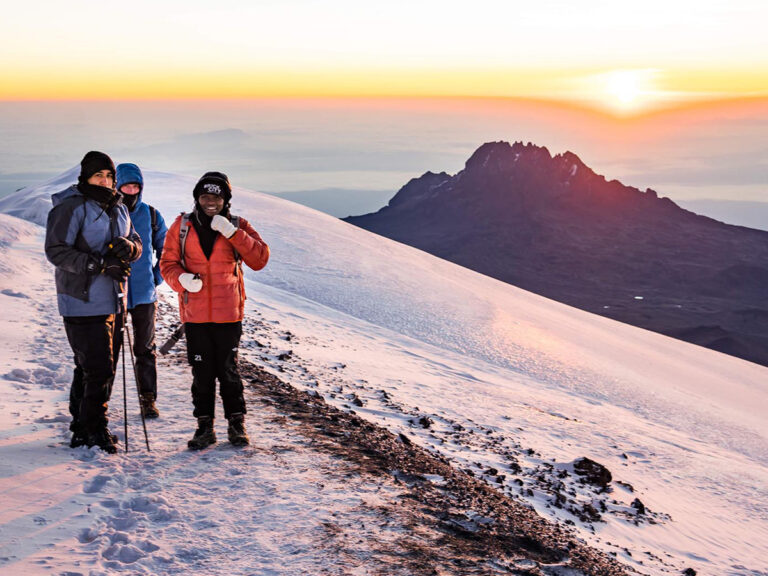
Kilimanjaro Relaxation And Spa Package: Rejuvenate After Your Climb 2026-2027
After conquering Mount Kilimanjaro, a dedicated relaxation and spa package is the perfect way to recover and rejuvenate. Top Guide Adventures provides comprehensive post-climb wellness...
View package details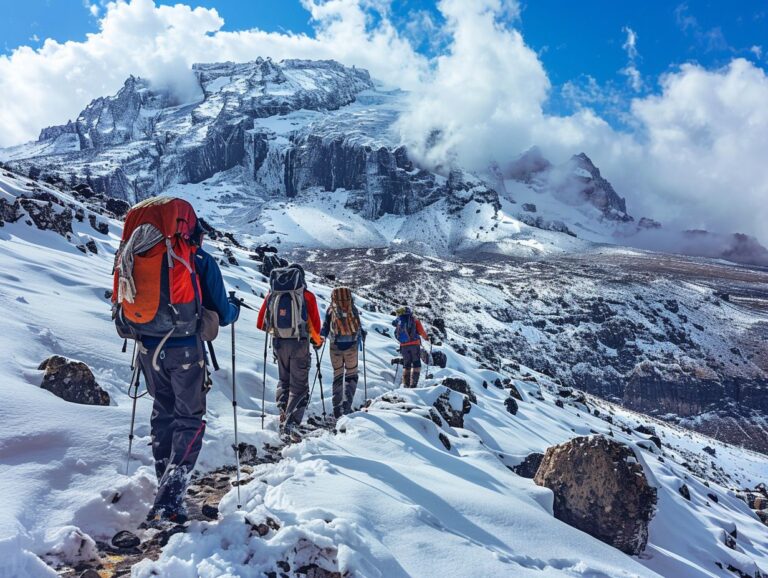
Three-Day Kilimanjaro Cycling Adventure: Routes, Costs & Planning 2026-2027
Experience the thrill of a Three-Day Kilimanjaro Cycling Adventure, a unique way to explore the lower slopes of Africa's highest peak. This guide covers routes, essential gear, fitness...
View package details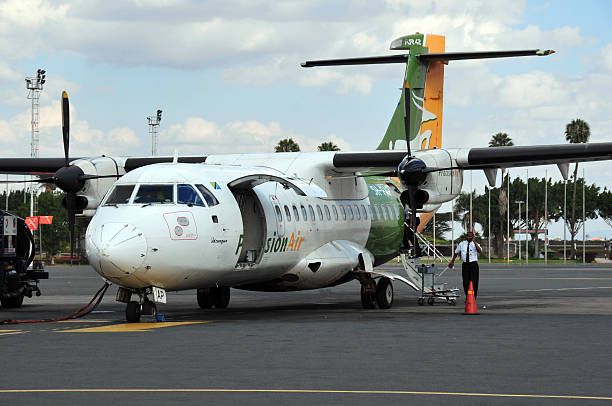
Kilimanjaro Climb After Knee Surgery: Your Expert Guide For 2026-2027
Considering a Kilimanjaro climb after knee surgery? This comprehensive guide details the feasibility, preparation, risks, and essential considerations for undertaking this ambitious trek in...
View package details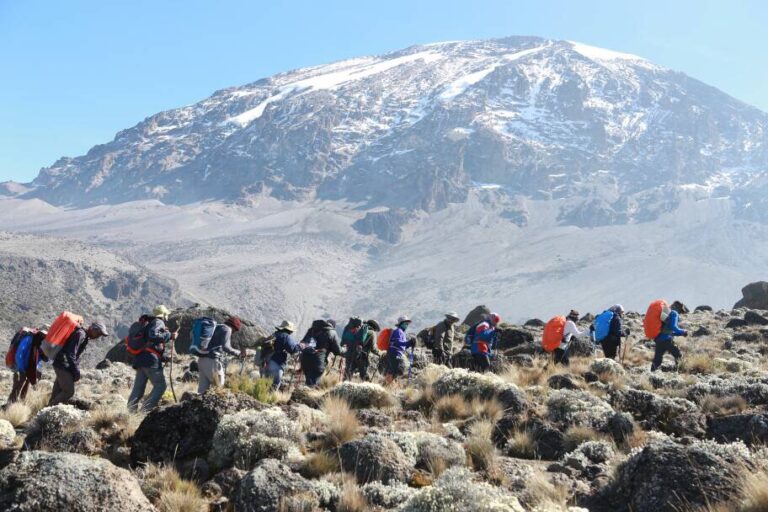
Can You Change Clothes Privately On Kilimanjaro? Guide
Discover how to maintain privacy and comfort while changing clothes during your Kilimanjaro trek. Top Guide Adventures explains the practicalities of staying clean and dignified on the...
View package details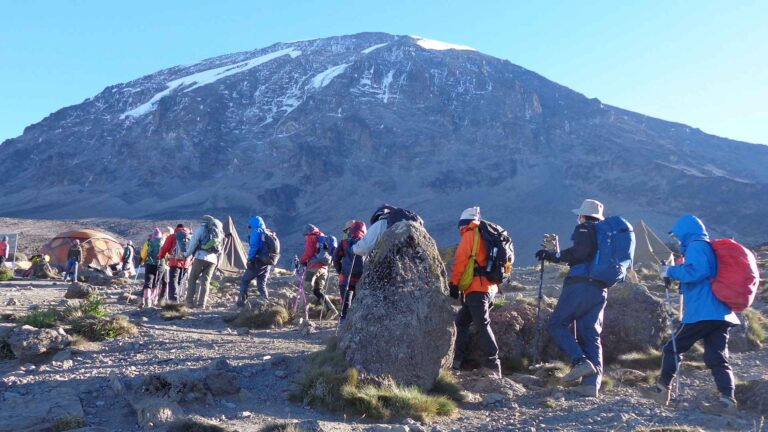
Sustainable Kilimanjaro Climbing Packages For | Top Guide Adventures 2026-2027
Discover sustainable Kilimanjaro climbing packages designed for eco-conscious adventurers. Top Guide Adventures offers responsible treks in 2026-2027, focusing on environmental preservation...
View package details
How To Leave No Trace On Kilimanjaro: A Guide For Responsible Trekkers
Discover the essential principles of Leave No Trace for your Kilimanjaro climb. This comprehensive guide ensures you trek responsibly, minimizing your impact on Africa's highest peak for...
View package details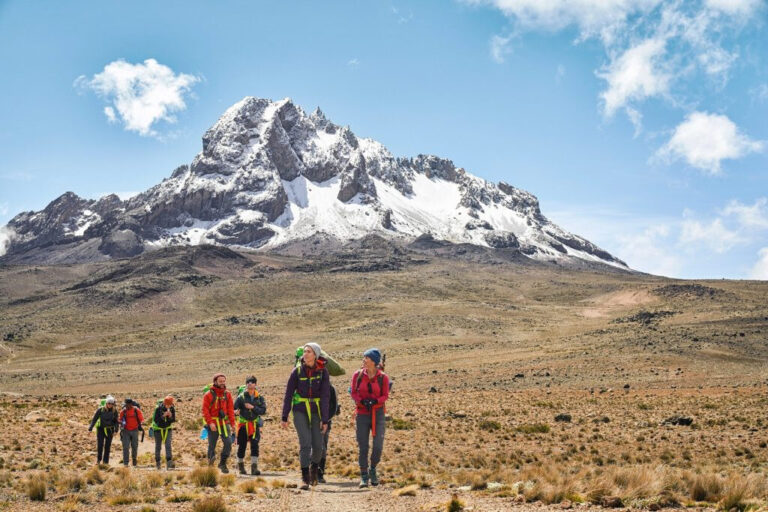
Responsible Waste Management On Kilimanjaro: A Top Guide Adventures 2026-2027
Climbing Kilimanjaro is a privilege that comes with the responsibility to protect its fragile ecosystem. This guide details how to manage waste effectively on the mountain, ensuring a...
View package detailsNo related package matches those filters. Clear one or more filters to see the other topic-matched options.



