
Climate change is causing Kilimanjaro’s glaciers to shrink at an alarming rate, altering its unique alpine ecosystems, increasing erosion, and potentially affecting water resources for surrounding communities. These changes are observable and have implications for the mountain’s future biodiversity and the experience of trekkers planning expeditions in 2026 and 2027.
Understanding Kilimanjaro’s Climate and the Impact of Global Warming
Mount Kilimanjaro, Africa’s highest peak, stands as a majestic, solitary volcanic massif in northern Tanzania. Its sheer altitude creates a series of distinct ecological zones, from the lush rainforests at its base to the barren alpine desert and, historically, its iconic glacial cap near the summit. This vertical landscape, however, is proving increasingly vulnerable to the pervasive effects of global climate change. For decades, scientists and mountaineers have observed significant transformations, most notably the dramatic recession of Kilimanjaro’s glaciers. Understanding how climate change is affecting Kilimanjaro is crucial for conservation efforts and for anyone planning to ascend this magnificent mountain in the coming years, including during the peak trekking seasons of 2026 and 2027.
The processes driving these changes are complex, involving shifts in temperature, precipitation patterns, and atmospheric humidity. While Kilimanjaro has always experienced natural climatic variations, the accelerated pace of change observed since the mid-20th century points directly to anthropogenic global warming. The mountain’s unique geographical position and its isolated summit make it a sensitive indicator of broader climatic trends. The visible loss of ice is not just a visual tragedy; it signals a disruption to the mountain’s hydrology, its biodiversity, and the very character of the trekking experience.
The Vanishing Glaciers: A Stark Visual of Climate Change
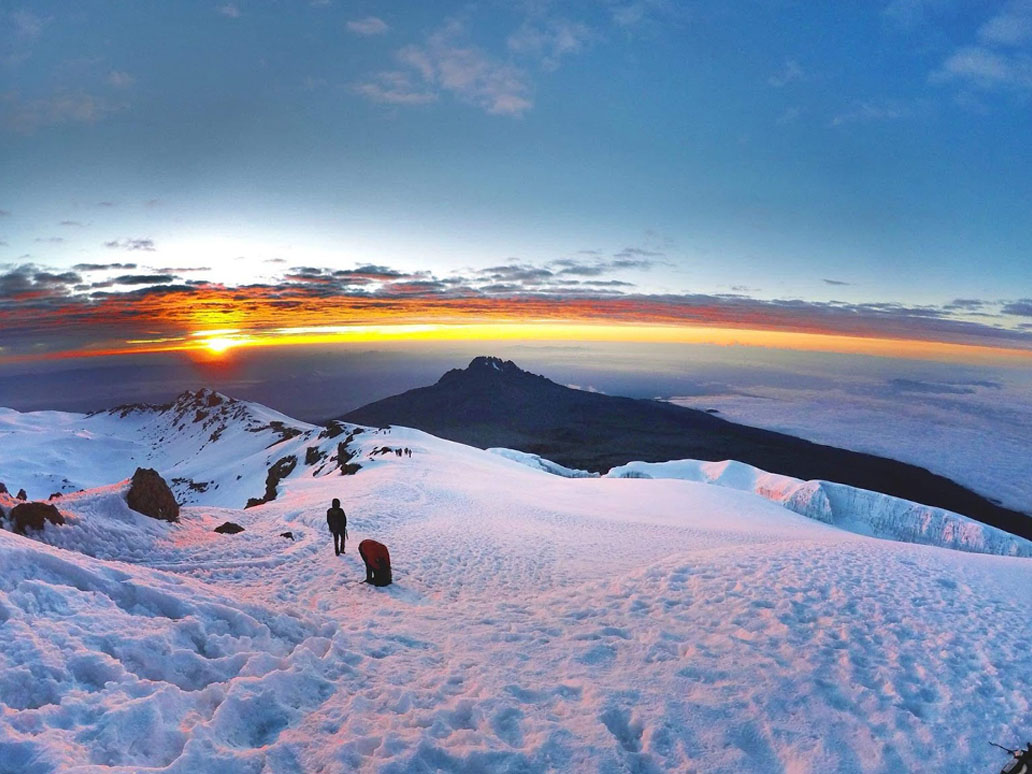
The most striking and widely documented effect of climate change on Kilimanjaro is the rapid retreat of its summit glaciers and ice fields. These aren’t typical valley glaciers found in mountain ranges like the Alps or Himalayas; they are a unique equatorial ice cap, sustained by atmospheric moisture and high-altitude conditions. Scientific studies, including those by the World Glacier Monitoring Service and research teams from institutions like the University of Colorado, have provided compelling evidence of this phenomenon.
Historical records and aerial photographs from the early 20th century show Kilimanjaro’s summit adorned with substantial ice and snow cover, particularly around its three volcanic cones: Kibo, Mawenzi, and Shira. The Kibo summit, home to Stella Point and Uhuru Peak, was once characterized by a large, dynamic ice cap and numerous glaciers, such as the Heim, Decken, and Rebmann glaciers. Today, the landscape is dramatically different.
Key observations regarding glacier retreat include:
- Massive Ice Loss: Between 1912 and 2000, Kilimanjaro lost an estimated 82% of its glacial ice. The rate of loss has continued, with studies indicating that further significant percentages have disappeared in the first two decades of the 21st century. Some of the smaller ice fields have vanished entirely.
- Thinning Ice: It’s not just the area covered by ice that has decreased; the thickness of the remaining glaciers has also diminished substantially. This thinning makes them more susceptible to melting.
- Formation of Fumaroles: As the ice melts, geothermal heat from the volcanic nature of Kilimanjaro is exposed, leading to the formation of fumaroles (steam vents) on the summit plateau. This is a direct consequence of the ice cap’s disappearance.
- Changing Snow Patterns: While glacial ice loss is the most dramatic, changes in snowfall patterns are also evident. Less consistent snow accumulation at lower altitudes of the summit can affect the visual appearance of the mountain and the experience of climbers.
The primary driver of this glacial melt is not necessarily increased snowfall (though precipitation patterns are also changing), but rather a significant rise in ambient temperatures at high altitudes. These warmer temperatures cause sublimation (the direct conversion of ice to water vapor) and melting, outpacing any new ice formation. For trekkers planning a climb in 2026 or 2027, while the summit will remain accessible, the iconic, vast ice fields are unlikely to be a prominent feature.
The implications extend beyond aesthetics. The melting glaciers represent a loss of a unique scientific resource, a historical record of past climates trapped in the ice. Furthermore, the water generated from glacial melt has, in the past, contributed to local water sources. As this supply dwindles, it poses challenges for the ecosystems and communities that depend on Kilimanjaro’s water resources.
Ecological Shifts: How Kilimanjaro’s Zones Are Changing
Kilimanjaro’s altitudinal zonation creates a remarkable diversity of habitats, each supporting unique flora and fauna. Climate change is subtly but significantly altering these ecosystems, impacting everything from the smallest insect to the larger mammals and the plant life that defines each zone.
1. The Montane Forest Zone:
This zone, typically found between 1,800 and 2,800 meters, is characterized by dense, humid rainforests. It is home to diverse wildlife, including colobus monkeys, various bird species, and numerous insects. Scientists observe that warmer temperatures are causing shifts in the distribution of plant species. Some research suggests that the forest boundary might be creeping upwards, potentially encroaching on the moorland zone above. This upward migration of species is a classic indicator of a warming climate. Changes in rainfall patterns, including increased intensity of rainfall events and potentially longer dry spells, can also stress the forest ecosystem, affecting tree health and regeneration.
2. The Moorland Zone:
Above the forest, between 2,800 and 4,000 meters, lies the moorland, a landscape dominated by giant heathers, senecios (like the iconic giant groundsel), and lobelias. This zone is more exposed and adapted to cooler, drier conditions. As temperatures rise, the plants adapted to these higher, cooler altitudes may find themselves outcompeted by species from lower, warmer zones that are migrating upwards. The iconic giant senecios and lobelias, which are endemic to Kilimanjaro and other East African mountains, are particularly vulnerable. Their life cycles, adapted to specific temperature and moisture regimes, could be disrupted. Increased erosion is also a concern in this zone, as vegetation cover changes and intense rainfall events can wash away soil.
3. The Alpine Desert Zone:
This stark, high-altitude zone (4,000 to 5,000 meters) is characterized by sparse vegetation, hardy grasses, and lichens, with extreme temperature fluctuations. Climate change impacts here are less about vegetation shifts and more about the extreme conditions. While the glacial ice is melting, the overall temperature increase can still affect the resilience of the few plant species that survive here. The increased solar radiation at this altitude, coupled with warmer air temperatures, can create stressful conditions.
4. The Arctic Summit Zone:
Above 5,000 meters, the summit plateau is largely devoid of plant life, historically dominated by ice and snow. The most profound change here is, of course, the melting of the glaciers. The exposure of volcanic rock and the formation of fumaroles are direct consequences. This zone’s unique microclimate, once defined by its icy conditions, is rapidly transforming.
Impact on Wildlife:
While Kilimanjaro’s summit is not a habitat for large mammals, the lower slopes and forests are. Changes in vegetation directly affect the food sources and habitats available for animals like monkeys, antelopes, and the diverse birdlife. Increased temperatures can also affect insect populations, which play crucial roles in pollination and as a food source for other animals. For trekkers, noticing shifts in wildlife sightings or changes in the composition of vegetation in different zones can be a subtle but tangible sign of climate change’s impact.
Hydrological Changes: Water Resources and Erosion
The glaciers and permanent snowfields on Kilimanjaro have historically acted as a natural reservoir, storing water and releasing it gradually through melt. This sustained release contributes significantly to the water supply for ecosystems on the mountain and for human communities in the surrounding areas, including towns and agricultural lands in Kilimanjaro region. The shrinking glaciers directly impact this hydrological cycle.
1. Reduced Water Supply:
As the glaciers diminish, the amount of meltwater available, especially during dry seasons, is expected to decrease. This reduction in a reliable water source can have profound consequences for downstream agriculture, human consumption, and the natural environment. Rivers and streams originating from Kilimanjaro may experience lower flows, impacting irrigation schemes and potentially leading to water scarcity in the region, particularly noticeable by 2026-2027 if current trends continue.
2. Increased Seasonal Variation:
While overall long-term water supply might decrease, the immediate effect of rapid glacial melt can be an increase in water flow during certain periods. However, this is often accompanied by a decrease in flow during drier periods when the glaciers would have provided a consistent source. This increased seasonality can be disruptive for water management.
3. Erosion and Landslides:
The melting of permafrost (permanently frozen ground) and ice at high altitudes, combined with changes in precipitation patterns (more intense rainfall), can destabilize slopes. This increased instability can lead to higher rates of erosion, particularly in the moorland and alpine desert zones. In severe cases, it can contribute to landslides, posing risks to infrastructure and the natural environment. The exposure of bare rock and soil makes these areas more susceptible to being washed away by heavy rains.
4. Impact on Vegetation:
Changes in water availability directly affect plant life. Areas that were once consistently moist due to glacial melt might become drier, favoring different species or stressing existing ones. Conversely, increased rainfall intensity in certain periods could lead to waterlogging in some areas, while others experience drought stress. This dynamic can alter the balance of Kilimanjaro’s fragile ecosystems.
The hydrological changes are a critical aspect of how climate change is affecting Kilimanjaro, extending far beyond the mountain itself to impact the livelihoods of millions of people in Tanzania.
Implications for Kilimanjaro Trekkers (2026-2027 and Beyond)
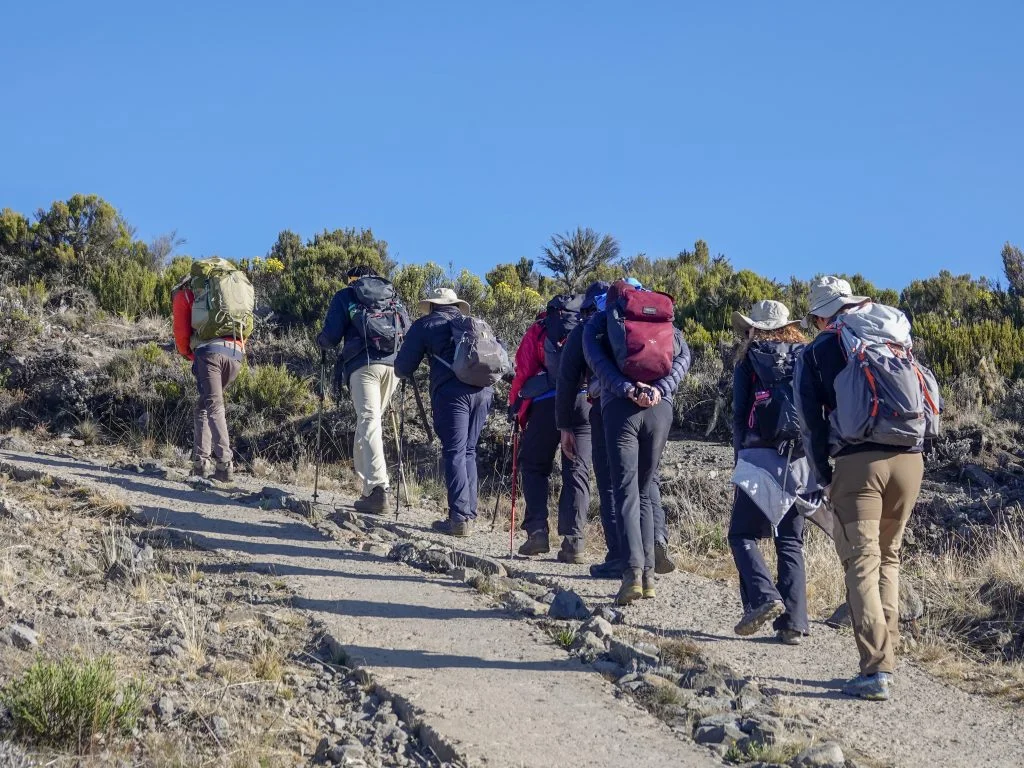
For the thousands of adventurers who aspire to climb Kilimanjaro each year, the impacts of climate change are not just abstract scientific concepts; they translate into tangible differences in the trekking experience. Planning a trek for 2026 or 2027 requires an awareness of these evolving conditions.
1. Summit Conditions:
While the summit remains attainable, the iconic glacial ice fields are significantly diminished. Trekkers are less likely to encounter extensive glaciers and more likely to see exposed volcanic rock and ice patches. The “snows of Kilimanjaro” are now a much rarer sight, especially the large, permanent ice fields.
2. Weather Variability:
Climate change is associated with increased weather unpredictability. Trekkers might experience more extreme weather events, including sudden storms, heavier rainfall, or unseasonably cold snaps. While Kilimanjaro’s weather is always challenging due to altitude, increased variability adds another layer of risk and requires robust preparation. Packing for a wide range of conditions becomes even more critical.
3. Route Conditions:
Increased erosion, particularly on the lower slopes and in the moorland zone, can affect trail conditions. Heavy rains can make paths muddy and slippery, while dry spells can lead to dusty, loose scree. Landslides, though rare on established routes, are a potential risk that operators must monitor.
4. Water Availability on the Mountain:
While major routes like Machame, Lemosho, and Marangu have established campsites with water sources or access points, changes in stream flows due to glacial melt could potentially impact water availability at certain points on the mountain in the long term. Reputable tour operators always carry sufficient water and purification methods, but understanding the natural sources is important.
5. Ecosystem Changes:
Trekkers may notice subtle changes in vegetation as they ascend. The upward migration of plant species and the stress on unique alpine flora are ongoing processes. While not directly impacting safety, these are visible indicators of the mountain’s changing environment.
6. Conservation Awareness:
Climbing Kilimanjaro offers a unique perspective on environmental change. Awareness of how climate change is affecting Kilimanjaro can foster a deeper appreciation for the mountain and encourage responsible trekking practices. Choosing operators committed to sustainability and minimizing their environmental footprint becomes increasingly important.
When planning your Kilimanjaro adventure for 2026 or 2027, it is vital to partner with experienced and responsible tour operators who understand these environmental shifts. They can provide up-to-date information on route conditions, weather patterns, and safety protocols, ensuring a well-prepared and informed climb.
Conservation Efforts and Sustainable Trekking
Recognizing the profound impacts of climate change, various efforts are underway to conserve Kilimanjaro and promote sustainable tourism. These initiatives involve scientific research, policy changes, and the active participation of tour operators and trekkers.
1. Scientific Monitoring:
Ongoing research by Tanzanian authorities, international scientists, and conservation organizations is crucial for tracking glacier recession, ecosystem changes, and hydrological shifts. This data informs conservation strategies and policy decisions. Understanding the precise rates of change helps in predicting future impacts and prioritizing areas for intervention.
2. Reforestation and Habitat Restoration:
Efforts are being made to protect and restore the montane forest zone, which plays a vital role in regulating water cycles and providing habitat. Planting native tree species and managing invasive plants helps to strengthen the ecosystem’s resilience.
3. Sustainable Tourism Practices:
Responsible tour operators play a key role. This includes:
- Waste Management: Strict policies for packing out all waste, including organic matter, to prevent pollution and maintain the pristine environment of the mountain.
- Minimizing Footprint: Using established campsites and trails to reduce erosion and habitat disturbance.
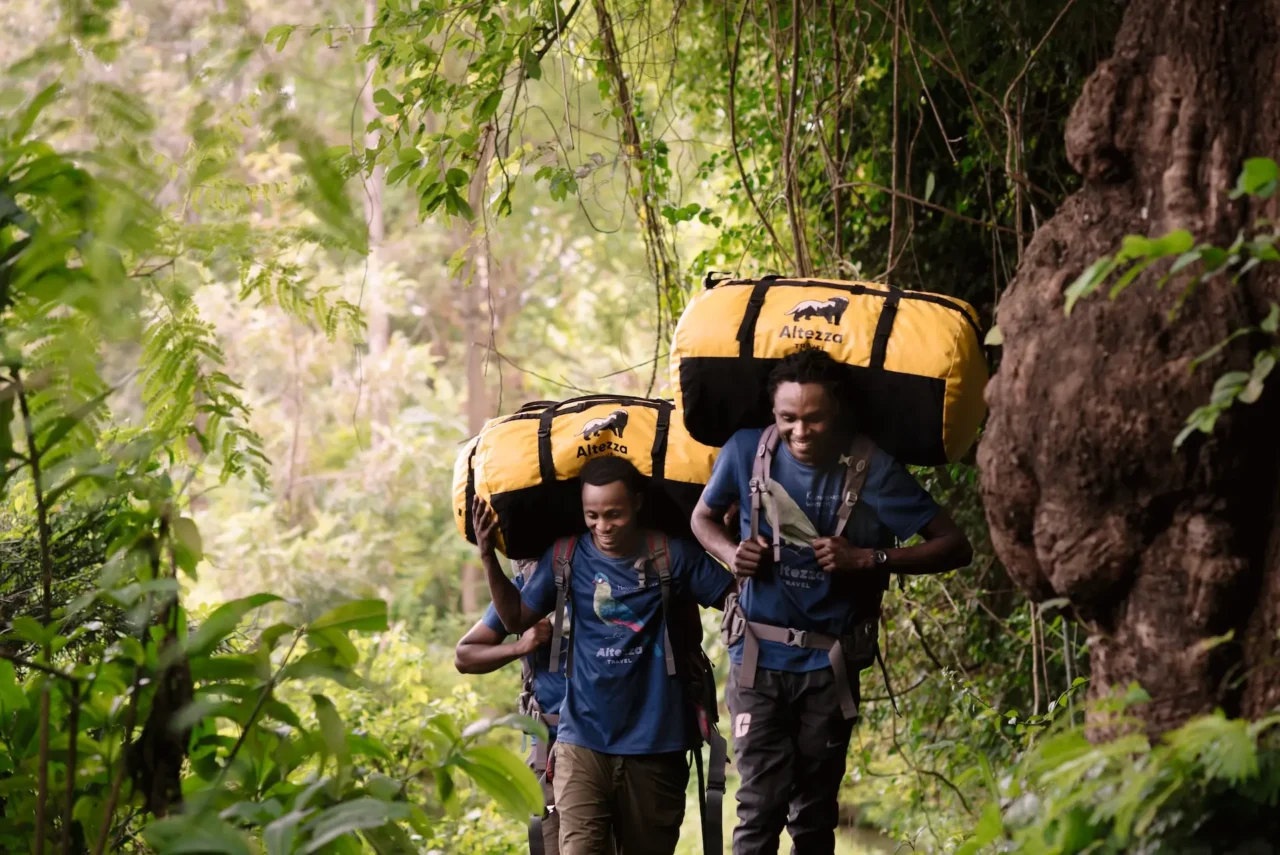
- Crew Training: Educating guides and porters on environmental best practices and conservation messages to share with clients.
- Supporting Local Communities: Ensuring fair wages and working conditions for porters and guides, and engaging with local communities on conservation initiatives.
4. Policy and Advocacy:
Government agencies and NGOs work to implement policies that protect Kilimanjaro National Park, regulate tourism activities, and advocate for broader climate action. This includes managing visitor numbers to prevent overuse and ensuring that tourism revenue contributes to conservation efforts.
5. Climber Education:
Educating trekkers about the environmental challenges Kilimanjaro faces is essential. When climbers understand how climate change is affecting Kilimanjaro, they are more likely to be mindful of their impact and support conservation efforts. This includes respecting wildlife, staying on trails, and properly disposing of waste.
For those planning a trek in 2026 or 2027, choosing a tour operator committed to sustainability is a powerful way to contribute positively. Companies like Top Guide Adventures are dedicated to responsible tourism, working to minimize their environmental impact while providing exceptional climbing experiences.
The Future of Kilimanjaro: Challenges and Hope
The future of Kilimanjaro’s glaciers and unique ecosystems hinges on global efforts to combat climate change. While local conservation measures are vital for mitigating impacts on the mountain itself, the ultimate fate of its ice cap is tied to worldwide reductions in greenhouse gas emissions.
Challenges Ahead:
- Continued Warming: Even with significant global action, some degree of continued warming is likely due to the inertia of the climate system. This means Kilimanjaro’s glaciers will likely continue to shrink, though perhaps at a slower rate.
- Ecosystem Adaptation: The ability of Kilimanjaro’s unique flora and fauna to adapt to rapid environmental changes is uncertain. Endemic species are particularly at risk if their specialized habitats disappear or change too quickly.
- Water Scarcity: The long-term impact on water resources for the region remains a significant concern, potentially leading to social and economic challenges for local communities.
Sources of Hope:
- Global Climate Action: Increased international commitment to climate agreements and the transition to renewable energy offer hope for slowing down global warming.
- Technological Advancements: Innovations in monitoring, conservation techniques, and sustainable tourism practices can help mitigate impacts.
- Increased Awareness: Growing global awareness of climate change and its effects, including on iconic landmarks like Kilimanjaro, can drive stronger collective action.
- Resilience of Nature: Ecosystems possess a degree of natural resilience. With support and protection, some species and habitats may prove more adaptable than currently feared.
The story of Kilimanjaro’s glaciers is a microcosm of the global climate crisis. It serves as a potent reminder of our planet’s fragility and the urgent need for action. For those planning a climb in 2026 or 2027, the experience offers a profound connection to nature and a unique opportunity to witness firsthand the effects of a changing climate. By choosing responsible operators and trekking mindfully, you can contribute to the preservation of this natural wonder for future generations.
Planning Your Kilimanjaro Climb in 2026-2027: What to Expect
When preparing for your Kilimanjaro expedition in 2026 or 2027, it’s essential to be informed about the current conditions and best practices. While the fundamental experience of climbing Kilimanjaro remains one of Africa’s most rewarding adventures, understanding the nuances influenced by climate change will help you prepare effectively.
Choosing the Right Route
The choice of route significantly impacts your acclimatization, scenery, and overall experience. All routes are affected by climate change to some degree, but the primary considerations remain acclimatization and scenic beauty. Popular routes include:
- Machame Route: Known for its excellent acclimatization profile (“climb high, sleep low”) and stunning scenery, it’s a popular choice for 2026-2027 expeditions.
- Lemosho Route: Offers the most scenic approach and good acclimatization, often considered one of the best routes for wildlife viewing on the lower slopes.
- Marangu Route: The “Coca-Cola” route, it’s the only one with hut accommodation. Its direct ascent offers less optimal acclimatization compared to circuit routes.
- Northern Circuit: The longest route, providing the best acclimatization and a unique perspective, circling the mountain.
- Rongai Route: Approaches from the north, drier side, making it a good option during wetter seasons, though it is less scenic than western approaches.
Regardless of the route, your guide will help you navigate changing conditions on the ground. Remember to check with your operator for the latest route-specific information relevant for 2026 and 2027.
Best Time to Climb
Kilimanjaro can be climbed year-round, but certain periods offer more favorable weather. The two main dry seasons are typically:
- January to March: Generally dry and clear, though can be very cold at the summit.
- June to October: Another dry season, often considered the best time due to stable weather, though can be busy.
The shoulder months (April-May and November-December) are wetter and can present more challenging conditions, including increased mud and potential for storms. However, these periods often see fewer crowds. For 2026-2027, these general patterns are expected to hold, but increased weather variability means flexibility and good preparation are key.
Essential Gear and Preparation
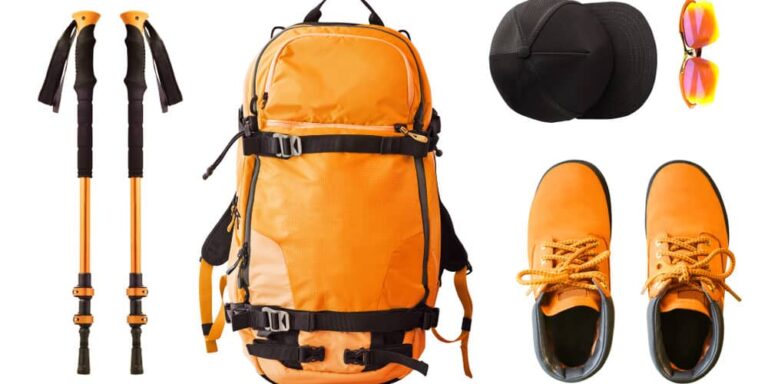
Proper gear is paramount for safety and comfort. The altitude and changing microclimates on Kilimanjaro demand layered clothing.
Key Gear Includes:
- Layering System: Base layers (thermals), mid-layers (fleece), and an outer shell (waterproof and windproof jacket and trousers).
- Insulated Jacket: A warm down or synthetic jacket for summit night.
- Footwear: Broken-in, waterproof hiking boots.
- Headwear: Warm hat and sun hat.
- Gloves: Warm, waterproof gloves, plus liner gloves.
- Sleeping Bag: Rated for cold temperatures (e.g., -10°C to -20°C).
- Sun Protection: High SPF sunscreen, sunglasses, and lip balm.
- Hydration: Water bottles or hydration reservoir.
- Headlamp: Essential for summit night.
Physical preparation is also critical. Cardiovascular fitness, strength training, and hiking practice are highly recommended. Focus on endurance and walking on uneven terrain.
Choosing a Responsible Tour Operator
Selecting a reputable and responsible tour operator is one of the most important decisions you will make for your Kilimanjaro climb. For your 2026 or 2027 expedition, consider companies that prioritize:
- Safety Standards: Experienced guides certified in first aid, comprehensive safety protocols, and adequate oxygen supplies.
- Ethical Treatment of Porters: Adherence to KPAP (Kilimanjaro Porters Assistance Project) guidelines for fair wages, adequate food, and appropriate gear for support staff.
- Environmental Responsibility: Policies for waste management, trail conservation, and minimizing ecological impact.
- Transparency: Clear communication about inclusions, exclusions, pricing, and what to expect on the mountain.
Companies like Top Guide Adventures are committed to these principles, ensuring a safe, ethical, and environmentally conscious climb. You can reach them via WhatsApp +255616946642 or Email topguideadventures@gmail.com.
The Enduring Majesty of Kilimanjaro
Despite the visible impacts of climate change, Mount Kilimanjaro remains an awe-inspiring natural wonder. Its unique ecosystems, the challenge of its ascent, and the profound sense of accomplishment it offers continue to draw adventurers from around the globe. The changes observed are a stark reminder of our planet’s vulnerability and the critical need for global climate action. For those planning to climb in 2026-2027, it is an opportunity to witness a living testament to nature’s power and fragility.
Understanding how climate change is affecting Kilimanjaro enhances the trekking experience by fostering a deeper connection to the mountain and its environment. It encourages responsible travel and a greater appreciation for conservation efforts. While the glaciers may be receding, the spirit of Kilimanjaro, its wild beauty, and the incredible journey it offers endure. Planning your trek with a reputable operator committed to sustainability, like Top Guide Adventures (website, Instagram), ensures your adventure contributes positively to the preservation of this iconic peak.
For inquiries or to plan your 2026 or 2027 Kilimanjaro climb, contact Top Guide Adventures:
- WhatsApp: +255616946642
- Email: topguideadventures@gmail.com
- Backup Email: info@topguideadventures.com
“,
“faq_schema”: [
{
“question”: “What are the main impacts of climate change on Kilimanjaro?”,
“answer”: “The most significant impacts of climate change on Kilimanjaro are the rapid shrinking of its glaciers and ice fields, alterations in its unique altitudinal ecosystems with upward shifts in vegetation zones, changes in water availability due to reduced glacial melt, and increased erosion on its slopes. These changes are observable and affect both the environment and the trekking experience.”
},
{
“question”: “Are Kilimanjaro’s glaciers disappearing completely?”,
“answer”: “Scientific studies indicate that Kilimanjaro has lost a substantial amount of its glacial ice, with some smaller ice fields vanishing entirely. While the rate of loss is alarming, complete disappearance by 2026-2027 is unlikely, but the iconic ice cap will continue to shrink significantly, becoming less prominent.”
},
{
“question”: “How does climate change affect the trekking experience on Kilimanjaro?”,
“answer”: “Climate change can lead to more unpredictable weather patterns, potentially increasing the occurrence of extreme conditions like storms or heavy rainfall. Trail conditions may be affected by increased erosion. Trekkers will also notice the diminished glaciers, meaning the iconic ‘snows of Kilimanjaro’ are far less extensive than in historical accounts.”
},
{
“question”: “What are the best routes for climbing Kilimanjaro in 2026-2027?”,
“answer”: “Popular routes like the Machame and Lemosho offer excellent acclimatization and scenery, making them great choices for 2026-2027. The Northern Circuit provides the best acclimatization due to its length. The Marangu route is known for its huts, while the Rongai is a good option for drier conditions. The best route depends on your fitness, time, and preference for scenery and acclimatization.”
},
{
“question”: “What is the best time to climb Kilimanjaro in 2026 or 2027?”,
“answer”: “The primary dry seasons, offering the most stable weather, are typically January to March and June to October. These periods are generally best for climbing in 2026 and 2027. However, increased weather variability due to climate change means that preparation for varied conditions is always advisable, regardless of the season.”
},
{
“question”: “How can I ensure my Kilimanjaro climb in 2026-2027 is environmentally responsible?”,
“answer”: “To ensure an environmentally responsible climb, choose a tour operator committed to sustainability, such as Top Guide Adventures. Look for companies with strict waste management policies, ethical treatment of porters, use of established trails, and educational programs for trekkers. Practicing ‘Leave No Trace’ principles during your trek is also crucial.”
}
]
}
“`
Check Availability for How Climate Change Is Affecting Kilimanjaro 2026-2027
Ready to compare dates, prices, and the best option for your group? Send the package name and travel month so the team can reply with a clear quote, availability, and what is included.
Can You Change Routes After Booking Kilimanjaro? A Guide For Trekkers
Deciding on your Kilimanjaro route is a big step. What happens if you need to change it after booking? This comprehensive guide explores the possibilities, costs, and considerations for...
View package details
Kilimanjaro Safari And Climb Package For Seniors: Your Adventure 2026-2027
Top Guide Adventures offers tailored Kilimanjaro safari and climb packages for seniors in 2026-2027, focusing on safety, comfort, and an unforgettable Mount Kilimanjaro experience. Explore...
View package details
Kilimanjaro Travel Insurance For Travellers Over 65 In 2026-2027
Climbing Kilimanjaro over 65? This guide covers essential travel insurance for seniors, detailing coverage needs, policy types, and how to find the right policy for your 2026-2027 adventure.
View package details
Kilimanjaro Summit Success Tips For Older Hikers In | Top Guide Adventures
Achieving your dream of standing on the Roof of Africa is possible at any age. This guide provides essential Kilimanjaro summit success tips specifically for older hikers, covering...
View package details
Kilimanjaro Climb With Private Medical Support Guide
Climbing Mount Kilimanjaro is a dream for many adventurers. Ensuring your safety and well-being is paramount, especially at high altitudes. A Kilimanjaro climb with private medical support...
View package details
Kilimanjaro Climb With Additional Personal Porter 2026-2027
Kilimanjaro Climb with Additional Personal Porter is explained with current 2026-2027 planning, price, itinerary and booking information.
View package details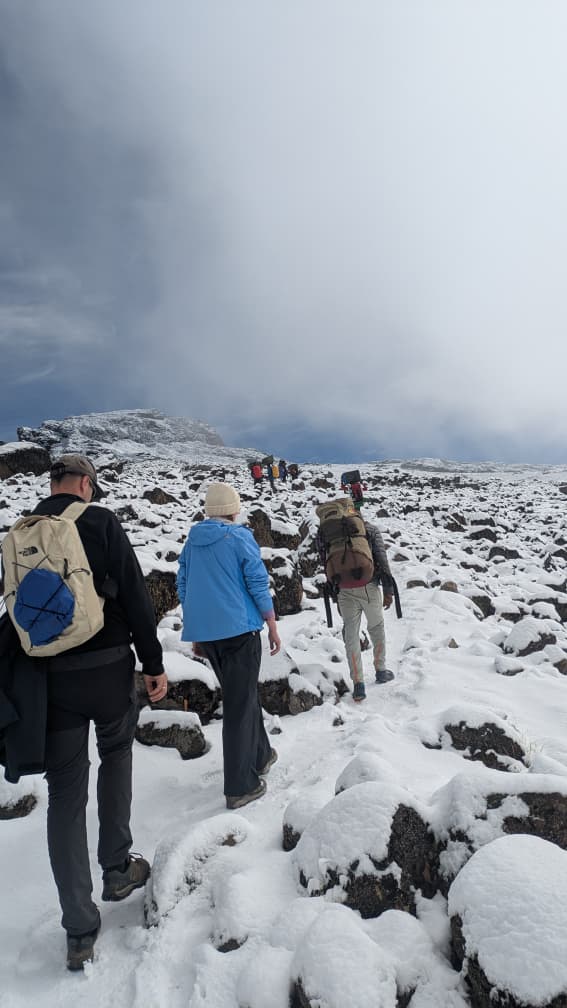
Kilimanjaro Luxury Climb For Mature Travellers In | Top Guide Adventures
Discover the ultimate Kilimanjaro luxury climb experience designed specifically for mature travellers in 2026-2027. Top Guide Adventures provides unparalleled comfort, expert guides, and...
View package details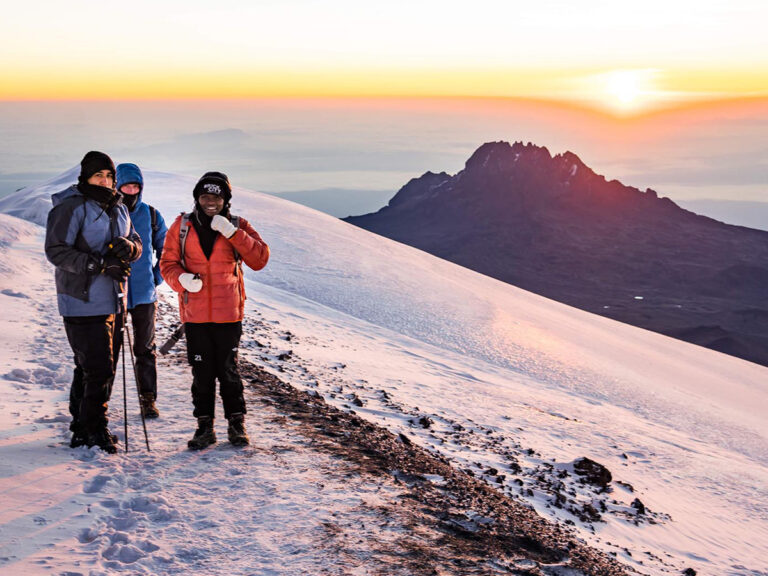
Kilimanjaro Knee Protection For Senior Hikers 2026-2027
Kilimanjaro Knee Protection for Senior Hikers is explained with current 2026-2027 planning, price, itinerary and booking information.
View package details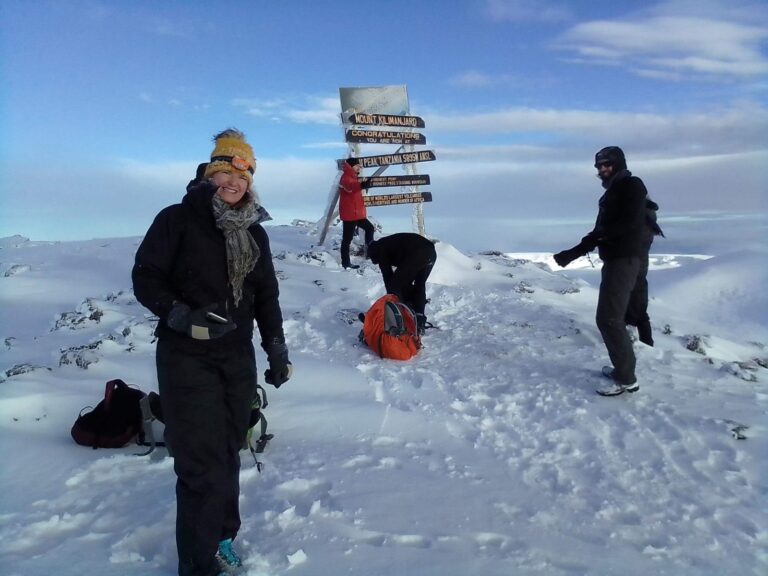
Kilimanjaro Medical Preparation For Older Climbers: Essential Guide 2026-2027
Climbing Kilimanjaro is achievable for older adventurers with thorough medical preparation. This guide covers essential health checks, fitness strategies, altitude acclimatization, and...
View package details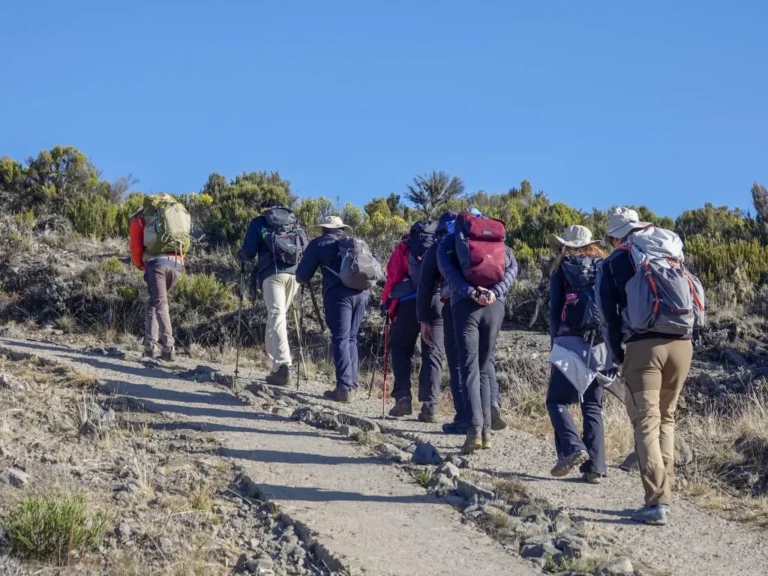
Private Kilimanjaro Climb For Senior Travellers: A Comprehensive Guide
This guide details private Kilimanjaro climbs tailored for senior travellers, covering route selection, acclimatization, safety, gear, and the benefits of a private climb with Top Guide...
View package details
Kilimanjaro Climb With Extra Rest Days 2026-2027
Kilimanjaro Climb with Extra Rest Days is explained with current 2026-2027 planning, price, itinerary and booking information.
View package detailsKilimanjaro Climb With A Slower Daily Pace: Your Guide To Success 2026-2027
Discover how a slower daily pace significantly enhances your Kilimanjaro climb experience. This comprehensive guide covers route selection, acclimatization strategies, essential gear, and...
View package detailsNo related package matches those filters. Clear one or more filters to see the other topic-matched options.



