
Barafu Camp’s busyness is directly tied to Kilimanjaro’s climbing seasons. It tends to be significantly busier during the dry, peak seasons, typically from January to February and again from June through October. During these times, you can expect to share the camp with a larger number of trekkers. The shoulder seasons (March-May and November-December) are generally quieter, offering a more serene experience. For trekkers planning for 2026-2027, booking well in advance, especially for the peak months, is crucial to secure your spot and desired climb dates, as availability can become limited.
Understanding Barafu Camp’s Location and Role on Kilimanjaro
Barafu Camp, situated at approximately 4,675 meters (15,338 feet) on Kilimanjaro’s alpine desert zone, is a critical staging post for summit attempts. Its strategic position on the saddle between Mawenzi and Kibo peaks means it’s a common overnight stop for most routes approaching the summit, particularly the popular Machame, Lemosho, Shira, and Barafu (which is essentially the same as the Barafu Camp itself, often used interchangeably with the location). Because of its essential function as the final high camp before the summit push, the question of how busy Barafu Camp is is fundamental for trekkers planning their climb. The answer influences expectations, preparation, and even the choice of climbing season.
The density of trekkers at Barafu Camp is not just about numbers; it impacts the overall experience. More people can mean a more vibrant, communal atmosphere, but also potentially less privacy and more competition for prime spots within the camp. Understanding the factors that contribute to its busyness helps trekkers make informed decisions, especially when planning future expeditions for 2026 or 2027.
Kilimanjaro Climbing Seasons: The Primary Driver of Barafu Camp Busyness
Kilimanjaro experiences distinct climbing seasons, dictated largely by weather patterns. These seasons are the most significant factor determining how busy Barafu Camp will be. The mountain has two primary dry seasons, which are the most popular times to climb, and two wetter, less popular seasons.
Peak Climbing Seasons: The Busiest Times
The two main dry seasons are the most sought-after periods for climbing Kilimanjaro, and consequently, the times when Barafu Camp is most crowded. These periods offer the best chances for clear skies, stable weather, and good visibility, making the challenging trek more enjoyable and safer.
- January to February: This is another prime dry season. The weather is generally stable, though it can be colder due to the proximity to winter in the Northern Hemisphere. Many trekkers opt for this period, leading to a considerable number of people at Barafu Camp. Early booking for 2026-2027 is highly advised for this window.
- June to October: This is Kilimanjaro’s longest dry season and arguably the most popular. The weather is typically clear and sunny, with moderate temperatures. This extended period sees a high volume of climbers across all routes, making Barafu Camp notably busy. For those aiming for 2026 or 2027 during these months, securing permits and guide services months in advance is essential.
Shoulder Seasons: Moderate Crowds
The shoulder seasons offer a compromise: the weather is less predictable than in the dry seasons, but the crowds are significantly thinner. These periods can provide a more tranquil trekking experience.
- March to May: This period marks the start of the long rainy season. While the first half might still be relatively dry, the latter half often brings persistent rain, especially at lower and middle altitudes. Consequently, fewer people choose to climb during this time. Barafu Camp will be less crowded, but the descent can be muddy and challenging.
- November to December: This period represents the short rainy season. While rain is possible, it’s usually less intense and shorter-lived than the main rainy season. The crowds are moderate, making it a viable option for trekkers who prefer fewer people on the mountain, provided they are prepared for potential rain showers.
Low Season: The Quietest Times
The low season is characterized by the highest chance of rain and less stable weather, which naturally deters many trekkers. This results in the fewest people on the mountain and consequently, the quietest experience at Barafu Camp.
- April and May: These months are generally considered the wettest and are therefore the least popular climbing months. Barafu Camp will be relatively empty, but the conditions on the mountain can be tough, with slippery trails and reduced visibility.
When considering how busy Barafu Camp is, it’s crucial to align your travel dates with these seasonal patterns. The difference in crowd levels between a peak dry month and a wet month can be substantial.
Route Variations and Their Impact on Barafu Camp Congestion
While Barafu Camp is a common point for multiple routes, the specific path a trekker takes can influence the number of people they encounter on the approach and at the camp itself. Some routes funnel more trekkers into the same high-altitude camps.
Routes Converging at Barafu Camp
Several popular routes converge near Barafu Camp, meaning that trekkers from different paths often arrive at the camp around the same time. This convergence is a significant factor in understanding how busy Barafu Camp gets.
- Machame Route: Often called the “Whiskey Route,” it’s the most popular route due to its scenic beauty and relatively high success rate. It approaches Barafu Camp from the south.
- Lemosho Route: Known for its stunning scenery and excellent acclimatization profile, Lemosho is a longer route that also converges with Machame, leading to Barafu Camp.
- Shira Route: Similar to Lemosho, Shira offers great views and acclimatization. It also merges with the Machame route higher up.
- The Barafu Route (often referred to as Mweka or Northern Circuit variations): While the name might be confusing, this is a distinct route that also uses Barafu Camp as its final high camp before the summit.
The popularity of routes like Machame and Lemosho means that during peak seasons, the trails leading to Barafu Camp can be quite populated, and the camp itself will host trekkers from all these converging paths. This shared space is a primary reason for its busyness.
Less Common Routes and Their Impact
Routes like Marangu (the “Coca-Cola Route”) and Rongai do not typically use Barafu Camp as their final high camp. Marangu climbers often stay in huts and ascend from Kibo Hut, while Rongai climbers might descend differently. This means that trekkers on these routes contribute less directly to the congestion at Barafu Camp itself.
Therefore, when asking how busy Barafu Camp is, consider not just the season but also the popularity of the route you choose. Routes that merge at higher altitudes will naturally lead to more people sharing the same campsites, including Barafu.
What to Expect When Barafu Camp Is Busy
A busy Barafu Camp is a common experience, especially during peak climbing seasons. Understanding what this entails can help manage expectations and prepare accordingly.
Campground Conditions
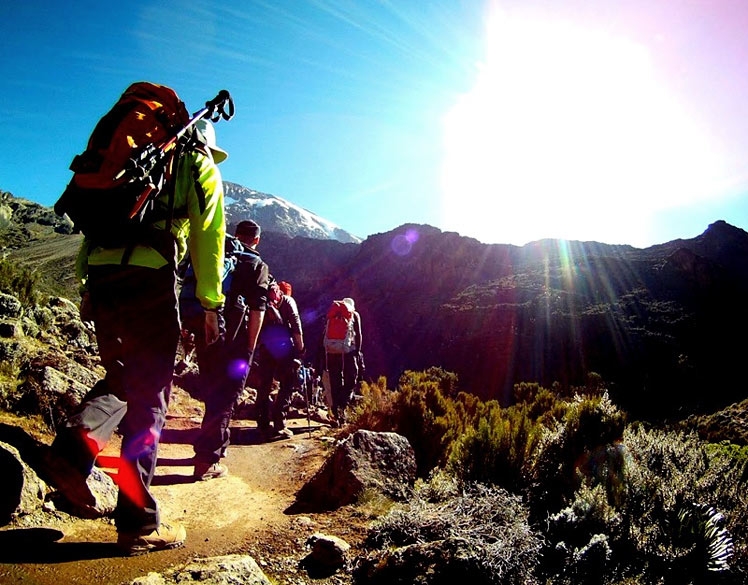
When Barafu Camp is busy, the available camping space can feel more compact. Trekkers are often assigned spots by their guides, and while efforts are made to spread out, the sheer number of tents can make it feel crowded. You’ll likely be camping close to other groups, sharing the common areas for meals and social interaction.
- Tent Proximity: Expect tents to be pitched relatively close to one another.
- Common Areas: The mess tent or designated communal areas will be livelier but also fuller.
- Facilities: While toilets are usually available, queues might form during peak times.
Atmosphere and Social Interaction
A busy camp can foster a sense of camaraderie. You’ll meet trekkers from all over the world, sharing stories and encouragement. This communal spirit can be a positive aspect for many.
- Shared Experience: The shared challenge and excitement create a unique atmosphere.
- Guide Support: Guides and porters work diligently to manage the influx, ensuring safety and logistics run as smoothly as possible.
Summit Night Considerations
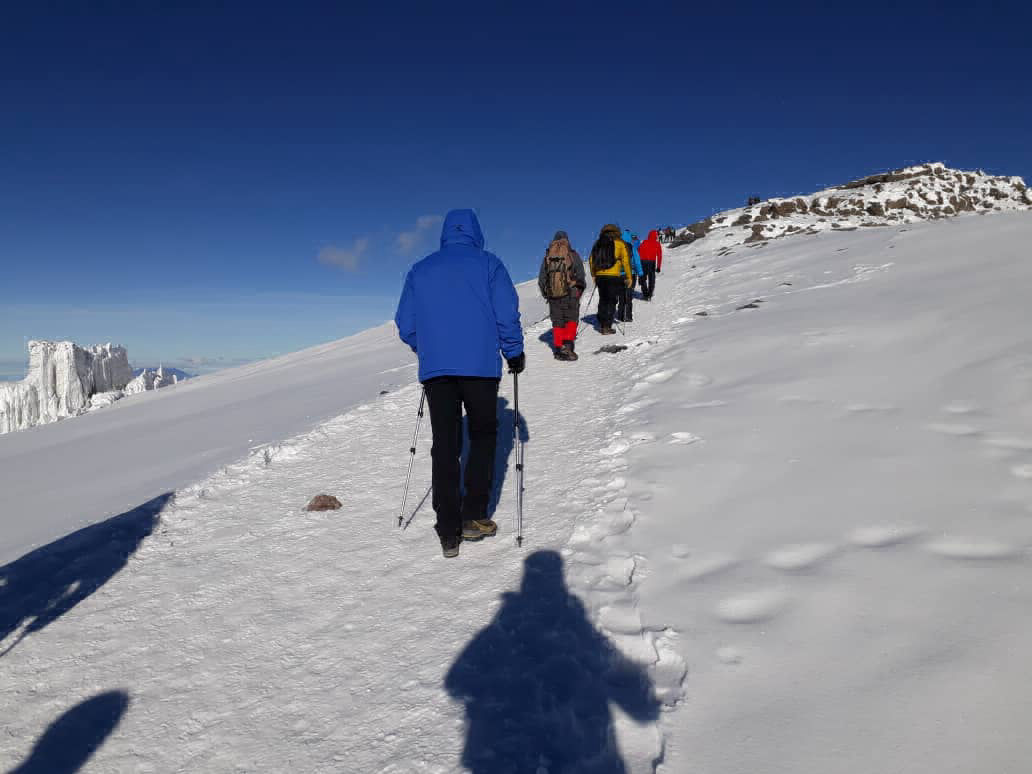
The most significant impact of a busy Barafu Camp is on summit night. The trail from Barafu Camp to Stella Point and Uhuru Peak is narrow in places. When many groups start their ascent around the same time (typically midnight to 2 AM), it can lead to bottlenecks on the trail.
- Trail Congestion: You might find yourself waiting behind other groups on steeper sections or narrow paths.
- Slower Pace: This can slow down your progress, which is a concern at high altitude where speed is often preferred.
- Potential Delays: While guides manage pace, significant congestion can impact the timing of your summit bid.
For those planning a climb in 2026 or 2027, being aware of these potential impacts is key. Choosing a reputable operator like Top Guide Adventures can help mitigate some of these issues, as they often have strategies for managing group timing and pace.
What to Expect When Barafu Camp Is Quiet
Conversely, visiting Barafu Camp during the shoulder or low seasons offers a different, often more peaceful, experience.
Campground Serenity
Fewer trekkers mean more space. You’ll likely have more room to spread out your tent and personal gear. The common areas will be less crowded, allowing for more relaxed meals and conversations.
- Ample Space: Enjoy more personal space and less tent-to-tent proximity.
- Quiet Environment: The camp will be quieter, allowing for better rest before summit night.
Atmosphere and Solitude
While the vibrant, communal feel is lessened, a quieter camp offers its own unique benefits. It can feel more intimate and allow for a deeper connection with the mountain environment.
- Peaceful Setting: Enjoy the stark beauty of the alpine desert with fewer distractions.
- Focus on the Climb: A quieter camp can help some individuals focus more intently on their personal journey and acclimatization.
Summit Night in Quieter Conditions
The most noticeable difference during quieter periods is on summit night. With fewer groups on the trail, the ascent is generally smoother and less congested.
- Uninterrupted Ascent: You’re less likely to encounter bottlenecks on the trail.
- Flexible Pace: Your guide can better manage your pace without external delays.
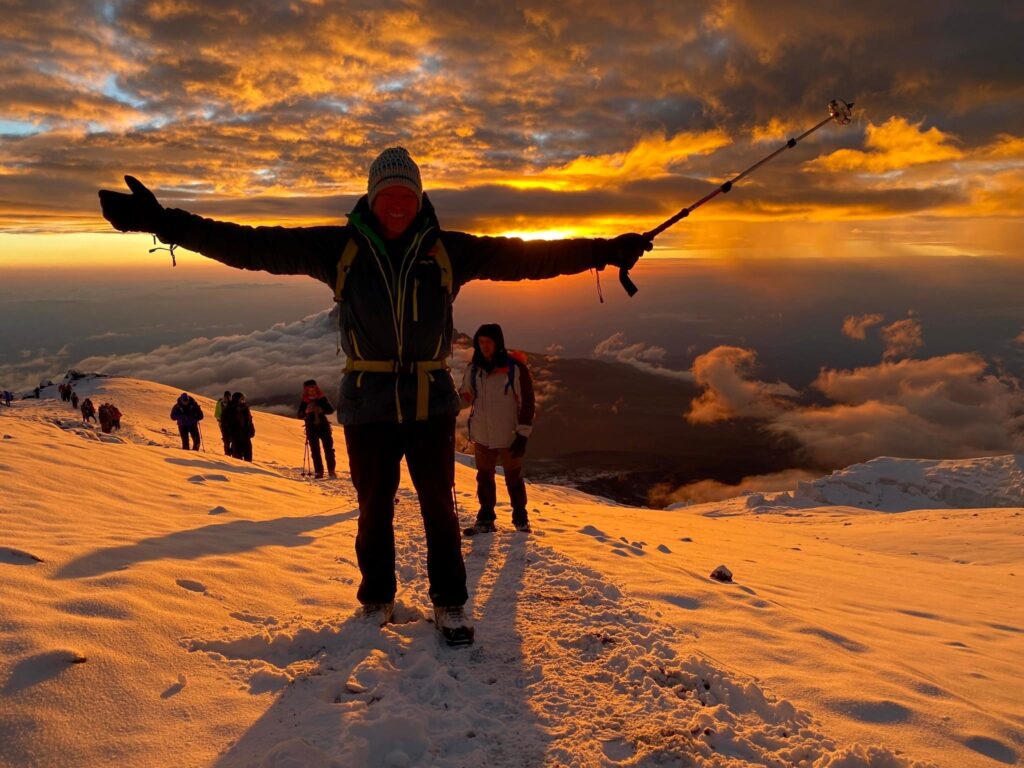
- More Personal Experience: The feeling of accomplishment can be more profound with fewer people around you on the summit path.
When planning for how busy Barafu Camp is in 2026 or 2027, weigh the pros and cons of both busy and quiet periods to find the experience that best suits your preferences.
Planning Your Kilimanjaro Climb: Timing for 2026-2027
Making informed decisions about when to climb Kilimanjaro is crucial for a better experience. Considering the busyness of Barafu Camp is a key part of this planning, especially for upcoming seasons.
Choosing Your Climbing Season
For 2026-2027, here’s a strategic approach to choosing your season based on crowd levels:
- To Avoid Crowds: Aim for the shoulder seasons (March-May, November-December) or the low season (April-May). Be prepared for potential rain, but enjoy fewer trekkers at Barafu Camp and on the trails.
- For Best Weather (and More Crowds): Target the peak dry seasons (January-February, June-October). These months offer the most reliable weather but will undoubtedly mean a busier Barafu Camp. If clear skies are your top priority, embrace the crowds and book well in advance.
Booking Lead Times for 2026-2027
Given the popularity of Kilimanjaro, especially during peak seasons, booking your climb well in advance is not just recommended, it’s essential. This applies to both permits and tour operator services.
- Peak Seasons (Jan-Feb, Jun-Oct): For 2026 and 2027, we strongly advise booking at least 6-9 months in advance. For popular dates or private climbs, even earlier booking might be necessary. This ensures you get your preferred dates and itinerary.
- Shoulder/Low Seasons (Mar-May, Nov-Dec): While less critical, booking 3-6 months in advance is still recommended to secure your spot and allow operators to finalize logistics.
Working with a trusted tour operator like Top Guide Adventures can simplify this process. They manage permits, park fees, and logistics, often having insights into availability for specific dates in 2026 and 2027.
Route Selection for Crowd Management
If minimizing contact with other trekkers is a high priority, consider routes that are less popular or have a different approach to the summit area, although most major routes do converge before Barafu.
- Northern Circuit: This is the longest route and generally sees fewer people due to its duration and cost. It offers a more remote experience and excellent acclimatization, potentially leading to a less crowded Barafu Camp compared to Machame.
- Lemosho Route: While popular, it starts with a more remote section before merging with Machame. The early days are quieter.
Ultimately, understanding how busy Barafu Camp is informs your choice of season and route for your 2026-2027 Kilimanjaro adventure.
Factors Beyond Seasonality Affecting Camp Busyness
While the climbing season is the primary determinant, other factors can subtly influence the number of people at Barafu Camp.
Group Size and Tour Operator Policies
The size of groups climbing Kilimanjaro can vary widely. Some operators prefer smaller, more intimate groups, while others might lead larger expeditions. The policies of the tour operator you choose, such as Top Guide Adventures, will influence the number of people you see at Barafu Camp.
- Large Group Departures: If you join a scheduled “group departure” for 2026 or 2027, you might encounter more people on the mountain, especially if multiple large groups are scheduled to arrive at Barafu Camp on the same day.
- Private Climbs: Opting for a private climb offers more control over your itinerary and pace. While you’ll still share the mountain with others, your personal experience at Barafu Camp will be distinct from larger scheduled groups.
Permit Availability and National Park Regulations
Tanzania National Parks Authority (TANAPA) manages permits for Kilimanjaro. While they don’t strictly limit the number of people per day in a way that causes gridlock, the overall availability of permits for specific dates can influence how many groups are on the mountain.
- Permit Booking: Tour operators handle permit acquisition. Demand for permits during peak seasons can be high, reinforcing the need for early booking for 2026-2027.
- Camp Capacity: While not usually an issue, TANAPA does manage campsites to prevent overcrowding beyond a certain point. Barafu Camp is large enough to accommodate many groups, but congestion is still a reality during peak times.
Special Events and Holidays
Occasionally, national holidays or major global events can influence travel patterns. While less common for Kilimanjaro, it’s worth noting that increased global travel interest or specific holiday periods might see a slight uptick in bookings for 2026-2027, even outside the absolute peak months.
Understanding these nuances helps paint a clearer picture of how busy Barafu Camp is, beyond just the general seasonal trends.
Comparing Barafu Camp to Other Kilimanjaro Camps
To fully appreciate the busyness of Barafu Camp, it’s useful to compare it to other camps on Kilimanjaro.
- Base Camps (e.g., Machame Camp, Mweka Camp): These camps are typically at lower altitudes and are used earlier in the trek. They can also get very busy during peak seasons, often hosting numerous large groups simultaneously. The atmosphere here can be very lively.
- Mid-Altitude Camps (e.g., Karanga Camp, Barranco Camp): These camps are crucial for acclimatization. Barranco Camp, in particular, is known for its stunning location and can feel quite busy, especially as it’s a major stopping point before the Barranco Wall climb.
- High-Altitude Camps (e.g., Kibo Hut, Arrow Glacier): Kibo Hut, on the Marangu route, is a hut system rather than a tented camp and can be very crowded, serving as the final stop before summiting for Marangu climbers. Arrow Glacier is a more remote, technical camp used by a small number of climbers on the Western Breach route, making it very quiet.
Barafu Camp sits in a unique position as the final high camp for many popular routes. Its busyness is a direct consequence of its strategic importance and the convergence of multiple high-traffic routes during the most desirable climbing seasons. While other camps can be busy, Barafu Camp’s role on summit night often makes its congestion particularly noticeable and impactful.
Maximizing Your Experience at a Busy Barafu Camp
If your planned climb for 2026-2027 falls during a peak season, you’ll likely experience a busy Barafu Camp. Here’s how to make the most of it:
1. Choose a Reputable Tour Operator
Companies like Top Guide Adventures have extensive experience managing groups on Kilimanjaro. They understand how to navigate busy periods, ensuring your safety, comfort, and logistical needs are met. They often have strategies to help their groups manage summit night timing, even amidst congestion.
Contact Top Guide Adventures via WhatsApp +255616946642 or Email topguideadventures@gmail.com for advice on planning your climb during busy periods.
2. Pack Smart for Cold and Altitude
Regardless of crowds, the altitude and temperature at Barafu Camp are significant. Ensure you have appropriate gear:
- Layered Clothing: Essential for managing temperature fluctuations.
- Warm Sleeping Bag: Rated for at least -10°C (15°F).
- Insulated Jacket: A down or synthetic puffer jacket is crucial.
- Headwear and Gloves: Warm, waterproof options are vital.
3. Prioritize Acclimatization
Even with crowds, proper acclimatization is non-negotiable. Follow your guide’s advice on pacing yourself and staying hydrated throughout the trek.
4. Mental Preparation
Mentally prepare for a potentially crowded camp and trail. Focus on your own journey and the incredible achievement you are working towards. Remember that the guides are experienced in managing these situations.
5. Embrace the Camaraderie
A busy camp means many fellow adventurers. Use the opportunity to share the experience, offer encouragement, and build a sense of community. The shared challenge can be a powerful bonding experience.
Maximizing Your Experience at a Quiet Barafu Camp
If you’ve opted for a quieter season for your 2026-2027 climb, here’s how to savor the solitude:
1. Enjoy the Peace and Quiet
Take advantage of the tranquility. Use the quiet evenings for reflection, journaling, or simply enjoying the stark beauty of the alpine desert landscape without the usual hustle and bustle.
2. Connect with Your Guide and Crew
With fewer trekkers, you might have more opportunities for deeper conversations with your guide and support crew. Learn about their culture, experiences, and perspectives.
3. Focus on Personal Goals
A quieter environment can be ideal for focusing on personal achievements, acclimatization, and enjoying the physical and mental aspects of the climb without external pressure or distraction.
4. Take Advantage of Photo Opportunities
Fewer people mean clearer shots of the dramatic landscapes around Barafu Camp and on the summit trail. Capture the mountain’s grandeur without photobombers.
Making the Decision: Busy vs. Quiet Barafu Camp
The choice between a busy and quiet Barafu Camp experience for your 2026-2027 climb depends on your priorities:
- Choose Busy (Peak Season) if: You prioritize the best possible weather and are willing to accept more people on the mountain and potentially crowded trails. You enjoy a lively, communal atmosphere.
- Choose Quiet (Shoulder/Low Season) if: You prefer solitude, a more intimate experience with nature, and potentially smoother summit night ascents. You are prepared for a higher chance of rain and less predictable weather.
Regardless of your choice, booking with an experienced operator like Top Guide Adventures is key. They can provide tailored advice based on current conditions and your specific needs for 2026-2027.
Final Thoughts on Barafu Camp Busyness for 2026-2027 Climbers
How busy is Barafu Camp? The answer is almost always: it depends on the season. The dry periods from January to February and June to October are the busiest, characterized by more trekkers, a lively atmosphere, and potential trail congestion on summit night. The wetter months, while offering more solitude, come with the risk of challenging weather.
For trekkers planning their Kilimanjaro adventure in 2026 or 2027, understanding these patterns is crucial. Early booking is paramount for peak seasons to secure your spot and ensure a well-organized expedition. Choosing a reputable tour operator like Top Guide Adventures provides the expertise needed to navigate the complexities of Kilimanjaro climbs, whether you encounter a bustling Barafu Camp or a serene one.
We are committed to providing exceptional support and personalized attention for your Kilimanjaro climb. Whether you’re seeking the best weather or the quietest trails for your 2026-2027 expedition, we can help you plan the perfect journey. Don’t hesitate to reach out for a tailor-made experience.
Contact us today:
- WhatsApp: +255616946642
- Email: topguideadventures@gmail.com
- Backup Email: info@topguideadventures.com
Let Top Guide Adventures be your trusted partner in making your Kilimanjaro dream a reality in 2026-2027.
Check Availability for How Busy Is Barafu Camp? Your Guide To Crowds And Planning For 2026-2027
Ready to compare dates, prices, and the best option for your group? Send the package name and travel month so the team can reply with a clear quote, availability, and what is included.



