
Kilimanjaro climbing support for visually impaired travellers involves partnering with experienced tour operators like Top Guide Adventures who provide dedicated guides, adaptive equipment, and comprehensive safety protocols to ensure a secure and rewarding ascent. This includes experienced guides trained to assist, clear communication channels, and routes chosen for accessibility, allowing visually impaired individuals to safely achieve their summit goals on Kilimanjaro.
Understanding Kilimanjaro Climbing for Visually Impaired Travellers
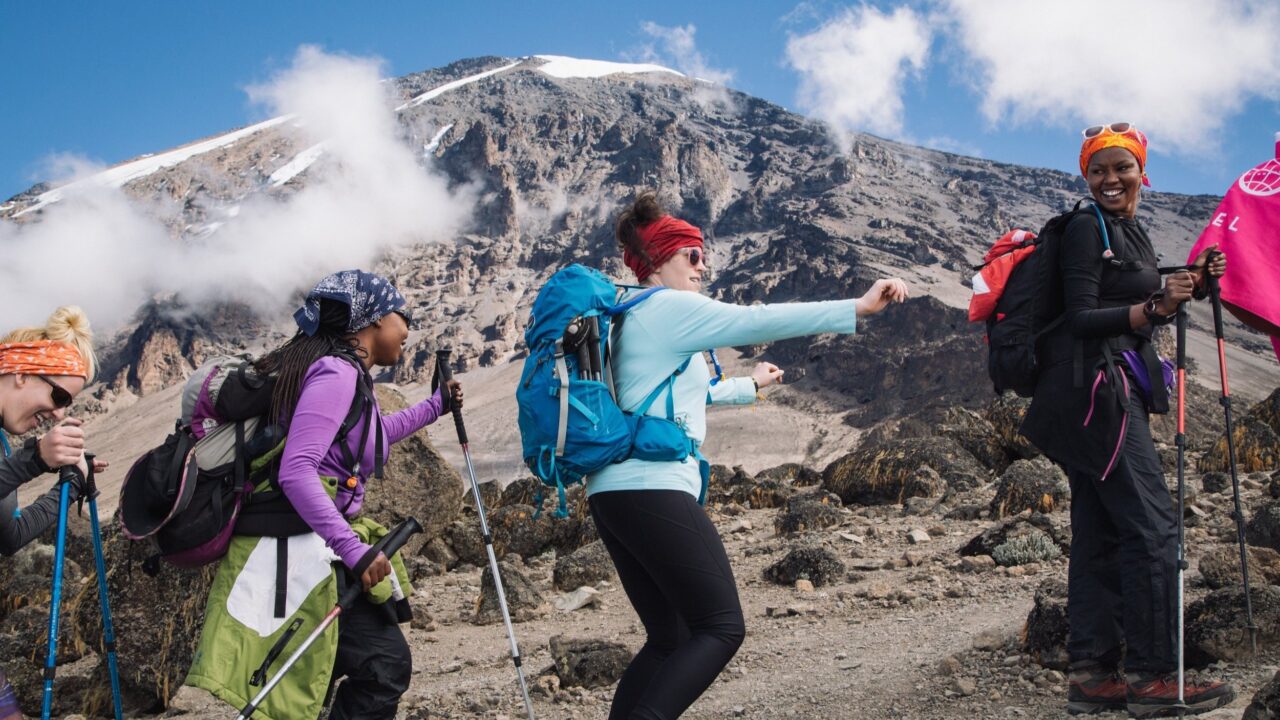
Mount Kilimanjaro, Africa’s highest peak, stands as a beacon for adventurers worldwide. For visually impaired travellers, the dream of standing on its summit is achievable with the right preparation, support, and a trusted guiding partner. At Top Guide Adventures, we understand the unique needs and challenges faced by visually impaired climbers and are committed to providing an exceptional and safe Kilimanjaro climbing experience. Our expertise ensures that every aspect of your journey, from initial planning to the final descent, is meticulously managed, prioritizing your safety, comfort, and enjoyment.
The decision to climb Kilimanjaro is significant. For a visually impaired traveller, this decision is often accompanied by questions about feasibility, safety, and the level of support required. This comprehensive guide is designed to address those questions, offering detailed insights into how we facilitate Kilimanjaro climbs for individuals with visual impairments. We cover everything from selecting the most suitable routes and understanding guide-to-client ratios to the essential gear and the psychological preparedness needed for this remarkable undertaking. Our aim is to demystify the process and empower you to start this incredible adventure with confidence.
In the coming sections, we will explore the specific support mechanisms we implement, the training and experience of our guides, safety considerations paramount to visually impaired trekkers, and how we tailor each climb to individual needs. We’ll also discuss the importance of acclimatization, nutrition, and the psychological aspects of high-altitude trekking, all viewed through the lens of supporting visually impaired adventurers. By the end of this guide, you will have a clear understanding of what it takes to successfully climb Kilimanjaro with expert support from Top Guide Adventures, whether planning for 2026, 2027, or beyond.
Why Choose Top Guide Adventures for Your Kilimanjaro Climb?
Top Guide Adventures is more than just a tour operator; we are your dedicated partners in adventure. Our reputation in Tanzania is built on providing personalized, attentive, and reliable travel experiences. For Kilimanjaro climbs, especially for those requiring specialized support, our commitment to client care is paramount. We have a proven track record of successfully guiding diverse clientele, including those with visual impairments, to the summit.
Our team comprises experienced, certified guides who are not only experts in mountaineering and high-altitude trekking but also possess specific training and a deep understanding of how to best assist visually impaired climbers. They are trained in effective communication, navigation techniques tailored for tandem trekking, and emergency response, ensuring your safety is always the top priority. We believe that every individual, regardless of visual ability, deserves the opportunity to experience the majesty of Kilimanjaro.
Key reasons to choose Top Guide Adventures:
- Specialized Guide Training: Our guides undergo continuous training focused on assisting visually impaired climbers, emphasizing clear verbal communication, tandem walking techniques, and risk management.
- Personalized Itineraries: We work closely with you to understand your fitness level, experience, and specific needs, crafting an itinerary that balances challenge with safety and enjoyment.
- Safety First Approach: From pre-climb medical checks to emergency protocols and high-quality equipment, safety is embedded in every aspect of our operations.
- Experienced Support Staff: Beyond guides, our porters and support crew are briefed on assisting visually impaired climbers, ensuring a supportive environment throughout the trek.
- Comprehensive Planning: We assist with all logistical aspects, including permits, park fees, accommodation, and transportation, making your journey as smooth as possible.
- Commitment to Excellence: We pride ourselves on providing attentive, personal attention, ensuring you feel supported and valued every step of the way.
Choosing the right operator is crucial for a successful and safe Kilimanjaro climb, particularly for visually impaired travellers. With Top Guide Adventures, you gain a partner dedicated to making your summit dream a reality, backed by years of experience and a genuine passion for adventure accessibility.
Assessing Suitability and Pre-Climb Preparation
Before embarking on a Kilimanjaro climb, a thorough assessment of physical and psychological readiness is essential for all climbers. For visually impaired travellers, this preparation phase is even more critical and requires a slightly different focus. Top Guide Adventures works closely with each client to ensure they are well-prepared for the demands of high-altitude trekking.
Medical Consultation and Clearance
The first step for any prospective Kilimanjaro climber, and especially for those with visual impairments, is a comprehensive medical consultation. We strongly recommend discussing your plans with your doctor and an ophthalmologist. They can assess your overall health, check for any pre-existing conditions that might be exacerbated by high altitude, and provide a medical clearance certificate. This clearance is vital for ensuring you are fit for the physical demands of climbing Kilimanjaro and for managing any specific health concerns related to your vision.
Considerations for visually impaired climbers might include:
- Altitude and Vision: While altitude sickness symptoms are generally universal, it’s wise to discuss with your doctor if there are any specific risks related to your vision condition at high altitudes.
- Medication Management: Ensure you have an adequate supply of any necessary medications and a clear plan for taking them during the trek.
- General Fitness: High altitude trekking requires excellent cardiovascular fitness. Discuss with your doctor and our team about appropriate training regimens.
Physical Training Regimen
A robust physical training program is non-negotiable for climbing Kilimanjaro. For visually impaired travellers, this training should focus on building endurance, strength, and balance. We advise starting your training at least 3-6 months before your scheduled climb.
Key components of the training program include:
- Cardiovascular Endurance: Regular aerobic activities like brisk walking, running, cycling, or swimming build stamina. Aim for at least 3-4 sessions per week.
- Strength Training: Focus on leg strength (squats, lunges) and core strength (planks, crunches) to support your body on steep ascents and descents.
- Hiking with Pack: Gradually increase the duration and intensity of hikes, wearing a backpack similar to what you’ll carry on the mountain. This helps your body adapt to carrying weight.
- Balance and Stability Exercises: Incorporate exercises that challenge your balance, such as standing on one leg or using unstable surfaces. This is particularly beneficial for visually impaired climbers to enhance proprioception and stability.
- Tandem Walking Practice: If possible, practice walking in tandem with a sighted partner. This helps you both get accustomed to the rhythm and communication needed for navigating uneven terrain together.
Our team at Top Guide Adventures can provide personalized training advice based on your current fitness level and the specific route you choose for your 2026 or 2027 Kilimanjaro adventure.
Mental and Psychological Preparedness
Climbing Kilimanjaro is as much a mental challenge as it is a physical one. The altitude, remoteness, and extended periods of exertion can be demanding. For visually impaired climbers, psychological preparedness involves building trust in their support team and developing coping strategies for potential challenges.
Strategies for mental preparation include:
- Building Trust: Open communication with your guides and support team is key. Familiarize yourself with your guides before the climb if possible.
- Visualization: Mentally rehearse the climb, focusing on positive outcomes and how you will navigate different stages of the trek.
- Mindfulness and Focus: Practice staying present and focusing on one step at a time. This can help manage anxiety and maintain focus on the task at hand.
- Understanding Challenges: Be aware that you might encounter unexpected situations. Developing a flexible mindset and trusting your team’s ability to manage these is crucial.
- Positive Self-Talk: Cultivate a positive internal dialogue to motivate yourself during difficult moments.
We encourage all our clients, especially visually impaired travellers, to engage in open discussions about their expectations and any anxieties they might have. Our team is experienced in providing reassurance and support, fostering a positive and empowering environment throughout the climb.
Essential Support Systems for Visually Impaired Trekkers
Successful Kilimanjaro climbs for visually impaired travellers rely heavily on a well-structured support system. Top Guide Adventures has developed specific protocols and resources to ensure every aspect of support is covered, from the moment you arrive in Tanzania to your triumphant return.
The Role of the Lead Guide and Support Guides
Your lead guide is your primary point of contact and is responsible for the overall safety and success of your climb. For visually impaired climbers, the lead guide’s role is amplified. They are not only experienced mountaineers but also skilled in:
- Detailed Verbal Descriptions: Providing constant, clear, and concise descriptions of the terrain, surroundings, weather, and points of interest.
- Safe Navigation: Guiding you safely along the trail, managing pace, and ensuring you are aware of obstacles or changes in terrain.
- Tandem Walking Techniques: Employing established techniques for walking in tandem, ensuring comfort and stability for both guide and climber. This often involves the climber holding a small strap or the guide’s arm, depending on preference and terrain.
- Communication Hub: Liaising with other guides, porters, and emergency services if needed.
- Monitoring Well-being: Constantly assessing your physical and mental state, hydration, and acclimatization.
Depending on the chosen route and the specific needs of the climber, additional support guides may be assigned. These guides work in tandem with the lead guide to provide an even higher level of personalized attention, ensuring that you always have a dedicated support person close by.
Guide-to-Client Ratios and Staff Training
To ensure optimal support, Top Guide Adventures maintains lower guide-to-client ratios for climbers requiring specialized assistance. This means that for visually impaired travellers, we often assign a dedicated guide or assistant guide to walk directly with you, providing constant support and communication. This ratio might be as low as 1:1 or 1:2, depending on the climber’s needs and the route’s complexity.
Our guides undergo rigorous training that includes:
- Mountaineering Skills: Advanced first aid, high-altitude acclimatization, navigation, and rescue techniques.
- Specialized Assistance Training: Workshops on effective communication strategies for visually impaired individuals, understanding mobility aids, and building rapport.
- Cultural Sensitivity: Understanding the diverse backgrounds of our clients and providing respectful, inclusive service.
- Emergency Response Protocols: Specific training on how to handle medical emergencies at altitude, including evacuation procedures.
This dedicated training ensures our team is not only technically proficient but also empathetic and well-equipped to handle the unique aspects of guiding visually impaired climbers on Kilimanjaro.
Communication Protocols
Clear and consistent communication is the cornerstone of safety and enjoyment for visually impaired climbers. We establish communication protocols from the outset:
- Pre-Climb Briefings: Detailed discussions about communication methods, expected pace, and how to signal discomfort or issues.
- On-Trail Communication: Guides use clear, descriptive language, providing real-time updates on the trail ahead, upcoming challenges, and the environment. They will also clearly announce when they are stopping, starting, or changing pace.
- Client Feedback: Encouraging climbers to communicate their needs, feelings, and any concerns openly and frequently. We emphasize that no question or concern is too small.
- Emergency Signals: Establishing clear signals or phrases to indicate an urgent need for attention.
We ensure that our guides are patient and willing to repeat information or descriptions as needed, fostering an environment where the climber feels fully informed and in control.
Equipment and Gear Considerations
While most of the essential climbing gear is standard, some items might be adapted or used differently to enhance support for visually impaired travellers.
- Trekking Poles: These are essential for balance and stability. For visually impaired climbers, they provide crucial tactile feedback about the terrain. We recommend adjustable, sturdy poles.
- Headlamps: Essential for night ascents or early morning starts, not for vision but for signaling and safety.
- Communication Devices: Ensuring reliable communication devices (like satellite phones or radios) are carried by guides for emergencies.
- Personal Items: A comfortable backpack, appropriate clothing layers, and personal comfort items are as important as for any other climber.
Top Guide Adventures provides a detailed packing list tailored to Kilimanjaro climbs, and we are happy to discuss any specific gear recommendations or adaptations needed for visually impaired travellers.
Choosing the Right Kilimanjaro Route for Visually Impaired Trekkers
Kilimanjaro offers several routes, each with varying lengths, difficulty levels, and scenic beauty. For visually impaired travellers, route selection is critical and should prioritize safety, gradual acclimatization, and manageable terrain. Top Guide Adventures recommends routes that offer a balance of these factors.
Recommended Routes: Machame and Lemosho
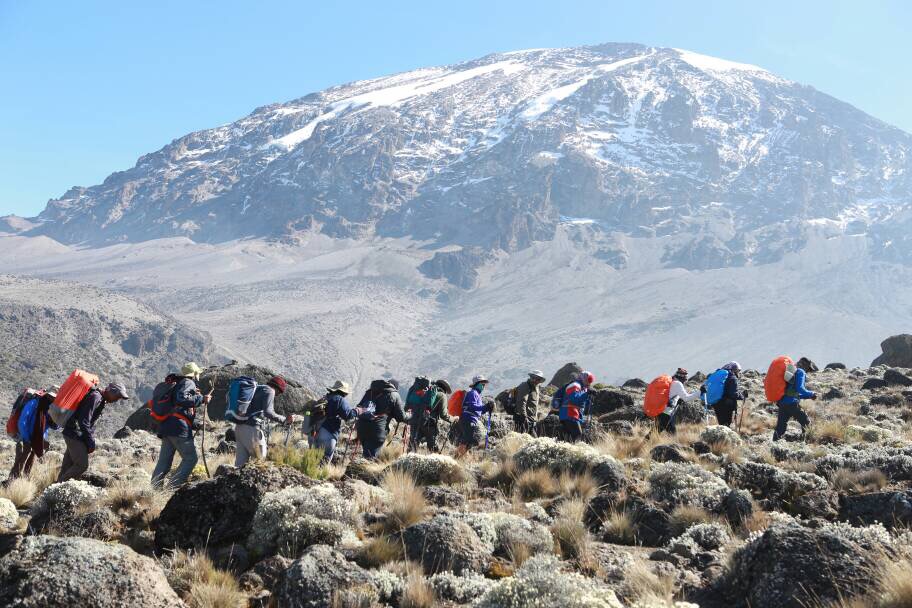
The Machame Route and the Lemosho Route are often recommended for their excellent acclimatization profiles and scenic beauty. Both routes are considered ‘climb high, sleep low’ routes, which significantly aids acclimatization.
- Machame Route: Typically a 6 or 7-day trek, Machame is popular for its challenging yet rewarding terrain and good acclimatization. It offers varied scenery, from rainforest to alpine desert. The trail can be steep in places, but with a dedicated guide, it is manageable.
- Lemosho Route: Generally a 7 or 8-day trek, Lemosho is known for its stunning scenery and high success rates due to its excellent acclimatization profile. It starts in the remote western side of the mountain, offering a more pristine wilderness experience before joining the Machame route. Its longer duration allows for better adaptation to the altitude.
While these routes are popular, their suitability for visually impaired climbers depends on individual fitness and the level of support provided. Our team will assess your capabilities and preferences to help you make the best choice.
Routes to Approach with Caution: Marangu and Rongai
The Marangu Route (Coca-Cola Route) is the oldest and most direct route. It is also known for its ‘hut accommodation,’ which can be appealing. However, it has a faster ascent profile, leading to poorer acclimatization and lower success rates. Its shorter duration might not be ideal for optimal acclimatization for anyone, especially those needing extra time to adapt.
The Rongai Route approaches Kilimanjaro from the north, offering a different landscape. While it can be a good option in wetter seasons, its acclimatization profile is generally considered less optimal than Machame or Lemosho for longer treks.
For visually impaired travellers, the emphasis is always on safety and maximizing acclimatization. Therefore, longer routes like Lemosho (8 days) or Machame (7 days) are generally preferred over shorter, faster routes.
Considerations for Terrain and Difficulty
When selecting a route, we consider:
- Trail Condition: Routes with well-maintained paths and fewer extremely steep or technically difficult sections are prioritized.
- Crowds: While not a primary safety concern, less crowded routes can sometimes offer a more relaxed experience.
- Ascent Profile: Routes with a gradual, consistent ascent are preferable for acclimatization.
- Summit Night: The final ascent to the summit is done at night under headlamps. This is the most challenging part of the climb, and the guide’s ability to provide constant support is paramount.
Our team will provide detailed information on the terrain of each recommended route, helping you understand the specific challenges and how our support systems will mitigate them. We aim to ensure your Kilimanjaro climbing experience in 2026 or 2027 is both exhilarating and safe.
Safety Protocols and Emergency Preparedness
Safety is the absolute highest priority for Top Guide Adventures, especially when guiding visually impaired travellers on Kilimanjaro. Our comprehensive safety protocols are designed to anticipate and mitigate risks, ensuring a secure journey from base camp to summit and back.
High Altitude Sickness (AMS) Management
Altitude sickness is the most common challenge on Kilimanjaro. Our guides are trained to recognize the symptoms of Acute Mountain Sickness (AMS), High Altitude Cerebral Edema (HACE), and High Altitude Pulmonary Edema (HAPE). Regular monitoring of climbers is standard procedure:
- Daily Health Checks: Guides will ask about headaches, nausea, dizziness, and fatigue.
- Oxygen Saturation Monitoring: Using pulse oximeters to measure blood oxygen levels.
- Hydration and Pace: Encouraging consistent fluid intake and maintaining a slow, steady pace (‘pole pole’).
- Medication: Guides carry Diamox (acetazolamide) for acclimatization and advise on its use (with prior medical consultation).
- Descent as Treatment: The primary treatment for severe AMS is immediate descent. Our guides are trained to make these critical decisions swiftly.
For visually impaired climbers, clear communication about symptoms and feelings is vital. Guides will create a safe space for climbers to voice any concerns, no matter how minor they may seem.
Emergency Evacuation Procedures
In the unlikely event of a serious medical emergency, Top Guide Adventures has robust evacuation procedures in place:
- Communication: Guides are equipped with satellite phones or radios to contact park rangers and our operations team.
- Porter Support: Porters are trained to assist in carrying climbers if necessary.
- Stretcher Evacuation: For serious cases, a specialized stretcher team can be mobilized.
- Ranger Coordination: We work closely with Kilimanjaro National Park rangers, who are trained in mountain rescue.
- Medical Facilities: Knowledge of the nearest medical facilities and coordination with air rescue services if required.
We ensure that our emergency contacts and procedures are up-to-date and that all staff are familiar with their roles. Climbers will be briefed on emergency procedures during the pre-climb orientation.
Guide Training and Certifications
All our lead guides are certified by recognized mountaineering bodies and hold advanced first-aid certifications, including Wilderness First Responder (WFR) or equivalent. They have extensive experience in high-altitude environments and specific training in assisting climbers with disabilities. Continuous professional development ensures they remain updated on best practices in mountain safety and client care.
Risk Assessment and Mitigation
A thorough risk assessment is conducted for each climb. This includes:
- Route-Specific Risks: Identifying potential hazards unique to the chosen route (e.g., scree slopes, river crossings).
- Weather Conditions: Monitoring weather forecasts and having contingency plans for adverse conditions.
- Client Factors: Assessing individual fitness, health, and specific needs of each climber.
- Equipment Checks: Ensuring all equipment, from tents to ropes and medical kits, is in excellent condition.
Our proactive approach to risk management, combined with the unwavering dedication of our guides, ensures the highest level of safety for all our clients, including visually impaired travellers undertaking their Kilimanjaro climb in 2026 or 2027.
Daily Life on the Mountain: Comfort and Logistics
Life on Kilimanjaro is a unique experience, and Top Guide Adventures strives to make it as comfortable and logistically smooth as possible for all our climbers, paying special attention to the needs of visually impaired travellers.
Campsite Setup and Accommodation
We use high-quality, spacious tents that provide excellent protection from the elements. For visually impaired climbers, we ensure:
- Familiarization: Upon arrival at each campsite, guides will verbally orient the climber to the tent’s location, the mess tent, and toilet facilities.
- Tent Placement: Your tent will be placed in a convenient and safe location, often close to the guide’s tent for easy access.
- Assistance with Setup: While you might prefer to set up your personal items, guides are readily available to assist with organizing your tent space if needed.
Mess tents provide a communal and comfortable space for meals and relaxation, shielded from wind and rain. Our team ensures these areas are well-maintained and accessible.
Nutrition and Hydration
Proper nutrition and hydration are critical for energy levels and acclimatization. Our camp chefs prepare varied and nutritious meals using fresh ingredients whenever possible. We cater to all dietary requirements, including vegetarian, vegan, and allergies.
- Meal Descriptions: Chefs and guides will verbally describe the meals served, allowing you to make informed choices.
- Hydration: We emphasize drinking plenty of water (3-5 liters per day). Guides will ensure water bottles are filled and easily accessible. Hot drinks like tea, coffee, and soup are provided regularly.
- Snacks: High-energy snacks like nuts, dried fruit, and energy bars are available throughout the day. Guides will ensure you know where they are stored.
The food is designed to be easily digestible and energy-dense, supporting you through the demanding days on the mountain.
Hygiene and Sanitation
Maintaining good hygiene is important for preventing illness. We provide:
- Portable Toilets: Clean portable toilets are set up at each campsite. Guides will direct you to them.
- Hand Washing Stations: Stations with soap and water are available, especially before meals and after using the toilet.
- Wipes and Sanitizer: We recommend bringing personal wet wipes and hand sanitizer for convenience.
Guides will assist with locating facilities and ensuring you have the necessary supplies.
Pacing and Daily Schedule
The pace on Kilimanjaro is deliberately slow (‘pole pole’ – slowly, slowly). This is crucial for acclimatization and conserving energy.
- Daily Routine: Typically involves waking up, having breakfast, packing, trekking for several hours, lunch, more trekking, arriving at the next camp, resting, dinner, and sleep.
- Guide’s Role: The guide sets and maintains the pace, ensuring it is comfortable for you and the group. They will constantly communicate the day’s plan and progress.
- Rest Stops: Frequent short breaks are incorporated for rest, hydration, and enjoying the scenery through verbal descriptions.
Our focus is on a steady, sustainable rhythm that allows for both progress and enjoyment, ensuring that visually impaired climbers feel secure and supported throughout their daily journey.
The Summit Night and Descent
Summit night is the most challenging and rewarding part of the Kilimanjaro climb. It requires significant physical and mental endurance, and for visually impaired travellers, the support provided by guides is absolutely critical.
Preparing for Summit Night
Summit night typically begins around midnight from the last camp (e.g., Barafu Camp on most routes). Preparation involves:
- Rest: Attempting to get as much sleep as possible in the hours before departure.
- Hydration and Nutrition: Eating a light, energy-rich dinner and drinking plenty of fluids.
- Gear Check: Ensuring all gear is ready – warm clothing layers, headlamp with fresh batteries, warm gloves, and sturdy boots. Guides will assist with checks.
- Mental Fortitude: Preparing mentally for a long, cold, and strenuous ascent in the dark.
For visually impaired climbers, guides will conduct a thorough check of their gear and provide clear instructions on what to expect during the night trek.
Navigating the Summit Ascent
The ascent to the summit (Uhuru Peak) is steep and often on loose scree. The conditions are cold, and the altitude is extreme.
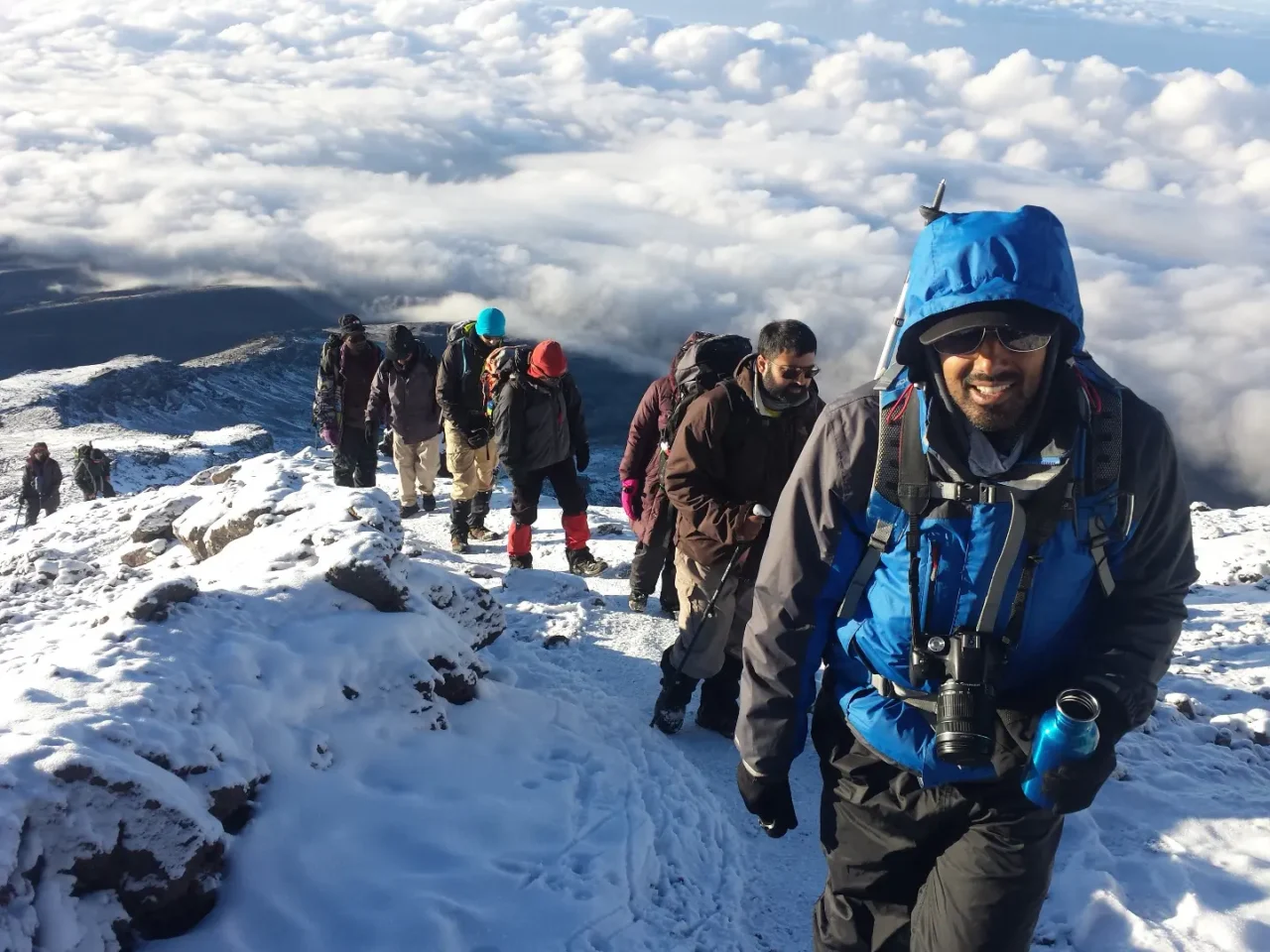
- Tandem Walking: The guide will walk in tandem with the climber, providing constant physical support and verbal guidance. This often involves the climber holding onto a strap or the guide’s arm for stability.
- Pace Control: The pace is extremely slow, often just a few steps at a time, followed by short rests. This ‘pole pole’ approach is vital for conserving energy and acclimatizing.
- Verbal Cues: Guides provide constant verbal cues about the terrain – upcoming steps, changes in gradient, potential hazards, and the direction of travel.
- Monitoring: Continuous monitoring of the climber’s condition is essential. Guides are trained to identify signs of exhaustion or altitude sickness early.
The darkness means the visual cues usually available are absent, making the guide’s descriptions and physical support even more crucial for the visually impaired climber’s sense of security and progress.
Reaching Uhuru Peak
The moment of reaching Uhuru Peak (5,895m / 19,341ft) is an incredible achievement. Guides will describe the views (if conditions permit, such as the sunrise or glaciers) and ensure the climber is safe and able to celebrate this milestone. Photos are taken, and a brief period is spent soaking in the accomplishment before the descent begins.
The Descent: A Critical Phase
The descent is often underestimated but is physically demanding and carries its own risks. Fatigue is high, and the steep, loose terrain can be treacherous.
- Controlled Pace: Guides maintain a controlled pace, using verbal commands to help the climber navigate the descent safely.
- Assistance with Stability: Guides provide significant assistance to maintain balance and prevent falls, especially on scree slopes.
- Hydration and Snacks: Frequent stops for water and quick energy boosts are still necessary.
- Focus on Safety: The priority during descent is reaching the lower camps safely, where the air is thicker and recovery is possible.
Top Guide Adventures ensures that the same level of attentive support is provided during the descent as during the ascent, recognizing it as a critical phase of the climb. Our commitment is to your well-being from start to finish, making your Kilimanjaro climb a safe and unforgettable adventure for 2026 or 2027.
Post-Climb Experience and Support
Reaching the summit of Kilimanjaro is a monumental achievement, but the journey doesn’t end there. Top Guide Adventures ensures that the post-climb experience is just as well-managed and supportive, allowing you to recover and reflect on your incredible accomplishment.
Descent to Base and Transfer
After descending from the mountain, you will typically reach the park gate where you will be met by our team. This is often a time of great relief and celebration. Our staff will assist you with:
- Meeting and Greeting: A warm welcome back from your expedition leader and support team.
- Transfer to Hotel: Comfortable transportation from the park gate to your hotel in Moshi or Arusha.
- Luggage Assistance: Help with your gear and luggage.
We understand that after days of trekking, comfort and ease are paramount. Our transfers are arranged to be prompt and stress-free.
Recovery and Celebration
Upon returning to your hotel, you’ll have the opportunity to rest, shower, and enjoy a good meal. We can arrange for celebratory dinners or activities, allowing you to share your experiences with your guides and fellow climbers.
- Hot Showers and Comfortable Beds: The simple comforts are deeply appreciated after the trek.
- Nutritious Meals: Enjoy delicious Tanzanian cuisine as you recover.
- Debriefing: A chance to discuss your climb with your lead guide, share feedback, and celebrate your success.
We believe in celebrating every climber’s achievement, and for visually impaired travellers, this is a moment to truly acknowledge the immense effort and resilience shown.
Feedback and Continuous Improvement
Your feedback is invaluable to us. Top Guide Adventures is committed to continuously improving our services, especially our specialized support for visually impaired travellers. We encourage you to share your thoughts on:
- The effectiveness of the guide support.
- The communication clarity and frequency.
- The comfort and logistics on the mountain.
- Any suggestions for enhancing the experience.
This feedback helps us refine our training programs and operational procedures, ensuring that future Kilimanjaro climbs for visually impaired adventurers in 2026, 2027, and beyond are even better.
Optional Extensions and Future Adventures
Many climbers choose to extend their Tanzanian adventure after conquering Kilimanjaro. Top Guide Adventures offers a range of complementary experiences:
- Tanzania Safaris: Explore the Serengeti, Ngorongoro Crater, Tarangire, and other world-renowned national parks. We offer tailored safari experiences that can be adapted for accessibility.
- Zanzibar Holidays: Relax on the beautiful beaches of Zanzibar, explore historic Stone Town, and enjoy water sports.
- Cultural Tours: experience local Tanzanian culture with visits to villages and community projects.
We are adept at creating inclusive itineraries that allow you to experience the best of Tanzania, ensuring that accessibility and personal attention remain at the forefront of every journey.
Booking Your Kilimanjaro Climb with Top Guide Adventures
Ready to take on the challenge of Kilimanjaro? Partnering with Top Guide Adventures means choosing a team dedicated to providing unparalleled support, safety, and a truly memorable experience, especially for visually impaired travellers. We are committed to making your dream of climbing Kilimanjaro a reality.
The Booking Process
Our booking process is designed to be straightforward and supportive:
- Initial Inquiry: Contact us via email or WhatsApp to discuss your interest in climbing Kilimanjaro, specifying your needs as a visually impaired traveller.
- Personalized Consultation: We will schedule a detailed consultation to understand your fitness, expectations, and any specific requirements.
- Route and Itinerary Recommendation: Based on our discussion, we will propose the most suitable route and duration for your climb.
- Quotation and Inclusions: You will receive a detailed quotation outlining what is included (permits, guides, porters, food, accommodation on the mountain, transfers) and what is excluded (personal gear, tips, insurance).
- Deposit and Confirmation: A deposit secures your booking, and we will then proceed with arranging permits and logistics.
- Pre-Departure Information: You will receive comprehensive pre-departure information, including packing lists, training advice, and visa guidance.
Investment for Your Kilimanjaro Climb (2026-2027)
The cost of a Kilimanjaro climb with Top Guide Adventures varies depending on the route chosen, the duration of the trek, and the level of private support required. Our pricing reflects the high quality of our guides, support staff, equipment, and our commitment to safety and ethical practices.
For visually impaired travellers requiring a higher guide-to-client ratio and potentially more personalized support, we offer tailored packages. While exact prices are best discussed directly, you can expect costs to be in the range of $2,500 to $4,500 USD per person for a standard 7-8 day climb, with potential adjustments for additional support needs.
Factors influencing the price include:
- Route length and complexity.
- Number of climbing days.
- Private vs. Group arrangements.
- Specific support staff allocation.
We believe in transparent pricing and are happy to provide a detailed breakdown of costs. Planning for 2026 and 2027 climbs is already underway, and early booking is recommended to secure your preferred dates and ensure the best availability of guides and resources.
Contact Us to Start Planning
Your Kilimanjaro adventure awaits! Let Top Guide Adventures be your trusted partner in making this incredible journey a reality. We are passionate about providing accessible and unforgettable experiences in Tanzania.
For inquiries, bookings, or to discuss your specific requirements, please reach out to us:
- WhatsApp: +255 616 946 642
- Email: topguideadventures@gmail.com
- Backup Email: info@topguideadventures.com
We look forward to helping you plan your safe and successful Kilimanjaro climb for 2026 or 2027.
Check Availability for Kilimanjaro Climbing Support For Visually Impaired Travellers Guide
Ready to compare dates, prices, and the best option for your group? Send the package name and travel month so the team can reply with a clear quote, availability, and what is included.
Kilimanjaro Climb With A Personal Support Assistant: Your Ultimate Guide
Climbing Mount Kilimanjaro with a personal support assistant offers unparalleled safety, comfort, and focus on your summit goals. This guide details what a personal assistant entails, its...
View package details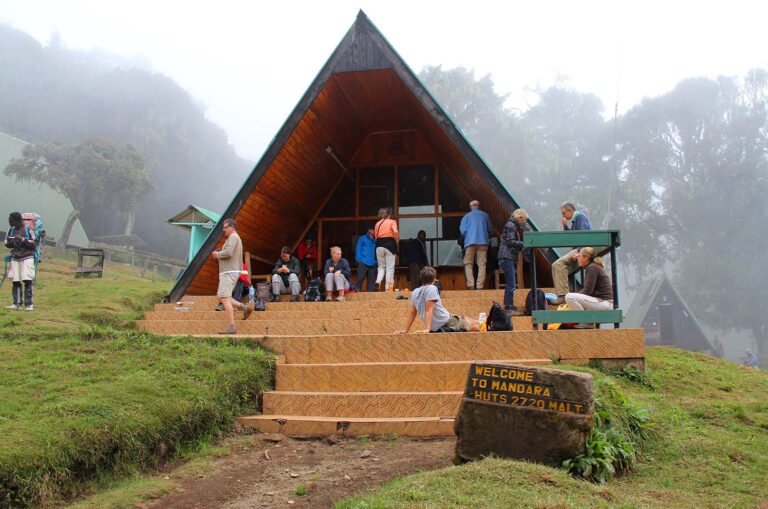
Kilimanjaro Personal Porter Vs Standard Support 2026-2027
Kilimanjaro Personal Porter vs Standard Porter Support is explained with current 2026-2027 planning, price, itinerary and booking information.
View package details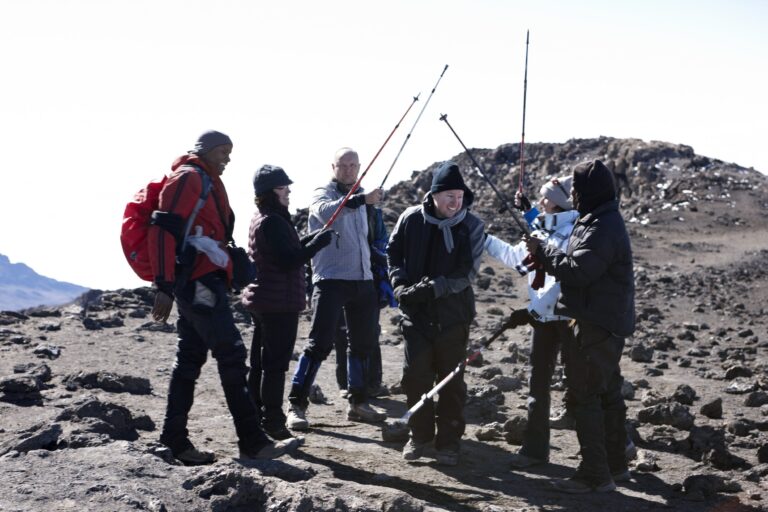
How Tourism Supports Kilimanjaro Communities: A Deep Dive With Top Guide
Explore the vital link between Kilimanjaro tourism and the well-being of local communities. Learn how your trek contributes to sustainable development, economic growth, and cultural...
View package details
Plastic-Free Kilimanjaro Climbing Tour 2026-2027
Plastic-Free Kilimanjaro Climbing Tour is explained with current 2026-2027 planning, price, itinerary and booking information.
View package details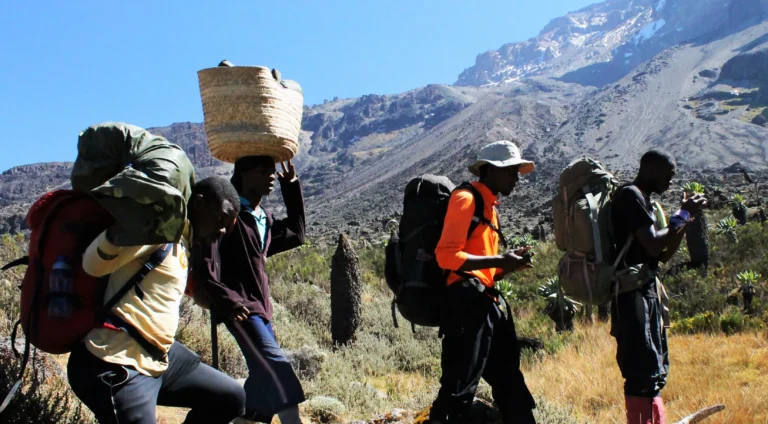
Kilimanjaro Tree-Planting Climbing Package Guide
Combine your dream Kilimanjaro climb with a meaningful conservation effort. Our Kilimanjaro Tree-Planting Climbing Package allows you to ascend Africa's highest peak while actively...
View package details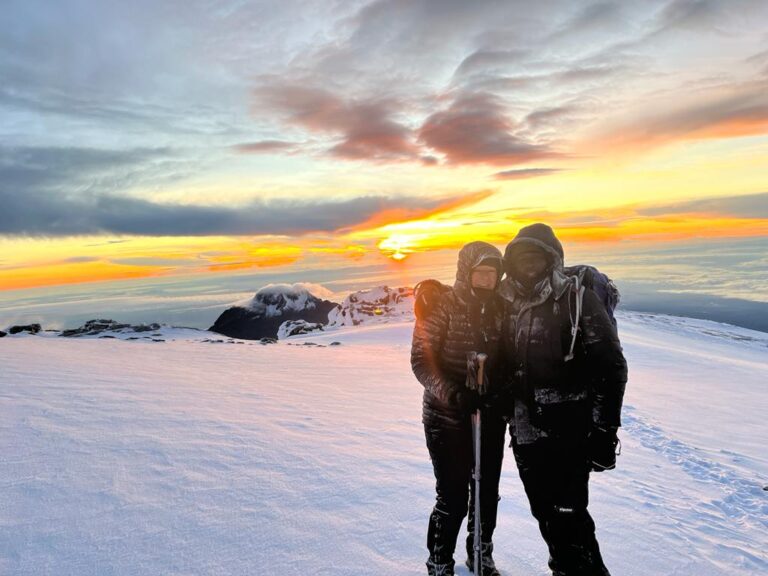
Kilimanjaro Early-Bird Climbing Discounts For Adventures 2026-2027
Plan your 2026-2027 Kilimanjaro climb and take advantage of early-bird discounts. Top Guide Adventures offers savings for those who book in advance, ensuring a memorable and affordable...
View package details
Kilimanjaro Climbing Price For Two People 2026-2027
Kilimanjaro Climbing Price for Two People is explained with current 2026-2027 planning, price, itinerary and booking information.
View package details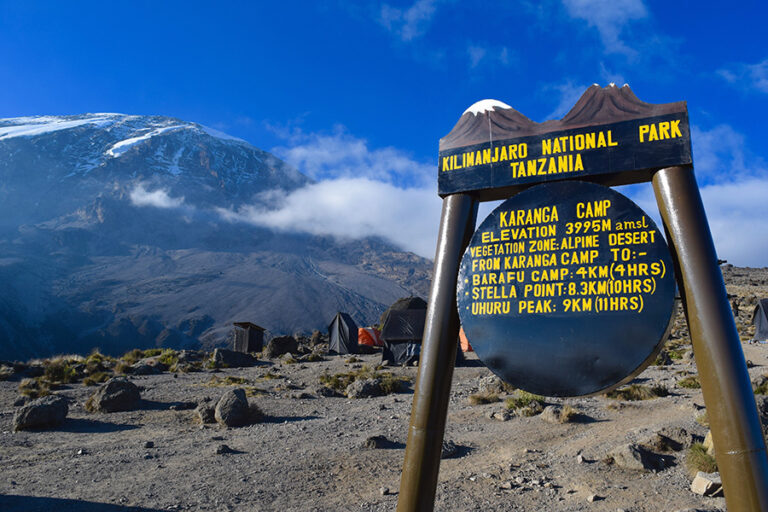
Kilimanjaro Safari Package For Non-Climbing Companions: Options & Experiences
For those accompanying climbers to Kilimanjaro but not ascending the peak, specialized safari packages offer a fantastic way to experience Tanzania's renowned wildlife and landscapes. These...
View package details
Kilimanjaro Climb With Additional Porter Support: Enhanced Comfort And Safety
Discover the benefits of a Kilimanjaro climb with additional porter support, offering greater comfort, safety, and a more enjoyable trek. This guide details how extra porters can transform...
View package details
Kilimanjaro Climb For Neurodivergent Travellers: A Comprehensive Guide
This guide offers in-depth information for neurodivergent individuals planning a Kilimanjaro climb, focusing on preparation, route selection, and specialized support available from Top...
View package details
Kilimanjaro Climb For Deaf And Hard-Of-Hearing Travellers | Top Guide
Climbing Mount Kilimanjaro is an achievable dream for deaf and hard-of-hearing individuals. Top Guide Adventures specializes in providing comprehensive support, ensuring clear communication...
View package details
Kilimanjaro Climb With Early Airport Check-In Support | Top Guide Adventures
Top Guide Adventures provides comprehensive Kilimanjaro climb packages, including crucial early airport check-in support. This ensures a smooth transition from arrival to trek preparation...
View package detailsNo related package matches those filters. Clear one or more filters to see the other topic-matched options.



