
A Kilimanjaro climb for neurodivergent travellers is entirely achievable with careful planning, appropriate route selection, and a support team experienced in providing personalized attention. Top Guide Adventures specializes in creating tailored experiences, ensuring that the unique needs of neurodivergent climbers are met through flexible pacing, clear communication, and sensory-friendly considerations, making the 2026-2027 climbing seasons accessible and rewarding.
Understanding Kilimanjaro for Neurodivergent Climbers
Mount Kilimanjaro, Africa’s highest peak, presents a profound challenge and an incredible reward. For neurodivergent individuals, the prospect of such an expedition might raise specific questions and require a different approach to preparation and execution. At Top Guide Adventures, we understand that neurodiversity encompasses a wide spectrum, including conditions like Autism Spectrum Disorder (ASD), ADHD, dyslexia, and others. Our mission is to make the dream of standing on Uhuru Peak a reality for everyone, by adapting our services to accommodate diverse sensory, communication, and processing needs.
The key to a successful Kilimanjaro climb for neurodivergent travellers lies in proactive planning and open communication. This means selecting the right route, understanding the physical and mental demands, and partnering with a tour operator that prioritizes individual support. We aim to demystify the process, offering clear, actionable advice that empowers neurodivergent adventurers to prepare confidently for their 2026 or 2027 ascent.
Why Choose Kilimanjaro? The Appeal for Neurodivergent Individuals
While often perceived as a purely physical challenge, climbing Kilimanjaro is also a deeply mental and sensory experience. For some neurodivergent individuals, the structured progression of a trek, the predictable rhythm of walking, and the clear, overarching goal can be particularly appealing. The natural environment offers a different kind of sensory input – often less overwhelming than urban settings – with predictable patterns of weather (though variable), consistent daily routines on the mountain, and a strong sense of accomplishment tied to tangible progress.
Furthermore, the goal-oriented nature of a climb provides a clear objective that can be highly motivating. The sense of achievement upon reaching the summit is immense, offering a profound personal victory. For those who thrive on order, clear instructions, and measurable progress, Kilimanjaro can be an exceptionally fitting adventure. Our commitment at Top Guide Adventures is to ensure that the journey itself, from the first day of preparation to the final descent, is as comfortable and supportive as possible for every neurodivergent climber.
Pre-Climb Preparation: Tailoring Your Approach
Thorough preparation is paramount for any Kilimanjaro climb, but for neurodivergent travellers, it involves specific considerations to ensure comfort and success. This phase is where Top Guide Adventures excels in providing personalized support.
Medical Consultation and Fitness Assessment
Before committing to a climb, a comprehensive medical check-up is essential. Discuss your neurodivergent profile with your doctor, explaining the demands of a high-altitude trek. They can advise on any specific health considerations, potential medication adjustments, or strategies for managing sensory sensitivities or anxiety in a challenging environment. This dialogue should include your travel provider. We encourage all our clients, especially those with specific needs, to share relevant medical information with us privately so we can best prepare our guides and crew.
Physical training should focus on building cardiovascular endurance and leg strength. For neurodivergent individuals, incorporating training that also helps with sensory regulation might be beneficial. This could include:
- Consistent routines: Establishing a regular training schedule can be comforting.
- Gradual exposure: Practicing with weighted backpacks or in varying weather conditions can help build tolerance for novel sensory experiences.
- Mindfulness and breathing exercises: These can be valuable tools for managing anxiety and maintaining focus during training and on the mountain.
Gear Selection: Comfort and Predictability
Choosing the right gear is crucial for comfort and performance. For neurodivergent climbers, this extends to minimizing potential sensory irritations:
- Clothing layers: Opt for soft, non-irritating fabrics. Avoid scratchy labels or seams. Consider specific brands known for comfort.
- Footwear: Well-broken-in boots are non-negotiable. Ensure socks are smooth and made of moisture-wicking material.
- Sleeping bag and mat: Personal comfort in sleeping arrangements can significantly impact rest and recovery. Bringing a familiar pillowcase or a specific comfort item might be helpful.
- Sensory aids: Consider bringing noise-canceling headphones or earplugs for rest periods, a comfortable eye mask, or fidget tools that can be used discreetly during downtime.
Top Guide Adventures provides detailed packing lists, and we are happy to discuss specific gear needs to ensure you are fully prepared for your 2026-2027 Kilimanjaro climb.
Mental Preparation and Expectation Management
The mental aspect of climbing Kilimanjaro cannot be overstated. For neurodivergent individuals, preparing mentally involves:
- Understanding the itinerary: Knowing the daily schedule, distances, and altitudes can reduce anxiety. We provide detailed daily breakdowns for each route.
- Visual aids: For those who benefit from visual schedules or information, we can provide maps, daily distance charts, and progress trackers.
- Communication strategies: Discuss with your support team how you prefer to communicate. Some may prefer direct, concise instructions, while others might benefit from more frequent check-ins or visual cues.
- Coping mechanisms: Develop a toolkit of strategies for managing stress, overwhelm, or sensory overload. This could include specific breathing techniques, grounding exercises, or designated quiet times.
Our guides are trained to be patient and adaptable. They understand that progress can look different for each climber and are skilled at providing encouragement and support in a way that respects individual needs. Open dialogue before and during the climb is key to a positive experience for neurodivergent travellers on Kilimanjaro.
Choosing the Right Kilimanjaro Route for Neurodivergent Climbers
Kilimanjaro offers several routes, each with varying durations, difficulty levels, and scenery. For neurodivergent travellers, the choice of route can significantly impact comfort and success. Key factors include the climb’s duration, the rate of ascent (acclimatization profile), and the level of crowd interaction.
Understanding Acclimatization and Pace
Acclimatization is the process by which your body adapts to lower oxygen levels at higher altitudes. A slower ascent rate is crucial for everyone, but particularly for those who might experience heightened anxiety or sensory processing challenges related to physical discomfort. Routes that allow for a gradual climb, following the principle of ‘pole pole’ (slowly, slowly), are generally preferred.
Recommended Routes and Why
Based on the need for gradual ascent, predictability, and potentially fewer crowds, certain routes stand out:
- Lemosho Route: Often considered one of the most scenic, the Lemosho route offers excellent acclimatization due to its longer duration (7-8 days). It starts on the western side and joins the Machame route. The longer itinerary means a slower, more gradual ascent, which is ideal for allowing the body and mind to adjust. The initial days on Lemosho are typically less crowded, providing a gentler introduction to the mountain environment.
- Machame Route: Known as the ‘Whiskey’ route, Machame is popular for its stunning scenery and good acclimatization profile, typically taking 6-7 days. While it can be busier, its consistent upward trekking with subsequent descents (good for acclimatization) is well-structured. For neurodivergent travellers, a 7-day Machame itinerary is highly recommended for the slower pace.
- Northern Circuit: This is the longest route (9-10 days) and offers the highest acclimatization success rate. It circles the mountain, providing a more relaxed pace and extensive time to adapt to altitude. It is also generally less crowded than other routes, offering a more solitary experience which can be beneficial for those sensitive to overstimulation. The predictability of a longer itinerary can be a significant advantage.
Routes to Approach with Caution
- Marangu Route: While it offers ‘hut accommodation’ which can be appealing for its perceived comfort and predictability, the Marangu route has a faster ascent profile and can be very crowded. The faster pace can make acclimatization more difficult, and the social environment in the huts might be overwhelming for some.
- Rongai Route: This route approaches from the north and is generally drier and less crowded. However, its acclimatization profile is not as gradual as Lemosho or the Northern Circuit, often completed in 5-6 days, which might be too quick for some neurodivergent climbers.
Recommendation for 2026-2027: For neurodivergent travellers, we strongly recommend the Northern Circuit (9-10 days) or an extended Lemosho Route (8 days) or Machame Route (7 days). These longer itineraries ensure a slower pace, better acclimatization, and more time for the body and mind to adjust, significantly increasing the chances of a successful and comfortable summit bid.
Top Guide Adventures can help you compare these routes in detail, considering your personal preferences and needs for your 2026 or 2027 Kilimanjaro climb.
Key Considerations for Route Selection:
- Duration: Longer routes (7+ days) are generally better for acclimatization and a slower pace.
- Ascent Profile: Routes that ascend gradually with ‘climb high, sleep low’ opportunities are ideal.
- Crowds: Less crowded routes like the Northern Circuit or Lemosho can reduce sensory overload.
- Accommodation: While Marangu offers huts, the camping routes (Lemosho, Machame, Northern Circuit) provide more private and predictable sleeping environments for individuals.
On the Mountain: Support and Strategies
The experience on Kilimanjaro is a continuous journey, and the support provided by Top Guide Adventures is designed to be consistent and adaptive throughout. Our guides and porters are trained to be observant and responsive to the needs of all climbers, with specific attention paid to those who may require different forms of interaction or assistance.
Communication Protocols
Clear, consistent, and patient communication is vital. Our guides are trained to:
- Provide information in advance: Explaining what to expect in the coming hours or the next day can reduce anxiety.
- Use clear, concise language: Avoiding jargon or complex sentences.
- Check in regularly: Offering opportunities for the climber to express how they are feeling, both physically and mentally, without pressure.
- Adapt to preferred communication styles: Whether it’s direct questions, visual cues, or simply a reassuring presence, our team will work with you.
We encourage neurodivergent travellers to communicate their preferred communication methods to their guide early on. This might include asking for instructions one step at a time, or preferring written notes for daily objectives.
Pacing and Flexibility
The mantra on Kilimanjaro is ‘pole pole’ – slowly, slowly. For neurodivergent climbers, this is not just about altitude, but also about managing energy levels and sensory input. Our guides are skilled at:
- Maintaining a sustainable pace: Ensuring no one is rushed.
- Taking frequent breaks: Allowing for rest, hydration, and sensory regulation.
- Adjusting the schedule if needed: Understanding that a climber might need an extra rest day or a slightly later start, within the bounds of safety and the overall itinerary.
We prioritize the well-being and success of every climber. If a particular day is proving more challenging, our team will assess the situation with the climber and make informed decisions to ensure their safety and comfort.
Sensory Environment Management
The mountain environment, while often beautiful, can present sensory challenges:
- Noise: While generally quiet, group dynamics, weather changes, or wildlife can create noise. Noise-canceling headphones or earplugs can be invaluable during rest periods or in camp.
- Light: Bright sun, stars, or the darkness of night. A comfortable eye mask for sleep and sunglasses are essential.
- Touch: Rough clothing, uneven terrain, or the feel of cold/wet gear. High-quality, comfortable gear is key.
- Smells: Campfire smoke, cooking smells, or the natural scents of the environment.
We advise climbers to bring personal comfort items or sensory tools that help them regulate. Our team will also do their best to create a supportive camp environment, respecting personal space and quiet times.
Summit Night: A Unique Challenge
Summit night is the most demanding part of the climb, involving an overnight ascent in cold, dark, and low-oxygen conditions. This can be particularly challenging for neurodivergent individuals.
- Preparation is key: Ensure you have practiced using your headlamp, wearing multiple layers, and staying hydrated during cold training.
- Clear instructions: Guides will provide very specific, step-by-step instructions throughout the night.
- Constant monitoring: Guides will closely monitor your physical and mental state, offering encouragement and support.
- Flexibility: While the goal is the summit, safety and well-being are paramount. Decisions about continuing the ascent will be made collaboratively with the climber and the guide.
Top Guide Adventures is committed to making summit night as manageable and successful as possible for all our climbers in 2026-2027.
Support for Neurodivergent Travellers by Top Guide Adventures
Our commitment to supporting neurodivergent travellers on Kilimanjaro involves:
- Pre-trip consultations: Dedicated calls to discuss specific needs and preferences.
- Experienced Guides: Staff trained in patient communication and adaptable support.
- Flexible Itineraries: Options for longer routes and customized pacing.
- Sensory Considerations: Guidance on gear and strategies for managing sensory input.
- Clear Communication Plans: Establishing preferred methods of interaction before the climb.
- Dedicated Support Crew: Ensuring a responsive and caring team on the mountain.
Dietary Needs and Hydration on the Mountain
Nutrition and hydration are fundamental to acclimatization and energy levels. For neurodivergent travellers, managing dietary preferences or sensitivities requires careful attention.
Catering to Specific Diets
Top Guide Adventures takes pride in its ability to cater to a wide range of dietary requirements. If you have specific dietary needs due to neurodivergence (e.g., texture sensitivities, specific food aversions, or requirements for familiar foods), please inform us well in advance of your 2026 or 2027 climb.
- Advance Notice: The more notice you provide, the better our kitchen team can prepare.
- Familiar Foods: Where possible, we can try to incorporate familiar staples into the menu.
- Simple Preparations: If complex flavors or textures are an issue, we can request simpler preparations of meals.
- Allergies and Intolerances: We are experienced in managing common allergies and intolerances.
Our chefs are skilled at preparing nutritious and energizing meals using fresh, locally sourced ingredients. Menus typically include a balance of carbohydrates, proteins, and fats, with options for breakfast, lunch, dinner, and snacks.
Hydration Strategies
Staying hydrated is critical for altitude adaptation and preventing headaches. The general recommendation is to drink 3-4 liters of fluid per day.
- Variety of Fluids: We provide purified water, as well as options like herbal teas, soup, and hot chocolate.
- Making it Appealing: If plain water is unappealing, consider adding electrolyte powders or natural flavorings (like lemon or ginger) if available and suitable.
- Regular Encouragement: Guides will encourage regular sipping throughout the day.
For individuals who find drinking large volumes of water challenging, breaking it down into smaller, more frequent sips can be more manageable. Carrying a favorite reusable water bottle can also make the process more familiar.
Accommodation and Camping Comfort
While Kilimanjaro is primarily a camping trek (except for Marangu), the comfort and predictability of the camping experience can be optimized for neurodivergent travellers.
Campsite Environment
Our campsites are set up to provide a comfortable and organized base. We ensure:
- Personal Tents: Each climber typically gets their own tent, offering a private space for rest and recovery.
- Organized Setup: Tents are pitched in designated areas, and the camp is kept tidy.
- Toilet Facilities: Portable toilets are provided, offering a more private and controlled experience than basic pit latrines.
Maximizing Rest and Sleep
Good sleep is crucial for recovery. To enhance sleep comfort for neurodivergent climbers:
- Familiar Items: Bringing a familiar pillowcase, a favorite soft blanket, or a small comfort object can help create a sense of familiarity and security.
- Noise Reduction: As mentioned, earplugs or noise-canceling headphones are highly recommended, especially for lighter sleepers or those sensitive to the sounds of the night or camp.
- Light Management: An eye mask can block out ambient light from the moon, stars, or other campers.
- Temperature Control: Ensuring you have the right sleeping bag rating and warm layers is key to avoiding discomfort from cold.
Our team is attentive to ensuring that personal tents are pitched in quieter areas of the campsite where possible, minimizing disturbance.
Safety and Emergency Procedures
Safety is our utmost priority. We have robust procedures in place to manage risks, including those related to altitude sickness and other medical emergencies. For neurodivergent climbers, clear communication during emergencies is paramount.
Altitude Sickness Recognition and Management
Our guides are certified in wilderness first aid and extensively trained to recognize the signs and symptoms of Acute Mountain Sickness (AMS), High Altitude Cerebral Edema (HACE), and High Altitude Pulmonary Edema (HAPE). They monitor all climbers closely.
- Open Reporting: Climbers are encouraged to report any symptoms, no matter how minor, immediately.
- Symptom Assessment: Guides will ask specific questions to assess the severity of symptoms.
- Treatment: Management typically involves immediate descent, rest, hydration, and medication if necessary.
For individuals who may have difficulty articulating symptoms, our guides are trained to look for subtle behavioral changes or physical signs.
Emergency Evacuation
In the event of a serious medical emergency, we have established evacuation protocols. This includes:
- Communication: Using satellite phones or radios to contact our base in Moshi.
- Rescue Teams: Coordinating with park rangers and specialized mountain rescue services.
- Medical Support: Ensuring access to medical care upon evacuation.
We strongly advise all our clients to secure comprehensive travel insurance that covers high-altitude trekking and emergency evacuation. Ensure your policy is valid for 2026-2027 trips.
First Aid and Medical Kits
Our guides carry comprehensive first aid kits, including medications for common ailments and altitude sickness. They are trained to administer basic medical care.
Pre-Trip Safety Checklist for Neurodivergent Climbers:
- Discuss needs with your doctor: Ensure they are aware of your neurodivergent profile and the trip.
- Obtain comprehensive travel insurance: Verify coverage for high-altitude trekking and emergency evacuation for 2026-2027.
- Pack personal medications: Bring any necessary prescriptions, plus extra for the duration of the trip.
- Carry comfort/sensory items: Earplugs, eye mask, fidget tools, familiar snacks, etc.
- Communicate with Top Guide Adventures: Share any relevant information about your needs.
- Understand the ‘pole pole’ principle: Embrace the slow and steady pace.
- Know your emergency contacts: Have them readily accessible.
The Role of Guides and Crew
The success and enjoyment of a Kilimanjaro climb for any traveller hinges significantly on the quality of the guides and support crew. For neurodivergent individuals, this team becomes an even more critical component of the experience.
Training and Sensitivity
Top Guide Adventures invests in training our guides not only in mountaineering skills, safety, and first aid but also in client care and communication. While not all guides are formally trained in neurodiversity, they are selected for their patience, empathy, and adaptability. We brief our lead guides on the specific needs of any neurodivergent climbers in their group prior to the trek, ensuring they are prepared to offer tailored support.
Building Trust and Rapport
Establishing trust is fundamental. Our guides aim to build rapport by:
- Being approachable: Creating an environment where climbers feel comfortable asking questions or voicing concerns.
- Consistency: Maintaining a reliable presence and routine.
- Active Listening: Paying attention to both verbal and non-verbal cues.
- Respecting personal space: Understanding when a climber might need solitude.
For neurodivergent travellers, this consistent, patient, and understanding approach can make a significant difference in their overall comfort and confidence on the mountain.
The Porter’s Contribution
Porters are the backbone of any Kilimanjaro expedition, carrying equipment and ensuring the smooth running of the camps. While direct interaction between climbers and porters is often limited, their hard work and positive spirit contribute to the overall atmosphere. We ensure our porters are treated with respect and paid fairly, fostering a professional and supportive team environment.
Post-Climb Reflection and Support
Reaching the summit is a monumental achievement, but the journey doesn’t end there. The descent and the return to ‘normal’ life also require adjustment. Top Guide Adventures remains committed to supporting our clients even after they have left the mountain.
The Descent and Return to Base
The descent can be physically demanding, often happening quickly. Our guides continue to monitor climbers closely for any signs of fatigue or injury. Upon reaching the base hotel, our team ensures a smooth transition, assisting with luggage and providing a comfortable environment for rest and recovery.
Debriefing and Feedback
We encourage all climbers to share their experiences, feedback, and any challenges they faced. For neurodivergent travellers, this debriefing session is an opportunity to discuss what worked well, what could be improved, and to process the experience. Your insights are invaluable in helping us refine our services for future neurodivergent adventurers planning their Kilimanjaro climbs in 2026-2027 and beyond.
Celebrating Your Achievement
Successfully climbing Kilimanjaro is a significant accomplishment. We facilitate a celebratory atmosphere, whether through a small certificate ceremony or simply acknowledging the incredible feat you have achieved. We understand that processing and celebrating achievements can be a personal experience, and we respect individual ways of marking success.
Planning Your Kilimanjaro Climb with Top Guide Adventures in 2026-2027
Choosing Top Guide Adventures means partnering with a team that is dedicated to providing exceptional service and personalized support for your Kilimanjaro climb. We understand the unique considerations for neurodivergent travellers and are committed to making your expedition safe, enjoyable, and successful.
Why Partner with Us?
- Expertise: Years of experience guiding clients on Kilimanjaro.
- Personalized Service: We tailor our approach to individual needs.
- Safety Focus: Rigorous safety protocols and highly trained guides.
- Commitment to Support: Understanding and accommodating diverse needs, including those of neurodivergent travellers.
- Local Knowledge: Deep understanding of the mountain and Tanzanian culture.
Next Steps for Your 2026-2027 Adventure
We are ready to help you plan your Kilimanjaro climb. The best way to start is by getting in touch:
- Contact Us: Reach out via Email or WhatsApp.
- Discuss Your Needs: Let us know you are a neurodivergent traveller and discuss any specific requirements or concerns you have.
- Route & Dates: We can help you select the most suitable route and discuss optimal climbing seasons for 2026 and 2027.
- Get a Quote: Based on your chosen route and dates, we will provide a detailed quotation.
We believe that Kilimanjaro is a mountain for everyone, and with the right preparation and support, neurodivergent individuals can achieve this incredible goal. Let Top Guide Adventures be your trusted partner on this unforgettable journey. We look forward to helping you prepare for an amazing Kilimanjaro climb in 2026 or 2027!
Check Availability for Kilimanjaro Climb For Neurodivergent Travellers: A Comprehensive Guide
Ready to compare dates, prices, and the best option for your group? Send the package name and travel month so the team can reply with a clear quote, availability, and what is included.
Kilimanjaro Climb For Deaf And Hard-Of-Hearing Travellers | Top Guide
Climbing Mount Kilimanjaro is an achievable dream for deaf and hard-of-hearing individuals. Top Guide Adventures specializes in providing comprehensive support, ensuring clear communication...
View package details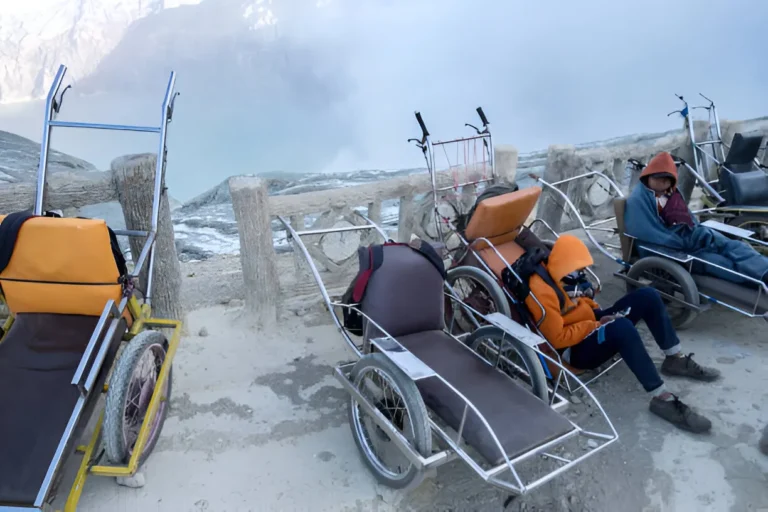
Kilimanjaro Climb With A Personal Support Assistant: Your Ultimate Guide
Climbing Mount Kilimanjaro with a personal support assistant offers unparalleled safety, comfort, and focus on your summit goals. This guide details what a personal assistant entails, its...
View package details
Kilimanjaro Hydration Mistakes Climbers Make And How To Avoid Them 2026-2027
Proper hydration is critical for a successful Kilimanjaro climb. This guide details common hydration mistakes climbers make, from under-drinking to choosing the wrong fluids, and provides...
View package details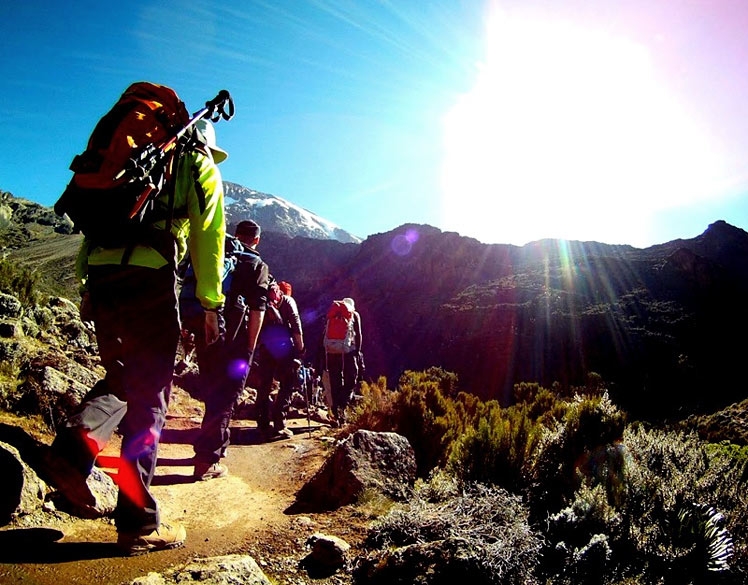
Kilimanjaro Summit-Night Mistakes To Avoid: Your Essential Guide For Climbs
Summit night on Kilimanjaro is the most challenging part of the climb. Avoiding common mistakes in acclimatization, gear, hydration, and pacing is crucial for success. This guide details...
View package details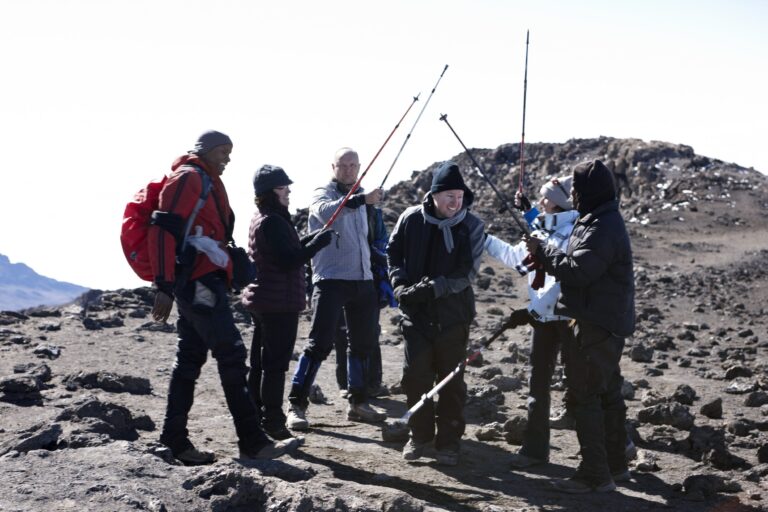
Kilimanjaro Airport Vs Arusha For Climbers: The Definitive Guide 2026-2027
A comprehensive comparison of Kilimanjaro International Airport (JRO) and Arusha Airport (ARK) for trekkers planning a Mount Kilimanjaro climb, detailing pros, cons, and booking advice for...
View package details
Kilimanjaro Climb For Retired Couples: Planning Your Adventure 2026-2027
Planning a Kilimanjaro climb as a retired couple is an achievable and rewarding goal. This guide offers in-depth advice on route selection, physical preparation, essential gear, and the...
View package details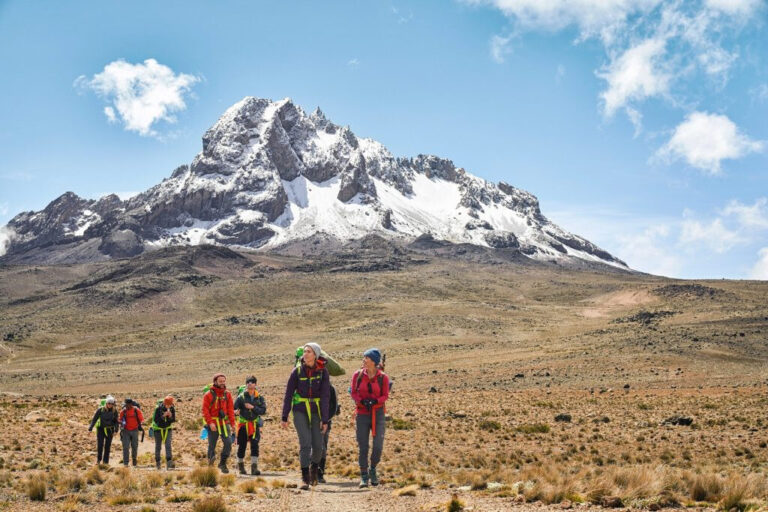
Can A 16-Year-Old Climb Kilimanjaro? Your Essential Guide 2026-2027
Discover if a 16-year-old can summit Kilimanjaro. This comprehensive guide covers age requirements, health, fitness, essential gear, and planning for younger trekkers aiming for Africa's...
View package details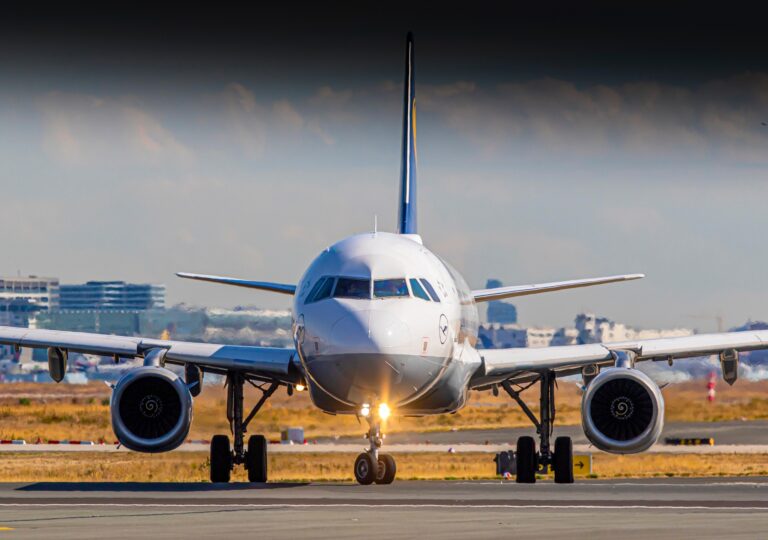
Content For Parents And Young Climbers: Conquering Kilimanjaro Safely
Planning a Kilimanjaro climb with children or as a young climber requires special attention. This guide provides comprehensive content for parents and young adventurers, covering...
View package details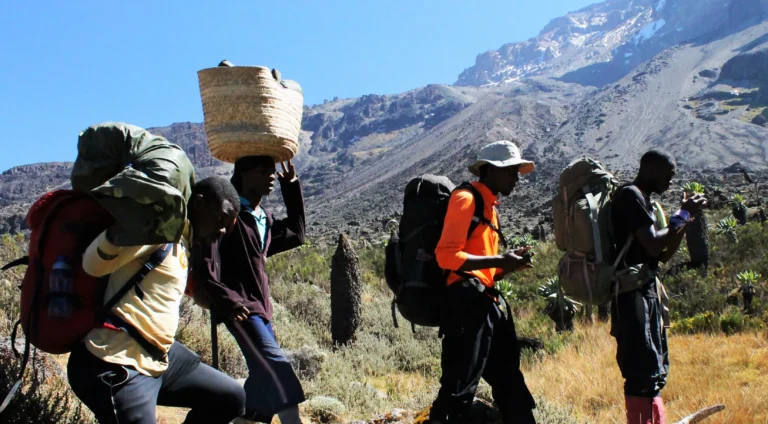
Kilimanjaro Tree-Planting Climbing Package Guide
Combine your dream Kilimanjaro climb with a meaningful conservation effort. Our Kilimanjaro Tree-Planting Climbing Package allows you to ascend Africa's highest peak while actively...
View package details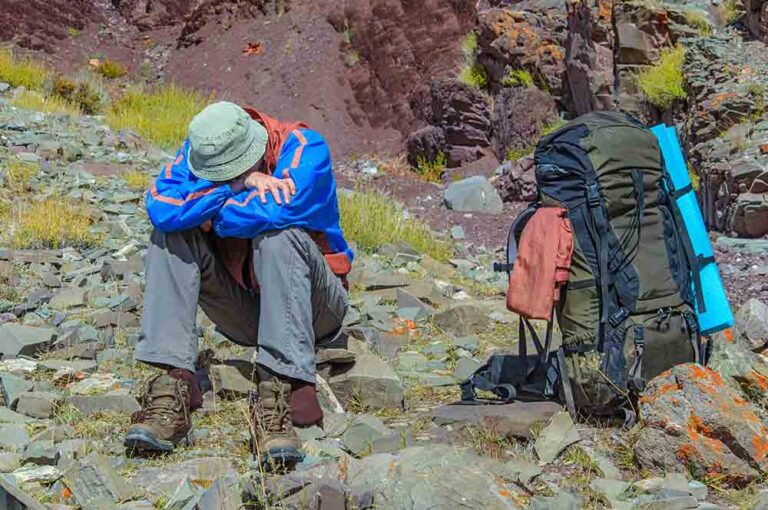
What Happens If It Rains Throughout Your Kilimanjaro Climb? 2026-2027
What Happens If It Rains throughout Your Kilimanjaro Climb? is explained with current 2026-2027 planning, price, itinerary and booking information.
View package details
Kilimanjaro Early-Bird Climbing Discounts For Adventures 2026-2027
Plan your 2026-2027 Kilimanjaro climb and take advantage of early-bird discounts. Top Guide Adventures offers savings for those who book in advance, ensuring a memorable and affordable...
View package details
Kilimanjaro Private Climb Price For One Person: Your Guide 2026-2027
Planning a solo ascent of Mount Kilimanjaro? This guide details the Kilimanjaro private climb price for one person, covering cost factors, inclusions, and essential planning for 2026-2027.
View package detailsNo related package matches those filters. Clear one or more filters to see the other topic-matched options.



