
When comparing Kosovo Camp and Barafu Camp on Mount Kilimanjaro, neither is definitively ‘better’ overall; the choice depends entirely on your specific trekking route, priorities, and the specific day-by-day itinerary of your chosen operator for your 2026 or 2027 climb. Barafu Camp is more commonly used on the Western Breach route and is situated higher, offering a more direct, albeit challenging, approach to Stella Point. Kosovo Camp, typically used on the Northern Circuit and sometimes the Lemosho route, is located at a slightly lower altitude and offers a different acclimatization profile and a potentially more scenic, less crowded experience. Your decision should hinge on the route’s demands, your acclimatization needs, and the overall expedition plan provided by your tour operator.
Understanding Kosovo Camp and Barafu Camp: The High-Altitude Hubs of Kilimanjaro
Mount Kilimanjaro, Africa’s highest peak, is not merely a climb; it’s an expedition that tests endurance, acclimatization, and mental fortitude. Central to the success and experience of any Kilimanjaro trek are the camps established at high altitudes, serving as vital staging points for the summit push. Among these, Barafu Camp and Kosovo Camp are two significant names that often come up in discussions about route planning and expedition logistics. While both are crucial high-altitude camps, they serve different routes and offer distinct experiences. Understanding their locations, the routes they are associated with, and their specific advantages and disadvantages is key for any climber planning their 2026 or 2027 adventure.
Many trekkers find themselves wondering: Is Kosovo Camp better than Barafu Camp? This question isn’t straightforward because ‘better’ is subjective and highly dependent on the specific Kilimanjaro route being undertaken. Barafu Camp is a well-known campsite primarily associated with the Mweka Route and the final approach from the Western Breach, especially for those coming from the Crater Camp. Kosovo Camp, on the other hand, is a key overnight point for the Northern Circuit and the Lemosho Route, often serving as a staging point before the summit push, particularly when combined with other high camps or a descent via a different path. This fundamental difference in route association is the first major point of comparison.
The decision between routes that utilize Barafu Camp versus those that include Kosovo Camp is therefore not about choosing a ‘superior’ camp, but rather about selecting the route that best suits an individual’s fitness, acclimatization strategy, and desired experience. Factors such as altitude, proximity to the summit, available facilities (though basic in all Kili camps), and the overall scenic beauty of the approach and surroundings play a role. This article will provide a detailed comparison, helping you understand the nuances of each camp and how they fit into the grander scheme of a Kilimanjaro expedition in the coming years.
Route Specifics: Where Do Kosovo Camp and Barafu Camp Fit In?
The most critical factor distinguishing Kosovo Camp and Barafu Camp is their placement within different Kilimanjaro trekking routes. This dictates not only which routes you’ll encounter them on but also the overall difficulty, duration, and acclimatization profile of the trek. Understanding these route connections is fundamental to answering whether Kosovo Camp is better than Barafu Camp for *your* specific climb.
Barafu Camp: The Gateway to the Summit via Western Routes
Barafu Camp is famously positioned on the Mweka Route and is a crucial stop for climbers undertaking the Karranga Route which then leads to Barafu, or directly for those on the Western Breach route. It sits at an elevation of approximately 4,673 meters (15,331 feet). Its strategic location makes it the final camp for many trekkers before they commence their summit attempt in the dead of night.
- Common Routes Featuring Barafu Camp:
- Mweka Route (often the descent route, but Barafu is a high camp on some variations)
- Karranga Route (leading to Barafu Camp)
- Western Breach Route (often from Crater Camp)
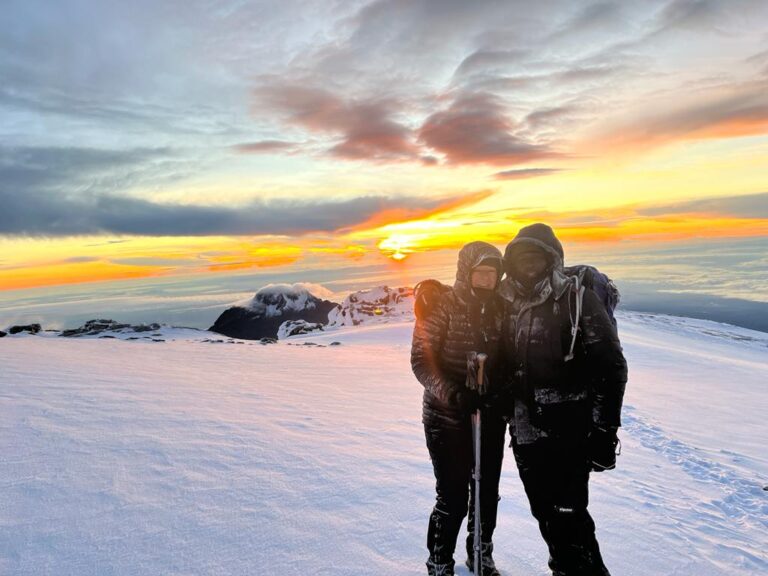
For climbers using Barafu Camp, the ascent to Stella Point (one of the two main crater rim points) typically begins around midnight. This means a long, arduous night climb through scree and volcanic rock, often in cold and windy conditions. The proximity of Barafu Camp to the crater rim is a key characteristic. It offers a more direct, though demanding, path to the summit compared to some other routes that might involve more gradual ascent profiles at similar altitudes.
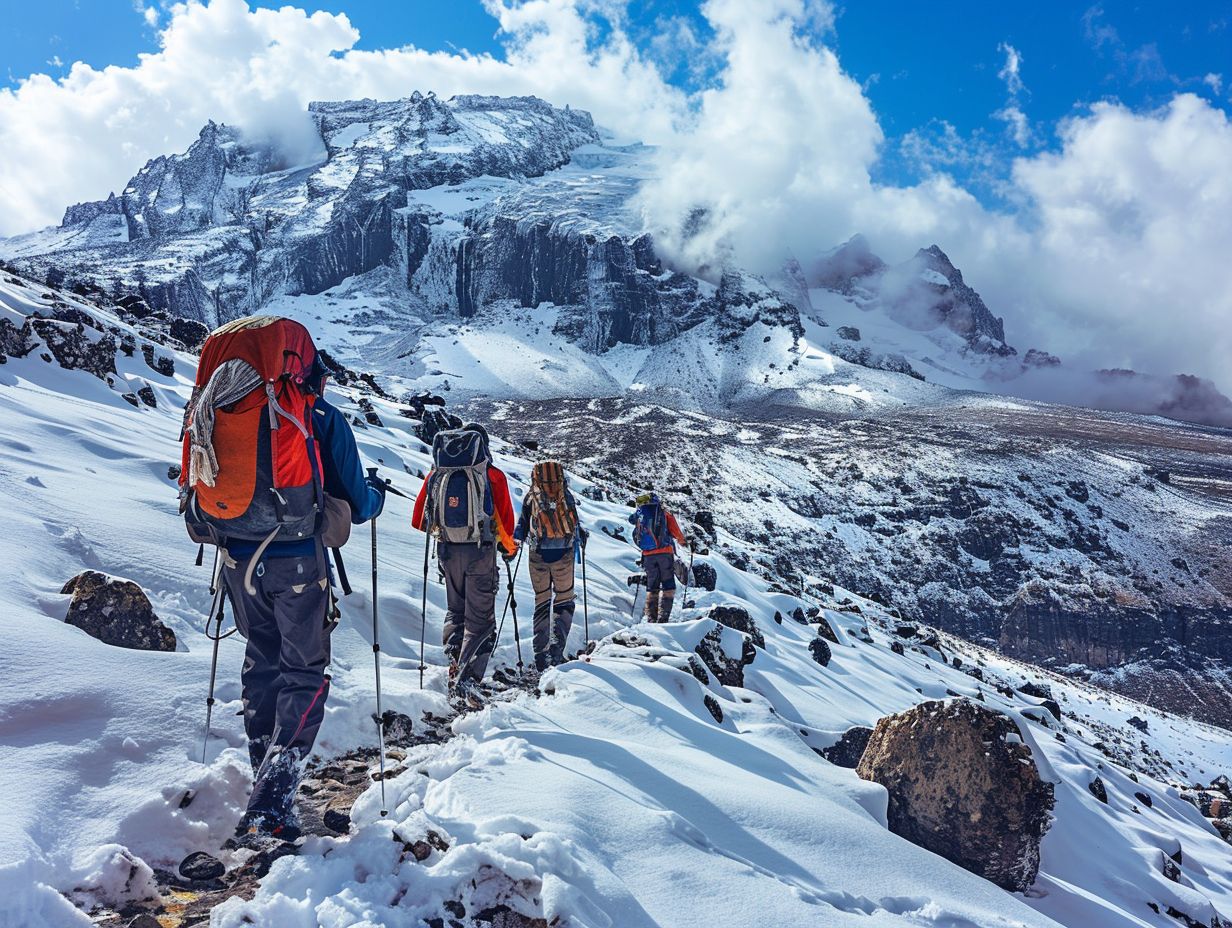
The landscape around Barafu Camp is stark and alpine desert. It’s characterized by rocks, sparse vegetation, and a raw, exposed environment. The views from Barafu Camp itself can be stunning, offering glimpses of the vast plains below and the surrounding mountain massifs on clear days. However, the primary focus here is on resting, refueling, and preparing for the ultimate challenge: the summit push.
Kosovo Camp: A Key Stop on the Northern Circuit and Lemosho
Kosovo Camp, typically situated at a slightly lower altitude than Barafu Camp, around 4,900 meters (16,076 feet) (though some sources may vary slightly, often placing it around 4,800m), is primarily associated with the Northern Circuit and the Lemosho Route. It serves as a critical point for acclimatization and a staging ground for the summit bid, often used in conjunction with other camps like School Hut or Crater Camp depending on the specific itinerary.
- Common Routes Featuring Kosovo Camp:
- Northern Circuit (a longer, more scenic route)
- Lemosho Route (often utilizing Kosovo Camp on longer itineraries)
The Northern Circuit, being the longest route, is renowned for its excellent acclimatization profile, and Kosovo Camp plays a role in this by allowing trekkers to spend more time at high altitudes. On the Lemosho Route, Kosovo Camp can be an alternative or additional high camp, particularly for those seeking a more challenging ascent or a different summit approach. It offers a different perspective and often a less crowded experience than Barafu Camp, especially given the Northern Circuit’s reputation for fewer trekkers.
The environment around Kosovo Camp is similarly alpine, but its position on the northern side of the mountain can offer unique views. It’s often seen as a more secluded and potentially more comfortable high-altitude stop, though ‘comfort’ on Kilimanjaro is relative. The advantage of using Kosovo Camp, especially on the Northern Circuit, is the extended acclimatization period it facilitates, which can significantly increase summit success rates for trekkers in 2026-2027.
Altitude and Acclimatization: The Core of the Comparison
The altitude of a camp and its role in the overall acclimatization strategy are arguably the most critical factors when assessing whether Kosovo Camp is better than Barafu Camp. Kilimanjaro’s altitude poses a significant risk of Acute Mountain Sickness (AMS), and a well-planned itinerary that prioritizes gradual ascent and adequate rest at high camps is paramount for safety and success. Both Barafu and Kosovo Camps are high-altitude environments, but their placement influences how trekkers adapt to the thinning air.
Barafu Camp’s Altitude and Its Implications
At approximately 4,673 meters (15,331 feet), Barafu Camp is already at a significant altitude. Spending a night here means the body is exposed to conditions that can exacerbate AMS symptoms. The key characteristic of Barafu Camp is its proximity to the crater rim, which means the summit push from Barafu is a direct, steep ascent. This often involves climbing for 6-8 hours through the night, reaching the rim, traversing to Uhuru Peak (the true summit), and then descending all the way back to Mweka Camp (around 3,100m) or Barafu Camp again on the same day. This is a very demanding itinerary.
The acclimatization strategy involving Barafu Camp often relies on reaching it efficiently through routes like Karranga or Mweka, and then immediately preparing for the summit. While this can lead to a shorter overall trek duration, it can also place a greater physiological strain on the body due to the intense summit night climb immediately following a day of trekking to Barafu. For trekkers who have not optimally acclimatized on lower parts of the mountain, the direct, high-altitude ascent from Barafu can be challenging.
Key points for Barafu Camp acclimatization:
- High altitude (4,673m) means immediate exposure to thin air.
- Summit push is a direct, steep, and long night climb.
- Requires strong acclimatization from lower camps.
- Potential for higher risk of AMS if not well-prepared.
Kosovo Camp’s Altitude and Acclimatization Benefits
Kosovo Camp, typically around 4,900 meters (16,076 feet), is situated at a slightly higher base altitude than Barafu. However, its significance lies more in the routes it serves. On the Northern Circuit, for instance, trekkers spend more days at high altitudes, including nights at Kosovo Camp. This extended exposure at higher elevations, combined with the route’s longer duration (9 days or more), is scientifically proven to improve acclimatization. Trekkers often arrive at Kosovo Camp having already spent several days gradually ascending and sleeping at progressively higher camps.
Furthermore, itineraries utilizing Kosovo Camp often allow for more flexibility. Some might use it as a base for reaching the crater rim, perhaps via a different path than the direct Barafu ascent, or even as a stop before moving to Crater Camp (5,730m) for an even more advanced acclimatization strategy. The longer routes that feature Kosovo Camp tend to have a better ‘climb high, sleep low’ strategy integrated, which is crucial for preventing AMS. This makes the summit push potentially less of a shock to the system, even if the starting altitude of Kosovo Camp is comparable or slightly higher than Barafu.
Key points for Kosovo Camp acclimatization:
- Often part of longer routes (Northern Circuit, Lemosho) with better acclimatization profiles.
- Higher base altitude (around 4,900m) can be beneficial for acclimatization over multiple days.
- Facilitates ‘climb high, sleep low’ strategies more effectively.
- Generally considered to offer a gentler acclimatization curve due to route length.
Comparing the Trekking Experience: Scenery, Crowds, and Difficulty
Beyond altitude and route, the actual trekking experience around Kosovo Camp and Barafu Camp offers distinct characteristics. These include the visual appeal of the landscapes, the number of fellow trekkers encountered, and the specific challenges posed by the terrain leading to and from each camp.
The Barafu Camp Trekking Experience
The approach to Barafu Camp, particularly via the Karranga Valley, is known for its dramatic ascents and descents. You traverse across scree slopes and rocky paths, often with steep climbs and drops. The landscape is rugged, exposed, and increasingly barren as you gain altitude. Vegetation becomes sparse, replaced by rocks and volcanic scree.
- Scenery: Stark alpine desert, dramatic rock formations, expansive views of the plains below on clear days. The Kibo massif looms large.
- Crowds: Barafu Camp is a popular stop, especially for routes like Machame and Lemosho when they converge towards the summit. This can mean encountering a significant number of other trekkers, particularly during peak seasons in 2026 and 2027. The summit trail itself can become quite congested.
- Difficulty: The approach to Barafu is physically demanding, involving significant elevation gain and challenging terrain. The subsequent summit night is exceptionally tough due to the steep, long, and cold ascent.
The atmosphere at Barafu Camp can be busy. With many groups converging here, it can feel like a mini-village of tents. While this can foster a sense of shared endeavor, it also means less solitude. The focus is squarely on the impending summit push, and the environment is designed for efficiency rather than lingering.
The Kosovo Camp Trekking Experience
The trekking experience associated with Kosovo Camp, especially on the Northern Circuit, is generally considered more scenic and less crowded. The Northern Circuit circumnavigates the mountain, offering diverse landscapes, including the unique views from the northern slopes and the possibility of spotting wildlife in the higher moorland zones. The terrain leading to Kosovo Camp, depending on the exact approach, can be varied but is often part of a more leisurely ascent profile.
- Scenery: More diverse and often considered more beautiful. The Northern Circuit, in particular, offers panoramic views and a sense of exploration. You experience different facets of Kilimanjaro’s ecosystem.
- Crowds: Significantly less crowded than routes converging at Barafu. The Northern Circuit is one of the least trafficked routes, meaning you are more likely to enjoy a sense of solitude and a more intimate connection with the mountain.
- Difficulty: While still challenging, the longer duration and more gradual ascent of the Northern Circuit and Lemosho itineraries using Kosovo Camp generally make the overall trek feel less grueling. The summit push from Kosovo might be arranged differently depending on the operator, potentially involving a move to Crater Camp or a less direct approach, which can distribute the effort more evenly.
Kosovo Camp, due to its location on less-trafficked routes, offers a quieter, more serene high-altitude experience. This can be a significant advantage for trekkers who prefer a more peaceful environment to focus on their climb and acclimatization. The sense of achievement on reaching Kosovo Camp is often amplified by the knowledge of having traversed more of the mountain’s less-explored northern side.
Facilities and Camping Conditions: What to Expect
When trekking Kilimanjaro, expectations regarding ‘facilities’ must be managed. All camps are basic, with the primary function being shelter and a place to rest. However, there can be subtle differences in how they are managed and the general conditions.
Barafu Camp Conditions
Barafu Camp is situated on a rocky, uneven slope. Tents are typically pitched on cleared, relatively flat areas where possible. The ground can be stony, making it important to have a good sleeping mat.
- Terrain: Rocky, uneven, and exposed.
- Tents: Usually provided by the tour operator, typically sturdy 3-season or 4-season tents.
- Toilets: Basic pit latrines are usually dug for groups, or portable toilets are provided. These are often located a short walk from the main camping area.
- Water: Water is usually sourced from nearby streams on lower slopes and carried up, or melted from snow/ice at very high altitudes. Availability can vary.
- Cooking: A designated mess tent or a sheltered area is used for cooking and dining.
Due to the high volume of trekkers, Barafu Camp can sometimes feel crowded. The focus is on efficiency, with teams arriving, setting up, preparing for the summit, and then departing. The harsh environment means that comfort is minimal, and the primary concern is staying warm and hydrated.
Kosovo Camp Conditions
Kosovo Camp, while also basic, is often described as being in a slightly more sheltered location or offering a more organized setup, especially on the Northern Circuit where itineraries are typically longer and more focused on a quality experience. The same principles of tent pitching on cleared ground apply.
- Terrain: Generally rocky, but potentially with slightly more level areas depending on the exact pitch.
- Tents: Similar to Barafu, operator-provided tents.
- Toilets: Basic pit latrines or portable toilets, managed by the guiding team.
- Water: Sourced similarly, often from meltwater at these altitudes.
- Cooking: A mess tent or dedicated cooking area is standard.
The advantage at Kosovo Camp often comes from the reduced number of people. This can lead to a calmer atmosphere and a more personal experience. Some operators might offer slightly more comfortable dining arrangements or ensure better-organized waste disposal, contributing to a marginally more pleasant stay, especially for longer expeditions in 2026-2027.
Summit Push Strategy: Barafu vs. Kosovo
The strategy for the summit push from Barafu Camp and Kosovo Camp is one of the most significant differentiators and directly impacts the climber’s experience and chances of success. This is where the question of ‘which is better’ becomes most relevant in terms of direct impact on summit day.
The Barafu Camp Summit Push
The classic summit push from Barafu Camp begins around 11 PM or midnight. Climbers are woken, given a hot drink and a light snack, and then begin the ascent. The route typically involves:
- Ascent to Stella Point: A steep, relentless climb up scree and loose volcanic scree. This section takes approximately 4-6 hours.
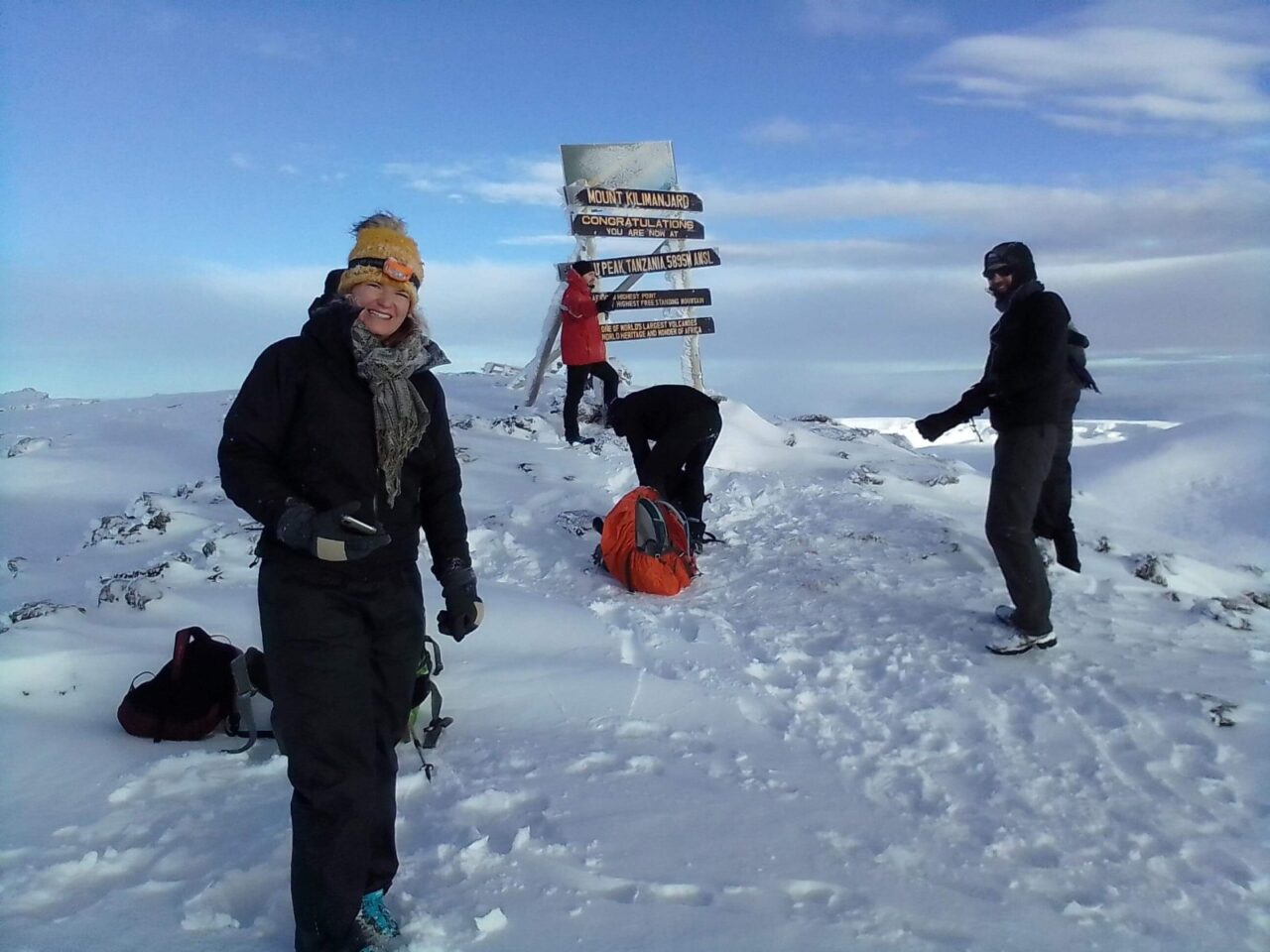
- Crater Rim Traverse: From Stella Point (5,730m), trekkers traverse along the crater rim for about 45-60 minutes to reach Uhuru Peak (5,895m), the highest point. This part of the climb can be exposed to wind and extreme cold.
- Descent: The descent is notoriously long and challenging. Climbers descend from Uhuru Peak back to Barafu Camp (approx. 3-4 hours) for a brief rest and possibly some food, before continuing the descent all the way down to Mweka Camp (approx. 3-4 more hours). Some itineraries might have trekkers sleep at Barafu Camp again after the summit.
This strategy is demanding because it combines a very long, steep night climb with a significant descent, often all in one continuous push from Barafu to Mweka. The physiological stress is immense.
The Kosovo Camp Summit Push
The summit push strategy from Kosovo Camp can vary more depending on the operator and the specific route itinerary. However, it often aims for a more staggered or better-acclimatized approach:
- Option 1 (Direct-ish): Similar to Barafu, a night start from Kosovo Camp to reach Stella Point and Uhuru Peak. However, because climbers using Kosovo Camp (especially on Northern Circuit) have often spent more time at altitude, the acclimatization might be better. The descent strategy might also differ, perhaps descending to a different camp or having a more relaxed return to Barafu.
- Option 2 (Via Crater Camp): Some itineraries might involve moving from Kosovo Camp to Crater Camp (5,730m) during the day, spending a few hours there (allowing for acclimatization), and then starting the summit push from Crater Camp later that night or early morning. This allows for a ‘climb high, sleep low’ principle to be applied even at extreme altitudes, as you would descend back to Kosovo or another lower camp after reaching the summit. This is a more advanced strategy.
- Option 3 (Alternative Rim Access): Depending on the route, access to the crater rim might be via the Western Breach if coming from Crater Camp, which is a different experience than the standard Stella Point approach.
The primary advantage of the Kosovo Camp strategy is its flexibility and potential for better acclimatization, especially when integrated with longer routes or specific high-altitude camping like Crater Camp. This can lead to a more comfortable, safer, and ultimately more successful summit attempt for many trekkers in 2026-2027.
Pros and Cons: Kosovo Camp vs. Barafu Camp
To summarize the comparison, here’s a breakdown of the advantages and disadvantages of each camp, which will help you decide if Kosovo Camp is better than Barafu Camp for your personal Kilimanjaro journey.
Pros of Barafu Camp
- Strategic Location: Very close to the crater rim, offering a shorter (though steep) path to Stella Point.
- Shorter Summit Day (potentially): For some routes, the total distance from Barafu to summit and back to Mweka is a direct push.
- Commonly Used: Most operators are very familiar with Barafu Camp logistics, meaning standardized procedures.
- Iconic Status: It’s one of Kilimanjaro’s most well-known high camps.
Cons of Barafu Camp
- Steep and Demanding Summit Push: The night climb is relentless and can be brutal on the body.
- Potential for Congestion: Can be crowded with multiple groups, especially on popular routes.
- Less Optimal Acclimatization: The direct, steep ascent can be taxing if acclimatization on lower slopes wasn’t perfect.
- Harsh Environment: Exposed, rocky, and can be very windy.
Pros of Kosovo Camp
- Better Acclimatization Potential: Often part of longer routes with more gradual ascents and more days at altitude.
- Less Crowded: Generally offers a more serene and less congested experience.
- Scenic Routes: Routes like the Northern Circuit are known for their diverse and beautiful scenery.
- Flexibility: Allows for more varied summit push strategies, potentially including Crater Camp.
Cons of Kosovo Camp
- Slightly Higher Base Altitude: Can be challenging for those who haven’t acclimatized well, though often mitigated by longer routes.
- Not on All Routes: Only accessible via specific routes like Northern Circuit and certain Lemosho itineraries.
- Potentially More Complex Logistics: Some operators might have fewer standard procedures for Kosovo Camp compared to Barafu, though Top Guide Adventures has extensive experience with both.
- May Require Additional Camp Moves: Depending on the itinerary, a move to Crater Camp might be necessary for the ultimate summit strategy.
Which Camp is Right for Your 2026-2027 Kilimanjaro Climb?
Deciding whether Kosovo Camp or Barafu Camp is ‘better’ ultimately comes down to matching the camp’s characteristics and associated route with your personal trekking goals, fitness level, and acclimatization strategy. For a 2026 or 2027 climb, consider these points:
Choose a route involving Barafu Camp if:
- You are on a shorter route (like Machame, Marangu via Mweka descent, or a faster Karranga/Mweka variation) where Barafu is the designated high camp.
- You have a proven history of excellent acclimatization on previous high-altitude treks.
- You are comfortable with a very demanding, steep, and long summit night from a high starting point.
- You are less concerned about solitude and don’t mind potentially encountering many other trekkers on the summit trail.
Choose a route involving Kosovo Camp if:
- You are prioritizing the best possible acclimatization and want to maximize your chances of summit success.
- You are opting for a longer route like the Northern Circuit or a 7+ day Lemosho itinerary.
- You prefer a more scenic and less crowded trekking experience.
- You are comfortable with potentially longer overall trek durations (8+ days).
- You are interested in advanced acclimatization strategies, possibly involving Crater Camp.
It’s crucial to discuss these options thoroughly with your tour operator. Reputable companies like Top Guide Adventures will help you select a route that aligns with your physical condition and aspirations for your 2026-2027 Kilimanjaro climb. They can explain the specific itinerary, the role of each camp, and the expected challenges and rewards.
Expert Insights from Top Guide Adventures
As experienced guides and organizers of Kilimanjaro expeditions, we at Top Guide Adventures have seen countless trekkers successfully reach Uhuru Peak via various routes and camps, including those involving Barafu and Kosovo. Our perspective is that there’s no single ‘best’ camp, but rather the ‘best’ camp for a particular trekker on a particular route.
For instance, if a client is joining one of our popular 7-day Machame Route departures for 2026, Barafu Camp is the standard high camp. We prepare our clients meticulously for the demanding summit night from there. However, if a client opts for our 9-day Northern Circuit trek in 2027, Kosovo Camp becomes a key staging point, and the entire expedition is structured around superior acclimatization. The latter often results in a more comfortable summit day for many, even if the overall trip is longer.
We emphasize that the quality of the guiding team, the equipment, the food, and the logistical support provided by the tour operator are far more critical to your success than the specific name of the camp you sleep in. A well-managed trek to Barafu Camp can be more successful and enjoyable than a poorly managed trek to Kosovo Camp, and vice versa.
When you book with Top Guide Adventures, we will:
- Discuss your experience and fitness: To recommend the most suitable route.
- Explain the itinerary in detail: Including the role of each camp like Barafu or Kosovo.
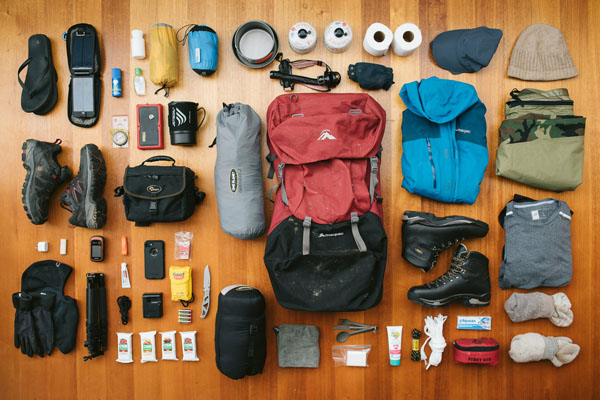
- Provide comprehensive pre-trek advice: Covering gear, training, and acclimatization.
- Ensure expert guiding and support: Our guides are trained in high-altitude medicine and rescue.
Your safety and success are our top priorities. We believe that understanding the differences between camps like Kosovo and Barafu empowers you to make an informed choice, and we are here to guide you every step of the way towards the Roof of Africa in 2026 or 2027.
Final Considerations for Your Kilimanjaro Expedition
As you plan your Kilimanjaro adventure for 2026 or 2027, remember that the choice between routes that feature Kosovo Camp versus those that use Barafu Camp is a significant one. It influences your acclimatization, the intensity of your summit push, and your overall experience on the mountain.
Is Kosovo Camp better than Barafu Camp? Not inherently, but it is often part of routes that offer superior acclimatization and a more serene experience. Barafu Camp is essential for certain routes and offers a direct, though challenging, path to the summit. The ‘better’ camp is the one that aligns with the route best suited to your physical condition, acclimatization needs, and personal preferences.
We encourage you to consult with experienced tour operators like Top Guide Adventures. We can provide personalized advice, tailor itineraries, and ensure you have the best possible support for your climb. Your journey to Uhuru Peak should be as safe, enjoyable, and successful as possible, and choosing the right route and understanding the role of camps like Kosovo and Barafu is a vital part of that preparation.
Ready to plan your Kilimanjaro climb for 2026 or 2027? Reach out to us at Top Guide Adventures. You can contact us via WhatsApp at +255616946642 or email us at topguideadventures@gmail.com or info@topguideadventures.com. Let us help you create an unforgettable African adventure!
Check Availability for Is Kosovo Camp Better Than Barafu On Kilimanjaro? A Detailed Comparison
Ready to compare dates, prices, and the best option for your group? Send the package name and travel month so the team can reply with a clear quote, availability, and what is included.
Barafu Camp Vs Kosovo On Kilimanjaro: A Definitive Comparison For Climbers
A detailed comparison of Barafu Camp and Kosovo Camp on Kilimanjaro, helping climbers decide which high-altitude staging post is best for their 2026-2027 ascent.
No related package matches those filters. Clear one or more filters to see the other topic-matched options.



