
The descent from Uhuru Peak on Kilimanjaro is generally considered less physically grueling than the summit night ascent, but it is far from easy and presents its own set of challenges. Climbers must navigate steep, loose scree slopes, often in daylight for the first time, while dealing with significant fatigue from the summit push. While not as technically demanding as some mountaineering descents, the sheer length, unstable footing, and cumulative exhaustion make it a demanding part of the climb that requires careful attention and physical endurance, especially for those planning their climb in 2026 or 2027.
Understanding the Descent: More Than Just Going Down
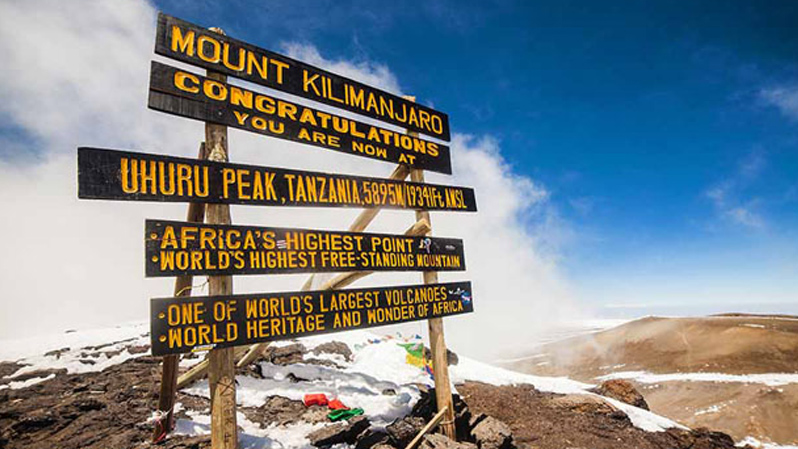
Many trekkers focus their energy and preparation on the arduous journey to the roof of Africa, Uhuru Peak, at 5,895 meters (19,341 feet). The summit night is infamous for its extreme cold, thin air, and relentless uphill climb. However, the journey back down is a critical and often underestimated phase of the Kilimanjaro climb. For climbers preparing for expeditions in 2026 or 2027, a clear understanding of the descent’s challenges is vital for a successful and safe experience. It’s a different kind of hard, trading altitude sickness and oxygen deprivation for extreme fatigue, joint strain, and the mental battle of continuing onward when the goal is technically achieved.
The descent is not a simple walk back. It involves navigating terrain that can be treacherous, especially when tired. While the summit is the objective, reaching it safely is only half the battle. The descent requires a distinct set of physical and mental preparations, and recognizing its unique difficulties can help climbers manage expectations and stay focused.
The Summit Night and Its Immediate Aftermath
The descent begins almost immediately after reaching Uhuru Peak. There is usually a brief period for photos and to savor the moment at the summit sign and the nearby glaciers. However, the primary goal becomes heading back down to the safety and relative comfort of lower altitudes. The first part of the descent, typically from Uhuru Peak down to Barafu Camp (or Kosovo Camp on some routes), is done in the dark or pre-dawn light. This is crucial because most climbers start their summit push from these camps around midnight or 1 AM. By the time they reach the summit, it’s usually dawn or early morning. Therefore, the initial descent is often completed before the sun fully illuminates the landscape.
This lack of daylight adds a layer of difficulty. Visibility is limited, making it harder to see the path and potential hazards. The cold is still biting, and the wind can be a significant factor. Climbers are often at their most fatigued point, having exerted immense effort to reach the summit. This combination of darkness, cold, fatigue, and the desire to reach camp can lead to errors in judgment or footing.
Terrain Challenges: Scree, Rocks, and Steepness
The most significant physical challenge of the descent lies in the terrain, particularly on the Marangu, Machame, Lemosho, and Shira routes, which share the same final descent path from near Stella Point downwards. This section is characterized by a steep, loose scree slope. Scree is essentially a collection of small, angular rocks and gravel. Walking on it is like walking on a slope of ball bearings. Every step can cause the ground to shift, requiring constant effort to maintain balance and avoid slipping. For knees and ankles, this is incredibly taxing. The repetitive impact and instability put immense pressure on joints that have already endured hours of strenuous climbing.
Imagine walking down a steep sand dune, but instead of sand, it’s made of sharp, unstable rocks. This is the reality for miles. Many climbers find their trekking poles, while useful for stability, can sometimes sink into the scree, offering less support than expected. The steepness means that gravity is constantly pulling you forward and downward, requiring significant quadricep and hamstring strength to control your descent and prevent falls. This is where the descent becomes “hard” in a different way – it’s a battle against gravity and unstable ground.
The Psychological Aspect: Fatigue and the Desire to Finish
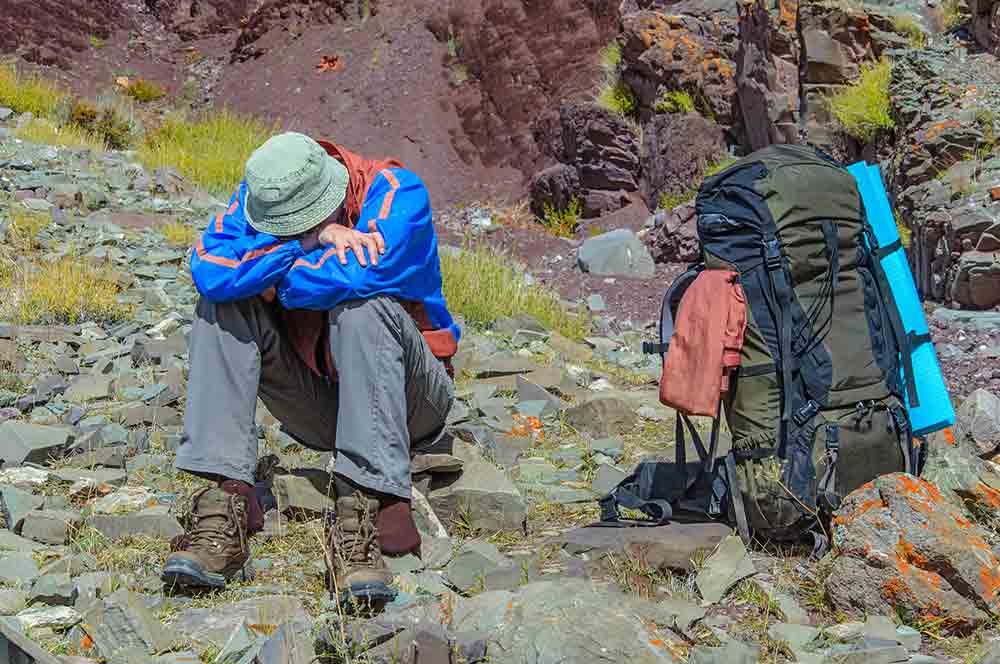
By the time climbers are descending from the summit, they have been awake for many hours, often more than 24 hours, and have pushed their bodies to extreme limits. Sleep deprivation is profound. This level of fatigue affects not only physical coordination but also mental clarity and decision-making. The summit has been reached, and the natural instinct is to want to finish, to get back to camp, and to rest. This can lead to a sense of urgency that sometimes overrides caution.
The mental fortitude required for the descent is substantial. It’s about maintaining focus, remembering to use trekking poles effectively, placing feet deliberately, and staying aware of your surroundings and your body’s signals, even when every part of you wants to stop. The long hours of walking downhill, often with little to no food or water consumed during the summit push, can lead to a significant energy deficit. This mental and physical exhaustion is a major component of how hard the descent from Uhuru Peak truly is.
Comparing Ascent vs. Descent: A Shift in Demands
It’s a common misconception that descending is always easier. While the ascent of Uhuru Peak is undeniably the most physically demanding part of the climb due to the extreme altitude and cold, the descent presents a different kind of struggle.
Ascent Demands:
- Altitude: The primary challenge. Extreme altitude sickness is a real risk, leading to headaches, nausea, dizziness, and severe fatigue. Oxygen levels are critically low.
- Cold: Temperatures can plummet well below freezing, requiring extensive layering and specialized gear. Frostbite is a risk.
- Steepness: A sustained, albeit often less severe, uphill climb on varied terrain (rock, scree, snow, ice).
- Oxygen Deprivation: The body struggles to function efficiently, leading to slow pace and extreme exertion for minimal distance covered.
- Mental Fortitude: Pushing through extreme discomfort and the fear of altitude sickness.
Descent Demands:
- Fatigue: Extreme exhaustion from the summit push, often coupled with sleep deprivation.
- Joint Strain: Constant impact on knees, hips, and ankles from downhill walking on hard surfaces and scree.
- Unstable Footing: Navigating miles of loose scree and rocky paths that can lead to slips and falls.
- Dehydration/Hunger: Often, little is eaten or drunk during the summit push, and this deficit persists on the descent.
- Sun Exposure: While the ascent is mostly in darkness, the descent is in daylight, increasing sun exposure and the risk of sunburn and dehydration if not managed.
- Mental Endurance: The need to stay alert and focused despite overwhelming fatigue and the desire to finish.
So, how hard is the descent from Uhuru Peak? It’s hard because it demands a different kind of resilience. It’s less about battling the extreme cold and thin air, and more about managing the cumulative effects of the climb and navigating treacherous terrain with weary muscles and a tired mind. Many climbers report that their legs are burning, their knees are screaming, and their balance is compromised by the time they reach Barafu Camp again.
The Role of Route Choice in Descent Difficulty
While most routes eventually converge for the descent, the initial paths differ. Routes like Marangu (often called the Coca-Cola route) have a gentler slope and are more gradual, but still involve significant scree. However, the descent for Marangu climbers is often completed entirely in daylight, which can be an advantage for visibility but also means more sun exposure. The descent path for Marangu is also where the “hard” scree section begins.
Routes like Machame, Lemosho, and Shira are often considered more scenic but also more challenging ascents. Their descents involve the same steep scree section as the Marangu route once they merge. The Mweka route, used for descent by Machame, Lemosho, Shira, and sometimes others, is specifically designed for descending and is typically steeper and more direct than the ascent paths, but it is generally shorter than the ascent routes. It’s also known for being tough on the knees.
The Northern Circuit and Rongai routes offer different descent experiences. The Northern Circuit often descends via the Mweka trail or a similar path, while Rongai typically descends via the Marangu route, meaning they share the challenging scree section. Regardless of the ascent route chosen for a 2026 or 2027 climb, the descent from Stella Point or Gilman’s Point down to Barafu Camp and then further down to Mweka Camp (or Marangu Camp) will involve significant challenges.
Practicalities of the Descent: What to Expect
The descent is a long process. After the summit, the journey back to Barafu Camp can take 3-4 hours. Many climbers then descend further to a lower camp like Mweka Camp. This second leg of the descent can take another 4-6 hours or more. This means a total descent time of 7-10 hours, sometimes longer, after an already grueling summit night. When planning for 2026-2027, factor this extended time into your expectations.
Timing and Daylight
As mentioned, the initial part of the descent from Uhuru Peak to Barafu Camp occurs as dawn breaks or in the early morning. This means climbers are descending in daylight for the latter half of their journey to Barafu and then for the entire descent from Barafu to Mweka Camp. While daylight offers better visibility, it also means prolonged exposure to the elements, including the sun, which can be surprisingly intense at higher altitudes.
The descent from Barafu Camp to Mweka Camp is typically the longest single day of trekking on Kilimanjaro, covering a significant vertical distance. This is where the real strain on joints and the mental fatigue become most apparent. The ground is mostly scree and loose soil, making for a long, hard slog.
Gear and Equipment for the Descent
While you might be tempted to shed layers as you descend and the temperature rises, some gear remains essential. Your trekking poles are your best friends on the descent. Ensure they are properly adjusted and that the tips are in good condition. They help with balance, reduce strain on your knees, and provide support on the unstable scree.
Essential gear for the descent:
- Sturdy Trekking Boots: Well-worn-in boots with good ankle support are crucial.
- Trekking Poles: Non-negotiable for stability and joint protection.
- Sun Protection: A wide-brimmed hat, sunglasses, and high-SPF sunscreen are vital for daylight hours.
- Water: Staying hydrated is critical, even if you don’t feel thirsty.
- Snacks: High-energy snacks can provide a much-needed boost.
- Rain Gear: Weather can change rapidly, and rain can make the scree even more slippery.
- Warm Layers: While the temperature rises, the descent from Barafu can still be chilly, especially in the early morning.
Many climbers find that their summit gear, including their insulated boots, is still appropriate for the early part of the descent. As you lose altitude, you can shed layers. The key is to be prepared for varying conditions and to manage your body’s temperature effectively.
Pacing and Foot Placement
The temptation on the descent is to rush, to get it over with. However, this is precisely when mistakes happen. Slow and steady is the mantra. Focus on each step. Place your feet deliberately, looking for the most stable ground. Use your trekking poles to brace yourself and absorb some of the impact. Take short, controlled steps.
Tips for foot placement and pacing:
- Zig-zagging: On very steep scree sections, a slight zig-zag motion can sometimes help distribute the pressure and provide better footing.
- Heel-first vs. Toe-first: For steep descents on scree, placing your foot down with your heel slightly elevated can sometimes help prevent your foot from sinking too deeply. Experiment to find what works best for you.
- Use Your Poles: Plant your poles firmly before each step to provide stability.
- Listen to Your Body: If your knees are in severe pain, pause for a moment, adjust your stance, or use your poles more effectively.
- Stay with Your Group: Maintain pace with your guide and fellow climbers. Don’t get isolated.
Hydration and Nutrition on the Descent
It’s common for climbers to neglect hydration and nutrition during the summit push. The extreme cold and exertion can suppress appetite and thirst. However, as you begin the descent and the air warms, it’s crucial to rehydrate and refuel. Even small sips of water and a few bites of a high-energy snack can make a significant difference in combating fatigue and maintaining focus.
Your guides will encourage you to drink and eat. Don’t resist. Your body needs fuel to complete the remaining hours of trekking. Think of it as a marathon; you need to keep your energy levels up until the finish line.
Potential Complications and How to Mitigate Them
While the descent is often seen as the “easy” part, it’s not without its risks. Understanding these potential complications can help you prepare and react appropriately.
Knee Pain and Joint Strain
This is perhaps the most common complaint. The constant pounding on knees, hips, and ankles from downhill walking on hard, uneven surfaces can be excruciating. For individuals with pre-existing joint issues, this can be particularly challenging.
Mitigation strategies:
- Trekking Poles: As emphasized, they are essential for absorbing shock.
- Proper Footwear: Well-fitting boots with good cushioning and support.
- Controlled Descent: Avoid running or bounding down. Take small, deliberate steps.
- Knee Braces: If you have chronic knee issues, consider using a supportive knee brace.
- Pain Management: Carry mild painkillers (like ibuprofen or paracetamol) if you are accustomed to using them, and use them as directed by your guide.
Slips and Falls
The loose scree and rocky paths are prime candidates for slips and falls. While most falls are minor, they can lead to twists, sprains, or even fractures, especially when compounded by fatigue.
Mitigation strategies:
- Trekking Poles: Provide crucial stability.
- Mindful Foot Placement: Pay attention to where you are stepping.
- Appropriate Footwear: Boots with good tread offer better grip.
- Slow Pace: Rushing increases the risk of missteps.
- Guide Assistance: Your guides are experienced in navigating these sections and can offer support or advice.
Dehydration and Exhaustion
The long hours and physical exertion, combined with potential neglect of fluid and food intake, can lead to severe dehydration and exhaustion. This can manifest as dizziness, nausea, headaches, and a general inability to continue.
Mitigation strategies:
- Consistent Hydration: Drink water regularly, even if you don’t feel thirsty.
- Regular Snacking: Keep energy levels up with easily digestible snacks.
- Pacing: Maintain a steady, sustainable pace.
- Communicate: If you feel unwell, inform your guide immediately.
Hypothermia (Less Common but Possible)
While the descent is generally warmer than the ascent, the early morning hours, especially after spending time at the summit in freezing temperatures, can still be cold. If you are wet from sweat or unexpected rain, the risk of hypothermia, though lower than on the ascent, can still be present until you reach significantly lower altitudes.
Mitigation strategies:
- Waterproof Outer Layers: Essential for unexpected rain.
- Moisture-Wicking Base Layers: Help manage sweat.
- Change Wet Clothes: If possible, change into dry base layers at Barafu Camp.
- Keep Moving: Gentle movement helps generate body heat.
Preparing for the Descent: Training and Mindset
The key to managing the descent from Uhuru Peak is preparation. This begins long before you set foot on Kilimanjaro.
Physical Training Focus
While cardiovascular fitness is paramount for the ascent, specific training for the descent is also crucial. Focus on exercises that strengthen your legs and improve your endurance for downhill movements.
Recommended exercises:
- Hiking with a Weighted Pack: Simulate carrying your daypack on uneven terrain, focusing on downhill sections.
- Squats and Lunges: Build quadriceps and hamstring strength.
- Calf Raises: Strengthen calf muscles, important for stability.
- Stair Climbing: Excellent for building leg strength and endurance, especially descending stairs.
- Core Strengthening: A strong core improves balance and stability.
- Balance Exercises: Standing on one leg, using unstable surfaces (like a BOSU ball), can improve proprioception.
The goal is to condition your muscles and joints to withstand the repetitive stress of downhill trekking. Start your training several months in advance of your 2026 or 2027 climb.
Mental Preparation
The mental game on the descent is about perseverance. You’ve achieved your goal, but the journey isn’t over. Remind yourself why you are doing this and focus on the task at hand: one step at a time.
- Visualize Success: Picture yourself completing the descent safely and feeling strong.
- Break it Down: Focus on reaching the next landmark (e.g., a distinctive rock, a specific bend in the path) rather than the entire remaining distance.
- Positive Self-Talk: Encourage yourself and acknowledge your progress.
- Trust Your Guides: They have seen thousands of climbers descend and know how to manage the challenges.
Choosing the Right Tour Operator
A reputable tour operator plays a significant role in ensuring your safety and comfort throughout the entire climb, including the descent. For your 2026 or 2027 Kilimanjaro adventure, consider a company that:
- Employs experienced, certified guides and porters.
- Provides adequate safety equipment and protocols.
- Offers nutritional advice and ensures sufficient food and water on the trek.
- Has a strong safety record and emergency evacuation procedures.
At Top Guide Adventures, we understand the unique demands of both the ascent and the descent. Our team is dedicated to supporting you every step of the way, ensuring you are well-prepared and safely guided down from Uhuru Peak. We focus on providing a complete and safe climbing experience, from initial planning to your triumphant return to base.
The Final Stretch: From Mweka Camp to Moshi
After the challenging descent to Mweka Camp (or Marangu Camp), climbers can finally rest. However, the journey isn’t quite over. The final day of trekking is from Mweka Camp to the Mweka Gate (or Marangu Gate). This is a much shorter and generally easier walk, taking about 3-5 hours.
The terrain here is significantly different, transitioning from rocky scree and alpine desert to lush rainforest. The air is warmer and more humid. While still requiring effort, this section is a welcome relief for weary legs and joints. It’s a chance to reflect on the incredible achievement, enjoy the sights and sounds of the rainforest, and anticipate the celebratory atmosphere at the gate.
Upon arrival at the gate, climbers are typically met by their drivers and transferred back to their hotels in Moshi or Arusha. The feeling of accomplishment is immense, but the physical toll of the entire climb, including the demanding descent from Uhuru Peak, is undeniable.
Is the Descent from Uhuru Peak Harder Than Expected?
For most climbers, the answer is yes. While the summit night is the pinnacle of physical exertion, the descent tests endurance, joint resilience, and mental fortitude in ways that are often underestimated. The sheer length of the trekking day, combined with unstable footing and cumulative fatigue, makes it a significant challenge.
The difficulty is subjective and depends heavily on individual fitness, preparation, and how well one manages fatigue and terrain. However, it is a phase of the climb that demands respect and careful attention. Climbers planning their expeditions for 2026 and 2027 should prioritize training that includes downhill trekking and mental preparation for a long, demanding day of descent.
Key takeaways for 2026-2027 climbers:
- Train for Downhill: Focus on leg strength and endurance for descending.
- Gear Up: Trekking poles and well-fitting boots are essential.
- Pace Yourself: Slow, deliberate steps are safer and more energy-efficient.
- Hydrate and Fuel: Don’t neglect your body’s needs on the descent.
- Stay Mentally Strong: Focus on one step at a time.
- Trust Your Guides: They are your lifeline for safety and support.
The descent from Uhuru Peak is a testament to the endurance and resilience of the human body and spirit. It’s a challenging, yet rewarding, conclusion to an epic journey. With proper preparation and the right mindset, you can confidently navigate this demanding phase and celebrate your incredible achievement.
Planning your Kilimanjaro climb for 2026 or 2027? Let Top Guide Adventures help you prepare for every aspect of your journey, including the demanding descent. We offer expert guidance, experienced crews, and a commitment to your safety and success. Contact us today to discuss your adventure:
WhatsApp: +255616946642
Email: topguideadventures@gmail.com
Backup Email: info@topguideadventures.com
Visit our website for more information on our Kilimanjaro treks and other Tanzanian adventures: www.topguideadventures.com
“,
“faq_schema”: [
{
“question”: “Is the descent from Uhuru Peak dangerous?”,
“answer”: “The descent from Uhuru Peak presents challenges that can be dangerous if not managed properly. The primary risks include slips and falls on loose scree, severe knee and joint strain due to the steep, long downhill trek, and exhaustion leading to poor decision-making. However, with proper preparation, careful footing, the use of trekking poles, and guidance from experienced guides, the descent can be completed safely by most climbers.”
},
{
“question”: “How long does it take to descend from Uhuru Peak?”,
“answer”: “The descent from Uhuru Peak back to Barafu Camp typically takes 3-4 hours. After a brief rest at Barafu, the descent continues to Mweka Camp (for most routes), which can take another 4-6 hours or more. Therefore, the total descent time from the summit to Mweka Camp can be between 7 to 10 hours, sometimes longer, depending on the route, group pace, and conditions. This is a very long day of trekking.”
},
{
“question”: “What are the main challenges of descending Kilimanjaro?”,
“answer”: “The main challenges of descending Kilimanjaro include extreme fatigue and sleep deprivation from the summit night, significant strain on knees, hips, and ankles due to continuous downhill walking, navigating unstable and steep scree slopes, potential dehydration and hunger, and the mental endurance required to keep moving after reaching the summit. Unlike the ascent, the descent is primarily a battle against gravity and cumulative exhaustion.”
},
{
“question”: “Do I need special gear for the descent from Uhuru Peak?”,
“answer”: “While you won’t need specialized mountaineering gear for the descent, certain items are crucial. Sturdy, well-worn-in trekking boots with good ankle support and grip are essential. Trekking poles are non-negotiable for stability and reducing joint impact. Sun protection (hat, sunglasses, sunscreen) is vital for the daylight hours. Waterproof outer layers are also recommended as weather can change. You’ll also need to ensure you have sufficient water and snacks.”
},
{
“question”: “Can I use trekking poles for the descent?”,
“answer”: “Absolutely, trekking poles are highly recommended and almost essential for the descent from Uhuru Peak. They significantly aid in balance, especially on loose scree, and help to absorb much of the impact on your knees, hips, and ankles, reducing the strain on your joints. Ensure they are properly adjusted and in good working condition before your climb.”
},
{
“question”: “How does the descent differ from the ascent of Kilimanjaro?”,
“answer”: “The ascent of Kilimanjaro is primarily a battle against extreme altitude, cold, and oxygen deprivation, pushing your cardiovascular system to its limits. The descent, while less affected by extreme altitude and cold (as you descend into warmer air), is a significant challenge for your joints and muscles due to the constant downhill impact on steep, loose terrain. It also tests your endurance and mental fortitude after the extreme exertion of the summit night.”
}
]
}
“`
Check Availability for How Hard Is The Descent From Uhuru Peak? 2026-2027
Ready to compare dates, prices, and the best option for your group? Send the package name and travel month so the team can reply with a clear quote, availability, and what is included.



