
Updated planning guide for 2026, 2027-2028
Affordable Safari From Moshi: Best Guide 2026-2027-2028
Discover how to plan and book an affordable safari starting from Moshi, Tanzania. This comprehensive guide covers itineraries, costs, essential preparation, and booking tips for 2026-2027.
WhatsApp +255616946642 | topguideadventures@gmail.com | info@topguideadventures.com
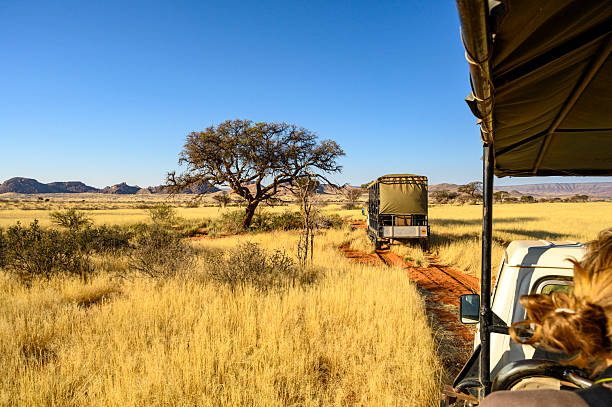
Affordable Safari From Moshi: Your Complete Planning Guide
Moshi, a vibrant town nestled at the foothills of Mount Kilimanjaro, serves as an excellent launchpad for exploring the incredible wildlife of Northern Tanzania. Many travelers arriving in Moshi to climb Africa’s highest peak or simply to experience its unique culture also dream of witnessing the iconic African safari. Fortunately, undertaking an affordable safari from Moshi is entirely achievable with careful planning and the right tour operator. This guide is designed to help you navigate the options, understand the costs, and prepare for an unforgettable wildlife adventure without overspending.
Whether you’re looking for a short 3-day taste of the wild or a more extensive 7-day exploration of Tanzania’s famed national parks, an affordable safari from Moshi offers remarkable value. We’ll cover everything from choosing the right parks and creating an itinerary to packing essentials and avoiding common pitfalls. By the end of this guide, you’ll be well-equipped to plan your budget-friendly safari adventure for 2026 or 2027.
Quick Overview of Safaris from Moshi
An affordable safari from Moshi typically focuses on the Northern Circuit national parks, which are renowned for their abundant wildlife and stunning landscapes. These include Tarangire National Park, Lake Manyara National Park, and the world-famous Serengeti National Park and Ngorongoro Conservation Area. The proximity of Moshi to Arusha, the main safari hub, makes it a convenient starting point.
The concept of ‘affordable’ in safari terms doesn’t mean compromising on the experience itself. Instead, it involves smart choices regarding accommodation, vehicle type, group size, and the duration of your safari. Our goal is to help you find that balance, ensuring you see magnificent wildlife and create lasting memories while managing your budget effectively.
| Key Aspect | Details for Affordable Safari from Moshi |
|---|---|
| Starting Point | Moshi, Tanzania (often via Arusha) |
| Primary Parks | Tarangire, Lake Manyara, Serengeti, Ngorongoro Crater |
| Duration Options | 3 days to 7+ days |
| Accommodation | Budget-friendly lodges, tented camps, or camping |
| Transport | 4×4 safari vehicle with pop-up roof |
| Key Value Driver | Shared group tours, strategic park selection, off-peak travel (if possible) |
| Best Time to Consider | Dry seasons (June-October, January-February) offer good value, though migration viewing is seasonal. Shoulder seasons can also be good. |
Why Choose Moshi for Your Safari Starting Point?
Moshi’s appeal as a safari starting point is multi-faceted. Firstly, its location is strategic. While Arusha is the true safari gateway, many travelers spend time in Moshi before or after a Kilimanjaro climb. This allows for a consolidated trip, saving on internal travel costs. Secondly, the town itself offers more affordable accommodation options compared to Arusha, potentially reducing pre-safari expenses. Finally, local tour operators based in Moshi often have a deep understanding of the region and can tailor itineraries to meet budget constraints.
Convenience and Integration with Kilimanjaro Treks
For many, a safari from Moshi is an extension of a Kilimanjaro trekking adventure. After descending from the mountain, the idea of wildlife encounters is incredibly appealing. Starting your safari directly from Moshi means less travel time back to a major city and more time enjoying the plains. This integration simplifies logistics significantly, making it a popular choice for trekkers.
Local Expertise and Value
Tour operators in Moshi have grown up in the shadow of Kilimanjaro and have intimate knowledge of the surrounding parks. They often work with local guides and use local resources, which can translate into more competitive pricing. This local insight also means they can suggest routes and accommodations that offer the best value for money, focusing on authentic experiences rather than luxury frills.
Understanding Safari Costs: What Makes it Affordable?
The cost of a safari is influenced by several factors. To achieve an affordable safari from Moshi, understanding these elements is crucial. Generally, the price per person decreases as the group size increases.
Key Cost Components:
- Park Entrance Fees: These are fixed daily fees per person and per vehicle, set by the Tanzania National Parks Authority (TANAPA) and the Ngorongoro Conservation Area Authority (NCAA). They represent a significant portion of the safari cost.
- Accommodation: Options range from basic public campsites (most affordable), to mid-range tented camps and lodges, up to luxury lodges. Camping is the cheapest way to stay overnight.
- Vehicle and Guide: You’ll need a sturdy 4×4 safari vehicle and an experienced driver-guide. The cost is usually per vehicle per day. Sharing a vehicle with others significantly reduces individual costs.
- Food: Meals are typically included, prepared by your safari cook if camping, or provided by lodges/camps.
- Crew Wages: Salaries for your driver-guide and any cook/porters if camping.
- Overhead and Profit: The tour operator’s operational costs and margin.
Strategies for an Affordable Safari:
- Join a Group Tour: This is the single most effective way to lower costs. Sharing the vehicle, guide, and accommodation expenses with other travelers makes a huge difference.
- Opt for Camping: Sleeping in well-equipped public campsites or special campsites (with basic facilities) is substantially cheaper than lodges or tented camps. Many operators offer excellent camping safaris.
- Choose Shorter Durations: A 3-day or 4-day safari will naturally be less expensive than a 7-day one. Focus on one or two key parks for a shorter trip.
- Travel in Shoulder Seasons: While peak seasons offer specific advantages like the Great Migration’s river crossings, shoulder seasons (e.g., March-May, November) can offer lower prices and fewer crowds, though weather can be unpredictable.
- Select Parks Wisely: Some parks have higher entrance fees or are more logistically complex to reach (like deep Serengeti). For shorter, affordable trips, focusing on Tarangire and Lake Manyara can be very rewarding.
Popular Safari Routes from Moshi (Budget-Friendly Options)
When planning an affordable safari from Moshi, most routes will involve starting with a transfer to Arusha, the safari hub. From there, you typically proceed to the Northern Circuit parks. Here are common and cost-effective route structures.
Northern Circuit Safari Route Overview (Moshi Start)
Moshi → Arusha (transfer/briefing) → Tarangire National Park → Lake Manyara National Park → Serengeti National Park (via Ngorongoro Conservation Area) → Ngorongoro Crater (optional day visit) → Arusha → Moshi
Note: The exact order and inclusion of parks depend on safari duration and specific itinerary.
3-Day Safari: Tarangire & Lake Manyara
This is a fantastic option for a short, affordable safari from Moshi. It focuses on two diverse and wildlife-rich parks, minimizing travel time and park fees compared to longer Serengeti trips.
Sample 3-Day Affordable Safari Itinerary
- Day 1: Moshi to Tarangire National Park
Morning pickup from your Moshi hotel and transfer to Arusha for safari briefing. Drive to Tarangire National Park, famous for its large elephant herds and baobab trees. Full day game drive. Overnight stay at a campsite or budget lodge near the park. - Day 2: Tarangire to Lake Manyara National Park
Morning game drive in Tarangire. Afterward, drive to Lake Manyara National Park, known for its tree-climbing lions, diverse birdlife, and stunning lake. Afternoon game drive. Overnight at a campsite or budget lodge near Lake Manyara. - Day 3: Lake Manyara to Moshi
Morning game drive in Lake Manyara if time permits. Begin the drive back to Arusha, and then continue to Moshi. Drop-off at your hotel.
4-Day Safari: Tarangire, Lake Manyara & Ngorongoro Crater
Adding a day allows for a visit to the Ngorongoro Crater, a UNESCO World Heritage Site offering a unique concentration of wildlife in a stunning caldera. This is a very popular and rewarding extension.
Sample 4-Day Affordable Safari Itinerary
- Day 1: Moshi to Tarangire National Park
Pickup from Moshi, transfer to Arusha, then drive to Tarangire for a full day of game viewing. Overnight camping or budget lodge. - Day 2: Tarangire to Lake Manyara National Park
Morning game drive in Tarangire, then drive to Lake Manyara for afternoon game drives. Overnight camping or budget lodge. - Day 3: Lake Manyara to Ngorongoro Conservation Area
Morning game drive in Lake Manyara. Drive towards the Ngorongoro Conservation Area. You might choose to visit a Maasai village en route (optional, negotiate price). Overnight camping on the crater rim or a budget lodge outside the crater. - Day 4: Ngorongoro Crater Tour & Return to Moshi
Descend into the Ngorongoro Crater for a morning game drive. This is a highlight for wildlife viewing. Ascend and begin the drive back to Arusha and then Moshi.
5-Day Safari: Tarangire, Lake Manyara, Serengeti (Central) & Ngorongoro
For those wanting a taste of the Serengeti without the longest drives, a 5-day safari is a good compromise. It typically focuses on the more accessible central Serengeti, which offers excellent game viewing year-round.
Sample 5-Day Affordable Safari Itinerary
- Day 1: Moshi to Tarangire National Park
Pickup from Moshi, transfer to Arusha, then drive to Tarangire. Full day game drive. Overnight camping or budget lodge. - Day 2: Tarangire to Serengeti National Park
Morning game drive in Tarangire. Drive towards the Serengeti, entering via the Naabi Hill Gate. Game drive en route to your campsite/lodge in Central Serengeti. - Day 3: Serengeti National Park
Full day game drive in the Serengeti, exploring different areas known for wildlife sightings. Overnight camping or budget lodge in Serengeti. - Day 4: Serengeti to Ngorongoro Conservation Area
Early morning game drive in Serengeti. Drive towards the Ngorongoro Conservation Area, potentially stopping at Olduvai Gorge (optional, extra cost). Overnight camping on the crater rim or budget lodge. - Day 5: Ngorongoro Crater Tour & Return to Moshi
Morning descent into the Ngorongoro Crater for game drives. Ascend and drive back to Arusha and then Moshi.
What to Expect on an Affordable Safari from Moshi
An affordable safari prioritizes the core wildlife viewing experience. This means focusing on excellent guides, reliable vehicles, and safe, clean accommodation, while perhaps foregoing some luxury amenities.
Accommodation Types for Budget Safaris:
- Public Campsites: The most basic and cheapest. You’ll typically sleep in your own tent (or one provided) with shared ablution facilities (toilets and showers). They are often located within or near the parks.
- Special Campsites: These offer a more private camping experience, often with fewer people and sometimes basic private facilities. They cost a bit more than public sites but are still very budget-friendly.
- Budget Lodges/Tented Camps: These are simpler versions of mid-range accommodations. They offer private rooms with en-suite bathrooms but might have fewer amenities or be located slightly further from park gates. They provide more comfort than camping.
The Safari Vehicle and Guide:
You will almost certainly travel in a sturdy 4×4 safari vehicle, usually a Land Cruiser or Land Rover, equipped with a pop-up roof for optimal game viewing and photography. Your driver-guide is your most important asset. They are trained to spot wildlife, understand animal behavior, and navigate the parks efficiently. Even on an affordable safari, a good guide makes all the difference.
Food on Safari:
If camping, a dedicated cook will accompany your group, preparing fresh, hearty meals at campsites. If staying in lodges or tented camps, meals are usually served in their dining areas. Expect a mix of local and international dishes, often including rice, ugali (maize porridge), vegetables, chicken, beef, and sometimes fish. Packed lunches are common during full game drive days.
Pace and Daily Schedule:
Early mornings and late afternoons are prime game viewing times when animals are most active. Your days will typically start early, around 6:00 AM, with breakfast followed by a morning game drive. You might return to camp for lunch and a rest during the hottest part of the day, or continue with a full-day game drive, and then head out again for an evening drive until sunset.
Best Time for an Affordable Safari from Moshi
While Tanzania is a year-round safari destination, certain times can be more budget-friendly or offer specific wildlife viewing advantages.
| Period | Weather | Wildlife Viewing | Crowds | Affordability |
|---|---|---|---|---|
| June – October (Dry Season) | Cooler, dry, sunny days. Pleasant temperatures. | Excellent. Animals congregate around water sources. Good for predator sightings. Great Migration in Serengeti (river crossings may occur July-Sept). | Moderate to High. Popular season. | Moderate. Prices can be higher due to demand, but group tours still offer value. |
| November – December (Short Rains) | Short, intermittent rains. Lush landscapes. | Good. Wildlife disperses but is still present. Birdlife is excellent. Calving season begins in Southern Serengeti late Dec. | Low to Moderate. | Good. Prices may be slightly lower. |
| January – February (Dry Season) | Hot, dry. | Excellent. Great Migration often in Southern Serengeti for calving. Good predator action. | Moderate. | Moderate. Popular for migration calving. |
| March – May (Long Rains) | Heavy, prolonged rains. Lush green scenery. | Fair to Good. Wildlife can be harder to spot in dense vegetation. Migration moves north. | Low. Lowest crowds. | Best for Affordability. Prices are typically lowest. Offers a more exclusive feel. |
For the absolute best value in 2026 or 2027, consider the shoulder seasons (November-December, March-May). The long rains (March-May) offer the lowest prices and fewest tourists, though game viewing can be slightly more challenging. If seeing the Great Migration is a priority, aim for June-October or January-February, but be prepared for potentially higher prices, which can be mitigated by choosing group tours and camping.
Preparation and Packing for Your Safari
Proper preparation ensures a comfortable and enjoyable safari. For an affordable safari, smart packing can save you from buying expensive items on the go.
Essential Clothing:
- Neutral Colors: Khaki, beige, olive green, brown. Avoid bright colors (like white or red) which can scare animals or attract insects, and dark blue/black which can attract tsetse flies.
- Layers: Mornings and evenings can be cool, especially in higher altitudes like the Ngorongoro Crater rim. Pack T-shirts, long-sleeved shirts, a fleece or warm jacket.
- Comfortable Trousers/Shorts: Lightweight, quick-drying trousers are ideal. Shorts are fine for warmer days.
- Rain Gear: A lightweight waterproof jacket or poncho is essential, especially during the rainy seasons.
- Sun Hat: Wide-brimmed to protect your face and neck.
- Swimsuit: If your lodge or camp has a pool.
Footwear:
- Comfortable Walking Shoes: Closed-toe shoes like trainers or hiking boots are suitable for light walking around camps or for any optional nature walks. You won’t be doing extensive hiking on a standard safari drive.
- Sandals/Flip-flops: For relaxing at the camp or lodge.
Health and Safety:
- Insect Repellent: With DEET is recommended, especially for evenings.
- Sunscreen: High SPF. The African sun is strong.
- Personal First-Aid Kit: Include any personal medications, pain relievers, antiseptic wipes, bandages, and motion sickness medication if needed.
- Hand Sanitizer: Essential for hygiene between stops.
- Malaria Prevention: Consult your doctor about anti-malarial medication well in advance of your trip.
Other Essentials:
- Camera and Extra Batteries/Memory Cards: You’ll want to capture everything!
- Binoculars: Highly recommended for spotting distant wildlife.
- Power Bank/Adapter: For charging electronics. Power can be limited in camps.
- Reusable Water Bottle: Stay hydrated and reduce plastic waste.
- Small Backpack: For day trips and carrying essentials in the vehicle.
- Sunglasses: To protect your eyes from the sun.
- Passport, Visa, and Copies: Keep these secure.
- Cash: For tips, souvenirs, and optional extras. USD is widely accepted for safari payments, but Tanzanian Shillings are useful for local purchases.
Luggage Restrictions:
Safari vehicles have limited space. Soft-sided duffel bags are generally preferred over hard suitcases. Most operators have a luggage limit of around 15-20 kg per person. Check with your tour operator for specific requirements.
Common Mistakes to Avoid for Affordable Safaris
Making a few common errors can unexpectedly increase your safari costs or diminish your experience. Being aware of these pitfalls helps ensure a smooth and truly affordable adventure.
- Not Comparing Operators: Different tour operators have varying inclusions and pricing structures. Always get quotes from a few reputable companies.
- Booking Last Minute: While sometimes unavoidable, booking too close to your travel dates can mean limited availability, higher prices for remaining spots, and less choice in accommodation.
- Ignoring Inclusions/Exclusions: Understand exactly what is covered in your safari package. Are park fees, meals, accommodation, camping equipment, and guide fees all included? Unexpected costs can add up.
- Focusing Only on Price: The absolute cheapest option might come with a subpar vehicle, inexperienced guide, or poor accommodation, which can ruin your safari. Balance cost with quality and reputation.
- Not Being Clear About Expectations: Communicate your budget and expectations clearly to your tour operator. They can then tailor the trip accordingly.
- Overpacking: As mentioned, luggage space is limited, and overpacking can be inconvenient and might incur extra charges if baggage allowances are exceeded.
- Underestimating Tips: Tipping guides, cooks, and porters is customary and appreciated. Factor this into your budget.
Who is an Affordable Safari from Moshi Best Suited For?
An affordable safari from Moshi is an excellent choice for a wide range of travelers:
- Budget Travelers: Those who want to experience Tanzania’s wildlife without spending a fortune.
- Young Adventurers & Backpackers: Seeking authentic experiences and willing to compromise on luxury for value.
- Solo Travelers: Joining group tours is a great way to share costs and meet like-minded people.
- Students: Looking for an incredible experience on a limited budget.
- Kilimanjaro Climbers: Integrating a safari seamlessly after their trek, often looking for a cost-effective way to see wildlife.
- Short-Term Visitors: Those with limited time who want to maximize their wildlife viewing within a few days.
- Travelers Prioritizing Wildlife Over Luxury: Individuals who want to see animals and landscapes and are content with clean, safe, and functional accommodation rather than opulent settings.
Alternatives to a Standard Affordable Safari
While the Northern Circuit is the most popular, other options might appeal depending on your interests and budget. However, for safaris starting from Moshi, the Northern Circuit remains the most practical and accessible.
- Southern Circuit Safaris (Selous/Ruaha): These parks are more remote and typically require internal flights or longer drives, making them generally more expensive and less practical to start from Moshi. They offer a wilder, less crowded experience.
- Western Circuit Safaris (Gombe/Mahale): Primarily known for chimpanzee trekking, these are very remote and significantly more costly, requiring flights. Not a practical option from Moshi for a budget safari.
- Day Trips from Moshi: While not a full safari, options like day trips to Arusha National Park can offer a taste of wildlife viewing and stunning views of Kilimanjaro, but are limited in scope.
For an affordable safari originating from Moshi, sticking to the Northern Circuit parks (Tarangire, Lake Manyara, Serengeti, Ngorongoro) is the most sensible and cost-effective approach.
Planning Your 2026-2027 Affordable Safari from Moshi
Proactive planning is key to securing the best value and availability for your safari in 2026 or 2027. Starting your research and booking process well in advance is highly recommended.
Safari Planning Checklist
- Define Your Budget: Have a clear idea of what you can spend per person.
- Determine Safari Duration: How many days can you dedicate to the safari?
- Choose Your Parks: Decide which parks are most important to you based on duration and interests.
- Research Tour Operators: Look for reputable operators based in Moshi or Arusha that specialize in budget or group safaris. Check reviews!
- Request Quotes: Get detailed quotes from at least 3-4 operators, ensuring they list all inclusions and exclusions.
- Compare Itineraries and Inclusions: Look at what each quote offers for accommodation, meals, park fees, and vehicle type.
- Book Flights: Secure your international and any domestic flights.
- Book Your Safari: Once you’ve chosen an operator and itinerary, confirm and pay your deposit.
- Visa Requirements: Check if you need a visa for Tanzania and apply in advance if necessary.
- Health Consultations: Visit your doctor for vaccinations and malaria advice 4-6 weeks before travel.
- Travel Insurance: Purchase comprehensive travel insurance that covers medical emergencies and trip cancellations.
- Pack Smart: Follow packing guidelines to ensure comfort and adherence to luggage limits.
- Currency: Arrange for USD for safari payments and some local currency for tips and small purchases.
Booking Your Affordable Safari: Expert Advice
Securing your safari is the final step, and doing it right ensures peace of mind and value for money.
Choosing the Right Tour Operator:
Look for operators with a strong online presence, positive reviews (check multiple platforms like TripAdvisor, Google Reviews), and clear communication. Operators based in Moshi or Arusha often have better local knowledge and potentially more competitive pricing for safaris starting from Moshi.
Communication is Key:
Be detailed about your needs. Specify that you are looking for an affordable safari from Moshi. Ask about group tour options, camping possibilities, and any potential discounts for booking in advance for 2026 or 2027.
Understand the Contract:
Read the booking terms and conditions carefully. Pay attention to cancellation policies, payment schedules, and what happens in case of unforeseen circumstances (e.g., vehicle breakdown).
Payment:
Most operators require a deposit (typically 20-50%) to confirm your booking, with the balance due closer to your travel date (often 30-60 days prior). Wire transfers are common, but some may accept credit cards (check for fees).
Booking Timeline for 2026-2027:
- 12+ Months in Advance: Ideal for peak season travel or if you have very specific requirements. Good for securing early bird discounts.
- 6-12 Months in Advance: Recommended for most travelers, especially for popular times like June-October. Allows ample time for planning and comparison.
- 3-6 Months in Advance: Still feasible, particularly for shoulder season or group tours, but options may be more limited.
- Less than 3 Months: Possible, especially for last-minute deals or during the low season, but requires flexibility.
For an affordable safari from Moshi in 2026 or 2027, aiming to book at least 6-9 months in advance will give you the best combination of choice, availability, and pricing.
Frequently Asked Questions (FAQs)
Q1: What is the most affordable way to do a safari from Moshi?
The most affordable way is to join a group safari that includes camping accommodation. Sharing costs for the vehicle, guide, park fees, and camping equipment significantly reduces the per-person price.
Q2: Can I see the Great Migration on an affordable safari from Moshi?
Yes, it’s possible, but it depends on the time of year and your itinerary. The Great Migration is a continuous movement. For example, river crossings are typically seen in the Northern Serengeti between July and September, while calving occurs in the Southern Serengeti in January and February. Longer itineraries that include Serengeti are needed for migration viewing, and camping options help keep costs down.
Q3: How much does an affordable safari from Moshi typically cost?
Exact prices vary greatly by operator, duration, accommodation choice, and season. However, for a 3-day camping safari, expect prices to range roughly from $500 to $800+ per person. A 5-day safari with camping might be in the $800 to $1200+ range. These are estimates and do not include tips or personal expenses. Always get a detailed quote.
Q4: Is it safe to travel from Moshi for a safari?
Yes, Tanzania is a safe country for tourists, especially when traveling with reputable tour operators. Your driver-guide is experienced in navigating the parks and handling any situations that may arise. Standard travel precautions apply.
Q5: What are the main parks included in an affordable safari from Moshi?
The most common parks for affordable safaris from Moshi are Tarangire National Park, Lake Manyara National Park, Serengeti National Park, and the Ngorongoro Conservation Area (including the Ngorongoro Crater).
Q6: Do I need a visa for Tanzania?
Most nationalities require a visa to enter Tanzania. You can often apply for a visa online in advance or obtain one upon arrival at Kilimanjaro International Airport (JRO). Check the latest requirements with the Tanzanian embassy in your country.
Q7: What is the difference between the Ngorongoro Crater and the Ngorongoro Conservation Area?
The Ngorongoro Conservation Area (NCA) is a vast protected region where Maasai people live alongside wildlife. The Ngorongoro Crater is a massive, intact volcanic caldera within the NCA, famous for its high density of wildlife and its unique ecosystem. Safaris typically involve a game drive *inside* the crater.
Q8: Can I customize an affordable safari itinerary?
Yes, most reputable tour operators can customize itineraries to suit your interests, duration, and budget. Clearly communicating your desire for an affordable safari from Moshi will help them tailor options for you.
Q9: What should I pack for a budget safari in 2026?
Pack light, neutral-colored clothing, layers for temperature changes, comfortable walking shoes, sun protection (hat, sunscreen), insect repellent, a camera, binoculars, and personal medication. Soft-sided bags are essential due to vehicle space limitations.
Q10: When is the best time to book my 2027 safari?
For the best selection of group tours and potentially early bird discounts, it’s advisable to book your 2027 safari at least 6 to 9 months in advance. Peak seasons (June-October) fill up faster.
Start Planning Your Unforgettable Affordable Safari From Moshi Today!
An affordable safari from Moshi offers an incredible opportunity to witness the magic of Tanzania’s wildlife without breaking the bank. With careful planning, choosing the right operator, and understanding your options, you can create a memorable adventure that fits your budget. Whether you are seeking the thrill of the Great Migration, the majesty of elephants in Tarangire, or the unique ecosystem of the Ngorongoro Crater, your journey begins here.
We specialize in crafting authentic and budget-friendly safari experiences from Moshi. Our team has the local knowledge and dedication to help you plan the perfect trip for 2026 or 2027. Let us help you turn your safari dreams into reality.
Contact us today to discuss your personalized affordable safari from Moshi:
WhatsApp: +255616946642
Email: topguideadventures@gmail.com
Backup Email: info@topguideadventures.com
Plan your Affordable Safari From Moshi with Top Guide Adventures
Tell us your travel dates, group size, comfort level, and dream experience. We will help you shape a clear, realistic, and memorable Tanzania itinerary.







 Veedesigner
 Fatma Kizanga
 Benjamin Waryuba
 Philip Philip
 John jr Itaja
 Antonia Optatus
 Edith Kanyere
 Neema Iddy
 Kelvin Boniphace
 Damari Maiga



