
Updated planning guide for 2026, 2027-2028
Group Joining Safari From Moshi: Best Guide 2026-2027-2028
Discover the best way to experience a group joining safari from Moshi, Tanzania. This detailed guide covers everything from choosing the right itinerary and understanding costs to packing essentials and booking with confidence for 2026-2027 adventures.
WhatsApp +255616946642 | topguideadventures@gmail.com | info@topguideadventures.com
Group Joining Safari From Moshi: Your Essential Tanzania Adventure Guide
Moshi, a vibrant town nestled at the foot of Mount Kilimanjaro, serves as a primary gateway for many travelers venturing into Tanzania’s renowned Northern Circuit. For those seeking an authentic safari experience without the expense of a private tour, a group joining safari from Moshi presents an excellent solution. This comprehensive guide is designed to equip you with all the knowledge needed to plan, book, and enjoy an unforgettable wildlife adventure, whether you’re a solo traveler, a couple, or a small group looking to share costs and experiences. We’ll cover everything from itinerary options and seasonality to what to pack and how to choose the right tour operator for your 2026-2027 journey.
Joining a group safari is a popular choice for many reasons. It significantly reduces the per-person cost compared to a private safari, making the wonders of the Serengeti, Ngorongoro Crater, and other iconic parks more accessible. It also offers a social aspect, allowing you to meet fellow travelers from around the globe who share your passion for wildlife and adventure. This guide will help you navigate the nuances of group safaris originating from Moshi, ensuring your trip is well-organized and enriching.
Table of Contents
- Quick Facts About Group Safaris from Moshi
- Understanding Group Joining Safaris from Moshi
- Why Choose a Group Joining Safari from Moshi?
- Best Time for a Group Safari from Moshi
- Popular Routes and National Parks
- Sample Group Joining Safari Itinerary (5 Days)
- What to Expect on a Group Safari
- Typical Inclusions and Exclusions
- Packing and Preparation Essentials
- Common Mistakes to Avoid
- Who is a Group Safari Best Suited For?
- Alternatives to Group Safaris from Moshi
- Planning Your 2026-2027 Safari
- Booking Your Group Safari: Expert Advice
- Frequently Asked Questions
Quick Facts About Group Safaris from Moshi
| Aspect | Details |
|---|---|
| Departure Point | Moshi, Tanzania |
| Typical Duration | 3 to 8 days (most common) |
| Key Parks Visited | Tarangire, Lake Manyara, Ngorongoro Crater, Serengeti |
| Vehicle Type | 4×4 Land Cruiser or Land Rover (shared) |
| Accommodation | Tented camps, lodges (mid-range to budget) |
| Group Size | Typically 4-7 travelers per vehicle |
| Cost Savings | Significant reduction compared to private tours |
| Booking Window | Recommended 3-6 months in advance, especially for 2026-2027 peak seasons |
Understanding Group Joining Safaris from Moshi
A group joining safari from Moshi is fundamentally a tour where individual travelers or small, unassociated groups are combined to form a larger safari party. This model is particularly common for tours operating within Tanzania’s Northern Circuit, a region boasting an unparalleled concentration of wildlife and stunning landscapes. The primary appeal is cost-sharing; by dividing the expenses of a safari vehicle, guide, park fees, and accommodation among more people, the per-person price drops considerably.
Tour operators in Moshi organize these safaris by setting fixed departure dates. When you book a spot on a specific departure, you are essentially joining a pre-arranged itinerary with other travelers who have also booked that same date. This means the itinerary, pace, and accommodation choices are generally predetermined. While there’s less flexibility than a private tour, the savings and the social aspect are significant advantages for many.
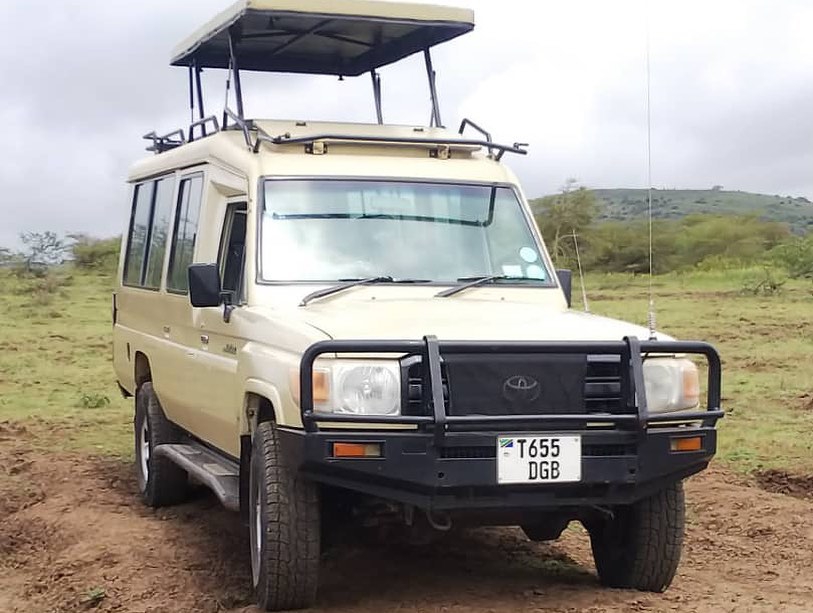
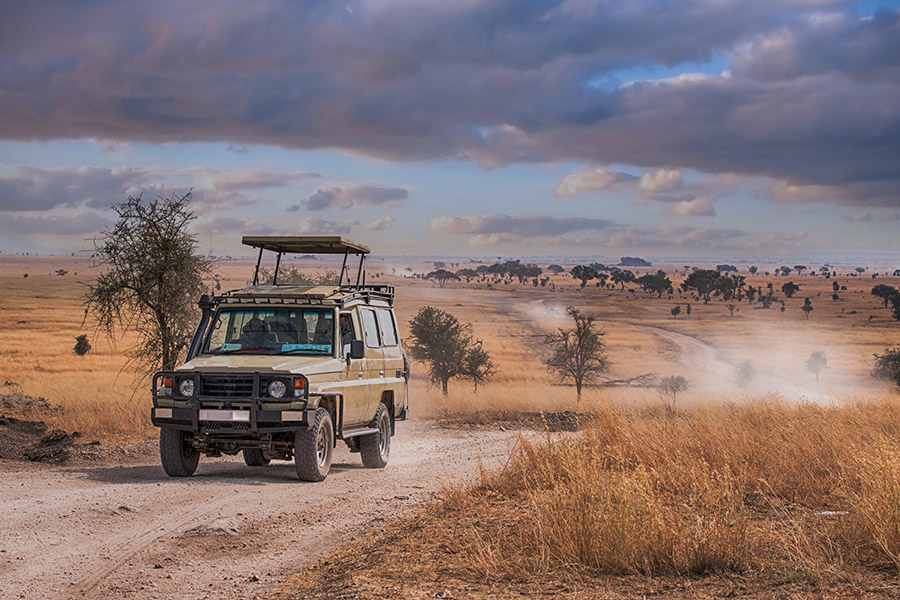
The logistics typically involve meeting your fellow travelers and guide at a designated point in Moshi on your departure day. From there, you’ll share a custom-built 4×4 safari vehicle, equipped for game viewing with pop-up roofs. Your days will be filled with game drives, searching for the ‘Big Five’ and countless other species, interspersed with meals and overnight stays at carefully selected camps or lodges. The shared experience extends to the vehicle, meals, and general safari activities, fostering a camaraderie among the group.
Why Choose a Group Joining Safari from Moshi?
The decision to opt for a group joining safari from Moshi hinges on several compelling factors:
- Affordability: This is the most significant draw. By sharing costs, group safaris make exploring Tanzania’s premier parks accessible to a wider range of budgets. It allows travelers who might otherwise find a private safari prohibitive to experience these incredible destinations.
- Social Interaction: Solo travelers, in particular, often appreciate the opportunity to meet and connect with like-minded individuals from diverse backgrounds. Sharing the excitement of spotting a leopard or the vastness of the Serengeti plains can create lasting friendships.
- Convenience: The itinerary is pre-planned by experienced operators. This removes the burden of detailed planning from your shoulders, allowing you to focus on the anticipation of your adventure. You don’t need to worry about route logistics, accommodation bookings, or vehicle arrangements.
- Expert Guidance: Even in a group, you benefit from the expertise of a professional safari guide. These guides are knowledgeable about wildlife behavior, park ecosystems, and local culture, significantly enhancing your understanding and appreciation of the experience.
- Eco-Consciousness: Sharing a vehicle with others is generally more environmentally friendly than multiple private vehicles traveling the same routes, contributing to a more sustainable approach to tourism.
For many, especially those on their first safari or traveling on a tighter budget, these benefits combine to make a group joining safari from Moshi an ideal choice for experiencing the magic of Tanzania’s wilderness in 2026 or 2027.
Best Time for a Group Safari from Moshi
Tanzania offers incredible wildlife viewing opportunities year-round, but certain periods are more favorable for a group joining safari from Moshi, depending on your priorities. Understanding the seasons will help you choose the best time for your 2026-2027 trip.
- The Dry Season (June to October): This is generally considered the peak safari season. The weather is pleasant, with clear skies and lower humidity. Wildlife congregates around permanent water sources, making animals easier to spot. The famous Great Migration river crossings in the Serengeti often occur in July and August. However, this is also the busiest and most expensive time, and group safari spots can fill up quickly. Booking well in advance for 2026-2027 is crucial.
- The Shoulder Seasons (November to March):
- November to December: The short rains may begin, but they are often brief showers, and game viewing remains excellent. The landscape becomes greener, and there are fewer tourists. This can be a great time for budget-conscious travelers.
- January to March: This period marks the calving season for wildebeest in the southern Serengeti, a spectacular event offering incredible predator-prey action. The weather is generally warm and can be humid, with occasional rain showers. It’s a good time for birdwatching and seeing newborn animals.
- The Long Rains (April to May): This is the low season. The landscape is lush and green, and you’ll encounter very few tourists. However, heavy rains can make some roads impassable, potentially disrupting travel plans and game viewing. Accommodation prices are often at their lowest. While it can be an adventurous time, it’s less predictable for a standard group safari.
For most travelers seeking a balance of good weather, excellent game viewing, and manageable crowds, the dry season (June-October) and the shoulder months of November-December and January-March are ideal for a group joining safari from Moshi.
Popular Routes and National Parks
Group joining safaris from Moshi primarily focus on Tanzania’s Northern Circuit, a well-established and highly rewarding safari circuit. The typical route is designed for efficiency and maximizing wildlife encounters.
Key National Parks and Reserves:
- Tarangire National Park: Known for its large elephant herds, iconic baobab trees, and diverse birdlife. It’s often the first stop after Moshi.
- Lake Manyara National Park: Famous for its tree-climbing lions (though sightings are not guaranteed), large troops of baboons, and beautiful alkaline lake that attracts flamingos.
- Ngorongoro Conservation Area (Ngorongoro Crater): A UNESCO World Heritage Site, the crater is a natural amphitheater teeming with wildlife, including the Big Five, in a relatively compact area. It offers some of the best chances to see rhinos.
- Serengeti National Park: Tanzania’s largest and most famous national park, renowned for its vast plains, incredible density of predators, and the annual Great Migration of wildebeest and zebras. The experience in the Serengeti varies greatly depending on the time of year and the location within the park (central, northern, southern, western corridors).
Typical Route Flow:
While itineraries vary, a common flow for a group joining safari from Moshi looks like this:
Route Illustration:
- Day 1: Moshi to Tarangire National Park. Game drive en route. Overnight near Tarangire.
- Day 2: Full day game drive in Tarangire, or morning drive and transfer to Karatu (near Ngorongoro).
- Day 3: Ngorongoro Crater descent for a half-day game drive. Afternoon transfer to Serengeti National Park (Central or Southern).
- Day 4: Full day game drive in Serengeti National Park.
- Day 5: Morning game drive in Serengeti, then drive back towards Arusha/Moshi, often with a stop at Mto wa Mbu or a Maasai village (optional).
Note: This is a simplified illustration. Longer safaris (6-8 days) will include more time in the Serengeti or explore different regions like the Western Corridor or Northern Serengeti.
Some operators might include Lake Manyara on Day 2 or 3, often combined with a visit to Mto wa Mbu village. The exact order and duration in each park depend on the tour operator’s package and the length of your safari.
Sample Group Joining Safari Itinerary (5 Days / 4 Nights)
This sample itinerary provides a realistic glimpse into what a 5-day group joining safari from Moshi might entail. Remember that exact timings and accommodation specifics will vary by operator.
| Day | Morning Activities | Afternoon Activities | Overnight Location |
|---|---|---|---|
| Day 1: Moshi to Tarangire | Depart Moshi after breakfast (approx. 8:00 AM). Drive towards Tarangire National Park (approx. 3-4 hours). | Enter Tarangire NP for afternoon game drive, focusing on elephant herds and baobabs. | Tented Camp/Lodge near Tarangire entrance. |
| Day 2: Tarangire to Karatu/Ngorongoro Highlands | Morning game drive in Tarangire, exploring different areas of the park. | After game drive, depart for Karatu (approx. 2-3 hours). Visit Mto wa Mbu village or a local market en route (optional). Settle into accommodation. | Lodge/Campsite in Karatu area. |
| Day 3: Ngorongoro Crater to Serengeti | Descend into the Ngorongoro Crater for a thrilling half-day game drive. Search for rhinos and other crater inhabitants. | Ascend from the crater. Drive towards the Serengeti National Park, entering via the Naabi Hill gate. Enjoy game viewing en route to your accommodation. | Tented Camp/Lodge in Central Serengeti. |
| Day 4: Serengeti National Park | Full day of game drives in the Serengeti. Explore different areas based on wildlife movements and guide’s recommendations. Search for lions, cheetahs, leopards, and the vast herds. | Continue game drives until sunset. | Tented Camp/Lodge in Central Serengeti. |
| Day 5: Serengeti to Moshi | Optional early morning game drive in Serengeti. After breakfast, begin the long drive back to Moshi (approx. 6-8 hours, including stops). | Arrive in Moshi in the late afternoon/early evening. Tour concludes. | N/A |
Note on Duration: Longer safaris (e.g., 7-8 days) typically allow for more time in the Serengeti, potentially exploring different regions like the northern or western corridors, or may include Lake Manyara as a dedicated park visit.
What to Expect on a Group Safari
Joining a group safari means embracing a shared experience. Here’s a breakdown of what you can realistically expect:
- Shared Vehicle: You will share a 4×4 safari vehicle with other travelers. Typically, these vehicles are designed to seat a maximum of 6-7 passengers, ensuring everyone has a window seat and good viewing opportunities. The pop-up roof allows for standing during game drives.
- Fixed Itinerary: Group safaris follow a set itinerary with fixed departure dates. While guides can adapt game drive routes based on wildlife sightings, the overall schedule, parks visited, and duration are usually non-negotiable.
- Shared Pace: The group’s interests will influence the pace. While guides aim to cater to everyone, decisions about how long to spend at a particular sighting might be made collectively or by the guide to keep the schedule on track.
- Accommodation: Group safaris often utilize mid-range lodges, comfortable tented camps (often with en-suite bathrooms), or well-equipped campsites. Luxury options are less common for standard group joining tours but might be available as premium packages.
- Meals: Meals are typically provided at lodges, camps, or prepared by a safari cook if camping. Expect hearty, filling meals suitable for safari life. Dietary requirements can usually be accommodated if communicated in advance.
- Guide Interaction: You’ll have a dedicated, professional safari guide for the duration of your trip. They are your primary point of contact for all safari-related matters, from wildlife spotting to logistical questions.
- Social Dynamics: Be prepared for interaction with other travelers. While most people on group safaris are friendly and enthusiastic, occasional differences in personalities or expectations can arise. A positive and flexible attitude is key.
- Early Mornings: Safaris often start early to take advantage of cooler temperatures and peak animal activity.
Understanding these aspects beforehand helps manage expectations and ensures a smoother, more enjoyable experience on your group joining safari from Moshi.
Typical Inclusions and Exclusions
When comparing group joining safari packages from Moshi, it’s crucial to understand what is included in the price and what you’ll need to budget for separately. This can vary significantly between operators.
| Typically Included | Typically Excluded |
|---|---|
| Park entrance fees (for the parks specified in the itinerary) | International flights to/from Tanzania |
| Accommodation as per itinerary (mid-range lodges, tented camps, or campsites) | Visa fees for Tanzania |
| Safari vehicle (4×4 Land Cruiser/Land Rover) with pop-up roof | Travel insurance (highly recommended) |
| Professional English-speaking safari guide | Gratuities for guide, cook, and lodge staff |
| Meals as specified in the itinerary (usually breakfast, lunch, and dinner) | Drinks (alcoholic and non-alcoholic, except water during game drives) |
| Bottled drinking water during game drives | Optional activities (e.g., hot air balloon safari, cultural visits not in the main itinerary) |
| Crater service fee (for Ngorongoro Crater descent) | Personal expenses (souvenirs, laundry, tips) |
| Government taxes and park levies | Vaccinations and medical expenses |
Always ask for a detailed list of inclusions and exclusions from your chosen tour operator. This clarity is essential for accurate budgeting and avoiding surprises during your trip in 2026 or 2027.
Packing and Preparation Essentials
Proper packing is key to a comfortable and enjoyable safari. Layers are essential, as temperatures can vary significantly between day and night, and at different altitudes.
Clothing:
- Neutral-Colored Clothing: Pack lightweight, breathable clothing in neutral tones like khaki, beige, olive green, or brown. Avoid bright colors (which can scare wildlife) and dark blue/black (which can attract tsetse flies).
- Layers: Include T-shirts, long-sleeved shirts (for sun protection and cooler evenings), sweaters or fleeces, and a warm jacket for early mornings and evenings.
- Trousers/Shorts: Comfortable walking trousers or convertible pants are ideal. Shorts are suitable for warmer days, but long trousers offer more protection.
- Rain Gear: A lightweight, waterproof and windproof jacket is advisable, especially during the shoulder seasons.
- Swimsuit: If your lodge has a pool.
Footwear:
- Comfortable Walking Shoes: Closed-toe shoes like hiking boots or sturdy trainers are essential for game drives and any optional walks.
- Sandals/Flip-flops: For relaxing at the lodge/camp.
Accessories:
- Sun Protection: Wide-brimmed hat, sunglasses, and high SPF sunscreen.
- Insect Repellent: With DEET or Picaridin.
- Camera Gear: Camera, extra batteries, memory cards, and a zoom lens are highly recommended. A dust cover for your camera is also useful.
- Binoculars: Essential for spotting distant wildlife.
- Headlamp/Torch: Useful for navigating camps at night.
- Reusable Water Bottle: Stay hydrated.
- Small Backpack: For carrying essentials during game drives (water, camera, snacks).
- Power Bank/Adapter: For charging electronics. Tanzania uses Type G sockets (UK style).
- Personal First-Aid Kit: Include any personal medications, pain relievers, antiseptic wipes, and bandages.
Documents and Money:
- Passport and Visas: Ensure your passport is valid for at least six months beyond your stay and has sufficient blank pages. Obtain your Tanzanian visa in advance or upon arrival.
- Yellow Fever Certificate: May be required depending on your travel history. Check current regulations.
- Travel Insurance Details: Keep a copy accessible.
- Cash: USD is widely accepted for tips and souvenirs. Have smaller denominations. Local currency (Tanzanian Shilling) is useful for smaller purchases.
Preparation Checklist:
| Task | Status |
|---|---|
| Book Safari Package (Confirm inclusions/exclusions) | [ ] |
| Book Flights to Kilimanjaro International Airport (JRO) | [ ] |
| Arrange Tanzania Visa | [ ] |
| Obtain Travel Insurance | [ ] |
| Consult Doctor for Vaccinations (e.g., Yellow Fever, Malaria prophylaxis) | [ ] |
| Purchase/Gather Safari Gear (clothing, footwear, accessories) | [ ] |
| Exchange Currency / Arrange for Cash (USD for tips, etc.) | [ ] |
| Inform Bank of Travel Dates | [ ] |
| Pack Essentials (medications, camera, chargers) | [ ] |
| Confirm Meeting Point and Time in Moshi | [ ] |
Common Mistakes to Avoid
To ensure your group joining safari from Moshi is a success, be aware of common pitfalls:
- Not Clarifying Inclusions/Exclusions: This is the most frequent source of budget overruns. Always get a detailed list from your operator.
- Underestimating Tip Amounts: Tipping is customary and an important part of guides’ and staff’s income. Research typical tipping guidelines beforehand.
- Packing Too Much: Luggage space in safari vehicles is limited. Pack light and efficiently, focusing on versatile items. Soft duffel bags are preferred over hard suitcases.
- Ignoring Seasonality: Choosing the wrong time of year can lead to disappointment (e.g., heavy rains disrupting drives) or excessive crowds and costs.
- Not Researching the Tour Operator: Look for reputable operators with good reviews, clear communication, and professional guides. Don’t just choose the cheapest option without due diligence.
- Expecting Private Safari Flexibility: Group safaris have inherent limitations. Be prepared to compromise and enjoy the shared experience rather than expecting complete control over the schedule.
- Forgetting Essential Gear: Items like sunscreen, insect repellent, a hat, and binoculars are crucial and can be expensive or difficult to purchase in remote areas.
- Not Booking in Advance: Especially for popular dates in 2026 and 2027, prime group safari spots fill up months ahead.
Avoiding these mistakes will contribute significantly to a smooth and memorable safari experience.
Who is a Group Safari Best Suited For?
A group joining safari from Moshi is an excellent choice for a specific type of traveler:
- Budget-Conscious Travelers: Those who want to experience Tanzania’s incredible wildlife without the high cost of a private safari.
- Solo Travelers: An ideal way to travel safely and affordably while meeting new people.
- Couples and Small Groups on a Budget: Friends or partners who want to share costs and experiences.
- First-Time Safari-Goers: Those new to safaris who appreciate a pre-planned itinerary and expert guidance.
- Travelers Seeking a Social Experience: People who enjoy meeting and interacting with others from different cultures.
- Adventurous Spirits: Individuals who are flexible, adaptable, and happy to go with the flow of a group dynamic.
It may be less suitable for travelers who:
- Require absolute privacy and control over their schedule.
- Have very specific wildlife photography needs that require extended time at sightings.
- Prefer luxury accommodation and highly personalized service throughout.
- Are traveling with very young children who may struggle with group dynamics or long drives.
Alternatives to Group Safaris from Moshi
While group joining safaris are popular, other options exist if they don’t perfectly match your travel style or budget.
- Private Safaris: You hire a private vehicle and guide exclusively for yourself or your group. This offers maximum flexibility, customization, and privacy. It is significantly more expensive than a group safari but provides a bespoke experience. Operators can arrange private safaris starting from Moshi.
- Joining a Small Group Tour from Arusha: Many operators offer group joining safaris departing from Arusha, which is the main safari hub. While Moshi is a common starting point, Arusha often has more frequent departures and a wider selection of group tours. The logistics are very similar.
- Self-Drive Safaris (Not Recommended for Northern Circuit): While possible in some African countries, self-driving in Tanzania’s Northern Circuit is generally not recommended for first-time visitors due to complex park regulations, road conditions, and the need for specialized vehicles and navigation skills.
- Camping Safaris: These can be either group or private. Public campsite safaris are budget-friendly and offer a more rustic experience. They often involve staying at designated campsites within or near national parks.
- Fly-in Safaris: For those with a higher budget and limited time, flying between parks can save considerable driving time. This is typically part of a luxury or tailor-made private safari package.
For a group joining safari from Moshi, the closest alternative is often a similar group safari departing from Arusha, which is only a few hours’ drive away and has more tour options.
Planning Your 2026-2027 Safari
Planning ahead is crucial, especially if you’re targeting peak seasons in 2026 or 2027. Here’s a guide to help you:
- Define Your Budget: Group safaris offer cost savings, but prices still vary based on the number of days, parks visited, and accommodation level. Have a clear idea of your spending limit.
- Choose Your Dates Wisely: Research the best time to visit based on your interests (e.g., Great Migration, calving season, birdwatching). For 2026-2027, popular months like July-September and December-February will book up fastest.
- Select a Reputable Operator: Look for companies with strong online reviews, clear communication channels, and a commitment to responsible tourism. Best Tanzania Tour operator is one such company.
- Understand Itinerary Options: Most operators offer standard itineraries (e.g., 5-day, 7-day). Choose one that balances your time and desired park visits. Longer safaris generally offer a more in-depth experience.
- Confirm Group Size and Vehicle: Aim for a group size of 4-6 people per vehicle for the best experience. Ensure the vehicle is a sturdy 4×4 Land Cruiser or Land Rover.
- Book Accommodation Preferences: While group safaris have set accommodation types, you can often choose between mid-range lodges, comfortable tented camps, or budget campsites.
- Factor in Extras: Remember to budget for tips, drinks, souvenirs, and any optional activities.
- Health and Visas: Consult your doctor well in advance for necessary vaccinations and malaria precautions for your 2026-2027 trip. Check visa requirements for Tanzania.
Starting your planning for 2026-2027 at least 6-9 months in advance is highly recommended to secure your preferred dates and operators.
Booking Your Group Safari: Expert Advice
Securing your spot on a group joining safari from Moshi requires careful consideration. Here’s how to book with confidence:
- Research and Shortlist Operators: Look for experienced Tanzanian tour operators who specialize in group safaris. Check their websites for sample itineraries, departure dates, and pricing structures.
- Read Reviews: Websites like TripAdvisor, Google Reviews, and specialized travel forums can offer insights into other travelers’ experiences.
- Direct Communication is Key: Contact your shortlisted operators directly. Ask detailed questions about inclusions, exclusions, vehicle type, group size, accommodation standards, and guide qualifications. A prompt and clear response indicates professionalism. For example, ask about the specific type of 4×4 vehicle used.
- Compare Itineraries and Costs: Don’t just compare the final price. Break down what each package includes. A slightly more expensive package might offer better value if it includes more days, better accommodation, or fewer hidden costs.
- Inquire About Departure Dates: Group safaris run on fixed departure dates. Confirm availability for your desired travel window in 2026 or 2027. Some operators might offer flexibility to adjust dates slightly or create new departure dates for larger groups.
- Understand Payment Terms: Most operators require a deposit (typically 20-30%) to confirm your booking, with the balance due closer to the departure date (often 30-60 days prior). Ensure you understand the cancellation policy.
- Confirm Booking Details: Once you’ve chosen an operator, review your booking confirmation carefully. Ensure all names, dates, itinerary details, and inclusions/exclusions are accurate.
- Ask About Support: Understand what kind of support you can expect during your trip if any issues arise.
Contact Us for Your Group Joining Safari from Moshi:
We specialize in creating memorable and affordable safari experiences. Let us help you plan your perfect group joining safari from Moshi for 2026 or 2027. Get in touch to discuss your interests and receive a personalized quote.
WhatsApp: +255616946642
Email: topguideadventures@gmail.com
Backup Email: info@topguideadventures.com
Frequently Asked Questions
What is a group joining safari from Moshi?
A group joining safari from Moshi is a tour where individual travelers or small, unrelated groups are combined into one safari party. This shared arrangement helps to reduce the per-person cost of the safari by distributing expenses like the vehicle, guide, park fees, and accommodation among all participants. It’s a popular way to experience Tanzania’s Northern Circuit affordably.
How much does a group joining safari from Moshi typically cost?
Exact prices vary significantly based on the duration of the safari, the parks visited, the type of accommodation (camping vs. lodge), and the specific tour operator. However, as a general estimate for 2026-2027, expect prices to range from approximately $150 to $300 USD per person per day for mid-range group joining safaris. This usually includes accommodation, park fees, a vehicle, a guide, and meals. Always confirm detailed inclusions.
What is the typical group size for a group joining safari?
Most group joining safaris aim for a group size of 4 to 7 travelers per safari vehicle. This ensures that everyone has a good view and comfortable space within the 4×4 vehicle. Some operators might have slightly larger groups or smaller ones, so it’s good to ask.
Can I choose my safari companions?
No, you cannot choose your safari companions on a group joining safari. The tour operator pairs you with other travelers who have booked the same departure date and itinerary. This is part of the shared experience.
What happens if I’m the only person booked on a specific departure date?
If you book a group joining safari and you are the only person for that specific departure date, the tour operator may offer you two options: either pay a supplement to have a private safari or reschedule your trip to a date with sufficient bookings. This policy varies by operator, so clarify it before booking.
Is it safe to travel on a group safari?
Yes, group safaris are generally very safe. You are accompanied by an experienced, professional safari guide who is trained to handle wildlife encounters and navigate the parks. Reputable operators adhere to strict safety protocols. It’s also advisable to have comprehensive travel insurance.
What should I pack for a group joining safari from Moshi?
Pack light, neutral-colored, breathable clothing in layers. Essentials include long-sleeved shirts, T-shirts, warm fleece or jacket for mornings/evenings, comfortable trousers, sturdy walking shoes, a hat, sunglasses, sunscreen, insect repellent, binoculars, and a camera. Soft duffel bags are preferred over hard suitcases due to limited space.
When is the best time to go on a group safari from Moshi?
The dry season (June to October) offers excellent game viewing as wildlife congregates around water sources. The shoulder seasons (November-December and January-March) are also good, with fewer crowds and potentially lower prices, and offer unique events like the wildebeest calving season in the Serengeti. For 2026-2027, consider these periods based on your priorities.
What parks are typically included in a group safari from Moshi?
Standard group safaris from Moshi usually cover the key parks of the Northern Circuit: Tarangire National Park, Lake Manyara National Park, the Ngorongoro Crater, and Serengeti National Park. Longer itineraries may explore different regions of the Serengeti.
How far in advance should I book my group safari for 2026-2027?
For peak seasons in 2026 and 2027, it is highly recommended to book your group joining safari at least 6 to 9 months in advance. This ensures availability, especially for popular departure dates and reputable tour operators.
What kind of accommodation can I expect on a group safari?
Group joining safaris typically offer a range of mid-range accommodations. This can include comfortable tented camps (often with en-suite bathrooms), lodges with basic amenities, or well-equipped public campsites. Luxury options are usually available as private tour upgrades.
Ready for Your Unforgettable Tanzania Adventure?
A group joining safari from Moshi offers an exceptional opportunity to witness Tanzania’s breathtaking wildlife and landscapes without compromising on experience or breaking the bank. By understanding the logistics, seasonality, and what to expect, you can make an informed decision and prepare for an adventure of a lifetime. Whether you’re planning for 2026 or 2027, the magic of the African savanna awaits.
Let us help you craft your perfect safari. We pride ourselves on offering authentic, well-organized group joining safaris that connect you with the heart of Tanzania. Contact us today to start planning your journey!
Get in touch:
WhatsApp: +255616946642
Email: topguideadventures@gmail.com
Backup Email: info@topguideadventures.com
Plan your Group Joining Safari From Moshi with Top Guide Adventures
Tell us your travel dates, group size, comfort level, and dream experience. We will help you shape a clear, realistic, and memorable Tanzania itinerary.

 Veedesigner
 Fatma Kizanga
 Benjamin Waryuba
 Philip Philip
 John jr Itaja
 Antonia Optatus
 Edith Kanyere
 Neema Iddy
 Kelvin Boniphace
 Damari Maiga



