
Updated planning guide for 2026-2027
Africa Adventure Travel Insurance Guide: Complete 2026-2027
Planning an adventure in Africa for 2026 or 2027? This in-depth guide covers everything you need to know about Africa adventure travel insurance, from choosing the right policy for safaris and Kilimanjaro treks to understanding coverage and avoiding common pitfalls.
WhatsApp +255616946642 | topguideadventures@gmail.com | info@topguideadventures.com
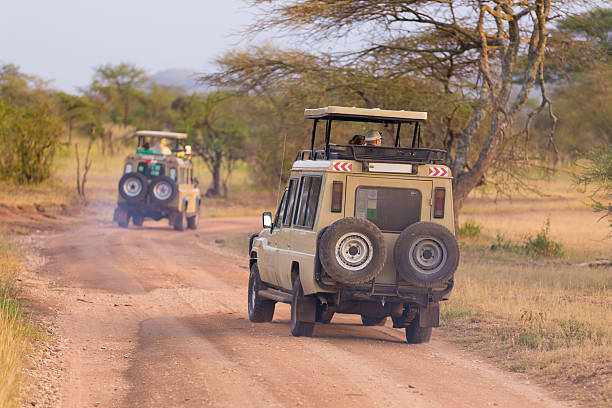
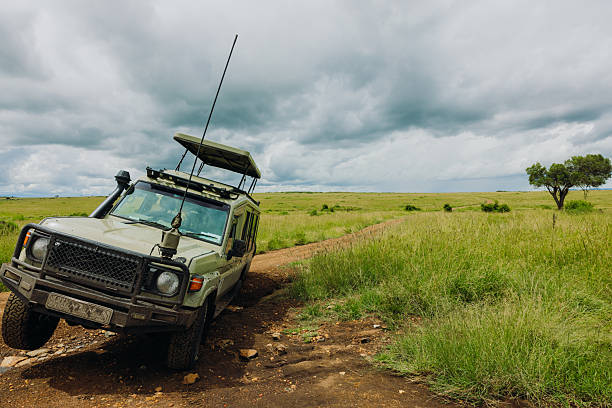
Africa Adventure Travel Insurance Guide: Essential Planning 2026-2027
Africa is a continent of unparalleled natural beauty and thrilling experiences. From the vast plains of the Serengeti to the majestic summit of Kilimanjaro and the idyllic beaches of Zanzibar, an African adventure promises memories to last a lifetime. As you plan your exciting journey for 2026 or 2027, one crucial element often overlooked is adequate travel insurance. This guide provides a thorough overview of Africa adventure travel insurance, ensuring your trip is protected against the unexpected.
Understanding Your Needs for Africa Adventure Travel Insurance
When considering Africa adventure travel insurance, it’s vital to recognize that standard travel insurance policies may not cover the specific risks associated with adventurous activities common in destinations like Tanzania. Whether you’re on a thrilling safari, trekking to Mount Kilimanjaro’s peak, or exploring the spice islands of Zanzibar, your insurance needs to be robust and tailored to your itinerary.
This comprehensive guide will help you navigate the complexities of choosing the right Africa adventure travel insurance. We’ll cover what to look for, common exclusions, essential coverage types, and how to make an informed decision for your 2026-2027 travels.
| Aspect | Details |
|---|---|
| Primary Need | Coverage for high-risk activities, medical emergencies, evacuation, trip cancellation/interruption, lost/stolen gear. |
| Key Activities Covered | Safari (game drives, walking safaris), Kilimanjaro trekking (all altitudes), Zanzibar water sports (diving, snorkeling), cultural tours. |
| Essential Coverage | Emergency medical expenses, medical evacuation (especially for Kilimanjaro), trip cancellation/interruption, lost baggage, personal liability. |
| Considerations for 2026-2027 | Policy updates, destination-specific advisories, provider reputation, pre-existing medical conditions. |
| Where to Buy | Specialist adventure travel insurance providers, some comprehensive travel insurance companies. |
Why Africa Adventure Travel Insurance is Non-Negotiable
Africa is a continent of incredible diversity, offering experiences that range from serene wildlife viewing to physically demanding expeditions. However, the very nature of adventure travel can expose you to higher risks. Specialized Africa adventure travel insurance is not just a recommendation; it’s a necessity for several reasons:
- Medical Emergencies: Remote locations, challenging terrain, and potential wildlife encounters can lead to injuries or illnesses. Access to immediate, quality medical care can be limited, and emergency evacuation can be extremely costly.
- High-Altitude Trekking: Climbing Mount Kilimanjaro, for instance, involves significant altitude, increasing the risk of altitude sickness, falls, and other medical issues. Evacuation from high altitudes is a complex and expensive operation.
- Wildlife Encounters: While safaris are generally safe when guided, unexpected encounters can occur. Insurance can cover medical treatment if an accident happens.
- Remote Locations: Many popular adventure destinations in Africa are far from major medical facilities. Evacuation to a hospital capable of handling your needs is crucial.
- Trip Disruptions: Flights can be delayed or canceled, political situations can change, and natural disasters can occur. Comprehensive coverage protects your investment.
- Lost or Damaged Equipment: Specialized gear for safaris or trekking can be expensive. Insurance can cover the loss or damage of essential items.
For your 2026 or 2027 adventure, failing to secure appropriate insurance could result in substantial out-of-pocket expenses, potentially running into tens or even hundreds of thousands of dollars for medical emergencies and evacuations.
Key Coverage Areas for Your Africa Adventure
When scrutinizing policies, focus on these critical coverage areas to ensure your Africa adventure travel insurance is adequate:
- Emergency Medical Expenses: This is paramount. Ensure the limit is high enough to cover potential hospital stays, surgeries, and doctor’s fees in African countries. A minimum of $100,000 is often recommended, but higher limits are preferable for serious incidents.
- Medical Evacuation and Repatriation: This is arguably the most critical component for adventure travel in Africa. It covers the cost of transporting you to the nearest adequate medical facility or back to your home country if medically necessary. For Kilimanjaro treks, ensure the policy specifically covers high-altitude evacuation. This can cost upwards of $50,000 to $100,000 or more.
- Trip Cancellation and Interruption: Protects your non-refundable trip costs if you have to cancel before departure or cut your trip short due to unforeseen covered reasons (e.g., illness, injury, natural disaster, severe weather impacting travel).
- Lost, Stolen, or Damaged Baggage: Covers essential personal belongings. Check the per-item limit and the overall policy limit. Specialized gear might require a separate rider or higher coverage.
- Adventure Sports/Activities Coverage: This is where many standard policies fall short. Ensure your policy explicitly covers activities like safari game drives, walking safaris, trekking (specify altitude if possible for Kilimanjaro), diving, snorkeling, and other adventure pursuits planned for your 2026-2027 trip.
- Personal Liability: Covers you if you accidentally cause injury to another person or damage their property.
- Accidental Death and Dismemberment (AD&D): Provides a payout in the event of death or severe injury.
- Travel Delay: Covers essential expenses like meals and accommodation if your trip is significantly delayed.
Activities Typically Covered and Excluded
The devil is in the details when it comes to adventure activities. Most policies will specify what is and isn’t covered. For an Africa adventure, pay close attention to:
Commonly Covered Activities:
- Standard safari game drives (in a vehicle)
- Guided walking safaris (check specific terms)
- Trekking at moderate altitudes (verify altitude limits for Kilimanjaro)
- Snorkeling and recreational diving (usually to a certain depth)
- Cultural tours and village visits
- Most forms of public and private transportation within the country
Potentially Excluded or Requiring Special Endorsement:
- High-Altitude Trekking: Climbing Mount Kilimanjaro (above 5,000 meters) often requires a specific adventure sports rider or a policy designed for mountaineering. Always declare your intent to climb Kilimanjaro.
- Off-Road Driving/Motorcycling: Unless part of an organized, guided tour with specific safety protocols.
- Extreme Sports: Activities like bungee jumping, paragliding (unless tandem with a certified instructor), or white-water rafting (depending on the grade).
- Scuba Diving: If you are not certified, or if diving beyond recreational limits (e.g., beyond 30-40 meters), or in hazardous conditions.
- Volunteering/Working: Most standard policies do not cover these activities.
- Traveling Against Medical Advice: If you travel when a doctor has advised against it.
Always read the policy wording (often called the PDS – Product Disclosure Statement or Policy Wording) carefully and contact the insurer if you are unsure about any activity planned for your 2026-2027 trip.
Choosing the Right Time to Buy Your Insurance
The best time to purchase your Africa adventure travel insurance is as soon as you book your non-refundable trip components. This ensures you are covered from the moment you make your booking. Purchasing early is particularly important for trip cancellation coverage, as it protects you against unforeseen events that might force you to cancel before you even depart.
For trips planned in 2026 or 2027, aim to buy your policy within 14-21 days of your initial trip deposit to maximize coverage for pre-existing conditions and ensure all benefits are active from day one.
Best Time to Visit Tanzania (and its Impact on Insurance)
Tanzania offers diverse experiences throughout the year, but certain periods are better suited for specific activities. Understanding seasonality helps in planning your trip and, consequently, your insurance needs.
| Period | Weather | Safari | Kilimanjaro Trekking | Zanzibar | Insurance Notes |
|---|---|---|---|---|---|
| June – October (Dry Season) | Cooler, dry, sunny days. Pleasant temperatures. | Excellent. Wildlife congregates around water sources. Great for photography. | Ideal. Clear skies, lower humidity, good trail conditions. Peak season. | Calm seas, pleasant breezes. Good for water sports. | Higher demand means book early. Ensure coverage for peak season activities. |
| November – December (Short Rains) | Brief, localized showers. Warmer. | Good. Landscapes turn green. Fewer tourists. | Possible, but trails can be muddy. Less crowded. | Can be humid, occasional showers. Still good for some water activities. | Check for weather-related travel disruption coverage. |
| January – March (Long Rains/Green Season) | Heavy, prolonged rains, especially April/May. Hot and humid. | Good for birdwatching and newborn wildlife. Lush scenery. Roads can be challenging. | Challenging. Trails are very muddy and slippery. High risk of delays. | Hot and humid, frequent heavy downpours. Best avoided for beach holidays. | Crucial to have cancellation/interruption coverage due to potential severe weather impacting travel plans for 2026-2027. |
| April – May (Long Rains) | Heavy rains, often making roads impassable. Cooler after rains. | Difficult. Many lodges close. Roads can be impassable. | Very difficult. Trails are treacherous. Kilimanjaro is generally not recommended. | Very wet and humid. High chance of cyclones. Avoid. | Ensure policy covers cancellations due to severe weather and impassable roads. |
Africa Adventure Travel Insurance for Specific Activities
Your itinerary dictates the type of insurance you need. Here’s a breakdown for common African adventures:
Safari Insurance
Standard safari trips involving game drives in vehicles are generally well-covered by most adventure travel policies. However, look for:
- Medical Expenses and Evacuation: Essential for remote park locations.
- Trip Cancellation/Interruption: Covers unexpected events that prevent your safari.
- Baggage Loss: For cameras, clothing, and other gear.
- Walking Safaris: If your itinerary includes guided walking safaris, confirm this activity is covered.
Kilimanjaro Trekking Insurance
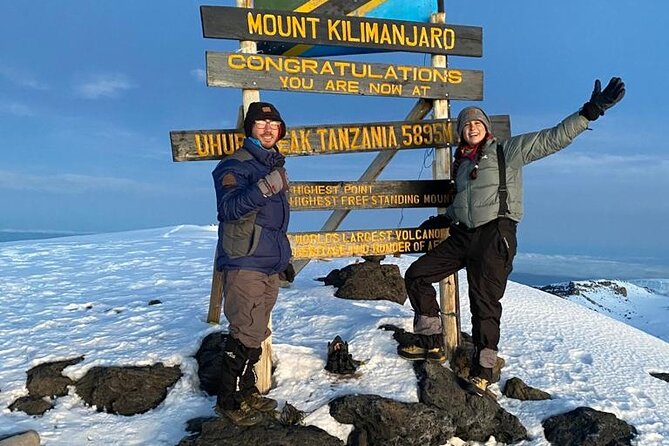
This is where specialized insurance is critical. Kilimanjaro reaches heights of 5,895 meters (19,341 feet).
- High-Altitude Medical Evacuation: This is non-negotiable. Ensure your policy covers evacuation from altitudes up to and including Kilimanjaro’s summit. Standard medical evacuation limits may not apply at extreme altitudes.
- Emergency Medical Expenses: For altitude sickness treatment, injuries from falls, or other medical issues.
- Trip Cancellation/Interruption: Due to illness before departure or during the trek.
- Coverage for the Specific Route: Some insurers may have limits on altitude.
- Search and Rescue: If you become lost or incapacitated on the mountain.
When purchasing Kilimanjaro trekking insurance for 2026 or 2027, explicitly state you are climbing Kilimanjaro and its approximate altitude.
Zanzibar Holiday Insurance
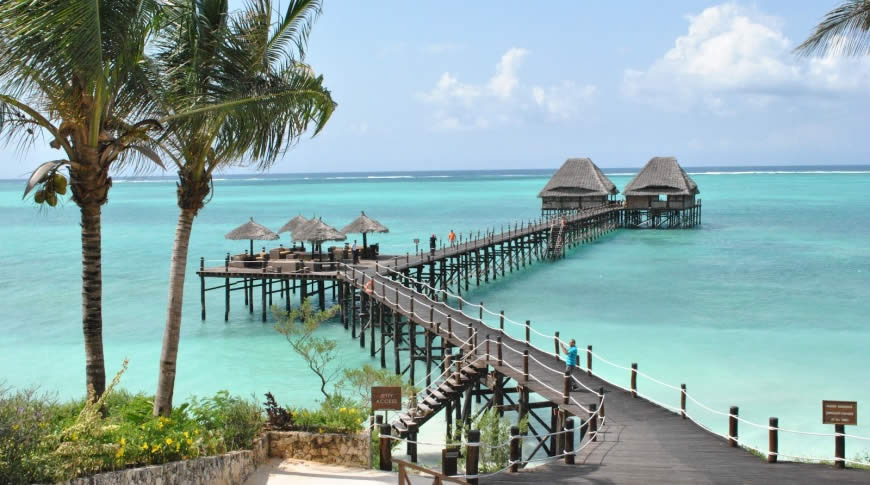
Zanzibar offers a mix of relaxation and water-based activities.
- Medical Expenses and Evacuation: Still important, though less critical than Kilimanjaro.
- Water Sports: Ensure coverage for snorkeling, diving (if certified and within depth limits), kayaking, and other activities you plan.
- Trip Cancellation/Interruption: For beach holidays.
- Lost/Stolen Valuables: Important for beach resorts and towns.
Pre-Existing Medical Conditions
Be upfront about any pre-existing medical conditions when applying for Africa adventure travel insurance. Insurers will ask detailed questions about your health history. Failure to disclose can invalidate your policy. Many policies offer coverage for pre-existing conditions if:
- You declare them and they are accepted by the insurer.
- You have not had a change in medication or treatment in a specified period before purchasing the policy.
- You have not been advised not to travel by a medical professional.
For 2026-2027 travel, ensure you understand the insurer’s definition of a pre-existing condition and their specific requirements for coverage.
Common Mistakes to Avoid When Buying Insurance
Many travelers make mistakes that leave them underinsured or uninsured. Avoid these pitfalls:
- Assuming standard insurance covers adventure activities: This is the most common error. Always verify coverage for specific activities like high-altitude trekking.
- Not declaring pre-existing medical conditions: This can lead to claim denial.
- Underestimating medical evacuation costs: This is extremely expensive in remote areas. Ensure high limits.
- Buying the cheapest policy without reading the fine print: Cheapest is rarely best when it comes to critical coverage.
- Not checking coverage for specific destinations: Some policies may exclude certain countries or regions due to political instability or health risks.
- Not insuring the full value of your trip: Ensure trip cancellation/interruption covers all non-refundable costs.
- Forgetting to declare companions: Ensure all travelers are listed on the policy.
- Not understanding policy exclusions: Read what is *not* covered.
Who is Africa Adventure Travel Insurance Best For?
This type of insurance is essential for:
- Active Travelers: Those who plan to engage in trekking, climbing, diving, or extensive wildlife viewing.
- Solo Travelers: Extra peace of mind when traveling independently.
- Families with Adventurous Children: Ensuring everyone is covered for potential mishaps.
- Budget Travelers: While seeming counterintuitive, unexpected medical bills can bankrupt a budget trip.
- Anyone Trekking Kilimanjaro: As highlighted, this is a critical necessity.
- Travelers to Remote Areas: Where access to advanced medical care is limited.
Alternatives and Additional Considerations
While specialized insurance is key, consider these points:
- Repatriation of Remains: Some policies include this, others don’t.
- Repatriation of Dependent Children: If you are hospitalized and unable to care for your children.
- Cancel For Any Reason (CFAR) coverage: An optional add-on that offers broader cancellation flexibility, though it’s more expensive and usually covers only a percentage of trip costs.
- Travel Credit Cards: Some premium travel credit cards offer limited travel insurance benefits, but these are rarely sufficient for serious adventure travel. Always check the fine print and rely on a dedicated policy.
Planning Your 2026-2027 African Adventure: Insurance Checklist
To ensure you are fully prepared for your 2026 or 2027 adventure, use this checklist:
- Research Your Activities: List all planned activities, especially those considered adventurous (trekking, diving, etc.).
- Determine Trip Cost: Calculate the total non-refundable cost of your trip (flights, accommodation, tours).
- Identify Medical Needs: List any pre-existing conditions and consult your doctor.
- Research Insurers: Look for companies specializing in adventure travel insurance. Read reviews.
- Compare Policies: Obtain quotes from multiple providers. Compare coverage limits, deductibles, exclusions, and specific activity coverage.
- Read Policy Wording: Understand the terms, conditions, and exclusions thoroughly.
- Declare Accurately: Be honest about your health and planned activities.
- Purchase Early: Buy your insurance as soon as you book your trip.
- Keep Documents Accessible: Store your policy details and emergency contact numbers safely, both digitally and physically.
Sample Itinerary Logic and Insurance Needs: A Tanzania Example
Consider a typical 10-day Tanzania adventure from Best Tanzania Tour Operator. This itinerary logic highlights where insurance is crucial.
| Day(s) | Location/Activity | Primary Insurance Focus |
|---|---|---|
| 1-2 | Arrival Kilimanjaro International Airport (JRO), transfer to Arusha. Acclimatization, gear check. | Trip cancellation/interruption (if flight delayed). Baggage loss. |
| 3-7 | Mount Kilimanjaro Trek (e.g., Machame Route). Ascending to high altitude, camping. | CRITICAL: High-altitude medical evacuation, emergency medical expenses, search & rescue. Trip interruption (if forced to descend). |
| 8 | Descend Kilimanjaro, transfer to Arusha. Rest and recovery. | Medical expenses for trek-related injuries. |
| 9-10 | Transfer to Tarangire National Park for a full-day game drive. Return to Arusha for departure. | Safari vehicle accident coverage, medical expenses, baggage loss. Trip interruption (if park access is blocked). |
This example shows how different parts of a trip require varying levels of insurance focus. For the Kilimanjaro portion, specialized coverage is paramount. For safari, while important, the risks are generally lower than high-altitude trekking.
Booking Your Africa Adventure Travel Insurance for 2026-2027
When it comes time to book, follow these steps:
- Get Quotes Online: Use comparison websites or go directly to reputable adventure travel insurance providers.
- Provide Accurate Information: Be precise about your travel dates, destination, ages of travelers, and planned activities.
- Review Policy Documents: Before clicking ‘buy’, download and read the full policy wording. Pay attention to the schedule of benefits, limits, deductibles, and exclusions.
- Contact the Insurer with Questions: If anything is unclear, call or email them. It’s better to ask than to assume.
- Purchase and Save Documents: Once satisfied, complete the purchase. Save your policy certificate, PDS, and emergency contact information. Keep a digital copy and a physical copy separate from your main travel documents.
Consider providers that have a strong reputation for handling claims efficiently, especially for emergency medical evacuations. For your 2026-2027 adventures, planning ahead and choosing wisely will provide the best protection.
Frequently Asked Questions About Africa Adventure Travel Insurance
1. Do I need separate insurance for Kilimanjaro if I already have travel insurance?
Yes, almost certainly. Standard travel insurance policies typically exclude high-altitude trekking like Mount Kilimanjaro. You will need a policy that specifically covers mountaineering or trekking up to 6,000 meters, with robust medical evacuation from high altitudes. This is crucial for your 2026-2027 trek.
2. What is the most important coverage for an African safari?
The most critical coverage for an African safari is emergency medical expenses and, especially, medical evacuation. Safaris often take place in remote areas far from adequate medical facilities, making evacuation extremely expensive if an accident or serious illness occurs.
3. Can I get travel insurance if I have a pre-existing medical condition?
Yes, many insurers offer coverage for pre-existing medical conditions, but you must declare them during the application process. They will assess your condition and may charge a higher premium or apply specific terms. Failure to declare can void your policy.
4. How much should my medical evacuation coverage be for Tanzania?
For Tanzania, especially if trekking Kilimanjaro, aim for a medical evacuation limit of at least $100,000 USD, and preferably higher if available. The actual cost of evacuation from remote areas or high altitudes can easily exceed this amount.
5. What activities are usually excluded from adventure travel insurance?
Common exclusions include professional sports, unguided or extreme activities, travel against medical advice, and incidents occurring while under the influence of alcohol or drugs. Always check the policy wording for a full list of exclusions.
6. Does my insurance cover lost camera equipment on safari?
Most policies offer coverage for lost, stolen, or damaged baggage, which would include camera equipment. However, there are often per-item limits and an overall policy limit. Check these carefully, as high-value camera gear might require a specific rider or higher coverage limit.
7. Can I buy travel insurance after I have already booked my trip?
Yes, you can purchase travel insurance after booking your trip. However, to ensure you have the maximum benefit for trip cancellation coverage, it’s best to buy it as soon as possible after booking your non-refundable components, ideally within 14-21 days of your first payment.
8. What if my trip is cancelled due to COVID-19 or other pandemics in 2026 or 2027?
Coverage for pandemic-related cancellations varies significantly. Some policies offer specific pandemic coverage, while others do not. Check the policy wording carefully for clauses related to government travel bans, border closures, or widespread epidemics. It’s wise to look for policies that offer some level of pandemic-related flexibility for your 2026-2027 travel plans.
9. Do I need a separate policy for a short day trip within Tanzania?
Generally, a short day trip within Tanzania would be covered under your main adventure travel insurance policy, provided the activities involved are covered. However, if the day trip is particularly adventurous (e.g., a challenging hike or specialized water sport), confirm it’s included.
10. How do I make a claim on my Africa adventure travel insurance?
In the event of a claim, contact your insurer as soon as possible. You will typically need to provide your policy details, documentation of the incident (e.g., police reports for theft, medical reports for illness/injury), and receipts for any expenses incurred. Keep all original documents and receipts.
Secure Your African Dream Trip with the Right Insurance
An African adventure is an investment in unforgettable experiences. Protecting that investment, and more importantly, your well-being, is paramount. By understanding the nuances of Africa adventure travel insurance, you can select a policy that offers comprehensive protection for safaris, Kilimanjaro treks, Zanzibar holidays, and all the exciting activities you plan for 2026 and 2027.
Don’t let the unexpected disrupt your journey. Take the time to research, compare, and secure the right Africa adventure travel insurance. For personalized advice and assistance with planning your Tanzanian adventure, reach out to our team. We can help guide you on the types of activities that require specific insurance considerations.
Contact us today to start planning your incredible 2026-2027 African adventure:
WhatsApp: +255616946642
Email: topguideadventures@gmail.com
Backup Email: info@topguideadventures.com
Plan your Africa Adventure Travel Insurance Guide with Top Guide Adventures
Tell us your travel dates, group size, comfort level, and dream experience. We will help you shape a clear, realistic, and memorable Tanzania itinerary.

 Veedesigner
 Fatma Kizanga
 Benjamin Waryuba
 Philip Philip
 John jr Itaja
 Antonia Optatus
 Edith Kanyere
 Neema Iddy
 Kelvin Boniphace
 Damari Maiga



