
Updated planning guide for 2026-2027
Africa Journey Planning For Long Trips: Complete Guide 2026-2027
Planning an extensive journey across Africa requires careful consideration. This guide provides expert advice on creating an unforgettable long-term African adventure, covering everything from initial ideas to booking your trip for 2026-2027.
WhatsApp +255616946642 | topguideadventures@gmail.com | info@topguideadventures.com
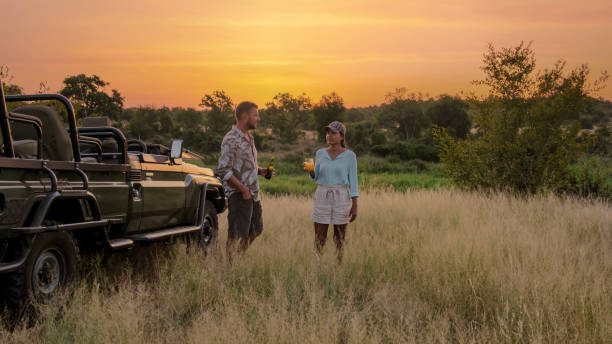
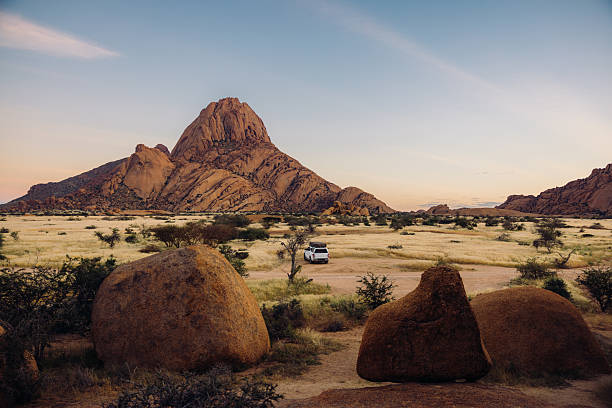
Africa Journey Planning for Long Trips: The Ultimate Guide
Planning an Africa journey for long trips is an exciting prospect, promising unforgettable experiences across diverse landscapes and cultures. Whether you dream of vast savannas teeming with wildlife, the majestic heights of Kilimanjaro, the spice-scented air of Zanzibar, or a deep dive into local communities, a well-structured plan is key. This comprehensive guide is designed to help you navigate the complexities of creating your ideal long-term African adventure, focusing on practical advice and expert insights for 2026-2027.
A long trip to Africa isn’t just a vacation; it’s an immersion. It requires more than just booking flights and hotels. It involves understanding the rhythm of the continent, respecting its people and environments, and preparing for a journey that will likely change your perspective. From choosing the right destinations and activities to managing your budget and ensuring your safety, every detail matters. Let’s break down the essential steps for successful Africa journey planning for long trips.
Quick Facts for Long African Journeys
| Aspect | Details for Long Trips |
|---|---|
| Duration | Typically 3 weeks to several months. |
| Key Destinations | Tanzania (safari, Kilimanjaro, Zanzibar), Kenya, South Africa, Botswana, Namibia, Rwanda, Uganda, Morocco, Egypt. |
| Primary Activities | Wildlife safaris, trekking, cultural immersion, beach relaxation, historical exploration, city breaks. |
| Best Time to Travel | Varies by region; generally dry seasons are popular for safaris and trekking (e.g., June-October, January-February for Tanzania). Wet seasons offer different wildlife viewing and fewer crowds. |
| Visa Requirements | Essential to research for each country. Many require advance application. East African Tourist Visa can be useful for Kenya, Uganda, Rwanda. |
| Health Precautions | Consult a travel doctor well in advance. Vaccinations (Yellow Fever, Typhoid, Hepatitis A) and malaria prophylaxis are often recommended. |
| Budget Considerations | Significant variability based on accommodation, activities, and travel style. Long trips require careful budgeting for daily expenses, transport, and contingency. |
Table of Contents
- Understanding Your Long African Journey
- Why Detailed Planning is Crucial for Long Trips
- Best Time to Visit Key African Destinations for Long Trips
- Sample Long Trip Itineraries & Route Ideas
- What to Expect on a Long African Journey
- Essential Inclusions, Packing & Preparation
- Common Mistakes to Avoid in Africa Journey Planning
- Who is a Long African Journey Best Suited For?
- Alternatives to a Single Long Trip
- Planning Your 2026-2027 Africa Journey
- Booking Your Long African Adventure
- Frequently Asked Questions
Understanding Your Long African Journey
Africa is a continent of immense scale and diversity. A ‘long trip’ can mean many things. Are you aiming to traverse multiple countries, perhaps following a specific route like the Great Migration, or are you dedicating a significant amount of time to exploring one or two countries in depth? For instance, a month in Tanzania could encompass Serengeti and Ngorongoro safaris, a Kilimanjaro climb, and relaxation on Zanzibar. Alternatively, a three-month journey might link Tanzania with Kenya, Uganda for gorilla trekking, and then venture south to Rwanda or even further afield.
The scope of your journey dictates the planning intensity. A multi-country trip requires meticulous coordination of visas, transportation, and accommodation across borders. A deep dive into a single country allows for a more relaxed pace and richer local experiences. Consider your primary interests: wildlife, adventure, culture, history, or a blend. This will help narrow down your destination choices and the types of activities you’ll pursue.
For travelers focusing on Tanzania, a long trip offers unparalleled opportunities. You can spend weeks exploring its iconic national parks, ascend the continent’s highest peak, and unwind on tropical beaches. This guide will use Tanzania as a prime example for illustrating long trip planning principles, given its popularity and diverse offerings.
Why Detailed Planning is Crucial for Long Trips
Spontaneity has its place, but for long trips across Africa, thorough planning is non-negotiable. Several factors make detailed preparation essential:
- Logistics and Geography: Africa’s vast distances and varied infrastructure mean that travel between locations can be time-consuming and complex. Road conditions, flight availability, and internal transport options need careful consideration.
- Visa Requirements: Each country has its own entry regulations. For a multi-country trip, this can become a significant administrative task. Some visas must be obtained in advance, adding a layer of complexity to last-minute changes.
- Health and Safety: Consulting a travel doctor for necessary vaccinations and malaria precautions is vital, especially for extended stays. Understanding local safety advisories and having emergency contacts readily available is paramount.
- Seasonal Variations: Weather patterns significantly impact wildlife viewing, trekking conditions, and even road accessibility. Planning around the best seasons for your chosen activities and destinations maximizes your experience.
- Budget Management: Long trips require careful financial planning. Understanding typical costs for accommodation, activities, food, and internal travel helps in setting a realistic budget and avoiding overspending.
- Booking in Advance: Popular lodges, specific safari vehicles, and Kilimanjaro climbs, especially during peak seasons, often require booking many months, if not a year, in advance.
By investing time in planning your Africa journey for long trips, you mitigate potential problems, enhance your safety, and ensure you make the most of your valuable time and resources.
Best Time to Visit Key African Destinations for Long Trips
The ‘best’ time to visit depends heavily on your chosen destinations and activities. For many, a long trip aims to experience the peak of certain natural phenomena, like the Great Migration or ideal trekking weather.
| Destination/Activity | Primary Dry Season (Best for Safaris/Trekking) | Secondary Dry Season/Shoulder Season (Fewer Crowds, Good Value) | Wet Season (Lush Landscapes, Birdlife, Lower Prices) |
|---|---|---|---|
| Tanzania (Serengeti, Ngorongoro) | June – October; January – February (Calving Season) | March – May (long rains may persist) | November – December (short rains) |
| Mount Kilimanjaro Trekking | June – October; January – February | March – May (can be wet, muddy) | November – December (short rains, can be wet) |
| Zanzibar | June – October; December – March | April – May (long rains) | November (short rains) |
| Kenya (Masai Mara) | June – October; January – February (Migration often here) | March – May | November – December |
| Uganda/Rwanda (Gorilla Trekking) | June – August; December – February (Drier trails) | March – May; September – November (Can be muddy, but possible year-round) | Year-round, but trails can be very wet. |
| South Africa (Kruger) | May – September (Easier to spot animals as vegetation thins) | October – April (Warmer, greener, but animals more dispersed) | N/A (generally considered year-round, with dry season preferred) |
For a long trip spanning multiple regions, you might need to strategically plan your route to align with favorable weather conditions in each area, or be prepared for some rain. For example, starting in Tanzania during its dry season (June-October) and then heading north to Kenya for the migration, before potentially flying south to South Africa for their dry season.
Sample Long Trip Itineraries & Route Ideas
Crafting a compelling itinerary is at the heart of Africa journey planning for long trips. Here are a few conceptual routes, adaptable to your interests and duration.
Example 1: The Ultimate Tanzania Explorer (4 Weeks)
Week 1: Northern Circuit Safari Immersion
- Days 1-2: Arrive Kilimanjaro International Airport (JRO), transfer to Arusha. Briefing and preparation.
- Days 3-5: Tarangire National Park (known for elephants and baobabs).
- Days 6-7: Lake Manyara National Park (tree-climbing lions, birdlife).
- Days 8-10: Serengeti National Park (central and western corridors, depending on migration timing).
- Days 11-12: Ngorongoro Crater (dense wildlife, unique ecosystem).
- Day 13: Maasai village visit or cultural experience.
Week 2: Kilimanjaro Ascent (Choose Your Route)
- Days 14-20 (approx.): Mount Kilimanjaro climb (e.g., Machame or Lemosho route, 7-8 days).
- Day 21: Descend Kilimanjaro, transfer to Moshi/Arusha for rest and celebration.
Week 3: Zanzibar’s Tropical Charm
- Day 22: Fly from Arusha/Kilimanjaro to Zanzibar (ZNZ). Transfer to Stone Town.
- Days 23-24: Explore Stone Town (UNESCO World Heritage site), spice tours, historical sites.
- Days 25-28: Transfer to a beach resort (e.g., Nungwi, Kendwa, Paje) for relaxation, snorkeling, diving, water sports.
Week 4: Deeper Zanzibar & Departure
- Days 29-30: Jozani Forest (Red Colobus monkeys), Prison Island (giant tortoises), more beach time.
- Day 31: Last-minute souvenir shopping in Stone Town.
- Day 32: Depart from Zanzibar (ZNZ).
Example 2: East Africa Adventure (6-8 Weeks)
This route offers a taste of multiple iconic East African experiences.
Conceptual Route Overview
Kilimanjaro (Tanzania) -> Serengeti/Ngorongoro (Tanzania) -> Masai Mara (Kenya) -> Lake Victoria Region (Cultural Exchange) -> Jinja/Kampala (Uganda) -> Bwindi Impenetrable Forest (Uganda Gorilla Trekking) -> Kigali (Rwanda) -> Optional: Akagera National Park (Rwanda Safari).
Detailed Breakdown:
- Weeks 1-2: Tanzania Safari & Kilimanjaro (As per Example 1, or focus solely on safari if not climbing Kili).
- Weeks 3-4: Kenya Safari & Migration Fly to Masai Mara. Explore the Mara, potentially timing with the Great Migration (July-October). Consider a flight to the Maasai Mara from Serengeti for efficiency.
- Week 5: Lake Victoria & Culture Travel overland or fly to the Lake Victoria region (e.g., Mwanza in Tanzania or Kisumu in Kenya). Visit local fishing villages, explore islands, and experience the culture around Africa’s largest lake.
- Week 6: Uganda – Source of the Nile & Kampala Overland travel or flight to Uganda. Visit Jinja for adventure activities (white-water rafting) and explore Kampala.
- Weeks 7-8: Gorilla Trekking & Rwanda Travel to Bwindi Impenetrable National Park for gorilla trekking. Depending on time and budget, you could cross into Rwanda for more gorilla permits in Volcanoes National Park, visit Kigali, and perhaps a short safari in Akagera National Park.
Example 3: Southern Africa Deep Dive (6-10 Weeks)
This route focuses on the diverse landscapes and wildlife of Southern Africa.
Conceptual Route Overview
Kruger National Park (South Africa) -> Panorama Route (South Africa) -> Johannesburg (South Africa) -> Victoria Falls (Zimbabwe/Zambia) -> Chobe National Park (Botswana) -> Okavango Delta (Botswana) -> Namibia (Etosha, Sossusvlei, Skeleton Coast).
Detailed Breakdown:
- Weeks 1-2: South Africa – Wildlife & Scenery Start in Kruger National Park for extensive game drives. Explore the scenic Panorama Route. Spend a day or two in Johannesburg for history and culture.
- Week 3: Victoria Falls & Zambezi Travel to Victoria Falls. Experience the falls, optional activities like bungee jumping, sunset cruises on the Zambezi. Decide whether to stay on the Zimbabwe or Zambia side.
- Weeks 4-5: Botswana – Delta & Chobe Cross into Botswana. Focus on Chobe National Park (famous for elephant herds) and the unique Okavango Delta (mokoro safaris, walking safaris). This can be a more expensive region.
- Weeks 6-10: Namibia – Deserts & Dunes Travel into Namibia. Explore Etosha National Park (unique waterhole viewing), the towering dunes of Sossusvlei, the dramatic landscapes of Damaraland, and the rugged Skeleton Coast. This requires significant driving or internal flights.
These are just starting points. Your long Africa journey can be customized to include specific interests, such as bird watching, photography, historical sites, or community-based tourism.
What to Expect on a Long African Journey
Long-term travel in Africa offers profound rewards but also unique challenges. Setting realistic expectations is part of effective planning.
- Pace of Travel: Travel can be slower than you’re used to. Roads might be unpaved, flights can be delayed, and border crossings can take time. Embrace the slower pace; it’s part of the experience.
- Accommodation: Options range from luxury lodges and tented camps to comfortable mid-range hotels and more basic guesthouses. For long trips, a mix is often ideal for budget and experience. Expect varying standards of amenities.
- Food: Expect local cuisine, which is often delicious and diverse. Staples include rice, ugali (maize porridge), beans, and various stews. In tourist areas, international options are available. Be cautious with street food and always drink bottled or purified water.
- Connectivity: Wi-Fi can be unreliable outside major cities and high-end lodges. Consider purchasing local SIM cards for data access. Offline maps and communication apps are useful.
- Cultural Differences: Be prepared for different customs, social norms, and approaches to time. Respect local traditions, dress modestly in rural areas and religious sites, and always ask permission before taking photos of people.
- Wildlife Encounters: While safaris offer incredible opportunities, wildlife sightings are never guaranteed. Patience and experienced guides are key. Respect wildlife by maintaining a safe distance and never feeding animals.
- Health & Hygiene: Maintaining good hygiene is crucial. Carry hand sanitizer, insect repellent, and a basic first-aid kit. Be mindful of food and water safety to avoid traveler’s stomach.
Essential Inclusions, Packing & Preparation
For a long Africa journey, packing smart is crucial. You’ll need versatile clothing, essential gear, and preparedness for various conditions.
Key Inclusions to Consider (Depending on Tour Type)
If booking with a tour operator for parts of your trip, understand what’s typically included:
| Inclusions | Details |
|---|---|
| Accommodation | Lodges, tented camps, hotels. Specify star rating. |
| Meals | Full board, half board, or breakfast only. Specify which meals are included. |
| Transportation | 4×4 safari vehicles, transfers, internal flights. |
| Park Fees | Entrance fees for national parks and reserves. |
| Activities | Game drives, guided walks, cultural visits, boat trips. |
| Guides & Staff | Professional, licensed guides; drivers; camp staff. |
| Kilimanjaro Specific | Porters, cook, climbing permits, rescue fees. |
Essential Packing List for Long Trips
- Clothing:
- Lightweight, breathable fabrics (cotton, linen, quick-dry synthetics).
- Neutral colors (khaki, beige, olive green) for safaris – avoid bright colors and dark blue/black which can attract insects.
- Long-sleeved shirts and trousers for sun and insect protection, especially in evenings.
- Warm fleece or jacket for cool mornings/evenings, especially at higher altitudes or during winter months (June-August).
- Comfortable walking shoes or hiking boots (broken in!).
- Sandals or flip-flops for camp/lodge.
- Swimsuit for Zanzibar or lodge pools.
- A light rain jacket or poncho.
- Socks (moisture-wicking).
- Gear:
- Backpack (day pack) for daily excursions.
- Duffel bag or soft-sided luggage (hard suitcases can be difficult to manage in vehicles).
- Water bottle (reusable, at least 1-2 liters).
- Binoculars (essential for wildlife viewing).
- Camera with extra batteries and memory cards.
- Power bank and universal travel adapter.
- Headlamp or flashlight with extra batteries.
- Sunscreen (high SPF), sunglasses, wide-brimmed hat.
- Insect repellent (with DEET or Picaridin).
- Personal first-aid kit (band-aids, antiseptic wipes, pain relievers, motion sickness medication, any personal prescriptions).
- Hand sanitizer.
- Dry bag for protecting electronics.
- Small towel (quick-dry).
- Documents & Money:
- Passport (with at least 6 months validity and blank pages).
- Visas (if required in advance).
- Copies of passport, visas, flight tickets, insurance. Keep digital copies too.
- Yellow Fever vaccination certificate (often required for entry).
- Travel insurance details.
- Credit/debit cards and some USD cash (small denominations for tips and small purchases).
- Driver’s license (if planning to rent a car, though unlikely for long African journeys).
Preparation Checklist
- Consult a travel doctor 6-8 weeks before departure.
- Get necessary vaccinations and prescriptions (malaria pills).
- Purchase comprehensive travel insurance.
- Book flights and key accommodations/tours well in advance.
- Research and apply for visas for all countries.
- Inform your bank about your travel dates.
- Pack appropriate clothing and gear.
- Learn a few basic phrases in local languages (e.g., Swahili).
- Download offline maps and useful apps.
- Arrange for pet care or house sitting if needed.
- Ensure your passport is valid.
Common Mistakes to Avoid in Africa Journey Planning
Even experienced travelers can make missteps. Being aware of common pitfalls can save you time, money, and stress.
- Underestimating Travel Times: Africa is vast. Don’t try to cram too many destinations into a short period, or you’ll spend most of your time in transit. A 4-week trip might realistically cover 2-3 major areas, not 5 countries.
- Ignoring Visa Requirements: Visas can be complex and time-consuming. Research thoroughly for *each* country you plan to visit. Some visas require applications weeks or months in advance.
- Not Consulting a Travel Doctor: Health is paramount. Delaying or skipping this step can lead to serious illness. Always get advice on vaccinations, malaria prevention, and other health concerns specific to your destinations.
- Packing Inappropriately: Overpacking or packing the wrong items (e.g., bright clothing on safari, high heels) can hinder your experience. Stick to practical, comfortable, and versatile items.
- Assuming Everything is Easily Available: While major cities have amenities, remote areas have limited options. Bring essentials like specific medications, toiletries, and any specialized gear you might need.
- Not Budgeting for Park Fees and Activities: These can be significant costs, especially in popular parks and for activities like gorilla trekking or Kilimanjaro climbs. Factor them into your budget early.
- Booking Everything Independently Without Local Expertise: For complex itineraries or remote areas, working with a local tour operator can simplify logistics, ensure quality, and provide invaluable local knowledge.
- Ignoring Local Culture and Etiquette: Respecting local customs is vital. Dress appropriately, ask permission before photographing people, and be mindful of local traditions to foster positive interactions.
- Not Having a Contingency Fund: Unexpected events can happen – flight delays, minor medical issues, or simply wanting to extend your stay in a favorite spot. Having a buffer is wise.
- Relying Solely on Mobile Connectivity: Internet access can be spotty. Download offline maps, essential information, and communication tools. Don’t assume you can always be online.
Who is a Long African Journey Best Suited For?
A long trip to Africa is an investment of time and resources, making it ideal for specific types of travelers:
- The Dedicated Explorer: Those who want to go beyond a superficial visit and truly immerse themselves in a destination’s culture, landscapes, and wildlife.
- The Adventure Enthusiast: Individuals seeking multiple adventure activities like trekking, climbing, white-water rafting, or multi-day walking safaris.
- The Wildlife Aficionado: Photographers, naturalists, and wildlife lovers who want ample time to observe animals in their natural habitats across different ecosystems and seasons.
- The Cultural Seeker: Travelers eager to understand the nuances of African societies, engage with local communities, and explore historical sites in depth.
- The Slow Traveler: Those who prefer a relaxed pace, allowing for spontaneous discoveries, deeper connections, and a less rushed experience.
- The Gap Year Student or Sabbatical Taker: Individuals with extended time off who want a meaningful, life-enriching experience.
- Honeymooners Seeking Extended Romance: Couples looking for a unique, multi-faceted honeymoon combining adventure, relaxation, and incredible scenery.
It’s less suited for those on a very tight budget who can only afford short trips, or those who prefer highly structured, fast-paced itineraries with predictable outcomes.
Alternatives to a Single Long Trip
If a single, continuous long trip isn’t feasible, consider these alternatives:
- Multiple Shorter Trips: Instead of one 3-month trip, plan several 2-3 week trips over a few years to different regions. For example, a Tanzania safari and Zanzibar trip one year, followed by a South Africa and Victoria Falls trip the next.
- Focus on a Region: Dedicate a longer trip (e.g., 4-6 weeks) to a specific, well-connected region like East Africa (Tanzania, Kenya, Uganda) or Southern Africa (South Africa, Botswana, Zimbabwe/Zambia).
- The ‘Hub and Spoke’ Model: Base yourself in a major city or a central location for a longer period and take shorter excursions to surrounding areas. For instance, basing in Nairobi or Arusha and taking multiple shorter safaris and day trips.
- Combination of Guided & Independent Travel: Book a major guided tour (like a Kilimanjaro climb or a multi-day safari) and then spend time exploring independently before or after.
Planning Your 2026-2027 Africa Journey
As you look ahead to planning your Africa journey for long trips in 2026-2027, here are some forward-looking tips:
- Book Key Elements Early: For 2026-2027 travel, especially for peak seasons or popular activities like Kilimanjaro climbs or gorilla permits, booking 9-18 months in advance is advisable. This is particularly true for 2027 as availability can fill up quickly.
- Monitor Travel Advisories: Stay updated on any travel advisories or entry requirements that may change for your chosen destinations. Government travel websites are primary sources.
- Consider Emerging Destinations: While classic destinations remain popular, explore lesser-known parks or regions for a more unique experience and potentially better value.
- Flexibility is Key: While planning is crucial, build some flexibility into your itinerary. This allows for spontaneous opportunities or necessary adjustments due to unforeseen circumstances.
- Sustainable Travel Practices: For 2026-2027, consider how you can travel more sustainably. Choose eco-friendly lodges, support local communities, and minimize your environmental footprint.
- Research Tour Operators Thoroughly: Look for operators with a strong reputation, good reviews, and a clear understanding of your needs. For custom long trips, working with an expert is invaluable.
Booking Your Long African Adventure
The way you book your long African journey can significantly impact its success. Consider these points:
- DIY vs. Tour Operator: For complex, multi-country long trips, a reputable tour operator is often the most efficient and stress-free option. They handle logistics, secure permits, and have local knowledge. For simpler, single-country trips, you might opt for more DIY planning.
- Choosing a Local Operator: When booking safaris, Kilimanjaro treks, or Zanzibar holidays, a local operator based in Tanzania, like Top Guide Adventures, often provides better value, deeper local insight, and direct support. They understand the nuances of local conditions, permits, and logistics better than many international agents.
- Customization: A long trip is personal. Ensure your chosen operator can create a fully customized itinerary tailored to your interests, pace, and budget. Avoid generic packages if you want a truly unique experience.
- Read the Fine Print: Understand cancellation policies, what’s included and excluded, and payment schedules. For long trips, flexible booking terms can be a significant advantage.
- Trust Your Gut: If something feels off about a booking process or an operator’s communication, it’s best to look elsewhere. Good communication and transparency are vital.
- Booking Timeline for 2026-2027: For popular destinations and peak seasons in 2026 and especially 2027, start your inquiries and bookings 12-18 months in advance. This applies to Kilimanjaro climbs, gorilla permits, and prime safari lodge accommodations.
Ready to plan your ultimate Africa journey for long trips? Let us help you craft an unforgettable adventure. We specialize in creating bespoke itineraries that capture the essence of Tanzania and beyond, from thrilling safaris and challenging treks to relaxing island escapes. Our expert team is dedicated to ensuring your journey is seamless and spectacular.
Contact Top Guide Adventures today:
- WhatsApp: +255616946642
- Email: topguideadventures@gmail.com
- Backup Email: info@topguideadventures.com
Frequently Asked Questions
Q1: How far in advance should I start planning Africa journey planning for long trips for 2027?
A1: For 2027, especially if you’re targeting peak seasons (like July-October for safaris or specific times for Kilimanjaro), it’s highly recommended to start planning and booking 12-18 months in advance. This gives you the best availability for flights, lodges, and permits, particularly for popular activities like gorilla trekking or climbing Mount Kilimanjaro.
Q2: What is the most important health precaution for a long trip to Africa?
A2: The most critical health step is consulting a travel doctor 6-8 weeks before your trip. They will advise on necessary vaccinations (like Yellow Fever, Hepatitis A, Typhoid) and the appropriate malaria prophylaxis for the regions you’ll visit. Always follow their guidance and carry a personal first-aid kit.
Q3: Is it better to book a long trip independently or with a tour operator?
A3: For long, multi-country trips or complex itineraries, a reputable tour operator is often the best choice. They handle intricate logistics, visa coordination, and local bookings, saving you significant time and stress. For a single country or simpler route, a more independent approach might be feasible, but local expertise is always beneficial.
Q4: What kind of budget should I expect for a 6-week trip to East Africa in 2026?
A4: Budgets vary immensely based on travel style (budget, mid-range, luxury), specific activities (e.g., gorilla permits are expensive), and accommodation choices. A rough estimate for a mid-range 6-week East Africa trip in 2026 could range from $5,000 to $10,000+ per person, excluding international flights. This covers internal transport, accommodation, park fees, and most meals.
Q5: How do I handle money and payments during a long trip in Africa?
A5: It’s wise to have a combination of methods. Carry some US dollars in cash for tips, visas on arrival (if applicable), and small purchases. Use credit/debit cards for larger expenses like lodge bookings or in larger establishments. Inform your bank of your travel dates to avoid blocked cards. ATMs are available in most cities and larger towns.
Q6: Can I combine a safari with Kilimanjaro and Zanzibar in one long trip?
A6: Absolutely! This is a very popular and feasible combination for a long trip to Tanzania. A typical duration for this would be at least 3-4 weeks, allowing sufficient time for safari in the Northern Circuit, the trek itself, and relaxation on Zanzibar. Planning this as a package with a local operator is efficient.
Q7: What are the visa requirements for a multi-country East African trip?
A7: Visa requirements differ by country. For Tanzania, you can often get a visa on arrival or apply online. For Kenya and Uganda, e-visas are common. The East African Tourist Visa, if still available and applicable, can be a cost-effective option for visiting Kenya, Uganda, and Rwanda consecutively. Always check the latest requirements for each country well in advance.
Q8: What is the best way to travel between countries in East Africa for a long trip?
A8: For long trips, a combination of internal flights and overland travel is often most efficient. Flights save significant time between distant points (e.g., from northern Tanzania to Rwanda). Overland travel via private vehicle or reputable bus services is common for shorter distances and offers more local immersion, but takes much longer.
Start Planning Your Unforgettable Africa Journey for Long Trips
Your dream of an extensive African adventure is within reach. Whether you envision days spent tracking wildlife across the Serengeti, conquering the heights of Kilimanjaro, or soaking up the sun on Zanzibar’s pristine beaches, meticulous Africa journey planning for long trips is the foundation for success. For 2026-2027, early planning ensures you secure the best experiences and accommodations.
Top Guide Adventures is your trusted partner in creating personalized, unforgettable long-term African journeys. We combine local expertise with a passion for authentic travel experiences. Let us handle the complexities so you can focus on the magic of Africa.
Get in touch with our expert team today to begin crafting your custom itinerary:
- WhatsApp: +255616946642
- Email: topguideadventures@gmail.com
- Backup Email: info@topguideadventures.com
Plan your Africa Journey Planning for Long Trips with Top Guide Adventures
Tell us your travel dates, group size, comfort level, and dream experience. We will help you shape a clear, realistic, and memorable Tanzania itinerary.







 Veedesigner
 Fatma Kizanga
 Benjamin Waryuba
 Philip Philip
 John jr Itaja
 Antonia Optatus
 Edith Kanyere
 Neema Iddy
 Kelvin Boniphace
 Damari Maiga



