
Updated planning guide for 2026, 2027-2028
April Safari From Moshi: Best Guide 2026-2027-2028
Planning an April safari from Moshi? This in-depth guide covers everything you need to know, from choosing the right parks and crafting an itinerary to packing essentials and understanding costs for your 2026-2027 adventure.
WhatsApp +255616946642 | topguideadventures@gmail.com | info@topguideadventures.com
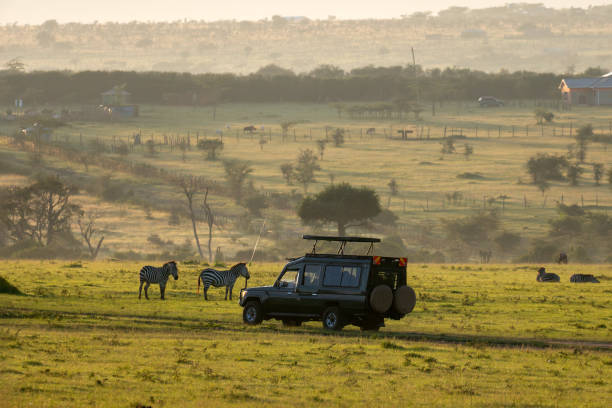
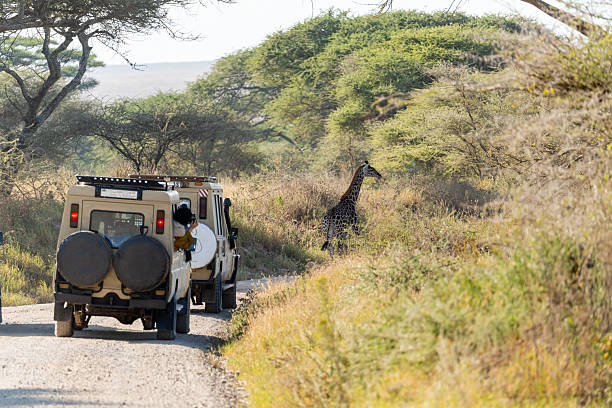
The Ultimate Guide to an April Safari From Moshi
Moshi, a vibrant town nestled at the foot of Mount Kilimanjaro, serves as a popular gateway for travelers heading into Tanzania’s world-renowned safari destinations. An April safari from Moshi offers a unique set of advantages, often characterized by fewer crowds and lush, green landscapes following the end of the rainy season. This period presents an excellent opportunity for wildlife viewing and photographic safaris, making it an attractive choice for many adventurers planning their Tanzanian journey for 2026 and 2027.
This comprehensive guide is designed to help you navigate the planning process for an April safari starting from Moshi. We will cover the best national parks to visit, typical itinerary structures, what to expect in terms of weather and wildlife, essential packing advice, cost considerations, and how to book your unforgettable experience. Whether you are a first-time visitor or a seasoned safari-goer, this resource aims to provide the detailed information you need to make informed decisions for your 2026-2027 trip.
Quick Facts About April Safaris From Moshi
| Aspect | Details for April Safari |
|---|---|
| Weather | End of the ‘long rains’. Expect occasional showers, but often sunny mornings and afternoons. Lush green landscapes. Cooler temperatures, especially at higher elevations. |
| Crowds | Generally lower than peak dry seasons (June-October). More relaxed atmosphere in parks. |
| Wildlife Viewing | Excellent. Animals are spread out due to abundant water and vegetation, but sightings are still plentiful. Birdlife is particularly vibrant. Predators can be active. |
| Vegetation | Very green and lush, making for beautiful photography, though it can sometimes obscure distant animals. |
| Road Conditions | Can be muddy in some areas due to recent rains, potentially slowing travel times slightly. Most main park roads are well-maintained. |
| Key Parks Accessible | Serengeti, Ngorongoro Crater, Tarangire, Lake Manyara, Arusha National Park. |
| Best For | Photographers, budget-conscious travelers (potentially lower lodge rates), those seeking a quieter experience, bird watchers. |
| Departure Point | Moshi, Tanzania. |
Understanding April in Tanzania’s Northern Circuit
April falls within Tanzania’s ‘long rains’ season, which typically spans from March to May. However, by April, the intensity of the rains often begins to subside. This transition period is crucial for understanding what to expect on your safari. The landscape is at its most vibrant, painted in lush shades of green thanks to the plentiful rainfall. This abundance of water and vegetation means wildlife is often well-dispersed, but also thriving.
For those planning an April safari from Moshi, this means you can anticipate a visually stunning environment. The air is often fresh and clean, and the temperatures are generally pleasant, especially compared to the hotter dry months. While occasional downpours are possible, they are usually short-lived, often occurring in the late afternoon or overnight, leaving mornings and evenings clear and perfect for game drives. The reduced number of tourists also contributes to a more intimate and authentic safari experience.
Why Choose April for Your Safari From Moshi?
Several compelling reasons make an April safari from Moshi an excellent choice:
- Lush Scenery: The post-rain landscape is breathtakingly green, offering spectacular photographic opportunities and a vibrant backdrop for wildlife encounters.
- Fewer Crowds: Compared to the peak dry seasons (June-October), April typically sees fewer tourists. This means more personal space on game drives and a greater sense of tranquility in the parks.
- Birdlife: Migratory birds are often still present, and resident birds are active. This is a prime time for birdwatching enthusiasts.
- Potential Cost Savings: Some lodges and tour operators may offer slightly lower rates during the shoulder season, making it a more budget-friendly option for 2026-2027 travel.
- Calving Season Aftermath: While the peak of the Great Migration’s calving season is usually earlier in the year, the benefits of increased predator activity and young animals can still be observed.
Top Destinations for Your April Safari From Moshi
Moshi is ideally situated to access Tanzania’s world-famous Northern Circuit. For an April safari, the following parks are particularly recommended:
Serengeti National Park
The Serengeti remains a top destination year-round, and April is no exception. While the Great Migration is on the move, its exact location can vary. In April, the herds are often found in the central and western corridors, or moving towards the western Serengeti. The vast plains, dotted with acacia trees and kopjes, are incredibly scenic in their green state. The Serengeti offers incredible densities of wildlife, including the Big Five (lion, leopard, elephant, rhino, buffalo), cheetahs, giraffes, zebras, and countless other species.
Ngorongoro Conservation Area & Crater
The Ngorongoro Crater, a UNESCO World Heritage Site, is a unique ecosystem teeming with wildlife. The floor of the crater is a caldera that supports a dense population of animals, including the endangered black rhino, lions, hyenas, hippos, elephants, and a plethora of bird species. April’s rains mean the crater floor is lush and green, providing excellent grazing for herbivores and thus attracting predators. The higher rim of the crater can experience rain, but the crater floor itself is often accessible and rewarding.
Tarangire National Park
Known for its large elephant herds, baobab trees, and diverse birdlife, Tarangire is a fantastic choice for an April safari. During the dry season, Tarangire River becomes a crucial water source, concentrating wildlife. In April, with water more abundant throughout the park, animals may be more dispersed, but the landscape is stunningly green. It’s a great place to spot lions, leopards, giraffes, zebras, wildebeest, and various antelope species.
Lake Manyara National Park
This relatively small but diverse park is famous for its tree-climbing lions, large troops of baboons, and a stunning alkaline lake that attracts vast numbers of flamingos (though flamingo numbers can fluctuate). The park’s varied habitats, including groundwater forests, savanna, and the lake shore, support a rich array of wildlife. April’s greenery makes the park particularly beautiful, and the groundwater forests remain lush, providing good cover for leopards and other elusive animals.
Arusha National Park
Located closest to Moshi, Arusha National Park is a gem often overlooked. It offers spectacular views of Mount Meru, the Momella Lakes with their distinctive pink flamingo populations, and the Ngurdoto Crater. The park is home to giraffes, zebras, buffaloes, various antelopes, and colobus monkeys. It’s an excellent destination for shorter safaris, walking safaris (in designated areas), and canoeing. The green season makes its montane forests and grasslands particularly vibrant.
Sample Itinerary: 7-Day April Safari From Moshi
This sample itinerary focuses on the Northern Circuit highlights, offering a balanced experience. It’s designed for 2026-2027 planning and can be customized.
- Day 1: Arrival in Moshi & Preparation
Arrive at Kilimanjaro International Airport (JRO) or a local airport in Moshi. You’ll be met by your guide and transferred to your hotel in Moshi. Briefing for your safari, final preparations, and a chance to relax. Overnight in Moshi. - Day 2: Moshi to Tarangire National Park
After breakfast, depart from Moshi with your packed lunch and drive to Tarangire National Park. Enjoy a full day of game drives, exploring the park’s iconic baobab trees and searching for its famous elephant herds and diverse birdlife. The landscape will be lush and green. Overnight near Tarangire or in Karatu. - Day 3: Tarangire to Ngorongoro Conservation Area
Morning game drive in Tarangire if time permits, or depart directly for the Ngorongoro Conservation Area. You’ll have the option to visit a Maasai village en route. Ascend to the crater rim for breathtaking views. Overnight at a lodge on the Ngorongoro Crater rim or in Karatu. - Day 4: Ngorongoro Crater Tour & Serengeti
Descend into the Ngorongoro Crater for a morning game drive. This is an excellent opportunity to spot black rhinos, lions, hippos, and many other animals in a unique caldera environment. After the crater tour, you’ll drive towards the Serengeti National Park, entering through the Ngorongoro Conservation Area. Game drive en route to your lodge/camp in the central Serengeti. Overnight in the Serengeti. - Day 5: Full Day Serengeti Exploration
Spend the entire day exploring the vast plains of the Serengeti. Depending on the movement of the Great Migration in April, you will focus your game drives in areas known for good sightings. Look for lions, leopards, cheetahs, elephants, giraffes, and a multitude of plains game. Enjoy morning and afternoon game drives. Overnight in the Serengeti. - Day 6: Serengeti to Lake Manyara / Karatu
Enjoy a final morning game drive in the Serengeti. Afterwards, drive towards the Lake Manyara region. Depending on your preference and lodge availability, you can spend the afternoon on a game drive in Lake Manyara National Park, known for its tree-climbing lions and birdlife, or relax at your lodge in the Karatu area. Overnight in Karatu or near Lake Manyara. - Day 7: Lake Manyara / Departure
Depending on your flight schedule, you might have time for a morning game drive in Lake Manyara or a visit to a local market. Afterwards, drive back to Moshi or directly to Kilimanjaro International Airport (JRO) for your departure. Your April safari from Moshi concludes.
Route Overview Illustration
Typical Northern Circuit Route from Moshi (April):
- Moshi
- Tarangire National Park
- Ngorongoro Conservation Area (Crater & Rim)
- Serengeti National Park (Central/Western Corridor in April)
- Lake Manyara National Park / Karatu
- Return to Moshi / JRO Airport
Note: This is a generalized route. Exact park entry/exit points and overnight locations can vary based on specific itinerary and wildlife movements.
What to Expect on Your April Safari
An April safari from Moshi offers a distinct experience shaped by the season. Here’s a breakdown of what you can anticipate:
Weather Conditions
April is the tail end of the rainy season. You can expect:
- Occasional Rain: Showers are common but usually don’t last all day. They often occur in the late afternoon or overnight, leaving mornings and early afternoons clear and pleasant.
- Lush Greenery: The landscape will be exceptionally green and vibrant, making for beautiful scenery.
- Pleasant Temperatures: Daytime temperatures are generally warm, averaging between 20-28°C (68-82°F), while nights can be cooler, especially at higher altitudes like the Ngorongoro Crater rim, dropping to around 10-15°C (50-59°F).
- Fresh Air: The air is often clean and crisp after the rains.
Wildlife Behavior and Sightings
The wildlife viewing in April is excellent, though slightly different from the dry season:
- Dispersed Herds: With abundant water and vegetation, large herds may be more spread out across the parks compared to the dry season when they congregate around limited water sources.
- Abundant Grazing Animals: The lush conditions support large numbers of wildebeest, zebras, and various antelopes.
- Predator Activity: Predators often follow the herbivores. The presence of young animals from the calving season (though past its peak) can still attract lions, hyenas, and cheetahs.
- Birdwatching Paradise: Migratory birds are often still in the area, and resident birds are highly active. It’s a prime time for bird enthusiasts.
- Elusive Animals: Animals like leopards and rhinos can be harder to spot in the denser vegetation, but experienced guides are adept at finding them.
Road Conditions
The rains can affect road conditions within the parks:
- Muddy Patches: Some unpaved tracks can become muddy, potentially slowing down travel times.
- 4×4 Essential: A good quality 4×4 safari vehicle with an experienced driver is crucial for navigating these conditions.
- Main Roads: Major park roads and those in the Ngorongoro Crater are generally well-maintained and usually accessible.
Packing and Preparation for Your April Safari
Packing appropriately is key to enjoying your safari. Layers are essential due to varying temperatures and potential rain.
Clothing Essentials
- Lightweight Layers: T-shirts, long-sleeved shirts, and light sweaters or fleeces for cooler mornings and evenings.
- Neutral Colors: Pack earth tones (khaki, beige, olive green) to blend in with the environment. Avoid bright colors and black/dark blue, which can attract insects or scare wildlife.
- Waterproof Jacket: A lightweight, breathable waterproof jacket or poncho is essential for the occasional rain showers.
- Comfortable Trousers/Jeans: Two pairs of comfortable, durable trousers or jeans for game drives.
- Shorts/Skirts: Optional for warmer days, but long trousers are generally more practical.
- Warm Jacket: A heavier jacket or fleece is recommended for evenings and early mornings, especially if staying on the Ngorongoro Crater rim.
- Swimsuit: If your lodge has a pool.
Footwear
- Comfortable Walking Shoes: Closed-toe, sturdy shoes like hiking boots or trainers for walking safaris (if applicable) and general wear.
- Sandals/Flip-flops: For relaxing at the lodge.
Accessories
- Sun Hat: Wide-brimmed hat for sun protection.
- Sunglasses: Essential for driving.
- Insect Repellent: High DEET content recommended.
- Sunscreen: High SPF.
- Camera & Accessories: Plenty of memory cards and extra batteries. A zoom lens is highly recommended for wildlife photography.
- Binoculars: Crucial for spotting wildlife at a distance.
- Reusable Water Bottle: Stay hydrated and reduce plastic waste.
- Small Backpack/Daypack: For carrying essentials during game drives (water, camera, snacks).
- Power Bank/Portable Charger: For keeping electronics charged on the go.
- Adapter: Tanzania uses Type G sockets (UK style), 230V.
- Personal First-Aid Kit: Include any personal medications, pain relievers, antiseptic wipes, and bandages.
- Wet Wipes/Hand Sanitizer: For hygiene during drives.
Documents and Money
- Passport: Valid for at least six months beyond your stay.
- Visa: Check requirements for your nationality. Many can obtain visas on arrival or online.
- Yellow Fever Certificate: May be required depending on your travel route.
- Travel Insurance Details: Highly recommended.
- Cash: US Dollars are widely accepted for tips and small purchases. Tanzanian Shillings for local markets. Inform your bank about your travel dates.
Costs and Budget Considerations for an April Safari
The cost of an April safari from Moshi can vary significantly based on the duration, standard of accommodation, number of people in your group, and specific parks visited. While exact prices are best obtained from tour operators, here are the factors influencing costs:
Key Cost Components
- Accommodation: Ranges from budget-friendly tented camps to mid-range lodges and luxury tented suites. April, being shoulder season, might offer better rates than peak months.
- Park Fees: These are fixed daily fees per person per park and are a significant part of the budget (e.g., Serengeti, Ngorongoro Crater).
- Vehicle and Guide: The cost of a private safari vehicle (4×4 Land Cruiser) and an experienced guide is usually per day. Sharing a vehicle can reduce individual costs.
- Meals: Typically included in safari packages, ranging from picnic lunches to full board at lodges.
- Activities: Game drives are standard. Optional activities like walking safaris or hot air balloon rides (Serengeti) incur extra costs.
- Transfers: From Moshi to parks and back, or to the airport.
- Tips: For guides and lodge staff.
Budgeting Tips for 2026-2027
- Travel in April: As mentioned, this is a shoulder season, potentially offering better value.
- Group Size: Traveling with a group allows you to share vehicle and guide costs, making it more affordable per person.
- Accommodation Choice: Opting for mid-range lodges or well-appointed tented camps can provide a great experience without the highest luxury price tag.
- Duration: Shorter safaris are naturally less expensive. A 5-7 day Northern Circuit trip is common and balances experience with cost.
- Compare Operators: Get quotes from several reputable tour operators. Look for transparency in what’s included.
Note: Prices are typically quoted in USD. Always clarify what is included (park fees, accommodation, meals, guide, vehicle, water) and what is not (flights, visa, tips, drinks, personal insurance).
Common Mistakes to Avoid on an April Safari From Moshi
To ensure a smooth and enjoyable safari, be aware of these common pitfalls:
- Underestimating the Rain: While April is the end of the rains, don’t assume it will be completely dry. Pack accordingly for potential showers and muddy conditions.
- Not Packing Layers: Temperatures can fluctuate significantly between day and night, and at different altitudes.
- Choosing the Wrong Operator: Select a reputable tour company with good reviews, clear communication, and experienced guides. Avoid operators that seem too cheap to be true.
- Over-scheduling: While it’s tempting to pack in as much as possible, allow for downtime and spontaneous wildlife sightings. Rushing between locations can be tiring.
- Not Bringing Binoculars or Camera Gear: These are essential tools for an optimal safari experience. Ensure your camera is ready for low-light conditions and has a good zoom.
- Ignoring Guide’s Advice: Your guide is an expert on wildlife, safety, and local conditions. Listen to their recommendations regarding wildlife viewing, safety protocols, and timing.
- Not Informing Operator of Special Needs: If you have dietary restrictions, mobility issues, or specific interests, communicate them well in advance.
- Expecting to See Everything: Wildlife viewing is unpredictable. While Tanzania has high concentrations of animals, seeing specific species or behaviors is never guaranteed. Appreciate the experience as it unfolds.
Who is an April Safari From Moshi Best For?
An April safari from Moshi is ideal for a variety of travelers:
- Photographers: The lush, green landscapes provide stunning backdrops, and the softer light can be excellent for photography.
- Budget-Conscious Travelers: The shoulder season can offer better value for money, making it accessible for those on a tighter budget for their 2026-2027 trips.
- Nature Enthusiasts & Bird Watchers: The vibrant flora and abundant birdlife are at their best.
- Travelers Seeking Solitude: Those who prefer a quieter safari experience away from the peak season crowds will appreciate the more relaxed atmosphere.
- First-Time Safari Goers: The Northern Circuit parks offer reliable wildlife viewing and are well-equipped for tourism, making them a great introduction to African safaris.
- Families: The generally pleasant weather and diverse wildlife make it suitable for family travel, though younger children might find long drives challenging.
Alternatives to an April Safari From Moshi
While April is a great month, other times of the year offer different advantages:
- June – October (Dry Season): Peak season. Excellent for wildlife viewing as animals congregate around water sources. The Great Migration is often in the Western Corridor or moving north towards Kenya. More crowds and higher prices.
- January – February: Calving season in the Southern Serengeti. Excellent for predator sightings as lions and hyenas prey on the newborns. Pleasant weather, but can be busy.
- November – December: Short rains. Landscapes become green again, and prices may be lower than the peak season. Wildlife viewing remains good.
Planning Your 2026-2027 April Safari
Booking your safari well in advance is recommended, especially for popular operators and specific accommodation choices. Here’s a planning timeline:
- 12+ Months Prior: Research destinations, tour operators, and the best time to visit. Start saving and setting a budget.
- 9-12 Months Prior: Contact your preferred tour operators for quotes and availability. Book your safari and potentially international flights. Secure popular lodges if you have specific preferences.
- 6-9 Months Prior: Confirm your itinerary and accommodation. Arrange necessary visas or check requirements. Book any internal flights if needed.
- 3-6 Months Prior: Purchase safari clothing and gear. Get any necessary vaccinations or consult your doctor about malaria prophylaxis. Purchase travel insurance.
- 1-3 Months Prior: Finalize payments. Pack essential items. Reconfirm flight details.
- 2-4 Weeks Prior: Exchange some currency. Make a list of what to pack and what to leave behind.
- 1 Week Prior: Confirm pick-up times and details with your tour operator. Charge all electronics.
- During Safari: Relax, enjoy the experience, and trust your guide.
Booking Your April Safari From Moshi: Expert Advice
Choosing the right tour operator is paramount for a successful safari. Here’s how to approach booking your April safari from Moshi:
Choosing a Reputable Operator
- Research: Look for companies with strong online reviews, clear contact information, and transparent pricing.
- Experience: Select operators with extensive experience in Tanzania and specifically the Northern Circuit.
- Customization: Ensure they can tailor itineraries to your interests, budget, and pace.
- Communication: A good operator will respond promptly and clearly to your inquiries.
- Sustainability: Consider operators who demonstrate a commitment to responsible tourism and community engagement.
What to Look for in a Package
- Inclusions: Clearly understand what is covered – park fees, accommodation, meals, guide, vehicle, water, airport transfers.
- Exclusions: Be aware of what’s extra – international flights, visa, tips, drinks, travel insurance, optional activities.
- Vehicle Quality: Ensure the safari vehicle is a well-maintained 4×4 Land Cruiser or Land Rover with a pop-up roof for game viewing.
- Guide Expertise: The driver-guide is crucial. They should be knowledgeable, experienced, and fluent in English.
- Accommodation Standards: Understand the type and quality of lodges or tented camps included.
Booking Process
Once you have selected an operator:
- Request a Quote: Provide your desired dates (April 2026 or 2027), number of people, preferred accommodation style, and any specific interests.
- Review Itinerary: Discuss and refine the proposed itinerary to ensure it meets your expectations.
- Confirmation: Once you agree, the operator will send a formal booking confirmation and payment details.
- Deposit: Typically, a deposit (e.g., 20-30%) is required to secure your booking.
- Final Payment: The balance is usually due 30-60 days before your safari starts.
- Pre-Trip Information: The operator should provide detailed information regarding packing, visa requirements, health advice, and what to expect upon arrival.
For a reliable and personalized April safari from Moshi, consider connecting with experienced local operators. They offer deep knowledge of the parks, wildlife, and the best ways to experience Tanzania. Reach out to us to discuss your 2026-2027 safari plans!
Contact Us to Plan Your Safari
Ready to plan your unforgettable April safari from Moshi? We specialize in creating custom Tanzanian adventures tailored to your interests and budget. Whether you’re dreaming of the Serengeti plains, the Ngorongoro Crater, or a combination of destinations, our expert team is here to help you craft the perfect itinerary for 2026 or 2027.
Get in touch today:
- WhatsApp: +255616946642
- Email: topguideadventures@gmail.com
- Backup Email: info@topguideadventures.com
Let us help you create lasting memories on your Tanzanian safari!
Frequently Asked Questions (FAQs)
-
Is April a good month for a safari from Moshi?
Yes, April is a good month for a safari from Moshi. It marks the end of the ‘long rains’, meaning landscapes are lush and green, birdlife is abundant, and there are generally fewer tourists than in the peak dry season. While occasional showers are possible, they are usually short-lived, and game drives can still be very rewarding.
-
What is the weather like in April on a safari in Tanzania?
In April, expect pleasant daytime temperatures (around 20-28°C) with cooler mornings and evenings, especially at higher altitudes. Occasional rain showers are common, but they typically don’t last all day, leaving plenty of sunshine for game drives. The vegetation is lush and green.
-
Will I see the Great Migration in April?
The Great Migration’s location varies throughout the year. In April, the herds are typically found in the central and western Serengeti, or moving towards the western corridor. While not in the peak calving or river-crossing phases, significant numbers of wildebeest and zebras are still present in these areas, offering excellent viewing opportunities.
-
Are road conditions difficult in April?
The rains can make some unpaved tracks muddy, which might slow down travel times. However, most main park roads and those within the Ngorongoro Crater are generally well-maintained and accessible with a 4×4 safari vehicle. Reputable tour operators use vehicles equipped to handle these conditions.
-
What should I pack for an April safari from Moshi?
Pack lightweight layers in neutral colors, a waterproof jacket, comfortable walking shoes, a warm fleece or jacket for cooler times, sun protection (hat, sunglasses, sunscreen), insect repellent, and your camera gear. Don’t forget binoculars and any personal medications.
-
Are safaris more affordable in April?
April is considered a shoulder season, falling at the end of the rainy period. This often means that accommodation rates can be slightly lower than during the peak dry season (June-October), potentially making it a more affordable time to travel for your 2026-2027 safari.
-
Can I combine a safari with Kilimanjaro or Zanzibar in April?
Yes, you can combine an April safari from Moshi with climbing Kilimanjaro or visiting Zanzibar. Kilimanjaro trekking can be done in April, though conditions can be wet and cold at higher altitudes. Zanzibar offers warm, sunny weather in April, making it an excellent post-safari beach destination.
-
What are the risks of malaria in April?
Malaria is present in Tanzania year-round, though mosquito activity can be higher during and immediately after the rainy season. It’s crucial to consult your doctor about malaria prophylaxis and take precautions like using insect repellent and wearing long sleeves/trousers in the evenings.
-
Is it safe to travel to Tanzania in April 2026-2027?
Tanzania is generally a safe country for tourists. Standard travel precautions should be observed. Reputable tour operators prioritize safety, and park authorities enforce regulations to protect visitors. It’s always advisable to stay informed about current travel advisories and follow your guide’s instructions.
-
What is the best way to book an April safari from Moshi?
The best way to book is through a reputable, experienced tour operator. They can handle all logistics, including park fees, accommodation, vehicle, and guide. Contacting local operators like Best Tanzania Tour Operator (WhatsApp: +255616946642, Email: topguideadventures@gmail.com) can provide tailored itineraries and expert advice for your 2026-2027 trip.
Your Dream April Safari Awaits
An April safari from Moshi offers a compelling blend of stunning natural beauty, abundant wildlife, and a more tranquil atmosphere. The lush landscapes post-rain provide a breathtaking setting for game viewing, while fewer crowds ensure a more intimate connection with Tanzania’s wilderness. By planning carefully and choosing the right partners, you can create an unforgettable adventure for 2026 or 2027.
We are passionate about sharing the magic of Tanzania and are dedicated to crafting exceptional safari experiences. Let us help you plan every detail of your dream safari, ensuring a journey filled with incredible wildlife encounters and lasting memories.
Ready to start planning your 2026-2027 April safari from Moshi?
Contact us today to discuss your personalized itinerary:
- WhatsApp: +255616946642
- Email: topguideadventures@gmail.com
- Backup Email: info@topguideadventures.com
Plan your April Safari From Moshi with Top Guide Adventures
Tell us your travel dates, group size, comfort level, and dream experience. We will help you shape a clear, realistic, and memorable Tanzania itinerary.







 Veedesigner
 Fatma Kizanga
 Benjamin Waryuba
 Philip Philip
 John jr Itaja
 Antonia Optatus
 Edith Kanyere
 Neema Iddy
 Kelvin Boniphace
 Damari Maiga



