
Updated planning guide for 2026, 2027-2028
February Safari From Moshi: Best Guide 2026-2027-2028
Discover the magic of a February safari starting from Moshi. This comprehensive guide covers everything you need to plan your trip, from the best parks to essential packing advice, ensuring a memorable wildlife experience.
WhatsApp +255616946642 | topguideadventures@gmail.com | info@topguideadventures.com
February Safari From Moshi: Your Comprehensive Planning Guide
A safari in February from Moshi offers a unique and rewarding experience, often overlooked by those planning trips during peak seasons. Moshi, nestled at the foot of Mount Kilimanjaro, serves as an excellent gateway to Tanzania’s world-renowned Northern Circuit. This region boasts iconic national parks like the Serengeti, Ngorongoro Crater, Tarangire, and Lake Manyara, each offering distinct wildlife viewing opportunities. Planning a February safari from Moshi requires understanding the specific weather patterns, wildlife movements, and logistical considerations of this month. This guide provides an in-depth look at what to expect, how to prepare, and how to make the most of your adventure.
Table of Contents
- Quick Facts: February Safari from Moshi
- February Safari from Moshi: An Overview
- Why Choose February for Your Safari from Moshi?
- Best National Parks for a February Safari from Moshi
- Wildlife Highlights in February
- Understanding February Weather Patterns
- Sample 7-Day February Safari Itinerary from Moshi
- Northern Circuit Safari Route Illustration
- What to Expect on Your Safari
- Typical Safari Inclusions and Exclusions
- Packing and Preparation Essentials
- Common Mistakes to Avoid
- Who is a February Safari from Moshi Best For?
- Alternative Safari Options
- Planning Your 2026-2027 Safari from Moshi
- Booking Your February Safari from Moshi
- Frequently Asked Questions (FAQs)
Quick Facts: February Safari from Moshi
| Aspect | Details |
|---|---|
| Primary Departure Point | Moshi, Tanzania |
| Key Safari Circuit | Northern Circuit (Serengeti, Ngorongoro, Tarangire, Lake Manyara) |
| Typical Safari Duration | 3 to 10 days (customizable) |
| February Weather | End of the short rainy season; generally warm, humid, with occasional showers. Lush green landscapes. |
| Wildlife Viewing | Excellent, especially resident game. Births of wildebeest calves in the Serengeti. Fewer crowds. |
| Key Activities | Game drives, crater tours, bird watching, cultural visits (optional). |
| Accommodation Options | Lodges, tented camps (budget to luxury). |
| Traveler Type | Solo, couples, families, small groups. |
| Booking Window | Recommended 3-6 months in advance, especially for 2026-2027. |
February Safari from Moshi: An Overview
A safari in February from Moshi places you at the heart of Tanzania’s most celebrated wildlife destinations. The Northern Circuit is a legendary collection of parks, renowned for their high densities of animals and dramatic landscapes. Departing from Moshi means you can easily combine your safari with a Kilimanjaro climb or a relaxing visit to Zanzibar, making for a multifaceted East African adventure. February falls within Tanzania’s short rainy season (Vuli), which typically tapers off by this month, leading into the start of the dry season. This timing offers a unique advantage: greener scenery, fewer tourists, and often more competitive pricing, while still providing exceptional game viewing.
The logistics of a safari from Moshi are straightforward. Most tours utilize 4×4 custom-built safari vehicles, driven by experienced guides. The journey typically involves driving from Moshi to Arusha, the main safari hub, and then proceeding to the parks. Accommodation ranges from comfortable lodges to luxurious tented camps, offering varying levels of immersion in the wilderness. For those seeking a February safari from Moshi, understanding the nuances of this specific month is key to a successful and enjoyable trip.
Why Choose February for Your Safari from Moshi?
Opting for a February safari from Moshi presents several compelling advantages that set it apart from peak season travel:
- Lush, Green Landscapes: Following the short rains, the landscape is vibrant and verdant. This provides a stunning backdrop for wildlife photography and can make spotting animals easier in some areas, as vegetation isn’t as sparse.
- The Great Migration Calving Season: February is a prime time to witness the wildebeest migration in the central and southern Serengeti. This is when millions of wildebeest give birth, a spectacle of new life and predator activity. This event is a major draw for wildlife enthusiasts.
- Fewer Crowds: While not the absolute quietest month, February generally sees fewer tourists compared to the dry seasons (June-October, December-January). This means a more intimate wildlife viewing experience, less competition for the best photo spots, and a greater sense of solitude in the parks.
- Birdwatching Opportunities: Migratory birds from Europe and other parts of Africa are present, making February an excellent month for birdwatchers. The increased greenery also supports a healthy bird population.
- Potential for Better Value: With lower demand, you might find more competitive pricing for safari packages and accommodation, making your February safari from Moshi a more budget-friendly option without compromising on the quality of experience.
- Pleasant Temperatures: While it can be humid, daytime temperatures are generally warm and comfortable for game drives, usually ranging from the mid-20s to low 30s Celsius (mid-70s to low 90s Fahrenheit). Evenings are cooler.
Best National Parks for a February Safari from Moshi
When planning your February safari from Moshi, the Northern Circuit parks are your primary focus. Here’s a breakdown of why they shine in this month:
Serengeti National Park
February is a highlight month for the Serengeti. The vast plains in the central and southern regions become the birthing grounds for the wildebeest migration. Witnessing thousands of newborns taking their first steps while predators like lions, cheetahs, and hyenas are actively hunting is an unparalleled wildlife spectacle. The landscape is at its most beautiful, with wildflowers blooming.
Ngorongoro Conservation Area (including the Crater)
The Ngorongoro Crater is a caldera teeming with wildlife year-round. In February, the lush vegetation and water sources attract a high concentration of animals. It’s one of the best places in Tanzania to spot the rare black rhino, along with large prides of lions, elephants, buffaloes, hippos, and numerous bird species. The crater floor offers consistent and rewarding game viewing.
Tarangire National Park
Known for its large elephant herds and iconic baobab trees, Tarangire is a fantastic destination in February. While the park can be drier than other areas during this time, the permanent Tarangire River and swamps still attract a significant amount of wildlife, including elephants, giraffes, zebras, wildebeest, and various predators. It’s also a birdwatcher’s paradise.
Lake Manyara National Park
Famous for its tree-climbing lions, diverse birdlife, and dramatic escarpment backdrop, Lake Manyara offers a compact yet rewarding safari experience. In February, the lake is often full, attracting large flocks of flamingos and other water birds. The park’s woodlands and grasslands support a good variety of mammals, including elephants, baboons, giraffes, and buffaloes.
Optional: Arusha National Park
Closer to Moshi, Arusha National Park is a good option for a shorter safari or a day trip. It features Mount Meru, Momella Lakes, and Ngurdoto Crater. While not as famous for big game as the Serengeti or Ngorongoro, it’s home to giraffes, zebras, buffaloes, and a variety of monkeys, including the black-and-white colobus. It’s also a popular starting point for climbing Mount Meru.
Wildlife Highlights in February
February is a dynamic month for wildlife viewing across the Northern Circuit, offering specific spectacles:
- The Great Migration Calving: The most significant event is the calving season in the Serengeti. From late January through March, millions of wildebeest gather on the southern plains, particularly around the Moru Kopjes and Ndutu area (which straddles the border with the Ngorongoro Conservation Area). This is when approximately 200,000 calves are born, making it a period of intense predator activity and a prime time for dramatic sightings.
- Predator Activity: The abundance of young, vulnerable wildebeest calves draws lions, cheetahs, leopards, hyenas, and wild dogs. You’re likely to witness successful hunts and the intricate predator-prey dynamics that define the African savanna.
- Resident Game: Even outside the migration herds, the parks are rich with resident wildlife. Elephants are abundant in Tarangire, particularly near water sources. The Ngorongoro Crater is a hotspot for lions, rhinos, hippos, and buffaloes. Giraffes, zebras, gazelles, and various antelope species are common throughout all parks.
- Birdlife: February is excellent for birdwatching. Migratory birds are present, and the lush vegetation supports resident species. Look for various eagles, vultures, hornbills, rollers, bee-eaters, and water birds around lakes and rivers.
- Primates: In Lake Manyara and Arusha National Park, you can observe troops of baboons, blue monkeys, and the striking black-and-white colobus monkeys.
Understanding February Weather Patterns
February in Tanzania’s Northern Circuit typically marks the tail end of the short rainy season (Vuli) and the transition towards the dry season. This means you can expect a mixed bag of weather, but generally favorable conditions for a safari:
- Temperatures: Daytime temperatures are warm, often ranging from 25°C to 30°C (77°F to 86°F), especially in the lower-lying plains. Mornings and evenings are cooler, typically around 15°C to 20°C (59°F to 68°F). The humidity can be noticeable, particularly after rain showers.
- Rainfall: While the short rains usually occur from October to December, they can sometimes extend into January and early February. Expect occasional showers, which are often brief and can occur in the late afternoon or overnight. These rains are usually localized, meaning one area might experience rain while another remains sunny. The rain significantly contributes to the lush green scenery.
- Sunshine: Despite the possibility of rain, there are plenty of sunny hours each day, perfect for game drives. The sun can be intense, so sun protection is crucial.
- Road Conditions: The rains can sometimes affect road conditions within the parks, making them muddy and potentially slower to navigate. However, reputable tour operators use robust 4×4 vehicles and experienced drivers who are adept at handling these conditions. The main tourist routes are generally well-maintained.
The combination of warmth, occasional refreshing showers, and abundant sunshine makes February a comfortable and visually appealing month for a safari from Moshi.
Sample 7-Day February Safari Itinerary from Moshi
This sample itinerary focuses on the Northern Circuit’s highlights, ideal for a February safari from Moshi, considering the migration’s location and the parks’ conditions.
| Day | Location | Activities | Accommodation Type |
|---|---|---|---|
| Day 1 | Moshi to Tarangire National Park | Morning departure from Moshi. Drive to Tarangire (approx. 4-5 hours). Afternoon game drive in Tarangire, known for its large elephant herds and baobab trees. | Tented Camp/Lodge near Tarangire |
| Day 2 | Tarangire to Ngorongoro Conservation Area | Morning game drive in Tarangire. Drive to the Ngorongoro Conservation Area (approx. 2-3 hours). Check into accommodation on the crater rim or nearby. Optional Maasai village visit. | Lodge on Crater Rim/Karatu |
| Day 3 | Ngorongoro Crater Tour | Full day exploring the Ngorongoro Crater floor. Excellent chances to see lions, rhinos, hippos, elephants, buffaloes, and diverse birdlife. Picnic lunch by the hippo pool. | Lodge on Crater Rim/Karatu |
| Day 4 | Ngorongoro to Central/South Serengeti | Drive to Serengeti National Park, entering via the Ngorongoro Conservation Area. Game drive en route towards the central or southern plains, following the migration. | Tented Camp/Lodge in Central/South Serengeti |
| Day 5 | Serengeti National Park (Migration Focus) | Full day game drives in the Serengeti, focusing on the southern plains (e.g., Ndutu area) to witness the wildebeest calving and predator activity. Search for lions, cheetahs, and other predators interacting with the migration. | Tented Camp/Lodge in Central/South Serengeti |
| Day 6 | Serengeti to Lake Manyara National Park | Morning game drive in the Serengeti. Drive towards Lake Manyara National Park (approx. 4-5 hours). Afternoon game drive in Lake Manyara, looking for tree-climbing lions and flamingos. | Lodge near Lake Manyara |
| Day 7 | Lake Manyara to Moshi | Morning game drive or relaxation. Drive back to Moshi (approx. 4-5 hours). Drop-off at your hotel or airport. | N/A (End of Safari) |
Note: This is a sample. Itineraries can be customized based on your interests, duration, and budget. For instance, a longer safari could include more days in the Serengeti or explore the western corridor.
Northern Circuit Safari Route Illustration
Here’s a simplified representation of the typical route for a February safari from Moshi:
| Moshi (Starting Point) | ↓ (Approx. 1-2 hours to Arusha, Safari Hub) |
| Arusha | ↓ (Approx. 4-5 hours) |
| Tarangire National Park | ↓ (Approx. 2-3 hours) |
| Ngorongoro Conservation Area (Crater & surrounding highlands) | ↓ (Approx. 4-5 hours, including game drives) |
| Serengeti National Park (Central/South in Feb) | ↓ (Approx. 4-5 hours) |
| Lake Manyara National Park | ↓ (Approx. 4-5 hours) |
| Moshi (Return Point) |
This route is designed to maximize wildlife viewing opportunities in February, particularly focusing on the Serengeti’s calving season. The order can sometimes be adjusted based on specific migration movements and lodge availability.
What to Expect on Your Safari
A February safari from Moshi is an immersive experience. Here’s what you can anticipate:
- Early Mornings and Late Afternoons: The best game viewing typically occurs during the cooler parts of the day. Expect early wake-up calls for morning game drives (around sunrise) and potentially late afternoon drives until sunset.
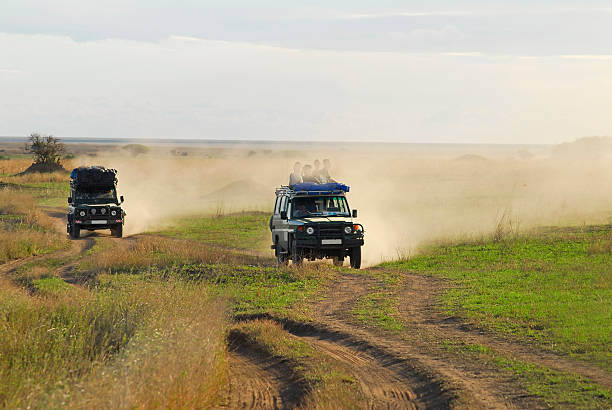
- Game Drive Vehicles: You’ll travel in custom-designed 4×4 safari vehicles (e.g., Land Cruisers or Land Rovers). These vehicles have pop-up roofs for unobstructed viewing and photography. Most accommodate 3-7 passengers, ensuring a comfortable experience.
- Your Guide: Your safari guide is crucial. They are knowledgeable about animal behavior, tracking, local culture, and the parks. They are your primary source of information and will work to find the best sightings for you.
- Wildlife Encounters: Prepare for incredible wildlife sightings. While no sighting is guaranteed, February offers high chances for seeing the migration herds, predators, elephants, rhinos (in Ngorongoro), hippos, giraffes, zebras, and a vast array of birdlife.
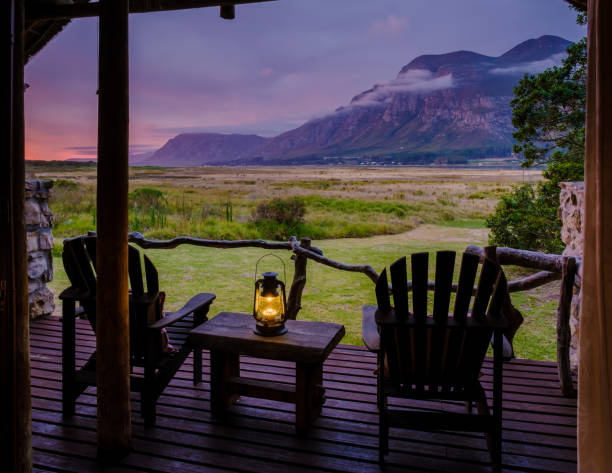
- Accommodation: Lodges offer more permanent structures with amenities like en-suite bathrooms and restaurants. Tented camps provide a more rustic yet comfortable experience, often with canvas tents on permanent platforms, en-suite bathrooms, and dining areas. Some camps are mobile, following the migration.
- Meals: Most safari packages include all meals. Breakfast is usually at the lodge/camp, lunch might be a picnic during a full-day game drive, and dinner is at your accommodation. Expect hearty, delicious meals prepared by lodge/camp chefs.
- Connectivity: Mobile phone reception can be spotty in the parks. Wi-Fi may be available at lodges/camps but can be slow or intermittent. Embrace the opportunity to disconnect.
- The Pace: Safaris are generally unhurried. You’ll spend significant time driving through the parks, observing animals in their natural habitat. There will be opportunities to stop for photos and simply absorb the scenery.
- The Weather: As mentioned, expect warm days with potential for brief, refreshing showers. Pack accordingly for both sun and potential rain.
Typical Safari Inclusions and Exclusions
Understanding what’s included in your safari package is vital for budgeting and planning. While packages vary, here’s a general guideline:
| Typical Inclusions | Typical Exclusions |
|---|---|
| Park entrance fees | International flights |
| Accommodation during the safari | Visa fees |
| All meals (breakfast, lunch, dinner) during the safari | Travel insurance |
| Game drives in a 4×4 safari vehicle with a pop-up roof | Gratuities for guides and camp staff |
| Professional English-speaking safari guide | Personal expenses (souvenirs, laundry, drinks) |
| Bottled drinking water during game drives | Optional activities (e.g., hot air balloon safari, Maasai village visit if not specified) |
| Crater service fee (for Ngorongoro Crater descent) | Tips for hotel staff in Moshi/Arusha before/after safari |
| Government taxes and levies | Vaccinations and medications |
| Transfer from Moshi to Arusha and back (or to next destination) | Alcoholic and soft drinks (unless specified) |
Packing and Preparation Essentials
Proper packing is key to comfort and enjoyment. For a February safari from Moshi, consider these essentials:
| Category | Items | Notes |
|---|---|---|
| Clothing | Lightweight, neutral-colored clothing (khaki, beige, green) | Avoid bright colors and dark blue/black (can attract insects). Layers are important. |
| Long-sleeved shirts and trousers | For sun protection and cooler evenings. | |
| Fleece or warm jacket | For cool mornings and evenings, especially on the crater rim. | |
| Footwear | Comfortable walking shoes or trainers | For lodge/camp and light walking. |
| Sandals or flip-flops | For relaxing at the lodge/camp. | |
| Hiking boots (optional) | If planning any guided walks (rare on standard safaris). | |
| Accessories | Sun hat with a wide brim | Essential for sun protection. |
| Sunglasses | Protect your eyes from the strong sun. | |
| Scarf or bandana | Useful for dust protection and warmth. | |
| Insect repellent (DEET recommended) | Especially for evenings and near water. | |
| Health & Personal | Sunscreen (high SPF) | The sun is strong at altitude and on the plains. |
| Personal first-aid kit | Include any personal medications. | |
| Hand sanitizer | For use before meals or when facilities are basic. | |
| Documents & Money | Passport and visa (if required) | Ensure validity for at least 6 months. |
| Yellow Fever vaccination certificate | May be required depending on your travel history. | |
| Credit cards and some USD cash | For tips, souvenirs, and personal expenses. USD is widely accepted. | |
| Gear | Camera with extra batteries and memory cards | You’ll take lots of photos! |
| Binoculars | Highly recommended for spotting distant wildlife. | |
| Reusable water bottle | Stay hydrated and reduce plastic waste. |
Preparation:
- Vaccinations: Consult your doctor or a travel clinic well in advance regarding recommended vaccinations (e.g., Yellow Fever, Hepatitis A, Typhoid) and malaria precautions.
- Travel Insurance: Essential. Ensure it covers medical emergencies, evacuation, and trip cancellation.
- Fitness: No strenuous fitness is required for standard game drives. Basic mobility is needed for getting in and out of vehicles and lodges.
- Currency: The Tanzanian Shilling (TZS) is the local currency. US Dollars are widely accepted for tourist services and tips. Carry smaller USD denominations.
Common Mistakes to Avoid
To ensure your February safari from Moshi is as smooth and enjoyable as possible, be aware of these common pitfalls:
- Underestimating the Sun and Heat: Even with occasional rain, February can be hot and humid. Not packing adequate sun protection (hat, sunscreen, sunglasses) can lead to sunburn and discomfort.
- Ignoring Malaria Precautions: While February is not the peak malaria season, mosquitos are present. Always use repellent and consider prophylaxis as advised by your doctor.
- Packing Too Much: Safari vehicles have limited luggage space, especially for internal flights if you opt for those. Stick to soft duffel bags if possible. Neutral, lightweight clothing is best.
- Choosing the Wrong Operator: Not all tour operators are equal. Opt for reputable companies with good reviews, experienced guides, and well-maintained vehicles. A cheap safari can often mean compromising on safety, comfort, and the quality of your experience.
- Not Being Flexible: Wildlife movements are unpredictable. While February offers great viewing, accept that sightings aren’t guaranteed, and sometimes the best experiences are spontaneous.
- Expecting Constant Action: Safaris involve a lot of driving and waiting. Patience is key. The most rewarding moments often come after periods of quiet observation.
- Ignoring Your Guide’s Advice: Your guide is an expert. Listen to their recommendations regarding game drives, safety, and cultural etiquette.
- Not Budgeting for Extras: Factor in costs for tips, drinks, souvenirs, and any optional activities not included in your package.
- Forgetting Binoculars: While not strictly essential, binoculars significantly enhance the wildlife viewing experience, allowing you to see details of animals from a distance.
- Not Booking in Advance (Especially for 2026-2027): While February isn’t peak season, popular lodges and camps, particularly in the Serengeti and Ngorongoro, can still book up. For 2026-2027 travel, booking 6-9 months in advance is advisable.
Who is a February Safari from Moshi Best For?
A February safari from Moshi is an excellent choice for a wide range of travelers:
- Wildlife Photographers: The lush green landscapes provide stunning backdrops, and the calving season in the Serengeti offers unparalleled opportunities for dramatic action shots.
- Budget-Conscious Travelers: February can offer better value compared to peak dry seasons, making it more accessible for those watching their spending.
- Nature Enthusiasts and Birdwatchers: The verdant scenery and presence of migratory birds make it a delightful time for those who appreciate the broader natural environment.
- Families: The calmer weather and fewer crowds can make for a more relaxed family safari experience. The excitement of seeing baby animals during the calving season is particularly captivating for children.
- Couples and Honeymooners: The romantic ambiance of a safari lodge combined with the dramatic wildlife spectacles creates a memorable honeymoon or romantic getaway.
- Travelers Seeking a More Intimate Experience: With fewer tourists, you’re more likely to have game drives to yourself or with fewer vehicles, leading to a more personal connection with nature.
- First-Time Safari Goers: The Northern Circuit is consistently excellent, and February provides a fantastic introduction to the wonders of Tanzanian wildlife.
- Those Combining with Kilimanjaro: Moshi is the starting point for Kilimanjaro climbs. A February safari can perfectly complement a climb, offering a different kind of adventure before or after the trek.
Alternative Safari Options
While the Northern Circuit is the star, especially in February, other Tanzanian safari destinations and timings offer different experiences:
- Southern Circuit (Selous Game Reserve & Ruaha National Park): This circuit is generally best during the dry season (June-October). February can be very hot and humid, with heavy rains making some areas inaccessible. However, it offers a wilder, less crowded experience.
- Western Circuit (Gombe Stream & Mahale Mountains): Primarily known for chimpanzee trekking, these parks are accessible year-round but are best visited during the drier months (June-October, December-February) for easier trekking. February can be a good time for chimp viewing.
- Zanzibar: While not a safari destination in the traditional sense, Zanzibar offers beautiful beaches, historical Stone Town, and spice tours. It can be combined with a Northern Circuit safari. February is generally dry and warm, making it ideal for beach holidays.
- Northern Circuit in Dry Season (June-October): This is the most popular time. The vegetation is dry, making spotting animals easier, and the migration is typically in the western or northern Serengeti. However, it’s crowded and more expensive.
- Northern Circuit in Green Season (November-May): February falls within this period. The landscape is green, birdlife is abundant, and it’s generally less crowded and more affordable. March-May can see longer rains, potentially impacting road conditions and some sightings.
For a February safari from Moshi, the Northern Circuit remains the most logical and rewarding choice due to the migration’s calving season and the overall favorable conditions.
Planning Your 2026-2027 Safari from Moshi
Planning ahead is crucial, especially for future travel dates like 2026 and 2027. Here’s how to approach your February safari planning:
- Book Early for 2026-2027: Popular lodges and safari vehicles get booked up months, sometimes over a year, in advance, particularly for prime locations like the Serengeti and Ngorongoro Crater rim. Aim to book your safari at least 6-9 months prior to your travel dates for 2026 or 2027.
- Define Your Budget: Safaris can range from budget to luxury. Determine how much you’re willing to spend. This will influence your choice of accommodation, vehicle type, and the length of your safari. We offer packages for various budgets.
- Choose Your Itinerary: Decide on the duration and the specific parks you want to visit. A 5-7 day safari is common for the Northern Circuit, but longer trips are possible. Consider your interests – are you focused on the migration, specific animals, photography, or a mix?
- Select a Reputable Tour Operator: Research and choose a tour operator that aligns with your needs. Look for companies with strong online reviews, clear communication, and a good understanding of the Tanzanian landscape and wildlife. Best Tanzania Tour Operator is dedicated to crafting personalized safari experiences.
- Confirm Inclusions: Carefully review what your safari package includes (park fees, accommodation, meals, guide, vehicle) and what is excluded (flights, visas, tips, personal expenses).
- Visa and Passport: Ensure your passport is valid for at least six months beyond your intended stay and has sufficient blank pages. Check visa requirements for Tanzania and apply in advance if necessary.
- Health Preparations: Consult your doctor or a travel clinic 4-6 weeks before your trip regarding vaccinations and malaria prophylaxis. Obtain any necessary certificates, like the Yellow Fever vaccination card.
- Flights: Book your international flights to Kilimanjaro International Airport (JRO) or possibly Nairobi (NBO) with a transfer to Arusha. It’s often best to book flights once your safari dates are confirmed with your tour operator.
- Travel Insurance: Purchase comprehensive travel insurance that covers medical emergencies, evacuation, and trip cancellation.
By starting your planning for 2026-2027 now, you can secure your preferred dates, accommodations, and guides, ensuring a stress-free and unforgettable February safari from Moshi.
Booking Your February Safari from Moshi
Securing your dream February safari from Moshi involves a few key steps. We recommend working with a trusted local operator like Best Tanzania Tour Operator to ensure a smooth and authentic experience.
- Contact Us: Reach out to us via WhatsApp at +255616946642 or email us at topguideadventures@gmail.com or info@topguideadventures.com. Share your desired travel dates, duration, number of travelers, budget range, and any specific interests you have (e.g., photography, birding, migration focus).
- Receive a Custom Itinerary: Based on your requirements, we will craft a detailed itinerary tailored to your preferences and the best wildlife viewing opportunities for February. We will outline the parks, activities, accommodation options, and the inclusions/exclusions of the proposed safari.
- Review and Refine: Discuss the proposed itinerary with us. We can make adjustments to suit your needs, whether it’s changing the accommodation level, adding or removing parks, or extending the duration.
- Confirm Pricing and Inclusions: Once the itinerary is finalized, we will provide a clear breakdown of the costs, detailing what is included and what is not. We aim for transparency in all our pricing.
- Secure Your Booking: To confirm your safari, a deposit is typically required. The exact deposit amount and payment schedule will be communicated. We accept various payment methods for your convenience.
- Pre-Trip Information: After booking, we will provide you with comprehensive pre-trip information, including packing lists, health recommendations, visa guidance, and tips for your safari. We’ll also confirm your pick-up details from Moshi.
- Final Payment: The remaining balance is usually due a certain number of weeks before your safari start date.
- Meet Your Guide: Upon arrival in Moshi or Arusha, you will meet your dedicated safari guide, who will be with you throughout your journey, ensuring a safe and memorable adventure.
Booking your February safari from Moshi with Best Tanzania Tour Operator means partnering with experts who are passionate about showcasing the best of Tanzania. We are committed to providing exceptional service and creating unforgettable safari memories for our clients in 2026, 2027, and beyond.
Frequently Asked Questions (FAQs)
Q1: Is February a good month for a safari from Moshi?
A1: Yes, February is an excellent month for a safari from Moshi. It marks the end of the short rains, leading to lush green landscapes, and it’s the calving season for the wildebeest migration in the Serengeti, offering spectacular wildlife viewing, especially predator-prey interactions. It’s also generally less crowded than peak dry seasons.
Q2: What kind of weather can I expect in February?
A2: February typically offers warm days (25-30°C / 77-86°F) with occasional brief showers, especially in the afternoons or evenings. Mornings and evenings can be cooler. The humidity is noticeable, and the landscape is vibrant and green.
Q3: Where should I go on safari in February starting from Moshi?
A3: The Northern Circuit is highly recommended. Focus on the Serengeti (especially the southern plains for calving), Ngorongoro Crater, Tarangire National Park, and Lake Manyara National Park. These parks offer diverse ecosystems and excellent wildlife viewing in February.
Q4: Will I see the Great Migration in February?
A4: Absolutely. February is prime time for the Great Migration’s calving season. Millions of wildebeest and zebras are typically found on the southern Serengeti plains (including the Ndutu area), with thousands of calves being born. This attracts significant predator activity.
Q5: What should I pack for a February safari from Moshi?
A5: Pack lightweight, neutral-colored clothing, long-sleeved shirts and trousers for sun protection, a fleece or warm jacket for cooler mornings/evenings, comfortable walking shoes, a wide-brimmed hat, sunglasses, sunscreen, insect repellent, binoculars, and your camera. Layers are key.
Q6: How many days do I need for a safari from Moshi in February?
A6: A minimum of 4-5 days is recommended to cover a few key parks like Tarangire, Ngorongoro, and a taste of the Serengeti. A 7-10 day safari allows for a more in-depth exploration of the Northern Circuit, especially the Serengeti.
Q7: Is it safe to travel to Tanzania for a safari in February?
A7: Yes, Tanzania is a safe safari destination. Reputable tour operators prioritize safety, using experienced guides and well-maintained vehicles. Standard travel precautions apply, and it’s essential to follow your guide’s instructions. For 2026-2027 travel, ensure you stay informed about any travel advisories.
Q8: What are the typical costs for a February safari from Moshi?
A8: Costs vary widely based on accommodation style (budget, mid-range, luxury), safari duration, and group size. Generally, a mid-range 7-day Northern Circuit safari from Moshi can range from $200 to $400+ per person per day. February might offer slightly better value than peak seasons.
Q9: Can I combine a safari with Kilimanjaro climbing in February?
A9: Yes, Moshi is the gateway to Kilimanjaro. February is considered a good month for climbing Kilimanjaro as it falls within a drier period, though there can still be occasional showers. Combining a climb with a safari is a popular and rewarding choice.
Q10: How far in advance should I book my 2026 or 2027 February safari?
A10: For 2026 and 2027 safaris, it’s highly recommended to book at least 6-9 months in advance, especially if you have specific accommodation preferences (like crater rim lodges) or are traveling during periods that might coincide with school holidays.
Ready for Your February Safari from Moshi?
A February safari from Moshi offers a unique blend of spectacular wildlife, stunning green landscapes, and fewer crowds. It’s an ideal time to witness the drama of the wildebeest calving season and experience the magic of Tanzania’s Northern Circuit. Whether you’re a keen photographer, a family on adventure, or a couple seeking romance, this month delivers an unforgettable journey.
Let Best Tanzania Tour Operator craft your perfect February safari. We specialize in creating personalized itineraries that cater to your interests and budget, ensuring a safe, comfortable, and awe-inspiring adventure. Contact us today to start planning your dream safari for 2026 or 2027!
WhatsApp: +255616946642
Email: topguideadventures@gmail.com
Backup Email: info@topguideadventures.com
Plan your February Safari From Moshi with Top Guide Adventures
Tell us your travel dates, group size, comfort level, and dream experience. We will help you shape a clear, realistic, and memorable Tanzania itinerary.







 Veedesigner
 Fatma Kizanga
 Benjamin Waryuba
 Philip Philip
 John jr Itaja
 Antonia Optatus
 Edith Kanyere
 Neema Iddy
 Kelvin Boniphace
 Damari Maiga



