
Updated planning guide for 2026, 2027-2028
Best Kilimanjaro Group Climbs: Expert Trekking Guide 2026-2027-2028
Discover the best Kilimanjaro group climbs with this comprehensive guide. Learn about routes, preparation, costs, and how to choose the right tour for your 2026-2027 adventure.
WhatsApp +255616946642 | topguideadventures@gmail.com | info@topguideadventures.com
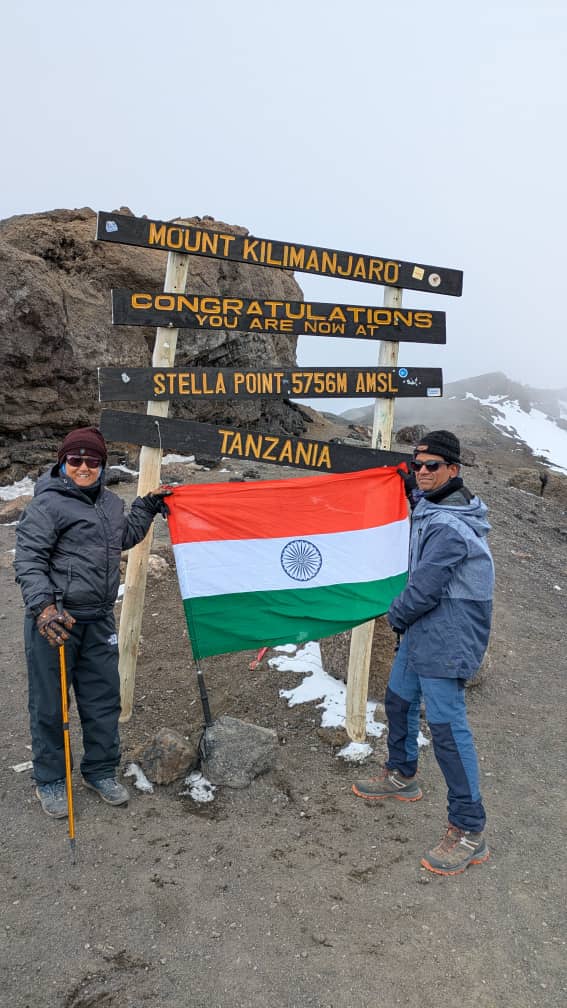
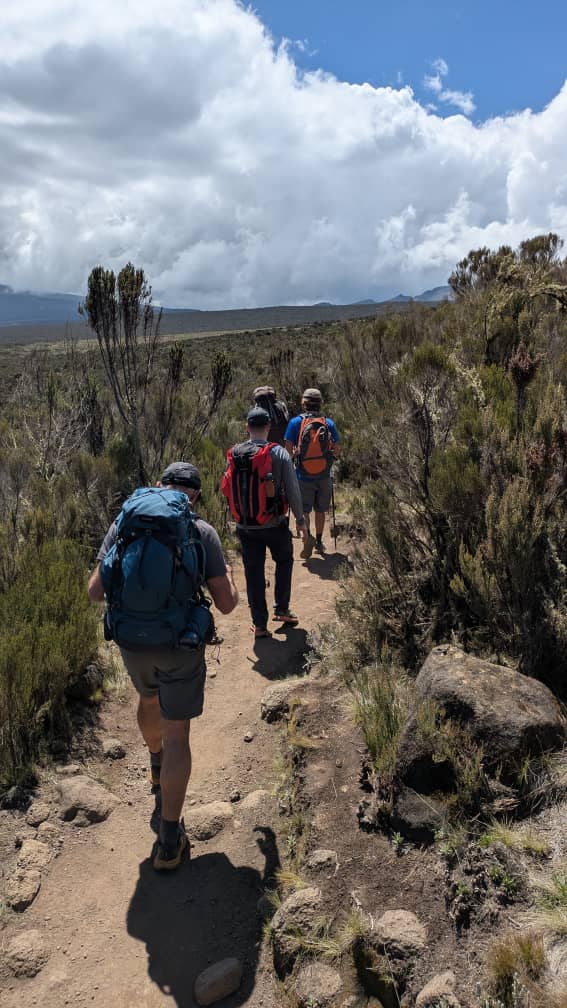
Best Kilimanjaro Group Climbs: Your Comprehensive Guide
Mount Kilimanjaro, the Roof of Africa, beckons adventurers from across the globe. For many, the dream of standing on its summit is best realized through a group climb. These shared expeditions offer camaraderie, support, and often, a more economical way to experience this iconic trek. If you’re considering the journey for 2026 or 2027, this guide will provide everything you need to know about selecting and preparing for the best Kilimanjaro group climbs.
Choosing the right tour operator and route is paramount for a successful and enjoyable ascent. We’ll explore the popular routes, what to expect on the mountain, essential preparation, and how to make an informed booking decision. Our aim is to equip you with the knowledge to make your Kilimanjaro dream a reality.
Kilimanjaro Group Climb Quick Facts
| Feature | Details |
|---|---|
| Mountain | Mount Kilimanjaro, Tanzania |
| Elevation | 5,895 meters (19,341 feet) |
| Type of Climb | Trekking (no technical climbing required) |
| Best Group Climb Routes | Machame, Lemosho, Marangu, Northern Circuit |
| Typical Duration | 6-9 days (depending on route) |
| Best Climbing Seasons | January-March, June-October |
| Accommodation | Camping (most routes), Huts (Marangu) |
| Support Crew | Guides, porters, cook |
| Group Size | Typically 6-20 trekkers |
Why Choose a Group Climb for Kilimanjaro?
Climbing Kilimanjaro is a significant undertaking, and doing it as part of a group offers distinct advantages that can enhance your experience and increase your chances of reaching the summit.
- Shared Experience and Camaraderie: Trekking with like-minded individuals creates a strong sense of community. You’ll share challenges, celebrate milestones, and build lasting friendships with people who understand the unique journey you’re on.
- Mutual Support and Motivation: On tough days, the encouragement from fellow climbers and the support crew can be invaluable. Knowing you’re not alone in your struggle provides a powerful motivational boost.
- Enhanced Safety: A group setting inherently increases safety. More eyes are on the lookout for potential issues, and the support crew is experienced in managing group health and safety protocols.
- Cost-Effectiveness: Group departures often spread the fixed costs of permits, park fees, and crew salaries across more participants, making them a more budget-friendly option compared to private climbs.
- Logistical Ease: The tour operator handles all the complex logistics, from permits and park fees to transportation, food, and camping equipment. This allows you to focus entirely on the trek itself.
- Experienced Guides and Crew: Reputable tour operators leading group climbs employ highly skilled guides who are experts in high-altitude trekking, acclimatization, and emergency management.
Best Time to Climb Kilimanjaro
While Kilimanjaro can be climbed year-round, certain periods offer significantly better weather conditions, making them ideal for group expeditions. The mountain experiences two distinct dry seasons and two wet seasons.
Dry Seasons (Recommended for Group Climbs)
- January to March: This is a popular time, offering clear skies and moderate temperatures. It’s generally less crowded than the second dry season. Good for viewing wildlife on the preceding safari.
- June to October: This is the peak season. The weather is typically dry and sunny, with cooler temperatures. It’s also a great time for combining your climb with a safari, as wildlife is concentrated around water sources.
Wet Seasons (Less Ideal for Group Climbs)
- April and May: These months mark the heavy rainy season. Trails can be muddy and slippery, and cloud cover often obscures views.
- November and December: This is the short rainy season. Expect intermittent rain showers, though they are usually not continuous. Visibility can be variable.
For planning your best Kilimanjaro group climbs in 2026 and 2027, aiming for the dry seasons will offer the most comfortable and visually rewarding experience.
Kilimanjaro Routes Overview
Kilimanjaro offers several distinct routes, each with its own character, scenery, difficulty, and success rate. The choice of route is one of the most critical decisions for a group climb.
| Route | Typical Days | Scenery | Acclimatization | Difficulty | Success Rate | Accommodation |
|---|---|---|---|---|---|---|
| Marangu | 5-7 | Forest, moorland, alpine desert; unique for huts | Poorer | Moderate | Lower | Huts |
| Machame | 6-7 | Diverse, beautiful scenery; rainforest to arctic zone | Good | Challenging | Higher | Camping |
| Lemosho | 7-8 | Very scenic, less crowded initially; diverse ecosystems | Excellent | Challenging | Higher | Camping |
| Northern Circuit | 8-9 | Longest route, excellent acclimatization, remote western side | Excellent | Moderate-Challenging | Highest | Camping |
| Shira | 7-8 | Similar to Lemosho but starts at higher altitude | Fair | Challenging | Good | Camping |
| Rongai | 6-7 | Drier eastern side, good for rainy season; less scenic initially | Fair | Moderate | Good | Camping |
Kilimanjaro Route Map Illustration
Here’s a simplified representation of the main Kilimanjaro routes, showing their general starting points and ascent/descent paths. Note that specific campsites and daily stages can vary between operators.
| Starting Point | Route Path (Ascent) | Summit | Descent Path |
| Marangu Village | Marangu Route (East) | Uhuru Peak | Marangu Route (East) |
| Machame Village | Machame Route (South-West) | Uhuru Peak | Mweka Route (South) |
| Moshi / Londorossi Gate | Lemosho Route (West) | Uhuru Peak | Mweka Route (South) |
| Londorossi Gate | Northern Circuit (West, then North) | Uhuru Peak | Mweka Route (South) |
| Nale Moru | Rongai Route (North-East) | Uhuru Peak | Marangu Route (East) |
Popular Kilimanjaro Group Climb Routes
Several routes are particularly well-suited for group climbs due to their infrastructure, scenery, and acclimatization profiles. These are the routes most commonly offered as group departures by reputable tour operators.
Machame Route: The “Whiskey Route”
The Machame Route is arguably the most popular route for group climbs. It’s known for its stunning scenery, excellent acclimatization profile, and good success rates, especially when climbed over 7 days. It’s often called the “Whiskey Route” because it’s considered more challenging than the “Coca-Cola Route” (Marangu).
Machame Route Details
- Duration: Typically 6 or 7 days. The 7-day option significantly increases acclimatization and success rates.
- Scenery: You traverse diverse ecological zones, from lush rainforests to the alpine desert and arctic summit zone. The views are consistently breathtaking.
- Acclimatization: The “climb high, sleep low” principle is well-applied on the Machame route, particularly on the 7-day itinerary, which is crucial for acclimatization.
- Difficulty: Challenging, with steep ascents and descents, especially on the “Barranco Wall.” Requires good physical fitness.
- Accommodation: Camping only. Tents are provided and set up by the crew.
- Pros for Groups: High success rate (especially 7 days), excellent scenery, good acclimatization, well-established route with good support infrastructure. Many operators offer fixed group dates.
- Cons for Groups: Can be crowded, especially during peak season. The Barranco Wall can be a bottleneck.
See our dedicated Machame Route group departures here: Machame Route Kilimanjaro Group Departures Dates.
Marangu Route: The “Coca-Cola Route”
The Marangu Route is the oldest and most established route. It’s unique for being the only route that offers accommodation in dormitory-style huts rather than camping. This makes it a comfortable option for those who prefer not to camp.
Marangu Route Details
- Duration: Typically 5 or 6 days. The 5-day option is very fast and has a low success rate due to poor acclimatization. The 6-day option is better but still less ideal than other routes.
- Scenery: Ascends through rainforest, moorland, and alpine desert. The final ascent is via the same path as the descent.
- Acclimatization: Considered the poorest for acclimatization due to the direct ascent and lack of “climb high, sleep low” opportunities.
- Difficulty: Moderate in terms of terrain, but the rapid ascent makes it physically demanding due to altitude.
- Accommodation: Huts only.
- Pros for Groups: Comfortable hut accommodation, can be slightly cheaper for shorter durations, well-established.
- Cons for Groups: Lowest success rates due to poor acclimatization, can be very crowded, less scenic than other routes, descent is on the same path as ascent.
Lemosho Route: The Scenic Gem
The Lemosho Route is highly regarded for its stunning scenery and excellent acclimatization profile, often leading to higher success rates. It starts in the west and joins the Machame route later on.
Lemosho Route Details
- Duration: Typically 7 or 8 days. The longer duration is key to its success.
- Scenery: Exceptionally beautiful, offering panoramic views and traversing diverse ecosystems. It’s less crowded in its initial stages.
- Acclimatization: Excellent, due to its gradual ascent and longer duration, allowing for the “climb high, sleep low” strategy.
- Difficulty: Challenging, similar to Machame, but the better acclimatization often makes it feel more manageable.
- Accommodation: Camping only.
- Pros for Groups: High success rates, spectacular scenery, good acclimatization, less crowded in the early days.
- Cons for Groups: Generally more expensive than Machame or Marangu due to the longer duration and remote start.
Northern Circuit: The Longest and Highest Success Rate
The Northern Circuit is the longest route on Kilimanjaro, circumnavigating the mountain. Its extended duration provides the best acclimatization, resulting in the highest success rates.
Northern Circuit Details
- Duration: Typically 8 or 9 days.
- Scenery: Offers the most diverse and extensive views, including the remote northern slopes, which are less visited.
- Acclimatization: Superior. The extended time on the mountain allows for optimal acclimatization, significantly reducing the risk of altitude sickness.
- Difficulty: Moderate to challenging. While the daily stages are often less strenuous than on shorter routes, the overall duration requires good endurance.
- Accommodation: Camping only.
- Pros for Groups: Highest success rates, exceptional acclimatization, remote and less crowded experience, stunning and varied scenery.
- Cons for Groups: Most expensive route due to its length and logistics. Requires more time commitment.
Choosing the Right Route for Your Group Climb
When selecting a route for your group climb, consider these factors:
- Group Fitness and Experience: If your group has varying fitness levels or limited high-altitude experience, opt for routes with better acclimatization like Lemosho or Northern Circuit (8+ days).
- Budget: Marangu and Machame (6-day) are often the most budget-friendly. Lemosho and Northern Circuit are generally more expensive.
- Time Availability: Shorter routes like Marangu (5-day) or Machame (6-day) are quicker but have lower success rates. Longer routes (7+ days) offer better acclimatization and success.
- Scenery Preference: Lemosho and Machame are often praised for their spectacular and diverse scenery.
- Crowd Tolerance: Lemosho and Northern Circuit are less crowded in their initial stages. Marangu and Machame can be very busy.
For most groups aiming for a good balance of scenery, acclimatization, and success, the 7-day Machame or 7/8-day Lemosho routes are excellent choices. For the highest chance of success and a more remote feel, the 8/9-day Northern Circuit is unparalleled.
What to Expect on the Mountain
Climbing Kilimanjaro is a unique experience that combines physical exertion with unparalleled natural beauty and a strong sense of accomplishment. Understanding what daily life is like on the mountain is key to preparation.
Acclimatization Explained
Altitude sickness (Acute Mountain Sickness – AMS) is the most significant risk on Kilimanjaro. It occurs when your body doesn’t have enough time to adjust to the lower oxygen levels at higher elevations. Symptoms can range from headaches and nausea to more severe conditions like HACE (High Altitude Cerebral Edema) and HAPE (High Altitude Pulmonary Edema).
- How to Combat It: The best strategy is slow ascent and proper acclimatization. This means choosing a longer route (7+ days) that allows for gradual height gain and incorporates “climb high, sleep low” days.
- Symptoms: Be aware of headaches, dizziness, nausea, fatigue, and loss of appetite. Report any symptoms to your guide immediately.
- Treatment: Mild symptoms can often be managed by descending slightly, resting, and hydrating. Severe cases require immediate descent. Diamox (acetazolamide) can be prescribed by your doctor to aid acclimatization, but it’s not a substitute for proper ascent.
Daily Trekking Life
A typical day on Kilimanjaro involves an early start, a steady trek, and an evening of rest and preparation.
- Mornings: Wake up early, usually around 7:00 AM. Enjoy breakfast in the mess tent. Pack your daypack and sleeping bag. Your porters will pack your main duffel bag.
- Trekking: Begin walking by 8:00 AM. The pace is slow and steady, known as “pole pole” (slowly, slowly). Guides will set a comfortable rhythm for the group. Expect to walk for 4-8 hours per day, depending on the stage.
- Lunches: A packed lunch is usually eaten on the trail, often at a scenic spot.
- Afternoons: Arrive at the campsite in the mid-afternoon. Your tent will be set up, and you can relax. There’s usually time for a wash (hot water bucket) and a briefing from your guide about the next day’s trek.
- Evenings: Dinner is served in the mess tent. After dinner, it’s time to prepare for the next day – organize your gear, check your boots, and get to bed early. Summit night is an exception, starting very late at night or pre-dawn.
Food and Lodging
Reputable operators provide nutritious and filling meals designed for high-altitude trekking. Accommodation is either in tents or huts.
- Food: Meals typically include porridge or eggs for breakfast, sandwiches or hot lunches on the trail, and hot dinners like soup, rice dishes, pasta, chicken, or vegetables. Snacks like biscuits, fruit, and chocolate are also provided. Vegetarian and other dietary needs can usually be accommodated with advance notice.
- Water: Boiled and purified water is provided daily. It’s essential to drink plenty of water (3-4 liters per day) to aid acclimatization and prevent dehydration.
- Lodging: On camping routes (Machame, Lemosho, Northern Circuit, Rongai), you’ll sleep in sturdy 3-4 season tents. On the Marangu route, you’ll stay in basic but comfortable mountain huts with bunk beds.
Group Dynamics
The success of a group climb isn’t just about reaching the summit; it’s also about the shared journey. Maintaining positive group dynamics is important.
- Communication: Open communication with your guides and fellow climbers is key. Share how you’re feeling, offer encouragement, and be respectful of others’ space and needs.
- Patience: Everyone acclimatizes differently. Some may move faster or slower than others. Patience and understanding are vital.
- Support: Offer help to those who are struggling, whether it’s a word of encouragement or a shared snack.
- Respect: Respect the guides, porters, and your fellow trekkers. Listen to instructions, follow Leave No Trace principles, and be mindful of noise levels, especially at campsites.
Preparation and Packing for Your Group Climb
Thorough preparation is non-negotiable for a Kilimanjaro climb. This includes physical training, mental readiness, and ensuring you have the right gear.
Physical Training
Kilimanjaro is a demanding trek, not a technical climb, but it requires significant physical endurance. Focus your training on:
- Cardiovascular Fitness: Engage in regular aerobic activities like hiking, running, cycling, or swimming for at least 3-4 times a week.
- Hiking with a Pack: The most crucial training is hiking on hills or stairs with a weighted backpack (around 10-15 kg). This simulates the actual trekking conditions. Aim for long hikes (4-6 hours) on weekends.
- Strength Training: Focus on leg strength (squats, lunges) and core stability.
- Stamina: Practice back-to-back hiking days if possible to prepare your body for consecutive days of exertion.
- Start Early: Begin your training at least 2-3 months before your climb.
Mental Preparation
The mental aspect of climbing Kilimanjaro is as important as the physical. Altitude, fatigue, and discomfort can be challenging.
- Set Realistic Expectations: Understand that it will be tough at times. There will be moments of doubt.
- Visualize Success: Imagine yourself reaching the summit and enjoying the incredible views.
- Develop a Positive Mindset: Focus on the journey, the scenery, and the support of your group.
- Learn About Altitude Sickness: Understanding the symptoms and how to manage them can reduce anxiety.
- Embrace “Pole Pole”: Learn to accept the slow pace and enjoy the process.
Essential Gear Checklist
Having the right gear is critical for comfort and safety. Layering is key to managing changing temperatures.
| Category | Item | Notes |
|---|---|---|
| Clothing – Base Layers | Thermal tops (2-3) | Merino wool or synthetic |
| Thermal bottoms (2) | Merino wool or synthetic | |
| Hiking socks (4-5 pairs) | Wool or synthetic, avoid cotton | |
| Liner socks (2-3 pairs) | To prevent blisters | |
| Underwear | Moisture-wicking | |
| Clothing – Mid Layers | Fleece jacket or pullover (1-2) | Warmth |
| Hiking trousers (2 pairs) | Quick-drying, convertible pants are useful | |
| Hiking shirts (2-3) | Moisture-wicking | |
| Lightweight fleece or down vest | Optional extra warmth | |
| Clothing – Outer Layers | Waterproof and windproof jacket (hardshell) | Gore-Tex or similar |
| Waterproof and windproof trousers (hardshell) | Essential for rain and wind | |
| Insulated down or synthetic jacket | Crucial for summit night and cold evenings | |
| Warm hat (fleece or wool) | Covers ears | |
| Headwear & Handwear | Sun hat or cap | For sun protection |
| Gloves (2 pairs) | One lighter pair, one warm waterproof pair | |
| Balaclava or neck gaiter | For face protection | |
| Footwear | Hiking boots | Broken-in, waterproof, ankle support |
| Camp shoes or trainers | For relaxing at camp | |
| Gaiters | To keep mud and rocks out of boots | |
| Trekking poles | Highly recommended for ascents and descents | |
| Sleeping Gear | Sleeping bag | Rated to -15°C to -20°C (0°F to -4°F) |
| Sleeping bag liner | Adds warmth and keeps bag clean | |
| Inflatable pillow | Optional comfort | |
| Sleeping pad | Usually provided by operator, but check | |
| Duffle bag (waterproof) | 80-100 liters, for porters (max 15kg) | |
| Equipment | Backpack (daypack) | 30-40 liters, for essentials on the trail |
| Headlamp | With extra batteries | |
| Water bottles or hydration reservoir | At least 3 liters capacity | |
| Water purification tablets or filter | As backup | |
| Sunglasses | UV protection | |
| Sunscreen (SPF 30+) & Lip Balm | High SPF is essential | |
| Personal Items | Toiletries | Biodegradable soap, toothbrush, toothpaste, wet wipes |
| Quick-dry towel | Small and lightweight | |
| Personal first-aid kit | Blister treatment, pain relievers, antiseptic wipes, personal meds | |
| Hand sanitizer | Essential for hygiene | |
| Camera, power bank, binoculars | Optional | |
| Documents & Money | Passport & Visa | Copies stored separately |
| Travel insurance details | Including emergency evacuation | |
| Cash (USD) | For tips and personal expenses |
Common Mistakes to Avoid on Your Group Climb
Many trekkers make similar errors that can impact their experience or success. Being aware of these can help you avoid them.
- Inadequate Training: Underestimating the physical demands leads to fatigue and can increase the risk of altitude sickness.
- Poor Acclimatization Strategy: Choosing a short route (like 5-day Marangu) is a common mistake that significantly lowers success rates. Always prioritize longer routes.
- Ignoring Symptoms of Altitude Sickness: Pushing on despite feeling unwell is dangerous. Always communicate with your guide.
- Dehydration: Not drinking enough water is a major contributor to altitude sickness and fatigue. Aim for 3-4 liters daily.
- Incorrect Gear: Wearing cotton clothing, using un-broken-in boots, or not having adequate warm layers are common gear-related issues.
- Overpacking: Porters have a weight limit (usually 15kg). Pack smart and only bring essentials.
- Lack of Proper Footwear: Blisters and ill-fitting boots can make the trek miserable. Ensure boots are well broken-in.
- Not Listening to Guides: Your guides are experienced professionals. Trust their judgment regarding pace, safety, and acclimatization.
- Smoking or Excessive Alcohol: These can hinder acclimatization and worsen altitude sickness. Avoid them during the trek.
- Rushing the Descent: The descent can be hard on the knees and also carries risks. Take it slow and steady.
Who is a Kilimanjaro Group Climb Best For?
Group climbs are ideal for a wide range of travelers:
- Solo Travelers: It’s a fantastic way to meet people and share the experience, offering safety and companionship.
- Friends and Families: A shared challenge creates strong bonds and unforgettable memories.
- Budget-Conscious Adventurers: Group departures are generally more affordable than private climbs.
- First-Time High-Altitude Trekkers: The structured support and experienced crew provide a secure environment for those new to high-altitude environments.
- Anyone Seeking Camaraderie: If you enjoy the social aspect of travel and the motivation that comes from a shared goal, a group climb is perfect.
While group climbs are excellent, they might be less suitable for those who prefer absolute solitude, require a highly customized itinerary, or have very specific pacing needs that might not align with the group’s rhythm.
Alternatives to Group Climbs
If a standard group climb doesn’t quite fit your needs, consider these alternatives:
- Private Climb: You have a dedicated team and can set your own pace and itinerary (within route constraints). This is more expensive but offers ultimate flexibility.
- Custom Group Climb: If you have a group of friends or family (typically 6+ people), you can often arrange a private departure with your chosen operator, potentially at a better price per person than booking individually.
- Joining a Specialized Group: Some operators offer specialized group departures, such as photography-focused climbs, women-only groups, or climbs tied to specific charitable causes.
Planning Your 2026-2027 Kilimanjaro Group Climb
Planning ahead is crucial, especially for popular seasons and group departures in 2026 and 2027. Here’s a timeline and key considerations.
Cost Considerations
The cost of a Kilimanjaro group climb can vary significantly based on the operator, route duration, and inclusions. While exact prices fluctuate, understanding the components helps.
- Operator Tier: Budget, mid-range, and premium operators have different pricing structures. Premium operators often invest more in guide training, equipment, food quality, and ethical porter treatment, which is reflected in the cost.
- Route and Duration: Longer routes (like Lemosho or Northern Circuit) and longer durations (7+ days) are typically more expensive due to increased park fees, crew wages, and logistical costs.
- Inclusions: Check what is included. Common inclusions are park fees, crew salaries, food, tents, and transfers. Exclusions often include flights, visas, tips, personal gear, and travel insurance.
- Group Size: While group climbs are cheaper than private ones, very small groups might incur higher per-person costs than larger groups.
When comparing prices for 2026-2027, look beyond the bottom line and assess the value offered in terms of safety, quality of crew, and overall experience.
What is Typically Included?
Reputable operators for best Kilimanjaro group climbs usually include:
- Kilimanjaro National Park entry fees, camping/hut fees, and climbing permits.
- All meals on the mountain (breakfast, lunch, dinner).
- Tents, sleeping mats, and mess tent with table and chairs.
- Experienced, licensed mountain guides.
- Assistant guides (ratio typically 1:2 guides per climber).
- Porters to carry all group gear and your duffel bag (within weight limits).
- Cook to prepare meals.
- Boiled and purified drinking water on the mountain.
- Accommodation in Moshi or Arusha before and after the climb (often 1-2 nights).
- Airport transfers on arrival and departure.
- Portable toilet (on most camping routes).
What is Typically Not Included?
Be prepared for these common exclusions:
- International flights to Kilimanjaro International Airport (JRO).
- Tanzanian Visa fees.
- Travel and rescue insurance (mandatory).
- Tips for guides, assistant guides, porters, and cook. This is a significant part of the crew’s income.
- Personal climbing gear (sleeping bag, warm clothing, boots, etc.).
- Duffel bag (often available for rent).
- Personal expenses (souvenirs, drinks, laundry).
- Optional activities before or after the climb.
- Medications (e.g., Diamox).
Booking Advice
Selecting the right tour operator is crucial for a safe and enjoyable Kilimanjaro experience. Here’s how to approach booking your 2026-2027 group climb:
- Research Operators Thoroughly: Look for companies with a strong safety record, experienced guides, ethical treatment of porters, and positive reviews. Check their website for detailed itineraries and inclusions.
- Prioritize Safety and Experience: Don’t just choose the cheapest option. Higher prices often reflect better safety protocols, guide training, and equipment quality.
- Check Group Departure Dates: Many operators publish fixed group departure dates well in advance. For 2026-2027, these should be available now. Choose dates that align with your availability and the best climbing seasons.
- Understand Inclusions/Exclusions: Carefully compare what each operator includes. Ensure park fees, permits, and adequate crew ratios are covered.
- Read Reviews: Look for reviews on independent platforms like TripAdvisor. Pay attention to comments about safety, guide quality, food, and overall organization. Traveler feedback can be very insightful.
- Ask Questions: Contact potential operators with your questions. A good operator will be responsive and provide clear, detailed answers.
- Consider a Hybrid Approach: Some travelers combine a Kilimanjaro climb with a safari. Many operators specialize in these packages. For safari group departures, see Tanzania Safari Group Departures.
Our Recommendations
At Top Guide Adventures, we specialize in creating memorable and safe Kilimanjaro treks. We believe in offering routes that prioritize acclimatization and success, ensuring you have the best possible experience. For group climbs, we often recommend:
- 7-Day Machame Route: A fantastic balance of stunning scenery, excellent acclimatization, and a high success rate. It’s a well-trodden path with reliable support.
- 8-Day Lemosho Route: For those seeking even better acclimatization and a slightly less crowded start, Lemosho offers breathtaking views and a superior chance of reaching Uhuru Peak.
- 9-Day Northern Circuit: The ultimate route for acclimatization and success. It provides a more remote and comprehensive Kilimanjaro experience.
We meticulously plan our group departures to ensure optimal safety, comfort, and enjoyment for every climber. Our experienced guides are trained to handle altitude-related issues and provide constant support.
Traveler Feedback
Hearing from past travelers is a great way to gauge the quality of a tour operator and the overall experience of climbing Kilimanjaro.
We are proud of the feedback we receive from our clients. Many highlight the dedication of our guides and porters, the quality of the food, and the overall smooth organization of their climbs. You can read more about what our adventurers say on platforms like TripAdvisor. Seeing recent photos and updates from our expeditions on Instagram can also give you a real feel for the journey: @top_guide_adventures.
For a glimpse into traveler experiences and reviews, check out:
TripAdvisor Reviews for Top Guide Adventures
Our commitment is to provide reliable and memorable Kilimanjaro expeditions, and we encourage you to explore feedback from those who have already completed their journey with us. You can also visit our other website for more information: www.topguideadventures.com.
Frequently Asked Questions About Kilimanjaro Group Climbs
Q1: What is the best route for a Kilimanjaro group climb?
A: For most groups, the 7-day Machame or 8-day Lemosho routes are considered the best, offering a good balance of scenery, acclimatization, and success rates. The 9-day Northern Circuit provides the highest success rate due to superior acclimatization.
Q2: How physically fit do I need to be for a Kilimanjaro group climb?
A: You need to be in good cardiovascular shape and have decent stamina. While no technical climbing skills are required, the trek involves long days of walking at high altitude. Consistent hiking and aerobic training for at least 2-3 months prior is highly recommended.
Q3: What is the success rate for Kilimanjaro group climbs?
A: Success rates vary by route, duration, and operator. Routes with better acclimatization, like the Northern Circuit (9 days) and Lemosho (8 days), generally have success rates upwards of 90%. Shorter routes like the 5-day Marangu have much lower rates (around 40-60%). Choosing a 7-day Machame is typically around 70-85%.
Q4: How much should I budget for tips for the Kilimanjaro crew?
A: Tipping is customary and a significant part of the crew’s income. A general guideline for a 7-day climb is around $250-$350 USD per climber, distributed among guides, assistant guides, porters, and cooks. Your operator will provide specific recommended tipping guidelines.
Q5: Can I climb Kilimanjaro solo in a group?
A: Yes, many people climb Kilimanjaro solo by joining a scheduled group departure. This is a popular option for solo travelers looking for companionship and a shared experience.
Q6: What is the biggest risk when climbing Kilimanjaro?
A: The biggest risk is altitude sickness (AMS). It can affect anyone regardless of fitness level. Proper acclimatization through a longer route and listening to your guide are crucial to mitigating this risk.
Q7: What are the best months to climb Kilimanjaro in 2026-2027?
A: The best months are during the dry seasons: January to March and June to October. These periods offer clearer skies and more stable weather conditions, ideal for group climbs.
Q8: Do I need special mountaineering gear?
A: No, Kilimanjaro is a trekking peak. You do not need ropes, ice axes, or crampons for most routes. However, you do need robust trekking gear, including waterproof outer layers, warm insulation, sturdy hiking boots, and layers for varying temperatures.
Q9: How much weight do porters carry?
A: Porters typically carry up to 15-20 kg of your personal gear in a duffel bag, plus communal equipment. You will carry your own daypack with essentials like water, snacks, camera, and extra layers.
Q10: Can I use Diamox for altitude sickness?
A: Diamox (acetazolamide) can help speed up acclimatization for some individuals, but it’s not a substitute for slow ascent and proper hydration. Consult your doctor well in advance of your trip to see if it’s suitable for you and get a prescription.
Your Kilimanjaro Adventure Awaits
Planning the best Kilimanjaro group climbs requires careful consideration of routes, preparation, and choosing the right partner for your journey. Whether you’re drawn by the breathtaking scenery, the personal challenge, or the camaraderie of a group expedition, Kilimanjaro offers an unforgettable adventure.
We are passionate about helping you achieve your summit dream safely and memorably. Our team at Top Guide Adventures is dedicated to providing exceptional service, from initial planning to your triumphant return. Let us help you craft an incredible 2026 or 2027 Kilimanjaro experience.
Contact us today to discuss your group climb:
- WhatsApp: +255616946642
- Email: topguideadventures@gmail.com
- Backup Email: info@topguideadventures.com
Let’s make your Kilimanjaro adventure a reality!
Complete Best Kilimanjaro Group Climbs Planning Details for 2026- 2027-2028
Best Kilimanjaro Group Climbs needs more than a quick description because travelers normally want to understand timing, route logic, comfort level, inclusions, local support, safety, and how the trip fits with the rest of a Tanzania journey. For 2026- 2027-2028, the best plan is to compare the route, travel month, daily pace, accommodation style, and transport arrangement before confirming.
A strong plan should explain where the trip starts, what happens each day, how long transfers may take, what travelers should prepare, and which parts can be customized. This makes the page useful for families, couples, solo travelers, private groups, budget travelers, mid-range guests, and luxury travelers.
Important things to confirm before booking
- Exact starting point and pickup time.
- Accommodation level or day-trip timing.
- Transport type and guide arrangement.
- Park fees, activities, meals, drinking water, and transfers.
- Best travel month for weather, wildlife, trekking, beaches, or photography.
- Payment plan, deposit, cancellation terms, and changes if travel dates move.
Best Kilimanjaro Group Climbs Sample Structure and Route Logic
Most travelers choose Best Kilimanjaro Group Climbs because they want a clear experience that is easy to understand and simple to book. The structure should feel practical: arrival or pickup, main activity, important stops, relaxed timing, overnight or return plan, and final drop-off. When the topic involves safari, the route should respect park distance and game drive time. When it involves Kilimanjaro, the route should respect acclimatization and safe pacing. When it involves Zanzibar, the plan should balance ocean activities, culture, relaxation, and transfer time.
| Planning Area | What to Check | Why It Matters |
|---|---|---|
| Timing | Season, pickup time, daily pace, and activity duration | Helps avoid rushed travel and gives better value |
| Comfort | Budget, mid-range, luxury, private, or shared style | Matches the trip with the traveler expectation |
| Logistics | Transfers, vehicle, guide, permits, and entry rules | Prevents surprises during the trip |
| Booking | Deposit, availability, route, inclusions, and final balance | Makes confirmation smooth and transparent |
Top Guide Adventures Recommendation
Best Tanzania Tour operator recommends treating Best Kilimanjaro Group Climbs as a complete travel plan rather than only a title. A good operator should explain the route, guide support, what is included, what is excluded, how timing works, and what can be adjusted. Travelers can also compare Tanzania safari group departures and shared tours, check Machame Route Kilimanjaro group departures, or read more articles in the Tanzania safari tours blog.
For a more personal look at current trips and field updates, travelers may follow Top Guide Adventures on Instagram, review traveler feedback on Tripadvisor, or visit our another website.
Best Kilimanjaro Group Climbs FAQs for 2026- 2027-2028
How early should I book Best Kilimanjaro Group Climbs?
Booking early is better for 2026- 2027-2028, especially for high season, family travel, group departures, Kilimanjaro routes, Serengeti safaris, Zanzibar holidays, and private customized tours.
Can this trip be customized?
Yes. The route, accommodation level, pace, pickup point, and add-ons can usually be adjusted depending on availability and the travel dates.
Is Best Kilimanjaro Group Climbs suitable for first-time travelers?
Yes, when the itinerary is explained clearly and the guide support is reliable. First-time travelers should ask for a simple day-by-day plan, inclusions, exclusions, and preparation notes.
What should I ask before confirming?
Ask about transport, guide, meals, park or activity fees, accommodation, payment plan, cancellation terms, and what happens if weather or travel timing changes.
Best Kilimanjaro Group Climbs Detailed Cost and Value Notes
Cost can change by season, accommodation level, group size, park rules, transfer distance, and activity style. A useful page should explain what usually affects price rather than only giving one short number. Travelers comparing this topic for 2026-2027 should check whether transport, guide, meals, drinking water, accommodation, park fees, permits, and airport transfers are included.
Best Kilimanjaro Group Climbs should be explained with enough detail for a traveler to understand the route, timing, comfort level, inclusions, exclusions, preparation, and booking steps. Repeating the focus topic naturally in helpful planning areas makes the article stronger without stuffing keywords.
Best Kilimanjaro Group Climbs Best Traveler Type for This Plan
This plan can work for different travelers when the details are adjusted correctly. Families may need softer timing and private transport, couples may prefer better rooms and scenic pacing, group travelers may focus on shared departures and value, while photographers may need more time in key locations.
Best Kilimanjaro Group Climbs should be explained with enough detail for a traveler to understand the route, timing, comfort level, inclusions, exclusions, preparation, and booking steps. Repeating the focus topic naturally in helpful planning areas makes the article stronger without stuffing keywords.
Best Kilimanjaro Group Climbs Common Booking Mistakes to Avoid
Common mistakes include choosing only by the cheapest price, ignoring transfer time, booking without checking inclusions, using a rushed itinerary, not confirming accommodation names, and failing to ask how changes are handled if flights, weather, or park timing changes.
Best Kilimanjaro Group Climbs should be explained with enough detail for a traveler to understand the route, timing, comfort level, inclusions, exclusions, preparation, and booking steps. Repeating the focus topic naturally in helpful planning areas makes the article stronger without stuffing keywords.
Best Kilimanjaro Group Climbs What Makes a Strong Itinerary
A strong itinerary has a clear start point, realistic daily timing, enough activity time, transparent inclusions, simple communication, and a guide or operations team that understands local routes. It should also leave space for comfort, photos, meals, and unexpected delays.
Best Kilimanjaro Group Climbs should be explained with enough detail for a traveler to understand the route, timing, comfort level, inclusions, exclusions, preparation, and booking steps. Repeating the focus topic naturally in helpful planning areas makes the article stronger without stuffing keywords.
Best Kilimanjaro Group Climbs Final Planning Advice for 2026-2027
For 2026-2027, travelers should book early for busy seasons, compare the exact route carefully, ask for written inclusions and exclusions, and choose an operator who can explain the trip in practical language. This helps the page become useful for both planning and booking intent.
Best Kilimanjaro Group Climbs should be explained with enough detail for a traveler to understand the route, timing, comfort level, inclusions, exclusions, preparation, and booking steps. Repeating the focus topic naturally in helpful planning areas makes the article stronger without stuffing keywords.
Plan your Best Kilimanjaro Group Climbs with Top Guide Adventures
Tell us your travel dates, group size, comfort level, and dream experience. We will help you shape a clear, realistic, and memorable Tanzania itinerary.







 Veedesigner
 Fatma Kizanga
 Benjamin Waryuba
 Philip Philip
 John jr Itaja
 Antonia Optatus
 Edith Kanyere
 Neema Iddy
 Kelvin Boniphace
 Damari Maiga



