
Updated planning guide for 2026, 2027-2028
Premium Kilimanjaro Private Climbs: Expert Trekking Guide 2026-2027-2028
Your ultimate guide to planning a premium Kilimanjaro private climb. Get expert advice on routes, preparation, costs, and booking for your 2026-2027 adventure.
WhatsApp +255616946642 | topguideadventures@gmail.com | info@topguideadventures.com
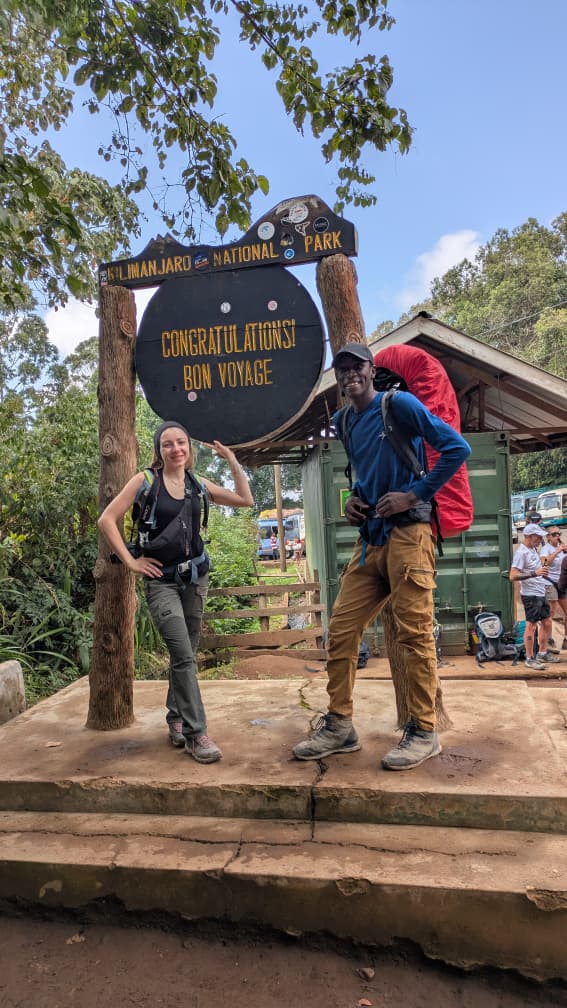
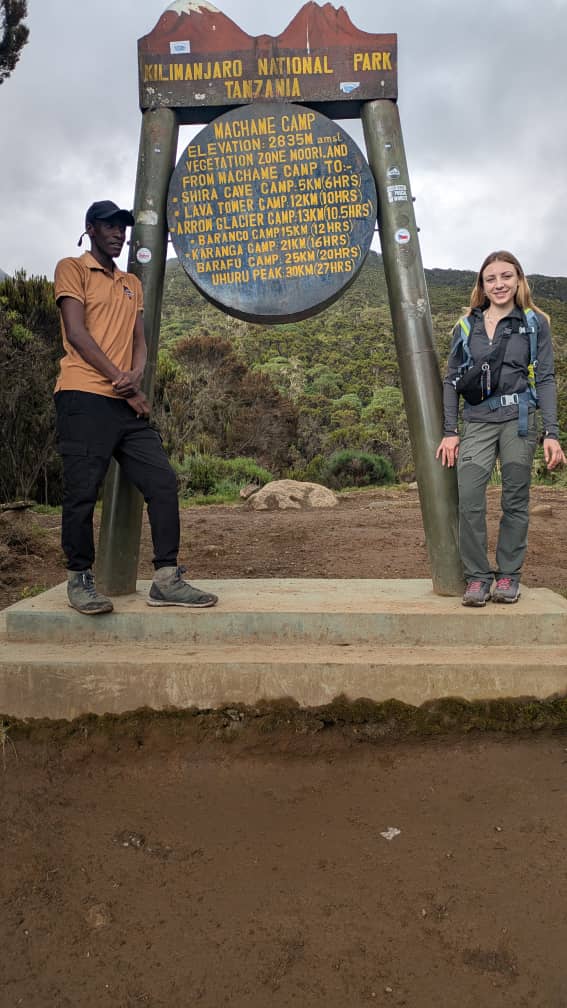
Mount Kilimanjaro, Africa’s Roof of the World, calls to adventurers seeking a profound challenge and unparalleled achievement. For those desiring a more personalized and controlled experience, a premium Kilimanjaro private climb offers the ultimate way to conquer this majestic peak. This dedicated approach ensures your journey is tailored to your pace, preferences, and specific needs, making the ascent not just a physical feat but a truly memorable expedition.
Choosing a private climb means you have dedicated guides, support crew, and a schedule that prioritizes your comfort and success. It’s an investment in an experience where every detail is managed for you, allowing you to focus entirely on the climb itself. Whether you’re celebrating a milestone, undertaking a corporate team-building event, or simply prefer the exclusivity of a private group, this guide will navigate you through every aspect of planning your premium Kilimanjaro private climb.
Kilimanjaro Private Climb: Quick Facts
| Feature | Details |
|---|---|
| Mountain | Mount Kilimanjaro, Tanzania |
| Elevation | 5,895 meters (19,341 feet) |
| Private Climb Benefit | Customizable itinerary, dedicated team, exclusive group, flexible pace. |
| Popular Routes | Machame, Lemosho, Marangu, Rongai, Northern Circuit, Umbwe. |
| Typical Duration | 6 to 9 days (private climbs often extend for acclimatization) |
| Best Time to Climb | January-March and June-October (dry seasons) |
| Accommodation | Camping (most routes) or Huts (Marangu Route) |
| Physical Fitness | Moderate to High; requires endurance and acclimatization. |
| Guides | Certified, experienced local guides. |
| Support Crew | Porters, cooks (for camping routes). |
| Key Consideration | Acclimatization is crucial for success and safety. |
What is a Premium Kilimanjaro Private Climb?
A premium Kilimanjaro private climb is an exclusive trekking experience where your group – whether it’s just you, your family, or a group of friends – has a dedicated team of guides, porters, and cooks solely for your expedition. Unlike joining a pre-scheduled group departure, a private climb allows for significant flexibility. This means you can often choose your departure dates, tailor the itinerary to include more acclimatization days, and set a pace that suits your group’s fitness levels. The ‘premium’ aspect often signifies higher quality equipment, more experienced guides, better food provisions, and a commitment to exceptional service throughout the trek. It’s about ensuring your comfort, safety, and enjoyment are paramount as you ascend Africa’s highest peak.
Why Choose a Private Kilimanjaro Climb?
The decision to opt for a private Kilimanjaro climb over a group tour is driven by several key advantages:
- Personalized Pace: Your group dictates the speed of ascent. This is invaluable for mixed-ability groups, allowing slower members to take their time without pressure and faster members to enjoy the scenery.
- Extended Acclimatization: Private climbs often allow for longer itineraries (e.g., 8 or 9 days instead of the minimum 5 or 6). More days on the mountain significantly improve acclimatization, reducing the risk of altitude sickness and increasing your chances of reaching Uhuru Peak.
- Flexibility in Departure Dates: You choose when to start your trek, aligning with your schedule rather than a fixed group departure. This is particularly useful for specific events or travel plans.
- Enhanced Comfort and Service: With a dedicated team, you receive more attentive service. Guides can spend more time explaining flora, fauna, and culture, and the support crew can focus on your specific needs regarding food and camp setup.
- Privacy and Exclusivity: Enjoy the camaraderie of your own group without the dynamics of interacting with strangers. This can be ideal for families, corporate teams, or close friends.
- Tailored Itinerary: While routes have standard profiles, a private climb can sometimes accommodate minor adjustments to daily stages for better acclimatization or to explore specific points of interest.
Kilimanjaro Routes: Choosing Your Path
Selecting the right route is one of the most critical decisions for your premium Kilimanjaro private climb. Each route offers a different experience, varying in scenery, difficulty, acclimatization profile, and crowds. For private climbs, routes that offer longer durations are often preferred to maximize acclimatization.
The Machame Route (Whiskey Route)
Often called the ‘Whiskey Route’ because it’s considered more challenging than the ‘Marangu’ (or ‘Beer’) Route, Machame is one of the most popular choices for private climbs due to its excellent acclimatization profile and stunning scenery. It’s a “climb high, sleep low” route, which aids acclimatization significantly.
- Duration: Typically 6 to 7 days. For a premium private climb, 7 or 8 days are highly recommended.
- Scenery: Diverse, traversing rainforest, moorland, desert, and arctic zones. Offers great views.
- Acclimatization: Good, especially on longer itineraries.
- Crowds: Can be busy, but less so than Marangu.
- Accommodation: Camping.
The Lemosho Route
Lemosho is a newer route, known for its beauty and excellent acclimatization. It starts in the west, offering a more remote experience initially, before joining the Machame route. It’s a top choice for private climbs aiming for high success rates.
- Duration: Typically 7 to 8 days. Private climbs can extend to 9 days.
- Scenery: Exceptional, considered one of the most scenic routes, with varied landscapes.
- Acclimatization: Excellent, due to its gradual ascent and longer duration options.
- Crowds: Less crowded, especially in the initial days.
- Accommodation: Camping.
The Northern Circuit Route
This is the longest and arguably most scenic route, circumnavigating the mountain. It offers the best acclimatization profile, making it ideal for private climbs seeking the highest success rates and a more relaxed pace.
- Duration: Typically 9 to 10 days.
- Scenery: Unrivaled, offering panoramic views from all sides of the mountain.
- Acclimatization: The best of all routes due to its length and gradual ascent.
- Crowds: Very few people, offering a truly wild experience.
- Accommodation: Camping.
The Marangu Route (Coca-Cola Route)
Known as the “Coca-Cola Route” or “tourist route,” Marangu is the only route that offers accommodation in dorm-style huts. It’s the shortest route, but its rapid ascent makes acclimatization difficult, leading to lower success rates.
- Duration: 5 to 6 days. Shorter options are not recommended for any climb, especially private ones.
- Scenery: Less varied than other routes.
- Acclimatization: Poor due to steep ascent and shorter duration.
- Crowds: Can be very crowded.
- Accommodation: Huts.
Note: While Marangu is an option, it is generally not recommended for a premium private climb where success and comfort are priorities, due to its poor acclimatization profile.
The Rongai Route
Rongai approaches Kilimanjaro from the north, near the Kenyan border. It’s a good alternative to Marangu, offering a similar acclimatization profile but with camping accommodation and fewer crowds.
- Duration: Typically 6 to 7 days. 7 days are recommended for private groups.
- Scenery: More arid in the initial stages, becoming more varied later.
- Acclimatization: Moderate.
- Crowds: Less crowded.
- Accommodation: Camping.
The Umbwe Route
Umbwe is the shortest, steepest, and most direct route. It’s challenging and requires excellent physical condition and previous high-altitude experience. It’s generally not recommended for most private climbers unless they are highly experienced mountaineers.
- Duration: 5 to 6 days.
- Scenery: Dramatic and steep.
- Acclimatization: Poor.
- Crowds: Minimal.
- Accommodation: Camping.
Route Comparison for Private Climbs
| Route | Typical Days | Success Rate (Est.) | Scenery | Acclimatization | Crowds | Accommodation |
|---|---|---|---|---|---|---|
| Machame | 7-8 (Recommended for Private) | 70-80% | Excellent | Good | Moderate | Camping |
| Lemosho | 8-9 (Recommended for Private) | 80-90% | Exceptional | Excellent | Low (early), Moderate (later) | Camping |
| Northern Circuit | 9-10 (Recommended for Private) | 90%+ | Unrivaled | Best | Very Low | Camping |
| Rongai | 7 (Recommended for Private) | 65-75% | Good | Moderate | Low | Camping |
| Marangu | 6 (Not Recommended for Private) | 40-50% | Average | Poor | High | Huts |
| Umbwe | 6 (Not Recommended for Private unless experienced) | 30-40% | Dramatic | Poor | Very Low | Camping |
Planning Your Premium Kilimanjaro Private Climb for 2026-2027
Planning a Kilimanjaro climb, especially a private one, requires attention to detail. Here’s a breakdown of key planning aspects for your 2026-2027 adventure:
Setting Your Budget
Premium private climbs are an investment. Costs vary based on the route length, company, and level of service. While exact prices fluctuate, expect a premium private climb to be significantly more than a standard group tour. Factors influencing cost include:
- Operator Choice: Reputable operators with experienced guides and quality equipment command higher prices.
- Route and Duration: Longer routes (like Northern Circuit or extended Lemosho/Machame) cost more due to more days of guiding and support.
- Group Size: While private, the cost is often per person, but a larger group might get a slightly lower per-person rate.
- Inclusions: What’s included (e.g., park fees, meals, gear rental, transfers, tips) greatly impacts the overall price.
Budgeting considerations should include the climb package, flights, travel insurance, visa fees, vaccinations, personal gear, and tips for the crew.
Choosing the Best Time to Climb
Kilimanjaro can be climbed year-round, but certain periods offer more favorable weather conditions, increasing comfort and success rates. The best times for a premium private climb are during the dry seasons:
- January to March: Generally clear skies, colder temperatures, and less rain. This is an excellent time for climbing.
- June to October: Another dry season, with pleasant temperatures and clear views. This period can be slightly busier.
The wet seasons (April-May and November-December) see more rainfall, making trails muddy and visibility poor. While possible, these are generally less ideal for a premium experience.
Selecting Your Tour Operator
This is paramount for a premium private climb. Look for operators with:
- Proven Safety Record: Essential for any high-altitude trek.
- Experienced, Certified Guides: Knowledgeable about altitude sickness, navigation, and local culture.
- Quality Equipment: Good tents, sleeping bags, and other gear ensure comfort and safety.
- Ethical Treatment of Porters: A crucial indicator of a responsible operator.
- Positive Reviews: Check independent review sites like TripAdvisor. For example, traveler feedback for Top Guide Adventures highlights their commitment to service.
- Good Communication: Responsive and helpful before, during, and after the climb.
Consider operators like Top Guide Adventures, who specialize in customized and private Kilimanjaro treks. You can reach them via WhatsApp at +255616946642 or email at topguideadventures@gmail.com.
Physical Preparation
Kilimanjaro is a challenging trek, not a technical climb. The main difficulty is altitude. Your training should focus on cardiovascular fitness and endurance:
- Cardio: Aim for 3-5 sessions per week of at least 45-60 minutes. Include hiking, running, cycling, or swimming.
- Hiking: Regularly hike with a weighted backpack (5-10 kg / 10-20 lbs). Practice on varied terrain, including hills.
- Strength Training: Focus on legs and core. Squats, lunges, and step-ups are beneficial.
- Mental Preparation: Understand the challenges of altitude and be prepared for discomfort. Positive self-talk and a strong mindset are vital.
Start your training at least 2-3 months before your climb.
Packing Essentials
Quality gear is crucial for comfort and safety. For a premium private climb, you might have some gear provided or available for rent, but essentials are usually personal. Key items include:
- Layered Clothing: Base layers (merino wool or synthetic), mid-layers (fleece), and an outer shell (waterproof and windproof).
- Insulated Jacket: A warm down or synthetic jacket for summit night.
- Trekking Boots: Broken-in, waterproof, sturdy boots.
- Sleeping Bag: Rated for cold temperatures (-10°C to -20°C / 0°F to -4°F).
- Headlamp: With extra batteries.
- Sun Protection: High SPF sunscreen, sunglasses, wide-brimmed hat.
- Water Bottles/Hydration System: At least 3 liters capacity.
- Trekking Poles: Highly recommended for stability and reducing knee strain.
- Personal First-Aid Kit: Including any personal medications.
- Snacks: High-energy snacks you enjoy.
Your tour operator will provide a detailed packing list.
A Sample Itinerary for a Premium Lemosho Private Climb (9 Days)
This 9-day Lemosho itinerary is designed for excellent acclimatization and a higher success rate, typical of a premium private climb experience. Departure dates are flexible based on your preference.
| Day | Route Stage | Elevation (m/ft) | Approx. Trekking Time | Description |
|---|---|---|---|---|
| Day 1 | Lemosho Gate to Mti Mkubwa Camp | 2,360m / 7,742ft | 3-4 hours | Arrival in Tanzania, transfer to Arusha/Moshi. Briefing and gear check. Next day, transfer to Lemosho Gate. Begin trek through rainforest. |
| Day 2 | Mti Mkubwa Camp to Shira 1 Camp | 3,500m / 11,483ft | 5-6 hours | Continue through forest, then open moorland. Arrive at Shira Plateau. |
| Day 3 | Shira 1 Camp to Shira 2 Camp | 3,850m / 12,631ft | 4-5 hours | Trek across the Shira Plateau. Gentle ascent with stunning views. |
| Day 4 | Shira 2 Camp to Barranco Camp | 3,950m / 12,959ft | 5-6 hours | Ascend towards the Lava Tower (4,600m/15,091ft), then descend to Barranco Camp. This “climb high, sleep low” is crucial for acclimatization. |
| Day 5 | Barranco Camp to Karanga Camp | 4,000m / 13,123ft | 4-5 hours | Conquer the Barranco Wall (a scramble), then a steady climb to Karanga Valley and Camp. |
| Day 6 | Karanga Camp to Barafu Camp | 4,650m / 15,256ft | 4-5 hours | Trek through alpine desert. Reach Barafu Camp, the base for summit push. Rest and prepare. |
| Day 7 | Summit Day: Barafu Camp to Uhuru Peak & descend to Mweka Camp | 5,895m / 19,341ft (Uhuru Peak) to 3,100m / 10,170ft (Mweka) | 7-8 hours (ascent), 4-5 hours (descent to Barafu), 4-5 hours (descent to Mweka) | Start pre-dawn. Ascend Stella Point then Uhuru Peak. Descend past Barafu Camp to Mweka Camp for overnight. A very long and demanding day. |
| Day 8 | Mweka Camp to Mweka Gate & transfer to Arusha/Moshi | 1,650m / 5,413ft (Mweka Gate) | 3-4 hours | Descend through rainforest to Mweka Gate. Certificate presentation. Transfer back to your hotel. |
| Day 9 | Departure or onwards travel | – | – | Enjoy a well-deserved rest, or continue your Tanzanian adventure with a safari or Zanzibar trip. |
What to Expect on Your Private Kilimanjaro Climb
A premium private Kilimanjaro climb offers a unique set of experiences and expectations:
Daily Life on the Mountain
- Mornings: Wake up early, typically around 7 AM. Enjoy breakfast in the mess tent (if camping).
- Trekking: Start trekking by 8 or 9 AM. Your guides will set a slow, steady pace, ensuring everyone keeps up. Short breaks for water and snacks are frequent.
- Lunch: A packed lunch is usually enjoyed at a scenic spot along the trail.
- Afternoons: Arrive at camp by mid-afternoon. Your support crew will have set up tents and the mess tent. You’ll have time to rest, hydrate, and prepare for dinner.
- Evenings: Dinner is served in the mess tent. Guides will brief you on the next day’s plan. Early to bed to maximize rest before summit night.
- Summit Night: This is the most challenging part. You’ll wake up around midnight, have a light snack, and begin the ascent in the dark, aiming to reach Uhuru Peak for sunrise.
Food and Drink
Reputable operators provide surprisingly good and varied meals. Expect:
- Breakfast: Porridge, eggs, toast, fruit.
- Lunch: Sandwiches, pasta, rice dishes, soup.
- Dinner: Soups, stews, rice, pasta, chicken, vegetables, sometimes even dessert.
- Drinks: Boiled water is provided for drinking, and tea/coffee is available. You’ll need to bring your own purification tablets as a backup.
For private climbs, menus can sometimes be slightly customized. It’s essential to stay hydrated; aim for 3-4 liters of fluid daily.
Accommodation
On most routes (Machame, Lemosho, Northern Circuit, Rongai, Umbwe), you’ll be camping. Expect:
- Tents: High-quality, waterproof 3-person tents for 2 people, providing ample space and protection.
- Sleeping Mats: Comfortable mats are provided.
- Mess Tent: A separate tent for dining, offering shelter from the elements.
- Toilet Tent: A portable toilet setup for privacy.
The Marangu route uses basic hut accommodations.
Safety and Acclimatization
Your guides are trained in high-altitude medicine. They will monitor you daily for signs of Acute Mountain Sickness (AMS). Key safety measures include:
- Slow Pace: “Pole pole” (slowly, slowly) is the mantra.
- Hydration: Drinking plenty of fluids is vital.
- Nutrition: Eating well provides energy.
- Monitoring: Guides check for symptoms like headache, nausea, dizziness.
- Descent: If AMS symptoms become severe, immediate descent is the only cure.
Premium private climbs often use longer routes and itineraries to facilitate better acclimatization, significantly reducing risks.
Common Mistakes to Avoid on a Private Kilimanjaro Climb
Even with the advantages of a private climb, certain pitfalls can hinder your experience. Avoiding these mistakes will contribute to a smoother and more successful trek:
- Inadequate Physical Training: Underestimating the physical demands. Start training months in advance.
- Poor Acclimatization Strategy: Choosing a short route or rushing the ascent. Prioritize longer routes for private climbs.
- Insufficient Hydration: Dehydration exacerbates altitude sickness. Drink constantly.
- Ignoring Altitude Sickness Symptoms: Pushing on despite feeling unwell. Communicate openly with your guides.
- Inappropriate Gear: Not packing essential layers, poor-quality boots, or inadequate sleeping bag. Quality gear is non-negotiable.
- Packing Too Much or Too Little: Overpacking leads to heavy loads; underpacking leaves you unprepared. Follow the operator’s list.
- Choosing the Wrong Operator: Opting for the cheapest option often means compromising on safety, guide quality, and service. For a premium experience, invest in a reputable company.
- Not Planning for Tips: Crew tips are a significant part of their income. Budget for this.
- Forgetting Travel Insurance: Essential for medical evacuation and trip cancellation.
- Smoking or Drinking Alcohol: These can negatively impact acclimatization and performance at altitude.
Who is a Premium Kilimanjaro Private Climb Best Suited For?
A premium private climb is ideal for a variety of individuals and groups:
- Families: Allows for a pace that suits all ages and fitness levels, ensuring a shared, enjoyable experience.
- Groups of Friends: Offers a chance to bond and achieve a common goal in a private setting.
- Corporate Teams: Excellent for team-building, fostering collaboration and shared accomplishment.
- Special Occasions: Celebrations like birthdays, anniversaries, or bucket-list achievements where privacy and personalized service are desired.
- Those Prioritizing Success & Comfort: Individuals or groups who want to maximize their chances of reaching the summit and prefer a higher level of comfort, service, and flexibility.
- Photographers/Videographers: Extra time can be allocated for capturing the stunning scenery without holding up a larger group.
- Experienced Trekkers Seeking Control: Those who want a highly customized expedition where they have more input into the daily schedule and pace.
Alternatives to a Private Kilimanjaro Climb
While a private climb offers the ultimate in customization, other options cater to different preferences and budgets:
- Group Climbs: Joining a scheduled group departure is the most economical option. You’ll share the experience with other travelers. For example, check out Machame Route group departures.
- Shared Departures on Longer Routes: Some operators offer “guaranteed” departures on longer, more scenic routes like Lemosho or Northern Circuit, where you can join a small group.
- Other Tanzanian Adventures: If Kilimanjaro isn’t the right fit, Tanzania offers incredible experiences like world-class safaris in Serengeti and Ngorongoro, or relaxing holidays in Zanzibar.
- Climbing Mount Meru: A less crowded, challenging, but shorter climb (4-5 days) that serves as excellent acclimatization for Kilimanjaro.
Planning Your Kilimanjaro Private Climb in 2026-2027
Booking your premium Kilimanjaro private climb for 2026 or 2027 requires foresight. Here’s a recommended timeline:
- 12-18 Months Prior: Research operators thoroughly. Define your budget and preferred dates. Book your preferred operator and route. This secures your desired dates and allows ample time for preparation.
- 9-12 Months Prior: Begin your serious physical training program. Start researching flights.
- 6-9 Months Prior: Purchase essential gear (boots, backpack, sleeping bag). Book your international flights.
- 3-6 Months Prior: Continue consistent training. Get any necessary vaccinations and consult your doctor about altitude medication. Arrange travel insurance.
- 1-3 Months Prior: Finalize packing. Confirm all details with your tour operator. Practice using your gear.
- 1-2 Weeks Prior: Lighten your training. Pack your bags. Confirm flight details.
- During the Climb: Focus on hydration, nutrition, and listening to your body and guides.
Internal Resources for Your Trip
To further assist your planning, explore these resources:
- For general Tanzania safari information and group departures, visit: All Tanzania Safaris Group Departures.
- Specific details on Machame Route group treks can be found here: Machame Route Kilimanjaro Group Departures.
- For a wealth of information on planning your Tanzanian safari adventures, check our blog: Tanzania Safari Tours Blog.
- Discover more about our other website for comprehensive travel services: Top Guide Adventures.
Social Proof and Traveler Feedback
Hearing from fellow adventurers can provide valuable insights. Many travelers share their experiences on platforms like Instagram and TripAdvisor. For recent photos and updates from expeditions, follow us on Instagram: @top_guide_adventures. You can also read firsthand accounts and reviews from past clients, such as this feedback on TripAdvisor, which often highlights the dedication and professionalism of our team.
Booking Your Premium Kilimanjaro Private Climb
Ready to plan your unforgettable journey to the roof of Africa? Booking a premium Kilimanjaro private climb with a trusted operator ensures a safe, well-organized, and rewarding experience. We, at Top Guide Adventures, specialize in crafting bespoke Kilimanjaro treks. Our commitment to safety, quality equipment, experienced guides, and ethical practices makes us a premier choice for your private expedition.
We understand that a private climb is a significant undertaking, and we are here to guide you every step of the way. From selecting the perfect route and itinerary to ensuring you have all the necessary information for preparation, our team is dedicated to making your dream a reality.
To discuss your specific requirements, customize your itinerary, or get a personalized quote for your premium Kilimanjaro private climb in 2026 or 2027, please reach out to us:
- WhatsApp: +255616946642
- Email: topguideadventures@gmail.com
- Backup Email: info@topguideadventures.com
Let us help you plan an extraordinary adventure to Kilimanjaro. Your summit success and an incredible experience are our top priorities.
Frequently Asked Questions About Kilimanjaro Private Climbs
Q1: What is the main advantage of a private Kilimanjaro climb over a group climb?
A1: The primary advantage of a premium Kilimanjaro private climb is the flexibility and personalized service. You can set your own pace, choose your departure date, and often extend the itinerary for better acclimatization, which significantly increases your chances of reaching the summit comfortably and safely. The support team is dedicated solely to your group.
Q2: How much more expensive is a private Kilimanjaro climb compared to a group climb?
A2: A premium private Kilimanjaro climb is generally more expensive per person than a standard group climb. The exact difference varies by operator and route, but expect it to be anywhere from 20% to 50% more. This higher cost reflects the dedicated guides, support crew, and often higher quality services and equipment provided.
Q3: Which route is best for a private Kilimanjaro climb?
A3: For a premium private Kilimanjaro climb, routes that offer longer durations and better acclimatization profiles are highly recommended. The Lemosho Route (8-9 days), Northern Circuit (9-10 days), and Machame Route (7-8 days) are excellent choices. These routes provide more time for your body to adjust to the altitude, leading to higher success rates.
Q4: Can I choose my own departure date for a private climb in 2026 or 2027?
A4: Yes, one of the biggest benefits of a premium Kilimanjaro private climb is the flexibility to choose your departure date. You can coordinate with your tour operator to select a date that best suits your schedule for your 2026 or 2027 adventure.
Q5: What is included in a typical premium private Kilimanjaro climb package?
A5: A typical premium private Kilimanjaro climb package usually includes park fees, rescue fees, all meals on the mountain, purified drinking water, camping equipment (tents, sleeping mats), a mess tent, a toilet tent, experienced local guides, porters, cooks, and transfers to and from the mountain gate. It’s crucial to confirm the exact inclusions with your chosen operator.
Q6: How important is acclimatization on Kilimanjaro?
A6: Acclimatization is the single most critical factor for success and safety on Kilimanjaro. The mountain’s altitude increases rapidly, and your body needs time to adjust. “Pole pole” (slowly, slowly) and choosing longer routes are key acclimatization strategies. Failure to acclimatize properly is the leading cause of altitude sickness and summit failure.
Q7: What kind of physical fitness is required for a Kilimanjaro private climb?
A7: A good level of cardiovascular fitness and endurance is required. While Kilimanjaro is not technically demanding, the altitude and duration of the trek are challenging. Focus on hiking with a backpack, cardio exercises, and building stamina. You don’t need to be an elite athlete, but you should be comfortable walking for 5-8 hours a day for multiple consecutive days.
Q8: What happens if someone in my private group gets altitude sickness?
A8: Your guides are trained to recognize and manage altitude sickness. They will monitor group members closely. If symptoms appear, they will recommend medication, rest, or descent. For a private climb, the decision to descend is made with your group’s best interest in mind, prioritizing safety above all else. Immediate descent is the only cure for severe AMS.
Q9: Do I need special permits or visas for Kilimanjaro?
A9: You will need a Tanzanian visa, which can typically be obtained online or upon arrival at the airport. The park entry fees for Kilimanjaro are included in your climb package and are handled by your tour operator. Ensure your passport is valid for at least six months beyond your intended stay.
Q10: How much should I tip the crew on a private Kilimanjaro climb?
A10: Tipping is customary and a significant part of the crew’s income. Recommended amounts vary, but a general guideline for a 7-8 day climb is around $250-$350 per climber for the entire crew (guides, assistant guides, cook, porters). Your operator will provide specific tipping guidelines. Tips are usually given in USD in separate envelopes to each crew member at the end of the trek.
Complete Premium Kilimanjaro Private Climbs Planning Details for 2026- 2027-2028
Premium Kilimanjaro Private Climbs needs more than a quick description because travelers normally want to understand timing, route logic, comfort level, inclusions, local support, safety, and how the trip fits with the rest of a Tanzania journey. For 2026- 2027-2028, the best plan is to compare the route, travel month, daily pace, accommodation style, and transport arrangement before confirming.
A strong plan should explain where the trip starts, what happens each day, how long transfers may take, what travelers should prepare, and which parts can be customized. This makes the page useful for families, couples, solo travelers, private groups, budget travelers, mid-range guests, and luxury travelers.
Important things to confirm before booking
- Exact starting point and pickup time.
- Accommodation level or day-trip timing.
- Transport type and guide arrangement.
- Park fees, activities, meals, drinking water, and transfers.
- Best travel month for weather, wildlife, trekking, beaches, or photography.
- Payment plan, deposit, cancellation terms, and changes if travel dates move.
Premium Kilimanjaro Private Climbs Sample Structure and Route Logic
Most travelers choose Premium Kilimanjaro Private Climbs because they want a clear experience that is easy to understand and simple to book. The structure should feel practical: arrival or pickup, main activity, important stops, relaxed timing, overnight or return plan, and final drop-off. When the topic involves safari, the route should respect park distance and game drive time. When it involves Kilimanjaro, the route should respect acclimatization and safe pacing. When it involves Zanzibar, the plan should balance ocean activities, culture, relaxation, and transfer time.
| Planning Area | What to Check | Why It Matters |
|---|---|---|
| Timing | Season, pickup time, daily pace, and activity duration | Helps avoid rushed travel and gives better value |
| Comfort | Budget, mid-range, luxury, private, or shared style | Matches the trip with the traveler expectation |
| Logistics | Transfers, vehicle, guide, permits, and entry rules | Prevents surprises during the trip |
| Booking | Deposit, availability, route, inclusions, and final balance | Makes confirmation smooth and transparent |
Top Guide Adventures Recommendation
Best Tanzania Tour operator recommends treating Premium Kilimanjaro Private Climbs as a complete travel plan rather than only a title. A good operator should explain the route, guide support, what is included, what is excluded, how timing works, and what can be adjusted. Travelers can also compare Tanzania safari group departures and shared tours, check Machame Route Kilimanjaro group departures, or read more articles in the Tanzania safari tours blog.
For a more personal look at current trips and field updates, travelers may follow Top Guide Adventures on Instagram, review traveler feedback on Tripadvisor, or visit our another website.
Premium Kilimanjaro Private Climbs FAQs for 2026- 2027-2028
How early should I book Premium Kilimanjaro Private Climbs?
Booking early is better for 2026- 2027-2028, especially for high season, family travel, group departures, Kilimanjaro routes, Serengeti safaris, Zanzibar holidays, and private customized tours.
Can this trip be customized?
Yes. The route, accommodation level, pace, pickup point, and add-ons can usually be adjusted depending on availability and the travel dates.
Is Premium Kilimanjaro Private Climbs suitable for first-time travelers?
Yes, when the itinerary is explained clearly and the guide support is reliable. First-time travelers should ask for a simple day-by-day plan, inclusions, exclusions, and preparation notes.
What should I ask before confirming?
Ask about transport, guide, meals, park or activity fees, accommodation, payment plan, cancellation terms, and what happens if weather or travel timing changes.
Premium Kilimanjaro Private Climbs Detailed Cost and Value Notes
Cost can change by season, accommodation level, group size, park rules, transfer distance, and activity style. A useful page should explain what usually affects price rather than only giving one short number. Travelers comparing this topic for 2026-2027 should check whether transport, guide, meals, drinking water, accommodation, park fees, permits, and airport transfers are included.
Premium Kilimanjaro Private Climbs should be explained with enough detail for a traveler to understand the route, timing, comfort level, inclusions, exclusions, preparation, and booking steps. Repeating the focus topic naturally in helpful planning areas makes the article stronger without stuffing keywords.
Premium Kilimanjaro Private Climbs Best Traveler Type for This Plan
This plan can work for different travelers when the details are adjusted correctly. Families may need softer timing and private transport, couples may prefer better rooms and scenic pacing, group travelers may focus on shared departures and value, while photographers may need more time in key locations.
Premium Kilimanjaro Private Climbs should be explained with enough detail for a traveler to understand the route, timing, comfort level, inclusions, exclusions, preparation, and booking steps. Repeating the focus topic naturally in helpful planning areas makes the article stronger without stuffing keywords.
Premium Kilimanjaro Private Climbs Common Booking Mistakes to Avoid
Common mistakes include choosing only by the cheapest price, ignoring transfer time, booking without checking inclusions, using a rushed itinerary, not confirming accommodation names, and failing to ask how changes are handled if flights, weather, or park timing changes.
Premium Kilimanjaro Private Climbs should be explained with enough detail for a traveler to understand the route, timing, comfort level, inclusions, exclusions, preparation, and booking steps. Repeating the focus topic naturally in helpful planning areas makes the article stronger without stuffing keywords.
Premium Kilimanjaro Private Climbs What Makes a Strong Itinerary
A strong itinerary has a clear start point, realistic daily timing, enough activity time, transparent inclusions, simple communication, and a guide or operations team that understands local routes. It should also leave space for comfort, photos, meals, and unexpected delays.
Premium Kilimanjaro Private Climbs should be explained with enough detail for a traveler to understand the route, timing, comfort level, inclusions, exclusions, preparation, and booking steps. Repeating the focus topic naturally in helpful planning areas makes the article stronger without stuffing keywords.
Premium Kilimanjaro Private Climbs Final Planning Advice for 2026-2027
For 2026-2027, travelers should book early for busy seasons, compare the exact route carefully, ask for written inclusions and exclusions, and choose an operator who can explain the trip in practical language. This helps the page become useful for both planning and booking intent.
Premium Kilimanjaro Private Climbs should be explained with enough detail for a traveler to understand the route, timing, comfort level, inclusions, exclusions, preparation, and booking steps. Repeating the focus topic naturally in helpful planning areas makes the article stronger without stuffing keywords.
Plan your Premium Kilimanjaro Private Climbs with Top Guide Adventures
Tell us your travel dates, group size, comfort level, and dream experience. We will help you shape a clear, realistic, and memorable Tanzania itinerary.







 Veedesigner
 Fatma Kizanga
 Benjamin Waryuba
 Philip Philip
 John jr Itaja
 Antonia Optatus
 Edith Kanyere
 Neema Iddy
 Kelvin Boniphace
 Damari Maiga



