
Updated planning guide for 2026, 2027
The Best Month to Visit Tanzania: Your Ultimate Safari & Zanzibar Guide
Planning a trip to Tanzania? This comprehensive guide reveals the best month to visit for incredible wildlife viewing, perfect trekking conditions, and idyllic beach escapes in Zanzibar, helping you make the most of your 2026-2027 adventure.
WhatsApp +255616946642 | info@topguideadventures.com | topguideadventures@gmail.com
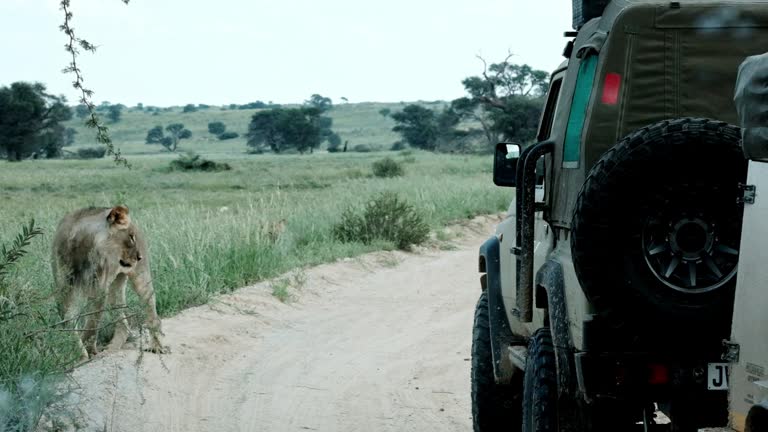
Unveiling the Best Month to Visit Tanzania: A Comprehensive Guide for 2026 & 2027 Adventures
Tanzania, a jewel of East Africa, beckons with its unparalleled natural beauty, iconic wildlife encounters, majestic mountain vistas, and pristine tropical islands. From the vast plains of the Serengeti teeming with the Great Migration to the snow-capped peak of Kilimanjaro and the turquoise waters of Zanzibar, this diverse nation offers a lifetime of adventure. But to truly maximize your experience, understanding the nuances of its climate and seasonal patterns is paramount. This in-depth guide will help you pinpoint the best month to visit Tanzania, ensuring your safari, Kilimanjaro trek, or Zanzibar holiday is nothing short of spectacular, whether you’re planning for 2026 or 2027.
Choosing the right time to travel can dramatically influence your journey. It affects wildlife viewing opportunities, trekking conditions, beach weather, crowd levels, and even the cost of your trip. We’ll delve into the specifics of Tanzania’s seasons, explore the pros and cons of visiting during different times of the year, and provide actionable advice to help you select the perfect window for your dream Tanzanian escape.
Why Tanzania? An Overview of Its Unforgettable Appeal
Before we dive into the specifics of timing, let’s briefly touch upon why Tanzania consistently ranks as a top travel destination. Its allure is multifaceted:
- The Great Migration: Witnessing millions of wildebeest, zebras, and gazelles thunder across the plains of the Serengeti and Masai Mara (Kenya) is a spectacle of nature that few places on Earth can rival. The timing of this migration is a key factor in determining the best month to visit Tanzania for safari enthusiasts.
- Kilimanjaro: The Roof of Africa, Mount Kilimanjaro, offers an accessible yet challenging climb for adventurers of all levels. Its summit, Uhuru Peak, provides breathtaking views and an unforgettable sense of accomplishment.
- Zanzibar Archipelago: Beyond the mainland, Zanzibar offers a tropical paradise with powdery white-sand beaches, crystal-clear turquoise waters perfect for diving and snorkeling, rich spice history, and the vibrant culture of Stone Town.
- Diverse Wildlife: Beyond the migration, Tanzania is home to the ‘Big Five’ (lion, leopard, elephant, rhino, buffalo) and countless other species. Its national parks, including the Ngorongoro Conservation Area, Tarangire, Lake Manyara, and Ruaha, offer incredible game viewing year-round.
- Cultural Richness: Engage with local communities, learn about the Maasai culture, and explore the historical depths of Stone Town for a truly immersive experience.
Understanding Tanzania’s Climate: The Seasons Explained
Tanzania experiences a tropical climate, with distinct wet and dry seasons that vary slightly across the country, particularly between the mainland and the coast (Zanzibar). Understanding these patterns is crucial for planning your trip and identifying the best month to visit Tanzania.
The Dry Seasons (June to October and December to February)
Tanzania has two main dry seasons, which are generally considered the most popular times to visit due to favorable weather conditions for safaris and trekking.
- The Long Dry Season (June to October): This is often cited as the prime time for safaris. The weather is typically sunny, with low humidity and minimal rainfall. The vegetation thins out, making wildlife easier to spot as they congregate around water sources. This is also a peak season for Kilimanjaro climbs.
- The Short Dry Season (December to February): This period offers pleasant, warm weather with sporadic, brief showers. It’s a good time for birdwatching and offers a different perspective on the landscape, with greener surroundings after the preceding rains. It’s also a popular time for Kilimanjaro treks and beach holidays in Zanzibar.
The Wet Seasons (March to May and November)
The wet seasons bring rain, which can impact travel plans but also offers unique advantages.
- The Long Rains (March to May): This is Tanzania’s primary rainy season. Expect heavy, persistent rainfall, particularly in April and May. Roads can become difficult to navigate, and some lodges may close. However, it’s a fantastic time for birdwatchers, and the landscapes are incredibly lush and green. Prices are often lower, and crowds are minimal.
- The Short Rains (November): These are usually brief, intermittent showers that occur between the long dry season and the start of the long rains. They don’t typically disrupt safaris significantly and can bring a refreshing change to the landscape.
The Verdict: What is the Best Month to Visit Tanzania?
While Tanzania can be visited year-round, the consensus for the absolute best month to visit Tanzania, especially for a classic safari experience and Kilimanjaro trekking, leans towards the dry seasons. However, the ‘best’ month truly depends on your priorities.
For Optimal Safari Viewing: June to October
This period is widely considered the prime time for safaris in Tanzania. Here’s why:
- Abundant Wildlife: The dry conditions mean wildlife is concentrated around permanent water sources, making sightings more predictable and easier. The thinner vegetation also aids visibility.
- The Great Migration: While the migration is a year-round phenomenon moving in a circular path, the months of June to October often see the herds crossing the Grumeti River in the Western Serengeti or the Mara River in the Northern Serengeti – dramatic and sought-after events.
- Pleasant Weather: Days are generally sunny and warm, with cooler evenings and mornings. Rainfall is minimal, ensuring uninterrupted game drives.
- Kilimanjaro Conditions: This is also an excellent period for climbing Kilimanjaro, with clear skies and dry trails.
Considerations for June-October: This is peak tourist season, meaning higher prices and more crowded parks, especially in popular areas like the Serengeti and Ngorongoro. Booking well in advance for 2026 or 2027 is highly recommended.
For a Balance of Good Weather and Fewer Crowds: December to February
This period offers a fantastic alternative, especially if you prefer slightly fewer crowds and don’t mind occasional short showers.
- Pleasant Climate: Warm, sunny days are the norm, with temperatures slightly higher than the June-October period. Brief afternoon showers are common, often refreshing the landscape without significantly impacting activities.
- Calving Season: In the southern Serengeti, this period often coincides with the wildebeest calving season, a magical time to witness the birth of new life and the increased predator activity that follows.
- Zanzibar Bliss: December to February is ideal for Zanzibar, offering hot, sunny days perfect for beach relaxation and water sports.
- Kilimanjaro Accessibility: Kilimanjaro is also climbable during this time, offering good conditions.
Considerations for December-February: While not as crowded as the peak dry season, it’s still a popular time, especially around Christmas and New Year. Prices can be higher during this festive period.
For Budget Travelers and Bird Enthusiasts: March to May
The long rains, while challenging for some, present a unique opportunity for intrepid travelers.
- Lush Landscapes: The country is transformed into a vibrant green paradise, offering stunning photographic opportunities.
- Abundant Birdlife: Migratory birds are present, and resident birds are often in their breeding plumage, making it a prime time for birdwatching.
- Fewer Crowds: This is the low season, meaning significantly fewer tourists in the parks and lodges.
- Lower Prices: You’ll find considerable discounts on accommodation and potentially tours, making it a budget-friendly option for 2026 or 2027.
- Calving Season (Early March): You might still catch the end of the calving season in the southern Serengeti.
Considerations for March-May: Heavy rainfall can make some roads impassable, potentially limiting access to certain areas. Some smaller, remote lodges might close. Zanzibar can experience significant rainfall, making beach holidays less predictable.
The Shoulder Seasons: May and November
These transitional months offer a sweet spot, often balancing good weather with moderate crowds and prices.
- May: Marks the end of the long rains. The landscape is incredibly green and beautiful, and the tourist crowds haven’t yet peaked for the dry season. Wildlife viewing is generally good.
- November: This is the short rains period. Expect brief, localized showers, usually in the afternoon. The landscape is revitalized, and it’s a good time for birding. Crowds are moderate.
Planning Your Tanzania Trip by Month: A Detailed Breakdown
To truly pinpoint the best month to visit Tanzania for *your* specific interests, let’s break down what each month typically offers.
January:
- Safari: Southern Serengeti calving season begins; excellent predator activity. Generally warm and dry with occasional short showers.
- Kilimanjaro: Good climbing conditions, warm days, cooler nights.
- Zanzibar: Hot, sunny, ideal for beaches.
- Crowds: Moderate to high, especially around New Year.
February:
- Safari: Peak calving season in the southern Serengeti. Excellent game viewing.
- Kilimanjaro: Continues to be a good climbing month.
- Zanzibar: Excellent beach weather, hot and sunny.
- Crowds: Moderate.
March:
- Safari: The Great Migration moves north towards Western Serengeti. End of calving season. Start of the long rains, though early March can still be dry. Landscapes become greener.
- Kilimanjaro: Rains begin, making conditions more challenging. Less ideal for climbing.
- Zanzibar: Rains increase, can be humid and less predictable for beach activities.
- Crowds: Low.
- Prices: Can be lower.
April:
- Safari: Peak of the long rains. Lush landscapes, abundant birdlife. Wildlife viewing can be more challenging due to dispersed animals and difficult road conditions.
- Kilimanjaro: Heavy rains, generally not recommended for climbing.
- Zanzibar: Heavy rainfall, high humidity, often considered the wettest month.
- Crowds: Very low.
- Prices: Lowest of the year.
May:
- Safari: Rains begin to subside. Landscapes are stunningly green. The Great Migration is moving into the Western and Central Serengeti. Good game viewing opportunities.
- Kilimanjaro: Rains lessen significantly, trails start to improve. A viable climbing month, but still can be muddy.
- Zanzibar: Rains continue to decrease, humidity starts to drop. Weather becomes more pleasant.
- Crowds: Low to moderate.
- Prices: Start to increase from the low season.
June:
- Safari: Start of the prime dry season. The Great Migration is typically in the Western Serengeti, heading north. Excellent game viewing.
- Kilimanjaro: Excellent climbing conditions. Dry, clear skies are common.
- Zanzibar: Pleasant weather, less humid, sunny days. Ideal for beaches.
- Crowds: Moderate, increasing towards peak season.
- Prices: Increase as peak season approaches.
July:
- Safari: Peak dry season. The Great Migration is often in the Northern Serengeti, with potential for dramatic river crossings (Grumeti and Mara Rivers). Excellent wildlife viewing across all parks.
- Kilimanjaro: Prime climbing season. Cold at higher altitudes but generally clear skies.
- Zanzibar: Beautiful weather, sunny, moderate temperatures, ideal for all activities.
- Crowds: High (peak season).
- Prices: Peak season rates.
August:
- Safari: Continues to be peak dry season. Excellent wildlife viewing, especially in the north. Migration may still be in the north or moving into Kenya.
- Kilimanjaro: Continues to be a prime climbing month. Cold, dry, and clear.
- Zanzibar: Excellent beach weather, warm and sunny.
- Crowds: High (peak season).
- Prices: Peak season rates.
September:
- Safari: Still within the dry season. Wildlife is concentrated around water. The migration is often in the north or beginning to move south. Excellent game viewing.
- Kilimanjaro: End of the prime climbing season. Conditions remain good, though slightly more chance of clouds.
- Zanzibar: Continues to offer great beach weather.
- Crowds: High, but starting to decrease slightly towards the end of the month.
- Prices: Peak season rates, potentially starting to drop in late September.
October:
- Safari: End of the long dry season. Wildlife is still concentrated. The migration is often moving south towards the Ndutu area. Good game viewing.
- Kilimanjaro: Conditions are still generally good, but rains can start to appear towards the end of the month.
- Zanzibar: Pleasant weather, but the short rains can begin towards the end of the month.
- Crowds: Moderate.
- Prices: Start to decrease from peak season.
November:
- Safari: Start of the short rains. Landscapes become greener. Wildlife disperses slightly but is still plentiful. Excellent birding opportunities.
- Kilimanjaro: Short rains begin. Trails can be muddy, but showers are usually brief. A viable climbing month.
- Zanzibar: Short rains, typically brief afternoon showers. Humidity increases.
- Crowds: Low to moderate.
- Prices: Can be more affordable.
December:
- Safari: End of the short rains. The Great Migration begins its movement back towards the southern Serengeti for the calving season. Good game viewing.
- Kilimanjaro: Conditions improve as rains cease. Good climbing month.
- Zanzibar: Warm, sunny days return. Excellent beach weather.
- Crowds: Moderate to high, especially around Christmas and New Year.
- Prices: Increase significantly for the festive period.
The Best Month to Visit Tanzania for Specific Experiences
The best month to visit Tanzania isn’t a one-size-fits-all answer. It hinges on what you want to prioritize for your 2026 or 2027 trip.
For the Great Migration:
- June-October: This is prime time for witnessing the migration, particularly river crossings in the north (July-September).
- December-February: Ideal for the southern Serengeti’s calving season.
For Kilimanjaro Trekking:
- June-October: The most popular and generally considered the best time due to dry, clear conditions.
- December-February: Also a very good period with favorable weather.
- May & November: Shoulder months that can offer good conditions with fewer people.
For Zanzibar Holidays:
- June-October: Dry, less humid, sunny days – perfect for beaches and water sports.
- December-February: Hot, sunny, and ideal for a tropical escape.
- March-May: Lowest season due to rains, but can be good for budget travelers if you don’t mind occasional showers.
For Birdwatching:
- November-April: When migratory birds are present and resident birds are in breeding plumage. The green landscapes are also a bonus.
For Budget Travel:
- April-May: The heart of the long rains, offering the lowest prices and fewest crowds.
- November: The shoulder season with short rains, also offering good value.
Planning Your 2026 or 2027 Tanzania Adventure: Practical Tips
Regardless of the month you choose, meticulous planning is key to a seamless Tanzanian adventure. Here are some essential tips for your 2026 or 2027 trip:
Book in Advance, Especially for Peak Season
As mentioned, the dry seasons (June-October and December-February) are peak times. Popular lodges, especially those within national parks, and Kilimanjaro climbing permits get booked up months, sometimes even a year, in advance. If you’re aiming for the best month to visit Tanzania during these periods, secure your arrangements early.
Consider a Multi-Destination Trip
Tanzania offers incredible diversity. Combining a safari in the northern circuit (Serengeti, Ngorongoro, Tarangire) with a Kilimanjaro climb or a relaxing beach holiday in Zanzibar provides a well-rounded experience. Factor in travel time between locations.
Pack Appropriately for the Season
Your packing list will vary depending on the time of year and activities:
- Dry Season (June-Oct): Light, neutral-colored clothing for safaris, warm layers for early mornings/evenings and Kilimanjaro, sturdy hiking boots, sun protection (hat, sunglasses, sunscreen), insect repellent.
- Wet Season (Nov-May): Lightweight, quick-drying clothing. A waterproof jacket and trousers are essential. Consider waterproof bags for electronics.
Always pack layers, as temperatures can fluctuate significantly, especially on Kilimanjaro and during early morning game drives.
Health and Vaccinations
Consult your doctor or a travel clinic 4-6 weeks before your trip regarding recommended vaccinations (e.g., Yellow Fever, Hepatitis A, Typhoid) and malaria prophylaxis. Tanzania is a malaria-risk area.
Visa Requirements
Most nationalities require a visa to enter Tanzania. This can often be obtained online in advance (e-visa) or upon arrival at major entry points. Check the latest requirements for your nationality well before your 2026 or 2027 travel dates.
Travel Insurance
Comprehensive travel insurance is essential. Ensure it covers medical emergencies, trip cancellations, lost luggage, and activities like Kilimanjaro trekking.
Currency and Payments
The local currency is the Tanzanian Shilling (TZS). US Dollars are widely accepted for park fees, tourist activities, and in many lodges and hotels. It’s advisable to carry smaller USD denominations. ATMs are available in major towns, but credit card acceptance can be limited outside of larger establishments.
Respect Local Culture
Tanzania is a diverse country with rich cultural traditions. Dress modestly when visiting villages or towns, especially in Zanzibar and when visiting religious sites. Always ask permission before taking photos of people.
Sample Itinerary: A Perfect Safari in the Best Month (July Example)
To illustrate how the best month to visit Tanzania can translate into an incredible experience, here’s a sample 8-day Northern Circuit safari itinerary, assuming travel during July (a prime dry season month):
Day 1: Arrival in Arusha & Transfer
Arrive at Kilimanjaro International Airport (JRO). Meet your guide and transfer to your lodge in Arusha. Relax and prepare for your safari.
Day 2: Tarangire National Park
Drive to Tarangire, famous for its large elephant herds and iconic baobab trees. Enjoy a full day of game drives.
Day 3: Lake Manyara National Park
Explore Lake Manyara, known for its tree-climbing lions, diverse birdlife, and stunning escarpment views. Afternoon transfer to your lodge near the Ngorongoro Conservation Area.
Day 4: Ngorongoro Crater Tour
Descend into the Ngorongoro Crater, a UNESCO World Heritage Site teeming with wildlife, including the Big Five. Spend the day exploring this unique ecosystem.
Day 5: Serengeti National Park (Central)
Drive to the legendary Serengeti, stopping at Olduvai Gorge. Begin your game drives in the central Serengeti, known for its resident wildlife populations.
Day 6: Serengeti National Park (Migration Focus)
Full day dedicated to tracking the Great Migration, potentially witnessing river crossings if herds are in the northern sector (depending on exact timing within July). Explore different areas of the Serengeti.
Day 7: Serengeti to Arusha
Enjoy a final morning game drive in the Serengeti before flying from a local airstrip back to Arusha. Relax at your lodge.
Day 8: Departure
Transfer to Kilimanjaro International Airport (JRO) for your departure, filled with unforgettable memories.
Who is Tanzania For? Tailoring Your Trip
Tanzania caters to a wide range of travelers. Understanding your travel style can help you choose the best month to visit Tanzania and the right itinerary.
- Adventure Seekers: Kilimanjaro climbs, white-water rafting on the Rufiji River, and diving in the Indian Ocean are perfect. The dry seasons offer the best conditions.
- Wildlife Enthusiasts: Safaris are the main draw. The dry seasons (June-Oct, Dec-Feb) are generally best for spotting animals, especially during the migration.
- Nature Lovers: Beyond safaris, Tanzania boasts stunning landscapes, from the crater highlands to the Usambara Mountains. May and November offer lush, green scenery with fewer crowds.
- Culture Aficionados: Engaging with the Maasai, visiting local villages, and exploring Stone Town’s history offer deep cultural immersion. This can be done year-round, but dry seasons offer more comfortable exploration.
- Beach Lovers & Honeymooners: Zanzibar is the ultimate tropical paradise. The dry, sunny months of June-October and December-February are ideal for beach relaxation and romantic getaways.
- Families: Safaris are incredibly engaging for children. The dry seasons are generally easier for travel, but consider lodges with family-friendly amenities.
Making Your Booking: Partnering with the Experts
Choosing the right tour operator is as crucial as choosing the best month to visit. A reputable operator will guide you through the complexities of planning, ensure you have the best guides and accommodations, and tailor an itinerary to your specific needs and budget for your 2026 or 2027 adventure.
At Top Guide Adventures, we specialize in crafting unforgettable Tanzanian experiences. Whether you dream of:
- Thrilling wildlife safaris across the Serengeti and Ngorongoro
- Conquering the majestic Mount Kilimanjaro
- Relaxing on the pristine beaches of Zanzibar
- Exploring unique day trips and custom-designed itineraries
We have the local knowledge and expertise to make your trip seamless and extraordinary. We understand the nuances of each season and can advise on the best month to visit Tanzania based on your interests and priorities.
Why Choose Top Guide Adventures?
- Local Expertise: We are based in Tanzania, offering unparalleled insights and on-the-ground support.
- Tailored Itineraries: We don’t offer one-size-fits-all packages. We listen to your desires and create a personalized journey.
- Experienced Guides: Our guides are knowledgeable, passionate, and dedicated to providing exceptional safari and trekking experiences.
- Commitment to Sustainability: We believe in responsible tourism that benefits local communities and conserves wildlife.
- Excellent Value: We strive to offer competitive pricing without compromising on quality or experience.
Ready to Plan Your Trip?
Don’t leave your dream Tanzanian adventure to chance. Contact our expert team today to discuss your plans, get personalized recommendations, and start crafting your perfect itinerary. Whether you’re planning for 2026, 2027, or beyond, we’re here to help you discover the magic of Tanzania.
Get in touch:
- WhatsApp: +255616946642
- Email: info@topguideadventures.com
- Backup Email: topguideadventures@gmail.com
Let us help you find the best month to visit Tanzania and create memories that will last a lifetime.
Frequently Asked Questions (FAQs)
Q1: What is the absolute best month to visit Tanzania for safari?
The absolute best time for a classic Tanzanian safari is generally considered to be during the long dry season, from June to October. During these months, the vegetation thins out, making wildlife easier to spot, and animals congregate around permanent water sources. Rainfall is minimal, ensuring uninterrupted game drives. The Great Migration river crossings in the northern Serengeti are also a highlight during July to September.
Q2: Is it good to visit Tanzania in December?
Yes, December is a very good month to visit Tanzania. It marks the end of the short rains and the beginning of the warmer, dry season. The Great Migration starts moving towards the southern Serengeti for the calving season, offering excellent game viewing opportunities, especially for predators. Zanzibar also experiences excellent beach weather in December. However, it is a popular time, especially around the holidays, so expect higher prices and more crowds.
Q3: When is the cheapest time to visit Tanzania?
The cheapest time to visit Tanzania is during the long rainy season, from March to May. This is the low season, meaning fewer tourists, lower accommodation rates, and often discounted tour packages. While you might encounter rain, the landscapes are incredibly lush and green, and birdwatching is superb. April and May are typically the wettest months.
Q4: Can I climb Kilimanjaro during the rainy season?
While it’s possible to climb Kilimanjaro during the rainy season (March-May and November), it is not ideal. Heavy rains can make the trails muddy and slippery, visibility can be poor, and conditions at higher altitudes can be cold and wet. The best months for climbing Kilimanjaro are during the dry seasons: June to October and December to February, offering the clearest skies and driest trails.
Q5: What is the weather like in Zanzibar in July?
July falls within Tanzania’s long dry season, making it an excellent month to visit Zanzibar. You can expect warm, sunny days with low humidity and minimal rainfall. It’s perfect for enjoying the beaches, swimming, snorkeling, diving, and exploring Stone Town. It is, however, a peak tourist season, so expect higher prices and more visitors.
Q6: How does the month of travel affect the Great Migration?
The Great Migration is a continuous cycle. June to October is ideal for seeing the herds in the western and northern Serengeti, often including dramatic river crossings. December to February is best for the southern Serengeti’s calving season. March to May sees the migration moving north from the Ndutu area.
Q7: Should I plan my 2027 Tanzania trip for a specific month?
Yes, planning your 2027 Tanzania trip for a specific month is highly recommended to align with your priorities. For the best month to visit Tanzania for wildlife viewing and trekking, aim for June-October or December-February. If budget is a concern, consider the shoulder months like May or November, or the low season (April-May) if you don’t mind potential rain.
Q8: What are the pros and cons of visiting Tanzania in November?
November is the start of the short rains. Pros: The landscapes are revitalized and green, birdwatching is excellent, and crowds are moderate, leading to potentially better prices. Cons: You can expect brief, intermittent showers, usually in the afternoon, which might occasionally disrupt activities but rarely for extended periods. It’s a shoulder month offering a good balance.
Conclusion: Your Perfect Tanzanian Timing Awaits
Determining the best month to visit Tanzania is a crucial step in planning an unforgettable journey. Whether you’re drawn by the drama of the Great Migration, the challenge of Kilimanjaro, or the serene beauty of Zanzibar, understanding Tanzania’s seasonal rhythms empowers you to make the most informed decision for your 2026 or 2027 adventure. While the dry seasons from June to October generally offer the most predictable and favorable conditions for safaris and trekking, the shoulder and even wet seasons have their own unique charms and advantages, particularly for budget-conscious travelers or those seeking fewer crowds.
At Top Guide Adventures, we are passionate about helping you discover the magic of Tanzania. Our expertise allows us to guide you in selecting the perfect time to travel, ensuring your safari, climb, or beach holiday is everything you dreamed of and more. Don’t hesitate to reach out to us to begin crafting your personalized Tanzanian experience. We look forward to helping you plan your adventure!
Contact Top Guide Adventures today:
- WhatsApp: +255616946642
- Email: info@topguideadventures.com
- Backup Email: topguideadventures@gmail.com
Plan your best month to visit tanzania with Top Guide Adventures
Tell us your travel dates, group size, comfort level, and dream experience. We will help you shape a clear, realistic, and memorable Tanzania itinerary.







 Veedesigner
 Fatma Kizanga
 Benjamin Waryuba
 Philip Philip
 John jr Itaja
 Antonia Optatus
 Edith Kanyere
 Neema Iddy
 Kelvin Boniphace
 Damari Maiga



