
Updated planning guide for 2026, 2027
The Ultimate Guide: Best Time to Visit Tanzania for Unforgettable Safaris & Adventures
Planning your dream Tanzanian adventure? This comprehensive guide details the best time to visit Tanzania, considering wildlife migrations, weather patterns, and peak seasons for safaris, Kilimanjaro, and Zanzibar. Get expert insights for your 2026 or 2027 trip.
WhatsApp +255616946642 | info@topguideadventures.com | topguideadventures@gmail.com
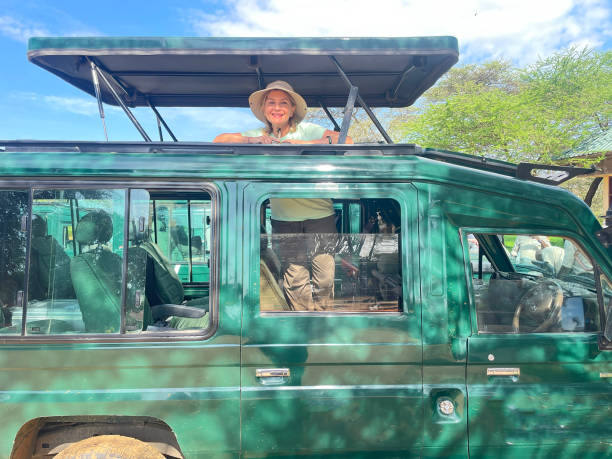
Unlock the Magic: When is the Best Time to Visit Tanzania?
Tanzania, a jewel of East Africa, beckons with its iconic landscapes, unparalleled wildlife spectacles, and vibrant cultural tapestry. From the endless plains of the Serengeti teeming with the Great Migration to the majestic snow-capped peak of Kilimanjaro and the turquoise waters of Zanzibar, this nation offers a lifetime of adventure. But to truly make the most of your journey, understanding the best time to visit Tanzania is paramount. This detailed guide will equip you with the knowledge to tailor your trip perfectly, whether you dream of thrilling game drives, challenging mountain ascents, or blissful beach escapes.
Choosing the right time can significantly impact your experience, influencing everything from wildlife viewing opportunities and weather conditions to crowd levels and overall cost. For travelers planning ahead for 2026 and 2027, early planning is key to securing the best accommodations and experiences. This article delves deep into Tanzania’s climate, its world-renowned wildlife events, and the optimal periods for various activities, ensuring your Tanzanian adventure is nothing short of spectacular.
Why Tanzania? A World of Wonder Awaits
Before we dive into the specifics of timing, let’s briefly touch upon why Tanzania consistently ranks as a top travel destination:
- The Great Migration: Witnessing millions of wildebeest, zebras, and gazelles traverse the Serengeti and Masai Mara ecosystems is a natural phenomenon unlike any other.
- Kilimanjaro: The Roof of Africa offers a challenging yet rewarding trekking experience for adventurers of all levels.
- Diverse National Parks: Beyond the Serengeti, explore the Ngorongoro Crater, Tarangire National Park (famous for its elephants and baobabs), Lake Manyara, and the vast Selous Game Reserve (now Nyerere National Park).
- Zanzibar Archipelago: Indulge in pristine beaches, rich history, spice tours, and vibrant marine life in Stone Town and the surrounding islands.
- Cultural Immersion: Engage with local communities, including the Maasai people, and experience the warmth of Tanzanian hospitality.
Understanding Tanzania’s Climate: The Key to Timing Your Visit
Tanzania enjoys a tropical climate, but its vastness and varied topography create distinct microclimates. Generally, the country experiences two main seasons: a dry season and a wet season. However, these can be further broken down into distinct periods that are crucial for planning your trip.
The Dry Seasons: Prime Time for Wildlife Viewing
The dry seasons are often considered the best time to visit Tanzania for safaris, as wildlife congregates around permanent water sources, making them easier to spot. Visibility is also generally better with less dust and vegetation.
- The Long Dry Season (June to October): This is arguably the most popular period for Tanzanian safaris. The weather is typically sunny, with low humidity and minimal rainfall. This is when the Great Migration is often found in the northern Serengeti, preparing to cross the Mara River. The landscapes are golden and dry, offering excellent game viewing opportunities. However, it’s also the peak tourist season, meaning higher prices and more crowded parks.
- The Short Dry Season (January to February): This brief dry spell occurs between the short and long rains. It’s a fantastic time for birdwatching as migratory birds are present. While not as popular as the long dry season, it still offers good game viewing, particularly in areas like the southern Serengeti where wildebeest calve.
The Wet Seasons: Lush Landscapes and Fewer Crowds
The wet seasons bring lush green landscapes, dramatic skies, and often, fewer tourists, leading to more affordable travel and a more intimate safari experience. However, game viewing can be more challenging as animals disperse and vegetation thickens.
- The Long Rains (March to May): This period is characterized by heavy, persistent rainfall, especially in the afternoons and evenings. Many lodges and camps, particularly in the southern and western circuits, close down during this time. While not ideal for general safaris, it’s a photographer’s paradise with dramatic lighting and vibrant colours. It’s also an excellent time for budget travelers seeking a more secluded experience. The wildebeest migration is typically in the central Serengeti or heading south during this period.
- The Short Rains (November to December): These are typically lighter and more sporadic rains, often occurring as brief afternoon showers. The landscape transforms into a vibrant green, and the air is fresh. It’s a great time to visit for birdwatching and can offer good game viewing, especially in areas like Tarangire and Lake Manyara. The wildebeest migration begins its southward journey from the northern Serengeti.
The Best Time to Visit Tanzania by Activity
While general weather patterns are important, the best time to visit Tanzania truly depends on your primary interests. Here’s a breakdown by popular activities:
For the Great Migration Spectacle
The Great Migration is a year-round phenomenon, but its location and intensity vary. To witness the dramatic river crossings, the best time to visit Tanzania is typically between June and October. The Mara River crossings, where wildebeest and zebras brave crocodile-infested waters, are most common during July, August, and September. If you’re interested in the calving season, when thousands of newborns arrive, aim for January and February in the southern Serengeti.
Planning for 2026/2027: To secure prime locations for migration viewing in 2026 or 2027, book your safari at least 9-12 months in advance, especially for June-October. Consider lodges and mobile camps strategically positioned along the migration routes.
For Kilimanjaro Trekking
Climbing Kilimanjaro is possible year-round, but certain periods offer clearer skies and drier conditions, making the ascent safer and more enjoyable. The two best windows for climbing are:
- January to March: This period offers relatively clear skies and good visibility. It’s a popular time, so expect company on the trails.
- June to October: This is the main dry season, offering the most stable weather with minimal rain and excellent views. This is often considered the absolute best time to visit Tanzania for Kilimanjaro.
Avoid the peak rainy months of April, May, and November, as heavy rain and snow can make trekking conditions difficult and dangerous. While possible, it’s generally not recommended for less experienced trekkers.
Planning for 2026/2027: Kilimanjaro permits and park fees are limited. Book your climb well in advance, especially if you’re targeting the popular June-October window for 2026 or 2027. Aim for 6-9 months ahead.
For Zanzibar Holidays
Zanzibar offers a tropical paradise experience year-round, but the weather can influence beach enjoyment.
- The Long Dry Season (June to October): This period boasts sunny skies, low humidity, and pleasant temperatures, making it ideal for beach relaxation, water sports, and exploring Stone Town. This aligns with the peak safari season, so expect higher prices and more visitors.
- The Short Rains (November to December): While there might be occasional showers, these months are generally pleasant with warm temperatures, making them a good alternative to the peak season.
- The Short Dry Season (January to February): Similar to the long dry season, these months offer excellent beach weather with minimal rain and warm, sunny days.
The main rainy season (March to May) can bring heavy downpours, making beach activities less predictable. While still warm, humidity is higher. Some travelers enjoy this period for fewer crowds and lush scenery, but it’s not ideal for guaranteed sunbathing.
Planning for 2026/2027: For Zanzibar, booking 4-6 months in advance is usually sufficient, but for peak months (June-October) and school holidays, aim for 6-9 months out for 2026/2027 to get the best accommodation options.
Monthly Breakdown: What to Expect Month-by-Month
To further refine your decision on the best time to visit Tanzania, here’s a month-by-month overview:
- January: Warm and dry. Calving season begins in the southern Serengeti. Excellent for safaris and Kilimanjaro.
- February: Still warm and dry. Peak calving season in the southern Serengeti. Huge herds gather. Great for birding.
- March: Rains begin, often heavy. Lush landscapes. Fewer tourists. Good for budget travel, but safaris can be challenging.
- April: Long rains. Heavy rainfall. Parks can be muddy and inaccessible. Generally considered the low season.
- May: Long rains continue but start to ease. Landscapes are incredibly green. Many lodges close. Very few tourists.
- June: Rains cease. Dry season begins. Landscapes start to dry out. Migration moves north. Excellent safari conditions. Kilimanjaro season starts.
- July: Dry and cooler. Peak migration season. River crossings may begin. Ideal for safaris and Kilimanjaro.
- August: Dry and cool. Prime time for migration river crossings. High tourist season. Excellent safari and Kilimanjaro conditions.
- September: Dry and cool. Migration is in the northern Serengeti/Masai Mara. Excellent game viewing. Kilimanjaro season continues.
- October: End of the dry season. Still good for safaris, though landscapes are very dry. Migration starts moving south. Pleasant for Zanzibar.
- November: Short rains begin. Landscapes turn green. Good for birding. Migration moves south. Less crowded.
- December: Short rains continue, often brief afternoon showers. Festive season. Migration is in central/south Serengeti. Good for safaris and Zanzibar.
Considering Crowd Levels and Costs
The best time to visit Tanzania also involves balancing your desire for optimal experiences with crowd tolerance and budget.
- Peak Season (June – October): This is when weather is most favorable for safaris and Kilimanjaro. Expect the highest prices for flights, accommodation, and tours. Parks will be busier.
- Shoulder Seasons (January – February & November – December): These periods offer a good balance. Weather is generally pleasant, crowds are moderate, and prices can be slightly lower than the peak season. The short rains in November/December offer lush scenery and good birding. January/February is excellent for the calving season.
- Low Season (March – May): This is the time of the long rains. You’ll find the lowest prices and the fewest tourists. It’s ideal for budget travelers or those seeking a more intimate, photographic experience, provided they are prepared for rain.
When planning for 2026 or 2027, consider these seasons carefully to align with your budget and expectations for crowd levels.
Practical Tips for Planning Your Tanzanian Adventure
Regardless of when you choose to visit, careful planning is essential for a seamless Tanzanian experience. Here are some expert tips:
Booking Your Safari
- Book in Advance: Especially for peak seasons (June-October) and popular events like the migration river crossings, booking 9-12 months ahead is highly recommended for 2026/2027 trips. This secures the best lodges, guides, and safari vehicles.
- Choose a Reputable Operator: Partnering with an experienced local tour operator like Top Guide Adventures is crucial. They have in-depth knowledge of the parks, optimal timings, and can tailor itineraries to your specific interests and budget.
- Consider Itinerary Flexibility: While planning is key, allow for some flexibility. Wildlife movements can be unpredictable, and your guide’s expertise will be invaluable in tracking animals.
- Pack Appropriately: Light, neutral-colored clothing is best for safaris. Include layers for cooler mornings and evenings, a rain jacket (especially outside the dry season), comfortable walking shoes, a wide-brimmed hat, sunglasses, and high-SPF sunscreen. Don’t forget insect repellent.
Kilimanjaro Trekking Preparations
- Choose Your Route Wisely: Different routes (e.g., Machame, Lemosho, Marangu) offer varying difficulty levels, scenery, and acclimatization profiles. Research which route best suits your fitness and time.
- Physical Fitness: Kilimanjaro is a serious undertaking. Train rigorously for several months leading up to your climb, focusing on cardiovascular endurance and strength.
- Acclimatization is Key: The best routes allow for gradual ascent to help your body adjust to the altitude. Listen to your guide; they are experts in managing altitude sickness.
- Gear Up: Invest in high-quality, waterproof trekking gear, including sturdy boots, thermal layers, a warm sleeping bag, and a waterproof jacket and trousers. Your tour operator can provide detailed packing lists.
Zanzibar Relaxation Tips
- Island Hopping: Consider spending time on different islands like Zanzibar (Unguja), Pemba, or Mafia for diverse experiences, from historical exploration to diving and snorkeling.
- Respect Local Culture: Zanzibar is a predominantly Muslim island. Dress modestly when visiting villages and Stone Town, covering shoulders and knees.
- Stay Hydrated: The tropical climate can be hot and humid. Drink plenty of bottled water.
- Embrace the Spice: Don’t miss a spice tour to learn about the island’s history as a major spice producer.
Sample Itinerary: A Mid-Year Migration Safari (Best Time Focus)
To illustrate planning around the best time to visit Tanzania for the Great Migration, here’s a sample 8-day itinerary focusing on July/August:
Day 1: Arrival in Arusha & Safari Briefing
Arrive at Kilimanjaro International Airport (JRO). You’ll be met by your guide and transferred to your lodge in Arusha. After settling in, you’ll receive a comprehensive safari briefing. Overnight in Arusha.
Day 2: Tarangire National Park
Drive to Tarangire National Park, known for its large elephant herds and iconic baobab trees. Enjoy a full day of game drives. Overnight near Tarangire.
Day 3: Lake Manyara National Park & Transfer to Serengeti
Morning game drive in Lake Manyara National Park, famous for its tree-climbing lions and diverse birdlife. After lunch, drive towards the Serengeti National Park, entering via the Ngorongoro Conservation Area (no descent into the crater on this day). Overnight near the central Serengeti.
Day 4 & 5: Central & Northern Serengeti
Two full days dedicated to exploring the Serengeti. Depending on the migration’s exact location, focus will be on areas known for wildlife concentrations. Game drives will track the herds, seeking out predators and the drama of the savanna. Optional hot air balloon safari at sunrise (highly recommended!). Overnight in the Serengeti, potentially moving north to be closer to the Mara River.
Day 6: Serengeti River Crossings Focus
Full day dedicated to seeking out the Great Migration river crossings, primarily focusing on the Mara River in the northern Serengeti. This is the highlight for many, witnessing the wildebeest and zebras’ perilous journey. Overnight in the northern Serengeti.
Day 7: Ngorongoro Crater Tour
After an early morning game drive in the Serengeti, drive towards the Ngorongoro Conservation Area. Descend into the Ngorongoro Crater, a UNESCO World Heritage Site, for an unforgettable game drive. This caldera is home to an incredible density of wildlife, including the Big Five. Ascend in the late afternoon and drive to your lodge on the crater rim or nearby Karatu. Overnight near Ngorongoro/Karatu.
Day 8: Departure
Enjoy a leisurely breakfast. Depending on your flight schedule, you might have time for a visit to a local village or craft market before being transferred back to Arusha or Kilimanjaro International Airport (JRO) for your onward journey.
This itinerary is a suggestion and can be customized. For instance, adding Zanzibar at the end for a beach extension is a popular choice.
Who is This Trip For?
Tanzania offers experiences for a wide range of travelers. Understanding your travel style helps determine the best time to visit Tanzania for you:
- Wildlife Enthusiasts: The dry seasons (June-October, and Jan-Feb) are prime time for exceptional game viewing, especially for the Great Migration.
- Adventurers & Trekkers: The dry, cooler months (June-October, Jan-March) are best for Kilimanjaro climbs.
- Beach Lovers & Relaxation Seekers: The dry spells (June-October, Jan-Feb) offer the sunniest, most pleasant weather for Zanzibar.
- Photographers: While all seasons offer unique photographic opportunities, the dry seasons provide clearer light, while the wet seasons offer dramatic skies and lush landscapes.
- Budget Travelers: The low season (March-May) offers the most significant savings, provided you are prepared for rain.
- Families: The shoulder seasons (Nov-Feb, excluding Christmas/New Year) can be ideal, offering good weather, moderate crowds, and potentially better value.
Booking Your Tanzanian Dream Trip with Top Guide Adventures
Choosing the right partner for your Tanzanian adventure is as important as choosing the right time to visit. At Top Guide Adventures, we specialize in crafting unforgettable safari, Kilimanjaro, and Zanzibar experiences tailored to your desires.
We understand the nuances of Tanzania’s seasons and can help you navigate the complexities to ensure you visit during the best time to visit Tanzania for your specific interests. Whether you’re dreaming of witnessing the Great Migration in 2026, conquering Kilimanjaro in 2027, or relaxing on Zanzibar’s pristine beaches, our expert team is here to guide you.
Our commitment is to provide authentic, responsible, and seamlessly organized travel experiences. We pride ourselves on:
- Expert Local Knowledge: Our guides and staff are Tanzanian, offering unparalleled insights into the country’s wildlife, culture, and best-kept secrets.
- Customized Itineraries: We don’t believe in one-size-fits-all. We work closely with you to design a trip that matches your budget, interests, and pace.
- Quality Service: From comfortable accommodations to reliable transportation and experienced guides, we ensure every detail is meticulously handled.
- Commitment to Conservation: We believe in sustainable tourism that benefits local communities and protects Tanzania’s natural heritage.
Don’t leave your dream Tanzanian vacation to chance. Let Top Guide Adventures help you plan the perfect trip, ensuring you experience the magic of Tanzania at the optimal time.
Ready to Plan Your Tanzanian Adventure?
Contact us today to discuss your travel plans and let us help you discover the best time to visit Tanzania for an unforgettable journey. We’re excited to help you create memories that will last a lifetime!
WhatsApp: +255616946642
Email: info@topguideadventures.com
Backup Email: topguideadventures@gmail.com
Frequently Asked Questions (FAQs)
Q1: What is the absolute best time to visit Tanzania for safari?
The absolute best time to visit Tanzania for safari, particularly for witnessing the Great Migration river crossings and enjoying dry conditions, is during the long dry season from June to October. January and February are also excellent for the calving season in the southern Serengeti.
Q2: Is it worth visiting Tanzania during the rainy season?
Yes, it can be! While the long rains (March-May) present challenges for game viewing due to thicker vegetation and potential accessibility issues, they offer lush, green landscapes, dramatic skies perfect for photography, significantly fewer crowds, and lower prices. The short rains (November-December) are often less disruptive, with brief showers and a beautifully refreshed environment, making it a great shoulder season option.
Q3: When is the best time to climb Mount Kilimanjaro?
The best times to climb Kilimanjaro are during the two dry seasons: January to March and June to October. These periods offer the clearest skies, the least rainfall, and the most stable weather conditions, providing better visibility and a safer climbing experience.
Q4: How far in advance should I book my Tanzania trip for 2026/2027?
For peak seasons (June-October) and specific events like the migration river crossings, booking 9-12 months in advance for 2026 or 2027 is highly recommended to secure preferred accommodations and guides. For shoulder or low seasons, 4-6 months might suffice, but earlier booking is always advisable for the best selection.
Q5: What are the main differences between the Serengeti and Ngorongoro Crater for safaris?
The Serengeti is vast, offering diverse habitats and the Great Migration. Game viewing can involve covering large distances. The Ngorongoro Crater is a compact, self-contained ecosystem within a caldera, boasting an incredibly high density of wildlife, including the Big Five, and offering excellent game viewing within a smaller area. Many visitors combine both for a comprehensive safari experience.
Q6: Is Tanzania safe for tourists?
Tanzania is generally considered a safe destination for tourists, particularly within organized safari circuits and popular tourist areas. Standard safety precautions should be taken, such as avoiding displaying excessive wealth, being aware of your surroundings, and securing valuables. Reputable tour operators prioritize client safety, providing experienced guides and well-maintained vehicles. It’s always wise to stay informed about current travel advisories.
Q7: What should I pack for a safari in Tanzania?
Pack light, neutral-colored clothing (khaki, green, beige) to blend in with the environment. Essentials include long-sleeved shirts and trousers for sun and insect protection, a warm fleece or jacket for cool mornings/evenings, comfortable walking shoes, a wide-brimmed hat, sunglasses, high-SPF sunscreen, insect repellent, binoculars, and a camera. A lightweight rain jacket is advisable, especially outside the peak dry season.
Q8: Can I combine a safari with Zanzibar?
Absolutely! Combining a safari in mainland Tanzania with a relaxing beach holiday in Zanzibar is a very popular and highly recommended option. It offers a fantastic contrast between wildlife adventure and tropical leisure. Most itineraries can be tailored to include both, typically with flights between the mainland and Zanzibar.
Your Tanzanian Adventure Starts Now
Understanding the best time to visit Tanzania is the first step towards an unforgettable journey. Whether you’re drawn by the thundering hooves of the Great Migration, the allure of Kilimanjaro’s summit, or the tranquil shores of Zanzibar, Tanzania delivers experiences that resonate long after you’ve departed.
At Top Guide Adventures, we are passionate about showcasing the best of Tanzania. Our team is ready to help you craft the perfect itinerary, considering the ideal timing for your interests, whether you’re planning for 2026, 2027, or beyond. Let us handle the logistics so you can focus on the magic.
Contact Us to Plan Your Perfect Tanzanian Getaway!
Ready to experience the adventure of a lifetime? Get in touch with our expert travel consultants to discuss your dream Tanzanian safari, Kilimanjaro climb, or Zanzibar holiday. We’ll help you find the best time to visit Tanzania and create a personalized itinerary.
Reach out via WhatsApp: +255616946642
Send us an Email: info@topguideadventures.com
Alternative Email: topguideadventures@gmail.com
Plan your best time to visit tanzania with Top Guide Adventures
Tell us your travel dates, group size, comfort level, and dream experience. We will help you shape a clear, realistic, and memorable Tanzania itinerary.







 Veedesigner
 Fatma Kizanga
 Benjamin Waryuba
 Philip Philip
 John jr Itaja
 Antonia Optatus
 Edith Kanyere
 Neema Iddy
 Kelvin Boniphace
 Damari Maiga



