
Updated planning guide for 2026, 2027
The Best Time to Travel to Tanzania: Your Ultimate Safari & Zanzibar Guide
Planning a trip to Tanzania? This comprehensive guide helps you pinpoint the best time to visit for incredible wildlife viewing, perfect beach weather, and successful mountain treks, covering everything from safari seasons to local events.
WhatsApp +255616946642 | info@topguideadventures.com | topguideadventures@gmail.com
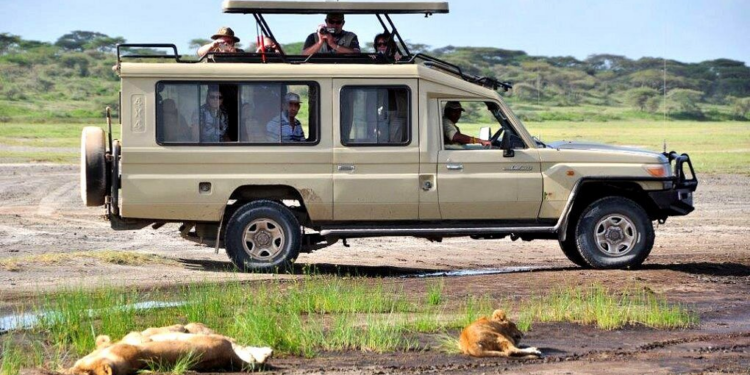
Unlock the Magic: Finding the Best Time to Travel to Tanzania
Tanzania, a land of breathtaking landscapes, iconic wildlife, and vibrant cultures, beckons travelers with promises of adventure and discovery. From the endless plains of the Serengeti to the spice-scented shores of Zanzibar and the majestic peak of Kilimanjaro, this East African gem offers a diverse range of experiences. But to truly unlock its magic, understanding the best time to travel to Tanzania is paramount. Each season offers a unique perspective, influencing everything from wildlife migrations and weather patterns to local festivals and crowd levels. Whether you dream of witnessing the Great Migration, summiting Africa’s highest peak, or simply relaxing on pristine beaches, timing your visit can make all the difference. This comprehensive guide, crafted by seasoned Tanzania travel experts, will help you navigate the nuances of Tanzania’s climate and seasons, ensuring your 2026 or 2027 adventure is nothing short of spectacular.
Why Choose Tanzania for Your Next Adventure?
Before we delve into the specifics of timing, let’s briefly touch upon why Tanzania consistently ranks as a top travel destination. It’s a country that caters to a wide spectrum of interests and travel styles:
- Unrivaled Wildlife Safaris: Home to the Serengeti, Ngorongoro Crater, and Tarangire National Park, Tanzania offers some of the most prolific and diverse wildlife viewing opportunities on Earth. Witnessing the Great Migration is a bucket-list experience for many.
- Mount Kilimanjaro Trekking: The Roof of Africa calls to adventurers. Climbing Kilimanjaro is a challenging yet immensely rewarding journey, accessible to many with proper preparation.
- Zanzibar’s Exotic Charm: This tropical archipelago boasts turquoise waters, white-sand beaches, rich history in Stone Town, and vibrant spice plantations. It’s the perfect complement to a safari or a destination in itself.
- Cultural Immersion: Engage with the Maasai people, explore local markets, and discover the rich tapestry of Tanzanian culture.
- Diverse Landscapes: From the savannahs and mountains to the tropical coast and the vastness of Lake Victoria, Tanzania’s scenery is incredibly varied.
With so much to offer, planning your trip thoughtfully is key to maximizing your experience. Let’s explore the optimal times to visit based on your interests.
The Definitive Guide to the Best Time to Travel to Tanzania by Season
Tanzania straddles the equator, meaning it experiences distinct seasons rather than the four temperate seasons common in other parts of the world. The primary distinction is between the dry seasons and the wet seasons. Understanding these will be crucial for planning the best time to travel to Tanzania.
The Long Dry Season (June to October): The Peak of Safari Season
This period is widely considered the best time to travel to Tanzania for wildlife viewing, particularly for safaris. The weather is generally sunny and dry, with cooler temperatures, especially at night and in the early mornings. This makes it ideal for long game drives.
- Wildlife Viewing: With limited water sources, animals congregate around rivers and waterholes, making them easier to spot. The vegetation is less dense, further improving visibility. This is the prime time to witness the Great Migration in the Serengeti, as the herds typically cross the Grumeti and Mara Rivers during these months.
- Weather: Expect clear blue skies, minimal rainfall, and pleasant daytime temperatures averaging between 20°C and 30°C (68°F to 86°F). Evenings and mornings can be cooler, sometimes dropping to 10°C-15°C (50°F-59°F), especially at higher altitudes.
- Kilimanjaro Trekking: This is considered the best season for climbing Kilimanjaro due to the dry conditions and clearer skies, offering better views from the summit. However, it’s also the busiest and most expensive time.
- Zanzibar: The weather is excellent, with low humidity, minimal rainfall, and plenty of sunshine. It’s perfect for beach activities, snorkeling, and diving.
- Crowds & Costs: This is peak tourist season, meaning higher prices for accommodation and flights, and more crowded parks and popular sites. Booking well in advance for 2026 or 2027 is highly recommended.
The Short Rains (November to Mid-December)
Following the long dry season, the short rains, also known as the ‘Vuli’ rains, bring a welcome change. These are typically brief, localized showers, often occurring in the afternoon or evening, leaving mornings clear and sunny.
- Wildlife Viewing: The rains bring fresh green shoots to the landscape, and wildlife disperses as water becomes more available. While still good, it’s not as concentrated as in the dry season. The Southern Serengeti is often a good place to be as the migration starts moving south.
- Weather: Temperatures are warm, often humid, with intermittent rain. Daytime highs can reach 25°C-30°C (77°F-86°F).
- Kilimanjaro Trekking: The trails can be muddy and slippery, and visibility may be reduced due to cloud cover. It’s generally considered a less ideal time for climbing.
- Zanzibar: The rains can make the humidity higher, and while there are still sunny periods, occasional downpours are common. It’s a quieter time to visit, with lower prices.
- Crowds & Costs: Visitor numbers decrease, leading to more competitive pricing for tours and accommodation.
The Long Wet Season (Mid-December to March)
This period marks Tanzania’s main rainy season, characterized by heavier and more prolonged rainfall, especially in the afternoons. However, it’s not constant rain; mornings are often clear and sunny, offering good safari opportunities.
- Wildlife Viewing: The landscape becomes lush and green, offering stunning photographic opportunities. The calving season for wildebeest in the Southern Serengeti (around Ndutu) typically occurs from late January to March, a spectacular event to witness. Birdlife is abundant during this time.
- Weather: Hot and humid, with temperatures often exceeding 30°C (86°F). Heavy downpours are common, particularly in the afternoons.
- Kilimanjaro Trekking: This is generally the least favorable time to climb due to heavy rain, snow at higher altitudes, and poor visibility. Trails can be very challenging.
- Zanzibar: Expect hot and humid conditions with frequent, heavy showers. The rains can impact beach time, but it’s still possible to enjoy the islands, especially during breaks in the weather. It’s a great time for budget travelers.
- Crowds & Costs: This is a low season, making it the most budget-friendly time to visit. You’ll encounter fewer tourists, offering a more intimate experience.
The Short Dry Season (April to May)
This is often referred to as the ‘small dry season’ or the ‘shoulder season’ before the main rains. It can be a transitional period with variable weather.
- Wildlife Viewing: The migration is typically moving northwards from the Southern Serengeti. Wildlife viewing is generally good, though perhaps not as concentrated as in the peak dry season.
- Weather: Can be unpredictable. You might experience dry spells interspersed with rain. Temperatures are generally warm.
- Kilimanjaro Trekking: Conditions can be mixed, with potential for rain and slippery trails.
- Zanzibar: Similar to the long rains, expect a mix of sunshine and showers.
- Crowds & Costs: This is a shoulder season, offering a good balance between decent weather and fewer crowds, often with better prices than peak season.
The Second Short Rains (October to November)
This period sees another short rainy season, similar to the November to mid-December timeframe, but often occurring slightly earlier.
- Wildlife Viewing: Good, with the migration often in the Western or Northern Serengeti.
- Weather: Warm and humid with intermittent showers.
- Kilimanjaro Trekking: Can be challenging due to rain and mud.
- Zanzibar: Humidity increases, and short rain showers are common.
- Crowds & Costs: Visitor numbers start to drop, offering potential savings.
The Best Time to Travel to Tanzania Based on Your Interests
While the dry season (June-October) is often touted as the absolute best, the ideal time to visit Tanzania truly depends on what you want to experience. Here’s a breakdown tailored to specific interests:
For the Ultimate Wildlife Safari & Great Migration Viewing
If witnessing the Great Migration is your top priority, timing is everything. The migration is a year-round phenomenon, but its location and key events, like river crossings, are seasonal.
- June – October: This is prime time for the migration in the Western and Northern Serengeti. The dramatic river crossings of the Grumeti (June/July) and Mara Rivers (July-September) are most likely to occur during these months. The dry conditions mean animals are concentrated around water sources, making for exceptional game viewing across the Serengeti and other northern parks like Tarangire and Lake Manyara. This is undeniably the best time to travel to Tanzania for a classic safari experience.
- Late December – March: This period is ideal for witnessing the calving season in the Southern Serengeti and Ndutu. Thousands of wildebeest calves are born, attracting predators and offering incredible opportunities for predator-action sightings. The landscape is lush and green, offering beautiful backdrops.
For Climbing Mount Kilimanjaro
Climbing Kilimanjaro requires favorable weather conditions to maximize safety and enjoyment. The drier months offer clearer skies and less challenging trail conditions.
- January – March: This is part of the long wet season, but the first two months often offer good climbing windows before the heaviest rains arrive in April/May. It’s less crowded than the peak dry season.
- June – October: This is the peak dry season and considered the best time to travel to Tanzania for Kilimanjaro ascents. Expect clear skies, good visibility, and drier trails. However, it is also the busiest and most expensive period. Book your 2026 or 2027 climb well in advance.
For Relaxing on Zanzibar’s Beaches
Zanzibar offers a tropical paradise year-round, but certain times are more conducive to beach bliss.
- June – October: This is arguably the best time for Zanzibar. The long dry season brings sunny skies, low humidity, and pleasant temperatures, perfect for lounging on the beach, swimming, snorkeling, and diving.
- January – February: These months also offer excellent weather, with hot, dry conditions and low humidity, making them another prime time for beach holidays.
- November – December & April – May: These shoulder seasons can be good for budget travelers. You’ll find lower prices and fewer crowds, but you might encounter some rain showers.
For Bird Watching
Tanzania is a birder’s paradise, especially during the wet season when migratory birds are present and resident birds are in their breeding plumage.
- November – April: This period coincides with the arrival of European and North American migratory birds. The lush vegetation and abundant water also make for excellent sightings of resident species.
For Budget Travelers
If you’re looking to save money, traveling during the low season is your best bet.
- April – May (Long Rains): While there’s a higher chance of rain, you’ll find significantly lower prices for flights, accommodation, and tours. The landscapes are incredibly green and beautiful.
- November – December (Short Rains): Similar to April-May, these months offer a good balance of potentially good weather and reduced costs.
Planning Your Tanzania Trip: A Sample Itinerary for the Best Time to Travel
To illustrate how to best leverage the optimal timing, here’s a sample 10-day itinerary focused on the peak safari season (July), perfect for experiencing the Great Migration and other highlights. This plan assumes you are looking to travel in 2026 or 2027 during this prime window.
Day 1-3: Arrival in Arusha & Tarangire National Park
Day 1: Arrive at Kilimanjaro International Airport (JRO). You’ll be met by your guide and transferred to your lodge in Arusha. Relax and prepare for your adventure.
Day 2: Drive to Tarangire National Park, famous for its large elephant herds and iconic baobab trees. Enjoy your first full day of game drives.
Day 3: Continue exploring Tarangire, focusing on areas known for predators like lions and leopards, as well as diverse birdlife. In the late afternoon, drive towards the Ngorongoro Conservation Area.
Day 4-5: Ngorongoro Crater Exploration
Day 4: Descend into the Ngorongoro Crater, a UNESCO World Heritage Site teeming with wildlife. Spend the day on game drives, looking for the ‘Big Five’ (lion, leopard, elephant, rhino, buffalo) and enjoying the unique ecosystem.
Day 5: Enjoy a leisurely morning, perhaps visiting a Maasai village for a cultural experience (optional), before driving towards the Serengeti National Park.
Day 6-8: The Majestic Serengeti National Park
Day 6: Enter the Serengeti, arguably Africa’s most famous wildlife sanctuary. Depending on the time of year, focus your game drives on the area where the Great Migration is most active. In July, this often means the Western Corridor or heading north towards the Mara River.
Day 7-8: Full days of game drives in the Serengeti. Track predators, witness herds of herbivores, and soak in the vast, untamed wilderness. Consider an optional hot-air balloon safari at sunrise for a breathtaking perspective.
Day 9: Return to Arusha & Optional Activities
Day 9: Enjoy a final morning game drive in the Serengeti before flying from a Serengeti airstrip back to Arusha. Depending on your flight schedule, you might have time for some souvenir shopping or a visit to the Shanga community project.
Day 10: Departure
Day 10: Transfer to Kilimanjaro International Airport (JRO) for your departure, filled with unforgettable memories of your Tanzanian adventure.
This itinerary is a template and can be customized. For instance, if you prefer to climb Kilimanjaro, you would allocate 6-8 days for the trek before or after a shorter safari. If Zanzibar is your focus, you might fly directly from the Serengeti to Zanzibar for a few days of relaxation.
What to Expect: Inclusions and Practicalities
When booking a tour, especially during the best time to travel to Tanzania, understanding what’s included is crucial for budgeting and planning.
Typical Inclusions for Safari Packages:
- Accommodation (lodges, tented camps, or hotels)
- All park entrance fees
- Game drives in a 4×4 safari vehicle with a professional guide
- Meals (full board is common during safaris)
- Bottled drinking water during game drives
- Airport transfers
- Crater service fees (for Ngorongoro)
Typical Inclusions for Kilimanjaro Treks:
- Park fees
- Professional guides, assistant guides, cooks, and porters
- All meals during the trek
- Accommodation before and after the climb
- Camping equipment (tents, mattresses)
- Emergency oxygen and comprehensive first-aid kit
- Transport to and from the mountain
What’s Usually Not Included:
- International flights
- Visa fees
- Travel insurance (mandatory for Kilimanjaro)
- Gratuities for guides and crew
- Personal expenses (souvenirs, drinks, laundry)
- Optional activities (hot-air balloon safaris, cultural visits)
Practical Tips for Your Tanzania Trip
To ensure a smooth and enjoyable journey, consider these practical tips, especially when planning for the best time to travel to Tanzania:
- Book in Advance: For peak seasons (June-October, January-February), especially for 2026 and 2027, book your safari, Kilimanjaro climb, or Zanzibar accommodation at least 6-9 months in advance.
- Visas: Most nationalities require a visa for Tanzania. You can apply online in advance or obtain one upon arrival at Kilimanjaro International Airport (JRO). Check the latest requirements for your country.
- Vaccinations & Health: Consult your doctor or a travel clinic 4-6 weeks before your trip regarding recommended vaccinations (e.g., Yellow Fever, Hepatitis A & B, Typhoid) and malaria prophylaxis. Tanzania is a malaria-risk area.
- Travel Insurance: Comprehensive travel insurance is essential, covering medical emergencies, trip cancellation, and lost luggage. It is mandatory for Kilimanjaro climbs.
- Packing: Pack light, breathable clothing in neutral colors (khaki, beige, olive green) for safaris. Include layers for cooler mornings/evenings, a good hat, sunscreen, insect repellent, comfortable walking shoes, and a rain jacket (even in dry seasons). For Kilimanjaro, specialized gear is required – your tour operator will provide a detailed packing list.
- Currency: The Tanzanian Shilling (TZS) is the local currency. US Dollars are widely accepted for tourist services (park fees, lodges, tours), but it’s good to have some shillings for smaller purchases in local markets. ATMs are available in major towns.
- Tipping: Tipping is customary and appreciated for guides, drivers, cooks, and porters. Your tour operator will provide guidelines.
- Respect Local Culture: Dress modestly when visiting villages or towns. Ask permission before taking photos of people.
- Stay Hydrated: Drink plenty of bottled water, especially during safaris and Kilimanjaro treks.
Who is Tanzania For?
Tanzania truly offers something for everyone, making it a versatile destination for various traveler types:
- Adventure Seekers: Kilimanjaro climbs, white-water rafting, mountain biking, and diving in Zanzibar appeal to the thrill-seekers.
- Wildlife Enthusiasts: The unparalleled safari opportunities in the Serengeti, Ngorongoro, and beyond are a dream come true for anyone fascinated by animals.
- Nature Lovers: Beyond the wildlife, the diverse landscapes, from lush rainforests to vast savannahs and pristine beaches, offer immense beauty.
- Culture Vultures: Exploring Stone Town’s history, visiting Maasai villages, and experiencing local markets provide rich cultural insights.
- Honeymooners & Couples: Zanzibar’s romantic beaches and luxurious lodges, combined with exclusive safari experiences, make for an unforgettable honeymoon.
- Families: Safaris can be tailored for families with children, offering educational and exciting experiences. Zanzibar is also a great family destination.
- Photographers: The dramatic landscapes, abundant wildlife, and vibrant cultures provide endless photographic opportunities.
Booking Your Dream Tanzanian Adventure
Choosing the right tour operator is as important as choosing the best time to travel to Tanzania. A reputable operator will ensure your trip is well-organized, safe, and tailored to your interests.
At Top Guide Adventures, we specialize in crafting bespoke Tanzanian experiences. Whether you’re dreaming of a classic Northern Circuit safari during the peak migration season, a challenging Kilimanjaro ascent in 2026, a tranquil Zanzibar escape, or a custom itinerary combining multiple elements, our expert team is here to help.
We understand the nuances of Tanzania’s seasons and can advise you on the perfect time to travel for your specific goals. Our commitment is to provide authentic, memorable, and responsible travel experiences.
Ready to Plan Your Trip?
Let us help you design your perfect Tanzanian adventure. Contact us today to discuss your interests, budget, and preferred travel dates. We’ll guide you through the planning process to ensure you experience the very best of Tanzania.
WhatsApp: +255616946642
Email: info@topguideadventures.com
Backup Email: topguideadventures@gmail.com
We look forward to helping you plan the best time to travel to Tanzania for an unforgettable journey!
Frequently Asked Questions (FAQs)
Q1: What is the absolute best time to see the Great Migration in Tanzania?
A1: The best time to travel to Tanzania for the Great Migration depends on what you want to see. For river crossings (Grumeti and Mara Rivers), aim for June to October, typically in the Western and Northern Serengeti. For the calving season, late January to March in the Southern Serengeti (Ndutu) is ideal.
Q2: Is it always raining during the wet season in Tanzania?
A2: Not at all. While the long wet season (roughly December to March) does bring more frequent and heavier rainfall, it’s often in the form of afternoon or evening downpours. Mornings are typically sunny and clear, offering excellent opportunities for game drives and other activities. The landscape is also incredibly lush and beautiful during this time.
Q3: Can I climb Kilimanjaro during the rainy season?
A3: While technically possible, it is not recommended. The rainy seasons (April-May and November-December) can make the trails very muddy, slippery, and challenging. Visibility can be poor due to cloud cover, and snow and ice at higher altitudes can increase risks. The dry seasons (June-October and January-March) are significantly better for climbing.
Q4: Are there many tourists in Tanzania during the peak season?
A4: Yes, the peak dry season (June-October) is also the busiest tourist season. Popular national parks like the Serengeti and Ngorongoro Crater can be quite crowded, especially at popular viewpoints and lodges. If you prefer fewer crowds, consider the shoulder seasons (April-May, November-December) or the low season (March-April), though you might encounter some rain.
Q5: What are the best months to visit Zanzibar for beach holidays?
A5: The best months for Zanzibar are generally June to October, during the long dry season, offering sunny days, low humidity, and pleasant temperatures. January and February also provide excellent hot and dry weather. These are also considered good times for the best time to travel to Tanzania if beach relaxation is a priority.
Q6: How does the timing affect prices for Tanzania tours in 2026/2027?
A6: Prices fluctuate significantly based on the season. Peak season (June-October) commands the highest prices due to ideal weather and high demand. Shoulder seasons (April-May, November-December) offer a good balance with moderate prices. Low season (March-April) is the most budget-friendly, though you risk more rain.
Q7: Is it safe to travel to Tanzania during the rainy season?
A7: Yes, Tanzania is generally safe to visit year-round. While the rainy season brings more precipitation, it doesn’t typically disrupt travel significantly, especially for safaris. Roads can become a bit more challenging in remote areas, but experienced tour operators are well-equipped to handle these conditions. Always follow your guide’s advice.
Q8: When is the best time to travel to Tanzania for bird watching?
A8: The best time for bird watching is generally from November to April. This period includes the arrival of migratory birds from Europe and Asia, and resident birds are often in their vibrant breeding plumage.
Conclusion: Your Perfect Tanzania Moment Awaits
Determining the best time to travel to Tanzania is a rewarding process that allows you to tailor your adventure to your specific desires. Whether you envision the drama of the Great Migration unfolding before your eyes, the serene accomplishment of reaching Kilimanjaro’s summit, or the idyllic relaxation on Zanzibar’s shores, precise timing enhances the experience. By understanding the seasonal variations in weather, wildlife activity, and crowd levels, you can make informed decisions for your 2026 or 2027 journey.
At Top Guide Adventures, we are passionate about creating seamless and unforgettable Tanzanian experiences. We leverage our local expertise to help you navigate the complexities of planning, ensuring you capture the magic of Tanzania at its finest. Don’t hesitate to reach out to us to craft your personalized itinerary.
Start Planning Your Unforgettable Tanzania Adventure Today!
Let our experts guide you to the perfect time and the perfect safari, climb, or beach holiday. We are dedicated to making your dream trip a reality.
Contact us via WhatsApp: +255616946642
Email us: info@topguideadventures.com
Or reach out to our backup email: topguideadventures@gmail.com
We eagerly await the opportunity to help you discover the wonders of Tanzania during the best time to travel to Tanzania for you!
Plan your best time to travel to tanzania with Top Guide Adventures
Tell us your travel dates, group size, comfort level, and dream experience. We will help you shape a clear, realistic, and memorable Tanzania itinerary.







 Veedesigner
 Fatma Kizanga
 Benjamin Waryuba
 Philip Philip
 John jr Itaja
 Antonia Optatus
 Edith Kanyere
 Neema Iddy
 Kelvin Boniphace
 Damari Maiga



