
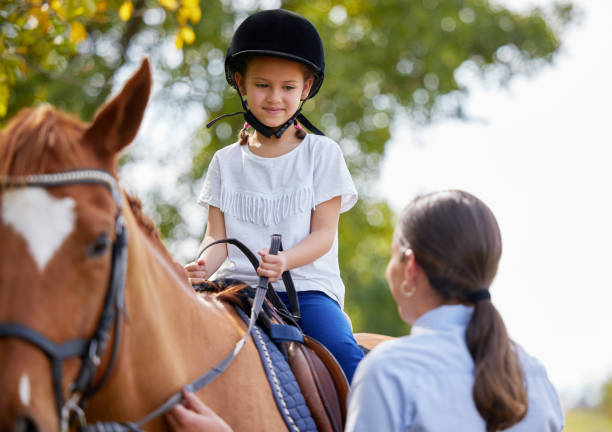
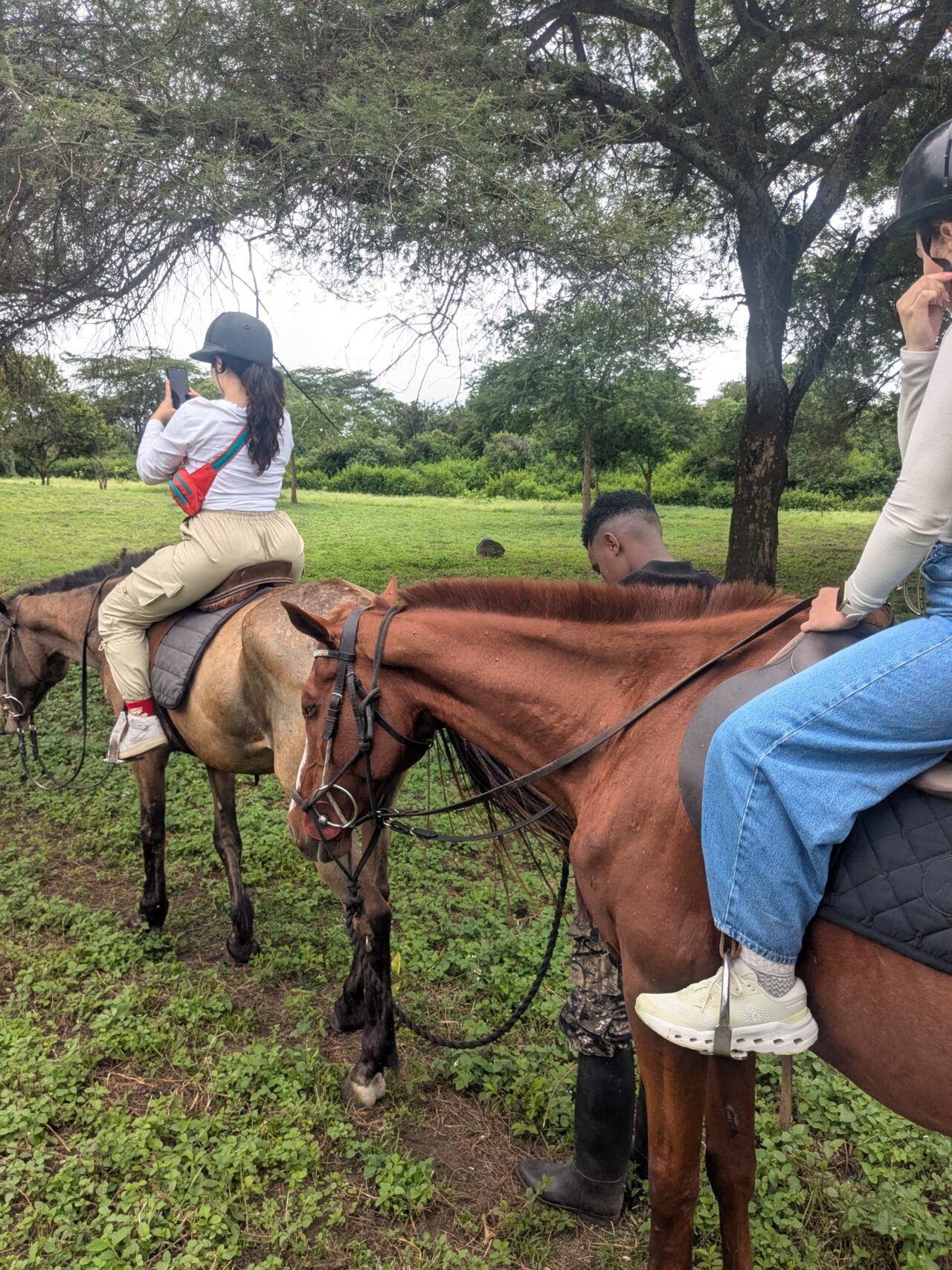
Tanzania is renowned for its iconic wildlife, vast savannas, and towering mountains, offering a safari experience unlike any other. While game drives in sturdy 4x4s are the classic way to explore, for those seeking a more intimate connection with the landscape and its inhabitants, horse riding in Tanzania presents an exhilarating and unforgettable alternative. Imagine cantering alongside zebras, observing giraffes from eye level, or experiencing the thrill of a wild landscape from the back of a gentle, well-trained horse. This is not just a safari; it’s an immersive journey into the heart of Africa.
For travelers planning their trips for 2026 and 2027, incorporating a horse riding safari into your itinerary offers a unique perspective that standard safaris simply cannot match. The best places for horse riding in Tanzania are those that combine stunning natural beauty with excellent equestrian facilities and experienced guides who understand both the wildlife and the horses. This guide will explore these prime locations, offering insights into what makes them exceptional and how you can best experience them.
Why Choose Horse Riding for Your Tanzania Safari?
The appeal of horseback safaris lies in their ability to offer a sense of freedom and proximity to nature that is difficult to replicate. Unlike vehicles, horses move quietly, allowing you to approach wildlife with minimal disturbance. This leads to more natural animal behavior and a more authentic viewing experience. Furthermore, riding a horse offers a different physical engagement with the environment – you feel the sun, the breeze, and the rhythm of the land in a more profound way.
- Intimate Wildlife Encounters: Horses are often accepted as part of the environment by many plains game, allowing for closer and more natural sightings of zebras, wildebeest, giraffes, and antelopes.
- Access to Remote Areas: Certain horse riding operations can access areas less frequented by vehicles, leading you to more secluded and pristine landscapes.
- Unique Perspective: Seeing the vast plains and diverse ecosystems from horseback provides a sense of scale and wonder that is truly special.
- Thrill and Adventure: For experienced riders, the pace can be increased to a canter or gallop across open plains, adding an element of pure exhilaration to your safari.
- Suitable for Various Skill Levels: Many operations cater to a range of riders, from beginners to experienced equestrians, with well-trained horses and expert guides.
The Premier Destinations for Horse Riding in Tanzania
Tanzania offers several distinct regions where horse riding safaris are particularly well-developed and spectacular. Each location provides a unique backdrop and a different set of experiences, making it possible to tailor your adventure to your preferences.
1. The Great Plains of the Serengeti and Maasai Mara Ecosystem
While the Maasai Mara is in Kenya, its ecosystem extends into northern Tanzania, forming part of the vast Serengeti plains. This area is arguably the most famous wildlife destination in the world, and experiencing it on horseback is a dream for many. Horse riding here is often conducted in concessions bordering or within the Serengeti National Park, offering incredible opportunities to witness the Great Migration (depending on the time of year) and abundant resident wildlife.
Serengeti Horseback Safaris: What to Expect
Horse riding in the Serengeti typically takes place in specialized areas, often in private concessions or areas managed in conjunction with local communities. These safaris are usually multi-day affairs, staying in mobile tented camps that move with the seasons to best position riders for wildlife viewing, especially during the migration periods of 2026 and 2027.
- Wildlife: Expect to see vast herds of wildebeest and zebras, giraffes browsing acacia trees, elephants, and various antelope species. Predators like lions and cheetahs are also present, though encounters from horseback are managed with extreme caution and respect for both rider and animal safety.
- Landscape: The Serengeti offers classic African savanna scenery – endless grasslands dotted with acacia trees, kopjes (rocky outcrops), and winding rivers. Riding across these open plains provides a profound sense of space.
- Accommodation: Safaris are often fly-in, with transfers to a riding camp. Accommodation ranges from comfortable tented camps with en-suite bathrooms to more rustic, fly-camping options for the adventurous.
- Riding Experience: Rides typically last several hours a day, with breaks for meals and relaxation. The pace can vary from a walk to a trot and canter, depending on the terrain and the group’s comfort level. Guides are highly experienced in tracking wildlife and managing horse-animal interactions.
- Best Time to Visit: The dry seasons (June to October and December to February) are generally best for wildlife viewing and riding conditions. The migration season, typically July to October in the western and northern Serengeti, offers spectacular viewing opportunities.
Key Considerations for Serengeti Riding:
Due to the wildlife density and the nature of the terrain, Serengeti horseback safaris are often best suited for intermediate to experienced riders. However, some operators offer beginner-friendly options. It’s crucial to discuss your riding ability honestly with the tour operator.
2. The Vast Wilderness of Ruaha National Park
Ruaha is Tanzania’s largest national park and offers a wilder, less-trodden safari experience compared to the northern circuit. Its rugged landscape, characterized by dramatic gorges, baobab-studded plains, and the Great Ruaha River, makes for a visually stunning backdrop for horse riding.
Ruaha Horseback Adventures: A Deeper Dive
Horse riding in Ruaha is less common than in the Serengeti but is offered by a few specialized operators who leverage the park’s remote beauty and diverse wildlife. These safaris often focus on exploring the park’s less accessible areas.
- Wildlife: Ruaha is known for its large elephant herds, significant predator populations (lions, leopards, cheetahs, African wild dogs), and a variety of plains game. The sheer scale of the park means wildlife is abundant, though sightings can be more spread out than in the Serengeti.
- Landscape: The terrain is more varied than the Serengeti, with rocky hills, riverbeds, and dense bushland alongside open plains. This offers a more dynamic riding experience.
- Accommodation: Lodges and tented camps are available within or on the edges of the park, with some horse riding operations utilizing mobile camps for multi-day expeditions.
- Riding Experience: Rides can range from shorter excursions exploring the immediate vicinity of a camp to longer, multi-day treks deeper into the wilderness. The guides are experts in navigating the challenging terrain and understanding animal behavior in this less-frequented park.
- Best Time to Visit: The dry season (June to October) is ideal for wildlife viewing and riding, as animals congregate around water sources.
Why Ruaha Stands Out:
Ruaha offers a more authentic sense of wilderness. The limited number of visitors means you often have vast areas to yourself, making the horseback experience feel even more exclusive and adventurous. It’s a fantastic option for those seeking an off-the-beaten-path adventure in 2026 or 2027.
3. The Foothills and Surrounds of Mount Kilimanjaro
For a different kind of horseback adventure, the Kilimanjaro region offers stunning scenery and a unique cultural context. While not a traditional game-viewing safari, riding in this area allows you to explore the foothills of Africa’s highest peak, traverse coffee plantations, and interact with local communities.
Kilimanjaro Horse Riding Tours: Scenery and Culture
These rides are typically day trips or short excursions, perfect for combining with Kilimanjaro treks or other activities in the Moshi and Arusha regions. They offer a refreshing change of pace and a chance to see a different side of Tanzania.
- Landscape: Rides take you through lush Chagga villages, coffee and banana plantations, and along scenic routes with breathtaking views of Kilimanjaro (weather permitting). Some routes may offer glimpses of wildlife like monkeys or various bird species, but the primary focus is the scenery and cultural immersion.
- Accommodation: These are usually day activities originating from lodges or hotels in Moshi or Arusha.
- Riding Experience: The horses are typically sturdy and well-suited to the terrain. Rides are guided by locals who share insights into the agricultural practices and culture of the region. The pace is generally relaxed, suitable for all skill levels.
- Unique Appeal: This is an excellent option for those who want a gentle introduction to horse riding in Tanzania, or for travelers who are already in the region for trekking and wish to add a unique activity. It’s a great way to experience the local life and stunning agricultural landscapes.
Planning Your Kilimanjaro Ride:
These rides are easily customizable and can be booked as part of a larger Tanzanian itinerary. They offer a gentle way to experience the beauty of the Kilimanjaro region, making them ideal for families or less experienced riders looking for an enjoyable outing.
4. Lake Manyara Region and Tarangire National Park
The areas around Lake Manyara and Tarangire National Park, while famous for their game drives, also offer opportunities for horseback safaris, particularly in private conservancies or areas bordering the parks.
Riding Near Lake Manyara and Tarangire
These regions provide a diverse environment, from the soda lake of Manyara to the baobab-covered plains of Tarangire. Horse riding here can offer unique vantage points for wildlife viewing.
- Wildlife: Lake Manyara is known for its tree-climbing lions, large elephant herds, and diverse birdlife. Tarangire is famous for its massive baobab trees and large elephant populations, especially during the dry season. Riding here can offer excellent opportunities to see these animals in their natural habitat.
- Landscape: The landscape is varied, including woodlands, open plains, and the lake shore. This diversity makes for interesting riding.
- Riding Experience: Operators in this region often focus on shorter rides, ideal for adding to a standard safari itinerary. They provide a different perspective on the wildlife and scenery, allowing for quiet observation.
- Best Time to Visit: The dry season (June to October) is generally best for wildlife viewing as animals congregate around water sources.
Why Combine with Standard Safaris:
These locations are perfect for those who want to experience a bit of horseback riding without committing to a multi-day, wilderness-focused horse safari. It’s a fantastic way to break up driving days and add an element of adventure to a classic northern circuit tour planned for 2026 or 2027.
Choosing the Right Horse Riding Safari for You
Selecting the best horse riding experience in Tanzania depends on several factors, including your riding ability, your desired level of adventure, the wildlife you wish to see, and the time of year you plan to travel.
Assessing Your Riding Skill Level
Be honest about your experience. Most operators categorize riders into:
- Beginner: Little to no riding experience. You will be comfortable at a walk and perhaps a gentle trot.
- Intermediate: Comfortable at all paces (walk, trot, canter) on a well-behaved horse. You can control your horse and are confident in various terrains.
- Experienced: Confident cantering and galloping in open spaces, experienced with different horse breeds and challenging terrain.
Some of the more remote and wildlife-intensive safaris, especially in the Serengeti, are often geared towards intermediate to experienced riders due to the unpredictability of wildlife encounters and the vastness of the terrain. Kilimanjaro region rides are typically more beginner-friendly.
Duration and Type of Safari
Horse riding safaris can range from half-day trips to multi-day expeditions:
- Day Trips: Ideal for adding a unique activity to a stay in Arusha, Moshi, or near Lake Manyara.
- 2-5 Day Safaris: Offer a more immersive experience, often involving staying in mobile camps or lodges and covering more ground. These are common in the Serengeti and Ruaha.
- 7-10+ Day Safaris: For the dedicated equestrian adventurer, these longer trips explore remote areas, offering the deepest immersion into the wilderness on horseback.
Wildlife Focus vs. Scenery and Culture
- For serious wildlife viewing: Serengeti and Ruaha are top choices, offering the chance to see large herds and predators from a unique perspective.
- For stunning landscapes and cultural interaction: The Kilimanjaro region offers beautiful scenery and a glimpse into local life.
- For a blend: Lake Manyara and Tarangire areas can offer a good mix of wildlife and diverse landscapes.
When to Go: Seasonal Considerations for 2026-2027
The best time for horse riding in Tanzania generally aligns with the dry seasons, which offer more predictable weather and better wildlife viewing conditions:
- June to October: This is the prime dry season. Wildlife is concentrated around water sources, making sightings more reliable. The weather is generally sunny and pleasant, ideal for riding. This is also a peak time for the Great Migration in the Serengeti.
- December to February: Another dry period, often referred to as the ‘short rains’ season, though it can still offer excellent riding opportunities, particularly in the southern Serengeti where calving season begins.
- November and March-May: These are shoulder seasons with the ‘long rains’ typically occurring from March to May. While beautiful and lush, riding can be challenging due to muddy conditions and potential for rain. However, these periods can offer lower prices and fewer crowds, making them attractive for some travelers planning for 2026 or 2027.
Important Note on Safety and Wildlife Encounters
Horse riding safaris are thrilling, but safety is paramount. Reputable operators employ highly experienced guides who are trained in wildlife behavior and horse management. They will brief you thoroughly on safety procedures. While the goal is to get close to wildlife, responsible guides will always maintain a safe distance and prioritize the well-being of horses, riders, and animals. Never attempt to feed or touch wild animals, and always follow your guide’s instructions implicitly. For predator encounters, guides are trained to assess risks and may choose to dismount or alter the route if necessary.
Planning Your Horse Riding Adventure with Top Guide Adventures
As a leading Tanzania tour operator, Top Guide Adventures specializes in creating tailor-made safari experiences, including exceptional horse riding adventures. We understand the nuances of each region and work with the best operators to ensure a safe, exciting, and memorable trip for your 2026 or 2027 travel plans.
Our Horse Riding Safari Packages
We offer a range of horse riding options, from multi-day wilderness expeditions to day trips that can be integrated into broader Tanzanian itineraries. Whether you dream of cantering across the Serengeti plains, exploring the rugged beauty of Ruaha, or enjoying scenic rides near Kilimanjaro, we can design the perfect itinerary for you.
- Custom Itineraries: We work with you to understand your riding experience, interests, and budget to craft a unique safari.
- Expert Guiding: We partner with operators who employ knowledgeable guides with extensive experience in both equestrianism and Tanzanian wildlife.
- Quality Horses: Our partners use well-trained, fit, and responsive horses suitable for various riding abilities.
- Safety First: We prioritize your safety, ensuring all rides are conducted with the highest safety standards and professional guidance.
- Accommodation: From comfortable lodges to exclusive fly camps, we arrange accommodations that complement your riding adventure.
Getting Started with Your 2026-2027 Booking
Planning a safari for 2026 or 2027 well in advance is highly recommended, especially for specialized activities like horse riding, which can have limited availability. Early booking ensures you secure your preferred dates, accommodations, and riding slots.
To discuss your dream horse riding safari in Tanzania, or to get a personalized quote for 2026-2027, please do not hesitate to contact us:
- WhatsApp: +255616946642
- Email: topguideadventures@gmail.com
- Backup Email: info@topguideadventures.com
Let us help you create an extraordinary adventure that will leave you with lifelong memories. Whether you are seeking the thrill of wildlife encounters on horseback or the serene beauty of the Tanzanian landscape from a unique perspective, horse riding in Tanzania offers an unparalleled travel experience.



