
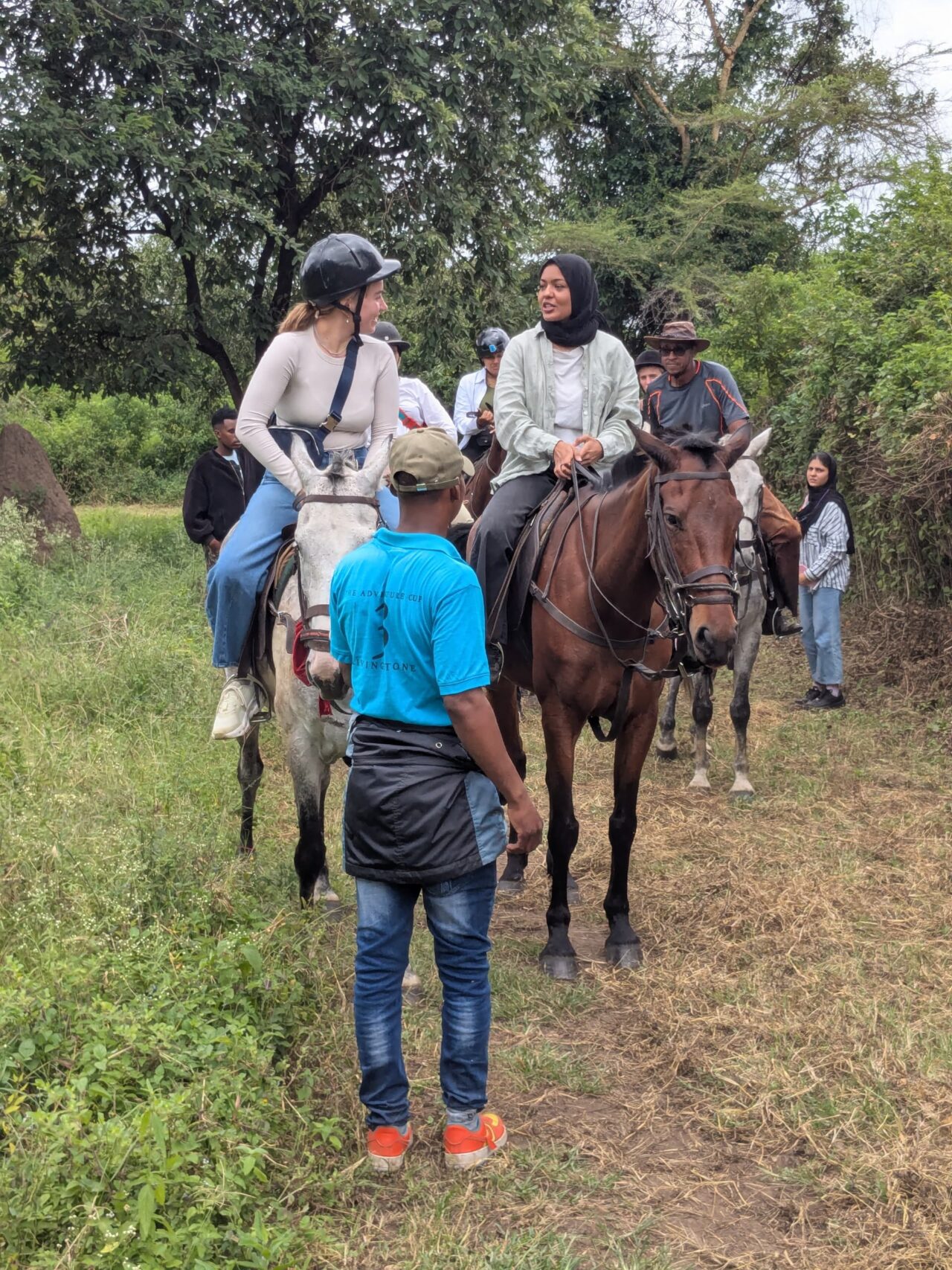
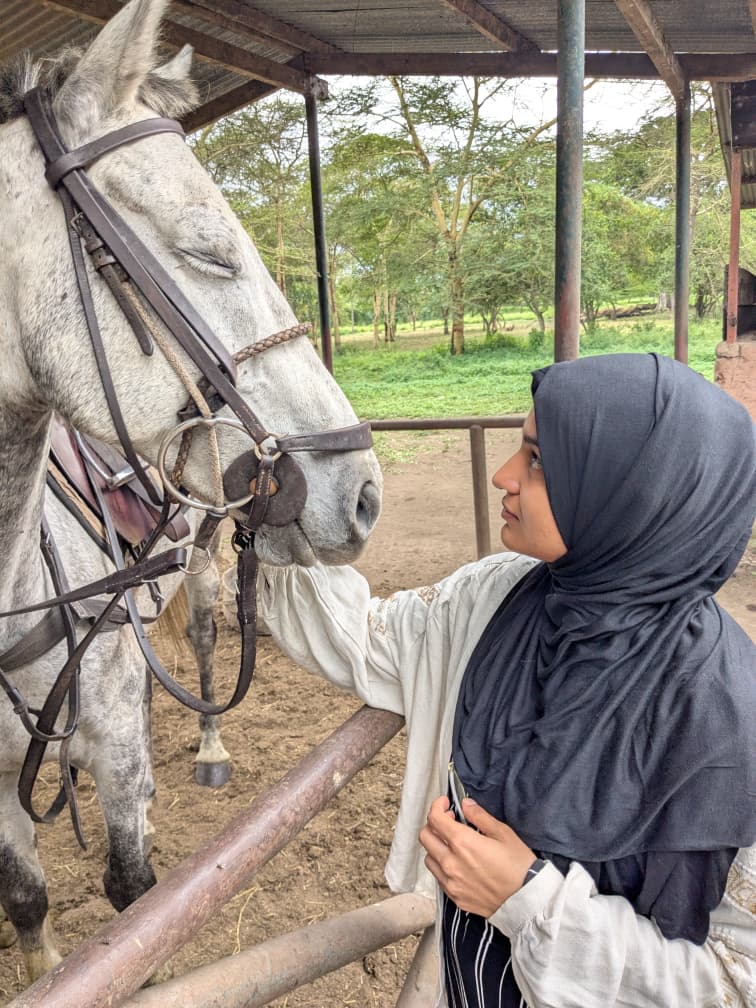
Imagine the wind in your hair, the rhythmic beat of hooves on the savanna, and the breathtaking sight of elephants, giraffes, or zebras grazing peacefully in the distance. A horse riding tour in Tanzania with wildlife offers an unparalleled way to connect with Africa’s majestic landscapes and its iconic inhabitants. Unlike traditional vehicle safaris, horseback allows for a more intimate and immersive experience, bringing you closer to nature with minimal disturbance.
For travelers planning their 2026 or 2027 Tanzanian adventure, a horse riding safari presents a unique opportunity to step off the beaten path and experience the wilderness from a different perspective. Whether you are an experienced rider or a novice looking for an extraordinary adventure, Tanzania offers diverse terrains and wildlife viewing opportunities perfectly suited for equestrian exploration. This guide is designed to provide you with comprehensive insights, helping you plan the perfect horse riding safari, detailing what to expect, where to go, and how to make the most of your 2026-2027 journey.
Why Choose Horse Riding for Your Tanzania Wildlife Experience?
The allure of a horse riding tour in Tanzania with wildlife lies in its unique blend of adventure and tranquility. Horses, being natural prey animals, are sensitive to their surroundings. This sensitivity allows riders to approach wildlife more quietly and respectfully than a vehicle might. The elevated position on horseback also provides excellent vantage points for spotting animals, often revealing creatures hidden in tall grass or dense bush.
Furthermore, the pace of a horse allows for a deeper appreciation of the environment. You can hear the sounds of the bush, smell the earthy scent of the land, and feel the subtle shifts in the atmosphere. It’s an experience that engages all your senses, fostering a profound connection with the wild. For those looking to escape the crowds and experience a more authentic safari, horseback riding is an exceptional choice. It offers a sense of freedom and adventure that’s hard to match.
The Intimacy of Approach
One of the most significant advantages of horse riding safaris is the ability to get remarkably close to wildlife without causing alarm. Many animals are accustomed to the presence of horses and riders, especially in areas where this form of safari has been practiced for years. This allows for incredible photographic opportunities and a chance to observe animal behavior in its natural state, undisturbed by the noise and bulk of a safari vehicle.
Sensory Immersion
The natural world of Tanzania is rich with sensory details. On horseback, you are not separated from the environment by glass or metal. You feel the sun on your skin, the breeze rustling through the acacia trees, and the earth beneath the hooves. The symphony of the bush – the chirping of birds, the distant roar of a lion, the rustle of unseen creatures – becomes your soundtrack. This deep sensory engagement makes the experience incredibly memorable and personal.
Eco-Friendliness and Minimal Impact
Horse riding safaris are inherently low-impact. Horses tread lightly on the land, leaving minimal ecological footprint compared to vehicles. This aligns with the growing desire among travelers for sustainable and responsible tourism. By choosing a horse riding tour, you are opting for a method of exploration that respects the delicate ecosystems of Tanzania.
Where to start a Horse Riding Tour in Tanzania with Wildlife
Tanzania boasts several prime locations for horse riding safaris, each offering unique landscapes and wildlife viewing opportunities. The choice of location often depends on the type of experience you seek – from vast open plains to more rugged, scenic terrain.
1. The Maasai Mara Ecosystem (Bordering Kenya) & Loliondo Concession
While the Maasai Mara is primarily in Kenya, the Tanzanian side, particularly the Loliondo Game Controlled Area which borders the Mara, offers incredible opportunities for horseback riding. This region is famous for the Great Migration, and riding here can place you amidst vast herds of wildebeest and zebra, with Maasai warriors often sharing the landscape.
The terrain is generally open savanna, ideal for long canters. Wildlife encounters are abundant, including lions, leopards, cheetahs, elephants, and a plethora of plains game. Riding here provides a unique cultural dimension, as you are often in the heart of Maasai land.
2. Ruaha National Park and surrounding areas
Ruaha is Tanzania’s largest national park, known for its wild and remote beauty, dramatic landscapes, and large elephant and buffalo populations. While horseback riding is less common within the park boundaries themselves due to regulations, concessions and private ranches bordering Ruaha offer exceptional riding experiences. These areas often provide access to the park’s wildlife corridors.
The riding here is often more challenging and rewarding, with rugged hills, baobab-studded plains, and the Great Ruaha River. It’s ideal for experienced riders seeking a true wilderness adventure. You can expect encounters with large predators, diverse antelope species, and significant birdlife. The feeling of remoteness here is profound, making it a top choice for those who want to truly disconnect.
3. Selous Game Reserve (Nyerere National Park)
The vast Selous Game Reserve, now Nyerere National Park, is one of Africa’s largest protected areas and offers a unique riverine landscape alongside more open bush. Horse riding here often takes place in the buffer zones or private concessions adjacent to the park, providing access to its rich wildlife.
Riding along the Rufiji River and its tributaries offers chances to see hippos, crocodiles, elephants, and diverse birdlife. The open plains allow for exciting gallops, while the bush trails offer a more intimate encounter with the smaller details of the ecosystem. Selous is also known for its wild dogs and large lion prides.
4. The Usambara Mountains and Eastern Arc Mountains
For a different kind of riding experience, the Usambara Mountains offer stunning scenery with rolling hills, lush forests, and charming villages. While not a traditional big game safari destination, these areas offer incredible trekking on horseback through landscapes dotted with endemic flora and fauna. It’s a chance to experience Tanzania’s diverse topography and meet local communities.
These rides are more focused on scenic beauty, cultural immersion, and birdwatching, rather than big game encounters. They are perfect for those who enjoy a more relaxed pace and appreciate natural beauty and cultural exchange. The cooler climate and verdant landscapes provide a refreshing contrast to the savanna.
Planning Your Horse Riding Tour in Tanzania with Wildlife for 2026-2027
Planning a successful horse riding safari requires careful consideration of several factors. For travelers looking ahead to 2026 and 2027, early planning is key to securing the best options and favorable pricing. Here’s what you need to consider:
Best Time to Travel
The dry season, generally from June to October, is considered the prime time for horse riding safaris in Tanzania. During these months, the grass is shorter, making wildlife spotting easier, and the weather is pleasant with less humidity and rain. This period also often coincides with the Great Migration in the northern Serengeti/Maasai Mara ecosystem, offering spectacular viewing opportunities.
However, the shoulder seasons (late March to May, and November to early December) can also offer rewarding experiences with fewer crowds and potentially lower prices. The landscape is lush after the rains, and wildlife is still abundant. It’s important to check the specific region you plan to visit, as microclimates can affect the best travel times.
Choosing the Right Riding Operator
Selecting a reputable and experienced riding operator is paramount. Look for companies with:
- Experienced Guides: Guides should not only be knowledgeable about horses but also about wildlife tracking, bushcraft, and local culture.
- Well-Maintained Horses: The horses should be fit, well-cared for, and suitable for various riding abilities. A good operator will have a diverse string of horses.
- Safety Protocols: Ensure the operator has robust safety procedures, including first-aid training and communication systems.
- Accommodation Options: Operators often offer a range of accommodation, from luxury fly camps to comfortable lodges, which should align with your preferences.
- Positive Reviews: Check independent reviews and testimonials from previous clients.
For your 2026-2027 trip, it’s advisable to start researching and contacting operators at least 12-18 months in advance, especially if you are traveling during peak season or require a custom itinerary. Companies like Top Best Tanzania Tour operator specialize in creating bespoke safari experiences, including tailored horse riding adventures. You can reach them via WhatsApp +255616946642 or email at topguideadventures@gmail.com / info@topguideadventures.com.
Riding Ability and Fitness
Horse riding tours cater to a range of abilities, from beginner to advanced. Most operators offer rides suitable for intermediate riders, who can comfortably walk, trot, and canter in open country. If you are a beginner, some operators can accommodate you, often with specialized rides or shorter durations. If you are an experienced rider, you might be looking for more challenging terrain and longer hours in the saddle.
A reasonable level of physical fitness is beneficial, as you will be spending several hours a day in the saddle. Ability to mount and dismount, maintain balance, and control a horse are essential. Be honest about your riding experience when booking to ensure you are matched with the right horse and itinerary.
What to Pack for Your Horse Riding Safari
Packing strategically is crucial for comfort and safety. Here’s a general packing list:
- Riding Gear: Comfortable riding trousers (jodhpurs or breeches), sturdy riding boots with a small heel, riding gloves, and a helmet (though many operators provide helmets, bringing your own comfortable one is recommended).
- Clothing: Lightweight, breathable long-sleeved shirts and trousers for sun protection and to prevent insect bites. Layers are essential: a fleece or warm jacket for cooler mornings and evenings.
- Sun Protection: Wide-brimmed hat, high SPF sunscreen, sunglasses, and lip balm.
- Footwear: Comfortable walking shoes or sandals for camp/lodge evenings.
- Insect Repellent: A strong repellent containing DEET is advisable.
- Personal Items: Personal medication, basic first-aid kit, camera with extra batteries and memory cards, binoculars, and a small backpack for day trips.
- Documents: Passport, visa, travel insurance details, vaccination certificates.
Remember that luggage space on transfers to remote camps can be limited, so a soft duffel bag is often preferred over a hard suitcase.
Typical Itinerary and Wildlife Encounters on a Horse Riding Tour
A typical horse riding tour in Tanzania with wildlife can vary in length from a few days to over a week. Here’s a sample itinerary structure that highlights potential experiences:
Sample 5-Day Horse Riding Safari in a Private Concession
Day 1: Arrival and Introduction
Arrive at a designated airstrip or lodge. Meet your guides and be introduced to your horse. After a briefing and tacking up, enjoy a short introductory ride to get acquainted with your mount and the surrounding area. Overnight in a comfortable lodge or tented camp.
Day 2: Savanna Plains and Game Viewing
After breakfast, set off for a full day of riding across open savanna. Keep an eye out for herds of zebra, wildebeest, gazelles, and giraffes. Your guides will help you spot and approach wildlife safely. Enjoy a picnic lunch in the bush. Return to camp in the late afternoon.
Day 3: Riverine Landscapes and Elephant Encounters
Today’s ride takes you through riverine areas, offering opportunities to see elephants, hippos (from a safe distance), and abundant birdlife. The terrain might be more varied, with some bush paths and gentle slopes. Overnight in a mobile fly camp under the stars for a true wilderness experience.
Day 4: Predator Tracking and Cultural Insights
Focus on tracking predators like lions and cheetahs, often seen in the early morning or late afternoon. Learn about the local Maasai culture from your guides, who may share insights into their traditional way of life. Enjoy a final evening around the campfire, sharing stories of the day’s adventures.
Day 5: Final Ride and Departure
A shorter morning ride offers one last chance to absorb the African bush. After returning to camp, you’ll have time to freshen up before transferring back to the airstrip for your onward journey.
Potential Wildlife Sightings
The beauty of a horse riding tour in Tanzania with wildlife is the sheer unpredictability and richness of encounters. Depending on the location and time of year, you might see:
- Large Mammals: Elephants, giraffes, zebras, wildebeest, buffalo, various antelope species (oryx, impala, gazelle, kudu), hippos, crocodiles.
- Predators: Lions, leopards, cheetahs, hyenas, wild dogs (especially in areas like Selous).
- Smaller Mammals: Warthogs, baboons, monkeys, jackals, and a variety of smaller antelope.
- Birdlife: Tanzania is a birdwatcher’s paradise. Expect to see ostriches, secretary birds, eagles, vultures, storks, kingfishers, and numerous smaller species.
It’s important to remember that wildlife sightings are never guaranteed, but the immersive nature of horseback riding significantly increases your chances of unique and close encounters.
Cost Considerations for Horse Riding Tours in 2026-2027
The cost of a horse riding tour in Tanzania with wildlife can vary significantly based on several factors, including the duration of the tour, the level of accommodation, the exclusivity of the area, and the operator. For planning purposes in 2026 and 2027, it’s helpful to understand these cost drivers.
Generally, horse riding safaris are considered a premium experience due to the specialized nature of the activity, the care and training of the horses, and the expertise of the guides. You can expect prices to be higher than standard vehicle-based safaris.
Estimated Price Ranges (Per Person, Per Day) for 2026-2027
- Mid-Range: Approximately $350 – $600 USD per person per day. This typically includes accommodation in comfortable tented camps or lodges, all meals, non-alcoholic drinks, horse hire, guiding services, and park/concession fees.
- Luxury: Approximately $600 – $1000+ USD per person per day. This level often features high-end lodges or exclusive fly camps, gourmet meals, premium beverages, private guiding, and potentially more exclusive access areas.
Factors Influencing Cost:
- Duration: Longer tours often have a slightly lower per-day rate.
- Group Size: Private rides are more expensive than shared departures.
- Accommodation: Tented camps, mobile fly camps, and lodges have different cost structures.
- Inclusions: Check if park fees, conservation fees, drinks, laundry, and tips are included.
- Time of Year: Peak season (June-October) may see slightly higher rates.
What is typically NOT included:
- International flights
- Visa fees
- Travel insurance
- Tips for guides and camp staff
- Alcoholic beverages (sometimes)
- Personal expenses
It is always best to request a detailed quote from your chosen tour operator. For personalized quotes for your 2026 or 2027 horse riding tour, contact Top Best Tanzania Tour operator at WhatsApp +255616946642 or email topguideadventures@gmail.com / info@topguideadventures.com.
Safety and Considerations for Horse Riding Safaris
Safety is paramount on any safari, and horseback riding is no exception. Reputable operators prioritize the well-being of their guests and horses.
Horse Selection and Care
Good operators invest heavily in their horses. They are typically sturdy breeds accustomed to the African bush, well-trained, and regularly vetted by veterinarians. Horses are matched to riders based on experience and temperament. If you feel uncomfortable with your horse at any point, communicate this to your guide immediately.
Wildlife Encounters and Safety Protocols
While horses can approach wildlife closely, guides are trained to read animal behavior and manage the distance to ensure safety for both riders and animals. They know when to move closer for a better view and when to retreat. Always follow your guide’s instructions implicitly. Never dismount unless instructed to do so, and keep a respectful distance from potentially dangerous animals like elephants or buffalo.
Health and Vaccinations
Consult your doctor or a travel clinic well in advance of your 2026-2027 trip regarding recommended vaccinations and malaria prophylaxis. Tanzania is a malaria-endemic country, and precautions are necessary. Ensure you have adequate travel insurance that covers medical emergencies and evacuation.
Environmental Factors
Tanzania can be hot, especially during certain times of the year. Stay hydrated by drinking plenty of water. The sun is intense, so sun protection is vital. Be prepared for variable weather conditions, including sudden rain showers, particularly outside the main dry season.
Combining Horse Riding with Other Tanzanian Experiences
A horse riding tour in Tanzania with wildlife can be a standalone adventure or a spectacular component of a larger Tanzanian safari. Many operators, including Top Best Tanzania Tour operator, can help you combine your equestrian adventure with other iconic experiences:
- Classic Game Drives: After your horse riding days, extend your safari with traditional game drives in nearby national parks like the Serengeti or Tarangire for a comprehensive wildlife viewing experience.
- Kilimanjaro Trekking: For the adventurous, combine a horse riding safari with a trek up Mount Kilimanjaro. The Machame Route is a popular choice for its scenic beauty and success rates. Check group departure dates for 2026 and 2027 on sites like https://thetopguideadventurestanzania.com/machame-route-kilimanjaro-group-departures-dates/.
- Zanzibar Relaxation: After the dust and excitement of the safari, unwind on the pristine beaches of Zanzibar. Explore its historic Stone Town and enjoy its unique culture and cuisine.
- Cultural Visits: Integrate visits to local Maasai villages or other communities to gain a deeper understanding of Tanzanian life and traditions.
By blending these activities, you can create a multifaceted journey that captures the diverse essence of Tanzania. Whether you are planning for 2026 or 2027, a custom itinerary can be crafted to suit your interests and timeframe.
Making Your 2026-2027 Booking for a Tanzania Horse Riding Tour
Booking your horse riding tour in Tanzania with wildlife is an exciting step towards an unforgettable adventure. Early booking is highly recommended, especially for 2026 and 2027 travel, as popular operators and specific dates fill up quickly. Here’s how to proceed:
- Research and Select an Operator: Choose a reputable company with proven experience in horse riding safaris in Tanzania. Look for reviews and testimonials.
- Define Your Itinerary: Decide on the duration, preferred locations, and the type of experience you want (e.g., focus on big game, scenic beauty, cultural immersion).
- Request a Quote: Contact your chosen operator for a detailed quote based on your desired dates and itinerary. Be clear about your riding ability and any special requirements.
- Confirm Inclusions and Exclusions: Ensure you understand exactly what is covered in the price, from accommodation and meals to activities and park fees.
- Secure Your Booking: Once you are happy with the quote and itinerary, proceed with the booking process, which typically involves a deposit payment.
- Arrange Flights and Visas: Book your international flights to Tanzania (usually Kilimanjaro International Airport – JRO) and ensure your visa requirements are met.
- Prepare for Your Trip: Start packing and making any necessary health preparations well in advance.
For a personalized and expertly crafted horse riding tour in Tanzania with wildlife, consider reaching out to Top Best Tanzania Tour operator. They offer custom safari planning and can assist you in creating the perfect adventure for 2026 or 2027. Connect with them via WhatsApp +255616946642, email at topguideadventures@gmail.com, or their backup email info@topguideadventures.com. You can also explore their offerings and learn more about Tanzania safaris at their website and follow their adventures on Instagram. For independent reviews, check their TripAdvisor profile.
A horse riding tour in Tanzania with wildlife is more than just a safari; it’s an intimate journey into the heart of the African wilderness, offering a unique perspective and a profound connection with nature. Plan your 2026-2027 adventure today and prepare for an experience that will stay with you long after you’ve returned home.



