
Updated planning guide for 2026-2027
Best Time To Visit Tanzania For Travel And Safari: Guide 2026-2027
Discover the ideal periods for your Tanzania adventure, whether you're dreaming of a classic safari, a Kilimanjaro climb, or a Zanzibar escape. This comprehensive guide helps you choose the best time to visit Tanzania for travel and safari in 2026-2027.
WhatsApp +255616946642 | topguideadventures@gmail.com | info@topguideadventures.com
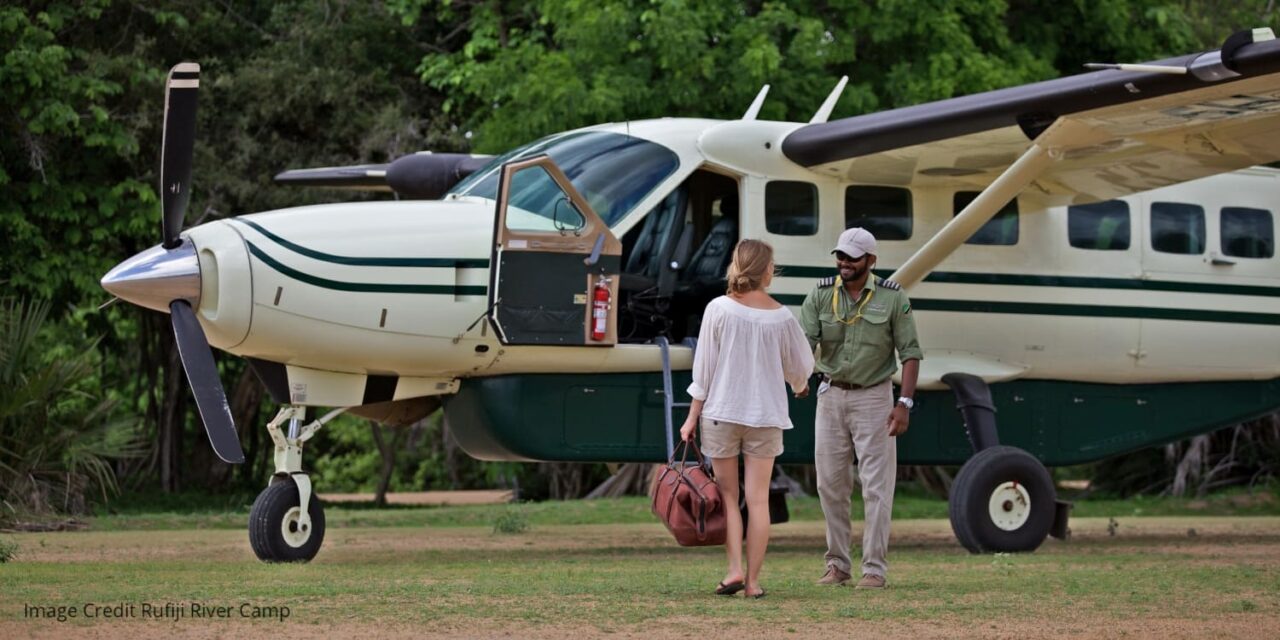
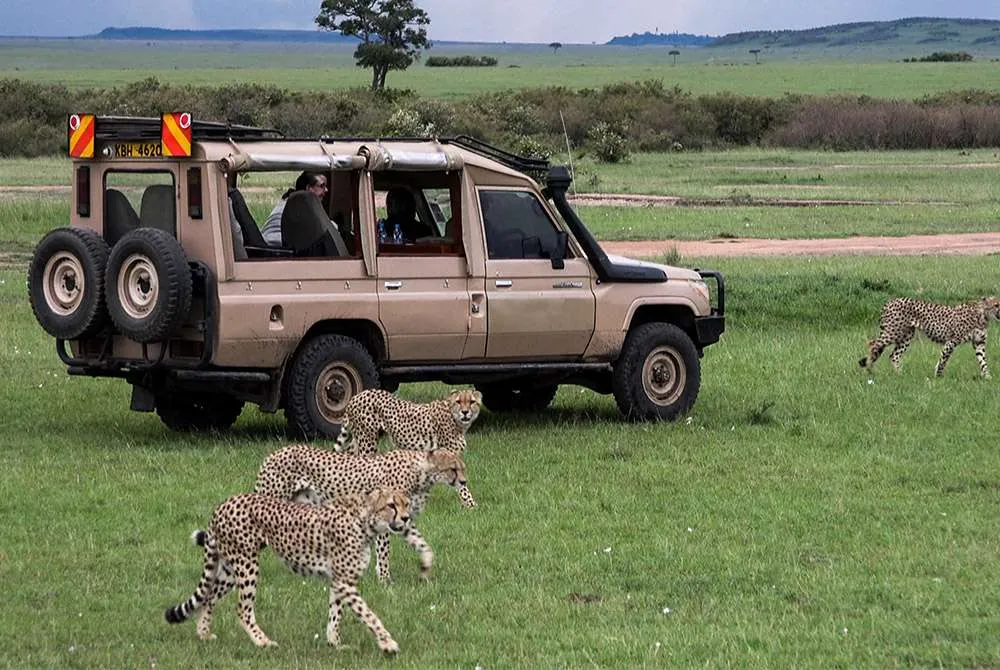
The Best Time to Visit Tanzania for Travel and Safari: A Comprehensive Planning Guide
Choosing the right time to visit Tanzania is crucial for maximizing your experience, whether you’re eager to witness the Great Migration, conquer Mount Kilimanjaro, or relax on the spice-scented beaches of Zanzibar. Tanzania offers incredible travel opportunities year-round, but understanding the distinct seasons and their impact on wildlife viewing, trekking conditions, and beach weather will help you plan the perfect trip for 2026 or 2027.
This guide provides an in-depth look at when to go, what to expect, and how to make the most of your Tanzanian adventure. We cover everything from the iconic Serengeti and Ngorongoro Crater safaris to the challenges of Kilimanjaro and the allure of the Zanzibar archipelago.
| Main Drawcards: | Serengeti National Park (Great Migration), Ngorongoro Crater, Mount Kilimanjaro, Zanzibar beaches, diverse wildlife, cultural experiences. |
| Best Time for Safari (Wildlife): | June to October (Dry Season, Great Migration in Western/Northern Serengeti), January to February (Calving Season, Southern Serengeti). |
| Best Time for Kilimanjaro Trekking: | January to March and June to October (dry, clearer skies). |
| Best Time for Zanzibar: | June to October and December to February (dry, sunny, less humid). |
| Shoulder Seasons: | March-May (Long Rains), November-December (Short Rains). Can offer fewer crowds and lower prices. |
| Peak Seasons: | June-October and December-February (popular for good weather). |
Table of Contents
- Tanzania at a Glance
- Why the Best Time to Visit Tanzania Matters
- Understanding Tanzania’s Seasons
- Best Time for Safari: Wildlife Viewing & Great Migration
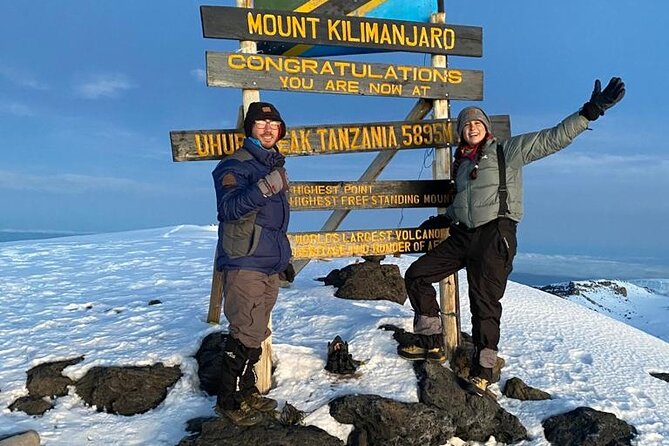
- Best Time for Kilimanjaro Trekking
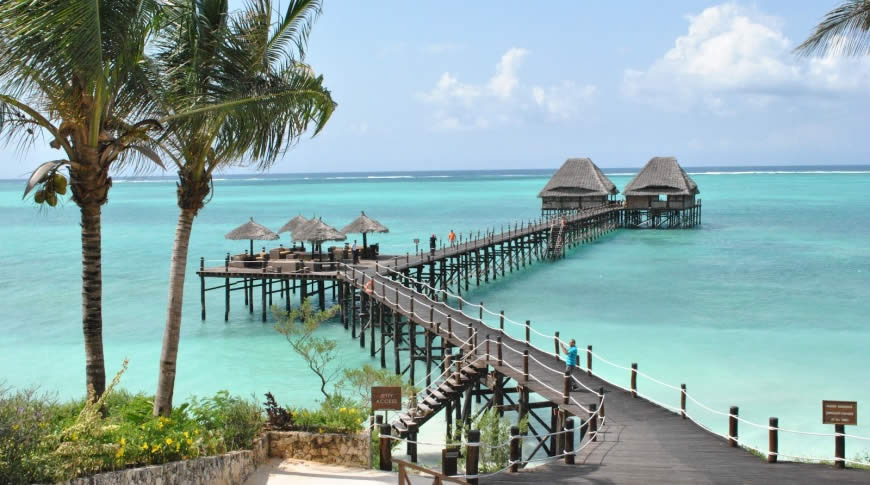
- Best Time for Zanzibar: Beaches & Relaxation
- Planning a Trip: Combining Safari, Kilimanjaro & Zanzibar
- Sample Itinerary Logic for Different Times of Year
- What to Expect in Each Season
- Packing and Preparation by Season
- Common Mistakes to Avoid When Choosing Your Travel Dates
- Who is Tanzania Best For?
- Alternatives to Consider
- Planning Your Trip for 2026-2027
- Booking Advice: When and How to Book
- Frequently Asked Questions
- Ready to Plan Your Tanzanian Adventure?
Tanzania at a Glance
Tanzania, located in East Africa, is a country of immense natural beauty and unparalleled wildlife. It’s home to the vast plains of the Serengeti, the unique ecosystem of the Ngorongoro Crater, the towering peak of Mount Kilimanjaro, and the idyllic, turquoise waters of Zanzibar. Its diverse landscapes support an incredible array of fauna, making it one of the world’s premier safari destinations. Beyond its natural wonders, Tanzania boasts a rich cultural heritage and warm, welcoming people.
The country’s tourism calendar is largely dictated by its climate, which influences animal movements, trekking conditions, and beach weather. Understanding these climatic patterns is key to pinpointing the best time to visit Tanzania for travel and safari.
Why the Best Time to Visit Tanzania Matters
The timing of your visit can significantly impact your Tanzanian experience. Here’s why it’s so important:
- Wildlife Viewing: The movement of the Great Migration, the availability of water, and the lushness of vegetation all affect where animals are concentrated and how easy they are to spot. Dry seasons often mean animals gather around permanent water sources, making them more visible.
- Weather Conditions: Tanzania experiences distinct wet and dry seasons. Dry seasons offer clearer skies and easier travel on unpaved roads, while wet seasons can bring lush landscapes and fewer tourists but may hinder travel.
- Mount Kilimanjaro Ascents: Clear weather is vital for safe and enjoyable Kilimanjaro climbs. The dry seasons provide the best visibility and the least amount of precipitation on the mountain.
- Beach Holidays: For Zanzibar, minimizing rain and humidity is key to enjoying pristine beaches and water activities.
- Crowds and Costs: Peak seasons (usually the dry periods) attract more visitors, leading to higher prices for accommodation and flights. Shoulder and low seasons can offer a more secluded experience and better value.
Understanding Tanzania’s Seasons
Tanzania’s climate is generally divided into two main seasons: the dry season and the wet season. The wet season is further divided into the ‘long rains’ and ‘short rains’.
| Dry Season | Months: June – October | Characteristics: Low humidity, clear skies, minimal rainfall, cooler temperatures (especially at night/morning). Ideal for safaris, Kilimanjaro, and Zanzibar. |
| Short Rains | Months: November – December | Characteristics: Brief, scattered showers, often in the afternoon. Lush landscapes begin to appear. Good for birdwatching. Can be a good time for safaris with fewer crowds. |
| Long Rains | Months: March – May | Characteristics: Heavy, prolonged rainfall. Landscapes are very green. Roads can become difficult to navigate. Fewer tourists, lower prices. Generally not ideal for Kilimanjaro or prime safari viewing due to conditions. |
| Calving Season (part of Dry Season transition) | Months: January – February | Characteristics: Dry weather, short showers possible. Wildebeest calving season in the southern Serengeti, attracting predators. Good for safari, especially in the south. |
Best Time for Safari: Wildlife Viewing & Great Migration
Tanzania is synonymous with safari, and timing your visit around the Great Migration is a dream for many. The ‘best time’ for safari often depends on what specific wildlife events you wish to witness.
June to October: The Dry Season & Great Migration
This period is widely considered the prime time for safari in Tanzania, especially for viewing the Great Migration. The landscape is drier, and vegetation is less dense, making it easier to spot animals. Animals tend to congregate around permanent water sources, increasing sightings.
- Great Migration: From June to October, the vast herds of wildebeest and zebras are typically found in the Western and Northern Serengeti. This is often when the dramatic river crossings of the Mara River occur, a truly spectacular sight.
- Predator Action: The dry conditions make hunting easier for predators, and you’ll likely see lions, leopards, cheetahs, and hyenas actively hunting.
- Ngorongoro Crater: The Crater offers excellent game viewing year-round due to its permanent water supply and high concentration of animals, but the dry season makes spotting easier.
- Weather: Expect pleasant, sunny days with cooler mornings and evenings. Humidity is low, and rainfall is minimal.
- Considerations: This is peak tourist season, so expect higher prices and more vehicles at popular sightings. Booking well in advance for 2026-2027 is essential.
January to February: The Calving Season
This is another fantastic time for safari, particularly if you want to witness the incredible spectacle of newborn wildebeest and the intense predator activity that follows.
- Calving Season: The wildebeest herds are usually in the southern Serengeti and surrounding areas (like the Ndutu Plains) during this period. This is when millions of wildebeest give birth, with around 400,000 calves born within a few weeks.
- Predator Activity: The abundance of vulnerable young animals attracts numerous predators, leading to incredible photographic opportunities of lions, cheetahs, and hyenas in action.
- Weather: Generally dry and sunny, though short afternoon showers are possible. The landscape starts to green up after the short rains.
- Considerations: While not as busy as the peak dry season, it’s still a popular time. The focus is on the southern Serengeti and Ndutu, so itineraries might be concentrated there.
March to May: The Long Rains
This is Tanzania’s main rainy season. While not ideal for all types of travel, it has its unique advantages.
- Green Landscapes: The country is incredibly lush and green, offering beautiful photographic backdrops.
- Birdwatching: Migratory birds are present, making it a good time for avid birdwatchers.
- Fewer Crowds: This is the low season, meaning significantly fewer tourists and potentially lower prices for safaris and accommodation.
- Calving Season Aftermath: The southern plains are still recovering from the calving season, so some wildlife remains.
- Considerations: Heavy rains can make roads impassable, especially in the Serengeti, leading to potential travel disruptions and limited access to certain areas. Game viewing can be more challenging as animals disperse and vegetation is thick. Not recommended for Kilimanjaro treks.
November to December: The Short Rains
The short rains bring brief, often localized, afternoon showers. This period marks a transition between the dry and wet seasons.
- Returning Migration: The Great Migration herds begin their journey northwards from the Serengeti, often moving towards Kenya’s Masai Mara, though parts can still be viewed in northern Tanzania.
- Green Shoots: The landscape starts to turn green again, and the air is fresh after the rains.
- Birdwatching: Migratory birds begin to arrive.
- Fewer Crowds: Generally less crowded than the peak dry season, though Christmas and New Year can see a spike in visitors.
- Considerations: Showers can be unpredictable, but they are usually short-lived. Roads are generally in good condition.
Best Time for Kilimanjaro Trekking
Climbing Mount Kilimanjaro requires good weather for visibility, safety, and comfort. The best times are during the dry seasons.
- January to March: This is a popular dry season. The weather is generally stable, with clear skies and good visibility. It’s also prime time for spotting wildlife in the lower slopes.
- June to October: This is the longest dry season and arguably the most popular time to climb. Expect clear views, less rainfall, and pleasant temperatures, though it can get colder at higher altitudes.
- Considerations:
- Crowds: These periods are busy, especially July-September. Book your climb well in advance, particularly for 2026-2027.
- Weather Variations: Even in dry seasons, weather can change rapidly on Kilimanjaro. Be prepared for cold at the summit and potential wind.
- Avoid Rainy Seasons: March-May (long rains) and November-December (short rains) are generally avoided due to slippery trails, poor visibility, and higher chances of rain or snow at altitude.
Best Time for Zanzibar: Beaches & Relaxation
For those dreaming of white-sand beaches, clear turquoise waters, and balmy tropical weather, timing is also key for Zanzibar.
- June to October: This is part of the main dry season and offers excellent beach weather. Expect abundant sunshine, low humidity, and pleasant temperatures. It’s ideal for swimming, snorkeling, diving, and exploring the island.
- December to February: This period is also dry and warm, making it another excellent choice for a Zanzibar holiday. It’s a popular time due to the festive season and holiday breaks.
- Considerations:
- Humidity: While dry, the air can still feel warm and humid, especially in December-February.
- Rainy Seasons: Avoid the long rains (March-May) when heavy downpours are frequent and humidity is high. The short rains (November-December) can bring intermittent showers, but are generally manageable and can offer a more peaceful experience with fewer tourists.
- Peak Season: December-February and July-August can be busier and more expensive.
Planning a Trip: Combining Safari, Kilimanjaro & Zanzibar
Many travelers wish to combine a safari, a Kilimanjaro climb, and a Zanzibar beach break. The best time to do this depends on your priorities. The most popular and logistically simplest combination usually involves the dry seasons.
- Ideal Combination Window: June to October and January to February are excellent for combining these experiences. For example, you could do a safari in July/August, followed by a Kilimanjaro climb in late August/early September, and then relax in Zanzibar. Or, climb Kilimanjaro in January, followed by a safari, and end on the beaches.
- Logistical Flow: A common route is to fly into Kilimanjaro International Airport (JRO), start a safari in the northern circuit parks, then attempt Kilimanjaro, and finally fly from Arusha or Kilimanjaro to Zanzibar for relaxation.
- Weather Considerations: Ensure your Kilimanjaro climb is scheduled during its best trekking months. The safari portion will benefit from dry conditions for game viewing, and Zanzibar will be at its best for beach activities.
- Booking for 2026-2027: If you plan to combine these, booking at least 6-12 months in advance is highly recommended, especially for peak periods.
Sample Itinerary Logic for Different Times of Year
Here’s how you might structure a trip depending on the season. These are illustrative and can be customized.
July/August: Prime Safari & Migration
Focus: Witnessing the Great Migration river crossings and dry-season game viewing.
- Day 1-2: Arrive at Kilimanjaro International Airport (JRO), transfer to Arusha. Relax, prepare for safari.
- Day 3-5: Tarangire National Park (known for elephants and baobabs).
- Day 6-7: Lake Manyara National Park (tree-climbing lions, diverse birdlife).
- Day 8-10: Ngorongoro Crater (dense wildlife population in a unique caldera).
- Day 11-14: Serengeti National Park (focus on Western/Northern Serengeti for migration river crossings).
- Day 15: Fly from Serengeti airstrip to Zanzibar.
- Day 16-20: Zanzibar (Stone Town exploration, beach relaxation in Nungwi or Paje).
- Day 21: Depart from Zanzibar International Airport (ZNZ).
January/February: Calving Season & Kilimanjaro Climb
Focus: Wildebeest calving, predator action, and a Kilimanjaro ascent.
- Day 1: Arrive at JRO, transfer to Arusha.
- Day 2-3: Prepare for Kilimanjaro climb, acclimatize.
- Day 4-10: Kilimanjaro Climb (e.g., Machame or Lemosho Route). Summit success!
- Day 11: Descend Kilimanjaro, transfer to Arusha. Rest and recover.
- Day 12-14: Safari in Southern Serengeti & Ndutu Plains (witness calving season, predator activity).
- Day 15: Fly from Seronera airstrip (Serengeti) to Zanzibar.
- Day 16-20: Zanzibar (explore Stone Town, enjoy beaches, water sports).
- Day 21: Depart from ZNZ.
October/November: Mixed Adventure
Focus: End of dry season safari, potential for migration movement, and pleasant Zanzibar weather.
- Day 1: Arrive JRO, transfer to Arusha.
- Day 2-4: Northern Circuit Safari (Serengeti, Ngorongoro, Lake Manyara). Migration might be moving north or south depending on specific timing.
- Day 5-7: Tarangire National Park.
- Day 8: Fly from Arusha to Zanzibar.
- Day 9-14: Zanzibar (Stone Town, beaches, spice tours). Weather is generally good, though short rains might start late Nov.
- Day 15: Depart from ZNZ.
What to Expect in Each Season
Beyond the general weather patterns, here’s a more detailed look at what each season brings:
- Dry Season (June-October):
- Safari: Excellent sightings, animals concentrated around waterholes, easier to spot. Great Migration river crossings are a highlight in the north.
- Kilimanjaro: Clear skies, good visibility, cold nights/mornings, dry trails.
- Zanzibar: Sunny, low humidity, ideal beach weather.
- Pros: Best weather for all activities, prime wildlife viewing.
- Cons: Peak season, higher prices, more tourists.
- Short Rains (November-December):
- Safari: Landscape becomes greener. Birdwatching is excellent with migratory birds arriving. Some wildlife disperses but is still visible.
- Kilimanjaro: Increased chance of rain and mist, trails can be wet.
- Zanzibar: Intermittent showers, but often sunny periods. Less humid than long rains.
- Pros: Fewer crowds, potentially lower prices, beautiful green scenery.
- Cons: Unpredictable showers, not ideal for Kilimanjaro.
- Long Rains (March-May):
- Safari: Very green, beautiful photographic opportunities. Wildlife disperses into thicker vegetation, making spotting harder. Roads can be challenging.
- Kilimanjaro: Generally avoided due to heavy rain, mist, and difficult trail conditions.
- Zanzibar: High humidity, frequent heavy rainfall, not ideal for beach holidays.
- Pros: Very few tourists, lowest prices, lush landscapes.
- Cons: Significant rainfall can disrupt travel, poor visibility for wildlife and Kilimanjaro.
- Calving Season (January-February):
- Safari: Southern Serengeti and Ndutu are teeming with newborn wildebeest and attracted predators. Excellent for photography and observing predator-prey dynamics.
- Kilimanjaro: Good dry weather for climbing, though occasional showers possible.
- Zanzibar: Warm, sunny, and dry.
- Pros: Unique wildlife spectacle, good weather for safari and Kilimanjaro.
- Cons: Can be busy, focus is on the southern parks.
Packing and Preparation by Season
Your packing list will vary slightly depending on when you visit.
- General Essentials (All Seasons):
- Lightweight, neutral-colored clothing (khaki, beige, olive green)
- Warm fleece or jacket for early mornings/evenings
- Comfortable walking shoes/hiking boots (broken in!)
- Sunscreen, hat, sunglasses
- Insect repellent (DEET recommended)
- Camera and extra batteries/memory cards
- Binoculars
- Personal first-aid kit
- Adapter and power bank
- Swimsuit (for Zanzibar or lodges)
- Headlamp or flashlight
- Dry Season (June-October):
- Focus on layers. Evenings and early mornings can be cool, especially at higher altitudes (Ngorongoro, Kilimanjaro base).
- A light to medium-weight jacket is essential.
- Sun protection is paramount due to intense sun.
- Rainy Seasons (November-May):
- Waterproof jacket and trousers are highly recommended.
- Quick-drying clothing is beneficial.
- Waterproof bags or covers for electronics and luggage.
- Consider waterproof hiking boots or gaiters for Kilimanjaro.
- Kilimanjaro Specific:
- Thermal base layers (merino wool recommended)
- Insulated down jacket
- Waterproof and windproof outer shell
- Warm hat and gloves
- Sun hat and sunglasses
- Good quality hiking socks (multiple pairs)
- Trekking poles
- Waterproof duffel bag for porter loads
Common Mistakes to Avoid When Choosing Your Travel Dates
Making the right choice for the best time to visit Tanzania for travel and safari involves avoiding common pitfalls:
- Assuming All Months are the Same: Tanzania has distinct wet and dry periods that significantly impact activities.
- Ignoring the Great Migration Schedule: If seeing the migration river crossings is a priority, timing is everything. The herds are not in one place year-round.
- Booking Kilimanjaro During Rainy Season: Climbing in March-May or November-December can lead to a miserable and potentially dangerous experience due to weather.
- Overlooking Shoulder Seasons: While peak seasons offer the best weather, shoulder seasons (like November or March) can provide a good balance of decent weather, fewer crowds, and better value.
- Not Booking Far Enough in Advance: For popular periods (June-October, December-February) and specific lodges or Kilimanjaro permits for 2026-2027, booking 9-12 months ahead is often necessary.
- Focusing Solely on Safari: Remember to consider the weather for other activities like Kilimanjaro or Zanzibar if they are part of your itinerary.
Who is Tanzania Best For?
Tanzania appeals to a wide range of travelers:
- Wildlife Enthusiasts: Anyone passionate about animals and seeking incredible safari experiences, especially the Great Migration.
- Adventure Seekers: Those looking to climb Mount Kilimanjaro or engage in other adventure activities.
- Nature Photographers: The dramatic landscapes and abundant wildlife offer unparalleled photographic opportunities.
- Culture Explorers: Opportunities to interact with the Maasai and other local communities.
- Honeymooners & Couples: Romantic beach getaways in Zanzibar combined with luxurious safari lodges.
- Families: While safaris are generally suitable for children, age recommendations vary by operator and specific activities.
- Luxury Travelers: High-end lodges and private guiding services cater to those seeking comfort and exclusivity.
- Budget Travelers: While Tanzania can be expensive, careful planning, choosing mid-range accommodations, and traveling in shoulder seasons can make it more accessible.
Alternatives to Consider
While Tanzania is exceptional, other East African destinations offer similar experiences, sometimes with different seasonal advantages:
- Kenya: Famous for the Masai Mara, which hosts a part of the Great Migration. Kenya often has slightly different migration timings and excellent safari opportunities year-round, though its dry seasons (June-October, January-February) are also prime.
- Uganda/Rwanda: Best known for gorilla trekking. These countries have cooler, wetter climates overall, but specific dry periods are preferred for trekking (June-August, December-February).
- Botswana: Known for its exclusive, high-end safaris, particularly in the Okavango Delta. Its peak season is the dry season (May-October), offering concentrated wildlife.
- South Africa: Offers a diverse range of experiences, from Kruger National Park safaris to Cape Town. Its seasons are different, with peak safari generally being the dry winter months (May-October).
When considering alternatives, always check the specific seasonal advantages for wildlife, weather, and your chosen activities.
Planning Your Trip for 2026-2027
Planning ahead is key for a successful trip to Tanzania, especially for the popular travel years of 2026 and 2027. Here’s a planning timeline and considerations:
| 12+ Months Prior: | Research destinations, activities (safari, Kilimanjaro, Zanzibar), and best times to visit. Define your budget. Start looking for tour operators. |
| 9-12 Months Prior: | Book Kilimanjaro climbs (permits can sell out). Book flights, especially if traveling during peak season. Confirm your safari and Zanzibar accommodations/packages. |
| 6-9 Months Prior: | Finalize your itinerary with your tour operator. Arrange any necessary visas. Start thinking about travel insurance. |
| 3-6 Months Prior: | Get any required vaccinations or malaria prophylaxis. Purchase travel insurance. Start breaking in hiking boots if climbing Kilimanjaro. |
| 1-3 Months Prior: | Pack your bags, ensuring you have season-appropriate gear. Confirm all bookings and arrangements. Inform your bank about your travel dates. |
| 1-2 Weeks Prior: | Final check of documents, passport validity, and visa requirements. Download offline maps or useful apps. Confirm airport transfers. |
Booking Advice: When and How to Book
Booking your Tanzanian adventure requires a strategic approach to secure the best experiences at reasonable value.
- When to Book:
- Peak Season (June-October, December-February): Book 9-12 months in advance for 2026-2027, especially for Kilimanjaro climbs and sought-after safari lodges.
- Shoulder Season (November, March-April): 6-9 months in advance is usually sufficient.
- Low Season (May): 4-6 months in advance might be acceptable, but early booking still secures better options.
- How to Book:
- Reputable Tour Operators: Working with a trusted local operator like Top Guide Adventures is highly recommended. They have in-depth knowledge of the best times to visit Tanzania for travel and safari, can tailor itineraries, handle logistics, and ensure you have experienced guides.
- Customization: Look for operators who offer custom itineraries. This allows you to align your trip precisely with the best time for your specific interests.
- Inclusions: Understand what your package includes (accommodation, meals, park fees, guides, transport, activities). This is crucial for budgeting.
- Payment Terms: Be aware of deposit requirements and cancellation policies.
- Key Considerations for 2026-2027: As travel continues to rebound, popular dates and prime accommodations will book up faster. Proactive booking is your best strategy.
Frequently Asked Questions
- What is the absolute best month to visit Tanzania for safari in 2026?
- The period from June to October is generally considered the best for safari, offering dry weather and excellent wildlife viewing, including the Great Migration river crossings in the northern Serengeti. January and February are also excellent for the calving season in the south.
- Is it safe to travel to Tanzania in the rainy season (March-May)?
- While generally safe, travel during the long rains can be challenging. Roads may become impassable, impacting safari itineraries. Wildlife viewing can be more difficult due to thick vegetation. For these reasons, it’s typically not recommended for first-time visitors or those prioritizing optimal game viewing.
- When is the cheapest time to visit Tanzania?
- The low season, which corresponds with the long rains (March-May), typically offers the lowest prices for accommodation and tours. However, this is also when weather conditions are least favorable for safaris and Kilimanjaro climbs.
- Can I combine a safari and a Kilimanjaro climb in one trip during the best time?
- Yes, it’s very common and logistically feasible. The dry seasons (January-March and June-October) are ideal for both. You could climb Kilimanjaro first, then head for a safari, or vice-versa, ensuring your dates align with the best conditions for each activity. Plan this combination well in advance for 2026-2027.
- What about visiting Tanzania in November or December for safari?
- November and December are part of the short rains season. While showers are common, they are usually brief and often occur in the afternoon. This period can offer beautiful green landscapes, good birdwatching, and fewer crowds than the peak dry season. It’s a viable option if you can be flexible with weather.
- When is the best time to visit Zanzibar for good weather and fewer crowds in 2027?
- For good weather, June to October and December to February are ideal. For fewer crowds, consider the shoulder periods within these dry seasons or just outside the main rains (e.g., late November or early March) where you might get a good balance.
- Is the Great Migration visible year-round in Tanzania?
- No, the Great Migration is a continuous cycle. The herds are typically in the southern Serengeti (Ndutu area) for the calving season (January-February), then move northwards, reaching the western and northern Serengeti for river crossings (June-October) before crossing into Kenya’s Masai Mara.
- Do I need malaria tablets for Tanzania?
- Yes, malaria is present in Tanzania. It is highly recommended to consult your doctor or a travel clinic about malaria prophylaxis and other necessary vaccinations well in advance of your trip.
- What is the best time to visit Tanzania for birdwatching?
- The rainy seasons (November-May) are excellent for birdwatching as migratory birds are present, and resident birds are in breeding plumage. The landscapes are also lush and green.
- Are there any specific benefits to visiting Tanzania in the shoulder seasons for travel and safari in 2026?
- Visiting in the shoulder seasons (e.g., November, March-April) can offer a great compromise. You often experience fewer crowds than in the peak dry season, potentially lower prices, and still have a good chance of favorable weather, especially for safari. The landscapes are also often very green and beautiful.
Ready to Plan Your Tanzanian Adventure?
Understanding the best time to visit Tanzania for travel and safari is the first step towards an unforgettable journey. Whether you dream of the thundering hooves of the Great Migration, the challenging ascent of Kilimanjaro, or the tranquil shores of Zanzibar, timing plays a vital role.
At Top Guide Adventures, we specialize in crafting personalized Tanzanian experiences. Our expert team can help you navigate the seasons, select the perfect itinerary, and ensure your trip in 2026 or 2027 is everything you imagined. We handle all the details, from accommodation and expert guides to logistics and activities, allowing you to focus on the adventure.
Get in touch with us today to start planning your tailor-made Tanzanian safari, Kilimanjaro trek, or Zanzibar holiday.
WhatsApp: +255616946642
Email: topguideadventures@gmail.com
Backup Email: info@topguideadventures.com
Plan your Best Time to Visit Tanzania for Travel and Safari with Top Guide Adventures
Tell us your travel dates, group size, comfort level, and dream experience. We will help you shape a clear, realistic, and memorable Tanzania itinerary.

 Veedesigner
 Fatma Kizanga
 Benjamin Waryuba
 Philip Philip
 John jr Itaja
 Antonia Optatus
 Edith Kanyere
 Neema Iddy
 Kelvin Boniphace
 Damari Maiga



