
Updated planning guide for 2026-2027
Complete Tanzania Travel Guide For First-Time Visitors: 2026-2027
Planning your first trip to Tanzania? This comprehensive guide covers everything from iconic safaris and Kilimanjaro climbs to relaxing Zanzibar holidays. Get expert advice for 2026-2027 travel.
WhatsApp +255616946642 | topguideadventures@gmail.com | info@topguideadventures.com
Your Complete Tanzania Travel Guide for First-Time Visitors
Tanzania. The name itself evokes images of vast savannas teeming with wildlife, the majestic silhouette of Mount Kilimanjaro against a sunrise sky, and the turquoise waters of Zanzibar. For many, it represents the ultimate African adventure, a dream destination waiting to be explored. If you’re a first-time visitor contemplating this incredible country, you’re in the right place. This comprehensive Tanzania travel guide is designed to equip you with all the essential information to plan a memorable and smooth journey for 2026-2027.
From understanding the best time to visit different regions to choosing your safari style, trekking Kilimanjaro, or unwinding on Zanzibar’s beaches, we cover it all. We’ll help you navigate the planning process, avoid common pitfalls, and make informed decisions, ensuring your Tanzanian experience is everything you hoped for and more.
Quick Tanzania Travel Facts
| Aspect | Details |
|---|---|
| Official Name | United Republic of Tanzania |
| Capital | Dodoma (official), Dar es Salaam (economic hub) |
| Language | Swahili (national), English (widely spoken in tourism) |
| Currency | Tanzanian Shilling (TZS) |
| Visa Requirements | Most nationalities require a visa (can be obtained online or on arrival) |
| Best Time to Visit | Dry season (June-October) for safaris and Kilimanjaro; Wet season (November-May) for lower prices and fewer crowds, but can impact game viewing and trekking. Zanzibar is good year-round but drier from June-October and December-February. |
| Major International Airports | Kilimanjaro International Airport (JRO), Julius Nyerere International Airport (DAR), Abeid Amani Karume International Airport (ZNZ) |
| Power Voltage | 230V, 50Hz |
| Plug Type | Type G (UK style 3-pin) |
Why Tanzania for Your First Trip?
Tanzania offers an unparalleled diversity of experiences that make it a standout destination, especially for those venturing to Africa for the first time. It’s not just about ticking boxes; it’s about immersion in nature and culture at its most raw and spectacular.
- The Great Migration: Witnessing millions of wildebeest, zebras, and gazelles traverse the plains of the Serengeti and Masai Mara (Kenya) is a natural spectacle few places on Earth can match.
- Kilimanjaro: Africa’s highest peak offers a challenging yet achievable climb for determined trekkers, rewarding them with breathtaking views and a profound sense of accomplishment.
- Incredible Wildlife Density: Beyond the migration, Tanzania boasts abundant wildlife year-round in its world-renowned national parks like the Serengeti, Ngorongoro Crater, Tarangire, and Lake Manyara.
- Zanzibar’s Enchantment: The Spice Island provides a perfect counterpoint to safari adventures, offering pristine beaches, rich history in Stone Town, and vibrant coral reefs for snorkeling and diving.
- Authentic Cultural Encounters: Engage with the Maasai people and other local communities, gaining insight into traditions that have endured for centuries.
Planning Your Tanzania Adventure: When to Go
The ‘best time’ to visit Tanzania depends heavily on what you want to experience. Tanzania straddles the equator, meaning it has a tropical climate, but regional variations and specific natural events influence optimal travel periods.
Safari Seasonality
For most safari-goers, the dry season (June to October) is considered prime time. During these months:
- Vegetation is less dense, making wildlife spotting easier.
- Water sources are limited, concentrating animals around rivers and waterholes.
- The Great Migration is typically in the northern Serengeti, heading towards the Mara River crossings (usually July-September).
- Temperatures are pleasant, with cooler mornings and evenings.
The wet season (November to May) has its own advantages:
- It’s the ‘green season,’ offering lush landscapes and dramatic skies.
- This is calving season for many herbivores (especially December-March), attracting predators.
- Fewer tourists mean lower prices and a more intimate experience.
- Birdwatching is excellent as migratory birds arrive.
However, heavy rains (especially March-April) can make some roads impassable and affect game viewing.
Kilimanjaro Trekking Seasonality
Climbing Kilimanjaro is possible year-round, but the dry seasons offer the most favorable conditions:
- Best Months: January-February and June-October. These periods generally have clear skies, less rain, and more stable weather.
- Challenging Months: March-May (long rains) and November-December (short rains) can bring rain, snow at higher altitudes, and reduced visibility.
Even in the best months, weather can change rapidly on the mountain.
Zanzibar Seasonality
Zanzibar enjoys warm temperatures year-round, but rainfall patterns influence the best times for beach holidays:
- Dry and Pleasant: June to October and December to February offer the sunniest days and least humidity, ideal for beach relaxation and water sports.
- Shoulder Seasons: November and March to May see more rainfall, but it’s often in short, heavy bursts, and you can still enjoy many sunny hours. Prices are generally lower during these times.
- Rainy Seasons: April and May are typically the wettest months.
Tanzania’s Main Tourist Circuits & Regions
Tanzania is a large country, and understanding its key tourist regions will help you decide where to focus your itinerary.
The Northern Safari Circuit
This is the most popular and accessible safari circuit, renowned for its high concentration of wildlife and iconic parks.
- Serengeti National Park: Famous for the Great Migration and vast, open plains. Offers incredible predator-prey interactions.
- Ngorongoro Conservation Area: Home to the Ngorongoro Crater, a UNESCO World Heritage Site, boasting a dense population of wildlife in a unique caldera setting.
- Tarangire National Park: Known for its large elephant herds and iconic baobab trees, especially prominent in the dry season.
- Lake Manyara National Park: Features a shallow alkaline lake, famous for tree-climbing lions and a rich birdlife.
- Arusha National Park: A smaller park, good for day trips from Arusha, offering Mount Meru trekking and canoeing.
Kilimanjaro Region
Centered around Mount Kilimanjaro, this region is the gateway for trekkers. Moshi and Arusha are the main towns.
Zanzibar Archipelago
Off the coast of Tanzania, offering a tropical island experience.
- Unguja (Zanzibar Island): The main island, featuring Stone Town (UNESCO site), famous beaches (Nungwi, Kendwa, Paje, Jambiani), spice farms, and Jozani Forest.
- Pemba Island: Less developed and more remote, known for pristine diving and snorkeling.
- Mafia Island: South of Zanzibar, a marine park renowned for whale shark encounters (October-March) and excellent diving/snorkeling.
Southern Safari Circuit
Less visited but equally spectacular, offering a more remote and wild safari experience.
- Selous Game Reserve (Nyerere National Park): One of Africa’s largest game reserves, offering boat safaris on the Rufiji River, walking safaris, and diverse wildlife.
- Ruaha National Park: Tanzania’s largest national park, known for its large elephant and lion populations, and dramatic landscapes.
- Mikumi National Park: Easily accessible from Dar es Salaam, often visited on shorter trips.
Western Tanzania
For chimpanzee trekking.
- Gombe Stream National Park: Famous for Jane Goodall’s chimpanzee research.
- Mahale Mountains National Park: Offers stunning landscapes and chimpanzee encounters, accessible by boat.
Sample Tanzania Itinerary Logic
For a first-time visitor, combining the Northern Safari Circuit with Kilimanjaro or Zanzibar is a popular and logistically sound choice. Here’s a common itinerary structure:
Typical Northern Circuit + Zanzibar Route Overview
This illustrates a common flow, starting and ending at Kilimanjaro International Airport (JRO) or Arusha (ARK).
- Arrive in Arusha/Kilimanjaro (JRO): Transfer to your lodge.
- Tarangire National Park: 1-2 days of game drives.
- Lake Manyara National Park: Half-day to full-day game drive.
- Ngorongoro Crater: Full-day crater descent for game viewing.
- Serengeti National Park: 2-4 days of game drives, exploring different sectors based on migration.
- Return to Arusha: Prepare for onward travel.
- Option A: Kilimanjaro Trek: Begin your climb from Moshi/Arusha. (Allow 5-9 days for the trek itself plus pre/post).
- Option B: Zanzibar Holiday: Fly from Arusha/JRO to Zanzibar (ZNZ) for 3-7 days of beach relaxation and cultural exploration.
- Departure: Fly out from Kilimanjaro (JRO) or Zanzibar (ZNZ).
Note on Logistics: Most Northern Circuit safaris start and end in Arusha, which is close to Kilimanjaro International Airport (JRO). Travel between parks is typically by 4×4 safari vehicle with a dedicated driver-guide.
Choosing Your Tanzania Safari Experience
Tanzania offers a range of safari styles to suit different preferences and budgets.
Classic Game Drives
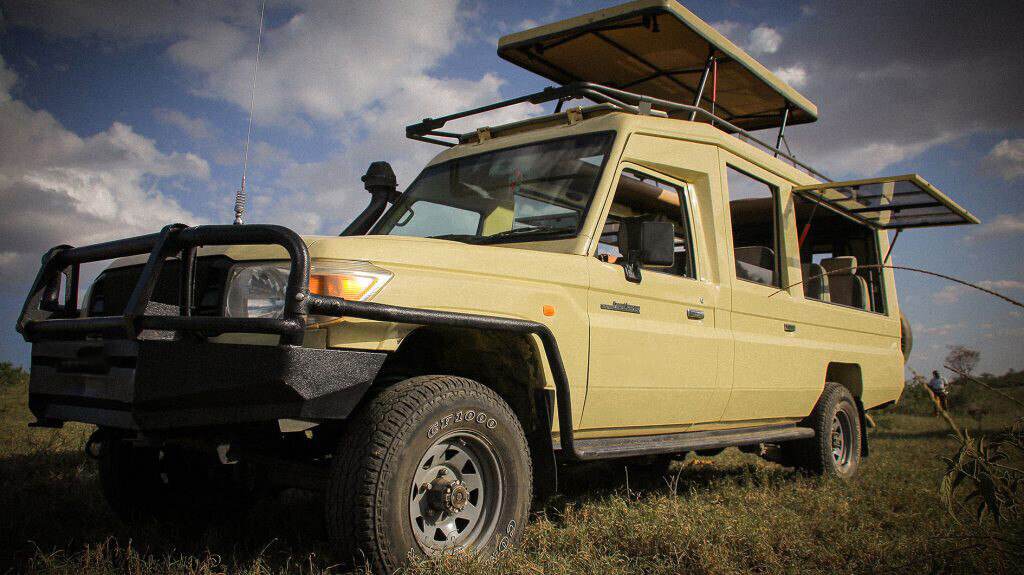
The most common type of safari, involving a 4×4 vehicle with a pop-up roof, driven by a knowledgeable guide. You’ll spend hours exploring different areas of the parks, stopping for wildlife sightings.
Walking Safaris
Offered in specific areas (like parts of the Serengeti, Selous/Nyerere, and Ruaha), walking safaris provide a more intimate connection with the bush. Accompanied by an armed ranger and a guide, you’ll learn about tracks, plants, and the smaller details of the ecosystem. These are typically for adults and require a reasonable level of fitness.
Hot Air Balloon Safaris
A quintessential Serengeti experience. You drift silently over the plains at dawn, offering a unique perspective on the landscape and wildlife, especially the migration. Usually followed by a champagne breakfast in the bush.
Cultural Tourism
Interactions with local communities, most notably the Maasai. This can range from visiting a Maasai village (ensure it’s a genuine experience, not just a staged show) to learning about their way of life.
Mobile Camping Safaris
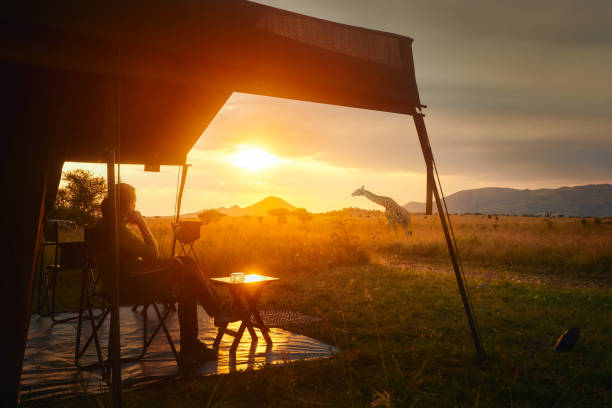
For a more adventurous and immersive experience, these safaris involve camping in designated sites, sometimes in more remote areas. Your crew sets up camp, cooks meals, and handles all logistics. This can be a more budget-friendly option than lodges.
Mount Kilimanjaro Trekking: A First-Timer’s Overview
Trekking Kilimanjaro is a significant undertaking, requiring physical preparation and careful planning. It’s not a technical climb, but a strenuous high-altitude trek.
Choosing a Route
Several routes ascend Kilimanjaro, each with varying difficulty, scenery, and acclimatization profiles. For first-time trekkers, routes with better acclimatization are recommended:
- Marangu Route (‘Coca-Cola’ Route): The oldest and most popular, known for its distinctive ‘huts’ accommodation. It’s the shortest but has the poorest acclimatization profile, leading to lower success rates.
- Machame Route (‘Whiskey’ Route): The most popular route for its scenic beauty and excellent acclimatization profile. It involves camping and is generally considered to have a higher success rate.
- Lemosho Route: A longer, more scenic, and more expensive route that starts in the west. It offers excellent acclimatization and high success rates.
- Shira Route: Similar to Lemosho but starts at a higher altitude, which can be a disadvantage for acclimatization.
- Rongai Route: Approaches from the north, drier conditions, and good for those trekking during rainy seasons.
- Northern Circuit: The longest route, offering the best acclimatization and highest success rates, circling the mountain.
Recommendation for First-Timers: Machame or Lemosho are often recommended for their balance of scenery, acclimatization, and success rates.
Key Considerations for Kilimanjaro
- Duration: Typically 6-9 days. Longer treks offer better acclimatization and increase your chances of reaching the summit.
- Physical Fitness: You need good cardiovascular fitness. Train by hiking, cycling, or running regularly.
- Acclimatization: ‘Pole pole’ (slowly, slowly) is the mantra. Ascend gradually and descend quickly.
- Gear: Proper trekking gear is essential. Your tour operator will provide a detailed packing list.
- Guides and Porters: Choose a reputable operator that treats their crew well. They are crucial to your safety and success.
Zanzibar: Beyond the Beaches
While Zanzibar is famous for its stunning beaches, there’s much more to explore.
Stone Town
A UNESCO World Heritage site, Stone Town is a labyrinth of narrow streets, bustling markets, historic buildings, and intricately carved wooden doors. It’s a melting pot of Swahili, Arab, Indian, and European influences.
- Must-sees: House of Wonders, Old Fort, Slave Market Memorial, Forodhani Gardens (night food market), spice markets.
- Experience: Get lost in the alleys, visit local shops, enjoy rooftop restaurants, and learn about the island’s rich history.
Spice Farms
Tanzania is known as the ‘Spice Island’ for a reason. A tour of a spice farm is a sensory experience, where you can smell, taste, and learn about cloves, cinnamon, nutmeg, vanilla, pepper, and tropical fruits.
Beaches
Each beach has its own character:
- Nungwi & Kendwa (North): Famous for stunning sunsets, white sand, clear turquoise waters, and lively atmosphere. Good for swimming at all tides.
- Paje & Jambiani (East): Ideal for kitesurfing, with vast tidal flats. More laid-back vibe, popular with backpackers and yoga enthusiasts. Tidal dependent for swimming.
- Matemwe (North-East): Quieter, more upscale, close to Mnemba Atoll for snorkeling/diving.
Water Activities
- Snorkeling and Diving: Mnemba Atoll is a premier spot. Pemba and Mafia Islands also offer exceptional underwater experiences.
- Dhow Cruises: Sunset dhow trips are a classic Zanzibar experience.
- Kitesurfing and Windsurfing: Paje is a world-renowned destination.
Jozani Forest
Home to the rare Red Colobus Monkey, endemic to Zanzibar. A guided walk through the forest is a chance to see these unique primates in their natural habitat.
Practicalities: What to Pack and Prepare
Proper preparation is key to a comfortable and safe trip.
Packing Essentials for Safari
- Clothing: Neutral-colored, lightweight, breathable clothing (khaki, beige, olive green). Avoid bright colors and dark colors (like black or blue, which can attract tsetse flies). Long sleeves and trousers for sun protection and evenings. A fleece or warm jacket for early mornings/evenings.
- Footwear: Comfortable walking shoes or hiking boots (if doing walking safaris). Sandals or flip-flops for relaxing.
- Sun Protection: High SPF sunscreen, wide-brimmed hat, sunglasses.
- Insect Repellent: With DEET or picaridin.
- Camera: With extra batteries and memory cards. Binoculars are highly recommended.
- First-Aid Kit: Personal medications, basic first-aid supplies.
- Adapter: Tanzania uses Type G plugs (UK style).
- Headlamp/Torch: Useful for navigating camps/lodges at night.
- Small Backpack: For day trips and carrying essentials in the vehicle.
Packing Essentials for Kilimanjaro
This is more specialized. Your tour operator will provide a detailed list, but key items include:
- Layered Clothing: Base layers (thermal), mid-layers (fleece), and outer layers (waterproof and windproof jacket and trousers).
- Footwear: Broken-in waterproof hiking boots, thermal socks, camp shoes.
- Sleeping Bag: Rated for cold temperatures (-10°C to -20°C recommended).
- Trekking Poles: Essential for stability and reducing strain on knees.
- Headlamp: With extra batteries.
- Water Bottles/Hydration System: Insulated to prevent freezing.
- Sun Protection: High SPF sunscreen, lip balm, hat, sunglasses.
- Hand/Foot Warmers: For summit night.
Packing Essentials for Zanzibar
- Lightweight Clothing: Cotton or linen clothing, t-shirts, shorts, skirts, sundresses.
- Swimwear: Essential for beach and hotel pools.
- Sarong/Beach Cover-up: Versatile and practical.
- Sun Protection: Sunscreen, hat, sunglasses.
- Sandals/Flip-flops: Easy to slip on and off.
- Light Rain Jacket: Especially if traveling during shoulder seasons.
- Respectful Attire: When visiting Stone Town or local villages, cover shoulders and knees.
Health and Vaccinations
Consult your doctor or a travel clinic 4-6 weeks before your trip regarding recommended vaccinations and malaria prophylaxis. Yellow Fever vaccination may be required if arriving from or transiting through a country with a risk of Yellow Fever transmission.
Visas
Most nationalities require a visa for Tanzania. You can apply online in advance or obtain one on arrival at major entry points. Check the latest requirements for your nationality.
Common Mistakes First-Time Visitors Make
Avoiding these common errors can significantly enhance your trip.
Mistake 1: Underestimating Travel Times
Tanzania is vast, and roads can be rough. What looks like a short distance on a map can take many hours to travel. Factor this into your itinerary, especially for multi-destination trips.
Mistake 2: Not Booking in Advance
Especially for peak season (June-October) and popular lodges or Kilimanjaro climbs, booking months in advance is crucial. This is especially true for 2026-2027 travel as demand is high.
Mistake 3: Over-packing for Kilimanjaro
Every extra pound needs to be carried by you or your porters. Stick to the essentials and rent or buy bulky items like sleeping bags if possible.
Mistake 4: Expecting Wildlife on Demand
While Tanzania has incredible wildlife density, sightings are not guaranteed. Be patient, trust your guide, and enjoy the entire safari experience, not just the ‘big moments’.
Mistake 5: Not Considering Altitude for Kilimanjaro
Ignoring altitude sickness symptoms or rushing the ascent significantly increases the risk of illness and failure to summit. ‘Pole pole’ is vital.
Mistake 6: Choosing the Cheapest Option
While budget is a factor, the cheapest tour operators may cut corners on guide quality, vehicle maintenance, safety standards, or crew welfare, impacting your experience and safety.
Mistake 7: Only Visiting One Location
Tanzania offers incredible diversity. While a short trip might necessitate focus, try to combine at least two distinct experiences (e.g., safari + beach, or safari + mountain) if time allows.
Who is Tanzania Best Suited For?
Tanzania appeals to a wide range of travelers, but here are some profiles that particularly benefit:
| Traveler Type | Why Tanzania is a Great Fit | Suggested Itinerary Elements |
|---|---|---|
| Adventure Seekers | Kilimanjaro trekking, walking safaris, diving, kitesurfing, extensive game drives. | Kilimanjaro (Machame/Lemosho), Serengeti, Selous (walking safari), Zanzibar (kitesurfing). |
| Wildlife Enthusiasts | Unrivaled wildlife viewing, the Great Migration, diverse ecosystems, high animal densities. | Serengeti, Ngorongoro Crater, Tarangire, Selous, Ruaha. |
| Honeymooners/Couples | Romantic lodges, stunning scenery, luxurious Zanzibar resorts, unique experiences. | Luxury safari lodges, private guiding, Zanzibar beach resorts, sunset dhow cruises. |
| Families | Child-friendly lodges, educational opportunities, diverse activities (though safaris are best for older children). | Tarangire, Lake Manyara, Serengeti (with child-friendly camps), Zanzibar (calm beaches). |
| Culture & History Buffs | Stone Town’s heritage, Maasai communities, Swahili coast history. | Stone Town, spice farms, Maasai village visit, Arusha Cultural Heritage Centre. |
| Photographers | Iconic landscapes, abundant wildlife, dramatic light, opportunities for unique shots. | Serengeti (migration), Ngorongoro Crater, Tarangire (elephants, baobabs), Zanzibar (architecture, beaches). |
Alternatives to Consider
While Tanzania is exceptional, other African destinations offer similar experiences. Comparing them can help solidify your choice.
| Destination | Key Similarities | Key Differences | Best For |
|---|---|---|---|
| Kenya | Great Migration (Maasai Mara), classic safari, Maasai culture, Kilimanjaro views. | Generally more developed tourism infrastructure, slightly different wildlife concentrations, more established tented camps. | Classic safari, Great Migration viewing, cultural immersion. |
| Botswana | Exceptional wildlife viewing, luxury safari experiences. | More exclusive and high-end, less crowded, focus on conservation, Okavango Delta unique. Higher price point. | Luxury safari, pristine wilderness, birdwatching, water-based safaris (Okavango). |
| South Africa | Diverse wildlife, excellent infrastructure, Kruger National Park. | Easier self-drive options, malaria-free reserves available, more developed cities and wine regions. Less ‘wild’ feel than East Africa. | Self-drive safaris, family holidays, varied landscapes, budget to luxury options. |
| Uganda/Rwanda | Gorilla trekking, chimpanzee trekking, primate focus. | Primary focus on primates, lush rainforests, different safari landscapes. Less emphasis on large savanna wildlife compared to Tanzania. | Gorilla and chimpanzee trekking, unique primate encounters. |
Planning Your 2026-2027 Tanzania Trip: Key Considerations
Planning ahead is essential, especially for travel in 2026 and 2027, as popular dates and accommodations book up quickly.
Booking Timeline
- 12-18 Months Prior: If planning a Kilimanjaro climb or a trip during peak season (July-October), start researching operators and booking. Popular lodges and specific dates for the migration can also be booked this far out.
- 9-12 Months Prior: For standard safari trips or travel during shoulder seasons, this is a good time to secure your preferred operator and accommodation. Book international flights.
- 6-9 Months Prior: Finalize your itinerary. Book internal flights (e.g., Arusha to Zanzibar). Confirm visa requirements and start any necessary health checks.
- 3-6 Months Prior: Purchase travel insurance. Arrange any necessary gear rentals for Kilimanjaro.
- 1-3 Months Prior: Final payments to tour operators. Pack and prepare.
Budgeting for Tanzania
Tanzania can range from moderately expensive to very high-end, depending on your choices.
- Safari Costs: Primarily driven by accommodation type (lodges vs. camping), private vs. shared vehicle, and duration. Park fees are significant.
- Kilimanjaro Costs: Depend on the route duration, operator quality, and number of porters. Park and rescue fees are substantial.
- Zanzibar Costs: Varies from budget guesthouses to luxury resorts. Activities like diving and excursions add to the cost.
- Flights: International flights to JRO or DAR, and internal flights (e.g., to Zanzibar).
- Visas & Vaccinations: Factor in these upfront costs.
- Tips: Tipping guides, drivers, porters, and lodge staff is customary and appreciated.
Note: It’s generally more cost-effective to book a package with a reputable local tour operator than to arrange everything independently, especially for safaris and Kilimanjaro. They have established relationships and can often secure better rates.
Sustainability and Responsible Tourism
Choose operators committed to responsible tourism practices:
- Supporting local communities.
- Employing and fairly compensating local staff.
- Minimizing environmental impact.
- Respecting wildlife viewing protocols (maintaining distance, not feeding animals).
- Choosing lodges with strong sustainability credentials.
Booking Your Tanzania Tour: What to Look For
Selecting the right tour operator is crucial for a successful trip. Here’s what to consider:
- Reputation and Reviews: Look for operators with consistently positive reviews on platforms like TripAdvisor, and check their website for testimonials.
- Local Expertise: A Tanzania-based operator often has better on-the-ground knowledge, contacts, and pricing.
- Safety Standards: For Kilimanjaro, ensure they have certified guides, proper emergency protocols, and good safety equipment. For safaris, ensure vehicles are well-maintained and guides are experienced.
- Inclusions and Exclusions: Understand exactly what your package covers (park fees, meals, accommodation, activities, transfers, guide services) and what is extra (tips, personal expenses, some drinks).
- Communication: Responsive and clear communication is a good sign. They should be able to answer all your questions thoroughly.
- Customization: Can they tailor an itinerary to your specific interests, budget, and pace?
- Payment Terms: Understand their deposit and cancellation policies.
We are a dedicated Tanzanian tour operator focused on providing unforgettable experiences. Whether you dream of spotting the Big Five on a Serengeti safari, conquering Kilimanjaro, or relaxing on Zanzibar’s shores, we can help craft your perfect 2026-2027 adventure.
Get in Touch to Plan Your Tanzania Trip:
WhatsApp: +255616946642
Email: topguideadventures@gmail.com
Backup Email: info@topguideadventures.com
Frequently Asked Questions (FAQs)
Do I need a visa for Tanzania?
Yes, most nationalities require a visa. You can apply online in advance through the Tanzanian immigration website or obtain a visa on arrival at major airports and border crossings. Check the latest requirements for your specific nationality well before your 2026-2027 trip.
Is Tanzania safe for first-time visitors?
Tanzania is generally considered safe for tourists, especially when traveling with reputable tour operators. Standard precautions against petty theft in towns are advised. For safaris and Kilimanjaro, experienced guides ensure your safety. It’s important to follow their instructions.
What is the best way to get around Tanzania?
For safaris, 4×4 vehicles with experienced driver-guides are standard. For longer distances between regions or to Zanzibar, internal flights are common. For Kilimanjaro, you’ll be guided by a dedicated team. In towns like Arusha or Stone Town, taxis or walking are options.
Can I drink the tap water in Tanzania?
No, it is not recommended to drink tap water. Bottled water is widely available and provided on safaris and climbs. You can also use water purification tablets or filters if you wish to reduce plastic waste.
What currency should I use in Tanzania?
The official currency is the Tanzanian Shilling (TZS). US Dollars are also widely accepted for park fees, visas, and often for safari packages. It’s advisable to have some local currency for smaller purchases, tips, and in areas where USD might not be convenient. ATMs are available in major towns.
Is tipping expected in Tanzania?
Yes, tipping is customary and greatly appreciated for guides, drivers, porters, camp staff, and lodge employees. Your tour operator can provide guidelines on appropriate amounts for different services.
What’s the difference between a safari in Serengeti and Ngorongoro?
The Serengeti is vast, famous for the Great Migration and endless plains, offering extensive game drives. The Ngorongoro Crater is a caldera, a self-contained ecosystem with extremely high wildlife density in a smaller area, making sightings very reliable. You typically spend a full day in the crater.
How fit do I need to be for a Tanzania safari?
For standard game drives, good mobility to get in and out of the vehicle is sufficient. If you plan on walking safaris or Kilimanjaro, a good level of cardiovascular fitness is essential. Kilimanjaro requires significant training.
When is the best time to see the Great Migration?
The Great Migration is a year-round phenomenon, but its location varies. The most dramatic event, the Mara River crossings, typically occurs between July and September in the northern Serengeti. Calving season is in the southern Serengeti around February.
Can I use my credit cards in Tanzania?
Credit cards are accepted in larger hotels, lodges, and some shops in major towns like Arusha and Stone Town. However, for smaller purchases, tips, and in more remote areas, cash (USD and TZS) is necessary.
Is it possible to combine a safari and Kilimanjaro climb in one trip?
Yes, many visitors combine these. It’s common to do a safari for 3-5 days before or after a Kilimanjaro climb. Ensure you factor in adequate rest days between activities, especially after the climb.
What are the best months for visiting Tanzania in 2026-2027?
For safaris and Kilimanjaro, the dry seasons (June-October and January-February) are generally preferred for clear skies and good game viewing. For Zanzibar, June-October and December-February offer the driest beach weather. However, shoulder seasons can offer better value with fewer crowds.
Ready to Experience Tanzania?
Tanzania offers a lifetime of adventure, from the thrilling wildlife encounters on its world-famous savannas to the challenging ascent of Kilimanjaro and the serene beauty of Zanzibar. As a first-time visitor, planning is key to maximizing your experience. By understanding the best times to visit, the different regions, and what to expect, you can create an itinerary that perfectly matches your dreams.
We specialize in crafting tailor-made Tanzanian adventures. Our expert team is passionate about sharing the magic of this incredible country and ensuring your complete Tanzania travel guide experience is unforgettable. Let us handle the details so you can focus on the adventure.
Contact Us to Plan Your 2026-2027 Tanzania Safari, Kilimanjaro Trek, or Zanzibar Holiday!
WhatsApp: +255616946642
Email: topguideadventures@gmail.com
Backup Email: info@topguideadventures.com
Plan your Complete Tanzania Travel Guide for First-Time Visitors with Top Guide Adventures
Tell us your travel dates, group size, comfort level, and dream experience. We will help you shape a clear, realistic, and memorable Tanzania itinerary.







 Veedesigner
 Fatma Kizanga
 Benjamin Waryuba
 Philip Philip
 John jr Itaja
 Antonia Optatus
 Edith Kanyere
 Neema Iddy
 Kelvin Boniphace
 Damari Maiga



