
Updated planning guide for 2026-2027
Camping And Overland Journeys: Complete Guide 2026-2027
Discover the wild heart of Tanzania through camping and overland adventures. This comprehensive guide covers everything from planning your route and packing essentials to understanding costs and booking your unforgettable trip for 2026-2027.
WhatsApp +255616946642 | topguideadventures@gmail.com | info@topguideadventures.com
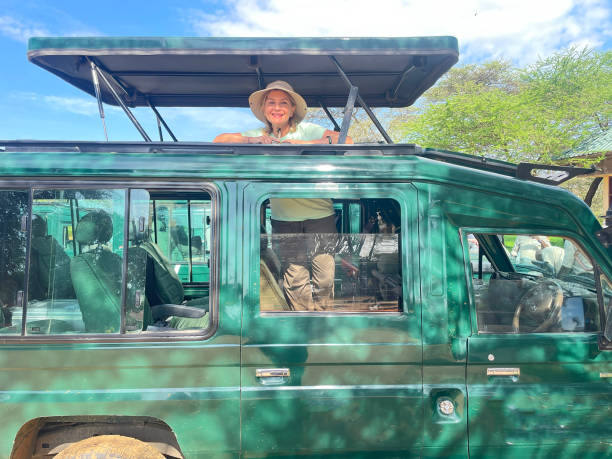
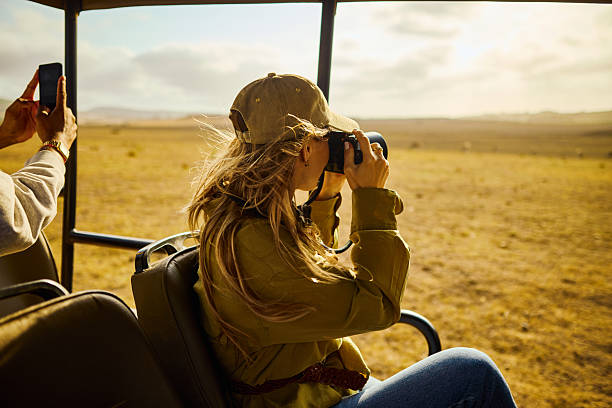
Camping and Overland Journeys in Tanzania: Your Ultimate Planning Guide
Tanzania, a land of breathtaking landscapes, iconic wildlife, and vibrant cultures, offers an unparalleled experience for those seeking adventure beyond the typical tourist trail. Camping and overland journeys in Tanzania provide an intimate connection with the natural world, allowing you to traverse vast savannas, explore remote corners, and witness the rhythm of life unfold in one of Africa’s most captivating destinations. This guide is designed to help you plan an extraordinary camping and overland adventure, covering everything from initial concept to making your booking for 2026-2027.
Whether you envision waking up to the sounds of lions roaring on the Serengeti plains, watching the sunrise over Mount Kilimanjaro from a campsite, or navigating rugged tracks towards hidden waterfalls, a well-planned overland trip can make it a reality. We’ll explore the logistics, the must-see locations, what to pack, and how to ensure your journey is safe, rewarding, and truly memorable.
Quick Answer: What are Camping and Overland Journeys in Tanzania?
Camping and overland journeys in Tanzania involve traveling with a dedicated vehicle (often a 4×4 truck or robust SUV) equipped for remote travel and camping. It’s a style of travel that emphasizes self-sufficiency, exploration of less-visited areas, and a deeper immersion into the environment and local culture than standard lodge-based safaris. These trips often involve camping in designated sites or wild locations, cooking some meals, and navigating diverse terrain.
Quick Facts: Tanzania Overland Adventures
| Best Time to Travel | June to October (dry season), January to February (short rains/calving season) |
| Key Regions/Parks | Serengeti, Ngorongoro, Tarangire, Lake Manyara, Selous (Nyerere), Ruaha, Mikumi, Katavi, Mahale, Gombe |
| Typical Trip Duration | 7 days to 4+ weeks |
| Vehicle Requirements | 4×4 vehicle with high clearance, reliable engine, good tires |
| Accommodation | Tents (provided or personal), basic campsites, sometimes lodges/camps for comfort breaks |
| Activities | Wildlife viewing, game drives, bird watching, hiking, cultural visits, stargazing |
Why Choose Camping and Overland Journeys in Tanzania?
Tanzania is a prime destination for overland travel due to its vast wilderness areas, incredible biodiversity, and relatively well-established overland routes. Choosing this style of travel offers distinct advantages:
- Authenticity: Camp closer to nature, hear the sounds of the bush at night, and experience wildlife encounters without the buffer of a lodge.
- Flexibility: Overland trips can often be customized to explore off-the-beaten-path locations that are inaccessible to standard tour packages.
- Cost-Effectiveness: While not always cheaper than budget lodge safaris, overland camping significantly reduces accommodation costs, allowing for longer trips or more extensive exploration.
- Connection: A shared journey in a vehicle fosters camaraderie if traveling with a group, and a strong connection with your guides and the environment.
- Immersion: Cooking meals together, setting up camp, and spending evenings around a fire under the stars creates a deeper, more personal travel experience.
Understanding the Tanzania Overland Landscape
Tanzania is a large country with diverse geography. Your overland journey will likely focus on specific regions, each offering unique experiences:
- Northern Circuit: This is the most popular safari circuit, encompassing Serengeti National Park, Ngorongoro Conservation Area, Tarangire National Park, and Lake Manyara National Park. It’s renowned for its high concentration of wildlife, including the Great Migration. Overland travel here often involves navigating park roads and designated campsites.
- Southern Circuit (Nyerere National Park & Ruaha National Park): Less crowded than the north, the south offers vast, wild landscapes and a more rugged overland experience. Selous Game Reserve (now Nyerere National Park) is famous for its boat safaris and walking safaris, while Ruaha is known for its large elephant and lion populations.
- Western Tanzania (Mahale & Gombe National Parks): For those interested in chimpanzee trekking, these parks offer a unique jungle overland adventure, often involving boat transfers and challenging terrain.
- Coastal and Island Exploration: While Zanzibar is primarily known for beach holidays, overland journeys can include exploring the mainland coast, perhaps heading towards Dar es Salaam or Tanga, before island hopping.
Tanzania Overland Route Overview (Conceptual)
This is a generalized route illustration. Actual routes vary based on trip focus, duration, and operator.
- Start: Arusha – Gateway to Northern Circuit, vehicle prep, initial supplies.
- Tarangire National Park – Known for elephants and baobab trees. Campsites within or near the park.
- Lake Manyara National Park – Tree-climbing lions, diverse birdlife. Campsite options.
- Ngorongoro Conservation Area – Crater descent for wildlife viewing, conservation-focused camping.
- Serengeti National Park – Vast plains, Great Migration. Multiple campsite zones depending on migration location.
- Optional Extension: Southern Circuit (Nyerere/Ruaha) – Requires significant driving or internal flight. Remote camping.
- Optional Extension: Western Tanzania (Chimps) – Requires significant travel time, boat access. Basic camps.
- Return/End: Arusha or other departure point.
Best Time for Camping and Overland Journeys
The timing of your trip significantly impacts the experience, especially for wildlife viewing and driving conditions.
Seasonality for Tanzania Overland Travel
| Dry Season (June – October) |
|
| Short Rains (November – December) |
|
| Long Rains (March – May) |
|
| Calving Season (Jan – Feb) |
|
Crafting Your Itinerary: Planning a 10-Day Overland Safari
A 10-day overland journey is a popular choice, offering a good balance of exploration and immersion. Here’s a sample itinerary focused on the Northern Circuit, suitable for a camping and overland style.
Sample 10-Day Northern Circuit Overland Itinerary
| Day | Location | Activities | Overland/Camping Focus |
|---|---|---|---|
| 1 | Arusha | Arrival, vehicle briefing, gear check, final preparations. | Overnight at a campsite or lodge near Arusha. Vehicle prep. |
| 2 | Arusha to Tarangire NP | Morning drive to Tarangire. Afternoon game drive. | Set up camp inside or just outside the park. Campfire dinner. |
| 3 | Tarangire NP | Full day game drives in Tarangire, exploring diverse habitats. | Second night at the same campsite. Focus on observational camping. |
| 4 | Tarangire to Karatu (Ngorongoro Highlands) | Morning drive to Karatu. Optional visit to a local village or coffee plantation. | Overnight at a campsite in Karatu, enjoying cooler highland air. |
| 5 | Ngorongoro Crater | Descend into the crater for a full day game drive. | Picnic lunch. Return to Karatu campsite in the evening. |
| 6 | Karatu to Serengeti NP (Central) | Drive to Serengeti, stopping at Olduvai Gorge. Afternoon game drive. | Set up camp at a central Serengeti campsite (e.g., Seronera). |
| 7 | Serengeti NP (Central) | Full day game drives exploring the Seronera Valley, known for predators. | Second night at the central Serengeti campsite. Night sky viewing. |
| 8 | Serengeti NP (Travel towards Western/North) | Morning game drive. Drive towards a different region of Serengeti based on migration patterns or interests. | Set up camp at a new Serengeti campsite. Experience different park areas. |
| 9 | Serengeti NP to Mto wa Mbu / Lake Manyara Area | Final morning game drive in Serengeti. Drive towards Mto wa Mbu. | Overnight at a campsite near Mto wa Mbu, known for its cultural diversity. |
| 10 | Mto wa Mbu to Arusha | Morning drive back to Arusha. Trip concludes. | Vehicle return/debrief. Departure. |
What to Expect on Your Overland Journey
Overland travel is an immersive experience that differs from standard lodge safaris. Be prepared for:
- Variable Road Conditions: While main park roads are often maintained, tracks to campsites or less-visited areas can be rough, sandy, or muddy, especially after rain. Your 4×4 vehicle is essential.
- Camping Comforts: Expect good quality tents, but facilities at campsites can range from basic (pit latrines, no running water) to more developed with showers and flush toilets. Your operator will clarify this.
- Self-Sufficiency: While guides will handle much of the logistics, you might participate in setting up camp, collecting firewood, or preparing simple meals.
- Wildlife Encounters: You’ll be closer to nature. This means hearing animals at night, seeing insects, and respecting wildlife by maintaining safe distances.
- Longer Travel Days: Driving between locations can take several hours, often on unpaved roads. These drives are part of the experience, offering changing scenery and opportunities for spotting wildlife along the way.
- Digital Detox: Mobile signal and Wi-Fi can be scarce outside of towns and major lodges. Embrace the opportunity to disconnect.
Essential Packing List for Camping and Overland Travel
Packing smart is crucial for comfort and practicality. This list assumes your tour operator provides tents and cooking equipment.
Clothing:
- Lightweight, breathable long-sleeved shirts (for sun and insect protection)
- T-shirts and vests
- Comfortable trousers (quick-dry material is best)
- Shorts (for camp or warm days)
- Fleece jacket or warm sweater (evenings can be cool, especially at higher altitudes)
- Waterproof and windproof jacket
- Swimsuit (for lodges or designated areas)
- Underwear and socks (plenty of pairs)
- Sleepwear
Footwear:
- Comfortable walking shoes or sturdy trainers
- Sandals or flip-flops (for camp)
- Hiking boots (if planning any walks/treks)
Gear & Accessories:
- Headlamp or flashlight with extra batteries (essential for navigating camp at night)
- Sunscreen (high SPF)
- Insect repellent (with DEET or Picaridin)
- Sunglasses
- Wide-brimmed hat or cap
- Reusable water bottle
- Small backpack or daypack
- Travel towel (quick-dry)
- Personal toiletries (biodegradable options preferred)
- Basic first-aid kit (band-aids, antiseptic wipes, pain relievers, personal medications)
- Camera and extra memory cards/batteries
- Power bank or car charger for electronics
- Binoculars (highly recommended for wildlife viewing)
- Book or journal
- Adapter for electrical sockets (Type D and G are common)
- Small padlock (for securing gear)
Documents:
- Passport (with at least 6 months validity)
- Visa (if required)
- Yellow Fever certificate (if arriving from an affected country)
- Travel insurance details
- Copies of important documents (stored separately)
Preparation and What to Bring
Beyond packing, preparation is key:
- Physical Fitness: While not extreme trekking, you’ll be active. Be prepared for early mornings, long days, and potentially setting up camp.
- Mental Preparedness: Embrace the adventure. Things might not always go exactly to plan. Flexibility and a positive attitude are your best assets.
- Vaccinations and Health: Consult your doctor or a travel clinic well in advance for recommended vaccinations (e.g., Yellow Fever, Hepatitis A/B, Typhoid) and malaria prophylaxis.
- Travel Insurance: Comprehensive travel insurance covering medical emergencies, evacuation, and trip cancellation is non-negotiable.
- Vehicle Choice: If self-driving or hiring a vehicle, ensure it’s a well-maintained 4×4. If booking with a tour operator, they will provide a suitable vehicle.
- Supplies: For longer trips or remote areas, ensure you have enough water, food, and fuel. Your tour operator will manage this, but understanding the logistics is helpful.
Common Mistakes to Avoid
To ensure a smooth and enjoyable journey, be aware of these common pitfalls:
- Underestimating Travel Times: Tanzania’s roads, especially outside main routes, can be slow. Always add buffer time to your travel estimates.
- Not Packing Enough Warm Layers: Evenings and early mornings, especially in the Serengeti or Ngorongoro Highlands, can be surprisingly cold.
- Overpacking: Space in overland vehicles can be limited. Pack essentials only and choose lightweight, versatile clothing.
- Ignoring Insect Protection: Malaria is a risk in many areas. Consistent use of repellent and appropriate clothing is vital.
- Relying Solely on Mobile Signal: Assume you will have limited or no connectivity for extended periods. Download offline maps and information.
- Expecting Luxury: While comfort is prioritized, overland camping is fundamentally a more rustic experience than staying in high-end lodges.
- Not Booking in Advance: Especially for popular seasons (June-October) and specific campsites, booking well in advance is crucial.
Who is This Trip Best For?
Camping and overland journeys in Tanzania are ideal for:
- Adventurous Travelers: Those who enjoy getting off the beaten path and embracing the spirit of exploration.
- Nature Enthusiasts: Individuals seeking a deeper connection with the natural world and wildlife.
- Budget-Conscious Travelers: Those who want to maximize their travel experience without the high cost of daily lodge accommodations.
- Photographers: The ability to camp in prime locations and stay out during the best light (early morning/late evening) is invaluable.
- Independent Spirits: Travelers who appreciate a degree of self-sufficiency and a less structured itinerary.
- Groups and Families: Overland vehicles and camping can be excellent for families or groups of friends traveling together, fostering shared experiences.
It might be less suitable for those who require constant creature comforts, prefer a fast-paced itinerary with luxury amenities, or are uncomfortable with basic facilities and wildlife in close proximity.
Alternatives to Pure Camping/Overlanding
If a full camping and overland experience feels too rustic, consider these variations:
- Fly-Camping: A hybrid where you fly into remote areas and use lightweight, temporary camps. Offers a more comfortable camping experience.
- Lodge-to-Lodge Safaris: The classic Tanzanian safari, staying in comfortable lodges and tented camps. Offers convenience and amenities.
- Boutique Tented Camps: These offer a luxurious camping experience with en-suite bathrooms, comfortable beds, and excellent service, often in prime wildlife locations.
- Self-Drive Safaris (with pre-booked camps): For experienced drivers, hiring a 4×4 and navigating parks independently, but booking campsites in advance. Requires significant planning.
Planning Your 2026-2027 Tanzania Overland Adventure
Planning for 2026-2027 gives you ample time to research and secure the best options. Here’s a timeline:
2026-2027 Tanzania Overland Planning Timeline
| Timeframe | Key Actions |
|---|---|
| 12-18 Months Before Departure | Define your travel style (fully guided, self-drive assistance, specific focus like migration or chimps). Research tour operators. Start saving. |
| 9-12 Months Before Departure | Contact preferred operators for quotes and availability. Discuss custom itineraries. Book your trip and pay the deposit. |
| 6-9 Months Before Departure | Book international flights. Check passport and visa requirements. Start researching necessary vaccinations and malaria precautions. |
| 3-6 Months Before Departure | Consult your doctor for vaccinations and prescriptions. Purchase comprehensive travel insurance. Begin compiling your packing list. |
| 1-3 Months Before Departure | Purchase essential gear (sleeping bag, headlamp, etc.). Confirm all booking details. Exchange currency. |
| 2-4 Weeks Before Departure | Finalize packing. Make copies of all important documents. Inform your bank of your travel dates. |
| During Trip (2026/2027) | Stay flexible, enjoy the journey, respect local customs, and stay safe. |
Booking Your Tanzania Overland Trip: Advice and Considerations
Choosing the right tour operator is critical for a successful overland journey. Here’s how to approach booking:
- Research Operators: Look for companies with extensive experience in overland and camping safaris in Tanzania. Check reviews, ask for references, and ensure they are locally based for better insight and support.
- Clarify Inclusions: Understand exactly what your package covers. This typically includes the vehicle, driver/guide, fuel, camping equipment (tents, mattresses), park fees, campsite fees, and meals.
- Vehicle Quality: Inquire about the age and maintenance of their overland vehicles. A well-equipped 4×4 is non-negotiable for comfort and reliability.
- Guide Experience: A knowledgeable and experienced guide is invaluable for wildlife spotting, cultural insights, and ensuring safety.
- Group Size: Smaller groups generally offer a more intimate and flexible experience.
- Customization: Can the operator tailor an itinerary to your specific interests and budget?
- Payment Terms: Understand the deposit requirements, payment schedule, and cancellation policy.
Contact Us for Your Custom Overland Adventure
Ready to plan your unique camping and overland journey through Tanzania? We specialize in creating personalized safari and adventure experiences tailored to your interests. Whether you dream of exploring the vast plains of the Serengeti, the unique ecosystem of the Ngorongoro Crater, or the wilder south, we can help craft the perfect itinerary.
Get in touch with our expert team to discuss your travel plans for 2026 or 2027. We offer a range of options from guided overland expeditions to custom self-drive support packages.
WhatsApp: +255616946642
Email: topguideadventures@gmail.com
Backup Email: info@topguideadventures.com
Frequently Asked Questions (FAQs)
General Questions about Tanzania Overland Trips
-
Q: What is the typical cost of a 10-day camping and overland journey in Tanzania?
A: Costs vary significantly based on the level of service, group size, and included activities. A guided 10-day camping safari for 2026-2027 can range from approximately $200-$400 USD per person per day, covering accommodation, meals, park fees, guide, and vehicle. Self-drive options with support might be less per day but require significant upfront vehicle rental costs. It’s best to get a personalized quote. -
Q: Do I need to be very fit for an overland camping trip?
A: While you don’t need to be an athlete, a moderate level of fitness is beneficial. You should be comfortable with early mornings, long days of driving, walking short distances to campsites, and potentially assisting with minor camp tasks. -
Q: What are the sleeping arrangements like?
A: Typically, you’ll sleep in dome tents provided by the tour operator, usually with mattresses. Some operators offer sleeping bags, or you may need to bring your own. Campsites have communal areas for dining and relaxation. -
Q: How are meals handled on an overland trip?
A: Most overland tours include all meals. Guides often prepare meals using portable cooking equipment. Expect hearty, cooked meals. Some tours may include a few meals at local restaurants or lodges for variety. -
Q: What kind of vehicle is used for overland journeys?
A: A robust 4×4 vehicle is standard, such as a Toyota Land Cruiser or similar, often modified with extra fuel tanks, storage, and sometimes a pop-top roof. For larger groups, custom-built overland trucks are used. -
Q: Is it safe to camp in Tanzania?
A: Yes, with reputable operators. Campsites within national parks are generally safe, and experienced guides ensure proper procedures are followed. The presence of your guide and vehicle provides security. -
Q: Can I do a camping and overland journey in Tanzania solo?
A: Absolutely. Many operators cater to solo travelers, often pairing them with another solo traveler of the same gender to share tent costs, or offering a single supplement. -
Q: What is the difference between a lodge safari and an overland camping safari?
A: A lodge safari involves staying in hotels, lodges, or permanent tented camps, offering more comfort and amenities. An overland camping safari is more immersive, with stays in tents at designated campsites, often in more remote locations, and a greater emphasis on self-sufficiency and connection with nature. -
Q: What should I do about mobile phones and internet access?
A: Expect very limited to no internet or phone signal in most national parks and remote areas. Purchase a local SIM card in Arusha or Dar es Salaam for better coverage in towns. Embrace the opportunity to disconnect. -
Q: Are park fees included in overland tours?
A: Most reputable overland tour operators include all park entrance fees and campsite fees in their quoted prices. Always confirm this when getting a quote for your 2026-2027 trip.
Your Tanzanian Adventure Awaits
Tanzania offers an unparalleled canvas for camping and overland journeys. The combination of iconic wildlife, diverse landscapes, and the spirit of adventure makes it a top-tier destination for this travel style. By understanding the best times to visit, planning your route carefully, packing appropriately, and choosing a reliable operator, you can create an unforgettable experience. We are here to help you navigate the complexities and design a journey that perfectly matches your desires.
Let us help you plan your dream camping and overland journeys in Tanzania for 2026-2027. Contact us today to start building your adventure.
WhatsApp: +255616946642
Email: topguideadventures@gmail.com
Backup Email: info@topguideadventures.com
Plan your Camping and Overland Journeys with Top Guide Adventures
Tell us your travel dates, group size, comfort level, and dream experience. We will help you shape a clear, realistic, and memorable Tanzania itinerary.







 Veedesigner
 Fatma Kizanga
 Benjamin Waryuba
 Philip Philip
 John jr Itaja
 Antonia Optatus
 Edith Kanyere
 Neema Iddy
 Kelvin Boniphace
 Damari Maiga



