
Updated planning guide for 2026-2027
Remote Wilderness Adventures: Complete Guide 2026-2027
Explore the wild heart of Tanzania with our comprehensive guide to remote wilderness adventures. From vast savannas to untouched forests, discover how to plan an unforgettable journey for 2026-2027.
WhatsApp +255616946642 | topguideadventures@gmail.com | info@topguideadventures.com

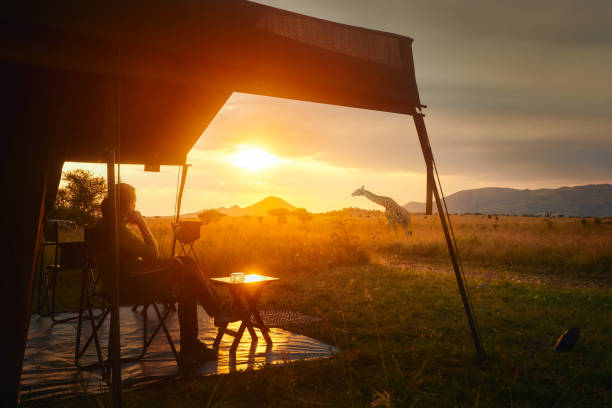
Remote Wilderness Adventures: Your Ultimate Tanzania Guide
Tanzania is a land of unparalleled natural beauty and raw, untamed wilderness. While iconic safaris in the Serengeti and Kilimanjaro treks are world-renowned, the true magic often lies in venturing beyond the well-trodden paths. This guide focuses on remote wilderness adventures, offering a deeper connection with nature, authentic cultural encounters, and experiences that remain etched in memory long after your return. We’ll cover everything from planning your trip for 2026-2027 to what to expect on the ground, ensuring your journey into Tanzania’s wild heart is both exhilarating and well-prepared.
For travelers seeking more than just a typical tourist experience, Tanzania’s remote corners provide an opportunity to witness wildlife in its natural, undisturbed state, explore landscapes few others see, and engage with local communities in meaningful ways. These adventures demand careful planning, a spirit of exploration, and a reliable partner to navigate the complexities. Best Tanzania tour operator, Top Guide Adventures, specializes in crafting these unique, off-the-beaten-path experiences.
Table of Contents
- Quick Facts: Remote Wilderness Adventures
- What Defines Remote Wilderness Adventures in Tanzania?
- Why Seek Remote Wilderness Adventures?
- Best Time for Remote Wilderness Adventures
- Key Regions for Remote Wilderness Adventures
- Sample Remote Wilderness Adventure Itineraries
- What to Expect on a Remote Wilderness Adventure
- Preparation and Packing Essentials
- Common Mistakes to Avoid
- Who Are Remote Wilderness Adventures Best For?
- Alternatives to Consider
- Planning Your 2026-2027 Remote Adventure
- Booking Your Remote Wilderness Adventure
- Frequently Asked Questions
Quick Facts: Remote Wilderness Adventures
| Aspect | Details |
|---|---|
| Focus Destinations | Selous Game Reserve (Nyerere National Park), Ruaha National Park, Katavi National Park, Mahale Mountains National Park, Gombe Stream National Park, Southern Highlands, less-visited parks. |
| Primary Activities | Walking safaris, boat safaris, fly-camping, chimpanzee tracking, cultural visits, bird watching, remote trekking, canoe safaris. |
| Accommodation Styles | Remote lodges, tented camps (often fly-camping), basic campsites, sometimes mobile camps. |
| Travel Style | Adventurous, requires flexibility, comfortable with basic amenities, focused on nature and wildlife immersion. |
| Best For | Experienced travelers, nature enthusiasts, photographers, those seeking solitude, adventurers. |
| Key Considerations | Accessibility (often requires light aircraft flights), seasonality (rainy seasons can impact access), health precautions, need for experienced guides. |
| Planning Horizon | Minimum 6-12 months for 2026-2027 travel, especially for peak seasons or custom itineraries. |
What Defines Remote Wilderness Adventures in Tanzania?
Remote wilderness adventures in Tanzania go beyond the typical safari circuit. They are characterized by:
- Limited Accessibility: Reaching these areas often involves light aircraft flights, long 4×4 drives on rough tracks, or even boat journeys. This inherent difficulty in access helps preserve their untouched nature.
- Fewer Tourists: Unlike the more popular parks, these locations see significantly fewer visitors, offering a sense of solitude and a more personal wildlife viewing experience.
- Immersive Nature: The focus is on experiencing the natural environment directly. This can include walking safaris where you are on foot, observing animal behavior without the barrier of a vehicle, or sleeping under the stars in fly-camping scenarios.
- Authentic Wildlife Encounters: With fewer vehicles and a more natural approach to viewing, wildlife interactions feel more genuine and less staged. Animals are more likely to behave as they would without human interference.
- Rugged Landscapes: These areas often feature dramatic and diverse landscapes, from vast, arid plains and winding rivers to dense forests and remote lakes, offering a different visual palette than the classic savanna.
- Emphasis on Guiding: The presence of highly skilled, knowledgeable guides is paramount. They are not just trackers but also storytellers, naturalists, and safety experts, crucial for navigating and understanding the environment.
Think of the sprawling, wild plains of Ruaha, the ancient forests of Mahale, or the vast, unpopulated delta of the Selous (now Nyerere National Park). These are places where the modern world feels a distant memory.
Why Seek Remote Wilderness Adventures?
The allure of remote wilderness adventures is strong for a specific type of traveler. Here’s why you might choose this path:
- Unparalleled Solitude: Escape the crowds and experience the profound peace of being truly alone in nature. Imagine watching elephants at a waterhole with no other vehicles in sight.
- Authentic Connection: Engage with the environment on a deeper level. Walking safaris, for instance, allow you to feel the earth beneath your feet, hear the rustle of leaves, and smell the wild flora.
- Exceptional Wildlife Photography: With fewer vehicles and more natural light, remote areas offer incredible opportunities for stunning wildlife photography, capturing animals in their natural behaviors.
- Unique Ecosystems: Explore diverse habitats that host different species or offer unique viewing opportunities. Mahale and Gombe, for example, are prime locations for observing chimpanzees in their natural habitat, a stark contrast to the big cats of the Serengeti.
- Sense of Discovery: For those who love to explore and feel like they are discovering a place, remote areas offer that thrill. Every turn in the track or bend in the river can reveal something new.
- Support for Conservation: By choosing to visit and support lodges and operators in these less-frequented areas, you contribute to the economic viability of conservation efforts and provide livelihoods for local communities.
These experiences are not just about seeing animals; they are about feeling the pulse of the wild and understanding your place within it.
Best Time for Remote Wilderness Adventures
Tanzania’s climate varies across its vast landscapes, and the best time for a remote wilderness adventure depends heavily on the specific region and activities planned. Generally, the dry seasons offer the most accessible and rewarding experiences, but the shoulder seasons can be excellent for those seeking fewer visitors and dramatic landscapes.
| Season | Months | Pros | Cons | Best For |
|---|---|---|---|---|
| Dry Season (Peak) | June – October | Clear skies, excellent game viewing as animals congregate around water sources, accessible roads and airstrips. Ideal for walking safaris and general game drives. | Higher prices, more visitors in accessible areas, can be cooler in the mornings/evenings. | Most parks, especially Ruaha, Katavi, Serengeti; good for general wildlife viewing. |
| Long Rains | March – May | Lush green landscapes, spectacular birdlife, fewer tourists, lower prices. Good for photography of landscapes and birds. | Heavy rains can make roads impassable, some camps may close, wildlife disperses, limited flight operations. | Areas less affected by rain, bird watchers, photographers. Fly-camping might be difficult. |
| Short Rains / Shoulder Season | November – February | Pleasant temperatures, dramatic skies, good for photography, calving season in some areas (e.g., southern Serengeti fringe), good game viewing in certain parks. | Intermittent rain showers can occur, some areas might become muddy. | Southern parks (for calving), Selous/Nyerere, coastal areas. Good for a balance of wildlife and fewer crowds. |
Important Notes for 2026-2027 Planning:
- Nyerere National Park (Selous): Best during the dry season (June-October) for game drives and boat safaris. The shoulder season (November-March) can also be good, with fewer crowds.
- Ruaha National Park: Dry season (June-October) is prime for game viewing as animals are concentrated. The shoulder season (November-May) offers lush scenery and birdlife but can be challenging due to rains.
- Katavi National Park: Most accessible and rewarding during the dry season (June-October) when its few permanent water sources attract large numbers of animals.
- Mahale & Gombe Stream: Accessible year-round, but the dry season (June-October) is generally preferred for trekking due to less mud and humidity. Chimpanzee sightings are possible anytime.
- Southern Highlands: Best during the dry season for trekking and cultural visits.
Key Regions for Remote Wilderness Adventures
Tanzania offers a mosaic of remote wilderness experiences. Here are some of the most compelling destinations:
Tanzania’s Remote Wilderness Areas: An Overview
This is a conceptual map illustrating general locations and travel flow.
| West Tanzania (Chimpanzee & Forest Habitats) |
|
| Southern Tanzania (Vast & Wild) |
|
| Central/Southern Highlands (Cultural & Trekking) |
|
Western Tanzania: Chimpanzee Sanctuaries
For those fascinated by primates, the western parks are unparalleled.
- Mahale Mountains National Park: Nestled on the shores of Lake Tanganyika, Mahale is a prime destination for tracking wild chimpanzees. The trekking here is demanding but incredibly rewarding, with chances to encounter habituated chimp groups. The park also offers stunning lake activities and a unique blend of forest and aquatic environments. Access is typically via a flight to the Mahale airstrip, followed by a boat transfer to your lodge.
- Gombe Stream National Park: Smaller and more accessible from Kigoma town, Gombe is where Dr. Jane Goodall conducted her groundbreaking research. It offers excellent chimpanzee tracking, though sightings are not guaranteed. The park’s steep valleys and forest trails provide an intimate primate viewing experience.
Southern Tanzania: The Wild Frontier
This region represents the essence of vast, undeveloped wilderness.
- Nyerere National Park (formerly Selous Game Reserve): This immense park offers a variety of safari experiences. Boat safaris on the Rufiji River are a highlight, providing unique perspectives on hippos, crocodiles, and diverse birdlife. Walking safaris are also a significant draw, allowing for a more intimate connection with the bush. While it has lodges, many are strategically placed to offer a sense of remoteness.
- Ruaha National Park: Ruaha is a park of grand scale and raw beauty. Its dry, rugged landscapes are home to Tanzania’s largest elephant population and significant numbers of predators, including lions and the endangered African wild dog. The sheer size and remoteness mean game drives can feel like you have the park to yourself.
- Katavi National Park: Often described as the ‘true wilderness’, Katavi is challenging to reach and experience. It’s characterized by vast floodplains that teem with life during the dry season, creating spectacular concentrations of animals, particularly elephants and hippos. It offers a genuine sense of isolation and adventure.
Southern Highlands: Untamed Beauty and Local Life
While not solely wildlife-focused, the Southern Highlands offer incredible opportunities for trekking and cultural immersion in less-visited areas.
- Kitulo National Park: Known as the ‘Garden of God’, this park is a botanical wonderland, especially during the rainy season. It’s ideal for hiking and exploring unique flora, offering a different kind of wilderness experience.
- Rural Communities: Beyond national parks, the Southern Highlands offer opportunities to visit remote villages and experience traditional Tanzanian life, far from tourist centers.
Sample Remote Wilderness Adventure Itineraries
These are illustrative itineraries. They can be customized to your interests, time, and budget for 2026-2027 travel.
Itinerary 1: Southern Tanzania Explorer (10 Days)
Focus: Wildlife, vast landscapes, diverse safari activities.
- Day 1: Arrival in Dar es Salaam & Fly to Nyerere NP. Arrive at Kilimanjaro International Airport (JRO) or Julius Nyerere International Airport (DAR). Transfer to DAR for a light aircraft flight to Nyerere National Park. Check into your remote lodge. Afternoon boat safari on the Rufiji River.
- Day 2-3: Nyerere National Park. Morning walking safari, exploring the bush on foot with an armed ranger. Afternoon game drive searching for lions, leopards, elephants, and wild dogs. Focus on riverine ecosystems and diverse wildlife.
- Day 4: Fly to Ruaha National Park. Morning game drive in Nyerere, followed by a flight to Ruaha National Park. Check into your lodge. Late afternoon game drive in Ruaha’s rugged terrain.
- Day 5-6: Ruaha National Park. Full days of game driving, exploring the park’s vastness and diverse habitats. Focus on large elephant herds, predator sightings (lions, cheetahs, wild dogs), and the dramatic Great Ruaha River. Consider a sundowner with panoramic views.
- Day 7: Fly to Katavi National Park. A longer flight to one of Africa’s most remote parks, Katavi. Settle into your camp. Evening game drive to witness the park’s unique atmosphere.
- Day 8-9: Katavi National Park. Explore Katavi’s famous floodplains, home to huge concentrations of hippos and crocodiles. Search for large herds of buffalo and elephants. Experience the raw, untamed nature of this remote wilderness. Walking safaris may be available depending on the camp.
- Day 10: Departure. Morning game drive, followed by a flight back to Dar es Salaam for your international departure or onward travel.
Itinerary 2: Western Tanzania Primate & Lake Adventure (8 Days)
Focus: Chimpanzee tracking, primate behavior, Lake Tanganyika.
- Day 1: Arrival in Dar es Salaam & Fly to Kigoma. Arrive at DAR. Transfer for a flight to Kigoma. Check into your hotel or lodge. Briefing on Gombe Stream National Park.
- Day 2-3: Gombe Stream National Park. Boat transfer to Gombe. Spend two days tracking chimpanzees. Hike through the forests with experienced guides. Observe primate behavior, other monkeys, and diverse birdlife. Enjoy the scenic lake setting.
- Day 4: Travel to Mahale Mountains. Boat transfer back to Kigoma, then a scenic boat journey or a short flight to the Mahale Mountains region on Lake Tanganyika. Check into your lodge overlooking the lake.
- Day 5-6: Mahale Mountains National Park. Trekking into the forests to find and observe wild chimpanzees. The terrain can be steep. Enjoy swimming in Lake Tanganyika, kayaking, or relaxing by the shore. Experience the unique blend of forest and lake ecosystems.
- Day 7: Fly to Dar es Salaam. Morning relaxation or a short walk. Fly from Mahale airstrip back to Dar es Salaam. Overnight in Dar.
- Day 8: Departure. Depart from DAR.
These itineraries can be combined or extended. For instance, a traveler might combine a few days in Nyerere with a trek on Kilimanjaro, or extend a western Tanzania trip with a visit to Zanzibar.
What to Expect on a Remote Wilderness Adventure
A remote wilderness adventure in Tanzania is an experience that requires a certain mindset and preparedness. Here’s what you can anticipate:
- Basic but Comfortable Accommodation: Lodges and camps in remote areas prioritize location and experience over luxury. Expect comfortable beds, private bathrooms (sometimes with eco-friendly facilities), and delicious meals, but not necessarily air conditioning, Wi-Fi, or swimming pools. Fly-camping involves sleeping in a tent with basic amenities, often in stunning, secluded locations.
- Early Mornings and Long Days: Wildlife viewing is often best at dawn and dusk. Be prepared for early wake-up calls and full days spent exploring.
- Limited Connectivity: Mobile phone signal and internet access are usually scarce or non-existent. This is part of the appeal for many, offering a chance to disconnect and immerse yourself.
- Dependence on Guides: Your guides are your lifeline. They possess extensive knowledge of the flora, fauna, local culture, and terrain. Trust their expertise and follow their instructions closely, especially on walking safaris.
- Variable Weather: While dry seasons are predictable, weather can change. Be prepared for heat, dust, and potential rain showers, depending on the time of year.
- Physical Demands: Walking safaris, especially in chimpanzee-tracking areas like Mahale, can involve steep climbs and hiking for several hours. Game drives might involve bumpy roads for extended periods.
- Incredible Wildlife Sightings: The reward for venturing into remote areas is often more intimate and less disturbed wildlife encounters. You might see animals in larger numbers or observe behaviors rarely witnessed in busier parks.
- Sense of Peace and Solitude: The absence of crowds is a significant feature. You’ll often find yourself alone with nature, experiencing a profound sense of tranquility.
Preparation and Packing Essentials
Proper preparation is key to enjoying your remote wilderness adventure. Here’s a guide to what you’ll need:
Packing Checklist for Remote Wilderness Adventures
- Clothing:
- Neutral-colored, lightweight, breathable clothing (khaki, olive green, beige). Avoid bright colors and dark blue/black (can attract tsetse flies).
- Long-sleeved shirts and trousers for sun and insect protection.
- Warm fleece or jacket for cool mornings and evenings.
- Comfortable walking shoes or hiking boots (broken in!).
- Sandals or comfortable shoes for camp.
- Hat with a wide brim for sun protection.
- Swimsuit (if lodges have pools or Lake Tanganyika access).
- Gear:
- Binoculars (essential for wildlife viewing).
- Camera with extra batteries and memory cards. Consider a zoom lens.
- Sunscreen (high SPF).
- Insect repellent (with DEET or Picaridin).
- Personal first-aid kit with any personal medications.
- Headlamp or flashlight with extra batteries.
- Reusable water bottle.
- Small backpack for day trips.
- Documents & Money:
- Passport and visa (check requirements well in advance for 2026-2027).
- Yellow fever vaccination certificate (may be required).
- Travel insurance details.
- Copies of important documents (stored separately).
- Cash (USD is widely accepted for tips and extras, but have some Tanzanian Shillings for local purchases).
- Health:
- Consult your doctor about malaria prophylaxis and other recommended vaccinations well in advance.
- Hand sanitizer.
- Personal toiletries.
Important Considerations:
- Luggage Restrictions: If traveling by light aircraft, there are strict weight limits (usually 15-20 kg total, including hand luggage) and often soft-sided bags are preferred. Check with your tour operator.
- Footwear: Ensure your hiking boots are well broken-in to avoid blisters, especially for chimpanzee treks.
- Layering: Pack layers to adapt to changing temperatures throughout the day.
Common Mistakes to Avoid
To ensure a smooth and enjoyable remote wilderness adventure, be aware of these common pitfalls:
- Underestimating Travel Times: Distances in Tanzania are vast, and roads can be challenging. Factor in significant travel times, especially when moving between remote parks. Light aircraft flights are often the most efficient but require advance booking.
- Not Booking in Advance: Especially for 2026-2027, popular remote camps and light aircraft flights get booked up months, sometimes a year, in advance. Last-minute bookings are difficult and often more expensive.
- Overpacking: Due to light aircraft weight restrictions and the nature of remote travel, pack only essentials. Most lodges provide toiletries and laundry services (though this can vary).
- Expecting Luxury Amenities: Remote camps focus on immersion. Don’t expect high-speed internet, constant electricity, or air conditioning. Embrace the simplicity.
- Ignoring Health Advice: Consult your doctor about necessary vaccinations and malaria prophylaxis well before your trip. Use insect repellent diligently.
- Not Being Flexible: Travel in remote areas can be unpredictable. Weather, wildlife movements, or operational issues can lead to changes. A flexible attitude is crucial.
- Disrespecting Wildlife: Always maintain a safe distance, never feed animals, and follow your guide’s instructions implicitly. This is crucial for your safety and the animals’ well-being.
- Not Tipping Appropriately: Tipping is customary for guides and camp staff. Understand the local norms and budget accordingly.
- Choosing the Wrong Time of Year: Traveling during the peak rainy season to certain remote parks can lead to impassable roads and limited activities. Research seasonality carefully.
Who Are Remote Wilderness Adventures Best For?
These types of adventures are not for everyone, but they are perfect for:
- The Avid Nature Enthusiast: Those who are passionate about wildlife, ecosystems, and conservation and want to see animals in their natural, undisturbed state.
- The Adventurous Traveler: Individuals who enjoy a sense of exploration, are comfortable with basic amenities, and don’t mind a bit of ruggedness to reach incredible destinations.
- Photographers: Remote locations offer unique light, fewer distractions, and opportunities to capture wildlife and landscapes in ways not possible in busier parks.
- Those Seeking Solitude: Travelers looking to escape the hustle and bustle, disconnect from technology, and find peace in the vastness of nature.
- Experienced Safari-Goers: While suitable for first-timers with the right guidance, these trips are particularly appealing to those who have experienced standard safaris and are looking for a deeper, more authentic connection.
- Primate Enthusiasts: The western parks are essential for anyone wanting to see chimpanzees in their natural habitat.
If you value authenticity, solitude, and a profound connection with the natural world over luxury and convenience, a remote wilderness adventure is likely for you.
Alternatives to Consider
While remote wilderness adventures offer unique rewards, they might not suit every traveler. Here are some alternatives that still provide incredible Tanzanian experiences:
- Classic Northern Circuit Safari: Experience the iconic Serengeti, Ngorongoro Crater, Tarangire, and Lake Manyara. This offers excellent wildlife viewing, diverse landscapes, and a wider range of accommodation options, from luxury lodges to comfortable tented camps. It’s more accessible and logistically simpler.
- Kilimanjaro Trekking: For those seeking a physical challenge and breathtaking views, climbing Mount Kilimanjaro is a world-class adventure. Various routes cater to different fitness levels and timeframes.
- Zanzibar & Coastal Holidays: If relaxation, culture, and beautiful beaches are your priority, Zanzibar offers a tropical paradise with historical Stone Town, spice tours, and pristine coastlines. It can be combined with a short safari.
- Selous/Nyerere with More Comfort: While the park itself is vast, you can opt for more comfortable lodges within Nyerere National Park that offer a good balance of remoteness and amenities, with easier access from Dar es Salaam.
- Day Trips & Short Safaris: For travelers with limited time, day trips from Arusha or Zanzibar, or short 2-3 day safaris to nearby parks, can offer a taste of Tanzania’s wild side.
The best choice depends on your priorities: are you seeking ultimate solitude and raw nature, or a more accessible, comfortable, yet still spectacular wildlife experience?
Planning Your 2026-2027 Remote Adventure
Planning a trip to a remote wilderness area requires foresight and detailed organization. Here are key considerations for 2026-2027 travel:
- Lead Time is Crucial: For remote destinations, especially those requiring light aircraft, booking 9-12 months in advance is highly recommended for 2026-2027. This secures preferred lodges, flights, and guides.
- Choosing the Right Operator: Partner with a tour operator that has genuine expertise in remote Tanzanian destinations. They should understand the logistics, seasonality, and unique challenges of these areas. Top Guide Adventures specializes in these types of tailor-made journeys.
- Budgeting: Remote adventures are often more expensive due to the cost of light aircraft transfers, specialized guiding, and lower guest numbers. Factor in flights, accommodation, park fees, activities, and guide services.
- Health Preparations: Consult your doctor 6-8 weeks before departure regarding vaccinations (Yellow Fever, Hepatitis A/B, Typhoid), malaria prevention, and any other health concerns.
- Visa Requirements: Check the latest visa regulations for Tanzania for your nationality. Many nationalities can obtain a visa on arrival or apply online in advance.
- Travel Insurance: Ensure your travel insurance covers remote areas, adventure activities (like walking safaris), and medical evacuation.
- Flexibility: Build some flexibility into your itinerary. Flight schedules can change, and weather can impact road conditions.
2026-2027 Seasonality Notes:
- Dry Season (June-Oct 2026/2027): Ideal for Ruaha, Katavi, Nyerere. Best game viewing, easier travel. Book well in advance.
- Shoulder Seasons (Nov-May 2026/2027): Good for birding and lush landscapes. May involve rain. Offers fewer crowds and potentially better rates. Western parks are generally accessible year-round.
Booking Your Remote Wilderness Adventure
Securing your ideal remote wilderness adventure involves careful steps. Here’s how to proceed:
- Research and Choose Your Destination(s): Decide which remote areas align with your interests (e.g., primates in the west, vast wildlife in the south).
- Find an Expert Tour Operator: Look for companies with a proven track record in crafting custom itineraries for remote Tanzanian locations. Read reviews, check their specialization, and ask for sample itineraries. Top Guide Adventures is an excellent choice for bespoke remote wilderness experiences.
- Consultation and Customization: Engage in detailed discussions with your chosen operator. Share your interests, budget, travel style, and desired dates (e.g., for 2026 or 2027). They will propose a tailored itinerary.
- Review and Refine: Carefully review the proposed itinerary, including accommodation, activities, internal flights, and inclusions/exclusions. Ask questions and request adjustments until you are satisfied.
- Booking and Deposits: Once the itinerary is finalized, the operator will provide a quote. A deposit is typically required to confirm bookings for lodges and flights.
- Final Payments: The balance is usually due 60-90 days before departure.
- Pre-Departure Information: Your operator will provide detailed packing lists, health recommendations, visa guidance, and emergency contact information.
Key Information to Provide Your Operator:
- Number of travelers and ages (especially if children are involved).
- Preferred travel dates and flexibility.
- Budget range per person.
- Interests (e.g., photography, birding, specific animals, cultural interaction).
- Any specific accommodation preferences (e.g., fly-camping, luxury tented camp).
- Fitness levels and any mobility concerns.
Booking with an experienced operator like Top Guide Adventures ensures that the complex logistics of remote travel are handled professionally, allowing you to focus on the incredible experience.
Frequently Asked Questions
Your Questions Answered
Q1: Are remote wilderness adventures safe?
A1: Yes, when undertaken with experienced guides and reputable operators. Safety is paramount in these areas. Guides are trained in wildlife behavior and emergency procedures. Following their instructions implicitly is crucial. Health precautions like malaria prevention are also vital.
Q2: What is the typical cost of a remote wilderness adventure in Tanzania?
A2: Remote adventures are generally more expensive than standard safaris due to factors like light aircraft transfers, exclusive guiding, and remote camp operations. Costs can vary significantly based on the duration, chosen parks, accommodation level, and time of year. Expect a higher daily rate compared to more accessible destinations.
Q3: How much luggage can I bring on light aircraft flights?
A3: Light aircraft have strict weight limitations, typically around 15-20 kg per person, including hand luggage. Soft-sided duffel bags are often preferred over hard suitcases. Always confirm the exact restrictions with your tour operator well in advance of your 2026-2027 trip.
Q4: Is it possible to see the Great Migration in these remote areas?
A4: The Great Migration is primarily associated with the Serengeti ecosystem. While some southern parks like Ruaha and Nyerere have large resident wildlife populations, they do not host the migratory herds. Western Tanzania parks are focused on primates and forest ecosystems.
Q5: What is fly-camping?
A5: Fly-camping is a form of camping in very remote, often scenically spectacular locations, accessible only by light aircraft. It involves setting up a basic camp with comfortable tents, bedding, and often a bush toilet and shower, offering a truly immersive wilderness experience under the stars.
Q6: Can I do a remote wilderness adventure as a solo traveler?
A6: Yes, solo travel is very common. Many remote camps and safaris are designed to cater to individuals. You may join a small group for game drives or activities, and single supplements may apply for accommodation, but it’s a rewarding experience for solo adventurers.
Q7: What are the best remote parks for photography?
A7: Ruaha National Park offers dramatic landscapes and large predator concentrations, ideal for wildlife photography. Nyerere National Park is great for riverine scenes and diverse birdlife. Mahale offers unique forest and lake backdrops for primate photography.
Q8: How much walking is involved in chimpanzee tracking?
A8: Chimpanzee tracking can involve hiking for several hours through dense forest, often on steep and slippery terrain, especially during the rainy season. A reasonable level of fitness is recommended. Guides will assess the terrain and your capabilities.
Q9: Do I need special gear for walking safaris?
A9: You need comfortable, sturdy walking shoes or boots, long trousers and sleeves for protection, a hat, and insect repellent. Your tour operator will provide specific advice based on the location and time of year for your 2026-2027 adventure.
Q10: What if I want a more comfortable experience but still want to avoid crowds?
A10: Consider lodges in the less-visited southern parts of the Serengeti, or opt for more established camps within Nyerere National Park that offer higher comfort levels while still providing access to vast, uncrowded areas. Some operators can arrange private concessions.
Ready for Your Remote Wilderness Adventure?
Tanzania’s remote wilderness offers an unparalleled opportunity for deep connection with nature, thrilling wildlife encounters, and a true sense of discovery. If you’re looking for an adventure that takes you off the beaten path, far from the crowds, and into the heart of Africa’s untamed beauty, then a remote wilderness adventure is your calling.
At Top Guide Adventures, we specialize in crafting bespoke itineraries that immerse you in these extraordinary landscapes. Whether you dream of tracking chimpanzees in Mahale, witnessing the raw power of Ruaha, or exploring the vast delta of Nyerere National Park, we can create a personalized journey for you, ideally planned for 2026 or 2027.
Contact us today to start planning your unforgettable Tanzanian wilderness experience:
- WhatsApp: +255616946642
- Email: topguideadventures@gmail.com
- Backup Email: info@topguideadventures.com
Let us guide you to the wild heart of Tanzania.
Plan your Remote Wilderness Adventures with Top Guide Adventures
Tell us your travel dates, group size, comfort level, and dream experience. We will help you shape a clear, realistic, and memorable Tanzania itinerary.







 Veedesigner
 Fatma Kizanga
 Benjamin Waryuba
 Philip Philip
 John jr Itaja
 Antonia Optatus
 Edith Kanyere
 Neema Iddy
 Kelvin Boniphace
 Damari Maiga



