
Updated planning guide for 2026-2027
Walking And Hiking Safaris In Southern Africa: Expert Trekking Guide 2026-2027
Experience the wild on foot. This comprehensive guide explores walking and hiking safaris in Southern Africa, offering practical advice for planning your unforgettable adventure in 2026-2027.
WhatsApp +255616946642 | topguideadventures@gmail.com | info@topguideadventures.com
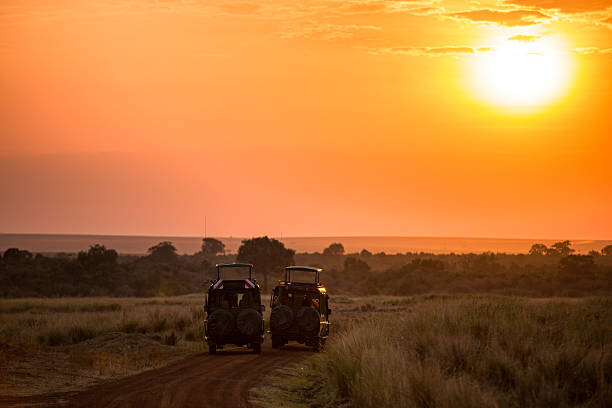
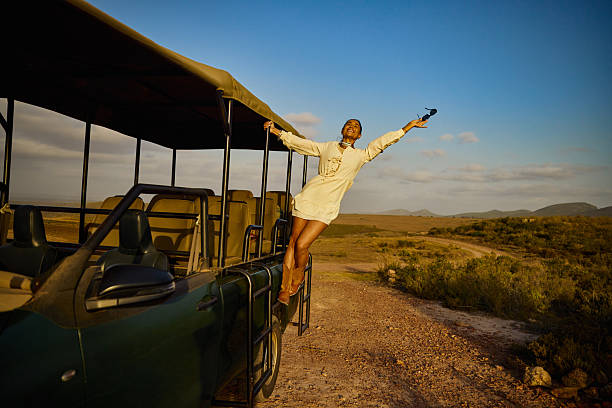
Walking and Hiking Safaris in Southern Africa: An Expert Travel Guide
Southern Africa offers some of the most compelling landscapes and wildlife viewing opportunities on Earth. While traditional game drives are iconic, there’s a profound connection to be made with the natural world through walking and hiking safaris. This immersive approach allows you to experience the bush at a different pace, engaging all your senses and revealing details often missed from a vehicle. From tracking animals on foot with an armed ranger to trekking through dramatic mountain ranges, walking and hiking safaris in Southern Africa provide a unique and deeply rewarding adventure.
This guide is designed to help you understand everything you need to know to plan, prepare for, and book your perfect walking or hiking safari experience in Southern Africa. We’ll cover destinations, what to expect, essential preparation, and how to choose the right operator for your 2026-2027 travels.
Quick Answers
What are walking and hiking safaris? These are safari experiences where the primary mode of exploration is on foot, guided by experienced rangers and trackers, focusing on observing wildlife, flora, and the environment up close. Hiking safaris may also include multi-day treks in mountainous or wilderness areas.
Where are the best places for walking safaris in Southern Africa? Prime locations include South Luangwa (Zambia), Mana Pools (Zimbabwe), the Okavango Delta (Botswana), and various private concessions in Tanzania and South Africa.
What is the best time of year? Generally, the dry season (May to October) is best for wildlife viewing as animals congregate around water sources, making them easier to spot. However, the green season can offer different experiences like birdwatching and lush scenery.
What is the typical duration? Walking safari days are usually half-day or full-day excursions from a lodge. Multi-day hiking safaris can range from 2 days to over a week.
Is it safe? With experienced, armed guides and adherence to safety protocols, walking safaris are considered very safe. It’s crucial to follow your guide’s instructions at all times.
Table of Contents
- What is a Walking and Hiking Safari?
- Why Choose Walking and Hiking Safaris?
- Top Destinations for Walking and Hiking Safaris in Southern Africa
- Best Time to Visit for Walking and Hiking Safaris
- What to Expect on a Walking Safari
- Multi-Day Hiking Safaris: A Different Kind of Adventure
- Sample Itinerary & Route Ideas
- Preparation and Packing Essentials
- Safety First: Understanding the Risks and Precautions
- Who Are Walking and Hiking Safaris Best Suited For?
- Alternatives to Walking and Hiking Safaris
- Planning Your 2026-2027 Safari Trip
- Booking Your Walking and Hiking Safari
- Frequently Asked Questions
What is a Walking and Hiking Safari?
At its core, a walking safari is an intimate encounter with the African wilderness. Unlike traditional game drives where you observe wildlife from the safety of a vehicle, a walking safari places you on foot, accompanied by a highly trained and armed guide (and often a tracker). This allows for a sensory experience unlike any other: the scent of wild sage, the crunch of dry leaves underfoot, the distant roar of a lion, and the intricate details of an insect’s wing. You learn to read tracks, understand animal behavior from a different perspective, and appreciate the smaller wonders of the ecosystem.
Hiking safaris, while overlapping, often refer to more strenuous, multi-day treks in specific wilderness areas or mountainous regions. These might involve camping in remote locations, covering significant distances, and focusing on both the landscape and the potential for wildlife encounters. Both forms emphasize immersion, education, and a deep respect for the environment.
Why Choose Walking and Hiking Safaris?
The appeal of experiencing Africa on foot is multifaceted:
- Deeper Connection: You become part of the environment, not just an observer. The pace allows for reflection and a heightened awareness of your surroundings.
- Unique Perspectives: See the world from ground level. You’ll notice the smallest tracks, the most delicate flowers, and the subtle signs of animal presence that vehicles often bypass.
- Educational Value: Expert guides share their profound knowledge of tracking, animal behavior, medicinal plants, and the intricate workings of the ecosystem. It’s a living classroom.
- Access to Remote Areas: Walking safaris often explore areas inaccessible by vehicle, offering a sense of true wilderness and solitude.
- Thrill and Excitement: The proximity to wildlife, though always managed with extreme caution and expertise, provides an unparalleled sense of adventure.
- Fitness and Well-being: For those who enjoy physical activity, walking and hiking safaris offer a way to stay active while exploring incredible landscapes.
Top Destinations for Walking and Hiking Safaris in Southern Africa
Several countries and specific regions within Southern Africa are renowned for their exceptional walking and hiking safari experiences. Your choice will depend on the type of wildlife, landscape, and overall safari style you prefer.
Zambia: The Birthplace of the Walking Safari
Zambia is widely credited as the origin of the walking safari. Its national parks, particularly South Luangwa, are managed with a strong emphasis on this activity. Expect vast, unfenced wilderness, abundant predators, and expert guides.
- South Luangwa National Park: Arguably the premier walking safari destination. The Luangwa River supports incredible biodiversity, including large prides of lions, leopards, elephants, and hippos. The park is vast and relatively undeveloped, allowing for extensive walking expeditions.
- Lower Zambezi National Park: Offers a beautiful combination of riverine landscapes and bush, with excellent walking opportunities alongside excellent canoeing and game drives.
Botswana: The Okavango Delta and Beyond
Botswana is known for its exclusive, low-impact tourism model, and the Okavango Delta offers unique walking experiences, often combined with mokoro (dugout canoe) excursions.
- Okavango Delta: Explore islands and waterways on foot, often guided by local communities. While large predators are present, the focus here is often on the smaller details, the birdlife, and the unique delta ecosystem. Walking safaris here are typically from fly-in camps.
- Chobe Enclave/Linyanti: Private concessions bordering Chobe National Park offer incredible walking opportunities with diverse wildlife, including huge elephant herds.
Zimbabwe: Mana Pools National Park
Mana Pools is a UNESCO World Heritage Site famous for its dramatic Zambezi River floodplains and exceptional walking safaris. It’s known for its relatively relaxed approach to wildlife, allowing for close encounters.
- Mana Pools National Park: Famous for walking safaris where you can often walk unguided (though with a ranger on the property) in certain areas. It’s renowned for its elephants, lions, and birdlife. The Zambezi River provides a stunning backdrop.
Tanzania: Diverse Landscapes for Foot Exploration
While known for its iconic Serengeti and Kilimanjaro, Tanzania also offers fantastic walking safari opportunities, often in more remote areas or as part of a larger itinerary.
- Selous Game Reserve (Nyerere National Park): One of Africa’s largest game reserves, offering extensive walking safaris along the Rufiji River and its tributaries. It’s known for its wild dogs and large elephant and buffalo populations.
- Ruaha National Park: Tanzania’s largest national park, offering a wilder, more remote experience with excellent opportunities for walking safaris, particularly for tracking predators.
- Chyulu Hills: For a more mountainous hiking experience combined with wildlife, the Chyulu Hills offer stunning volcanic landscapes and opportunities for guided walks with Maasai warriors.
South Africa: Variety from Bush to Mountains
South Africa offers a wide range of walking and hiking safari options, from Big Five reserves to unique fynbos and mountain trails.
- Kruger National Park (Private Concessions): Many private concessions bordering Kruger offer premier walking safari experiences, providing access to excellent wildlife viewing in a more exclusive setting.
- Phinda Private Game Reserve (KwaZulu-Natal): Known for its diverse habitats and excellent tracking, offering superb walking safaris.
- Cederberg Wilderness Area (Western Cape): For a dedicated hiking and wilderness experience, the Cederberg offers dramatic rock formations, ancient rock art, and challenging multi-day hikes.
Best Time to Visit for Walking and Hiking Safaris
The optimal time for walking and hiking safaris in Southern Africa largely depends on the region and your specific interests. However, a general guideline is:
| Season | Months | Pros for Walking/Hiking Safaris | Cons for Walking/Hiking Safaris |
|---|---|---|---|
| Dry Season | May – October |
Excellent wildlife visibility as animals gather at water sources. Less vegetation makes tracking easier. Comfortable temperatures for walking (cooler mornings/evenings). |
More popular, potentially higher prices. Waterholes can become crowded. Vegetation is sparser, offering less cover for animals (and sometimes hikers). |
| Green Season (Wet Season) | November – April |
Lush landscapes, vibrant birdlife, excellent for photography. Fewer tourists, often lower prices. Calving season for many species. |
Thicker vegetation can obscure wildlife. Rain can interrupt activities. Some roads may become impassable. Higher temperatures and humidity. |
Specific Considerations:
- Zambia/Zimbabwe (South Luangwa, Mana Pools): Dry season (June-October) is peak for walking safaris due to wildlife concentrations and ease of tracking.
- Okavango Delta: The Delta floods from June to October, making water-based activities prominent. Walking safaris are excellent during the drier months (May-October) when floodwaters recede from land areas, concentrating wildlife.
- Tanzania (Ruaha, Nyerere): Dry season (June-October) is generally best for wildlife viewing and walking.
- South Africa (Kruger Concessions): Dry winter months (May-September) are ideal for game viewing and comfortable walking.
- Mountain Hiking: For pure hiking experiences (like Cederberg), avoid the hottest months (December-February) and consider shoulder seasons (March-May, September-November) for pleasant weather.
What to Expect on a Walking Safari
A typical walking safari day from a lodge involves waking up early, having a light breakfast or coffee, and setting out with your guide and tracker. Expect to walk for 2-4 hours, depending on the conditions and group fitness.
- Early Starts: Safaris begin at dawn when animals are most active and the air is cool.
- Pace: The pace is usually moderate, allowing for observation and discussion. It’s not a strenuous hike, but it requires a reasonable level of fitness to walk for extended periods over uneven terrain.
- Focus on Detail: Your guide will point out animal tracks, droppings, calls, and signs of passage. You’ll learn about the flora, insects, and smaller creatures.
- Wildlife Encounters: While you might not always see large herds, you’ll have opportunities to observe animals like impala, kudu, warthogs, zebras, and various bird species up close. If you encounter larger or more dangerous animals (elephants, buffalo, predators), your guide will manage the situation to ensure safety, which might involve moving away, observing from a distance, or taking a different route.
- Sensory Experience: Engage your senses. Smell the earth, listen to the sounds of the bush, feel the breeze, and see the intricate patterns of nature.
- Return to Camp: You’ll typically return to camp for a late breakfast or brunch, followed by downtime during the heat of the day. Afternoon game drives or another walk might be offered.
- Guide Expertise: Your guide is your most valuable asset. They are highly trained in bushcraft, animal behavior, and firearm safety. They are there to educate, protect, and enhance your experience.
Multi-Day Hiking Safaris: A Different Kind of Adventure
For those seeking a more challenging and immersive wilderness experience, multi-day hiking safaris are ideal. These are less about ticking off Big Five sightings and more about experiencing true remoteness and the physical challenge of traversing wild landscapes.
- Duration: Typically range from 2 to 7 days, sometimes longer.
- Accommodation: Usually involves camping in remote, fly-in wilderness sites. This could be basic fly camps with tents and bush ablutions, or more established walking camps.
- Logistics: Porters might carry gear, or you might carry your own pack depending on the trek’s style. Meals are prepared by camp staff or guides.
- Focus: Emphasis on the journey, the environment, tracking, and potential for encounters with a wider range of wildlife, including predators, in their natural habitat without the disturbance of vehicles.
- Destinations: Popular for areas like the Matobo Hills (Zimbabwe), parts of the Drakensberg (South Africa), and specific wilderness areas in Botswana or Zambia that are designated for multi-day treks.
Sample Itinerary & Route Ideas
Here’s a conceptual example of how walking and hiking safaris might be integrated into a Southern African trip. This is a flexible outline and can be customized.
7-Day Walking Safari Focus: South Luangwa, Zambia
- Day 1: Arrival in Lusaka & Fly to Mfuwe. Transfer to your lodge in South Luangwa. Settle in and enjoy an afternoon/evening game drive.
- Day 2: Morning Walking Safari & Afternoon Game Drive. After an early breakfast, head out on foot with your guide and tracker. Focus on tracks, small creatures, and birdlife. Return for lunch and relaxation. In the late afternoon, head out on a game drive to spot nocturnal animals.
- Day 3: Full Day Walking Safari. Pack a lunch and water. Spend the entire morning and early afternoon exploring a different sector of the park on foot. Learn about survival techniques and the ecosystem. Return to camp in the late afternoon.
- Day 4: Riverine Exploration & Night Drive. Focus on walking along the Luangwa River and its lagoons, looking for hippos, crocodiles, and birds. Enjoy a final night drive to seek out leopards and other nocturnal species.
- Day 5: Transfer to a Remote Camp. Move to a more remote lodge or a walking-specific camp deeper in the park for a different experience. Afternoon walking safari.
- Day 6: Extended Walking Expedition. Spend the day exploring the wilder areas around your new camp, potentially tracking lion or wild dog.
- Day 7: Final Morning Walk & Departure. Enjoy one last walk before transferring back to Mfuwe for your flight to Lusaka and onward connections.
5-Day Hiking Safari Focus: Chyulu Hills, Tanzania
- Day 1: Arrival in Nairobi & Transfer to Chyulu Hills. Drive or fly to a lodge bordering the Chyulu Hills. Meet your Maasai guides and prepare for the trek.
- Day 2: Trek through Volcanic Landscapes. Begin your hike through the dramatic, rolling Chyulu Hills. Focus on the unique flora, stunning views of Kilimanjaro (weather permitting), and potential wildlife like eland and buffalo. Camp in a designated wilderness site.
- Day 3: Wildlife Tracking & Cultural Immersion. Continue your hike, focusing on tracking wildlife with your Maasai guides. Learn about their traditional way of life, medicinal plants, and conservation efforts.
- Day 4: Descent & Game Viewing. Descend from the hills towards the plains, potentially encountering plains game. Enjoy a final evening in a comfortable lodge.
- Day 5: Departure. Transfer back to Nairobi for your onward journey.
Route/Area Overview (Conceptual):
| Region: | South Luangwa National Park, Zambia |
| Key Features: | Luangwa River, extensive floodplains, miombo woodland, diverse wildlife including lions, leopards, elephants, hippos, Thornicroft’s giraffe. |
| Walking Safari Areas: | The entire park is open for walking, with specific camps offering access to different sectors, often focusing on riverine areas or more remote woodland. Remote camps offer deeper wilderness experiences. |
| Hiking Safari Potential: | Less common as dedicated multi-day treks, but longer walks from remote camps can cover significant ground. |
Preparation and Packing Essentials
Proper preparation is key to enjoying your walking or hiking safari. The focus is on comfort, safety, and blending in with the environment.
Clothing:
- Neutral-Colored Clothing: Earth tones (khaki, olive green, beige, brown) are essential. Avoid bright colors and white, which can startle wildlife or attract insects.
- Lightweight Trousers: 2-3 pairs. Good for protection against sun, insects, and thorns.
- Long-Sleeved Shirts: 2-3. For sun and insect protection.
- T-shirts/Polo Shirts: A few for layering or warmer moments.
- Fleece or Warm Jacket: Evenings and early mornings can be cool, especially in the dry season.
- Waterproof/Windproof Jacket: A lightweight one is useful for unexpected rain showers or wind.
- Comfortable Walking Shoes: Broken-in hiking boots or sturdy walking shoes are crucial. Ensure good ankle support.
- Socks: Several pairs of moisture-wicking hiking socks.
- Hat: Wide-brimmed for sun protection.
- Swimsuit: For lodges with pools.
Gear:
- Backpack: A small daypack for water, snacks, camera, binoculars, and a light jacket.
- Water Bottle/Hydration Pack: Essential for staying hydrated. Many camps provide refill stations.
- Binoculars: A must-have for spotting wildlife at a distance.
- Camera: With extra batteries and memory cards.
- Sunscreen: High SPF.
- Insect Repellent: With DEET or Picaridin.
- Personal First-Aid Kit: Include any personal medications, blister treatment, pain relievers, antiseptic wipes.
- Headlamp or Small Flashlight: For navigating camp at night.
- Sunglasses.
- Small Notebook and Pen: For notes or journaling.
Important Notes:
- Footwear: Ensure your shoes are well-worn before your trip to avoid blisters.
- Luggage: Soft-sided duffel bags are often preferred for light aircraft transfers. Check baggage weight restrictions.
- Medications: Consult your doctor about necessary vaccinations and malaria prophylaxis.
- Fitness: While not marathon-level, a good level of general fitness is recommended for walking safaris.
Safety First: Understanding the Risks and Precautions
Safety is paramount on any walking or hiking safari. Reputable operators adhere to strict protocols, and guides are highly trained professionals.
- Armed Guides: In most wildlife areas, your guide will be armed with a rifle for protection against dangerous animals. They are trained in its use and in animal behavior.
- Tracker: Often, a second person, a tracker, accompanies the guide. They are experts in spotting and interpreting animal signs.
- Group Management: Guides will instruct you on how to behave, where to walk, and how to react to wildlife encounters. Always stay with your guide and follow their instructions precisely.
- Distance is Key: Guides are trained to maintain a safe distance from potentially dangerous animals. They will assess the situation and decide when to approach, observe, or retreat.
- Respect Wildlife: Never approach animals on your own. Do not feed them. Do not make sudden movements or loud noises that could provoke them.
- Awareness: Be aware of your surroundings. Listen to your guide.
- Health: Ensure you have appropriate vaccinations and malaria precautions. Drink plenty of water to avoid dehydration.
- Communication: Guides usually have radios or satellite phones for emergencies.
While the risk of a negative encounter is low with experienced guides, it is a wilderness environment. Understanding and respecting the inherent risks is part of the experience.
Who Are Walking and Hiking Safaris Best Suited For?
Walking and hiking safaris are ideal for travelers who:
- Seek a deeper, more intimate connection with nature.
- Are interested in learning about tracking, animal behavior, and the environment.
- Enjoy physical activity and being outdoors.
- Appreciate a slower pace of exploration.
- Are looking for a unique and adventurous safari experience beyond traditional game drives.
- Have a reasonable level of fitness to walk for several hours over varied terrain.
- Are comfortable with the concept of walking in areas with potentially dangerous wildlife, under expert guidance.
They might not be the best fit for:
- Travelers with significant mobility issues.
- Those who primarily want to see as many large animals as possible from a vehicle without much physical exertion.
- Very young children (age restrictions often apply, usually 12 or 16 years old for walking safaris, depending on the operator and location).
Alternatives to Walking and Hiking Safaris
If walking or hiking safaris aren’t quite right for you, Southern Africa offers many other incredible ways to experience its wildlife and landscapes:
- Classic Game Drives: The most common safari activity. Open 4×4 vehicles offer excellent vantage points for viewing a wide range of wildlife, especially predators.
- Canoe Safaris: Primarily in areas like the Okavango Delta or Lower Zambezi. A peaceful way to explore waterways, observe hippos, crocodiles, elephants, and abundant birdlife from a different perspective.
- Boat Safaris: On larger rivers or lakes (e.g., Chobe River). Excellent for viewing hippos, crocodiles, elephants coming to drink, and water birds.
- Horseback Safaris: Offer a unique way to approach wildlife, as horses are often less intimidating to animals than vehicles. Available in some areas like the Okavango Delta.
- Hot Air Balloon Safaris: Available in places like the Serengeti or near the Okavango. Provides a breathtaking aerial perspective of the landscape and wildlife at sunrise.
- Cultural Village Visits: Immerse yourself in local traditions and daily life, often offered as part of a safari package.
Planning Your 2026-2027 Safari Trip
Planning a walking or hiking safari for 2026 or 2027 requires attention to detail. Early booking is highly recommended, especially for peak season travel.
- Define Your Priorities: What kind of wildlife are you most keen to see? What landscape appeals to you? Are you looking for a challenging trek or a more relaxed bush walk?
- Choose Your Destination(s): Based on your priorities, select the country and specific park or reserve that best suits your interests (e.g., Zambia for pure walking, Botswana for exclusivity and delta environments, Tanzania for diverse ecosystems).
- Select Your Accommodation: Lodges and camps range from rustic to luxurious. For walking safaris, choose camps known for their excellent guiding and access to walking trails. For multi-day hikes, look for operators specializing in trekking.
- Consider Combining Activities: Many walking safari camps also offer game drives, allowing you to experience the best of both worlds.
- Factor in Travel Time: Southern Africa is vast. Internal flights between parks can be time-consuming and add to costs. Plan your itinerary logically to minimize travel days.
- Budget: Walking and hiking safaris, especially in exclusive concessions or remote areas, can be more expensive due to the specialized guiding and lower guest numbers. Factor in flights, accommodation, park fees, activities, and potential gratuities.
- Book in Advance: For 2026 and 2027, popular lodges and walking safari camps, particularly in peak season (June-October), can book up 9-12 months in advance.
- Travel Insurance: Essential for any safari trip. Ensure it covers medical emergencies, evacuation, and trip cancellation.
Booking Your Walking and Hiking Safari
Booking the right safari requires choosing a reputable tour operator who understands your needs and can tailor an experience to your preferences.
- Research Operators: Look for operators with a strong track record in Southern Africa and specifically in offering walking and hiking safaris. Check reviews and testimonials.
- Consult with Experts: Experienced tour operators can guide you through the complexities of destinations, lodges, and logistics. They can help match you with the perfect itinerary.
- Discuss Your Fitness Level: Be honest about your physical condition so the operator can recommend suitable activities and destinations.
- Understand Inclusions/Exclusions: Clarify what is included in your package (accommodation, meals, activities, park fees, transfers, drinks) and what is not (international flights, visas, tips, personal expenses).
Typical Inclusions & Exclusions
| Included (Usually) | Excluded (Usually) |
|---|---|
| Accommodation at chosen lodges/camps | International flights to Africa |
| All meals (breakfast, lunch, dinner) | Visa fees |
| Scheduled walking safaris and game drives | Travel insurance |
| Park and conservation fees | Tips for guides, trackers, and camp staff |
| Local drinks (water, soft drinks, sometimes house wine/beer) | Premium brand drinks, champagne |
| Road transfers between lodges within a park/region | Optional activities not listed in itinerary |
| Services of professional guides and trackers | Personal expenses (souvenirs, laundry) |
Contact Us to Plan Your 2026-2027 Walking Safari:
Ready to experience the magic of Southern Africa on foot? Let us help you craft an unforgettable walking or hiking safari. We specialize in creating personalized itineraries that match your interests and budget.
WhatsApp: +255616946642
Email: topguideadventures@gmail.com
Backup Email: info@topguideadventures.com
Frequently Asked Questions
1. Is it safe to walk with lions and elephants?
Yes, when accompanied by highly trained, armed guides who understand animal behavior and follow strict safety protocols. Your guide’s priority is your safety, and they are experts at managing encounters to ensure a safe distance is maintained.
2. What is the difference between a walking safari and a hiking safari?
A walking safari typically refers to guided walks from a lodge, focusing on detailed observation of the bush, tracks, and smaller creatures, with potential encounters with larger wildlife. A hiking safari often implies multi-day treks in more remote wilderness areas, which can be more physically demanding and involve camping.
3. What kind of fitness level do I need?
A moderate level of fitness is recommended. You should be able to walk comfortably for 2-4 hours over uneven terrain, with some inclines. It’s not a race, but you need to be able to keep pace with your guide.
4. What should I pack for a walking safari?
Pack lightweight, neutral-colored clothing, comfortable broken-in walking shoes, a hat, sunscreen, insect repellent, binoculars, and a small daypack. Layers are advisable as mornings and evenings can be cool.
5. Can children go on walking safaris?
Most operators have age restrictions for walking safaris, typically 12 or 16 years old, due to safety considerations. Always check with the operator when booking.
6. How close can you get to animals?
Your guide will determine the safe distance. You can expect to get closer to some animals than you would from a vehicle, especially when observing them undisturbed. However, with dangerous game, the guide will maintain a safe distance to ensure everyone’s security.
7. What if I encounter a dangerous animal?
Listen carefully to your guide. They will instruct you on how to behave. Usually, this means staying still, not making eye contact, and slowly backing away if instructed. Never run unless told to do so.
8. When is the best time for walking safaris in 2026-2027?
The dry season (May to October) is generally best for wildlife viewing and tracking on foot, as vegetation is sparser and animals congregate near water. However, the green season offers beautiful landscapes and birdlife.
9. How much do walking safaris cost?
Walking safaris can range in price depending on the destination, lodge luxury, and exclusivity. They are often comparable to or slightly higher than standard game drive safaris due to the specialized guiding required.
10. Do I need special gear for multi-day hiking safaris?
Yes, for multi-day hiking safaris, you’ll need good hiking boots, comfortable hiking attire, a suitable backpack (if carrying your own gear), and potentially a sleeping bag depending on the camp setup. The operator will provide a detailed packing list.
Your Southern African Walking Safari Adventure Awaits
Experiencing the African wilderness on foot is a profound and unforgettable journey. It’s a chance to connect with nature on a primal level, learn from expert guides, and create memories that will last a lifetime. Whether you choose the renowned walking trails of Zambia, the exclusive reserves of Botswana, the dramatic landscapes of Zimbabwe, or the diverse terrains of Tanzania and South Africa, a walking or hiking safari promises an adventure unlike any other.
Let us help you plan your perfect walking and hiking safari in Southern Africa for 2026-2027. We’ll handle the details so you can focus on the magic of the wild.
Contact us today:
WhatsApp: +255616946642
Email: topguideadventures@gmail.com
Backup Email: info@topguideadventures.com
Plan your Walking and Hiking Safaris in Southern Africa with Top Guide Adventures
Tell us your travel dates, group size, comfort level, and dream experience. We will help you shape a clear, realistic, and memorable Tanzania itinerary.







 Veedesigner
 Fatma Kizanga
 Benjamin Waryuba
 Philip Philip
 John jr Itaja
 Antonia Optatus
 Edith Kanyere
 Neema Iddy
 Kelvin Boniphace
 Damari Maiga



