
Updated planning guide for 2026-2027
Comparing Transport Options In Tanzania: Complete Guide 2026-2027
Planning your Tanzania adventure involves understanding the best ways to get around. This guide compares all transport options, from internal flights and safari vehicles to public buses and private transfers, helping you make informed choices for your 2026-2027 travels.
WhatsApp +255616946642 | topguideadventures@gmail.com | info@topguideadventures.com

Comparing Transport Options in Tanzania: Your Essential Guide
Tanzania, a land of breathtaking landscapes, iconic wildlife, and vibrant cultures, offers a travel experience like no other. From the vast Serengeti plains and the majestic peak of Kilimanjaro to the spice-scented islands of Zanzibar, your journey across this incredible country will depend heavily on how you choose to travel between destinations. Understanding the various transport options available is crucial for planning an efficient, enjoyable, and budget-conscious trip. This comprehensive guide will help you navigate the complexities of getting around Tanzania, comparing everything from internal flights and private safari vehicles to public buses and ferries, ensuring you make the best choices for your adventure in 2026 and 2027.
Whether you’re a first-time visitor planning a classic safari, a seasoned trekker aiming for Uhuru Peak, or a beach lover seeking the tranquil shores of Zanzibar, your itinerary will be shaped by the practicalities of movement. We’ll break down each mode of transport, detailing its pros, cons, typical costs, and suitability for different travel styles and budgets. By the end of this guide, you’ll be well-equipped to plan your transportation logistics for an unforgettable Tanzanian experience.
Quick Facts: Tanzania Transport
| Transport Mode | Typical Use | Pros | Cons | Cost Indication | Best For |
|---|---|---|---|---|---|
| Safari Vehicles (4×4) | National Parks, Game Drives | Off-road capability, wildlife viewing, comfort | Expensive, requires booking with tour operator | High (included in safari package) | Safari enthusiasts, wildlife photographers |
| Internal Flights | Major cities, Zanzibar, remote airstrips | Fastest way to cover long distances | Expensive, luggage restrictions, airport transfers needed | Medium to High | Time-constrained travelers, luxury trips |
| Public Buses (Daladala/Coaster) | Inter-city, local travel | Very affordable, local experience | Slow, crowded, uncomfortable, less safe for valuables, limited routes | Very Low | Budget backpackers, short local hops |
| Shuttle Buses/VIP Coaches | Major inter-city routes (Arusha-Dar, Arusha-Moshi) | More comfortable than daladalas, affordable | Slower than flights, scheduled times, potential for delays | Low to Medium | Budget to mid-range travelers, inter-city transfers |
| Trains (TRC) | Limited routes (e.g., Dar-Moshi, Dar- Kigoma) | Affordable, scenic views, unique experience | Very slow, unreliable schedules, limited network, basic comfort | Low | Adventurous travelers, those with ample time |
| Private Cars/Taxis | Airport transfers, city tours, short inter-city trips | Convenient, door-to-door service, flexible | Can be expensive, requires negotiation, traffic | Medium to High | Convenience seekers, families, groups |
| Ferries (Zanzibar) | Mainland to Zanzibar | Direct route, affordable | Can be crowded, rough seas possible, security checks | Low to Medium | Travelers between Dar es Salaam and Zanzibar |
| Motorbike Taxis (Boda-boda) | Short local trips, within towns | Fast for short distances, accessible | Risky, uncomfortable, not for luggage, safety concerns | Very Low | Local short hops, backpackers (use with caution) |
Understanding Tanzania’s Vastness and Travel Logistics
Tanzania is a country of immense scale. The distances between popular tourist destinations can be significant. For instance, the drive from Arusha, the gateway to the northern safari circuit, to Dar es Salaam, the largest city and gateway to Zanzibar, can take 8-10 hours by road. The Serengeti National Park itself is vast, and moving between different regions within it can add considerable travel time. This geographical reality makes choosing the right transport crucial for maximizing your time and minimizing travel fatigue.
When comparing transport options in Tanzania, consider the following factors:
- Time: How much time do you have for travel? Flights are fastest but involve airport procedures. Road travel can be scenic but time-consuming.
- Budget: Are you looking for the most economical way to travel, or is comfort and speed a higher priority?
- Comfort and Safety: Public transport can be crowded and basic, while private options offer more comfort but at a higher cost. Safety for belongings and personal well-being is also a consideration.
- Accessibility: Can your chosen mode of transport reach your specific destination? Some remote lodges or park areas might only be accessible by 4×4 or small aircraft.
- Experience: Do you want to immerse yourself in local life via public transport, or prefer a more direct, tourist-focused experience?
Safari Vehicles: The Heart of the Wildlife Experience
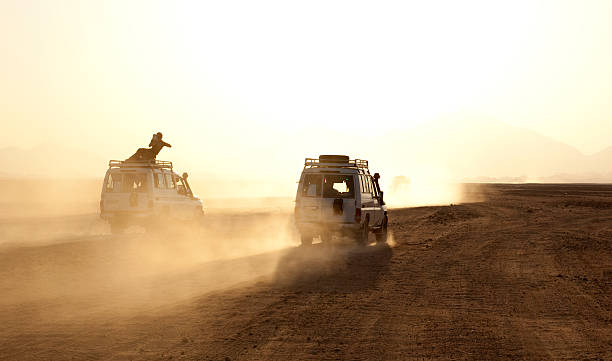
For any safari in Tanzania’s renowned national parks like the Serengeti, Ngorongoro Crater, Tarangire, or Lake Manyara, the safari vehicle is paramount. Typically, these are specially adapted 4×4 Land Cruisers or Land Rovers. These vehicles are designed for the rough terrain of the bush and offer excellent visibility for wildlife spotting.
Why a 4×4 Safari Vehicle is Essential:
- Off-Road Capability: Parks often have unpaved, sandy, and bumpy tracks. A 4×4 provides the necessary power and traction to navigate these conditions, ensuring you can reach prime viewing spots.
- Pop-Top Roof: This is a standard feature that allows for unobstructed 360-degree views and photography opportunities. You can stand up and safely look out while the vehicle is stationary.
- Comfort (Relative): While bumpy rides are inevitable, these vehicles are generally more comfortable than standard cars. They often have ample legroom, and tour operators ensure they are well-maintained.
- Guide Integration: Your safari driver-guide is an expert in animal behavior and tracking. They are in constant communication with other guides, helping to locate wildlife. The vehicle is their mobile office.
Types of Safari Vehicles:
- Land Cruiser: Most common and highly recommended. Known for reliability and comfort. Typically seats 5-7 passengers comfortably in the back, plus the driver.
- Land Rover: Also popular, often with a classic feel. Similar capacity to Land Cruisers.
Cost and Booking:
Safari vehicles are almost always booked as part of a package with a tour operator. The cost is factored into your overall safari price, which typically includes the vehicle, driver-guide, park entry fees, accommodation, and meals. Renting a safari vehicle independently is rarely feasible or recommended for tourists due to the specialized nature of the vehicle, the need for a licensed guide, and the logistical challenges.
For 2026-2027 safaris: Expect tour operators to continue offering well-maintained 4x4s. Booking in advance is highly advisable, especially for peak seasons.
Internal Flights: Speeding Up Your Tanzanian Journey
For travelers with limited time or those covering vast distances, internal flights are a vital component of comparing transport options in Tanzania. Tanzania has a network of airports and airstrips connecting major cities and popular safari destinations.
Key Routes and Destinations:
- Dar es Salaam (DAR) to Zanzibar (ZNZ): Frequent flights, taking about 20-30 minutes.
- Arusha (ARK/JRO) to Serengeti (various airstrips like Seronera, Grumeti, Kogatende): Essential for reaching different parts of the Serengeti quickly, especially for fly-in safaris.
- Arusha (ARK/JRO) to Zanzibar (ZNZ): Direct flights available, saving a long drive or ferry trip.
- Major City Connections: Flights link Kilimanjaro International Airport (JRO) and Arusha (ARK) with other cities like Mwanza, Kigoma, and the coast.
Airlines Operating in Tanzania:
Several reputable local airlines operate these routes:
- Precision Air
- Fastjet (primarily scheduled domestic and regional routes)
- Coastal Aviation (specializes in safari routes, often flying into remote airstrips)
- Auric Air (another popular choice for safari destinations)
Pros of Internal Flights:
- Speed: Significantly reduces travel time between distant locations. A flight from Arusha to the Serengeti can take 1-2 hours, compared to a full day or more by road.
- Convenience: Avoids long, potentially bumpy road journeys.
- Access to Remote Areas: Some lodges in very remote parts of national parks are only accessible via small airstrips.
- Comfort: Generally more comfortable than long-distance bus travel.
Cons of Internal Flights:
- Cost: Significantly more expensive than road transport.
- Luggage Restrictions: Small bush planes, especially those flying into safari airstrips, have strict weight and size limits for luggage (often 15-20 kg total in soft-sided bags).
- Airport Procedures: Requires travel to and from airports, check-in times, and security checks, adding to the overall travel time.
- Limited Flexibility: Flights operate on fixed schedules.
Cost Indication:
Prices vary widely based on route, airline, and booking time. A one-way flight from Arusha to a Serengeti airstrip can range from $250-$400 USD per person. Flights from Dar es Salaam to Zanzibar are typically cheaper, around $50-$100 USD.
For 2026-2027: Booking flights well in advance is crucial, especially for popular routes during peak safari seasons (June-October, December-February). Airlines may introduce new routes or adjust schedules, so always check current offerings.
Public Buses: The Local Experience (Daladalas & Coasters)
For the budget-conscious traveler or those seeking an authentic local experience, public buses are the most affordable way to travel between towns and cities in Tanzania. This category includes the ubiquitous daladalas (minibuses) for short urban hops and larger coaster buses for inter-city travel.
Daladalas:
These are small minibuses that operate on fixed routes within cities like Dar es Salaam and Arusha. They are incredibly cheap but can be chaotic, crowded, and uncomfortable, especially with luggage. They are best suited for very short, local journeys if you’re traveling very light and have a good sense of adventure.
Coaster Buses:
These are larger buses that connect towns and cities across Tanzania. They are significantly cheaper than shuttle buses or flights but also much slower and less comfortable. Journeys can be long, with frequent stops.
Pros of Public Buses:
- Extremely Affordable: The cheapest way to get around.
- Local Immersion: A genuine slice of Tanzanian daily life.
- Extensive Network: They reach almost every town and village.
Cons of Public Buses:
- Slow: Journeys take considerably longer than other methods due to frequent stops and road conditions.
- Uncomfortable: Buses can be crowded, lack air conditioning, and have basic seating.
- Safety Concerns: Pickpocketing can be an issue in crowded buses. Luggage is often stored precariously on top or in cramped spaces.
- Reliability: Schedules are often flexible, and breakdowns can occur.
- Limited for Tourists: Not practical for most tourists wanting to visit national parks or remote lodges.
Cost Indication:
A long-distance journey on a coaster bus might cost only a fraction of a shuttle bus or flight, often in the range of $10-$30 USD for routes that would cost $50-$100+ by shuttle or $200+ by flight.
For 2026-2027: While public buses will remain the cheapest option, their limitations mean they are suitable only for a very specific type of traveler. Be prepared for long, slow journeys.
Shuttle Buses & VIP Coaches: A Balance of Cost and Comfort
For inter-city travel, especially on popular tourist routes like Arusha to Moshi, Arusha to Dar es Salaam, or Moshi to Dar es Salaam, shuttle buses and VIP coaches offer a good balance between affordability and comfort. These are often modern, air-conditioned buses operated by private companies.
Popular Routes:
- Arusha Moshi
- Arusha Dar es Salaam
- Moshi Dar es Salaam
- Arusha Mto wa Mbu (for Lake Manyara/Tarangire access)
Pros of Shuttle Buses:
- Comfort: Generally air-conditioned, with more legroom and comfortable seating than public buses.
- Reasonable Cost: More expensive than public buses but significantly cheaper than flights.
- Scheduled Departures: More reliable schedules than public transport, though delays can still occur.
- Direct Routes: Often offer direct services between major tourist hubs.
- Luggage Storage: Usually have dedicated, more secure luggage compartments.
Cons of Shuttle Buses:
- Slower than Flights: Journeys are still long, e.g., Arusha to Dar can be 8-10 hours.
- Limited Destinations: They stick to main roads and major towns, not reaching national parks or remote areas.
- Traffic: Can be affected by traffic congestion, especially entering or leaving large cities.
Cost Indication:
A trip from Arusha to Dar es Salaam might cost $30-$50 USD. Arusha to Moshi is considerably less.
For 2026-2027: These services are expected to remain a popular choice for travelers moving between key northern circuit towns and the coast. Booking a day or two in advance is recommended.
Trains: A Scenic but Slow Option
Tanzania Railways Corporation (TRC) operates a limited rail network. The most relevant route for tourists is the Tanzania Central Line, which connects Dar es Salaam with various towns, including Morogoro and Dodoma, and historically extended towards Kigoma on Lake Tanganyika. There’s also a northern line connecting Dar es Salaam to Moshi and Arusha (though this line has had operational challenges).
Pros of Train Travel:
- Affordability: Generally very cheap.
- Scenic Views: Can offer glimpses of the Tanzanian countryside.
- Unique Experience: A different perspective on travel in Tanzania.
- Comfort (First Class): First-class cabins can offer a more comfortable, albeit basic, experience than buses.
Cons of Train Travel:
- Extremely Slow: Journeys are notoriously long, often taking 24 hours or more for routes that could be covered in a day by road.
- Unreliable Schedules: Timetables are often not adhered to, with significant delays being common.
- Limited Network: The rail network doesn’t cover most tourist destinations.
- Basic Facilities: Onboard facilities can be rudimentary, especially in lower classes.
- Safety: Concerns about security and cleanliness can arise.
Cost Indication:
Train tickets are very inexpensive, often less than $20 USD for long journeys, even in first class.
For 2026-2027: Train travel is best suited for adventurous travelers with a lot of time and a desire for a unique, slow travel experience. It is generally not practical for most safari or Kilimanjaro itineraries.
Private Cars & Taxis: Convenience and Flexibility
Hiring a private car with a driver offers a high degree of convenience and flexibility, especially for airport transfers, day trips, or shorter inter-city journeys where public transport is impractical or too time-consuming.
When to Use Private Cars:
- Airport Transfers: The most common use, ensuring a smooth arrival and departure.
- Day Trips: For excursions from cities like Arusha to nearby attractions (e.g., Arusha National Park, Materuni Waterfalls).
- Short Inter-City Hops: For example, between Arusha and Moshi if you prefer not to take a shuttle.
- Custom Itineraries: For specific needs not covered by standard tour packages.
Pros of Private Cars:
- Convenience: Door-to-door service.
- Flexibility: You set the pace and can make spontaneous stops.
- Comfort: Usually modern, air-conditioned vehicles.
- Privacy: Ideal for families, couples, or small groups.
- Luggage: Ample space for luggage.
Cons of Private Cars:
- Cost: The most expensive option for shorter distances compared to shared transport.
- Negotiation: Taxi fares often require negotiation, especially for longer trips.
- Traffic: Can be subject to city traffic delays.
Cost Indication:
Airport transfers from Kilimanjaro International Airport (JRO) to Arusha might range from $40-$70 USD. Hiring a car and driver for a full day in a city could be $100-$150 USD or more, depending on the vehicle and duration.
For 2026-2027: This remains the go-to option for convenience. Book reputable services through your hotel or tour operator to ensure fair pricing and reliable drivers.
Ferries: Connecting the Mainland to Zanzibar
The primary way to travel between Dar es Salaam and the island of Zanzibar (specifically Stone Town) is by ferry. This is a vital link for many tourists visiting Tanzania.
Ferry Operators:
Several companies operate the Dar es Salaam to Zanzibar route, including Azam Marine and Flying Horse. They offer different classes of seating.
Pros of Ferries:
- Direct Route: The most direct and common way to get from Dar es Salaam to Zanzibar.
- Affordability: Much cheaper than flying.
- Frequency: Multiple departures daily.
- Scenery: Can offer pleasant views of the ocean on calm days.
Cons of Ferries:
- Rough Seas: Journeys can be very rough during certain times of the year, leading to seasickness.
- Crowding: Ferries can become very crowded, especially during peak times.
- Security: Strict security checks are in place, similar to airports.
- Duration: The crossing takes about 1.5 to 2 hours.
- Luggage: Can be a hassle to manage luggage, especially on crowded vessels.
Cost Indication:
A one-way ticket in economy class typically ranges from $35-$50 USD.
For 2026-2027: Ferries will continue to be the standard transport. Consider booking tickets in advance during busy periods. If seasickness is a concern, flying is a better alternative.
Motorbike Taxis (Boda-bodas): For Short Local Trips
Boda-bodas are motorbike taxis found in virtually every town and village. They are a quick way to cover very short distances, such as getting from a bus station to your hotel within a town.
Pros of Boda-bodas:
- Speed (Short Distances): Can be faster than walking or waiting for a daladala in traffic.
- Accessibility: Available almost everywhere.
- Cheap: Very inexpensive for short rides.
Cons of Boda-bodas:
- Safety: Extremely risky. Helmets are often not provided or used. Drivers can be reckless.
- Not for Luggage: Impossible to carry significant luggage.
- Uncomfortable: Riding pillion on a motorbike can be uncomfortable.
- Legal/Insurance Issues: Often operate without proper licensing or insurance.
For 2026-2027: Use boda-bodas with extreme caution, only for very short distances if absolutely necessary, and always negotiate the price beforehand. Many travelers choose to avoid them altogether due to safety concerns.
Comparing Transport Options in Tanzania: A Practical Approach
When making your decision about comparing transport options in Tanzania, consider these scenarios:
Scenario 1: The Classic Northern Circuit Safari (Serengeti, Ngorongoro, Tarangire)
- Primary Transport: 4×4 Safari Vehicle (included in tour package).
- Getting to Arusha: Fly into Kilimanjaro International Airport (JRO). Transfer via private car or pre-booked shuttle.
- Inter-Park Travel: Your safari vehicle and driver-guide handle all transfers between parks and lodges.
- Optional: Fly from Arusha to a Serengeti airstrip to save 7-8 hours of driving. This is a premium option.
Scenario 2: Kilimanjaro Trek
- Getting to Moshi/Arusha: Fly into JRO. Transfer via private car or shuttle.
- To the Trailhead: Your trekking company will arrange a private 4×4 vehicle to transport you from your hotel to the specific park gate and trailhead (e.g., Marangu Gate, Machame Gate).
- Post-Trek: The same 4×4 will transfer you back to your hotel.
Scenario 3: Zanzibar Holiday
- Getting to Zanzibar: Fly from Dar es Salaam (or Arusha) to Zanzibar (ZNZ), or take the ferry from Dar es Salaam.
- On the Island: Private taxis, pre-booked transfers, rental cars (drive on the left!), or local taxis are common for getting between Stone Town, Nungwi, Kendwa, Paje, etc. Boda-bodas are used for very short local trips.
Scenario 4: Arusha to Dar es Salaam City Exploration
- Option 1 (Fastest): Internal flight (Arusha to Dar es Salaam).
- Option 2 (Balanced): Shuttle bus/VIP coach (Arusha to Dar es Salaam).
- Option 3 (Slowest/Cheapest): Public coaster bus.
- Option 4 (Adventurous): Train (if operational and convenient).
Sample Route: Arusha – Serengeti – Ngorongoro – Zanzibar (10 Days)
This is a popular itinerary that highlights different transport needs.
| Day | Location | Activities | Transport Focus |
|---|---|---|---|
| 1 | Arrive Kilimanjaro (JRO) / Transfer to Arusha | Meet and greet, transfer to hotel. | Private Transfer (Pre-booked car) |
| 2 | Arusha to Tarangire National Park | Morning drive to Tarangire, game drive. Overnight in Tarangire. | 4×4 Safari Vehicle |
| 3 | Tarangire to Serengeti National Park | Morning game drive in Tarangire, then drive to Serengeti. Afternoon game drive. Overnight in Serengeti. | 4×4 Safari Vehicle |
| 4-5 | Serengeti National Park | Full days of game drives in Serengeti. Overnight in Serengeti. | 4×4 Safari Vehicle |
| 6 | Serengeti to Ngorongoro Conservation Area | Morning game drive in Serengeti, then drive to Ngorongoro. Overnight on crater rim. | 4×4 Safari Vehicle |
| 7 | Ngorongoro Crater Tour / Transfer to Arusha | Morning crater floor game drive. Ascend and drive back to Arusha. Overnight in Arusha. | 4×4 Safari Vehicle, then Private Transfer or Shuttle Bus to Arusha. |
| 8 | Arusha to Zanzibar | Transfer to Arusha Airport (ARK) or JRO. Fly to Zanzibar (ZNZ). Transfer to hotel. | Internal Flight (ARK/JRO to ZNZ), then Private Transfer on Zanzibar. |
| 9 | Zanzibar | Relaxation, beach activities, optional tours (Spice Tour, Stone Town). | Local taxis, pre-booked transfers, or walking. |
| 10 | Depart Zanzibar | Transfer to Zanzibar Airport (ZNZ) for departure. | Private Transfer. |
Alternative for Day 8: Instead of flying from Arusha to Zanzibar, you could take a shuttle bus back to Dar es Salaam (8-10 hours) and then catch a ferry to Zanzibar (1.5-2 hours). This is a much longer and more complex travel day but significantly cheaper.
Planning Your Transport for 2026-2027
Successful travel in Tanzania hinges on careful planning, especially regarding transport. Here’s a checklist to help you organize:
| Task | When to Do | Notes |
|---|---|---|
| Define your itinerary and key destinations. | 12-18 months before travel | This dictates your transport needs. |
| Research and book safari/trekking operator. | 10-12 months before travel | Safari vehicles are included; clarify inclusions. |
| Book international flights. | 9-12 months before travel | Consider arrival/departure airports (JRO, DAR, ZNZ). |
| Book internal flights (if using). | 6-9 months before travel | Especially important for Serengeti fly-in safaris; check luggage limits. |
| Book Zanzibar accommodation and ferry/flight. | 6-8 months before travel | If not part of a package. |
| Arrange airport transfers. | 3-6 months before travel | Book through operator or hotel for reliability. |
| Confirm inter-city shuttle bus bookings (if needed). | 1-2 months before travel | For routes like Arusha-Dar. |
| Pack appropriate luggage. | 1 month before travel | Soft-sided bags for internal flights are essential. |
| Confirm all transport details. | 1-2 weeks before travel | Re-confirm times, pick-up points with your operator/providers. |
Common Mistakes to Avoid
When comparing transport options in Tanzania, travelers often make these common errors:
- Underestimating Travel Times: Assuming distances are shorter than they are. A 300km drive can take 6-8 hours on Tanzanian roads.
- Relying Solely on Public Transport for Safaris: Public buses do not go into national parks or to safari lodges.
- Ignoring Luggage Restrictions for Flights: Arriving with oversized or overweight luggage for small bush planes can lead to costly re-arrangements or missed flights.
- Not Pre-booking Essential Transfers: Especially airport pickups, to avoid being stranded or overcharged by unofficial taxis.
- Over-reliance on Boda-bodas: Prioritizing the cheap cost over safety.
- Booking the Cheapest Option Without Considering Comfort/Time: For long journeys, the savings on public buses might not be worth the lost time and discomfort.
- Not Factoring in Transfer Time to/from Airports/Stations: This adds significant time to any journey.
Who is This Guide Best For?
This guide on comparing transport options in Tanzania is ideal for:
- First-time visitors to Tanzania planning safaris, Kilimanjaro climbs, or Zanzibar holidays.
- Budget travelers looking for the most economical ways to get around.
- Mid-range travelers seeking a balance of comfort, cost, and efficiency.
- Time-conscious travelers who need to cover long distances quickly.
- Adventure seekers interested in experiencing local transport.
- Anyone planning a trip for 2026-2027 who needs practical advice on logistics.
Alternatives to Consider
While this guide covers the primary transport modes, here are a few alternatives or complementary considerations:
- Walking Safaris: Offered in specific areas (e.g., near Kilimanjaro, in some conservation areas outside main parks) for a more immersive experience. This is not a mode of transport between destinations but an activity.
- Bicycle Hire: Available in some towns for local exploration, but not for inter-city travel.
- Boat Trips: Used for exploring lakes like Lake Victoria or Lake Tanganyika, or for specific excursions (e.g., Prison Island from Zanzibar).
Planning Your Tanzania Trip for 2026-2027
As you plan your Tanzanian adventure for 2026 and 2027, keep the following in mind:
- Book Early: Tanzania is a popular destination. For peak seasons (June-October and December-February), booking safaris, flights, and accommodations 6-12 months in advance is recommended.
- Flexibility: While planning is key, be prepared for some flexibility. Road conditions, weather, or local events can sometimes cause delays.
- Consult Experts: Working with a reputable tour operator can simplify transport logistics immensely, as they handle most of the bookings and coordination for you.
- Understand Seasonality: While transport options are generally available year-round, road conditions can be more challenging during the rainy seasons (typically March-May and November). Internal flight prices can also fluctuate seasonally.
Booking Advice
When booking your transport in Tanzania:
- For Safaris & Kilimanjaro: Book through a licensed and reputable tour operator. They will arrange all necessary internal transport (safari vehicles, trailhead transfers) as part of your package. Ensure you understand what is included.
- For Internal Flights: Book directly with the airline or through a trusted travel agent. Pay close attention to luggage allowances, especially for safari flights.
- For Ferries: You can often book tickets at the ferry terminal in Dar es Salaam, but during peak times, booking a day in advance or through your hotel/tour operator is wise.
- For Shuttle Buses: Tickets can usually be purchased at bus stations or through travel agents and hotels. Booking a day or two ahead is advisable.
- For Private Transfers/Taxis: The most reliable way is to book through your hotel or tour operator. If hailing a taxi, agree on the fare clearly before starting the journey.
Contact Us: For seamless travel arrangements and expert advice tailored to your Tanzanian adventure in 2026-2027, including comparing transport options and booking the perfect safari, Kilimanjaro trek, or Zanzibar holiday, reach out to us!
WhatsApp: +255616946642
Email: topguideadventures@gmail.com
Backup Email: info@topguideadventures.com
Frequently Asked Questions (FAQs)
Q1: What is the best way to compare transport options in Tanzania for a safari?
A1: For a safari, the primary transport is a 4×4 safari vehicle provided by your tour operator. To compare options for getting to the safari starting point (e.g., Arusha), consider internal flights for speed versus shuttle buses for cost savings. Your tour operator can advise on the best approach based on your itinerary.
Q2: Can I use public buses to get to national parks?
A2: No, public buses do not enter national parks or go to safari lodges. You would need to arrange a safari vehicle through a tour operator for park access and game drives.
Q3: What are the luggage restrictions for internal flights in Tanzania?
A3: For flights to safari airstrips (e.g., Serengeti), expect strict limits, typically 15-20 kg per person in soft-sided bags only. Always confirm with your airline or tour operator. Flights between major cities may have more standard allowances.
Q4: Is it safe to travel by public bus in Tanzania?
A4: While cheap, public buses can pose safety risks. Pickpocketing is common, and luggage can be less secure. For longer journeys, shuttle buses or private transfers are safer and more comfortable. Use extreme caution if opting for public buses.
Q5: How long does the ferry from Dar es Salaam to Zanzibar take?
A5: The ferry crossing typically takes between 1.5 to 2 hours, depending on the sea conditions and the specific ferry service.
Q6: Should I book my transport in advance for 2026-2027?
A6: Yes, especially for internal flights, popular ferry routes, and shuttle buses during peak seasons (June-October, December-February). For safaris and Kilimanjaro treks, booking your tour operator well in advance (6-12 months) is essential.
Q7: What is the most comfortable way to travel between Arusha and Dar es Salaam?
A7: The most comfortable and fastest option is an internal flight. If budget is a concern, a reputable shuttle bus or VIP coach offers a good balance of comfort and affordability compared to public buses.
Q8: Are taxis reliable in Tanzania?
A8: Taxis can be reliable, but it’s best to book them through your hotel or a trusted tour operator to ensure fair pricing and a reputable driver. Always agree on the fare before starting your journey if hailing one directly.
Q9: What are the best transport options for a family traveling in Tanzania?
A9: For families, private transfers and private safari vehicles offer the most comfort, safety, and flexibility. Internal flights can also be convenient for covering long distances, but consider luggage capacity. Shared shuttles can work for inter-city travel if budget is a factor.
Q10: When planning my 2027 trip, how should I factor in transport costs?
A10: Transport costs can be a significant part of your budget. Factor in: international flights, airport transfers, internal flights/ferries/long-distance buses, and safari vehicle costs (usually bundled). Private options are most expensive, followed by internal flights, then shuttle buses, and finally public buses being the cheapest.
Conclusion: Making Informed Choices for Your Tanzanian Journey
Comparing transport options in Tanzania is a vital step in planning a successful and enjoyable trip. Whether you prioritize speed and comfort with internal flights, opt for the immersive (and budget-friendly) experience of local buses, or rely on the essential 4×4 for your safari adventures, understanding the nuances of each mode of transport will help you craft an itinerary that fits your budget, timeline, and travel style. For your 2026-2027 adventures, remember to book in advance, consider luggage constraints for flights, and always prioritize safety and reliability when choosing how to navigate this magnificent country.
Ready to plan your Tanzanian adventure and need help navigating the best transport options for your safari, Kilimanjaro trek, or Zanzibar holiday? Contact us today!
WhatsApp: +255616946642
Email: topguideadventures@gmail.com
Backup Email: info@topguideadventures.com
Plan your Comparing Transport Options in Tanzania with Top Guide Adventures
Tell us your travel dates, group size, comfort level, and dream experience. We will help you shape a clear, realistic, and memorable Tanzania itinerary.







 Veedesigner
 Fatma Kizanga
 Benjamin Waryuba
 Philip Philip
 John jr Itaja
 Antonia Optatus
 Edith Kanyere
 Neema Iddy
 Kelvin Boniphace
 Damari Maiga



