
Updated planning guide for 2026-2027
Transport Planning For Tanzania Trips: Complete Guide 2026-2027
Your comprehensive guide to navigating Tanzania's transport. Plan your safari, Kilimanjaro trek, or Zanzibar holiday with confidence, covering logistics, costs, and best practices for 2026-2027.
WhatsApp +255616946642 | topguideadventures@gmail.com | info@topguideadventures.com
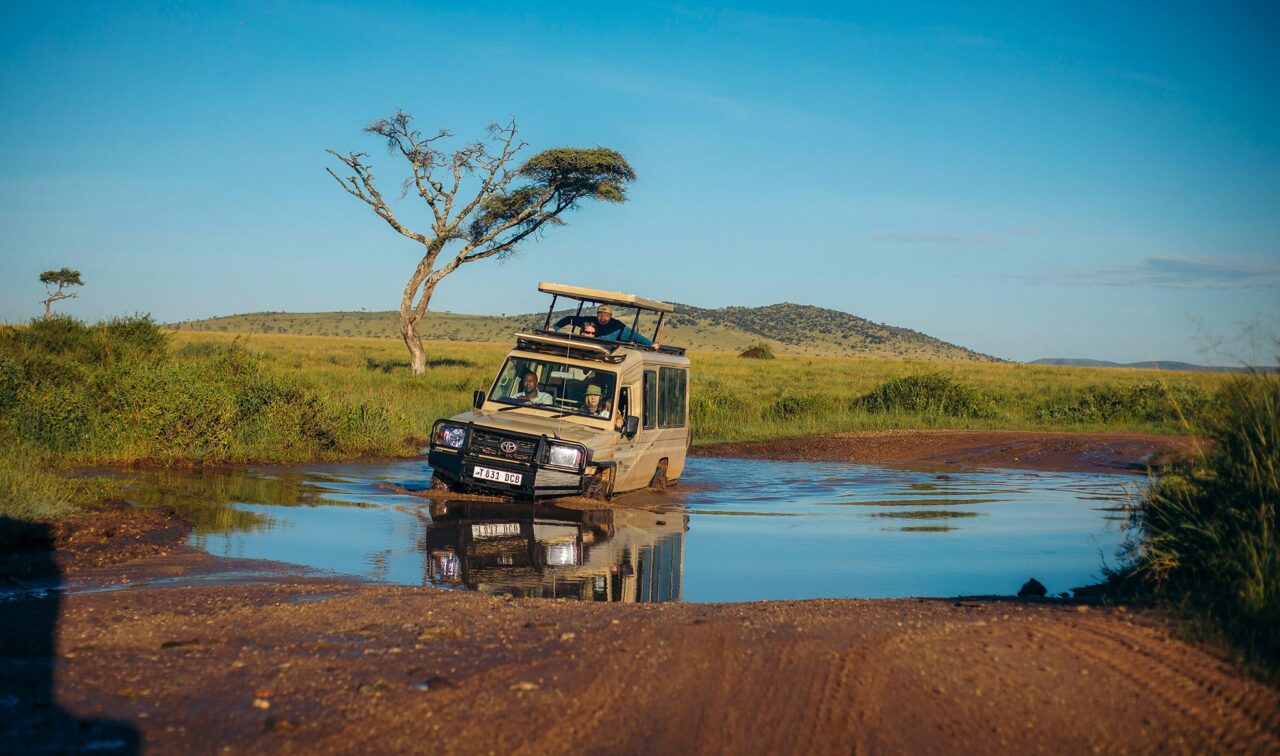

Transport Planning for Tanzania Trips: Your Complete Guide
Planning a trip to Tanzania is an exciting endeavor, promising incredible wildlife encounters, breathtaking landscapes, and vibrant cultural experiences. However, the vastness of the country and its unique infrastructure mean that effective transport planning for Tanzania trips is crucial for a smooth and enjoyable adventure. Whether you’re dreaming of a classic Northern Circuit safari, a challenging Kilimanjaro ascent, or a relaxing beach holiday on Zanzibar, understanding how to get around is fundamental. This guide provides in-depth insights and practical advice to help you navigate Tanzania’s transportation network, ensuring your 2026-2027 journey is memorable for all the right reasons.
From the moment you land at Kilimanjaro International Airport (JRO) or Julius Nyerere International Airport (DAR) to your final departure, every leg of your journey relies on careful transport arrangements. This includes airport transfers, travel between national parks, overland journeys to trekking bases, and inter-island hops. Getting these details right can save you time, money, and stress, allowing you to focus on the wonders of Tanzania.
Quick Facts: Tanzania Transport
| Aspect | Details |
|---|---|
| Primary Airports | Kilimanjaro International Airport (JRO), Julius Nyerere International Airport (DAR), Abeid Amani Karume International Airport (ZNZ) |
| Main Overland Travel | 4×4 Safari Vehicles, Minibuses (Daladala), Private Cars, Buses (for longer distances) |
| Domestic Flights | Extensive network connecting major towns and tourist hubs (e.g., Precision Air, Air Tanzania) |
| Ferry Services | Regular services between mainland Tanzania (Dar es Salaam) and Zanzibar |
| Road Conditions | Vary significantly; major routes are paved, but secondary and park roads can be rough and unpaved |
| Driving | Left-hand side of the road; self-drive is possible but not recommended for most tourists due to road conditions and navigation challenges. |
| Typical Safari Vehicle | Land Cruiser or Land Rover (4×4) with pop-up roof for game viewing |
Understanding Tanzania’s Transport Landscape
Tanzania is a large country, and its geography presents unique challenges and opportunities for travel. The primary tourist hubs are concentrated in the northern circuit (Arusha, Serengeti, Ngorongoro, Tarangire, Manyara) and the southern circuit (Selous, Ruaha), with Zanzibar offering a distinct island experience. The national road network is developing, but many key routes, especially within parks and to remote areas, are unpaved and can be rough. This is why specialized vehicles and experienced drivers are essential for safaris.
Key Transport Modes:
- 4×4 Safari Vehicles: The undisputed king of Tanzanian safaris. These robust vehicles are designed to handle challenging off-road conditions, offering excellent visibility and comfort for game drives. They are typically equipped with pop-up roofs for unobstructed viewing and photography.
- Minibuses (Daladala): The local public transport. These are often crowded, bumpy, and operate on fixed routes within towns and cities. They are a very affordable way to experience local life but are not suitable for inter-city or tourist travel.
- Buses: Connect major towns and cities. Companies like Scandinavia, Royal Coach, and Ubungo Buses offer services between Dar es Salaam, Arusha, Mbeya, and other hubs. These can be a budget-friendly option for long-distance travel but are time-consuming and may not offer the comfort expected by tourists.
- Domestic Flights: Essential for saving time, especially for reaching remote parks or islands. Numerous small airstrips serve popular destinations. This is a more expensive option but significantly reduces travel time.
- Ferries: The primary link between the Tanzanian mainland (Dar es Salaam) and the Zanzibar archipelago. The fast ferry is the most common choice for tourists.
- Private Cars/Taxis: Available in cities and towns. Useful for airport transfers or short local trips. Negotiate fares beforehand.
Why Detailed Transport Planning for Tanzania Trips is Non-Negotiable
Effective transport planning is more than just booking a ride; it’s about optimizing your entire travel experience. Poor planning can lead to:
- Wasted Time: Long, uncomfortable journeys, unexpected delays, and difficulty finding reliable transport can eat into precious holiday hours.
- Increased Costs: Last-minute bookings, inefficient routing, and unexpected charges can inflate your budget.
- Missed Opportunities: Arriving late for a flight, a ferry, or a pre-booked activity can mean missing out entirely.
- Safety Concerns: Using unreliable or unsuitable vehicles, especially on rough roads, can pose safety risks.
- Reduced Enjoyment: Constant travel stress detracts from the joy of exploring Tanzania’s wonders.
Conversely, meticulous planning ensures you:
- Maximize Your Itinerary: Efficient travel means more time for activities and sightseeing.
- Travel Comfortably: Choosing the right vehicles and routes enhances your journey.
- Stay Within Budget: Pre-booked and well-planned transport avoids surprise expenses.
- Experience More: Reliable transport gets you to where you need to be, when you need to be there.
- Travel Safely: Partnering with reputable operators ensures safe vehicles and experienced drivers.
Best Time for Transport Planning: Seasonality in Tanzania
Tanzania experiences distinct seasons that directly impact travel conditions and, consequently, transport planning.
| Season | Months | Transport Considerations |
|---|---|---|
| Dry Season (Peak) | June – October | Best road conditions, ideal for safaris and Kilimanjaro. High demand means booking transport (especially flights and private vehicles) well in advance for 2026-2027. Ferry services to Zanzibar can be choppier due to winds. |
| Short Rains | November – December | Roads can become muddy, especially in parks. Some routes may be temporarily inaccessible. Domestic flights are generally unaffected. Generally good for safaris, but expect occasional showers. |
| Long Rains (Green Season) | March – May | Heavy rainfall can significantly impact road conditions, making some park roads impassable. This is the low season, meaning fewer tourists and potentially lower prices, but transport reliability can be an issue. Kilimanjaro trekking is often discouraged during these months. Flights and ferries are usually fine but subject to weather delays. |
| Short Dry Season / Shoulder | January – February | Generally good weather, ideal for safaris, especially the Great Migration in Serengeti. Good for Kilimanjaro. Roads are usually in good condition. High demand due to holidays, so book transport early. |
For 2026-2027: Plan your transport bookings at least 6-12 months in advance for peak seasons (June-October, January-February) to secure preferred vehicles and flights. For the rainy seasons, flexibility is key, and you may find more availability but should still confirm arrangements closer to the date.
Routes and Logistics: Navigating Key Tanzanian Destinations
Understanding common travel routes is vital for effective transport planning.
Northern Circuit Safaris (Serengeti, Ngorongoro, Tarangire, Lake Manyara)
This is the most popular safari circuit. Most travelers fly into Kilimanjaro International Airport (JRO) near Arusha. Arusha serves as the gateway town.
Typical Route Flow:
- Arrival at JRO > Transfer to Arusha (approx. 1-hour drive).
- Arusha > Tarangire National Park (approx. 2-3 hours drive).
- Tarangire > Ngorongoro Conservation Area (approx. 2-3 hours drive).
- Ngorongoro Crater Tour > Accommodation on crater rim or Karatu.
- Ngorongoro Area > Serengeti National Park (various gates, approx. 3-5 hours drive to central Serengeti).
- Serengeti Exploration > Depending on migration, move between Central, Western, Northern, or Southern Serengeti.
- Serengeti Airstrip > Flight back to JRO or Arusha, or overland back to Arusha.
Transport Used:
- Airport Transfers: Pre-booked private vehicles or lodge shuttles.
- Inter-park Travel: 4×4 safari vehicles are mandatory for park entry and game drives. Most tours include a dedicated vehicle and driver/guide for the entire circuit.
- Flights: Option to fly from Arusha or Seronera Airstrip (Serengeti) back to JRO to save driving time.
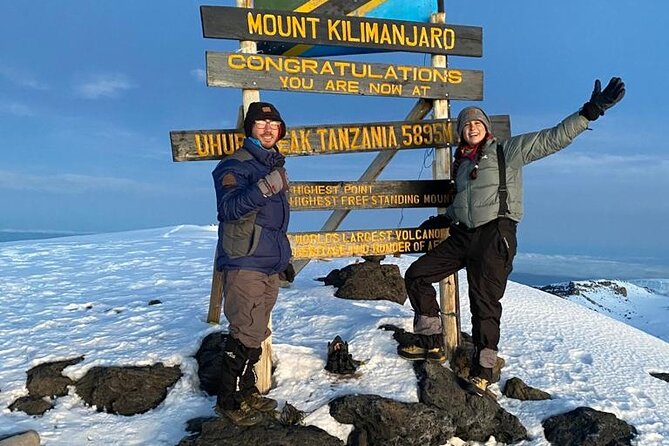
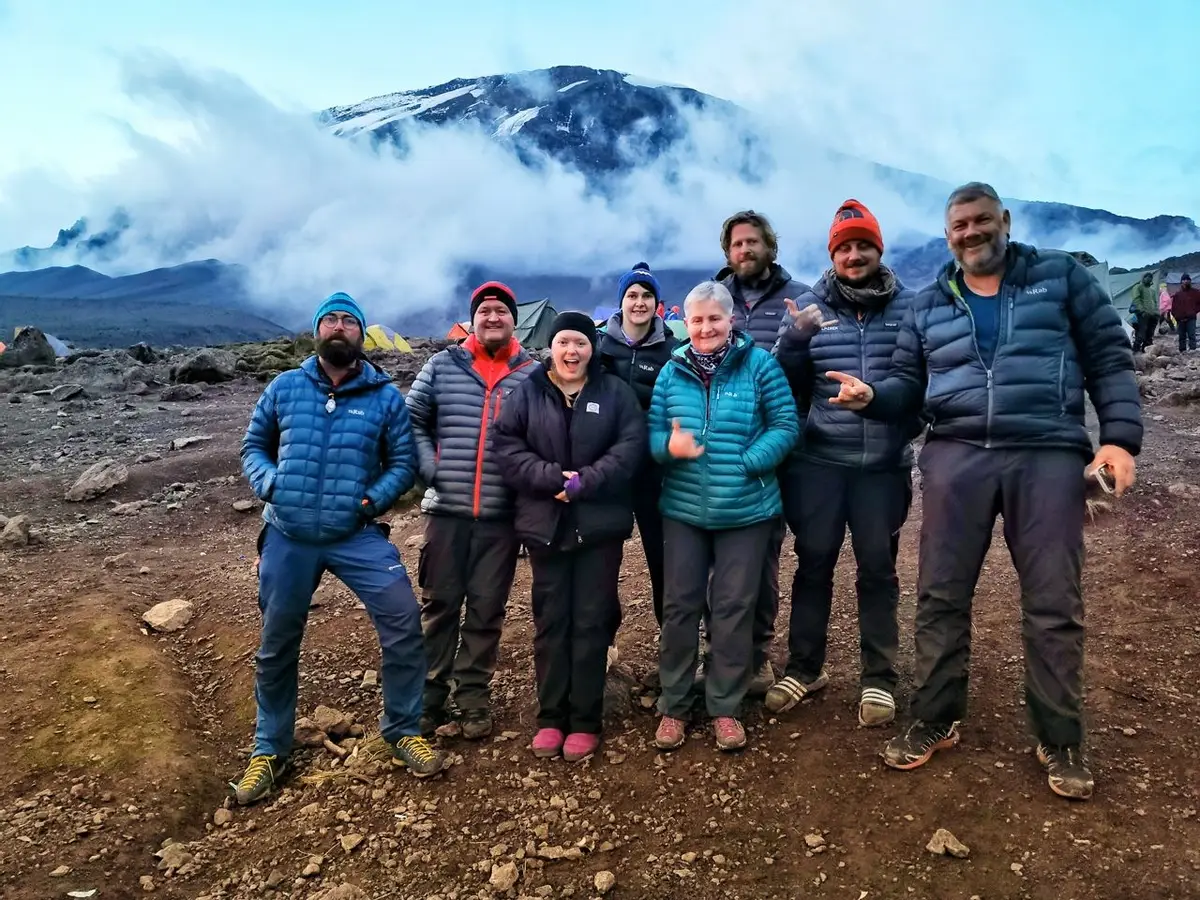
Kilimanjaro Trekking
Trekkers typically fly into Kilimanjaro International Airport (JRO).
Route Flow:
- Arrival at JRO > Transfer to hotel in Moshi or Arusha (approx. 1-1.5 hours).
- Hotel > Drive to one of the Kilimanjaro National Park gates (e.g., Marangu, Machame, Lemosho) – travel time varies (1-3 hours depending on gate and starting point).
- Trek > Multi-day ascent and descent.
- Park Gate > Transfer back to hotel in Moshi/Arusha.
Transport Used:
- Airport Transfers: Pre-booked vehicles are highly recommended.
- To/From Gate: Usually arranged by the trekking company, using sturdy vehicles suitable for rough access roads.
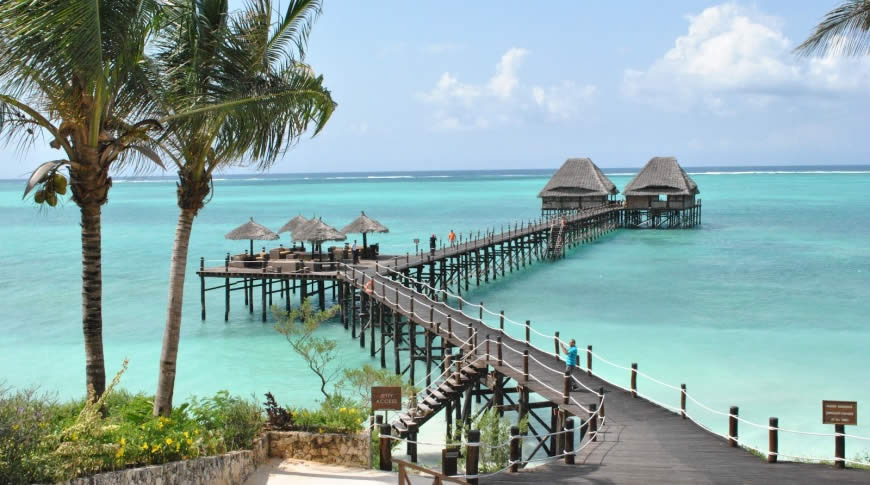
Zanzibar Holidays
Most visitors arrive via Abeid Amani Karume International Airport (ZNZ) or by fast ferry from Dar es Salaam.
Route Flow:
- Arrival at ZNZ / Ferry Terminal > Transfer to accommodation (Stone Town, Nungwi, Kendwa, Paje, etc.).
- Inter-hotel Transfers > If moving between different parts of the island.
- Day Trips > Transport to Spice Farms, Jozani Forest, Prison Island, Mnemba Atoll (boat trips), etc.
- Departure > Transfer back to ZNZ or ferry terminal.
Transport Used:
- Airport/Ferry Transfers: Taxis or pre-arranged hotel/tour operator transfers.
- Island Travel: Private taxis are common. For budget travelers, ‘dala dala’ offer a local experience but are slow and crowded. Rental cars are available but driving can be challenging.
- Boat Transfers: For excursions to nearby islands like Prison Island or Mnemba Atoll.
Southern Circuit Safaris (Selous/Nyerere National Park, Ruaha National Park)
These parks are more remote and less visited than the northern circuit. Most visitors fly into Dar es Salaam (DAR).
Route Flow:
- Arrival at DAR > Transfer to hotel in Dar es Salaam.
- Dar es Salaam > Fly to airstrip in Selous/Nyerere or Ruaha (highly recommended).
- Airstrip > Transfer to lodge (often included).
- Park Exploration > Game drives, boat safaris (Selous/Nyerere).
- Airstrip > Fly back to DAR.
Alternative Overland:
- Dar es Salaam > Long bus journey (overnight) or private transfer to towns near the parks (e.g., Ifakara for Selous/Nyerere), followed by local transport. This is very time-consuming and not recommended for most tourists.
Transport Used:
- Airport Transfers: Taxis or pre-booked vehicles.
- Inter-park Travel: Domestic flights are the most practical and efficient method.
- Park Transport: 4×4 safari vehicles, boats (in Selous/Nyerere). Lodges usually provide these.
Choosing the Right Vehicle for Your Tanzania Trip
The type of vehicle you use will significantly impact your comfort, safety, and experience.
Safari Vehicles
For Northern and Southern Circuit safaris, a 4×4 safari vehicle is standard. Top operators use:
- Land Cruisers: Known for their durability, comfort, and spaciousness. Ideal for longer drives and rough terrain. They typically seat 5-7 passengers comfortably, allowing everyone a window seat.
- Land Rovers: Also very capable off-road vehicles. Slightly less spacious than Land Cruisers but still well-suited for safaris.
Key Features:
- Pop-up Roof: Essential for game viewing and photography. Allows you to stand up and get unobstructed views.
- Comfortable Seating: Padded seats, ample legroom.
- Suspension: Designed to handle bumpy tracks.
- Cooler Box: Usually provided for drinks and snacks.
- Power Outlets: Some vehicles have USB ports for charging devices.
- Experienced Driver-Guide: Crucial for navigation, wildlife spotting, and providing insights.
Kilimanjaro Transport
Vehicles used for Kilimanjaro treks are typically sturdy 4x4s or minibuses capable of reaching the park gates. These are generally used for transfers from the airport to the starting point and back.
Zanzibar Transport
For Zanzibar, you have more options:
- Taxis: Readily available for airport transfers and inter-resort travel. Agree on the price before starting your journey.
- Private Car Hire: Allows more freedom to explore at your own pace. Ensure the car is in good condition and you are comfortable with driving on the left.
- Daladala: The local minibuses. Very cheap but slow, crowded, and not for the faint-hearted. An authentic cultural experience, but not practical for most tourists wanting to cover distances.
- Scooter/Motorbike Hire: Popular for short distances, especially in beach areas. Requires caution due to road conditions and local driving habits.
Booking Your Transport: Key Considerations
When booking transport, especially for safaris and Kilimanjaro, it’s almost always best to book through a reputable tour operator. This integrates transport seamlessly into your overall trip.
Tour Operators (Recommended for Safaris & Kilimanjaro)
Reputable tour operators handle all aspects of your transport, including:
- Airport pick-ups and drop-offs.
- 4×4 safari vehicle hire with a professional driver-guide for the duration of your safari.
- Transfers to Kilimanjaro park gates.
- Arranging domestic flights if part of your itinerary.
Benefits:
- Reliability: They work with trusted partners and vehicles.
- Expertise: They know the best routes, timings, and vehicle types.
- Convenience: All logistics are managed for you.
- Safety: They ensure vehicles are well-maintained and drivers are experienced.
Independent Bookings (Mostly for Zanzibar & City Travel)
For travel within Zanzibar or between towns on the mainland where you are not on a guided tour, you might book independently.
- Flights: Book directly with airlines like Air Tanzania, Precision Air, or through online travel agencies.
- Ferries: Purchase tickets at the ferry terminal in Dar es Salaam or Zanzibar. Book in advance during peak times.
- Taxis: Hail them on the street or book through hotels. Always confirm the price.
- Car Hire: Through local rental agencies or international providers (less common).
Cost Notes for Transport
Transport costs can vary significantly based on the mode, distance, and booking method.
- 4×4 Safari Vehicle Hire: This is a significant portion of a safari package cost. A typical daily rate for a vehicle, driver-guide, fuel, and park entry fees (for the vehicle) can range from $250-$400+ per day, depending on the operator and vehicle type. This cost is usually shared among passengers.
- Domestic Flights: Prices vary greatly by route and airline. A flight from Arusha to Serengeti might cost $250-$400 per person one-way. Flights to Zanzibar from Dar es Salaam are usually $70-$120.
- Airport Transfers: From JRO to Arusha, expect $30-$50. From DAR to city center, $20-$40. From ZNZ airport to Stone Town, $10-$20.
- Mainland Buses: Long-distance bus tickets can range from $15-$40 for journeys of 6-10 hours.
- Zanzibar Taxis: A transfer from Stone Town to Nungwi might cost $40-$60.
- Zanzibar Ferries: Fast ferry tickets between Dar and Zanzibar are typically $35-$45 one-way.
For 2026-2027: These are approximate figures. Always get detailed quotes from your tour operator for integrated packages. For independent bookings, research current prices closer to your travel date.
Transport Planning Checklist
Use this checklist to ensure you haven’t missed any crucial transport details for your Tanzania trip.
| Item | Status (Y/N) | Notes |
|---|---|---|
| International Flights booked (arrival/departure airports confirmed) | JRO for Northern Circuit/Kilimanjaro, DAR for Southern Circuit, ZNZ for Zanzibar. | |
| Airport transfers (arrival & departure) arranged | Confirm with hotel or tour operator. | |
| Safari vehicle booked (if applicable) | Ensure it’s a 4×4, includes driver-guide, fuel. | |
| Inter-park/city travel booked (if not on safari) | Domestic flights, buses, private transfers. | |
| Kilimanjaro gate transfers booked (if applicable) | Confirm with trekking company. | |
| Zanzibar inter-island/mainland ferry booked (if applicable) | Check schedules, book in advance for peak season. | |
| Internal Zanzibar transport planned (taxis, car hire) | Research costs, agree on fares. | |
| Emergency contact details for transport providers | Keep handy. | |
| Travel insurance covering transport disruptions | Check policy details. | |
| Luggage restrictions checked (especially for flights) | Small planes often have strict weight limits. |
Common Mistakes to Avoid in Transport Planning
Even with good intentions, transport planning can go awry. Here are common pitfalls to sidestep:
- Underestimating Travel Times: Tanzania’s roads can be slow. A 200km drive might take 4-6 hours. Always factor in buffer time.
- Assuming Public Transport is Easy: While cheap, ‘dala dala’ and long-distance buses are not designed for tourist comfort or efficiency. They can be stressful and time-consuming.
- Not Booking in Advance (Peak Season): For safaris and Kilimanjaro, especially in 2026-2027, popular vehicles and guides get booked up months ahead.
- Ignoring Road Conditions: Relying on standard vehicles for off-road travel or park access is a recipe for disaster.
- Not Confirming Luggage Limits: Small bush planes have strict weight limits (often 15-20kg total). Exceeding this can lead to costly re-routing or leaving items behind.
- Relying Solely on GPS/Google Maps: While useful, road networks can change, and many tracks are not well-mapped or are seasonal. A local guide’s knowledge is invaluable.
- Not Negotiating Taxi Fares: Always agree on a price before starting a taxi journey in towns and cities.
- Booking with Unverified Operators: Especially for safaris, using an unlicensed or unreliable operator can lead to poor vehicles, inexperienced guides, and safety issues.
Who is This Transport Planning For?
Effective transport planning is essential for all types of travelers to Tanzania:
- First-Time Visitors: Essential for understanding the logistics of getting around a new country.
- Safari Enthusiasts: Crucial for maximizing wildlife viewing opportunities and comfort within parks.
- Kilimanjaro Trekkers: Necessary for safe and timely transfers to and from the mountain.
- Zanzibar Holidaymakers: Important for navigating the island and accessing different beaches and attractions.
- Budget Travelers: Understanding local transport options can save money, but requires careful research and flexibility.
- Luxury Travelers: Ensures high standards of comfort, efficiency, and exclusive access.
- Families: Planning for child safety and comfort during journeys is paramount.
- Solo Travelers: Important for ensuring safety and efficient movement.
Alternatives to Standard Transport
While the modes mentioned cover the basics, consider these alternatives:
- Private Charter Flights: For ultimate speed and exclusivity, especially between remote lodges or parks. Very expensive.
- Motorbike Tours: For specific adventure-focused trips exploring certain regions, though not suitable for general safari or Kilimanjaro transport.
- Walking Safaris: In specific areas (e.g., around Arusha, parts of Selous/Nyerere), guided walking safaris offer a different perspective but require dedicated transport to reach starting points.
Planning Your Transport for 2026-2027 Tanzania Trips
As you look ahead to your 2026-2027 adventure, here are some forward-looking transport planning tips:
- Book Early for Peak Seasons: June-October 2026/2027 and January-February 2027/2027 are prime times. Secure your safari vehicle, Kilimanjaro guide, and accommodation well in advance. Domestic flights, especially those serving popular safari routes, also fill up quickly.
- Consider a Mix of Transport: Don’t be afraid to combine modes. For example, fly into the Serengeti to save days of driving, then use your 4×4 for game drives. Fly from Dar es Salaam to Zanzibar instead of taking the ferry if time is short.
- Factor in Buffer Days: Especially if using overland transport or connecting flights. Delays can happen due to weather or mechanical issues.
- Choose Reputable Operators: For safaris and Kilimanjaro, this is non-negotiable. They vet their drivers and vehicles rigorously. For 2026-2027, research operators’ track records and reviews.
- Understand Vehicle Capacity: When booking a safari, ensure the vehicle can comfortably accommodate your group size. A vehicle meant for 7 people might be too cramped for 7 adults on a long safari.
- Pack Appropriately for Flights: Soft-sided luggage is often preferred for small aircraft. Check weight restrictions meticulously.
- Stay Informed on Road Developments: While major infrastructure projects are ongoing, road conditions can change. Your tour operator will have the latest information.
Booking Advice: Securing Your Tanzania Transport
Your transport arrangements are a critical part of your Tanzania trip. Here’s how to book them effectively:
For Safaris & Kilimanjaro Treks:
The most effective way to handle transport for these activities is to book a comprehensive package with a reputable Tanzanian tour operator. This ensures all your ground transport, park transfers, and potentially domestic flights are coordinated. Look for operators who:
- Have a strong online presence and positive reviews.
- Clearly detail their vehicle types and inclusions in their quotes.
- Offer personalized itineraries.
- Are responsive to your inquiries.
Get multiple quotes and compare what is included. Don’t just focus on the price; consider the quality of the vehicle, the experience of the driver-guide, and the operator’s reputation.
Contact Us: For tailored safari and Kilimanjaro transport arrangements, contact Top Guide Adventures. We can help plan your entire journey, ensuring reliable and comfortable transport. Reach us via WhatsApp at +255616946642 or email at topguideadventures@gmail.com / info@topguideadventures.com.
For Zanzibar & Independent Travel:
- Flights: Book through airline websites or reputable online travel agencies (e.g., Skyscanner, Kayak).
- Ferries: Purchase tickets directly at the ferry terminal on the day of travel or a day before, especially for fast ferries. Be aware of unofficial vendors selling tickets.
- Taxis: Arrange through your hotel for reliability, or negotiate firmly with street taxis.
- Car Hire: Book in advance if you need a specific type of vehicle, especially during peak seasons. Check insurance coverage carefully.
Frequently Asked Questions (FAQs) about Tanzania Transport
Q1: Is it safe to drive in Tanzania?
For tourists, self-driving outside of major towns is generally not recommended. Roads can be in poor condition, navigation can be challenging, and local driving practices differ. It’s safer and more practical to use experienced local drivers, especially for safaris and inter-city travel. For Zanzibar, driving is more manageable but still requires caution.
Q2: What is the best way to travel between Northern Circuit parks?
The most common and recommended method is to use a 4×4 safari vehicle with a professional driver-guide for the entire circuit. This ensures you have the right vehicle for park roads and can focus on game viewing. Flying between parks is an option to save time but is more expensive.
Q3: How do I get from Kilimanjaro Airport (JRO) to Arusha/Moshi?
Pre-booked transfers through your tour operator or hotel are the most convenient and safest options. Taxis are available at the airport, but agree on the fare beforehand. The journey takes about 1 to 1.5 hours.
Q4: Can I rely on public buses for long distances?
While public buses connect major towns and are very affordable, they are slow, often crowded, and can be uncomfortable for long journeys. They are best suited for budget travelers with ample time and flexibility. For most tourists, especially on a limited schedule, domestic flights or private transfers are a better choice.
Q5: What are the luggage restrictions for domestic flights in Tanzania?
Small aircraft used for domestic flights typically have strict weight limitations, usually around 15-20 kg (33-44 lbs) of checked luggage plus a small carry-on. Soft-sided duffel bags are often preferred over hard suitcases. Always confirm the exact restrictions with your airline or tour operator.
Q6: How do I book the fast ferry to Zanzibar?
You can purchase tickets directly at the ferry terminal in Dar es Salaam (Ubungo Ferry Terminal) or Zanzibar (Malindi Ferry Terminal). It’s advisable to buy tickets at least a day in advance, especially during peak travel times for 2026-2027, to secure your preferred seat and avoid long queues.
Q7: Are there ATMs and credit card facilities for transport payments?
ATMs are available in major towns and cities for withdrawing Tanzanian Shillings. Credit card facilities are less common for local transport like taxis or ‘dala dala’. For independent bookings like flights or car hire, credit cards are usually accepted. Tour operators typically require bank transfers or specific payment methods.
Q8: What is the best way to get around Zanzibar island?
For convenience and flexibility, hiring a private taxi for day trips or longer transfers is popular. Rental cars are also available, but driving requires caution. For shorter distances within beach towns, scooters are an option. ‘Daladala’ offer a cheap, local experience but are slow and crowded.
Q9: How much should I budget for transport on a Tanzania trip?
This varies greatly. A safari package will include most transport costs. For independent travel, budget for airport transfers ($30-$50), domestic flights ($250-$400 one-way), inter-city buses ($15-$40), and Zanzibar taxis ($40-$60 for longer trips). Always get detailed quotes for any integrated transport services.
Q10: What happens if my transport is delayed or cancelled?
While rare with reputable operators, delays can occur due to weather or mechanical issues. Having travel insurance that covers such disruptions is wise. Reputable tour operators will work to re-arrange your transport or accommodation. For independent bookings, you may need to make alternative arrangements yourself.
Finalizing Your Transport Plan for an Unforgettable Tanzania Trip
Effective transport planning is a cornerstone of any successful Tanzania trip, whether you’re heading for the plains of the Serengeti, the summit of Kilimanjaro, or the beaches of Zanzibar. By understanding the options, considering the seasons, and avoiding common mistakes, you can ensure your journeys are as comfortable and memorable as the destinations themselves. For 2026-2027 travel, early planning and booking with trusted partners will be key to securing the best experiences.
Ready to plan your adventure? Let Top Guide Adventures take the stress out of your transport arrangements. We specialize in creating seamless travel experiences across Tanzania. Contact us today to discuss your safari, Kilimanjaro trek, or Zanzibar holiday and get a personalized quote. We are here to ensure your transport planning for Tanzania trips is handled with expert care.
WhatsApp: +255616946642
Email: topguideadventures@gmail.com
Backup Email: info@topguideadventures.com
Plan your Transport Planning for Tanzania Trips with Top Guide Adventures
Tell us your travel dates, group size, comfort level, and dream experience. We will help you shape a clear, realistic, and memorable Tanzania itinerary.

 Veedesigner
 Fatma Kizanga
 Benjamin Waryuba
 Philip Philip
 John jr Itaja
 Antonia Optatus
 Edith Kanyere
 Neema Iddy
 Kelvin Boniphace
 Damari Maiga



