
Updated planning guide for 2026-2027
Dar Es Salaam To Mikumi Safari Guide: Best Safari Guide
Planning a safari from Dar es Salaam to Mikumi National Park? This guide covers everything you need to know, from routes and wildlife viewing to essential packing tips and booking advice for your 2026-2027 adventure.
WhatsApp +255616946642 | topguideadventures@gmail.com | info@topguideadventures.com
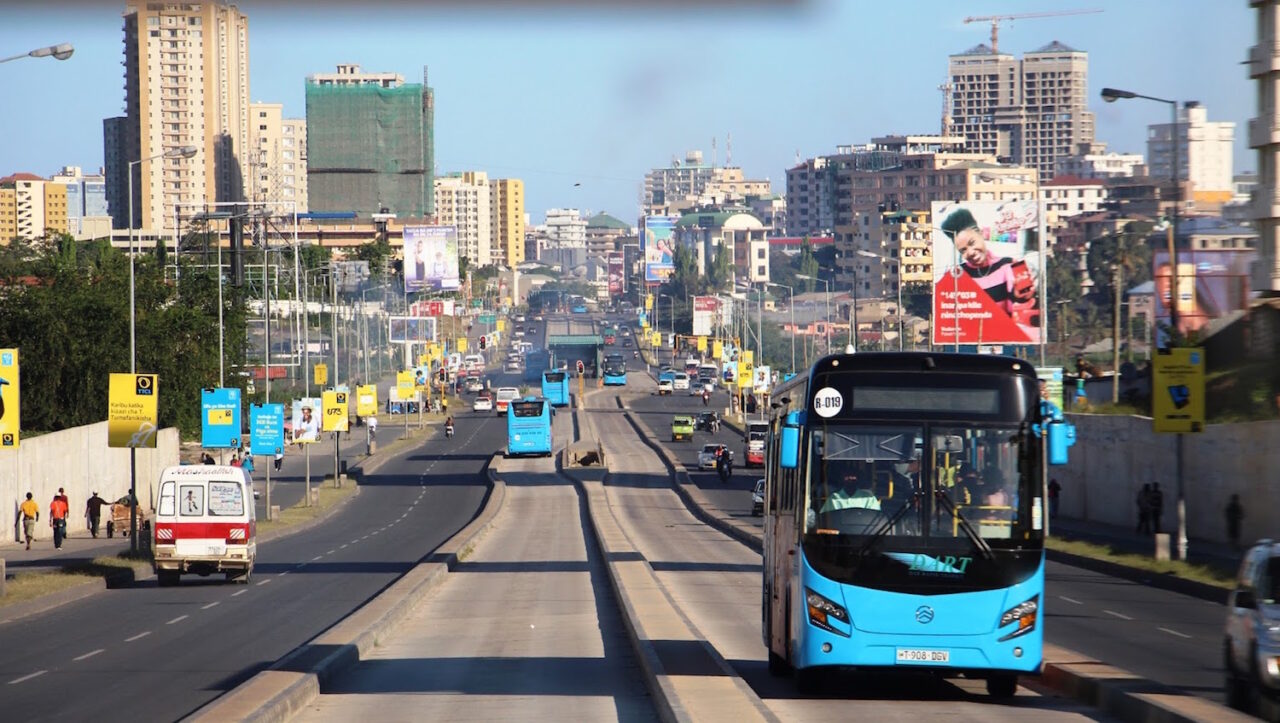

Dar es Salaam to Mikumi Safari Guide: Your Essential Planning Resource
A safari adventure from Dar es Salaam to Mikumi National Park offers an accessible yet authentic wildlife experience. Often referred to as “Little Serengeti” due to its resemblance to the more famous northern parks, Mikumi provides excellent game viewing opportunities without the extensive travel time or cost associated with longer northern circuit safaris. This guide is designed to be your complete resource for planning a memorable trip, covering everything from the best routes and what to expect in terms of wildlife, to practical advice on packing, budgeting, and booking your safari for 2026 and 2027.
Table of Contents
- Quick Facts: Dar es Salaam to Mikumi Safari
- Mikumi National Park: An Accessible Wildlife Haven
- Why Choose Mikumi from Dar es Salaam?
- Best Time for a Dar es Salaam to Mikumi Safari
- Route and Area Overview
- Sample Itinerary: 3-Day Mikumi Safari from Dar es Salaam
- What to Expect on Your Mikumi Safari
- What’s Included & What to Pack
- Common Mistakes to Avoid
- Who is a Mikumi Safari Best Suited For?
- Alternatives to Mikumi from Dar es Salaam
- Planning Your Safari for 2026-2027
- Booking Your Dar es Salaam to Mikumi Safari
- Frequently Asked Questions
Quick Facts: Dar es Salaam to Mikumi Safari
| Detail | Information |
|---|---|
| Starting Point | Dar es Salaam, Tanzania |
| Destination | Mikumi National Park |
| Distance from Dar es Salaam | Approximately 280-300 km (175-185 miles) |
| Travel Time from Dar es Salaam | 4-6 hours (depending on road conditions and vehicle) |
| Park Entrance Fee (per person, per day) | Varies, typically around $30 USD (subject to change) |
| Vehicle Fee (per vehicle, per day) | Varies, typically around $30-50 USD (subject to change) |
| Accommodation Types | Lodges, tented camps, budget guesthouses |
| Key Wildlife | Elephants, lions, zebras, giraffes, wildebeest, buffalo, hippos, diverse birdlife |
| Activities | Game drives (day & night), bird watching, nature walks (with ranger) |
Mikumi National Park: An Accessible Wildlife Haven
Mikumi National Park is Tanzania’s fourth-largest national park and is situated in the south-central part of the country, bordering the Selous Game Reserve (now Nyerere National Park). Its strategic location makes it an ideal safari destination for those starting from the bustling coastal city of Dar es Salaam. The park is characterized by a vast, open savanna landscape dotted with acacia trees, miombo woodland, and the impressive Mkata floodplains. The presence of the Uluguru Mountains in the background adds to the scenic beauty.
What sets Mikumi apart for many travelers is its accessibility. Unlike the more remote northern circuit parks which require flights or long drives, Mikumi is reachable by road within a comfortable travel day from Dar es Salaam. This makes it a perfect choice for shorter safaris, day trips (though not recommended for a true safari experience), or as part of a larger itinerary that includes destinations like Ruaha National Park or the coast.
Why Choose Mikumi from Dar es Salaam?
For many visitors arriving in Tanzania via Dar es Salaam, the desire to see wildlife is immediate. The convenience of reaching Mikumi makes it a compelling option:
- Proximity: It’s the closest major national park to Dar es Salaam, significantly reducing travel time and cost compared to flying to the northern parks or driving to more distant southern reserves.
- Diverse Wildlife: Despite its size, Mikumi boasts a remarkable variety of wildlife. The open plains are ideal for spotting large herds of zebras, wildebeest, impalas, and giraffes. Elephants are common, and lions, leopards, and wild dogs are present, though often more elusive. The hippo pools are a highlight, offering close-up views of these formidable creatures.
- Excellent Game Viewing: The park’s relatively open terrain, especially the Mkata Floodplain, allows for excellent visibility of animals. Game drives here are highly rewarding.
- Cost-Effective: Shorter travel distances and the potential for shorter safari durations generally make a Mikumi safari more budget-friendly than longer itineraries in other parts of Tanzania.
- Variety of Habitats: Mikumi encompasses grassland, woodland, and riverine forests, supporting a wide range of animal and bird species.
- Less Crowded: While popular, Mikumi typically experiences fewer crowds than some of the more famous northern circuit parks, offering a more intimate wildlife experience.
Best Time for a Dar es Salaam to Mikumi Safari
Mikumi National Park can be visited year-round, but certain periods offer distinct advantages for wildlife viewing and overall experience. Understanding the seasons will help you plan your 2026-2027 safari.
Dry Season (June to October)
- Pros: This is generally considered the peak safari season. Wildlife tends to congregate around water sources, making animals easier to spot. Vegetation is less dense, improving visibility. The weather is typically sunny and pleasant, with lower humidity.
- Cons: It’s the busiest time, so parks can be more crowded, and accommodation might be more expensive. Dust can be an issue.
Wet Season (November to May)
- Pros: This is the green season. The landscape is lush and beautiful. Birdlife is at its most vibrant, especially with migratory birds arriving. Prices for accommodation and tours may be lower. It’s a great time for photographers to capture dramatic skies and landscapes. The period from January to February often sees a brief dry spell.
- Cons: Heavy rains can occur, making some roads within the park difficult to navigate and potentially disrupting game drives. Wildlife may be more dispersed as water is abundant. Visibility can be reduced due to thicker vegetation.
Specific Considerations for 2026-2027:
When planning for 2026 or 2027, consider your priorities. If seeing large concentrations of animals is key, aim for the dry months of June through October. If you prefer a greener landscape, fewer crowds, and excellent birdwatching, the wet season (especially November to December, and March to May) can be rewarding. The shoulder months of May and November often provide a good balance of decent weather and fewer crowds.
Route and Area Overview
The journey from Dar es Salaam to Mikumi National Park primarily follows the main road heading south-west. While a visual map isn’t possible in this format, here’s a conceptual overview of the route and the park’s layout.
The Road Journey:
- Departure from Dar es Salaam: You’ll typically depart from your accommodation in Dar es Salaam.
- A7 Highway: The main route is the A7 highway (also known as the Morogoro Road initially, then transitioning). This is a paved, albeit sometimes busy and potholed, road.
- Key Towns Passed: You’ll pass through towns like Kibaha and Morogoro. The drive offers a glimpse into Tanzanian rural life, with bustling roadside markets and villages.
- Turn-off to Mikumi: The park entrance is located directly off the A7 highway. There isn’t a significant detour once you reach the vicinity of the park.
- Travel Time: Expect the journey to take between 4 to 6 hours, depending on traffic leaving Dar es Salaam, road conditions, and stops made.
Mikumi National Park Layout:
- North of the Highway: The main tourist areas and the most popular game viewing circuits are located north of the A7 highway. This section includes the Mkata Floodplain, which is the heart of the park for game drives.
- South of the Highway: A smaller section of the park lies south of the highway, less frequently visited but still offering wildlife viewing opportunities.
- Main Gates: The main park gate is conveniently located right off the highway, making access straightforward.
- Accommodation Areas: Lodges and camps are situated both inside and just outside the park boundaries, with many offering easy access to the main game drive areas.
Sample Itinerary: 3-Day Mikumi Safari from Dar es Salaam
This is a popular and well-rounded itinerary for experiencing Mikumi National Park. It balances travel time with sufficient game viewing. This can be customized for your 2026-2027 trip.
| Day | Morning | Afternoon | Evening |
|---|---|---|---|
| Day 1: Dar es Salaam to Mikumi | After breakfast, meet your guide and depart from Dar es Salaam. Enjoy the scenic drive (approx. 4-6 hours) through rural Tanzania. Stop for lunch en route or upon arrival. | Check into your lodge or camp. After a short rest, head out for your first afternoon game drive. Explore the Mkata Floodplain, looking for elephants, zebras, giraffes, and various antelopes. | Return to your lodge for dinner. Relax and listen to the sounds of the bush. |
| Day 2: Full Day Game Drives | Early morning game drive. This is often the best time to spot predators like lions and leopards, which are more active at dawn. Also, enjoy the cooler temperatures and beautiful light. | Return to the lodge for breakfast and some relaxation during the hottest part of the day. After lunch, head out for another extensive game drive, exploring different areas of the park. Visit the hippo pools and look for buffalo and diverse birdlife. | Dinner at the lodge. Optional night game drive can be arranged (additional cost, subject to park regulations and lodge availability). |
| Day 3: Mikumi to Dar es Salaam | Optional early morning game drive for a final chance to see wildlife. Return to the lodge for breakfast. | After breakfast, check out from your lodge and begin the drive back to Dar es Salaam (approx. 4-6 hours). You can stop for lunch en route. | Arrive back in Dar es Salaam in the late afternoon/early evening. Transfer to your hotel or the airport for your onward journey. |
Variations: This can be extended to 4 or 5 days for more in-depth exploration, or combined with a visit to Udzungwa Mountains National Park for hiking and waterfall adventures.
What to Expect on Your Mikumi Safari
A safari to Mikumi from Dar es Salaam offers a distinct experience from the more famous northern circuit parks. Here’s what you can generally expect:
Wildlife Sightings:
- Abundant Herbivores: Expect to see large herds of zebras, wildebeest, impalas, buffalo, and giraffes, particularly on the Mkata Floodplain.
- Elephants: Mikumi is known for its significant elephant population. They are frequently encountered, often in large family groups.
- Predators: Lions are relatively common and often seen resting in the shade or on termite mounds. Leopards are present but much more elusive. Wild dogs are also found in the park but are rare sightings. Cheetahs are rarely seen.
- Other Mammals: You might also spot hippos in the designated pools, baboons, vervet monkeys, warthogs, and various smaller antelope species.
- Birdlife: Mikumi is a paradise for birdwatchers, with over 400 species recorded. Look out for secretary birds, guinea fowl, lilac-breasted rollers, hornbills, and many more.
Game Drives:
- Vehicle Type: Safaris are conducted in sturdy 4×4 safari vehicles, typically with pop-up roofs for optimal game viewing and photography.
- Duration: Game drives usually last 2-3 hours in the morning and 2-3 hours in the afternoon. Early morning and late afternoon are the best times for wildlife activity.
- Road Conditions: The main tracks within the park are generally well-maintained, especially around the Mkata Floodplain. However, during the wet season, some secondary tracks can become challenging.
- Guides: Experienced local guides are essential. They possess an intimate knowledge of the park, animal behavior, and the best spots for sightings.
Accommodation:
- Variety: Options range from comfortable mid-range lodges and tented camps (some inside the park, others just outside) to more basic guesthouses. Luxury options are fewer compared to other parks.
- Amenities: Lodges typically offer en-suite bathrooms, comfortable beds, and dining facilities. Some may have swimming pools. Power can sometimes be generator-dependent.
Park Environment:
- Landscape: Expect open savannas, miombo woodlands, and riverine forests. The Mkata Floodplain is a vast, grassy plain.
- Climate: It can be hot and humid, especially during the wet season. The dry season offers more pleasant temperatures.
What’s Included & What to Pack
Understanding what your safari package typically includes and what you need to bring yourself is crucial for a smooth trip.
Typical Safari Inclusions:
Most reputable tour operators will include the following in a Mikumi safari package:
- Transportation: 4×4 safari vehicle with a professional driver/guide.
- Park Fees: Entrance fees for Mikumi National Park.
- Accommodation: Lodging as per your chosen itinerary (e.g., 2 nights at a lodge/camp).
- Meals: Full board during the safari (breakfast, lunch, dinner). Water is usually provided in the vehicle.
- Activities: Scheduled game drives.
- Transfers: Pick-up and drop-off in Dar es Salaam.
What’s Usually NOT Included:
- Flights: International flights to/from Tanzania and domestic flights if applicable.
- Visa Fees: Tanzania visa costs.
- Tips: Gratuities for your guide and lodge staff.
- Drinks: Alcoholic beverages, sodas, and extra bottled water beyond what’s provided.
- Personal Expenses: Souvenirs, laundry, travel insurance.
- Optional Activities: Such as night game drives or guided walks (if not standard).
What to Pack for Your Mikumi Safari:
Pack light, comfortable, and practical items. Neutral colors are best to avoid startling wildlife.
| Category | Items |
|---|---|
| Clothing |
|
| Footwear |
|
| Accessories |
|
| Health & Hygiene |
|
| Documents & Money |
|
| Electronics |
|
| Optional Items |
|
Common Mistakes to Avoid
Planning a safari involves many details, and overlooking a few can impact your experience. Here are common mistakes to avoid when planning a Dar es Salaam to Mikumi safari for 2026 or 2027:
- Underestimating Travel Time: While Mikumi is close, the 4-6 hour drive can be tiring. Don’t plan to arrive and immediately go on a game drive unless your tour operator specifically arranges this and you’re prepared.
- Booking a Day Trip: A day trip from Dar es Salaam to Mikumi is possible but rushed. You’ll spend most of the day driving and have very limited time for game viewing. A minimum of 2 nights is recommended for a proper safari experience.
- Not Packing Appropriately: Forgetting essentials like insect repellent, sunscreen, a hat, or appropriate clothing can make your trip uncomfortable. Neutral colors are key.
- Overpacking: Luggage space in safari vehicles is limited. Pack light and efficiently. Soft-sided duffel bags are often preferred over hard suitcases.
- Ignoring Malaria Precautions: Mikumi is a malaria-endemic area. Consult your doctor about preventative medication well before your trip and use repellent diligently.
- Expecting Zoo-like Sightings: While Mikumi offers good game viewing, wildlife is wild. Sightings are not guaranteed, and predators can be elusive. Patience and a good guide are crucial.
- Choosing the Cheapest Operator Blindly: The lowest price doesn’t always mean the best value. Ensure your operator is reputable, experienced, and prioritizes safety and quality guides and vehicles.
- Not Discussing Dietary Needs: If you have specific dietary requirements (vegetarian, vegan, allergies), inform your tour operator well in advance.
- Forgetting Binoculars: While not essential, binoculars significantly enhance your wildlife viewing experience, allowing you to observe animals from a distance without disturbing them.
- Not Budgeting for Tips: Tipping is customary for guides and lodge staff. Factor this into your overall budget.
Who is a Mikumi Safari Best Suited For?
A Dar es Salaam to Mikumi safari is an excellent choice for several types of travelers:
- First-Time Safari Goers: For those new to African safaris, Mikumi provides an accessible and rewarding introduction to wildlife viewing without the logistical complexities or higher costs of longer safaris.
- Budget-Conscious Travelers: Compared to the northern circuit, Mikumi safaris are generally more affordable due to shorter travel distances and the option for simpler accommodations.
- Travelers with Limited Time: If you only have a few days in Tanzania or want to add a short safari experience to a coastal holiday, Mikumi is ideal. A 3-day safari is a popular option.
- Families with Children: The relatively short travel times and the abundance of visible wildlife make Mikumi a good option for families. Ensure your chosen operator can cater to children’s needs.
- Photographers Looking for Accessibility: The open plains offer good photographic opportunities, and the ease of access from Dar es Salaam makes it convenient for photographers who may not want to undertake extensive travel.
- Those Combining with Other Destinations: Mikumi can be easily integrated into itineraries that include Zanzibar, the coast, or even other southern parks like Ruaha (though this requires more time).
Alternatives to Mikumi from Dar es Salaam
While Mikumi is a fantastic option, other safari destinations are accessible from Dar es Salaam, each offering a different experience. When planning for 2026-2027, consider these alternatives:
1. Selous Game Reserve (Nyerere National Park)
- Distance from Dar: Approximately 4-5 hours drive.
- Key Differences: Larger than Mikumi, offering a more wild and remote feel. Famous for its boat safaris on the Rufiji River, walking safaris, and excellent chances of seeing elephants, hippos, crocodiles, and wild dogs. It’s also a key rhino sanctuary.
- Best For: Travelers seeking a more diverse range of safari activities and a wilder, less developed park experience.
2. Saadani National Park
- Distance from Dar: Approximately 2-3 hours drive.
- Key Differences: Unique as the only Tanzanian park where the beach meets the bush. Offers game drives, boat trips on the Wami River, and the chance to see marine life (dolphins, turtles) and terrestrial animals like elephants and lions in a coastal environment.
- Best For: Travelers looking for a combination of beach and bush safari, or those who want a very short and accessible safari experience.
3. Udzungwa Mountains National Park
- Distance from Dar: Approximately 4-5 hours drive (often combined with Mikumi).
- Key Differences: Primarily a hiking and trekking destination, known for its pristine rainforests, waterfalls, and unique biodiversity, including several endemic species of primates and birds. Not a traditional game-viewing park.
- Best For: Nature lovers, hikers, birdwatchers, and those interested in rainforest ecosystems rather than large savanna wildlife.
4. Ruaha National Park
- Distance from Dar: Significantly further. Typically requires a domestic flight from Dar es Salaam (approx. 1.5-2 hours) or a very long drive (10-12+ hours).
- Key Differences: Tanzania’s largest national park and one of its most spectacular. Known for its rugged landscapes, vast wilderness, and exceptionally large populations of predators, especially lions and wild dogs. It’s a more adventurous and remote destination.
- Best For: Experienced safari-goers looking for a wild, less-visited park with incredible wildlife viewing, particularly for predators. Requires more time and a higher budget.
Planning Your Safari for 2026-2027
Planning ahead is key to securing the best experiences and accommodations, especially for popular safari seasons in 2026 and 2027. Here are some tips:
Book in Advance:
For peak seasons (June-October), it’s advisable to book your safari at least 6-9 months in advance. For the 2026-2027 period, especially if you have specific dates or accommodation preferences, starting your research and booking early is recommended.
Choose the Right Operator:
Select a reputable tour operator with experience in Mikumi and southern Tanzania. Look for operators who:
- Have good reviews and a professional online presence.
- Offer clear itineraries and inclusions/exclusions.
- Prioritize safety and use well-maintained vehicles and experienced guides.
- Are responsive to your inquiries.
Consider Your Budget:
While Mikumi is more affordable than the northern parks, costs can vary significantly based on accommodation choice, duration, and the level of service. Be clear about your budget with your operator.
Health and Safety:
Consult your doctor about necessary vaccinations and malaria prophylaxis well in advance of your 2026-2027 trip. Ensure you have comprehensive travel insurance that covers medical emergencies and evacuation.
Visa Requirements:
Check the latest visa requirements for Tanzania for your nationality. Many nationalities can obtain a visa on arrival, but applying in advance online might save time.
Pack Smart:
Refer to the packing list provided earlier. Focus on lightweight, neutral-colored clothing and essential items. Remember that luggage space in safari vehicles is limited.
Flexibility:
While planning is important, maintain some flexibility. Wildlife sightings can be unpredictable, and sometimes the best experiences come from spontaneous detours or spending extra time observing a particular animal.
Environmental Awareness:
Be a responsible tourist. Follow park rules, do not feed animals, minimize waste, and respect the environment and local culture.
Booking Your Dar es Salaam to Mikumi Safari
Securing your safari is the final step. Here’s how to approach booking your Dar es Salaam to Mikumi safari, whether for late 2025, 2026, or 2027.
1. Research and Select Tour Operators:
Start by identifying Tanzanian tour operators specializing in safaris. Look for those with strong local knowledge and a good reputation. Online reviews, travel forums, and recommendations can be valuable resources.
2. Get Custom Quotes:
Contact 2-3 operators with your desired dates, duration (e.g., 3 days/2 nights), number of travelers, and any specific interests (e.g., birdwatching, photography). Be specific about your accommodation preferences (budget, mid-range, comfort). This will help them provide accurate quotes.
3. Understand the Itinerary and Inclusions:
Carefully review the proposed itinerary. Ensure it aligns with your expectations. Pay close attention to what is included (park fees, accommodation type, meals, guide, vehicle) and what is not (tips, drinks, personal expenses). This is crucial for comparing offers and avoiding hidden costs.
4. Discuss Vehicle and Guide Quality:
A good safari vehicle and an experienced, knowledgeable guide are paramount. Ask about the type of vehicle used (4×4 Land Cruiser or Land Rover are standard) and the qualifications and experience of their guides. A good guide can significantly enhance your wildlife sightings and understanding of the ecosystem.
5. Payment Terms and Cancellation Policy:
Understand the payment schedule (e.g., deposit required upon booking, balance due closer to the travel date) and the cancellation policy. This is vital in case your plans change unexpectedly.
6. Communication is Key:
Choose an operator who is responsive, answers your questions clearly and promptly, and seems genuinely invested in creating a great experience for you. Good communication before and during the trip is a sign of professionalism.
7. Booking Confirmation:
Once you have chosen an operator and agreed on the itinerary and price, you will typically receive a booking confirmation. Review this carefully for accuracy.
Contact Us for Your Mikumi Safari:
We are a dedicated Tanzanian tour operator passionate about showcasing the incredible wildlife and natural beauty of our country. We specialize in creating personalized safari experiences, including memorable trips from Dar es Salaam to Mikumi National Park. Whether you’re planning for 2026, 2027, or beyond, we can help you craft the perfect itinerary.
Get in touch with us today:
- WhatsApp: +255616946642
- Email: topguideadventures@gmail.com
- Backup Email: info@topguideadventures.com
Let us help you plan an unforgettable Dar es Salaam to Mikumi safari.
Frequently Asked Questions
Q1: How long does it take to drive from Dar es Salaam to Mikumi National Park?
A1: The drive typically takes between 4 to 6 hours, depending on traffic conditions leaving Dar es Salaam, the condition of the road, and any stops made along the way. It’s a journey of approximately 280-300 kilometers.
Q2: Is Mikumi National Park suitable for a day trip from Dar es Salaam?
A2: While technically possible, a day trip is not recommended for a truly enjoyable safari experience. You would spend most of the day driving and have very limited time for game viewing. A minimum of a 2-night stay is advised to appreciate the park’s wildlife.
Q3: What are the main animals I can expect to see in Mikumi?
A3: Mikumi is home to a variety of wildlife, including elephants, lions, zebras, wildebeest, giraffes, buffalo, hippos, impalas, and many bird species. While predators like lions are often seen, leopards are more elusive.
Q4: What is the best time of year to visit Mikumi?
A4: The dry season (June to October) is generally considered the best time for wildlife viewing as animals congregate around water sources. However, the park is open year-round, and the green season (November to May) offers lush landscapes and vibrant birdlife, though road conditions can be challenging during heavy rains.
Q5: What type of accommodation is available in Mikumi?
A5: Accommodation options range from comfortable mid-range lodges and tented camps to more basic guesthouses. Some are located inside the park, offering a more immersive experience, while others are just outside the boundary.
Q6: Do I need a visa to enter Tanzania for a safari?
A6: Visa requirements depend on your nationality. Many nationalities can obtain a visa on arrival at the airport or border crossings, but it’s advisable to check the latest regulations for Tanzania and consider applying online in advance for convenience, especially when planning for 2026 or 2027.
Q7: What should I pack for a safari to Mikumi?
A7: Pack light, neutral-colored clothing (long sleeves, trousers), comfortable walking shoes, a hat, sunglasses, insect repellent, sunscreen, a reusable water bottle, binoculars, and your camera. A warm layer for early mornings and evenings is also recommended.
Q8: Are there any health risks associated with a Mikumi safari?
A8: Mikumi is in a malaria-endemic area. It’s essential to consult your doctor about malaria prophylaxis and vaccinations well before your trip. Also, use insect repellent and wear protective clothing, especially during dawn and dusk.
Q9: How much does a Dar es Salaam to Mikumi safari typically cost?
A9: Costs vary depending on the duration, accommodation standard, and inclusions. Generally, a 3-day/2-night safari can range from moderate to mid-tier budget, making it more affordable than longer safaris in other Tanzanian parks. Exact prices depend on the operator and specific choices made.
Q10: Can I book a safari directly with a lodge in Mikumi?
A10: While some lodges offer packages, it’s often more convenient and comprehensive to book through a dedicated tour operator. Operators can arrange transport from Dar es Salaam, coordinate park fees, and ensure you have an experienced guide, which is crucial for a successful safari. Booking through a reputable operator is recommended for a seamless experience.
Q11: What is the difference between Mikumi and parks in the Northern Circuit (Serengeti, Ngorongoro)?
A11: The Northern Circuit parks are larger, more famous, and offer more dramatic landscapes and higher concentrations of wildlife, particularly during the Great Migration. However, they are also more expensive and require more travel time. Mikumi is more accessible, budget-friendly, and offers a great wildlife experience for those with less time or a tighter budget.
Q12: Is it possible to do a night game drive in Mikumi?
A12: Night game drives may be available depending on the lodge and park regulations. They offer a chance to see nocturnal animals. Inquire with your tour operator about the possibility and any additional costs involved when planning your 2026-2027 trip.
Plan Your Unforgettable Mikumi Safari
Your journey from Dar es Salaam to Mikumi National Park promises incredible wildlife encounters and a genuine taste of Tanzania’s natural beauty. Whether you are planning for the upcoming seasons or looking ahead to 2026 or 2027, we are here to help you create the perfect safari adventure tailored to your interests and budget.
Let our expert team craft a memorable Dar es Salaam to Mikumi safari for you. We pride ourselves on providing authentic experiences, comfortable travel, and knowledgeable guides.
Contact us today to start planning:
- WhatsApp: +255616946642
- Email: topguideadventures@gmail.com
- Backup Email: info@topguideadventures.com
We look forward to helping you explore the wonders of Mikumi National Park!
Plan your Dar es Salaam to Mikumi Safari Guide with Top Guide Adventures
Tell us your travel dates, group size, comfort level, and dream experience. We will help you shape a clear, realistic, and memorable Tanzania itinerary.







 Veedesigner
 Fatma Kizanga
 Benjamin Waryuba
 Philip Philip
 John jr Itaja
 Antonia Optatus
 Edith Kanyere
 Neema Iddy
 Kelvin Boniphace
 Damari Maiga



