
Updated planning guide for 2026-2027
Dar Es Salaam To Nyerere National Park Safari Guide: Expert Planning
Plan your ultimate safari adventure from Dar es Salaam to Nyerere National Park with this in-depth guide. Discover the best times to visit, essential packing lists, itinerary options, and booking advice for your 2026-2027 trip.
WhatsApp +255616946642 | topguideadventures@gmail.com | info@topguideadventures.com
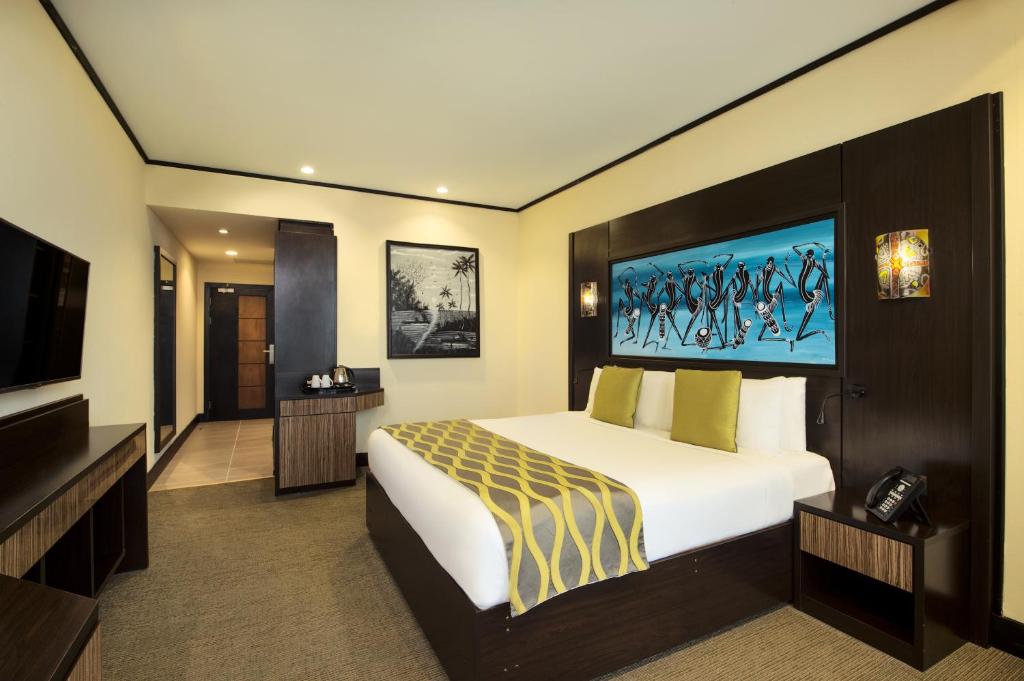
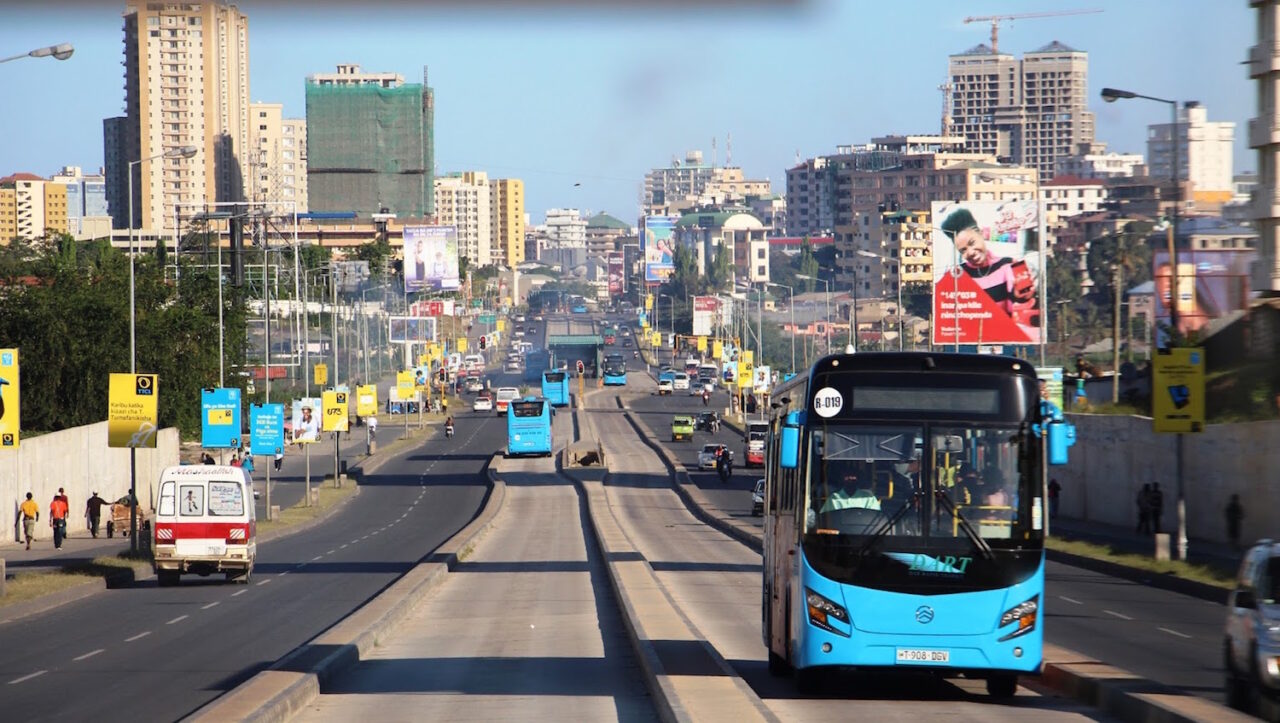
Dar es Salaam to Nyerere National Park Safari Guide: Your Comprehensive Plan
For many travelers, the dream of a Tanzanian safari conjures images of the Serengeti or Ngorongoro Crater. However, a truly wild and less-trodden path awaits those who venture south from Dar es Salaam to Nyerere National Park (formerly Selous Game Reserve). This vast wilderness offers a different, yet equally captivating, safari experience, characterized by its immense size, diverse ecosystems, and unique activities like boat safaris on the Rufiji River. This guide is designed to equip you with all the essential information for planning a memorable Dar es Salaam to Nyerere National Park safari, covering everything from initial planning to booking your adventure for 2026 and 2027.
This isn’t just another safari destination; it’s an immersion into a raw, untamed Africa. Nyerere National Park is one of the largest protected areas in Africa, offering a sense of profound solitude and an intimate connection with nature. Whether you are a first-time safari-goer or a seasoned wildlife enthusiast, understanding the nuances of this park is key to a successful and rewarding trip. We’ll cover the practicalities, the magic, and the planning steps needed to make your journey from Dar es Salaam to Nyerere National Park a highlight of your travels.
Quick Answer: Your Nyerere Safari Essentials
A safari from Dar es Salaam to Nyerere National Park is best planned with a 3 to 5-day itinerary, focusing on game drives and boat safaris. The dry seasons (June to October and December to February) offer the best wildlife viewing. Expect to fly from Dar es Salaam to one of the park’s airstrips for convenience, or opt for a longer overland journey. Accommodation ranges from rustic tented camps to luxury lodges. Booking through a reputable local operator is highly recommended for logistics and expert guidance.
| Aspect | Details |
|---|---|
| Location | Southern Tanzania |
| Size | Over 30,000 sq km (largest in Africa) |
| Key Wildlife | Elephants, lions, leopards, cheetahs, wild dogs, hippos, crocodiles, diverse birdlife |
| Unique Activities | Boat safaris on Rufiji River, walking safaris |
| Access from Dar es Salaam | Flight (recommended) or overland drive |
| Best Time to Visit | Dry Seasons: June-Oct, Dec-Feb |
| Accommodation Types | Tented camps, lodges (budget to luxury) |
Table of Contents
- Nyerere National Park: An Untamed Wilderness
- Why Choose a Dar es Salaam to Nyerere National Park Safari?
- Best Time to Visit Nyerere National Park (2026-2027)
- Getting from Dar es Salaam to Nyerere National Park
- Sample 4-Day Nyerere National Park Safari Itinerary
- What to Expect on Your Nyerere Safari
- Packing and Preparation for Your Safari
- Common Mistakes to Avoid
- Who is a Nyerere National Park Safari Best For?
- Alternatives to Nyerere National Park
- Planning Your 2026-2027 Trip: Key Considerations
- Booking Your Dar es Salaam to Nyerere National Park Safari
- Frequently Asked Questions (FAQs)
Nyerere National Park: An Untamed Wilderness
Nyerere National Park, formerly the Selous Game Reserve, is a UNESCO World Heritage Site and a testament to Tanzania’s commitment to conservation. Spanning over 30,000 square kilometers, it is Africa’s largest game reserve, a sprawling expanse of diverse landscapes that includes miombo woodlands, open grasslands, acacia savannas, and the magnificent Rufiji River system with its lakes and channels. This sheer size means that wildlife is spread out, offering a genuine wilderness experience far from the crowds often found in northern Tanzania’s more famous parks.
The park is renowned for its large elephant and buffalo populations, as well as significant numbers of lions, leopards, and the endangered African wild dog. Hippos and crocodiles are abundant in the Rufiji River, creating incredible viewing opportunities. Birdlife is also exceptional, with over 400 species recorded. The Rufiji River itself is the lifeblood of the park, supporting a rich ecosystem and providing unique safari activities like boat excursions, which offer a different perspective on wildlife viewing compared to traditional game drives.
Why Choose a Dar es Salaam to Nyerere National Park Safari?
Opting for a safari from Dar es Salaam to Nyerere National Park offers several compelling advantages:
- Authentic Wilderness Experience: Its vastness ensures a sense of remoteness and exclusivity. You’re more likely to have sightings all to yourself, providing a more intimate wildlife encounter.
- Diverse Activities: Beyond game drives, Nyerere is famous for its boat safaris on the Rufiji River, offering close encounters with hippos, crocodiles, and a stunning array of waterbirds. Walking safaris are also often available, allowing you to connect with the bush on foot.
- Less Crowded: Compared to the northern circuit parks, Nyerere receives fewer visitors, meaning you can enjoy the landscapes and wildlife without constant convoys of safari vehicles.
- Unique Scenery: The Rufiji River system, with its extensive floodplains and riverine forests, presents a different visual appeal than the acacia-dotted plains of the north.
- Accessibility from Dar es Salaam: It’s the most accessible major southern safari destination from Tanzania’s largest city and commercial hub, making it a convenient choice for those flying into or out of Dar es Salaam.
- Conservation Significance: Visiting Nyerere supports conservation efforts in a crucial wildlife corridor.
Best Time to Visit Nyerere National Park (2026-2027)
The optimal time for a Dar es Salaam to Nyerere National Park safari depends on your priorities, particularly regarding wildlife viewing and weather. Nyerere experiences distinct wet and dry seasons.
| Season | Months | Weather | Wildlife Viewing | Pros | Cons |
|---|---|---|---|---|---|
| Dry Season (Peak) | June – October | Sunny, cooler temperatures, less humidity | Excellent. Animals congregate around water sources. Vegetation thins, making spotting easier. | Best wildlife sightings, comfortable temperatures, ideal for photography. | Higher prices, more visitors (though still less than northern parks), some camps may close in very remote areas. |
| Short Rains | November | Intermittent showers, warmer | Good. Animals start to disperse as water becomes more available. | Fewer crowds, potentially lower prices. | Rain can disrupt activities. |
| Long Rains | December – March | Heavy rainfall, humid, hot | Good, but can be challenging. Lush green scenery. Excellent for birdwatching. Calving season for some species. | Spectacular landscapes, incredible birdlife, fewer tourists, often lower prices. | Heavy rains can make roads impassable, some camps may close, wildlife can be harder to spot due to dense vegetation. |
| Shoulder Season | April – May | Transitional, can be wet, cooler towards end of May | Fair to good. Vegetation begins to dry. | Fewer crowds, good value for money. | Rain is still possible, especially in April. |
For 2026 and 2027: The peak dry season from June to October remains the prime time for consistent and excellent wildlife sightings. If you prefer fewer crowds and potentially better value, consider the shoulder months of late May or early November, keeping in mind the possibility of some rain.
Getting from Dar es Salaam to Nyerere National Park
Traveling from Dar es Salaam to Nyerere National Park involves navigating the distance between Tanzania’s largest city and the vast southern wilderness. There are two primary methods:
By Air (Recommended)
This is the most efficient and comfortable way to reach Nyerere National Park. Several light aircraft charter companies operate scheduled flights from Julius Nyerere International Airport (DAR) in Dar es Salaam to various airstrips within Nyerere National Park. Common airstrips include Beho Beho, Mtemere, and Kiba Point.
- Duration: Flights typically take around 30-45 minutes.
- Convenience: This method saves significant travel time and avoids potentially rough road conditions. It also allows you to start your safari activities much sooner.
- Cost: Flights are more expensive than overland travel but are often included in safari package prices quoted by tour operators.
- Luggage Restrictions: Be aware of strict luggage limits on small bush planes, usually around 15-20 kg (33-44 lbs) in soft-sided bags.
By Road (Overland)
It is possible to drive from Dar es Salaam to Nyerere National Park, but this is a much longer and more challenging journey.
- Route: The main route is via the Kibiti-Utete road, which can be in poor condition, especially during the rainy season. The journey typically takes 5-7 hours or more, depending on road conditions and the specific gate or camp you are heading to.
- Vehicle: A sturdy 4×4 vehicle is essential for this route.
- Experience: While it offers a chance to see more of the Tanzanian countryside, it can be tiring and may eat into your valuable safari time. The final stretch into the park can be particularly bumpy and slow.
- Cost: Overland travel is generally cheaper in terms of transport costs, but factor in the longer time required and potential vehicle wear and tear.
Recommendation: For most travelers aiming for a focused safari experience, flying is the preferred option. Tour operators will typically arrange these flights as part of your safari package.
Sample 4-Day Nyerere National Park Safari Itinerary
This sample itinerary provides a balanced experience of Nyerere National Park, combining game drives with its signature boat safaris. It assumes arrival by flight from Dar es Salaam.
Day 1: Arrival in Nyerere National Park & Rufiji River Exploration
- Morning: Fly from Dar es Salaam (DAR) to a Nyerere National Park airstrip (e.g., Mtemere). You’ll be met by your guide and vehicle.
- Midday: Transfer to your chosen lodge or tented camp. Check-in and have lunch.
- Afternoon: Begin your safari with a thrilling boat trip on the Rufiji River. Witness large pods of hippos, basking crocodiles, and a variety of water birds. Look out for elephants and buffalo coming down to drink.
- Evening: Return to your camp for dinner and overnight stay.
Day 2: Full Day Game Drives
- Morning: After breakfast, head out for a full day of game drives. Explore different sectors of the park, searching for lions, leopards, cheetahs, elephants, giraffes, zebras, and numerous antelope species.
- Midday: Enjoy a picnic lunch in a scenic spot within the park.
- Afternoon: Continue your game drive, focusing on areas known for predator sightings or herds of plains game.
- Evening: Return to camp for sundowners, dinner, and overnight.
Day 3: Walking Safari & More Game Drives
- Morning: Experience the bush on foot with a guided walking safari (subject to camp offerings and park regulations). This offers a unique perspective on the smaller details of the ecosystem and a thrilling encounter with nature.
- Late Morning: Return to camp for a short break or head out for another game drive.
- Afternoon: Embark on another game drive, perhaps exploring a different zone or revisiting areas where you had promising sightings.
- Evening: Enjoy your final evening in the park, perhaps with a special bush dinner.
Day 4: Final Morning Activity & Departure
- Morning: Enjoy an early morning game drive or an optional activity like a final boat trip, depending on your flight schedule.
- Mid-morning: Return to camp for breakfast and check-out.
- Late Morning: Transfer to the airstrip for your scheduled flight back to Dar es Salaam.
Note: This itinerary can be customized. For a more in-depth experience, consider extending your stay to 5 or 6 days. If traveling overland, Day 1 would involve the drive from Dar es Salaam, potentially arriving late afternoon.
What to Expect on Your Nyerere Safari
A safari in Nyerere National Park offers a distinct experience compared to its northern counterparts. Here’s what you can generally anticipate:
- Vastness and Space: The sheer size of the park means you will often feel like you have the wilderness to yourself. Wildlife sightings are spread out, requiring patience and good tracking skills from your guide.
- Rufiji River Dominance: The Rufiji River and its associated lakes and channels are central to the park’s identity and offer a unique safari element. Expect abundant hippos and crocodiles, and a chance to see elephants, buffalo, and various antelopes along the riverbanks. Birdlife is spectacular.
- Predator Sightings: While Nyerere has a healthy population of lions, leopards, and cheetahs, they can be more challenging to spot due to the dense vegetation and the animals’ vast home ranges. Patience is key. The African wild dog, a rare and endangered species, is present and sightings are highly prized.
- Large Herds: You can expect to see large herds of elephants and buffalo, particularly during the dry season when they congregate around water sources.
- Walking Safaris: Many camps offer guided walking safaris, providing an intimate and exhilarating way to experience the bush. This is a chance to learn about the smaller flora and fauna, track animals on foot, and feel truly immersed in the environment.
- Accommodation: Lodges and tented camps vary from rustic and comfortable to luxurious. Most are designed to blend into the environment and offer excellent service and dining. Expect to be in remote locations, often without Wi-Fi or cell service, which is part of the appeal.
- Temperatures: Daytime temperatures can be hot, especially during the dry season. Mornings and evenings are cooler. The rainy season is humid and warm.
- Insects: Mosquitoes are present, especially near water bodies and during the wet season. Malaria precautions are advised.
Packing and Preparation for Your Safari
Proper packing is crucial for comfort and enjoyment on your Dar es Salaam to Nyerere National Park safari. Aim for practicality and versatility.
Clothing Essentials:
- Neutral-colored clothing: Earth tones like khaki, olive green, beige, and brown are best. Avoid bright colors and dark blue/black, which can attract insects or startle wildlife.
- Lightweight long-sleeved shirts: For sun protection and to ward off insects, especially in the evenings.
- T-shirts and tops: For warmer days.
- Trousers/hiking pants: Comfortable for game drives and walking safaris. Convertible pants are useful.
- Shorts: For relaxing at the camp during the day.
- Warm fleece or jacket: For cool mornings and evenings, especially during the dry season (June-August).
- Rain jacket or poncho: Essential during the rainy seasons (November-May).
- Swimsuit: Some lodges have pools.
- Comfortable walking shoes/hiking boots: If you plan on walking safaris.
- Sandals or flip-flops: For around the camp.
- Hat: Wide-brimmed for sun protection.
- Socks: Including some thicker ones for cooler mornings.
Footwear:
- Comfortable closed-toe shoes are essential for game drives and walking.
- Sandals or flip-flops for relaxing at the lodge.
Health and Hygiene:
- Insect repellent: High DEET content is recommended.
- Sunscreen: High SPF.
- After-sun lotion.
- Personal first-aid kit: Including any personal medications, pain relievers, antiseptic wipes, bandages, and motion sickness medication.
- Hand sanitizer.
- Malaria prophylaxis: Consult your doctor well in advance.
- Basic toiletries.
Gear and Accessories:
- Binoculars: A must-have for wildlife viewing. Consider 8×42 or 10×42.
- Camera and accessories: Extra batteries, memory cards, charger, and a zoom lens.
- Power bank/portable charger: For keeping devices charged.
- Adapter: Tanzania uses Type D and G sockets (230V).
- Headlamp or flashlight: Useful for navigating camps at night.
- Sunglasses.
- Reusable water bottle.
- Small backpack or daypack: For carrying essentials on game drives.
- Travel documents: Passport, visa, flight details, insurance information. Keep copies separate.
- Cash: For tips and souvenirs (USD is widely accepted).
Important Note on Luggage:
If flying on small bush planes, adhere strictly to the soft-sided luggage weight limit (typically 15-20 kg). Large suitcases are not permitted.
Common Mistakes to Avoid
Planning a safari from Dar es Salaam to Nyerere National Park is exciting, but a few common pitfalls can detract from the experience. Being aware of these can help ensure a smoother trip.
- Underestimating Travel Time/Logistics: Nyerere is vast and remote. Don’t assume quick transfers. Flying is highly recommended to maximize safari time and avoid potentially difficult road conditions.
- Not Packing Appropriately: Forgetting layers for cool mornings/evenings, or not packing enough insect repellent and sun protection can lead to discomfort. Neutral colors are essential for wildlife viewing.
- Ignoring Luggage Restrictions: If flying, oversized or heavy luggage will be a problem. Pack light and use soft-sided bags.
- Expecting Northern Circuit Crowds: Nyerere is less crowded. While this is a major draw, it also means wildlife can be more dispersed. Don’t expect to see large herds at every turn like in some parts of the Serengeti. Patience and a good guide are key.
- Not Booking Enough Time: A 2-day safari is insufficient. Aim for at least 3-4 days to truly appreciate the park’s unique offerings, including the Rufiji River.
- Choosing the Wrong Camp Location: Camps are spread out. Some are better for boat safaris, others for walking, and some for general game drives. Discuss your priorities with your tour operator.
- Forgetting Malaria Precautions: Nyerere is a malaria-endemic area. Consult your doctor about prophylaxis and use repellent diligently.
- Not Budgeting for Everything: Factor in park fees, activities (like walking safaris), drinks, tips, and any optional souvenirs when budgeting.
- Over-reliance on Mobile Phones/Internet: Many camps are in remote areas with limited or no connectivity. Embrace the digital detox!
- Not Using a Reputable Tour Operator: Navigating logistics, park permits, and accommodation can be complex. A good local operator simplifies this and provides invaluable expertise.
Who is a Nyerere National Park Safari Best For?
Nyerere National Park offers a unique safari experience that appeals to a specific type of traveler:
- The Adventurous Traveler: Those who appreciate a wild, less-developed feel and are comfortable with a more remote experience will love Nyerere.
- Nature Enthusiasts: Anyone fascinated by diverse ecosystems, from riverine forests to woodlands, and keen on observing a wide array of wildlife, including abundant birdlife and aquatic species.
- Photographers: The unique landscapes, diverse wildlife, and fewer crowds offer excellent photographic opportunities, especially for those interested in riverine environments.
- Travelers Seeking Solitude: If you want to escape the crowds and experience a sense of true wilderness and exclusivity, Nyerere is an excellent choice.
- Those Interested in Unique Activities: The boat safaris on the Rufiji River and the opportunity for walking safaris are major draws for visitors looking beyond traditional game drives.
- Travelers Flying into Dar es Salaam: It’s the most accessible major southern park from Dar, making it a logical choice for a shorter safari extension or a primary destination.
- Repeat Safari-Goers: Those who have explored the northern parks and are looking for a different perspective on Tanzanian wildlife and landscapes.
It might be less ideal for:
- Travelers on a very tight schedule who only have 1-2 days for a safari.
- Those who demand constant, easy sightings of the Big Five within a few hours.
- Families with very young children who might struggle with the remote nature or potential for long drives (though many operators can tailor experiences).
Alternatives to Nyerere National Park
While Nyerere National Park offers a unique experience, Tanzania boasts other incredible safari destinations that might suit different preferences or be combined with Nyerere. Here are a few key alternatives:
| Destination | Key Highlights | Best For | Travel Style | Access from Dar es Salaam |
|---|---|---|---|---|
| Nyerere National Park (South) | Rufiji River boat safaris, large elephant/hippo populations, walking safaris, wild dogs, less crowded. | Authentic wilderness, unique river activities, solitude. | Game drives, boat safaris, walking safaris. | Flight (45 min) or overland (5-7+ hrs). |
| Ruaha National Park (South-West) | Largest park in Tanzania, high predator numbers (lions, cheetahs), large elephant herds, rugged landscapes. | Serious wildlife enthusiasts, remote adventure, predator sightings. | Game drives, walking safaris. | Flight (1.5 hrs) or long overland drive. |
| Serengeti National Park (North) | Great Migration (seasonal), iconic savanna landscapes, Big Five, vast plains. | Classic safari, Great Migration, abundant plains game. | Game drives, hot air balloon safaris. | Flight (1-1.5 hrs) or long overland drive. |
| Ngorongoro Conservation Area (North) | Ngorongoro Crater (dense wildlife, Big Five), Maasai culture, diverse habitats. | High chance of Big Five sightings in a unique caldera, cultural interaction. | Game drives (crater floor), cultural visits. | Flight to Arusha then overland, or long overland drive from Dar. |
| Tarangire National Park (North) | Large elephant herds (seasonal), baobab trees, diverse birdlife. | Elephant viewing, bird watching, unique tree landscapes. | Game drives, walking safaris. | Flight to Arusha then overland, or long overland drive from Dar. |
Many travelers combine Nyerere with Ruaha for an extensive southern circuit safari, or combine it with Zanzibar for a classic beach and bush experience. If you’re flying into Kilimanjaro International Airport (JRO), the northern circuit parks (Serengeti, Ngorongoro, Tarangire, Lake Manyara) are more convenient.
Planning Your 2026-2027 Trip: Key Considerations
Planning a safari for 2026 or 2027 requires foresight, especially if you aim for peak season or specific accommodations. Here are crucial planning tips:
- Book in Advance: For 2026 and 2027 safaris, especially during the popular dry season (June-October), booking 6-12 months ahead is advisable. This secures your preferred camps and flights, which can fill up quickly.
- Choose Your Safari Style: Decide on the level of comfort and luxury you desire. Nyerere offers everything from basic tented camps to high-end lodges. Your choice will impact the overall cost and experience.
- Determine Your Itinerary Length: A minimum of 3 nights in Nyerere is recommended to experience its highlights. For a more relaxed pace or to combine with other destinations, consider 4-5 nights.
- Consider Your Budget: While exact prices vary, factor in accommodation, park fees, activities, internal flights, guide and vehicle hire, meals, and drinks. Safari costs can range significantly based on luxury level and duration.
- Visa Requirements: Check the latest visa requirements for Tanzania for your nationality well in advance. Many nationalities can obtain a visa on arrival or apply online.
- Health Preparations: Consult your doctor 4-6 weeks before travel regarding necessary vaccinations and malaria prophylaxis.
- Travel Insurance: Ensure you have comprehensive travel insurance that covers medical emergencies, evacuation, trip cancellation, and lost luggage.
- Flexibility: While planning is key, maintaining some flexibility can be beneficial, especially regarding flight schedules or unforeseen circumstances.
- Research Tour Operators: Look for reputable operators with local knowledge of Nyerere. They can provide invaluable insights, handle complex logistics, and tailor an itinerary to your needs. Read reviews and ask for references.
Booking Your Dar es Salaam to Nyerere National Park Safari
Booking a safari from Dar es Salaam to Nyerere National Park involves selecting the right operator and understanding the process. Here’s a step-by-step guide:
- Research and Select a Tour Operator: Look for companies with strong local expertise in southern Tanzania. Check their websites, read reviews (on platforms like TripAdvisor, Google Reviews), and inquire about their experience with Nyerere National Park. Top Guide Adventures is a highly recommended local operator with deep knowledge of Nyerere and southern Tanzania.
- Initial Inquiry: Contact your chosen operator with your desired travel dates (for 2026 or 2027), number of travelers, budget range, and any specific interests (e.g., photography, birdwatching, specific wildlife).
- Itinerary Customization: A good operator will work with you to create a personalized itinerary. They will suggest suitable camps, activities, and logistics (like flights from Dar es Salaam) based on your preferences and budget.
- Quotation and Proposal: You will receive a detailed itinerary and a quotation. Ensure you understand what is included and excluded.
- Deposit and Confirmation: Once you agree on the itinerary, you’ll typically be asked for a deposit (often 30-50%) to confirm your booking and secure accommodations and flights.
- Final Payment: The remaining balance is usually due 30-60 days before your safari start date.
- Pre-Departure Information: Your operator will provide essential pre-departure information, including packing lists, health advice, and contact details.
- Arrival and Safari: Your guide will meet you in Dar es Salaam or at the airport, and your adventure will begin!
Why Book with a Local Operator?
Local operators like Top Guide Adventures offer:
- In-depth Local Knowledge: They understand the best times to visit, the most reliable camps, and the nuances of Nyerere.
- Better Value: They often have direct relationships with lodges and airlines, potentially offering better rates than international agents.
- Direct Support: You have a direct line of communication for any issues or changes.
- Contribution to Local Economy: Your booking directly supports Tanzanian businesses and communities.
Contact Top Guide Adventures for your personalized Dar es Salaam to Nyerere National Park safari quote:
WhatsApp: +255616946642
Email: topguideadventures@gmail.com
Backup Email: info@topguideadventures.com
Frequently Asked Questions (FAQs)
Q1: Is Nyerere National Park suitable for a first-time safari?
Yes, Nyerere National Park can be excellent for first-time safari-goers, especially if you seek a wilder experience. The combination of game drives and boat safaris offers diverse wildlife viewing. However, it’s essential to go with a reputable guide who can help you spot animals, as the park’s vastness can sometimes make sightings more dispersed than in smaller, more concentrated areas.
Q2: How much does a safari from Dar es Salaam to Nyerere National Park typically cost?
Safari costs vary widely based on accommodation luxury, duration, and inclusions. For a mid-range 3-night safari including internal flights, park fees, accommodation, meals, and activities, expect costs to be in the range of USD $1000-$2500+ per person. Luxury options can significantly exceed this. It’s best to get a custom quote from a tour operator.
Q3: What is the difference between Nyerere National Park and the Selous Game Reserve?
Nyerere National Park is the new name for the former Selous Game Reserve. In 2019, the Tanzanian government officially split the reserve into two parts: the northern part became Nyerere National Park, and the southern part remained a Game Reserve. Most tourist activities now focus on the Nyerere National Park section.
Q4: Can I see the Big Five in Nyerere National Park?
Yes, all of the Big Five (lion, leopard, elephant, buffalo, and rhino) are present in Nyerere National Park. However, rhinos are very rare and extremely difficult to spot. Lions, leopards, elephants, and buffalo are more commonly seen, though leopards can be elusive due to their nocturnal habits and camouflage.
Q5: What are the best months for wildlife viewing in Nyerere for 2026-2027?
The best months for wildlife viewing in Nyerere National Park are during the dry seasons: June to October and December to February. During these times, vegetation is less dense, and animals tend to congregate around water sources, making them easier to spot.
Q6: What kind of vehicle is used for safaris in Nyerere?
Typically, 4×4 safari vehicles (like Land Cruisers or Land Rovers) with pop-up roofs are used for game drives. These provide excellent visibility and comfort for game viewing. For walking safaris, you will be accompanied by an armed ranger and a guide on foot.
Q7: Do I need malaria precautions for Nyerere National Park?
Yes, Nyerere National Park is in a malaria-endemic area. It is strongly recommended to consult your doctor about taking malaria prophylaxis before your trip. Additionally, use insect repellent with DEET, wear long sleeves and trousers in the evenings, and sleep under a mosquito net (provided by most camps).
Q8: Is it possible to do a self-drive safari in Nyerere?
Self-driving in Nyerere National Park is generally not recommended for international tourists. The park is vast, roads can be challenging (especially during the wet season), and navigating requires local expertise. Most visitors opt for guided safaris with a professional driver-guide and a dedicated safari vehicle arranged through a tour operator.
Q9: What is the main difference between Nyerere and the northern parks like Serengeti?
The primary difference lies in the landscape and activities. Nyerere is dominated by the Rufiji River system and miombo woodlands, offering unique boat safaris. It’s generally less crowded and offers a more rugged, remote feel. The Serengeti is known for its vast open savannas, the Great Migration (seasonal), and a higher density of plains game, often with more vehicles.
Q10: How much should I tip my guide and camp staff?
Tipping is customary and appreciated. For your driver-guide, a common range is $20-$30 USD per day per group. For camp staff (cooks, housekeepers), a general tip of $10-$15 USD per day per group can be pooled and distributed. Your tour operator can provide specific guidance on tipping practices.
Q11: Can I combine Nyerere National Park with Zanzibar?
Absolutely. Combining a Nyerere safari with a Zanzibar beach holiday is a very popular and rewarding itinerary. You can fly directly from Nyerere’s airstrips to Zanzibar (ZNZ) or fly back to Dar es Salaam and then take a short flight or ferry to Zanzibar. This offers a fantastic mix of adventure and relaxation.
Ready to Plan Your Dar es Salaam to Nyerere National Park Safari?
Your journey into the wild heart of Nyerere National Park awaits. This expansive, untamed wilderness offers a safari experience unlike any other in Tanzania, with the majestic Rufiji River as its centerpiece and a profound sense of adventure around every corner. Whether you’re planning for 2026, 2027, or beyond, careful preparation is key to maximizing your enjoyment and ensuring a trip filled with unforgettable wildlife encounters and breathtaking landscapes.
At Top Guide Adventures, we specialize in crafting personalized safari experiences in Nyerere National Park and across Tanzania. Our deep local knowledge allows us to create seamless itineraries, select the best accommodations, and ensure you have expert guides to lead you through this incredible ecosystem. We understand the logistics of traveling from Dar es Salaam and can arrange flights, transfers, and all aspects of your safari to suit your interests and budget.
Don’t leave your dream safari to chance. Let us help you craft the perfect Dar es Salaam to Nyerere National Park safari adventure. Get in touch with our expert team today to start planning your unforgettable Tanzanian journey.
Contact us now:
WhatsApp: +255616946642
Email: topguideadventures@gmail.com
Backup Email: info@topguideadventures.com
Plan your Dar es Salaam to Nyerere National Park Safari Guide with Top Guide Adventures
Tell us your travel dates, group size, comfort level, and dream experience. We will help you shape a clear, realistic, and memorable Tanzania itinerary.







 Veedesigner
 Fatma Kizanga
 Benjamin Waryuba
 Philip Philip
 John jr Itaja
 Antonia Optatus
 Edith Kanyere
 Neema Iddy
 Kelvin Boniphace
 Damari Maiga



