
Updated planning guide for 2026-2027
Desert-To-Coast Exploration Journeys: Complete Guide 2026-2027
Discover the incredible diversity of Tanzania by combining its arid inland landscapes with the tropical allure of its coast. This comprehensive guide details how to plan and book your unique desert-to-coast adventure.
WhatsApp +255616946642 | topguideadventures@gmail.com | info@topguideadventures.com
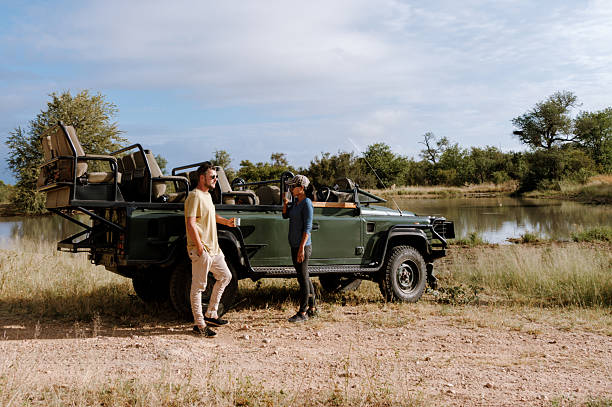
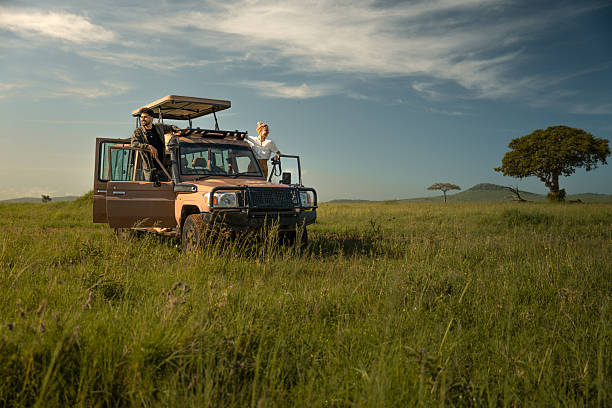
Planning Your Ultimate Tanzania Desert-to-Coast Exploration Journeys
Tanzania offers an unparalleled spectrum of experiences, from the vast, sweeping savannas and dramatic desert landscapes of its interior to the idyllic, turquoise waters and spice-scented breezes of its Indian Ocean coastline. A Desert-to-Coast Exploration Journeys allows you to witness this dramatic geographical and cultural transition firsthand. Imagine tracking wildlife in the Serengeti, standing on the roof of Africa atop Kilimanjaro, and then unwinding on the pristine beaches of Zanzibar. This is not just a trip; it’s a comprehensive immersion into the soul of East Africa.
This guide is designed to help you craft a memorable and well-organized journey. We cover everything from understanding the appeal of such a trip to practical planning details, itinerary suggestions, what to pack, and how to book your adventure for the 2026-2027 travel seasons.
Quick Facts: Desert-to-Coast Tanzania
| Aspect | Details |
|---|---|
| Key Destinations | Serengeti National Park, Ngorongoro Crater, Tarangire National Park, Mount Kilimanjaro, Zanzibar Archipelago (Unguja, Pemba) |
| Typical Duration | 10-21 days (can be customized) |
| Best Time to Visit | Dry seasons (June-October, December-February) for safaris; generally pleasant year-round for coast, but avoid peak rainy seasons (April-May). |
| Travel Styles | Wildlife safaris, trekking, beach relaxation, cultural immersion, adventure activities. |
| Logistics | Internal flights, private road transfers, 4×4 safari vehicles, ferries/flights to Zanzibar. |
Table of Contents
- Why Choose Desert-to-Coast Exploration Journeys?
- Understanding the Components: Safari, Peaks, and Shores
- Best Time to Embark on Your Journey (2026-2027)
- Sample Desert-to-Coast Routes & Itineraries
- What’s Typically Included (and Not Included)
- Packing and Preparation Guide
- Common Mistakes to Avoid
- Who is This Journey Best Suited For?
- Exploring Alternatives and Variations
- Planning Your 2026-2027 Trip: Key Considerations
- Booking Your Desert-to-Coast Adventure
- Frequently Asked Questions
Why Choose Desert-to-Coast Exploration Journeys?
Tanzania is a land of stark contrasts and breathtaking beauty. A journey that spans from its iconic wildlife parks to its tropical coastline offers a complete picture of what this East African gem has to offer. This type of trip is for the traveler who seeks variety, depth, and a truly encompassing experience.
Unmatched Biodiversity: Witness the Great Migration in the Serengeti, spot the Big Five in the Ngorongoro Crater, and observe diverse birdlife in Tarangire. Then, transition to the vibrant coral reefs and marine life surrounding Zanzibar.
Iconic Landscapes: From the endless plains of the Serengeti to the majestic silhouette of Mount Kilimanjaro and the palm-fringed beaches of the coast, you’ll experience some of the world’s most famous natural wonders.
Cultural Richness: Interact with Maasai communities on safari, learn about the history of Stone Town in Zanzibar, and experience the Swahili culture that blends African, Arab, and Indian influences.
Adventure and Relaxation: Combine the thrill of game drives and potentially a Kilimanjaro trek with the serene relaxation of a beach holiday. It caters to multiple desires within a single trip.
Logistical Efficiency: While it may seem complex, experienced tour operators can string these elements together efficiently, minimizing travel time and maximizing your experience. Internal flights and well-planned road routes make this feasible.
Understanding the Components: Safari, Peaks, and Shores
A Desert-to-Coast journey typically comprises three main components, each offering a distinct experience:
1. The Safari Experience (The “Desert” Aspect)
This is the heart of many Tanzanian adventures. It focuses on the vast, open landscapes of the northern safari circuit, renowned for its dense wildlife populations.
- Serengeti National Park: Famous for the Great Migration, endless plains, and abundant predators. It’s the quintessential African safari destination.
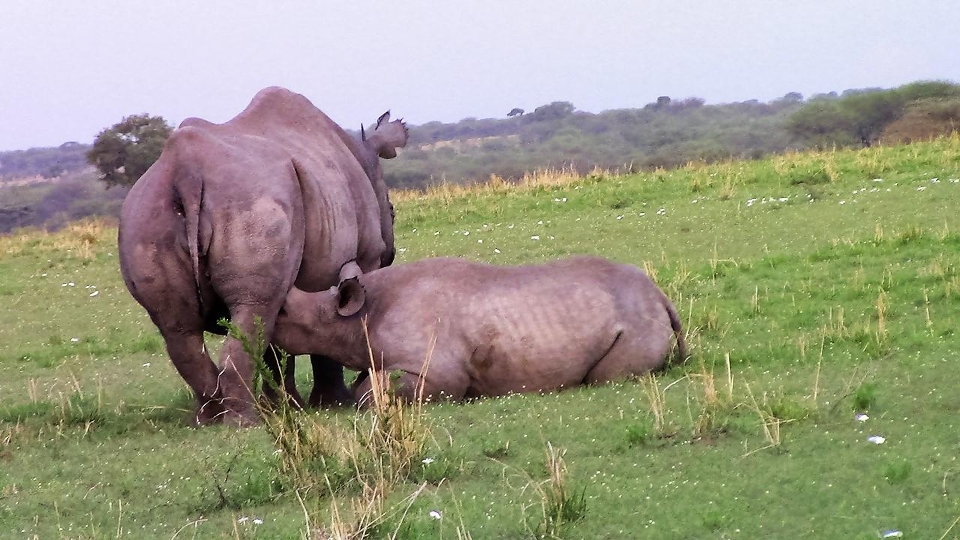
- Ngorongoro Conservation Area: Home to the Ngorongoro Crater, a UNESCO World Heritage site with a high concentration of wildlife, including the endangered black rhino. It’s a unique caldera ecosystem.
- Tarangire National Park: Known for its large elephant herds, baobab trees, and diverse birdlife, especially during the dry season when animals congregate around the Tarangire River.
- Lake Manyara National Park: Famous for its tree-climbing lions, vast flocks of flamingos, and diverse bird species.
Safari experiences typically involve staying in lodges or tented camps, with daily game drives in specialized 4×4 vehicles led by knowledgeable guides.
2. The Kilimanjaro Trek (Optional, but a Major Draw)
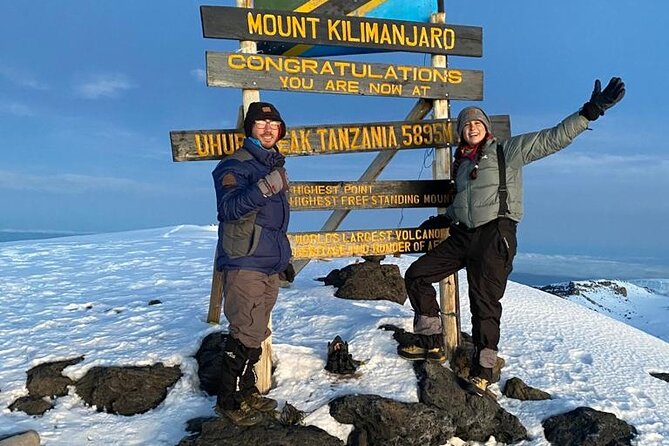
For many, the ultimate challenge and a significant part of a desert-to-coast journey is conquering Mount Kilimanjaro, Africa’s highest peak.
- Routes: Marangu, Machame, Lemosho, Shira, Rongai, Northern Circuit. Each offers different scenery, difficulty, and acclimatization profiles.
- Duration: Treks range from 5 to 9 days, depending on the chosen route and pace.
- Experience: This is a physically demanding adventure requiring good preparation, acclimatization, and a support crew (guides, porters, cooks).
Note: A Kilimanjaro trek significantly extends the trip duration and requires specific preparation. If Kilimanjaro is a primary goal, it’s often best to tackle it first or last to allow for recovery before or after.
3. The Coastal/Island Escape (The “Coast” Aspect)
After the dust of the savanna and the exertion of the mountain, the coast offers a perfect contrast of relaxation and tropical beauty.
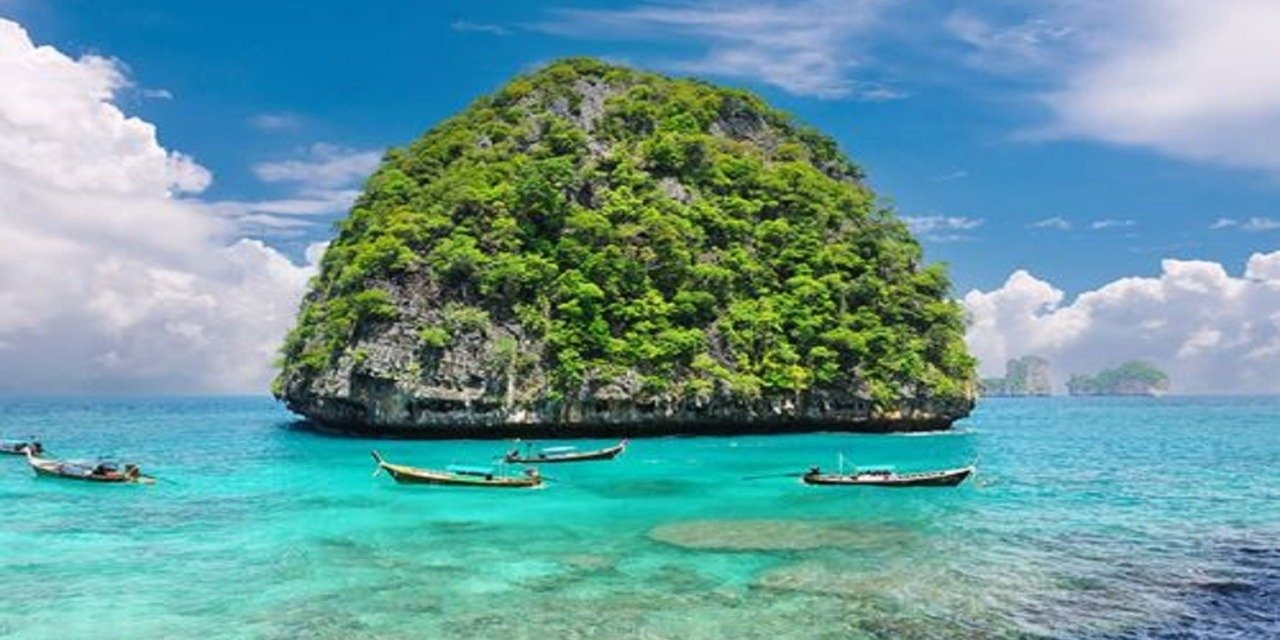
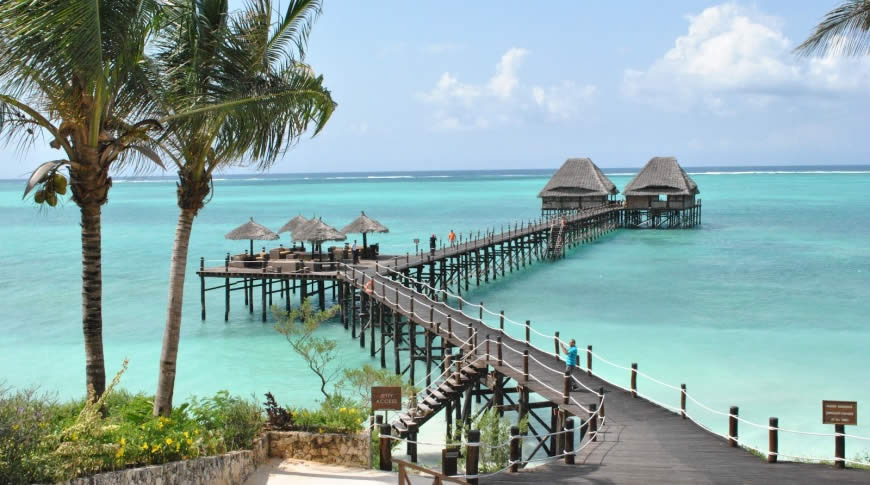
- Zanzibar Archipelago: The most popular choice, offering stunning beaches, historical Stone Town, spice tours, and water activities like snorkeling and diving. Key islands include Unguja (Zanzibar main island) and Pemba.
- Mafia Island: A more secluded destination, ideal for diving and marine conservation, including whale shark encounters (seasonal).
- Dar es Salaam Coastline: While less of a pristine island escape, areas near Dar es Salaam offer beaches and dhow trips.
This part of the journey focuses on relaxation, water sports, exploring historical sites, and enjoying the local Swahili culture and cuisine.
Best Time to Embark on Your Journey (2026-2027)
Tanzania has distinct seasons that impact wildlife viewing and beach conditions. Combining these elements means finding a balance or planning around optimal periods for each.
Safari Seasonality
- June to October (Dry Season/Peak Season): This is generally considered the best time for safaris. The weather is dry, temperatures are pleasant, and wildlife congregates around water sources, making them easier to spot. The Great Migration is typically in the western Serengeti or heading north across the Mara River during July-September. This is also a prime time for Kilimanjaro trekking.
- November (Short Rains): A transitional month. Can be good for birdwatching as migratory birds arrive. Wildlife disperses somewhat.
- December to February (Hot/Dry Season): Another excellent safari period. Wildlife is still concentrated, and the calving season for wildebeest begins in the southern Serengeti (from late January). This is also a good time for Kilimanjaro, though hotter.
- March to May (Long Rains): The landscape becomes lush and green, but game viewing can be more challenging as animals spread out. Roads can become difficult to navigate. This is generally the least preferred time for safaris and treks.
Coastal/Island Seasonality
- June to October: Dry and sunny, ideal for beach holidays. This aligns perfectly with the peak safari season.
- November to March: Generally warm and sunny, with occasional short rain showers. December and January are popular, with good beach weather.
- April to May: The long rainy season. Heavy downpours are common, making it less ideal for beach activities and potentially disruptive to travel.
Optimal Timing for Desert-to-Coast Journeys (2026-2027)
The sweet spot for a comprehensive Desert-to-Coast Exploration Journeys, combining excellent safari conditions with pleasant beach weather, is during the dry seasons:
- June to October: This is the prime window. Excellent safari viewing, good for Kilimanjaro, and ideal beach weather in Zanzibar.
- Late December to February: Also a strong contender. Good for safaris (calving season), Kilimanjaro, and warm beach conditions.
If your priority is the Great Migration river crossing (July-September), focus your safari component during those months and plan your coastal stay before or after, or accept potentially slightly more humid conditions during the transition months.
Sample Desert-to-Coast Routes & Itineraries
Here are a few sample itineraries to illustrate how a Desert-to-Coast Exploration Journeys can be structured. These are customizable and can be adapted based on your interests, budget, and available time.
Route 1: Classic Northern Circuit & Zanzibar (14 Days)
This route focuses on the most popular safari destinations and Zanzibar.
| Day | Activity | Location | Accommodation Type |
|---|---|---|---|
| 1 | Arrive Kilimanjaro International Airport (JRO), transfer to Arusha | Arusha | Lodge |
| 2 | Drive to Tarangire National Park, afternoon game drive | Tarangire | Tented Camp / Lodge |
| 3 | Full day game drive in Tarangire | Tarangire | Tented Camp / Lodge |
| 4 | Drive to Ngorongoro Conservation Area, descend into the crater for game drive | Ngorongoro Crater | Lodge on crater rim |
| 5 | Drive to Serengeti National Park (Central), afternoon game drive | Serengeti (Central) | Tented Camp / Lodge |
| 6 | Full day game drive in Serengeti | Serengeti (Central) | Tented Camp / Lodge |
| 7 | Morning game drive, fly from Seronera airstrip to Zanzibar | Serengeti / Zanzibar | Beach Resort |
| 8 | Explore Stone Town, historical tour, spice tour | Zanzibar (Stone Town) | Boutique Hotel |
| 9 | Transfer to beach resort, relax on the beach | Zanzibar (North/East Coast) | Beach Resort |
| 10 | Water activities (snorkeling, diving, dhow cruise) or relaxation | Zanzibar | Beach Resort |
| 11 | Relaxation or optional Jozani Forest visit | Zanzibar | Beach Resort |
| 12 | Leisure time, last-minute souvenir shopping | Zanzibar | Beach Resort |
| 13 | Morning at leisure, transfer to Zanzibar Airport (ZNZ) for departure or onward travel | Zanzibar | N/A |
| 14 | Departure | N/A | N/A |
Route 2: Kilimanjaro Trek & Southern Zanzibar (18 Days)
This itinerary includes the Kilimanjaro climb, offering a more adventurous focus before a relaxing beach stay.
| Day | Activity | Location | Accommodation Type |
|---|---|---|---|
| 1 | Arrive JRO, transfer to Moshi/Arusha | Moshi/Arusha | Hotel |
| 2 | Pre-climb briefing, gear check, acclimatization activities | Moshi/Arusha | Hotel |
| 3-8/9 | Kilimanjaro Trek (e.g., Machame Route – 7 days) | Kilimanjaro | Camping |
| 9/10 | Descend Kilimanjaro, transfer to Arusha/Moshi, rest and recovery | Arusha/Moshi | Lodge |
| 10/11 | Drive to Tarangire National Park, afternoon game drive | Tarangire | Tented Camp / Lodge |
| 11/12 | Drive to Ngorongoro Crater, game drive | Ngorongoro Crater | Lodge |
| 12/13 | Drive to Serengeti, afternoon game drive | Serengeti | Tented Camp / Lodge |
| 13/14 | Full day game drives in Serengeti | Serengeti | Tented Camp / Lodge |
| 14/15 | Morning game drive, fly from Seronera to Zanzibar | Serengeti / Zanzibar | Beach Resort |
| 15/16 | Relax on southern beaches (e.g., Paje, Jambiani), kitesurfing, snorkeling | Zanzibar (South) | Beach Bungalows |
| 16/17 | Day trip to Stone Town or Prison Island, explore local villages | Zanzibar | Beach Bungalows |
| 17/18 | Morning at leisure, transfer to Zanzibar Airport (ZNZ) | Zanzibar | N/A |
| 18 | Departure | N/A | N/A |
Route Illustration: Geographical Flow
Imagine this as a path across Tanzania:
| Stage | Typical Area | Landscape | Key Activities |
|---|---|---|---|
| 1. Arrival & Prep | Kilimanjaro Airport / Arusha / Moshi | Town/Rural foothills | Arrival, briefings, gear checks |
| 2. High Peaks (Optional) | Mount Kilimanjaro | Alpine desert, moorland, rainforest | Trekking, mountaineering |
| 3. Northern Safari Circuit | Tarangire, Ngorongoro, Serengeti | Savanna, crater highlands, open plains | Wildlife viewing, game drives, birdwatching |
| 4. Transition | Arusha / Kilimanjaro Airport | Town / Airport hub | Logistics, internal flight transfer |
| 5. Coastal/Island Escape | Zanzibar Archipelago / Mafia Island | Tropical beaches, coral reefs, historic towns | Beach relaxation, snorkeling, diving, cultural tours |
| 6. Departure | Zanzibar / Dar es Salaam Airport | Island / Coastal city | Departure |
What’s Typically Included (and Not Included)
Understanding what your tour package covers is crucial for budgeting and avoiding surprises. While packages vary, here’s a general overview:
Common Inclusions:
- Accommodation: Lodges, tented camps, or hotels as specified in your itinerary.
- Meals: Usually full board on safari (breakfast, lunch, dinner), often half board or full board on Zanzibar, depending on the resort.
- Transportation: 4×4 safari vehicle with a professional driver-guide, park entry fees for vehicles, fuel. For Kilimanjaro: all park fees, crew fees, tents, mattresses, food, rescue fees. For Zanzibar: airport transfers, transport for tours, transfers between locations.
- Activities: Game drives, crater fees, internal flights (e.g., Serengeti to Zanzibar), potentially guided walks or cultural visits as per itinerary.
- Water: Bottled water during game drives.
- Kilimanjaro Specifics: Crew (guides, porters, cooks), climbing permits, park fees, emergency rescue services.
Common Exclusions:
- International Flights: Flights to and from Tanzania.
- Visa Fees: Tanzania visa costs.
- Travel Insurance: Comprehensive travel and medical insurance, including evacuation coverage for Kilimanjaro.
- Gratuities: Tips for guides, drivers, porters, hotel staff. This is a significant cultural expectation.
- Personal Expenses: Drinks (alcoholic and non-alcoholic unless specified), laundry, souvenirs, telephone calls.
- Optional Activities: Hot air balloon safaris, extra excursions not listed in the itinerary, diving/snorkeling equipment rental (sometimes), spa treatments.
- Vaccinations & Medications: Costs associated with required vaccinations or malaria prophylaxis.
- Park Fees (if not specified): Sometimes day-use park fees for Zanzibar activities might be extra.
Packing and Preparation Guide
Proper packing is key to comfort and safety, especially when transitioning between diverse environments.
For Safari & Kilimanjaro:
- Clothing: Neutral-colored, lightweight clothing (khaki, green, brown). Avoid bright colors and dark blue/black (can attract tsetse flies). Layers are essential for Kilimanjaro (warm fleece, thermal base layers, waterproof outer shell).
- Footwear: Comfortable, broken-in hiking boots for Kilimanjaro. Sturdy walking shoes or trainers for safari. Sandals for camp.
- Headwear: Wide-brimmed hat for sun protection (safari), warm beanie for Kilimanjaro evenings/summit.
- Sun Protection: High SPF sunscreen, sunglasses, lip balm.
- Insect Repellent: With DEET or Picaridin.
- Health: Personal first-aid kit, any prescribed medications, hand sanitizer. Consult your doctor about malaria precautions and necessary vaccinations.
- Gear: Binoculars, camera with extra batteries/memory cards, headlamp/flashlight, reusable water bottle, daypack. For Kilimanjaro: sleeping bag (rated to -10°C or lower), trekking poles, waterproof duffel bag (porters carry main luggage).
- Documents: Passport (valid for at least 6 months), visa, flight details, insurance information, vaccination certificates.
For Zanzibar:
- Clothing: Lightweight, breathable clothing (cotton, linen). Swimwear, sarongs, light cover-ups. Respectful attire for visiting Stone Town or villages (shoulders and knees covered).
- Footwear: Sandals, flip-flops, water shoes. Comfortable walking shoes for Stone Town.
- Sun Protection: Sunscreen, sunglasses, wide-brimmed hat.
- Insect Repellent: Especially for evenings.
- Snorkel Gear: If you prefer your own, though often rentable.
- Dry Bag: Useful for boat trips.
General Preparation:
- Fitness: For Kilimanjaro, a good level of cardiovascular fitness is essential. For safari, moderate fitness is fine.
- Vaccinations & Health: Consult your doctor or a travel clinic 4-6 weeks before your trip regarding Yellow Fever, Hepatitis A, Typhoid, and malaria prophylaxis.
- Travel Insurance: Mandatory, especially for Kilimanjaro, ensuring it covers high-altitude trekking and emergency medical evacuation.
- Currency: Tanzanian Shilling (TZS). US Dollars are widely accepted for park fees and larger purchases, but it’s good to have some local currency for smaller items and tips.
Common Mistakes to Avoid
Planning a complex trip like this can present challenges. Being aware of common pitfalls can help ensure a smoother experience.
- Over-scheduling: Trying to cram too much into too little time leads to rushed experiences and exhaustion. Allow for travel time and relaxation.
- Underestimating Kilimanjaro: Treating the climb lightly can lead to altitude sickness or failure to summit. Proper preparation and choosing the right route are vital.
- Ignoring Zanzibar Culture: While a beach destination, Zanzibar has a strong Muslim culture. Dress modestly when away from beach resorts, especially in Stone Town.
- Not Budgeting for Extras: Forgetting about tips, drinks, and optional activities can strain your budget.
- Packing Inappropriately: Wearing the wrong colors on safari, or not having warm enough gear for Kilimanjaro, can impact comfort and safety.
- Booking Last Minute (for peak seasons): Popular lodges, Kilimanjaro permits, and internal flights get booked up well in advance, especially for 2026-2027.
- Choosing the Wrong Tour Operator: A reputable operator is crucial for logistics, safety, and quality of experience. Poor choices can lead to unreliable vehicles, inexperienced guides, or hidden costs.
- Not Considering Travel Time: Distances in Tanzania can be significant, and road travel can be slow. Factor this into your itinerary. Internal flights save time but add cost.
Who is This Journey Best Suited For?
A Desert-to-Coast Exploration Journeys is ideal for:
- Adventurous Travelers: Those who seek a mix of thrilling wildlife encounters, physical challenges (like Kilimanjaro), and tropical relaxation.
- Nature Enthusiasts: Anyone fascinated by diverse ecosystems, from the plains teeming with wildlife to the underwater world of coral reefs.
- Photographers: The dramatic landscapes and abundant wildlife provide endless photographic opportunities.
- Couples & Honeymooners: The combination of adventure and romance, from safari sundowners to private beach dinners, is perfect.
- Families with Older Children: Older children and teenagers can appreciate the wildlife and beach activities, and potentially the challenge of Kilimanjaro (age restrictions apply).
- Travelers Seeking Variety: Those who don’t want to choose between a safari and a beach holiday, but want to experience both comprehensiveley.
Exploring Alternatives and Variations
While the classic Serengeti-Zanzibar combination is popular, Tanzania offers other possibilities:
- Southern Circuit Safaris: Explore parks like Ruaha and Selous (Nyerere National Park) for a less crowded, wilder safari experience before heading to the coast.
- Zanzibar vs. Mafia Island: For serious divers and those seeking a more remote, eco-focused experience, Mafia Island offers exceptional marine life, including whale sharks.
- Adding Other Regions: If time permits, consider adding Lake Tanganyika or Lake Victoria regions for different cultural and natural insights.
- Shortened Trips: A quick safari and a few days on Zanzibar can be done in 7-10 days, focusing on the highlights.
- Focus on Specific Interests: Tailor the trip around birdwatching, photography, or specific cultural experiences.
Planning Your 2026-2027 Trip: Key Considerations
Planning ahead is essential, especially for popular travel years like 2026 and 2027. Early booking is recommended to secure preferred accommodation and Kilimanjaro permits.
Key Planning Steps:
- Define Your Priorities: Is Kilimanjaro the main event, or is it a wildlife-focused safari with a beach add-on? Your priorities will shape the itinerary.
- Set Your Budget: Tanzania can cater to various budgets, from mid-range to luxury. Understand that Kilimanjaro climbs and internal flights add significant costs.
- Choose Your Operator Wisely: Research tour operators thoroughly. Look for experience, good reviews, and clear communication.
- Book Kilimanjaro Early: Permits and park fees for Kilimanjaro are limited and can sell out months in advance, especially for the peak climbing seasons in 2026-2027.
- Internal Flights: Book internal flights (e.g., to Zanzibar) once your safari itinerary is confirmed, as schedules can change.
- Accommodation Preferences: Decide if you prefer lodges, luxury tented camps, or more basic camping. Early booking is vital for high-demand camps.
- Visa Requirements: Check the latest visa requirements for your nationality well in advance.
- Health Preparations: Schedule your doctor’s appointments for vaccinations and malaria advice early.
Budgeting Notes for 2026-2027:
Costs can vary widely. Generally, a Desert-to-Coast journey will be more expensive than a single-focus trip due to the multiple components and internal travel. Expect costs to include:
- Safari: Park fees are substantial. Accommodation and vehicle/guide costs contribute significantly.
- Kilimanjaro: This is a major expense, covering permits, crew, food, and equipment rental.
- Zanzibar: Accommodation and activities will be the main costs.
- Internal Flights: Factor in costs for flights between safari airstrips and Zanzibar, or between Arusha and Zanzibar.
- Operator Fees: The tour operator’s planning, logistics, and service fees.
It’s wise to allocate a budget for tips, personal expenses, and potential unforeseen costs.
Booking Your Desert-to-Coast Adventure
Selecting the right tour operator is paramount for a successful Desert-to-Coast Exploration Journeys. Look for companies with a proven track record in handling complex itineraries.
What to Look For in a Tour Operator:
- Experience: Do they specialize in Tanzania and multi-component trips?
- Customization: Can they tailor an itinerary to your specific interests and budget?
- Local Knowledge: A local operator often has better insights into local conditions, pricing, and logistics.
- Reputation: Check reviews, testimonials, and affiliations.
- Communication: Are they responsive, clear, and professional in their dealings?
- Safety Standards: Particularly important for Kilimanjaro treks.
The Booking Process:
- Initial Inquiry: Contact potential operators with your desired dates, duration, interests (safari, Kilimanjaro, Zanzibar), and budget range.
- Itinerary & Quote: The operator will propose a detailed itinerary and a quote. Review this carefully.
- Customization: Discuss any changes you’d like to make to the proposed itinerary.
- Confirmation & Deposit: Once you agree, you’ll pay a deposit to secure your booking, especially Kilimanjaro permits and flights.
- Pre-Trip Information: The operator should provide detailed information on packing, visas, health, and what to expect.
- Final Payment: The balance is typically due 30-60 days before departure.
- Pre-Departure Contact: Confirm final details and any last-minute questions.
For a seamless experience, consider working with a dedicated Tanzania tour operator like Top Guide Adventures. We specialize in crafting personalized safari, Kilimanjaro, and Zanzibar packages, ensuring you get the most out of your Desert-to-Coast Exploration Journeys.
Contact us today to start planning your unforgettable Tanzania adventure:
WhatsApp: +255616946642
Email: topguideadventures@gmail.com
Backup Email: info@topguideadventures.com
Frequently Asked Questions
What is the best time of year for Desert-to-Coast Exploration Journeys in 2026-2027?
The optimal period for combining excellent safari conditions with pleasant beach weather in Tanzania is typically from June to October (dry season) and again from late December to February (hot/dry season). These periods align well for both wildlife viewing and enjoying Zanzibar’s coastlines.
How long should a Desert-to-Coast trip be?
A comprehensive trip usually requires at least 10-14 days to include a good safari experience and a few days on the coast. If you plan to climb Mount Kilimanjaro, add at least 7-9 days for the trek itself, plus recovery time, making a 17-21 day trip or longer more suitable.
Is it possible to see the Great Migration on a Desert-to-Coast trip?
Yes, it is possible. The Great Migration moves throughout the year. For the river crossings, aim for July to September when the herds are typically in the western/northern Serengeti. Your tour operator can advise on the best timing and locations based on the migration’s known patterns for 2026-2027.
What are the main costs involved in a Desert-to-Coast trip?
Major costs include park entrance fees (which are substantial in Tanzania), accommodation, internal flights (e.g., to Zanzibar), transportation (4×4 safari vehicles), guide fees, and for Kilimanjaro, the climbing permits and crew costs. Tips and personal expenses are additional.
Do I need special vaccinations for Tanzania?
It is highly recommended to consult your doctor or a travel clinic at least 4-6 weeks before your trip. Yellow Fever vaccination is often mandatory for entry, and other recommended vaccinations include Hepatitis A, Typhoid, and Tetanus. Malaria prophylaxis is also usually advised.
What is the best way to travel between the safari destinations and Zanzibar?
The most efficient way is usually by internal flight. There are daily flights from airstrips in the Serengeti (like Seronera) or Arusha to Zanzibar (ZNZ). Road travel is possible but very time-consuming.
Is tipping customary on safaris and Kilimanjaro treks?
Yes, tipping is a significant part of the income for guides, drivers, porters, and cooks in Tanzania. Your tour operator will provide guidelines on appropriate amounts, but it is generally expected and appreciated for good service.
What kind of clothing should I pack for Zanzibar?
Pack light, breathable clothing like cotton and linen. Include swimwear, shorts, t-shirts, and sundresses. For visiting Stone Town or villages, pack modest clothing that covers your shoulders and knees out of respect for the local culture.
Can I customize a Desert-to-Coast Exploration Journeys itinerary?
Absolutely. Most reputable tour operators, including Top Guide Adventures, specialize in creating custom itineraries. You can adjust the duration, choose specific parks, select accommodation types, and decide on the pace of your journey.
What is the difference between Zanzibar and Pemba Island?
Zanzibar (Unguja) is the larger, more developed island with famous Stone Town and diverse beaches. Pemba is smaller, more rugged, and less developed, offering a more authentic and tranquil experience, particularly renowned for its diving and snorkeling.
Ready to Plan Your Tanzania Desert-to-Coast Exploration Journeys?
Combining the thrill of a Tanzanian safari with the serene beauty of its coastline offers an unparalleled travel experience. From the vast plains of the Serengeti to the spice-scented air of Zanzibar, a Desert-to-Coast Exploration Journeys promises adventure, relaxation, and unforgettable memories.
At Top Guide Adventures, we are passionate about creating bespoke Tanzanian itineraries that match your dreams and budget. Whether you’re planning for 2026, 2027, or beyond, our expert team can help you craft the perfect adventure. Let us handle the logistics so you can focus on soaking in the magic of Tanzania.
Get in touch with our Tanzania travel specialists today to start designing your unique journey:
WhatsApp: +255616946642
Email: topguideadventures@gmail.com
Backup Email: info@topguideadventures.com
We look forward to helping you plan your adventure!
Plan your Desert-to-Coast Exploration Journeys with Top Guide Adventures
Tell us your travel dates, group size, comfort level, and dream experience. We will help you shape a clear, realistic, and memorable Tanzania itinerary.

 Veedesigner
 Fatma Kizanga
 Benjamin Waryuba
 Philip Philip
 John jr Itaja
 Antonia Optatus
 Edith Kanyere
 Neema Iddy
 Kelvin Boniphace
 Damari Maiga



