
Updated planning guide for 2026-2027
North Africa Travel Costs Explained: Complete Guide 2026-2027
Planning a trip to North Africa? This comprehensive guide breaks down the costs involved for 2026-2027, helping you budget effectively for flights, accommodation, activities, food, and local transport across popular destinations like Morocco, Egypt, and Tunisia.
WhatsApp +255616946642 | topguideadventures@gmail.com | info@topguideadventures.com

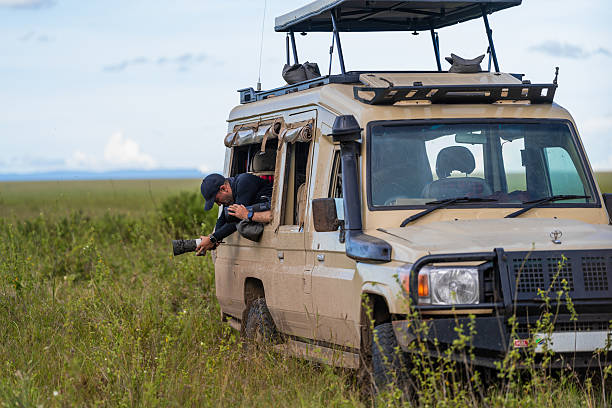
North Africa Travel Costs Explained: Your Essential Planning Guide
North Africa, a region where ancient history meets vibrant modern culture, offers an alluring travel experience. From the bustling souks of Marrakech to the timeless pyramids of Giza and the serene beaches of Tunisia, this diverse area presents a wealth of opportunities for exploration. However, a key consideration for any traveler is understanding the financial outlay involved. This detailed guide aims to demystify North Africa travel costs for 2026-2027, providing practical insights to help you plan your adventure without unexpected surprises.
Many travelers associate North Africa with budget-friendly travel, and indeed, it can be. Yet, the actual costs depend heavily on your travel style, the countries you visit, the time of year, and the activities you choose. We’ll cover everything from international flights and local transport to accommodation options, food expenses, and the cost of popular tours and attractions.
As a tour operator specializing in unique African experiences, including safaris and treks in East Africa, we understand the importance of transparent and detailed planning. While our primary focus is Tanzania, we recognize the interconnectedness of travel planning across the continent and want to equip you with the knowledge to budget for your North African journey.
Quick Facts: North Africa Travel
| Aspect | General Cost Range (USD) | Notes |
|---|---|---|
| International Flights (Round Trip) | $600 – $1500+ | Varies by origin, time of booking, and season. |
| Accommodation (Per Night) | Hostel: $10 – $30 Budget Hotel: $30 – $70 Mid-Range Hotel: $70 – $150 Luxury: $150+ |
Major cities and tourist hubs are pricier. |
| Local Transport (Per Day) | $5 – $30 | Includes local buses, taxis, and occasional trains. |
| Food (Per Day) | Budget: $15 – $30 Mid-Range: $30 – $60 Fine Dining: $60+ |
Street food and local eateries are most affordable. |
| Activities/Entrance Fees (Per Day) | $10 – $50+ | Depends on historical sites, tours, and experiences. |
| Visa Fees | $0 – $75+ | Varies by nationality and country. Check requirements. |
Understanding the Factors Influencing North Africa Travel Costs
Before diving into specific country costs, it’s crucial to understand the variables that impact your budget. These are consistent across the region and will influence your overall expenditure for 2026-2027 trips.
1. Destination Choices
North Africa is not a monolith. Countries like Morocco, Egypt, Tunisia, Algeria, and Libya each have distinct economic landscapes and tourism infrastructures. Generally:
- Morocco: Offers a wide range of options, from budget riads to luxury resorts. It’s well-established for tourism, meaning more choices but potentially higher prices in very popular spots.
- Egypt: Can be very affordable, especially if you stick to local transport and eateries. However, guided tours for major historical sites can add up.
- Tunisia: Often considered one of the most budget-friendly options, with good value accommodation and food.
- Algeria & Libya: These countries are less visited by independent tourists and may require more specialized (and potentially costly) tour arrangements due to accessibility and safety considerations. This guide will focus primarily on the more accessible destinations: Morocco, Egypt, and Tunisia.
2. Time of Year (Seasonality)
Like many destinations, North Africa experiences peak and off-peak tourist seasons. Traveling during peak times (typically spring and autumn for pleasant weather, and around major holidays) will mean higher prices for flights and accommodation.
- Peak Season: March to May and September to November. Expect the best weather but also the highest costs.
- Shoulder Season: Early March, late November. Good weather, fewer crowds, and potentially better prices.
- Low Season: June to August (very hot, especially inland) and December to February (cooler, can be rainy in some areas). Prices are generally lower, but you’ll need to contend with the weather.
3. Travel Style
This is arguably the biggest determinant of your costs. Are you a backpacker staying in hostels and eating street food, or do you prefer boutique hotels and fine dining? Do you travel independently or opt for guided tours?
- Budget Traveler: Focuses on hostels, guesthouses, local transport, street food, and free or low-cost activities.
- Mid-Range Traveler: Stays in comfortable hotels, uses a mix of transport, eats at local restaurants and some tourist-oriented ones, and participates in a few guided tours or paid attractions.
- Luxury Traveler: Opts for high-end hotels, private transfers, fine dining, and exclusive guided experiences.
4. Duration of Stay
A longer trip naturally increases the total cost, but the daily average might decrease if you secure longer-term accommodation discounts or travel slower. Conversely, a short, fast-paced trip hitting many cities can increase daily expenses.
5. Booking in Advance
For international flights and popular accommodations, booking several months in advance (6-12 months for peak season) can significantly reduce costs. Last-minute deals are rare for flights to this region.
Breaking Down North Africa Travel Costs by Category
Let’s look at the typical expenses you can expect for a trip to North Africa in 2026-2027.
International Flights
This is often the single largest expense. Prices fluctuate wildly based on your departure city, the airline, how far in advance you book, and the season.
- General Range: $600 – $1500+ USD for a round-trip ticket from North America or Europe. Flights from Asia or other parts of Africa might be higher or lower depending on connections.
- Tips for Saving:
- Be flexible with your travel dates. Flying mid-week is often cheaper.
- Consider flying into a major hub (e.g., Casablanca, Marrakech, Cairo) and then taking a budget airline or bus to your final destination if it’s more remote.
- Set up flight alerts on comparison websites.
- Book at least 3-6 months in advance, especially if traveling during peak season.
Accommodation
North Africa offers a diverse range of places to stay, catering to all budgets. Prices are generally lower than in Western Europe or North America.
Average Daily Costs (USD):
- Hostels/Dorm Beds: $10 – $30. Common in major cities and backpacker hubs. Great for solo travelers looking to save money and meet people.
- Budget Guesthouses/Riads/Budget Hotels: $30 – $70. This is where you’ll find good value. Riads in Morocco, often traditional homes with interior courtyards, offer a charming and affordable experience.
- Mid-Range Hotels/Boutique Riads: $70 – $150. Comfortable amenities, often with private bathrooms, air conditioning, and better locations.
- Luxury Hotels/Resorts: $150+. High-end amenities, pools, fine dining, and premium service.
Cost Notes:
- Prices are typically per room, not per person (except for hostel dorms).
- Location is key: accommodation in prime tourist areas or city centers will be more expensive.
- Negotiation might be possible for longer stays, especially in smaller guesthouses outside peak season.
Local Transportation
Getting around North Africa can be an adventure in itself and is generally quite affordable.
- Inter-City Buses: The backbone of public transport for many. Companies like CTM and Supratours in Morocco, or similar services in Egypt and Tunisia, offer comfortable and reliable travel between cities. Costs can range from $5 – $30 for journeys of several hours.
- Trains: Available in Morocco and Egypt, offering a comfortable alternative to buses for certain routes. Prices are comparable to buses.
- Taxis: Widely available. Agree on a price before starting your journey, or insist on using the meter if available and functioning. Short city trips might cost $2 – $10. Longer distances or airport transfers can be $15 – $40.
- Shared Taxis (Grands Taxis): Common for inter-city travel where trains or buses are less frequent. You share the vehicle with locals. Cheaper than private taxis but less comfortable and direct.
- Local City Buses/Trams: Very cheap, typically $0.50 – $2 per ride.
- Car Rentals: Available but can be costly ($30 – $70+ per day plus insurance and fuel) and navigating busy North African cities can be challenging. It’s often more practical to use public transport and taxis.
Daily Average: For a traveler using a mix of public transport and occasional taxis, budget around $5 – $30 per day.
Food and Drink
North African cuisine is renowned for its rich flavors. You can eat very well on a budget.
- Street Food/Local Cafes: Delicious and cheap. Think tagines, couscous, grilled meats, pastries, and fresh juices. Budget $15 – $30 per day.
- Mid-Range Restaurants: Offering a more comfortable dining experience with a broader menu. Budget $30 – $60 per day.
- Fine Dining: Available in larger cities and tourist resorts, offering international and upscale local cuisine. Budget $60+ per day.
Cost Notes:
- Bottled water is essential in many areas. Budget a couple of dollars per day for this.
- Alcohol can be expensive and is not always readily available, especially outside major hotels and tourist areas.
Activities and Entrance Fees
This category can vary significantly based on your interests.
- Major Historical Sites: Entrance fees for places like the Pyramids of Giza, Karnak Temple (Egypt), or the Roman ruins of El Jem (Tunisia) can range from $5 – $20 per site. Guided tours of these sites can add $20 – $50+.
- Museums: Typically $5 – $15.
- Guided Tours: City tours, desert excursions (Morocco), Nile cruises (Egypt), or cultural experiences can range from $30 for a half-day to $200+ for multi-day excursions.
- Cultural Experiences: Cooking classes, souk visits, or traditional music performances might cost $20 – $70.
- National Parks/Nature: Entrance fees are usually modest ($5 – $15), but organized treks or safaris will be significantly more.
Daily Average: For a traveler visiting popular sites and taking a few tours, budget $20 – $50+ per day. If you’re focused on independent exploration and fewer paid attractions, this could be lower.
Visas
Visa requirements depend on your nationality. Many nationalities can enter Morocco and Tunisia visa-free for short stays. Egypt often requires a visa on arrival or an e-visa, typically costing around $25-$60.
Always check the latest visa regulations for your specific passport well in advance of your travel dates for 2026-2027.
Miscellaneous Expenses
Don’t forget to budget for:
- Travel Insurance: Essential for any trip. Costs vary based on coverage and duration, but budget $50 – $150 for a typical 2-3 week trip.
- SIM Card/Data: Local SIM cards are affordable for staying connected. Budget $10 – $30 for a data package.
- Souvenirs: Varies greatly based on your shopping habits.
- Tips: Tipping is customary for services. Budget a small daily amount or allocate funds for specific services.
North Africa Travel Costs: Country-Specific Insights (2026-2027)
While the general categories above apply across the region, some countries offer better value than others.
Morocco
Morocco is a popular entry point to North Africa, known for its vibrant culture, diverse landscapes, and well-developed tourism infrastructure.
- Flights: Can be competitive from Europe. $400 – $1000+ from North America.
- Accommodation: Excellent range. Riads in Marrakech and Fes can be found from $40-$100 for mid-range. Hostels are available from $15.
- Transport: Excellent bus network (CTM, Supratours) $5-$25 for inter-city. Trains are also efficient.
- Food: Very affordable. Street food $1-$3 per meal. Mid-range restaurants $10-$20.
- Activities: Entrance to sites like Bahia Palace ($7), Jardin Majorelle ($15). Desert tours (e.g., Merzouga) can be $100-$300+ for 2-3 days.
- Daily Budget Estimate (Mid-Range): $70 – $150 per person per day (excluding international flights).
Egypt
Egypt offers incredible historical value, often at a lower price point for daily expenses.
- Flights: Similar to Morocco, competitive from Europe. $500 – $1200+ from North America.
- Accommodation: Budget hotels in Cairo and Luxor can be found for $25-$50. Mid-range $60-$120. Nile cruises are a significant expense, ranging from $300-$1000+ for a few days depending on luxury level.
- Transport: Local buses are very cheap. Inter-city buses are affordable. Domestic flights are an option but add cost. Sleeper trains are popular and cost around $40-$80 for a bunk.
- Food: Very cheap. Street food $1-$3. Local restaurants $5-$15.
- Activities: Entrance to Pyramids/Sphinx ($15-$20), Karnak Temple ($10-$15), Valley of the Kings ($15-$20). A comprehensive package for major sites might run $100-$200.
- Daily Budget Estimate (Mid-Range, excluding Nile Cruise): $60 – $120 per person per day.
Tunisia
Tunisia is often the most budget-friendly of the three, offering beautiful coastlines and Roman ruins.
- Flights: Can be very affordable from Europe. $500 – $1100+ from North America.
- Accommodation: Guesthouses and hotels are generally cheaper than in Morocco or Egypt. Budget options from $20-$40, mid-range $50-$90.
- Transport: Louage (shared taxis) are very efficient and cheap for inter-city travel. Local buses and trains are also available.
- Food: Affordable. Street food and local eateries $10-$20 per day.
- Activities: Entrance to El Jem ($7-$10), Carthage ruins ($5-$10).
- Daily Budget Estimate (Mid-Range): $50 – $100 per person per day.
Sample Itinerary & Cost Considerations
Let’s imagine a 10-day trip to Morocco for two people in 2026, focusing on a mid-range budget. This excludes international flights.
Sample 10-Day Morocco Itinerary (Mid-Range)
| Day | Location | Activities | Accommodation Type | Transport | Estimated Daily Cost (2 people) |
|---|---|---|---|---|---|
| 1-3 | Marrakech | Jemaa el-Fna, Bahia Palace, Koutoubia Mosque, Majorelle Garden, Souks | Mid-range Riad ($80/night) | Airport taxi, walking, local taxis | $150 – $200 |
| 4-5 | Atlas Mountains / Ait Benhaddou | Scenic drive, visit Ait Benhaddou, Berber villages | Guesthouse ($60/night) | Private driver/tour ($150/day for 2 days) | $250 – $300 |
| 6-7 | Merzouga Desert | Camel trek, overnight in desert camp (mid-range) | Desert Camp ($120/night for 2 people) | 4×4 transport to camp | $200 – $250 |
| 8-10 | Fes | Medina exploration, Tanneries, Bou Inania Madrasa | Mid-range Riad ($80/night) | Bus from desert area to Fes (approx. $30/person), local taxis | $180 – $230 |
Total Estimated Cost for 10 Days (2 people, mid-range, excluding international flights): $1000 – $1400 USD.
Daily Average Cost (2 people): $100 – $140 USD.
Daily Average Cost (per person): $50 – $70 USD.
Cost Notes:
- This estimate includes accommodation, food, local transport, and entrance fees/activities.
- It assumes booking mid-range accommodation and a popular 2-night desert tour.
- International flights would add $600-$1500+ per person.
- A budget traveler could potentially reduce this to $40-$50 per person per day by staying in hostels, eating mostly street food, and using only public transport. A luxury traveler could easily spend $200+ per person per day.
Planning Your North Africa Trip for 2026-2027: Key Considerations
Budgeting effectively for North Africa travel in 2026-2027 involves more than just looking at daily costs. Here are essential planning steps:
1. Define Your Priorities
What do you want to see and do? Are you interested in ancient history (Egypt), bustling medinas and desert adventures (Morocco), or beaches and Roman ruins (Tunisia)? Your interests will dictate the destinations and activities, thus influencing costs.
2. Research Visa Requirements
As mentioned, visa policies can change. Verify requirements for your nationality for each country you plan to visit well in advance. Factor in visa fees and the time needed to process applications.
3. Choose Your Travel Dates Wisely
Consider the weather and its impact on prices. For pleasant temperatures and moderate crowds in 2026 or 2027, aim for spring (March-May) or autumn (September-November). If budget is the absolute priority, consider the shoulder or even low season, but be prepared for heat or cooler weather.
4. Book Flights Early
Especially for international flights, booking 6-12 months ahead can secure much better prices. Use flight comparison websites and be flexible with dates if possible.
5. Select Accommodation Based on Budget and Style
Decide if you’re comfortable with hostels, prefer traditional riads, or need hotel amenities. Booking popular or unique accommodations in advance is recommended, particularly for the 2026-2027 travel season.
6. Plan Your Itinerary & Transport
Map out your route. Inter-city travel costs can add up. Research bus and train schedules and prices. For longer distances or more remote areas, consider private drivers, but factor in the higher cost.
7. Budget for Activities and Tours
Identify the must-do activities and their associated costs. If you plan on extensive guided tours or visiting many historical sites, this will be a significant portion of your budget. Look for multi-site passes if available.
8. Factor in Food and Daily Expenses
Decide on your dining style. Eating at local markets and small eateries is significantly cheaper than tourist-focused restaurants.
9. Create a Contingency Fund
Always add a buffer of 10-15% to your total budget for unexpected expenses, spontaneous splurges, or emergencies.
10. Stay Informed About Safety and Local Customs
Research current safety advisories for the regions you plan to visit. Understanding local customs, dress codes, and etiquette will enhance your experience and help you navigate situations smoothly.
Common Mistakes to Avoid When Budgeting for North Africa
To ensure your North Africa travel costs are managed effectively, be aware of these common pitfalls:
- Underestimating Activity Costs: Popular tours, especially desert excursions or multi-day trips, can be more expensive than anticipated. Research these upfront.
- Ignoring Visa Fees: Not checking or budgeting for visa costs can lead to last-minute expenses and complications.
- Not Booking Flights in Advance: Last-minute flight bookings to North Africa are rarely cheap.
- Relying Solely on Tourist Restaurants: While convenient, these are often more expensive and offer less authentic food than local eateries.
- Not Budgeting for Local Transport: While generally affordable, frequent taxi use or unexpected long-distance travel can add up.
- Forgetting the ‘Hidden’ Costs: Travel insurance, SIM cards, tips, and souvenirs should all be factored in.
- Not Considering Seasonality: Traveling during peak season without adjusting the budget accordingly can lead to sticker shock.
- Over-Reliance on Credit Cards: While accepted in larger establishments, many smaller vendors and transport providers prefer cash. Ensure you have enough local currency.
Who is North Africa Travel Best Suited For?
North Africa offers something for a wide range of travelers:
- History Enthusiasts: Egypt’s ancient wonders, Tunisia’s Roman ruins, and Morocco’s imperial cities provide endless historical exploration.
- Culture Seekers: The vibrant souks, traditional music, unique architecture, and diverse cuisines offer a rich cultural immersion.
- Adventure Lovers: Trekking in the Atlas Mountains, camel treks in the Sahara, and exploring desert landscapes appeal to the adventurous.
- Budget Travelers: With careful planning, North Africa can be a very affordable destination, especially for backpackers.
- Foodies: The aromatic tagines, couscous, mint tea, and fresh pastries are a delight for the palate.
- Photographers: The dramatic landscapes, intricate architecture, and colorful markets provide endless photographic opportunities.
The region might be less suited for travelers seeking purely beach resort holidays without cultural engagement, or those uncomfortable with navigating different languages and customs. However, even for those, there are plenty of resorts that cater to international visitors.
Alternatives to North Africa
If North Africa doesn’t quite fit your travel plans or budget for 2026-2027, consider these alternatives:
- East Africa (e.g., Tanzania, Kenya): For unparalleled wildlife safaris and iconic landscapes. Costs can be higher, especially for safaris, but offer a different kind of adventure. If you’re interested in an East African safari, we at Best Tanzania Tour Operator can help plan your dream trip.
- Southern Europe (e.g., Spain, Portugal, Italy): Offers rich history, diverse cultures, and beautiful coastlines, often with easier travel logistics from Europe and North America. Costs can be comparable or higher depending on the country and travel style.
- Turkey: A bridge between Europe and Asia, offering ancient ruins, vibrant bazaars, and stunning coastlines. Can be very budget-friendly.
- The Balkans: Increasingly popular for budget travel, offering history, culture, and natural beauty at lower price points than Western Europe.
Planning Your 2026-2027 North Africa Trip: A Timeline
To manage North Africa travel costs effectively and ensure a smooth experience, follow this planning timeline:
12+ Months Before Travel:
- Start researching destinations and potential itineraries.
- Begin looking at international flight prices to get an idea of costs and seasonality.
- Check visa requirements for your nationality.
6-9 Months Before Travel:
- Book international flights. This is crucial for securing better prices.
- Book any high-demand accommodations or specific tours (e.g., multi-day desert tours, popular riads).
- If applying for visas, start the process.
3-5 Months Before Travel:
- Finalize your itinerary.
- Book inter-city transport if specific schedules are important or if you want to secure better seats.
- Book any remaining accommodations.
- Purchase travel insurance.
1-2 Months Before Travel:
- Arrange for any necessary vaccinations or health precautions.
- Inform your bank of your travel dates to avoid card issues.
- Purchase a local SIM card plan if you want to arrange this in advance (though buying on arrival is often easier and cheaper).
- Start learning a few basic phrases in Arabic or French.
1-2 Weeks Before Travel:
- Confirm all bookings.
- Pack your bags, ensuring you have appropriate clothing and essentials.
- Exchange some currency for immediate needs upon arrival.
During Your Trip:
- Track your spending against your budget.
- Be open to spontaneous opportunities but mindful of their cost.
- Enjoy your adventure!
Booking Advice for North Africa Travel
When booking your North Africa trip for 2026-2027, keep these tips in mind to manage costs and ensure a quality experience:
- Use Reputable Booking Platforms: For flights and hotels, stick to well-known booking sites or book directly with airlines/hotels if you find better deals.
- Consider Local Tour Operators: For specific excursions (like desert tours or city guides), local operators often offer better value and more authentic experiences than large international companies. Research reviews thoroughly.
- Read Reviews Carefully: Pay attention to recent reviews regarding value for money, cleanliness, and service for both accommodation and tours.
- Be Wary of Unsolicited Offers: Especially in tourist hotspots, you’ll encounter many people offering tours or services. Stick to pre-booked or reputable sources to avoid scams or overpaying.
- Understand Inclusions and Exclusions: For tours and packages, clarify exactly what is covered (meals, transport, entrance fees, guides) and what is not. This is critical for accurate budgeting.
If you are considering custom travel experiences or need assistance with planning a trip that aligns with your budget and interests, don’t hesitate to reach out. While our expertise is in East Africa, we can guide you on planning principles and connect you with reliable partners if needed.
Get Expert Assistance for Your African Adventure!
Planning a trip can be complex. If you’re looking for tailored advice or assistance with booking travel experiences, especially in East Africa, our team is here to help. Contact us for personalized recommendations and support.
WhatsApp: +255616946642
Email: topguideadventures@gmail.com
Backup Email: info@topguideadventures.com
Let us help you create an unforgettable journey.
Frequently Asked Questions About North Africa Travel Costs
Q1: What is the average daily budget for North Africa travel in 2026-2027?
A1: For a mid-range traveler, expect to spend approximately $70 – $150 USD per person per day, excluding international flights. Budget travelers can aim for $40 – $70, while luxury travelers might spend $200+.
Q2: Are North Africa travel costs significantly different between Morocco, Egypt, and Tunisia?
A2: Generally, Tunisia tends to be the most budget-friendly, followed closely by Egypt. Morocco offers a wide range of options, with prices in popular tourist cities like Marrakech and Fes potentially being higher than in comparable Egyptian or Tunisian locations. However, all three can be explored affordably with careful planning.
Q3: When is the best time to travel to North Africa to save money?
A3: The shoulder seasons (early spring and late autumn) and the low season (summer, due to heat, or winter, due to cooler weather) typically offer lower prices for flights and accommodation in 2026-2027. However, consider the weather impact on your planned activities.
Q4: How much should I budget for activities and entrance fees in North Africa?
A4: Budget around $20 – $50+ per person per day for activities and entrance fees if you plan to visit major historical sites and take guided tours. This can be lower if you focus on independent exploration or higher for specialized excursions.
Q5: Is it cheaper to book tours in advance or upon arrival in North Africa?
A5: For popular, multi-day tours (like desert trips), booking in advance is often recommended to secure spots and potentially better prices. For shorter, more flexible day tours or city guides, you may find more options and room for negotiation upon arrival, but always ensure you are dealing with reputable operators.
Q6: Are credit cards widely accepted in North Africa?
A6: Credit cards are generally accepted in larger hotels, upscale restaurants, and major tourist shops in cities. However, for smaller guesthouses, local markets, street food vendors, and most local transport, cash (local currency) is essential. It’s advisable to carry sufficient cash.
Q7: What are the typical costs for a visa to North African countries for 2026-2027?
A7: Visa requirements vary by nationality. Many can enter Morocco and Tunisia visa-free for short stays. Egypt typically charges around $25-$60 for a visa on arrival or e-visa. Always confirm current fees and requirements with the official embassy or consulate of each country.
Q8: How can I save money on food in North Africa?
A8: Eating at local markets, street food stalls, and small, family-run restaurants is the most economical way to enjoy delicious North African cuisine. Look for places where locals are eating.
Q9: Is tipping expected in North Africa, and how much should I budget for it?
A9: Tipping is customary for good service. For restaurant staff, drivers, guides, and hotel porters, a small tip (around 5-10% in restaurants, or a few dollars/euros for other services) is appreciated. Budget a small daily amount or allocate funds for specific services.
Q10: What is the cost of a typical 7-day trip to Morocco for a solo traveler on a budget in 2026?
A10: A solo traveler on a budget in Morocco for 7 days, staying in hostels, eating local food, and using public transport, could expect costs around $300 – $500 USD, excluding international flights. This would be roughly $40-$70 per day.
Ready to Plan Your North Africa Adventure?
Understanding North Africa travel costs is the first step to an incredible journey. Whether you’re drawn to the souks of Marrakech, the pyramids of Giza, or the beaches of Tunisia, careful planning ensures you can experience the best of the region within your budget for 2026-2027.
If you need expert advice or assistance with booking your next adventure, especially in East Africa, our dedicated team is ready to help. Let us craft a personalized itinerary that meets your dreams and your budget.
Contact Us Today:
WhatsApp: +255616946642
Email: topguideadventures@gmail.com
Backup Email: info@topguideadventures.com
We look forward to helping you explore the wonders of Africa.
Plan your North Africa Travel Costs Explained with Top Guide Adventures
Tell us your travel dates, group size, comfort level, and dream experience. We will help you shape a clear, realistic, and memorable Tanzania itinerary.







 Veedesigner
 Fatma Kizanga
 Benjamin Waryuba
 Philip Philip
 John jr Itaja
 Antonia Optatus
 Edith Kanyere
 Neema Iddy
 Kelvin Boniphace
 Damari Maiga



