
Updated planning guide for 2026-2027
Ghana / Senegal / West Africa: Complete Guide
Discover the vibrant cultures and diverse landscapes of Ghana and Senegal. Our expert guide for 2026-2027 provides essential planning details for your West African adventure.
WhatsApp +255616946642 | topguideadventures@gmail.com | info@topguideadventures.com
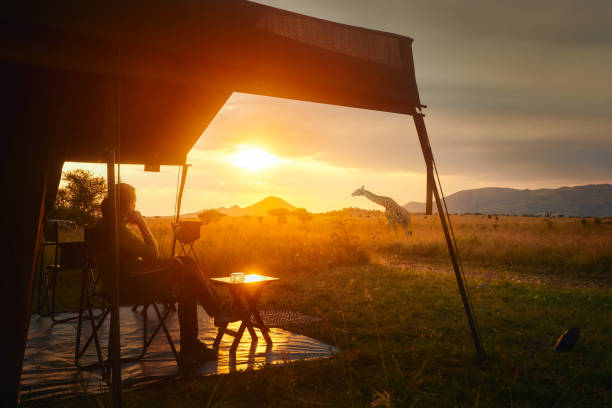
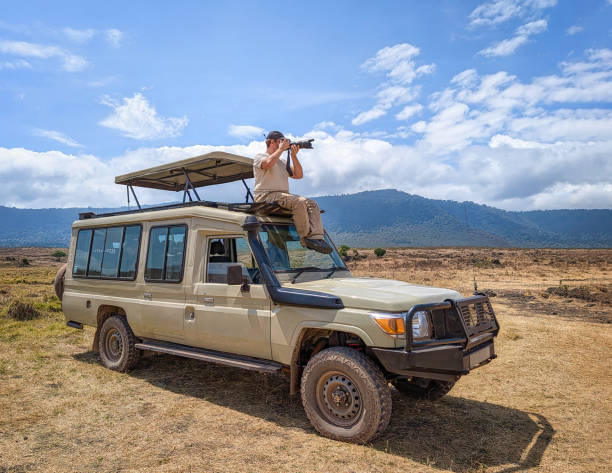
Ghana, Senegal, West Africa: Your Definitive 2026-2027 Travel Planning Guide
West Africa, a region often bypassed by mainstream tourism, holds a profound allure for the traveler seeking authentic experiences, rich history, and vibrant cultures. Among its most accessible and rewarding destinations are Ghana and Senegal. This guide is crafted for those planning their 2026 or 2027 journey, offering a deep dive into what makes these two nations unique, how to navigate them, and what to expect. Whether you’re drawn by the echoes of history, the rhythm of local music, the call of the wild, or the warmth of the people, understanding Ghana and Senegal is the first step toward an unforgettable West African adventure.
For travelers considering a trip in 2026-2027, this resource aims to provide the clarity and detail needed to move from inspiration to booking. We’ll cover everything from the best times to visit, key attractions, practicalities of travel, cultural etiquette, and how to craft an itinerary that truly captures the spirit of Ghana and Senegal.
Quick Answers for Your West Africa Trip 2026-2027
What are the main draws of Ghana and Senegal? Ghana offers historical depth with its slave forts and vibrant traditions, while Senegal is known for its music, art, and the iconic Pink Lake. Both boast beautiful coastlines and unique wildlife opportunities.
When is the best time to visit Ghana and Senegal in 2026-2027? The dry seasons, typically from November to March, are generally preferred for comfortable travel across both countries.
Is it safe to travel to Ghana and Senegal? With sensible precautions, both countries are generally safe for tourists. It’s always wise to stay informed about local conditions and follow advice from reputable tour operators.
What kind of visa do I need for Ghana and Senegal? Visa requirements vary by nationality. Many nationalities can obtain visas on arrival or in advance from embassies. Check official government sources for the most current information for your 2026-2027 travel plans.
Can I combine Ghana and Senegal in one trip? Yes, combining these two countries is feasible and highly recommended for a broader West African perspective. Travel between them can be done by flight or sometimes by bus.
Table of Contents
- West Africa Overview: Ghana & Senegal
- Why Visit Ghana and Senegal in 2026-2027?
- Ghana & Senegal Quick Facts
- Best Time to Visit: Seasonality for 2026-2027
- Geographical Highlights & Route Planning
- Exploring Ghana: Key Destinations & Experiences
- Exploring Senegal: Key Destinations & Experiences
- Sample 14-Day Ghana & Senegal Itinerary (2026-2027 Focus)
- Choosing Your Travel Style
- Cultural Etiquette & Local Customs
- Health and Safety Considerations for 2026-2027
- What to Pack for West Africa
- Common Mistakes to Avoid
- Who is Ghana & Senegal Best For?
- Alternatives to Ghana & Senegal
- 2026-2027 Planning & Booking Tips
- Frequently Asked Questions (FAQs)
- Ready to Book Your West Africa Adventure?
West Africa Overview: Ghana & Senegal
West Africa is a vast and culturally rich region of the African continent. Ghana and Senegal, situated on the westernmost part of the continent, offer a compelling introduction to this diverse area. Ghana, known for its welcoming people and significant historical sites, particularly related to the transatlantic slave trade, provides a deep dive into history and contemporary culture. Senegal, its neighbor, captivates with its vibrant music scene, artistic heritage, and stunning natural beauty, including the unique Lac Rose.
For travelers planning a visit in 2026 or 2027, understanding the nuances of each country is key. Ghana is celebrated for its stability and the warmth of its people, making it a comfortable entry point. Senegal, a hub of Francophone West African culture, offers a different but equally engaging experience, with French as an official language alongside local tongues.
Why Visit Ghana and Senegal in 2026-2027?
The allure of Ghana and Senegal for 2026-2027 travel lies in their ability to provide an authentic and enriching experience that goes beyond typical tourist trails. These countries offer a chance to connect with history on a profound level, witness living traditions, and interact with communities that are eager to share their way of life.
- Historical Significance: Ghana’s Cape Coast and Elmina Castles are UNESCO World Heritage sites, offering a somber yet essential understanding of the slave trade. Senegal’s Gorée Island, also a UNESCO site, serves a similar purpose.
- Cultural Vibrancy: From the bustling markets of Accra and Dakar to the traditional villages and the renowned music scenes, both countries pulse with life. Experience traditional drumming, dance, and storytelling.
- Natural Beauty: Discover diverse landscapes, from Ghana’s rainforests and coastlines to Senegal’s Sahelian semi-desert, mangrove forests, and the striking pink waters of Lac Rose.
- Authentic Encounters: These destinations offer genuine interactions with local people, providing insights into daily life, customs, and hospitality.
- Emerging Destinations: While not as mainstream as some other African destinations, Ghana and Senegal are increasingly accessible and welcoming to visitors, offering a sense of discovery.
Ghana & Senegal Quick Facts
| Feature | Ghana | Senegal |
|---|---|---|
| Capital | Accra | Dakar |
| Official Language | English | French |
| Major Local Languages | Twi, Ewe, Ga, Fante | Wolof, Pulaar, Serer, Mandinka |
| Currency | Ghanaian Cedi (GHS) | West African CFA franc (XOF) |
| Best Time to Visit (Dry Season) | November – March | November – March |
| Key Historical Sites | Cape Coast Castle, Elmina Castle, Kakum National Park | Gorée Island, Toubab Dialaw, Saint-Louis |
| Major Attractions | Volta Region waterfalls, Mole National Park, Ashanti region | Lac Rose, Djoudj National Bird Sanctuary, Fathala Wildlife Reserve |
| Typical Tourist Days | 7-14 days | 7-14 days |
Best Time to Visit: Seasonality for 2026-2027
Planning your trip for 2026-2027 requires understanding the climate patterns in Ghana and Senegal. Both countries experience distinct wet and dry seasons, which significantly impact travel conditions and the types of activities available.
Ghana Seasonality
- Dry Season (November to March): This is generally the most popular time to visit Ghana. The weather is sunny and less humid, with average temperatures ranging from 25-30°C (77-86°F). It’s ideal for exploring historical sites, national parks, and enjoying the beaches. This period aligns well with festive seasons, offering a lively atmosphere.
- Harmattan (December to February): A cool, dry, dusty wind blows from the Sahara during this time, leading to hazy conditions but also lower humidity and cooler nights.
- Wet Season (April to October): Characterized by heavy rainfall, particularly in the south. June and July often see the heaviest rains. While travel is still possible, roads can become challenging, and some outdoor activities might be limited. This season is greener, and fewer tourists mean potentially lower prices.
Senegal Seasonality
- Dry Season (November to March): Similar to Ghana, this is the prime tourist season in Senegal. Pleasant temperatures (20-30°C or 68-86°F) and low humidity make it perfect for exploring Dakar, the coast, and national parks. The Harmattan winds can also be felt here.
- Shoulder Season (April to June & September to October): Temperatures begin to rise in April and can become quite hot before the main rains. The transition periods offer a good balance of decent weather and fewer crowds.
- Wet Season (July to October): Rainfall is concentrated in the southern parts of Senegal, though Dakar experiences less rain. Humidity increases, and temperatures can be high. This is the green season, and it’s a great time for birdwatching in certain areas.
Recommendation for 2026-2027: For a comfortable and comprehensive experience covering both countries, aim for the dry season, from November to March. This period offers the best weather for sightseeing, wildlife viewing, and beach activities.
Geographical Highlights & Route Planning
Ghana and Senegal offer diverse geographical features that can shape your travel itinerary. Understanding these regions helps in planning a logical route for your 2026-2027 trip.
Ghana’s Geography
- Coastline: A long stretch of beaches, dotted with historic fishing villages and colonial forts.
- Ashanti Region: Inland, characterized by rolling hills and lush vegetation, the heartland of the Ashanti people.
- Volta Region: To the east, known for its dramatic waterfalls, mountains, and Lake Volta, one of the world’s largest man-made lakes.
- Northern Ghana: Drier, more savanna-like, home to Mole National Park.
Senegal’s Geography
- Cap-Vert Peninsula: Where Dakar and its surrounding areas are located, featuring a mix of urban life and coastal landscapes.
- The Petite Côte: South of Dakar, known for its beaches and fishing towns like Mbour and Joal-Fadiouth.
- The Sine Saloum Delta: A UNESCO Biosphere Reserve with mangrove forests, tidal channels, and numerous islands.
- The Ferlo Region: Semi-arid savanna in the north-central part, home to wildlife reserves.
- Casamance Region: In the south, a lush, tropical area known for its forests, beaches, and distinct culture, separated from the rest of Senegal by The Gambia.
Route Planning Considerations
When planning a trip to Ghana and Senegal for 2026-2027, consider the following:
- Travel Between Countries: The most efficient way is usually by flight between Accra (Ghana) and Dakar (Senegal). Overland travel is possible but time-consuming and can involve multiple border crossings.
- Internal Travel: In Ghana, major roads connect key cities. For longer distances or to reach national parks, domestic flights or well-arranged private transport are options. In Senegal, buses (like the Dakar Dem Dikk network or shared taxis) are common for intercity travel. The train service is limited.
- Focus Areas: Decide whether to focus on historical sites, cultural immersion, wildlife, or beaches. Trying to cover too much in a short time can lead to a rushed experience.
Exploring Ghana: Key Destinations & Experiences
Ghana offers a rich tapestry of history, culture, and natural beauty. For travelers in 2026-2027, here are some must-visit locations:
Accra
- Independence Square: A monument to Ghana’s independence.
- Kwame Nkrumah Mausoleum: Dedicated to Ghana’s first president.
- National Museum: Showcasing Ghanaian history and culture.
- Makola Market: A vibrant, bustling marketplace offering a sensory overload.
- Jamestown: An old fishing district with a unique atmosphere and vibrant street art.
Cape Coast & Elmina
- Cape Coast Castle: A UNESCO World Heritage site, a former British slave fort.
- Elmina Castle: The oldest European building in sub-Saharan Africa, also a former slave fort.
- Kakum National Park: Famous for its canopy walkway through the rainforest.
Kumasi (Ashanti Region)
- Manhyia Palace Museum: Former residence of the Ashanti King.
- Cultural Centre: Showcasing Ashanti crafts and traditions.
- Adanwomase Kente Weaving Village: Witness the creation of traditional Kente cloth.
Northern Ghana
- Mole National Park: Ghana’s largest wildlife park, offering chances to see elephants, antelopes, and more. Guided safaris are available.
- Larabanga Mosque: One of the oldest mosques in West Africa, with unique Sudanic architecture.
Volta Region
- Wli Waterfalls: Ghana’s highest waterfall, set in lush rainforest.
- Tafi Atome Monkey Sanctuary: Interact with sacred Mona monkeys.
- Lake Volta: Explore its vast expanse by boat.
Exploring Senegal: Key Destinations & Experiences
Senegal presents a captivating blend of French colonial influence, Islamic traditions, and rich artistic expression. For your 2026-2027 journey:
Dakar
- African Renaissance Monument: An imposing bronze statue overlooking the city.
- Gorée Island: A UNESCO World Heritage site, a poignant symbol of the slave trade.
- Musée des Civilisations Noires: A modern museum dedicated to Black civilizations.
- Marché Kermel & Marché Sandaga: Vibrant markets for local crafts, food, and daily life.
- Île aux Serpents (Snake Island): A protected nature reserve (access may be restricted).
Lac Rose (Pink Lake)
- Unique Phenomenon: Famous for its high salt content and pinkish hue, especially during the dry season.
- Salt Harvesting: Witness the traditional method of salt collection.
- Activities: Enjoy a 4×4 tour around the lake or relax at a nearby lodge.
Saint-Louis
- Colonial Architecture: A former capital of French West Africa, with a charming historic island center.
- Fauna Reserve: Nearby Langue de Barbarie National Park is a birdwatcher’s paradise.
- Music Scene: Known for its jazz festivals and vibrant music culture.
Sine Saloum Delta
- Nature Reserve: Explore mangrove forests, birdlife, and oyster beds by pirogue (traditional canoe).
- Île de Fadiouth: A unique island village built on an oyster shell mound.
Southern Senegal (Casamance)
- Beaches: Beautiful, less-crowded beaches in towns like Cap Skirring.
- Nature: Lush forests, rice paddies, and traditional villages.
- Culture: Experience the distinct culture of the Jola people. (Note: Check current travel advisories for Casamance due to past security concerns, though it is generally safe for tourists.)
Sample 14-Day Ghana & Senegal Itinerary (2026-2027 Focus)
This itinerary is designed for travelers seeking a balanced introduction to both countries, focusing on key historical, cultural, and natural highlights. It assumes travel during the dry season (e.g., February 2027).
| Day | Location | Activities |
|---|---|---|
| 1-3 | Accra, Ghana | Arrive in Accra. Explore Independence Square, Kwame Nkrumah Mausoleum, National Museum, Jamestown. Visit Makola Market. |
| 4-5 | Cape Coast, Ghana | Travel to Cape Coast. Visit Cape Coast Castle and Elmina Castle. Experience Kakum National Park canopy walk. |
| 6 | Kumasi, Ghana | Travel to Kumasi. Visit Manhyia Palace Museum and the Cultural Centre. Explore local craft villages (e.g., Kente weaving). |
| 7 | Travel Day | Fly from Kumasi (or Accra) to Dakar, Senegal. Transfer to your hotel. |
| 8-9 | Dakar, Senegal | Explore Dakar: African Renaissance Monument, Île aux Serpents (if accessible), Musée des Civilisations Noires. Visit markets. |
| 10 | Gorée Island, Senegal | Day trip to Gorée Island. Visit the House of Slaves, explore the island’s history and charm. |
| 11 | Lac Rose, Senegal | Visit Lac Rose. Witness salt harvesting, enjoy a 4×4 tour. Overnight near the lake or return to Dakar. |
| 12-13 | Saint-Louis, Senegal | Travel to Saint-Louis. Explore the historic island, enjoy its colonial architecture and waterfront. Optional visit to Langue de Barbarie National Park for birdwatching. |
| 14 | Departure | Depart from Dakar. |
Note: This is a sample. It can be customized based on your interests and pace. For example, you could add time in Mole National Park (Ghana) or the Sine Saloum Delta (Senegal).
Choosing Your Travel Style
Ghana and Senegal cater to a range of travel preferences. Understanding these can help you tailor your 2026-2027 trip:
| Traveler Type | Best Suited For | Recommendations |
|---|---|---|
| History Buffs | Those interested in colonial past, slave trade history, and ancient kingdoms. | Focus on Ghana’s castles (Cape Coast, Elmina), Kumasi’s Ashanti history, and Senegal’s Gorée Island and Saint-Louis. |
| Culture Enthusiasts | Travelers seeking authentic local experiences, music, art, and markets. | Immerse yourself in Accra’s markets, Kumasi’s craft villages, Dakar’s music scene, and explore traditional villages. |
| Nature Lovers & Wildlife Spotters | Those who enjoy national parks, birdwatching, and diverse ecosystems. | Visit Kakum NP (Ghana), Mole NP (Ghana), Djoudj & Langue de Barbarie NPs (Senegal), Sine Saloum Delta (Senegal). |
| Beach Goers | Travelers looking for relaxation by the sea. | Ghana: Busua, Kokrobite. Senegal: Saly, Cap Skirring, Île de Fadiouth. |
| Adventure Seekers | Individuals wanting active experiences. | Canopy walks (Kakum), 4×4 tours (Lac Rose), hiking, exploring less-traveled paths. |
Cultural Etiquette & Local Customs
Respecting local customs is vital for a positive experience in Ghana and Senegal. Travelers in 2026-2027 should be mindful of the following:
- Greetings: Always greet people when entering a shop or meeting someone. A handshake is common, but wait for the other person to initiate. Use formal greetings initially (e.g., “Good morning,” “Salaam Alaikum” in Senegal).
- Dress Code: Dress modestly, especially outside major tourist areas and when visiting religious sites. Lightweight, breathable clothing is best. Avoid very revealing attire. Shoulders and knees should generally be covered.
- Photography: Always ask permission before taking photos of people, especially children or in formal settings. Some places may prohibit photography.
- Patience: Things often move at a slower pace. Embrace the relaxed rhythm and avoid showing impatience.
- Hospitality: Ghanaians and Senegalese are known for their hospitality. If invited to someone’s home, it’s a great honor. Bring a small gift if possible (e.g., sweets, pens for children).
- Religion: Islam is dominant in Senegal, and Christianity is prevalent in Ghana, with traditional beliefs also present. Be respectful of religious practices and timings.
- Left Hand: In many African cultures, the left hand is considered unclean. Use your right hand for eating, giving, and receiving items.
- Bargaining: Haggling is common in markets, but do so respectfully and with a smile. Don’t push for the lowest price possible.
Health and Safety Considerations for 2026-2027
Prioritizing your well-being is crucial for any trip. For Ghana and Senegal in 2026-2027, consider these health and safety points:
Health
- Vaccinations: Consult your doctor or a travel clinic 6-8 weeks before your trip. Recommended vaccinations often include Yellow Fever (mandatory for entry for many), Hepatitis A, Typhoid, and Tetanus. Malaria prophylaxis is usually advised.
- Malaria: Both countries are in malaria zones. Take precautions such as using insect repellent (with DEET), wearing long sleeves and trousers at dawn and dusk, and sleeping under mosquito nets. Discuss antimalarial medication with your doctor.
- Water: Drink only bottled or purified water. Avoid ice in drinks unless you are sure it’s made from purified water.
- Food: Eat well-cooked food from reputable sources. Be cautious with street food; if in doubt, skip it. Peel fruits and vegetables yourself.
- Sun Protection: The sun is strong. Use sunscreen, wear a hat, and stay hydrated.
- Travel Insurance: Comprehensive travel insurance is essential, covering medical emergencies, evacuation, and trip cancellations.
Safety
- Petty Crime: Be aware of your surroundings, especially in crowded markets and cities. Pickpocketing can occur. Keep valuables secure and avoid displaying large amounts of cash or expensive electronics.
- Scams: Be cautious of overly friendly strangers offering unsolicited help or tours, as they may be trying to scam you.
- Transportation: Use reputable taxi services or transport arranged by your hotel/tour operator. If using local transport, be mindful of your belongings.
- Night Travel: Avoid walking alone at night, particularly in less-familiar areas.
- Political Stability: Both Ghana and Senegal are generally stable, but it’s wise to stay informed about local news and any potential political unrest. Avoid large demonstrations.
- Border Areas: Exercise caution in border regions, which can sometimes be less secure.
For 2026-2027: Stay updated on any travel advisories issued by your home country’s government. Reputable tour operators will also provide current safety information.
What to Pack for West Africa
Packing light yet smart is key for comfort and practicality in Ghana and Senegal. Consider these essentials for your 2026-2027 trip:
- Clothing: Lightweight, breathable fabrics (cotton, linen). Long-sleeved shirts and trousers for sun/insect protection and modesty. T-shirts, shorts (for casual wear where appropriate), skirts/dresses. A light jacket or sweater for cooler evenings. Swimwear. Comfortable walking shoes/sandals. Flip-flops for accommodation. A smart casual outfit for nicer restaurants.
- Headwear: A wide-brimmed hat or cap for sun protection.
- Eyewear: Sunglasses.
- Health Kit: Personal medications, basic first-aid supplies (band-aids, antiseptic wipes, pain relievers), anti-diarrhea medication, motion sickness remedies, hand sanitizer, insect repellent (with DEET), sunscreen (high SPF).
- Documents: Passport (with at least 6 months validity), visa (if required), flight tickets, hotel bookings, travel insurance details, copies of important documents (stored separately).
- Money: Local currency (GHS for Ghana, XOF for Senegal) and some USD or Euros for exchange. Credit/debit cards for use in larger establishments, but cash is essential for markets and smaller vendors.
- Electronics: Camera, phone, chargers, universal travel adapter (Type D/G in Ghana, Type C/E in Senegal, though Type C is common), power bank.
- Miscellaneous: Reusable water bottle, small backpack for day trips, travel towel, earplugs (if sensitive to noise), a good book.
Common Mistakes to Avoid
To ensure a smooth and enjoyable journey through Ghana and Senegal in 2026-2027, be aware of these common pitfalls:
- Over-scheduling: Trying to fit too much into a short period leads to exhaustion and a superficial experience. Allow for flexibility and downtime.
- Ignoring Local Customs: Not researching or respecting cultural norms can lead to misunderstandings or offense.
- Unpreparedness for Heat/Humidity: Underestimating the tropical climate can lead to dehydration and heatstroke. Pack appropriately and stay hydrated.
- Relying Solely on Credit Cards: While accepted in some places, cash is king in many markets and smaller towns. Ensure you have enough local currency.
- Not Engaging with Locals: The people are a highlight. Make an effort to interact, learn a few local phrases, and be open to conversations.
- Disregarding Health Advice: Failing to take malaria precautions or drink safe water can lead to serious illness.
- Being Too Trusting: While hospitality is high, be aware of potential scams or overly persistent vendors.
- Last-Minute Visa Arrangements: Check visa requirements well in advance of your 2026-2027 travel dates.
Who is Ghana & Senegal Best For?
Ghana and Senegal are ideal destinations for travelers who are:
- Curious about history: Especially the impactful history of the transatlantic slave trade and pre-colonial kingdoms.
- Seeking authentic cultural immersion: Those who want to connect with local life, music, art, and traditions beyond typical tourist experiences.
- Interested in West African perspectives: Understanding the region’s rich heritage and contemporary challenges.
- Appreciative of diverse landscapes: From coastlines and rainforests to savannas and unique natural phenomena like Lac Rose.
- Open to adventure and learning: Travelers who are flexible, patient, and eager to learn and adapt to new environments.
- Looking for a less-trodden path: For those who prefer destinations that offer a sense of discovery rather than mass tourism.
They might be less suitable for travelers who:
- Require highly developed tourist infrastructure at every step.
- Are uncomfortable with basic amenities or potential travel challenges.
- Have very limited time and want to see many countries superficially.
Alternatives to Ghana & Senegal
While Ghana and Senegal offer unique experiences, other West African nations might appeal depending on your specific interests for 2026-2027 travel:
- The Gambia: Smaller and more compact, known for its beautiful beaches, birdlife, and the Gambia River. It’s easily combined with Senegal.
- Benin: Offers a deep dive into Voodoo culture, historical kingdoms (Dahomey), and wildlife in Pendjari National Park.
- Togo: Features diverse landscapes from coastline to mountains, traditional villages, and interesting markets.
- Ivory Coast (Côte d’Ivoire): Known for its vibrant cities, diverse ethnic groups, coffee and cocoa plantations, and beaches.
- Mali (Historical Context): Historically famous for Timbuktu and its ancient empires, though current travel advisories should be closely monitored.
If your interest lies more broadly in African history and culture, consider destinations like Ethiopia (ancient history, unique culture) or South Africa (diverse landscapes, wildlife, modern history) for a different regional perspective, though these are outside West Africa.
2026-2027 Planning & Booking Tips
Planning a trip to Ghana and Senegal for 2026 or 2027 requires careful consideration. Here are some tips to help you:
Booking Timeline
- 12+ Months Out: Start researching destinations, potential itineraries, and budget. Look into visa requirements for your nationality.
- 6-9 Months Out: Book international flights for better prices. Secure your accommodation, especially if traveling during peak season. If using a tour operator, begin consultations.
- 3-6 Months Out: Finalize your itinerary. Book internal flights or long-distance transport. Schedule any necessary medical check-ups and vaccinations.
- 1-3 Months Out: Obtain visas if required. Purchase travel insurance. Start packing and make a detailed packing list. Exchange some currency.
- 1-2 Weeks Out: Confirm all bookings. Inform your bank of your travel dates. Pack your bags.
Budgeting
Costs can vary significantly based on your travel style. Generally, Ghana and Senegal are considered relatively affordable compared to some other African destinations, but prices have been rising. Key expenses include:
- Flights: International and internal flights will be a significant cost.
- Accommodation: Ranges from budget guesthouses to mid-range hotels and a few higher-end options.
- Tours and Activities: Entrance fees to sites, guided tours, national park fees.
- Food: Eating at local eateries is affordable; western-style restaurants are more expensive.
- Transportation: Taxis, buses, private drivers.
- Visas and Vaccinations.
It’s advisable to budget for a comfortable mid-range experience to ensure you can access good quality accommodation, reliable transport, and guided tours for key attractions. Consider working with a local tour operator who can offer packages tailored to your budget and interests for 2026-2027.
Frequently Asked Questions (FAQs)
1. Is it easy to travel between Ghana and Senegal?
The most convenient way to travel between Ghana and Senegal is by flying, usually between Accra (ACC) and Dakar (DKR). Overland travel is possible but involves long bus journeys, multiple border crossings, and can be quite challenging and time-consuming. For a 2026-2027 trip, flying is recommended if time is a constraint.
2. What is the currency situation in Ghana and Senegal?
Ghana uses the Ghanaian Cedi (GHS). Senegal uses the West African CFA franc (XOF), which is also used in several other West African countries. ATMs are available in major cities, but it’s wise to carry some US Dollars or Euros for exchange, especially if traveling to more remote areas. Inform your bank about your travel plans for 2026-2027.
3. Can I use my mobile phone and internet?
Yes, mobile phone networks are widespread in both countries. You can purchase local SIM cards upon arrival for much cheaper call and data rates than international roaming. Wi-Fi is available in most hotels and many cafes in urban areas.
4. What is the best way to get around within Ghana and Senegal?
Within cities, taxis are common. For intercity travel, Ghana has a reasonable road network and some domestic flights. Senegal relies heavily on buses and shared taxis (sept-places). Hiring a private driver for longer distances or specific tours offers comfort and flexibility.
5. Are there good vegetarian or vegan options?
Vegetarian options are often available, as many local dishes are vegetable-based (e.g., stews, rice dishes). However, be aware that “vegetarian” might not always exclude fish sauce or animal fats. Veganism is less common, so communicating your needs clearly is essential. It’s easier to find options in larger cities and tourist areas.
6. Is it possible to arrange custom tours for 2026-2027?
Absolutely. Many tour operators specialize in creating custom itineraries for Ghana and Senegal. This is an excellent way to tailor your trip to your specific interests, pace, and budget. Working with a local expert can significantly enhance your experience.
7. What are the visa requirements for Ghana and Senegal?
Visa requirements vary by nationality. Many countries require visas for both Ghana and Senegal, which can often be obtained in advance from embassies or sometimes on arrival. It is crucial to check the latest official requirements for your passport well before your 2026-2027 travel dates, as policies can change.
8. How much should I budget for daily expenses?
Excluding international flights and pre-booked tours, a mid-range traveler might budget roughly $70-150 USD per person per day in 2026-2027. This covers accommodation, food, local transport, and some activities. Budget travelers could spend less ($40-70 USD), while luxury travelers will spend more.
9. Is English widely spoken?
English is the official language of Ghana and is widely spoken in business and tourist circles. In Senegal, French is the official language and widely used. Wolof is the most common local language, and while some people in tourist areas speak English, knowing basic French phrases is very helpful.
10. Can I visit national parks and wildlife reserves?
Yes, both countries have national parks and reserves. Ghana’s Mole National Park offers safaris. Senegal’s Djoudj and Langue de Barbarie are renowned for birdwatching, and Fathala Wildlife Reserve offers safari experiences. Park fees and guided tours are typically required.
Ready to Book Your Ghana, Senegal, West Africa Adventure in 2026-2027?
Planning a trip to West Africa, especially combining the rich histories and vibrant cultures of Ghana and Senegal, is an exciting endeavor. To make your 2026-2027 journey as rewarding and seamless as possible, partnering with experienced local experts is highly recommended.
At Top Guide Adventures, we specialize in crafting unforgettable travel experiences across Tanzania and East Africa, but we understand the desire for authentic exploration across the continent. While our primary focus is East Africa, we can guide you on how to best plan your West African adventure, ensuring you connect with reputable local partners or provide insights based on our extensive experience in managing complex African itineraries.
Whether you’re drawn to the historical depth of Ghana’s slave forts, the artistic pulse of Senegal, or the diverse landscapes in between, let us help you navigate the planning process. We can offer advice on crafting the perfect itinerary, understanding local logistics, and ensuring you have a safe and enriching experience.
Get in touch with us to discuss your travel aspirations for 2026-2027:
- WhatsApp: +255616946642
- Email: topguideadventures@gmail.com
- Backup Email: info@topguideadventures.com
Let’s start planning your unforgettable journey to Ghana, Senegal, and West Africa!
Plan your Ghana / Senegal / West Africa with Top Guide Adventures
Tell us your travel dates, group size, comfort level, and dream experience. We will help you shape a clear, realistic, and memorable Tanzania itinerary.







 Veedesigner
 Fatma Kizanga
 Benjamin Waryuba
 Philip Philip
 John jr Itaja
 Antonia Optatus
 Edith Kanyere
 Neema Iddy
 Kelvin Boniphace
 Damari Maiga



