
Updated planning guide for 2026-2027
Ghana Vacation: Complete Guide
Considering a Ghana vacation for 2026 or 2027? This in-depth guide covers everything you need to know, from top destinations and planning essentials to cultural experiences and practical tips.
WhatsApp +255616946642 | topguideadventures@gmail.com | info@topguideadventures.com
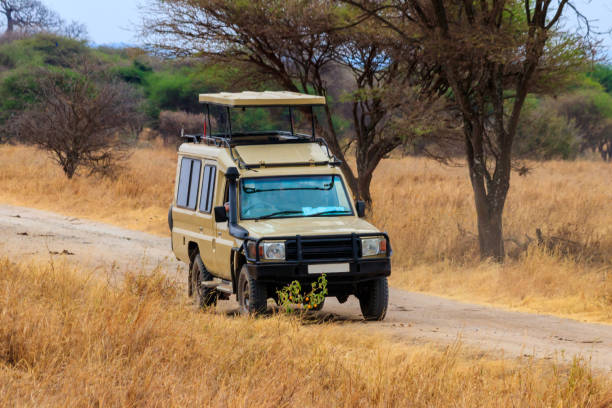
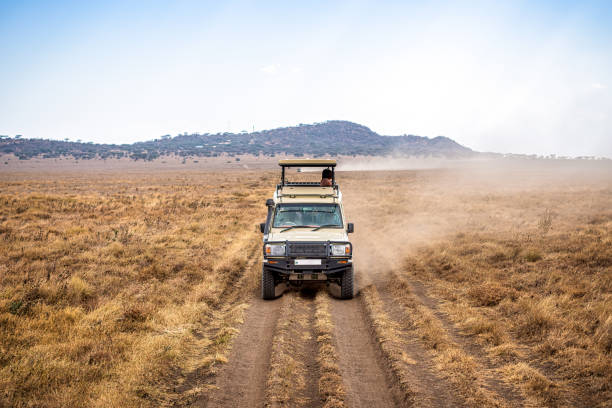
Your Ultimate Ghana Vacation Guide for 2026-2027
Planning a Ghana vacation offers a rich immersion into West African culture, history, and natural beauty. As a leading tour operator specializing in East African adventures, we understand the intricacies of crafting unforgettable travel experiences. While our primary focus is Tanzania, we recognize the growing interest in diverse African destinations like Ghana. This comprehensive guide is designed to equip you with all the information needed to plan a successful and enriching Ghana vacation, whether you’re considering it for 2026 or 2027.
A trip to Ghana is more than just a holiday; it’s an opportunity to connect with a vibrant nation with a profound past and a dynamic present. From the poignant history of the slave trade castles to the bustling markets of Accra and the serene beaches of Cape Coast, Ghana offers a multifaceted experience. This guide will navigate you through the best times to visit, essential preparations, popular destinations, and practical advice to make your Ghana vacation truly memorable.
Quick Answers for Your Ghana Vacation
- Best Time to Visit: Dry seasons (November to March and July to August) offer pleasant weather for most activities.
- Key Destinations: Accra, Cape Coast, Kumasi, Mole National Park, Kakum National Park.
- Duration: A typical Ghana vacation ranges from 7 to 14 days for a good overview.
- Visa Requirements: Most nationalities require a visa; check your country’s specific regulations well in advance of your 2026 or 2027 trip.
- Currency: Ghanaian Cedi (GHS).
- Language: English is the official language, with Twi being widely spoken.
- Health Precautions: Consult your doctor about necessary vaccinations (e.g., Yellow Fever) and malaria prophylaxis.
Table of Contents
- Ghana Vacation Overview
- Why Choose Ghana for Your Vacation?
- Best Time to Plan Your Ghana Vacation (2026-2027)
- Ghana Vacation Quick Facts
- Top Destinations for Your Ghana Vacation
- Sample Ghana Vacation Itinerary (10 Days)
- Immersive Cultural Experiences
- Nature and Wildlife Encounters
- Essential Planning and Preparation
- What to Pack for Your Ghana Vacation
- Common Mistakes to Avoid
- Who is a Ghana Vacation Best Suited For?
- Ghana Vacation Alternatives
- Planning Your Ghana Vacation for 2026-2027
- Booking Your Ghana Vacation: Expert Tips
- Frequently Asked Questions (FAQs)
Ghana Vacation Overview
Ghana, located on the West African coast, is a country that beautifully blends ancient traditions with modern development. Its coastline stretches along the Gulf of Guinea, offering stunning beaches and historical sites. Ghana is renowned for its welcoming people, vibrant culture, and significant historical importance, particularly concerning the transatlantic slave trade. For travelers seeking an authentic African experience beyond the typical safari, a Ghana vacation provides deep historical context, rich cultural encounters, and diverse landscapes.
The nation’s capital, Accra, is a bustling metropolis that serves as the gateway for most international visitors. From Accra, journeys can extend to the historic castles of Cape Coast and Elmina, the Ashanti heartland around Kumasi, and the wildlife reserves like Mole National Park. Planning a Ghana vacation involves understanding its geography, climate, and the logistical considerations for travel within the country.
Why Choose Ghana for Your Vacation?
Ghana offers a unique travel proposition for several compelling reasons:
- Historical Significance: Ghana is home to UNESCO World Heritage sites like the Cape Coast and Elmina Castles, offering a profound and moving insight into the history of the slave trade.
- Rich Culture: Experience the vibrant traditions of the Ashanti people, witness colorful festivals (if your timing aligns), and explore bustling local markets.
- Warm Hospitality: Ghanaians are known for their friendliness and welcoming spirit, making visitors feel at ease and engaged.
- Natural Beauty: Discover diverse ecosystems, from the rainforest canopy walk at Kakum National Park to the savannah landscapes of Mole National Park.
- Authenticity: Ghana provides an authentic West African experience, relatively untouched by mass tourism, allowing for genuine interactions.
- Accessibility: English is the official language, simplifying communication for many international travelers.
Best Time to Plan Your Ghana Vacation (2026-2027)
Choosing the right time for your Ghana vacation significantly impacts your experience. Ghana has a tropical climate, characterized by two distinct seasons: the dry season and the rainy season. Understanding these will help you plan for 2026 or 2027.
- The Harmattan (Dry Season): Generally from November to March. This period is characterized by cooler, drier air, often with hazy skies due to dust from the Sahara. It’s an ideal time for sightseeing, exploring cities, visiting historical sites, and enjoying outdoor activities. Temperatures are pleasant, typically ranging from the mid-70s to low-80s Fahrenheit (around 24-28°C). This is peak tourist season.
- The Rainy Season: From April to October. This season brings higher humidity and rainfall, which can be heavy, especially in the south. There are typically two peaks of rain: a heavier period from April to June, and a lighter period from September to October. While the rain can disrupt travel plans, it also brings lush greenery to the landscape. It’s generally less crowded and can be more affordable during this time.
- Short Dry Season: A brief dry spell often occurs in July and August, making it a good compromise for those who prefer fewer crowds but still want relatively good weather.
Recommendation for 2026-2027: For the most comfortable and versatile Ghana vacation, aim for the dry season between November and March. If you prefer fewer crowds and don’t mind occasional rain, consider the shoulder months of late March, early April, or the July-August period.
Ghana Vacation Quick Facts
| Category | Details |
|---|---|
| Official Name | Republic of Ghana |
| Capital City | Accra |
| Population | Approx. 31 million (as of recent estimates) |
| Official Language | English |
| Major Local Languages | Twi, Ewe, Ga, Fante, Hausa |
| Currency | Ghanaian Cedi (GHS) |
| Time Zone | GMT (UTC+0) |
| Main International Airport | Kotoka International Airport (ACC), Accra |
| Visa Requirements | Required for most nationalities; check embassy/consulate. |
| Electricity | 230V, 50Hz; Type G plug (UK style) |
Top Destinations for Your Ghana Vacation
Ghana offers a variety of destinations catering to different interests. Here are some of the must-visit places for your Ghana vacation:
Accra: The Vibrant Capital
Accra is the pulsating heart of Ghana, a city of contrasts where modern skyscrapers stand alongside colonial architecture and bustling street life. It’s the primary entry point for most travelers.
- Independence Square (Black Star Square): A significant national monument commemorating Ghana’s independence.
- Kwame Nkrumah Mausoleum: The final resting place of Ghana’s first president, a tribute to his legacy.
- National Museum: Showcases Ghana’s history, culture, and art (check for current operating status as it undergoes renovations).
- Makola Market: A chaotic yet fascinating market where you can find everything from textiles and spices to local crafts and food.
- James Town: A historic fishing community with a distinct Ga culture, lighthouse, and vibrant street art.
- Osu Oxford Street: Known for its shops, restaurants, and nightlife.
Cape Coast: History and Heritage
Located on the coast, Cape Coast is a historical hub, most famous for its imposing slave castle.
- Cape Coast Castle: A UNESCO World Heritage site, this former slave fort offers a sobering and essential look into the transatlantic slave trade. Take a guided tour to understand its history.
- Kakum National Park: Just a short drive from Cape Coast, this rainforest reserve features the famous canopy walkway, allowing you to experience the forest from the treetops.
- Elmina Castle: Another significant slave fort, and the oldest European building in sub-Saharan Africa. It’s a short distance from Cape Coast and equally important historically.
- Hans Cottage Botel: A unique spot known for its crocodiles and peaceful setting.
Kumasi: The Ashanti Kingdom’s Capital
Kumasi is the capital of the Ashanti Region, the heartland of the powerful Ashanti Empire. It’s a city rich in culture and tradition.
- Manhyia Palace Museum: The former residence of the Ashanti King, now a museum detailing the history of the Ashanti monarchy.
- National Cultural Centre: A hub for traditional Ashanti crafts, including Kente weaving, Adinkra cloth printing, and wood carving. You can watch artisans at work.
- Kejetia Market: One of the largest open-air markets in West Africa, offering an incredible array of goods.
- Prempeh II Jubilee Museum: Displays artifacts and treasures of the Ashanti people.
Mole National Park: Wildlife Sanctuary
Located in the northern savannah region, Mole is Ghana’s largest wildlife refuge. It offers a different perspective on African nature.
- Safari Drives: See elephants, antelopes, baboons, warthogs, and a variety of birdlife. While not as densely populated with large game as East African parks, it offers a unique savannah experience.
- Walking Safaris: Guided walks provide a more intimate encounter with the park’s flora and fauna.
- Mole Motel: The primary accommodation within the park, offering views over a waterhole where animals often gather.
Other Notable Destinations:
- Volta Region: Known for its natural beauty, including Wli Waterfalls (the highest in West Africa), Mount Afadjato, and the Tafi Atome Monkey Sanctuary.
- Busua: A laid-back beach town popular for surfing and relaxation.
- Akosombo: Home to the Akosombo Dam and Lake Volta, one of the largest man-made lakes in the world.
Sample Ghana Vacation Itinerary (10 Days)
This 10-day itinerary provides a balanced introduction to Ghana, covering history, culture, and nature. It’s a suggestion and can be customized for your 2026 or 2027 trip.
Day 1-3: Accra – Arrival and City Exploration
- Arrive at Kotoka International Airport (ACC), Accra.
- Transfer to your hotel and relax.
- Day 2: Explore Accra: Independence Square, Kwame Nkrumah Mausoleum, National Museum (if open), Makola Market, James Town.
- Day 3: Visit the Artists Alliance Gallery or explore the Osu district. Enjoy dinner at a local restaurant.
Day 4-5: Cape Coast & Kakum National Park – History and Nature
- Morning drive to Cape Coast (approx. 3-4 hours).
- Check into your accommodation.
- Day 4 Afternoon: Visit Cape Coast Castle for a guided tour.
- Day 5: Morning trip to Kakum National Park for the canopy walkway. Afternoon visit to Elmina Castle.
Day 6-7: Kumasi – Ashanti Culture
- Travel to Kumasi (approx. 4-5 hours from Cape Coast).
- Check into your hotel.
- Day 6 Afternoon: Visit the Manhyia Palace Museum.
- Day 7: Explore the National Cultural Centre, watch artisans, and experience the vibrant Kejetia Market.
Day 8-9: Mole National Park – Wildlife Adventure
- Long travel day to Mole National Park (approx. 7-8 hours from Kumasi). Consider an overnight stop if preferred.
- Check into Mole Motel or nearby lodge.
- Day 8 Afternoon/Evening: Afternoon safari drive or walking safari. Enjoy sunset views.
- Day 9: Morning safari drive or walking safari. Relax by the waterhole.
Day 10: Return to Accra & Departure
- Morning drive back to Accra (approx. 6-7 hours from Mole).
- Depending on your flight schedule, you might have time for last-minute souvenir shopping.
- Transfer to Kotoka International Airport (ACC) for your departure.
Immersive Cultural Experiences
A Ghana vacation is incomplete without engaging with its rich cultural heritage. Beyond the historical sites, consider these experiences:
- Festivals: Ghana hosts numerous festivals throughout the year, celebrating harvests, historical events, and traditional ceremonies. The Chale Wote Street Art Festival in Accra (usually August) and various Ashanti festivals are vibrant displays of culture. Research festival dates for your 2026 or 2027 travel window.
- Art and Craft Villages: Visit villages specializing in crafts like Adinkra cloth printing (e.g., Ntonso), Kente weaving (e.g., Adanwomase near Kumasi), and wood carving (e.g., Aburi Botanical Gardens area).
- Traditional Naming Ceremonies: If you have connections or arrange through a local guide, witnessing a traditional naming ceremony offers insight into local customs.
- Local Cuisine: Sample staple dishes like Fufu, Jollof Rice, Banku, Tilapia, and Groundnut Soup. Visit local chop bars for authentic flavors.
- Music and Dance: Ghana has a rich tradition of music and dance. Look for opportunities to see live performances or even participate in workshops.
Nature and Wildlife Encounters
While Ghana isn’t primarily known as a safari destination like Tanzania, it offers unique natural attractions:
- Kakum National Park: The canopy walkway is a highlight, offering a unique perspective of the rainforest ecosystem. Guided nature walks are also available.
- Mole National Park: The best place for wildlife viewing, focusing on elephants, various antelope species, warthogs, and diverse birdlife. Early morning and late afternoon safari drives are most productive.
- Wli Waterfalls (Volta Region): Hike through the rainforest to reach the highest waterfall in West Africa. Be prepared for humidity and potentially muddy trails.
- Monkey Sanctuaries: Places like Tafi Atome allow you to interact closely with habituated monkeys in a natural setting.
- Beaches: While not for swimming with abundant marine life, the coastline offers beautiful stretches of sand, particularly around Busua and Kokrobite, for relaxation and experiencing coastal life.
Essential Planning and Preparation
A well-planned Ghana vacation is a rewarding one. Here’s what you need to consider:
Visas and Documentation
Most foreign nationals require a visa to enter Ghana. Research the requirements for your nationality well in advance of your 2026 or 2027 trip. This typically involves applying through a Ghanaian embassy or consulate in your home country. Ensure your passport is valid for at least six months beyond your intended stay and has sufficient blank pages.
Health and Vaccinations
Consult your doctor or a travel clinic at least 4-6 weeks before your trip. Recommended vaccinations often include Yellow Fever (a certificate may be required for entry), Hepatitis A, Typhoid, and routine immunizations. Malaria is prevalent, so discuss appropriate prophylaxis with your doctor. Pack a basic first-aid kit.
Travel Insurance
Comprehensive travel insurance is essential. It should cover medical emergencies, trip cancellations, lost luggage, and any adventure activities you plan to undertake.
Currency and Budgeting
The local currency is the Ghanaian Cedi (GHS). While ATMs are available in major cities, it’s advisable to carry some US Dollars or Euros in cash for exchange. Credit cards are accepted in larger hotels and some shops, but cash is king for markets and smaller establishments. Budget for accommodation, food, transport, activities, and souvenirs. Ghana can be an affordable destination, but costs vary based on your travel style.
Connectivity
SIM cards are readily available and affordable for mobile phone use and data. Wi-Fi is common in hotels and guesthouses, though speeds can vary.
Safety and Security
Ghana is generally considered one of the safer countries in West Africa. However, like any travel destination, it’s important to be aware of your surroundings, avoid displaying wealth, and take precautions against petty theft, especially in crowded markets and cities. Research specific safety advice for the areas you plan to visit.
What to Pack for Your Ghana Vacation
Packing smart will ensure comfort and preparedness for Ghana’s climate and activities.
- Lightweight Clothing: Breathable fabrics like cotton and linen are ideal for the tropical heat and humidity. Pack long-sleeved shirts and trousers for sun protection and mosquito protection, especially in the evenings.
- Rain Gear: A lightweight, waterproof jacket or poncho is advisable, particularly if traveling during the rainy season (April-October).
- Comfortable Walking Shoes: Essential for exploring cities, markets, and national parks.
- Sandals or Flip-flops: For relaxing or short walks.
- Swimsuit: If your accommodation has a pool or you plan to visit a beach resort.
- Sun Protection: Wide-brimmed hat, sunglasses, and high SPF sunscreen.
- Insect Repellent: Containing DEET or Picaridin, crucial for evenings and jungle areas.
- Personal First-Aid Kit: Include any personal medications, antiseptic wipes, bandages, pain relievers, and anti-diarrhea medication.
- Hand Sanitizer: Useful when food stalls and facilities are limited.
- Power Adapter/Converter: Ghana uses Type G plugs (UK style) and 230V.
- Camera and Extra Batteries/Memory Cards: To capture memories.
- Reusable Water Bottle: To stay hydrated and reduce plastic waste.
- Small Backpack/Daypack: For carrying essentials during day trips.
- Modest Clothing: When visiting religious sites or more conservative areas, it’s respectful to dress modestly (covering shoulders and knees).
- Cash: US Dollars or Euros for exchange, and some local currency upon arrival.
Common Mistakes to Avoid on Your Ghana Vacation
To ensure a smooth and enjoyable Ghana vacation, be aware of these common pitfalls:
- Underestimating Travel Times: Road conditions can vary, and travel between destinations can take longer than expected. Always factor in buffer time.
- Not Getting Visas in Advance: Visa applications can take time. Start the process well before your planned 2026 or 2027 departure.
- Ignoring Health Precautions: Skipping vaccinations or malaria prophylaxis can lead to serious health issues.
- Carrying Too Much Cash: While cash is necessary, avoid carrying large amounts openly. Use ATMs judiciously and be aware of your surroundings.
- Not Respecting Local Customs: Be mindful of local etiquette, especially regarding greetings, photography, and dress code in certain areas.
- Expecting Western Standards Everywhere: While Ghana is developing rapidly, infrastructure and services can differ from what you might be accustomed to. Embrace the differences.
- Not Trying the Local Food: Be adventurous with Ghanaian cuisine; it’s a highlight of the travel experience.
- Over-Scheduling: Ghana is a place to soak in the atmosphere. Allow for spontaneous moments and relaxation.
Who is a Ghana Vacation Best Suited For?
A Ghana vacation appeals to a diverse range of travelers:
- History Buffs: Those fascinated by the history of the slave trade, colonial eras, and African kingdoms will find Ghana incredibly rewarding.
- Culture Enthusiasts: Travelers eager to immerse themselves in vibrant traditions, art, music, and local life.
- Responsible Travelers: Those looking for an authentic, less commercialized African experience with opportunities for genuine cultural exchange.
- Adventure Seekers (Mild): Individuals interested in canopy walks, light hiking, and safari experiences in a unique setting.
- Educational Travelers: Students, academics, or anyone seeking to understand the complexities of West African history and contemporary society.
- Budget-Conscious Travelers: Ghana can be explored on various budgets, offering value for money compared to some other African destinations.
It might be less suited for those seeking luxury five-star resorts with extensive amenities throughout the country, or for those expecting large populations of iconic safari animals like lions and rhinos in abundance.
Ghana Vacation Alternatives
If Ghana doesn’t quite fit your travel plans, consider these West African or culturally rich African destinations:
- Senegal: Known for its vibrant capital Dakar, the historical island of Gorée, and rich musical heritage.
- Benin: Home to the Voodoo culture, historical city of Ouidah, and Pendjari National Park for wildlife.
- Togo: Offers diverse landscapes from coastline to mountains, unique villages, and traditional markets.
- Ivory Coast (Côte d’Ivoire): Features modern cities like Abidjan, diverse ethnic groups, and national parks.
- Morocco: For a different North African experience with imperial cities, desert landscapes, and distinct culture.
- Tanzania: If your interest shifts towards classic wildlife safaris, Mount Kilimanjaro climbs, and the spice island of Zanzibar, our expertise lies here.
Planning Your Ghana Vacation for 2026-2027
Looking ahead to 2026 and 2027, here are some tips for planning your Ghana vacation:
- Book in Advance: Especially for the peak dry season (November-March), popular accommodations and internal flights can get booked up. Start planning 6-12 months ahead for 2026 or 2027.
- Consider a Local Tour Operator: For a hassle-free experience, especially if this is your first trip to West Africa, a local operator can handle logistics, provide insights, and ensure smooth transitions.
- Flexibility is Key: While planning is important, be prepared for minor adjustments. Sometimes the best experiences are spontaneous.
- Learn Basic Phrases: While English is official, learning a few Twi phrases like “Akwaaba” (Welcome) and “Medaase” (Thank you) will be greatly appreciated.
- Stay Informed: Keep an eye on travel advisories and any updates regarding entry requirements or local conditions closer to your travel dates in 2026 or 2027.
- Pack Appropriately for the Season: Double-check the weather patterns for your specific travel month in 2026 or 2027 and pack accordingly.
Booking Your Ghana Vacation: Expert Tips
When booking your Ghana vacation, whether you’re planning independently or with a tour operator, keep these points in mind:
- Research Tour Operators: If you opt for a package, look for operators with good reviews, local knowledge, and transparent pricing. Ensure they are experienced in Ghana.
- Understand Inclusions/Exclusions: Clearly identify what is covered in your tour package: accommodation, meals, transport, guide fees, park entrance fees, etc.
- Accommodation Options: Ghana offers a range of lodging, from budget guesthouses and mid-range hotels to a few higher-end options, particularly in Accra and along the coast. Choose based on your comfort level and budget.
- Transportation: Decide on your preferred mode of transport. Options include private vehicles with drivers (most convenient), public buses (cheapest but can be slow and crowded), or domestic flights for longer distances.
- Customization: A good tour operator will offer customizable itineraries. Discuss your interests and priorities to tailor your Ghana vacation.
- Payment Security: Ensure secure payment methods are used when booking flights, hotels, or tours.
As a specialist in African travel, while our core offerings are in Tanzania, we can guide you on the principles of arranging a well-managed trip to Ghana. For personalized assistance with planning and booking your Ghana vacation, consider reaching out to local experts who specialize in the region.
Frequently Asked Questions (FAQs)
Is Ghana safe for tourists in 2026-2027?
Ghana is widely considered one of the safest countries in West Africa for tourists. Petty crime can occur, especially in crowded areas like markets, so standard precautions are advised. Violent crime against tourists is rare. Always be aware of your surroundings and avoid displaying valuables. It’s also wise to stay informed about any local conditions closer to your travel date.
What is the best way to get around Ghana for a vacation?
For convenience and comfort, hiring a private car with a driver is the most recommended option for a Ghana vacation, especially for longer distances between cities and attractions. Public transport, like buses and shared taxis (tro-tros), is very affordable but can be crowded, slow, and less comfortable for tourists. Domestic flights connect major cities like Accra and Kumasi, saving travel time.
Do I need a visa for Ghana? How do I get one for my 2026-2027 trip?
Yes, most nationalities require a visa to enter Ghana. You should apply for your visa well in advance of your travel date through the Ghanaian embassy or consulate in your country of residence. Requirements and processing times can vary, so check the specific details for your nationality at least 2-3 months before your intended travel for 2026 or 2027.
What are the essential vaccinations and health precautions for Ghana?
It is crucial to consult a travel doctor or clinic 4-6 weeks before your trip. Recommended vaccinations often include Yellow Fever (required for entry for many), Hepatitis A, and Typhoid. Malaria prophylaxis is highly recommended due to its prevalence. Pack a personal first-aid kit with essentials and insect repellent.
What is the currency in Ghana, and how can I access money?
The currency is the Ghanaian Cedi (GHS). While ATMs are available in Accra and other major towns, they may not always work or have cash. It’s advisable to carry some US Dollars or Euros in cash to exchange upon arrival or at forex bureaus. Credit cards are accepted in larger hotels and some tourist establishments, but cash is essential for markets, local transport, and smaller vendors.
What kind of power adapter do I need for Ghana?
Ghana uses Type G electrical plugs (the same as the UK) and operates on a 230V voltage supply at 50Hz. You will need a universal adapter or a Type G plug adapter for your electronic devices.
Is it possible to see wildlife in Ghana?
Yes, you can see wildlife in Ghana, though it’s not a primary safari destination like Tanzania. Mole National Park is the main wildlife sanctuary, where you can spot elephants, baboons, warthogs, and various antelope species, along with numerous birds. Kakum National Park offers a unique rainforest experience with its canopy walkway.
What is the cultural etiquette I should be aware of?
Ghanaians are generally very friendly and welcoming. It’s polite to greet people when entering shops or homes. When visiting villages or rural areas, it’s respectful to dress modestly (covering shoulders and knees). Always ask permission before taking photos of people. Be mindful of the left hand, which is sometimes considered unclean; use your right hand for giving and receiving items.
Can I drink tap water in Ghana?
No, it is not recommended to drink tap water in Ghana. Stick to bottled water, filtered water provided by reputable hotels, or water that has been properly purified. Be cautious with ice in drinks outside of high-end establishments.
How long should my Ghana vacation be?
For a good introduction to Ghana, covering Accra, Cape Coast, and perhaps Kumasi, a duration of 7 to 10 days is recommended. If you wish to include Mole National Park or explore the Volta Region, 12 to 14 days would be more suitable to avoid rushing.
What are the main historical sites related to the slave trade?
The most significant historical sites are Cape Coast Castle and Elmina Castle, both UNESCO World Heritage sites. These forts served as crucial points in the transatlantic slave trade and offer a deeply moving and educational experience for visitors.
What are some typical food dishes to try on a Ghana vacation?
Ghanaian cuisine is flavorful and hearty. Must-try dishes include Fufu (pounded cassava and plantain served with soup), Jollof Rice (a popular rice dish cooked in a tomato-based sauce), Banku (fermented corn dough, often served with grilled tilapia), Groundnut Soup, and Waakye (rice and beans cooked together). Local street food and ‘chop bars’ offer authentic tastes.
Conclusion: Your Memorable Ghana Vacation Awaits
A Ghana vacation offers a profound journey into the heart of West African history, culture, and natural beauty. From the solemn echoes of the slave castles to the vibrant pulse of Accra and the serene landscapes of its national parks, Ghana promises an enriching and unforgettable travel experience. Whether you’re planning for 2026, 2027, or beyond, careful preparation and an open mind will ensure you make the most of your adventure.
While our expertise at Top Guide Adventures lies in crafting exceptional Tanzanian safaris and treks, we recognize the value of comprehensive travel planning for any African destination. Should you choose to explore Ghana, we encourage you to work with local specialists who can provide on-the-ground expertise. For those considering the incredible wildlife of Tanzania, the majestic Kilimanjaro, or the exotic beaches of Zanzibar, please do not hesitate to contact us.
Ready to Plan Your Next African Adventure?
Whether your dream Ghana vacation is taking shape or you’re now considering the unparalleled wildlife safaris and Kilimanjaro climbs of Tanzania, our team is here to help. Let us craft your perfect itinerary.
Contact us today:
- WhatsApp: +255616946642
- Email: topguideadventures@gmail.com
- Backup Email: info@topguideadventures.com
We look forward to helping you create lasting memories on your African journey.
Plan your Ghana vacation with Top Guide Adventures
Tell us your travel dates, group size, comfort level, and dream experience. We will help you shape a clear, realistic, and memorable Tanzania itinerary.







 Veedesigner
 Fatma Kizanga
 Benjamin Waryuba
 Philip Philip
 John jr Itaja
 Antonia Optatus
 Edith Kanyere
 Neema Iddy
 Kelvin Boniphace
 Damari Maiga



