
Updated planning guide for 2026-2027
Hwange National Park Safari: Best Guide
Your ultimate guide to planning an unforgettable Hwange National Park safari in 2026-2027. Learn about wildlife, seasons, accommodation, and how to book your dream African adventure.
WhatsApp +255616946642 | topguideadventures@gmail.com | info@topguideadventures.com
Hwange National Park Safari: Your Essential Planning Guide 2026-2027
Embarking on a safari in Hwange National Park is a journey into the heart of Zimbabwe’s wild beauty. As one of Africa’s premier wildlife destinations, Hwange offers an unparalleled opportunity to witness vast herds of elephants, diverse predator populations, and a stunning array of birdlife. For travelers planning their 2026 or 2027 adventure, this guide provides everything you need to know to craft a truly memorable Hwange National Park safari experience.
This comprehensive resource covers essential planning details, from understanding the best times to visit and navigating the park’s different areas to choosing accommodation, packing effectively, and making informed booking decisions. Whether you’re a first-time safari-goer or an experienced wildlife enthusiast, preparing for a Hwange National Park safari requires careful consideration of various factors to ensure a rewarding and seamless trip.
Quick Answers for Your Hwange Safari Planning
Before diving deep, here are some immediate answers to common questions about planning a Hwange National Park safari:
- Best Time to Visit: The dry season (May to October) is ideal for wildlife viewing as animals congregate around water sources.
- Key Wildlife: Famous for its large elephant herds, Hwange also hosts lions, leopards, cheetahs, wild dogs, hyenas, zebras, giraffes, and over 400 bird species.
- Getting There: Most visitors fly into Victoria Falls Airport (VFA) and then travel to Hwange by road transfer, which takes approximately 2-3 hours.
- Accommodation Options: Ranges from luxury lodges and tented camps to more rustic self-catering chalets and campsites.
- Safari Activities: Game drives (morning, afternoon, night), walking safaris, and bird watching are popular. Some camps offer photographic hides.
- Duration: A minimum of 3 nights is recommended to experience different areas of the park, with 4-5 nights allowing for a more in-depth exploration.
- Booking for 2026-2027: It’s advisable to book lodges and popular safari packages at least 6-12 months in advance, especially for peak season travel in 2026 and 2027.
Hwange National Park Safari: Quick Facts
| Feature | Details |
|---|---|
| Location | Northwestern Zimbabwe |
| Size | 14,650 sq km (5,660 sq mi) |
| Established | 1930 |
| Main Wildlife Attraction | Elephants (one of Africa’s largest populations), lions, wild dogs, diverse plains game. |
| Terrain | Vast, dry savannah, acacia woodland, Kalahari sandveld, salt pans. |
| Park Entrances | Main entrance near Main Camp, Ngamo Gate, Deteema Gate, Sinamatella Gate. |
| Accessibility | Road access from Victoria Falls, Bulawayo. Air charter options available. |
| Water Availability | Relies heavily on pumped boreholes, especially in the dry season. |
Understanding Hwange National Park: A Jewel of Zimbabwe
Hwange National Park, often referred to as the ‘Jewel of the Kalahari’, is Zimbabwe’s largest game reserve. Spanning over 14,650 square kilometers, its sheer size and ecological diversity make it a prime destination for any serious wildlife enthusiast. Located in the northwest of Zimbabwe, it shares a border with Botswana and is relatively close to the iconic Victoria Falls, making it a popular addition to a broader southern African itinerary. The park’s landscape is varied, featuring acacia-dotted savannah, teak woodlands, and extensive open plains dotted with ancient salt pans. This varied terrain supports an incredible density and diversity of wildlife.
The park’s most striking feature is its immense elephant population, estimated to be one of the largest in Africa. During the dry season, these giants, along with vast numbers of other herbivores like zebras, wildebeest, and various antelope species, rely on the park’s artificial waterholes. These waterholes, often pumped by solar power, become natural gathering points, creating spectacular viewing opportunities. Beyond elephants, Hwange is renowned for its predator populations, including lions, leopards, cheetahs, and the endangered African wild dog. Birdlife is also prolific, with over 400 species recorded, making it a haven for ornithologists.
For those planning a Hwange National Park safari in 2026 or 2027, understanding the park’s unique ecosystem and water dependency is key to appreciating the wildlife viewing dynamics throughout the year.
Why Choose Hwange National Park for Your Safari?
Hwange National Park offers a safari experience that is both authentic and deeply rewarding. Its vastness means that even during peak seasons, you can find yourself with a sense of solitude and immersion in the wild that is increasingly rare in more crowded parks. The sheer concentration of animals around the waterholes during the dry months is breathtaking, providing reliable sightings of iconic African wildlife.
- Exceptional Wildlife Viewing: The park’s elephant population is legendary, often seen in herds numbering in the hundreds. The high density of predators, particularly lions and wild dogs, offers thrilling encounters.
- Diverse Landscapes: From the grassy plains of the south to the mopane woodlands and teak forests of the north, Hwange offers varied scenery that complements the wildlife viewing.
- Authentic African Experience: Hwange provides a genuine sense of wilderness. It’s less developed than some other major parks, offering a more raw and untamed feel.
- Proximity to Victoria Falls: Its location makes it an easy and logical extension for travelers visiting the magnificent Victoria Falls, combining natural wonders with incredible wildlife encounters.
- Conservation Efforts: The park is a testament to conservation, with ongoing efforts to manage water resources and protect its wildlife populations, especially the endangered wild dogs and cheetahs.
Planning a Hwange National Park safari for 2026 or 2027 means choosing a destination that promises adventure, natural beauty, and unforgettable wildlife moments.
Best Time to Visit Hwange National Park for Your 2026-2027 Safari
The timing of your Hwange National Park safari significantly impacts the wildlife viewing experience. Zimbabwe’s climate is characterized by distinct wet and dry seasons, and each offers a different perspective on the park’s ecology.
Hwange National Park: Seasonal Overview
| Season | Months | Pros | Cons | Wildlife Viewing | Vegetation |
|---|---|---|---|---|---|
| Dry Season (Winter) | May – October | Excellent wildlife viewing, comfortable temperatures, fewer mosquitoes. | Dusty, can be cold in the mornings/evenings, water scarcity for locals. | Animals gather at waterholes; vegetation thins, making spotting easier. High concentrations of elephants. | Sparse, dry. |
| Rainy Season (Summer) | November – April | Lush landscapes, migratory birds arrive, baby animals born, fewer tourists, lower prices. | Difficult game viewing due to thick vegetation, higher temperatures, more mosquitoes, potential travel disruptions. | Animals disperse as water is plentiful; sightings can be more challenging but rewarding. Good for birdwatchers. | Thick, green, vibrant. |
Peak Season (Dry Season: June – October)
For most visitors planning a Hwange National Park safari, the dry season is the preferred time. From June to October, temperatures are generally mild and pleasant, though mornings and evenings can be quite cool. The most significant advantage is the concentration of wildlife around the few remaining water sources. As natural waterholes dry up, the park’s pumped boreholes become vital hubs for elephants, zebras, wildebeest, giraffes, and a host of other herbivores. This makes spotting game incredibly reliable and often spectacular. Predators are also more visible as they stalk prey near these watering holes. This is also the prime time for spotting wild dogs, which are active hunters.
Considerations for 2026-2027 Peak Season: Booking well in advance (9-12 months) is essential for the dry season, especially if you have specific lodges or camps in mind. Prices are typically higher during this period.
Shoulder Seasons (May and November)
May marks the end of the rainy season and the beginning of the dry season. The landscape is still green, but water sources start to diminish, concentrating some wildlife. Temperatures are comfortable. November signals the start of the rains. The first rains green up the landscape, and temperatures begin to rise. Wildlife viewing is still good, though perhaps not as concentrated as in the peak dry season. These months can offer a good balance of decent wildlife viewing, fewer crowds, and potentially better value.
Off-Season (Rainy Season: December – April)
The rainy season, from November to April, transforms Hwange into a lush, green paradise. This is the time when migratory birds return, and many animals give birth to their young, offering unique photographic opportunities. However, game viewing can be more challenging. The thick vegetation provides excellent camouflage for animals, and water is abundant, so they disperse throughout the park rather than congregating at waterholes. Temperatures are high, and mosquitoes are more prevalent. Roads can also become difficult to traverse, potentially limiting access to certain areas. This season is best suited for keen birdwatchers and photographers looking for a different, quieter Hwange experience, and it often comes with lower prices.
Navigating Hwange National Park: Areas and Routes
Hwange National Park is vast, and its different sections offer distinct experiences and wildlife viewing opportunities. Understanding these areas will help you plan your Hwange National Park safari itinerary for 2026-2027.
The park can broadly be divided into three main areas:
- Southern Hwange: This is the most accessible part of the park, closest to the main entrance and the town of Hwange (formerly Wankie). It’s characterized by open grasslands and acacia woodlands, with numerous pumped waterholes. This area is renowned for its high concentrations of elephants, especially during the dry season, and offers reliable sightings of lions and other predators. Lodges and camps here are generally more numerous and cater to a range of budgets. Main Camp is the park’s administrative hub and offers self-catering facilities and campsites.
- Central Hwange: Moving northwards, the landscape changes to more mopane woodland and savannah. This area also has a good network of waterholes and supports a diverse range of wildlife. It can be slightly less busy than the south.
- Northern Hwange: This is the wildest and most remote part of the park, featuring the dramatic landscape around the Deka River and the Sinamatella area. Sinamatella Camp, situated on a ridge overlooking a waterhole, is a popular base. This region is known for its rugged beauty, excellent predator sightings (including wild dogs and cheetahs), and a slightly different array of antelope species. Accessing the far north often requires a 4×4 vehicle, especially during the wet season, and it offers a more exclusive and adventurous safari experience.
Hwange National Park: Area Overview
A simplified route illustration:
- Victoria Falls (Arrival point)
- Road Transfer (approx. 2-3 hours)
- Southern Hwange (Main Camp area, Masuma Dam, Nyamandlovu Platform): Known for large elephant herds, accessible.
- Central Hwange (Woodlands, smaller camps): Transition zone, good all-round game viewing.
- Northern Hwange (Sinamatella, Deteema Dam): Rugged, wilder, excellent predator and wild dog sightings, remote.
- Return Transfer to Victoria Falls or onward travel.
When planning your Hwange National Park safari for 2026-2027, consider how much time you have and what type of experience you seek. A split stay between the southern and northern sections can offer a comprehensive view of the park’s diversity.
Sample Hwange National Park Safari Itinerary (4 Nights / 5 Days)
This sample itinerary is designed for a Hwange National Park safari, offering a blend of classic game viewing and exploration. It assumes arrival via Victoria Falls and focuses on experiencing different facets of the park. This is a flexible plan and can be customized for your 2026 or 2027 trip.
Sample 5-Day Hwange National Park Safari
| Day | Morning Activity | Afternoon Activity | Evening Activity | Accommodation Area |
|---|---|---|---|---|
| Day 1: Arrival & Southern Plains | Arrive at Victoria Falls Airport (VFA). Meet your guide/transfer. Scenic road transfer to your lodge/camp in Southern Hwange. Check-in and lunch. | Afternoon game drive in the southern areas, focusing on the open grasslands and waterholes like Nyamandlovu. Look for elephants, zebras, and giraffes. | Sundowners in the bush followed by a night drive (if offered by your lodge) searching for nocturnal animals. Dinner at the lodge. | Southern Hwange (near Main Camp) |
| Day 2: Elephant Encounters & Waterholes | Early morning game drive focusing on elephant herds and other plains game. Visit Masuma Dam, a popular waterhole. | Return to camp for lunch and rest. Optional guided walk around the camp environs (if available) to learn about smaller details. | Late afternoon game drive to another set of waterholes, observing animals coming to drink as the day cools. Dinner. | Southern Hwange |
| Day 3: Journey North to Sinamatella | After breakfast, embark on a scenic game drive en route to the northern region of Hwange, heading towards Sinamatella. Stop at various points of interest and waterholes along the way. | Arrive at your lodge/camp near Sinamatella. Check-in and lunch. Explore the area around Sinamatella Camp, known for its dramatic views and potential for predator sightings. | Afternoon game drive in the northern sector, seeking lions, leopards, and wild dogs. Enjoy the rugged terrain. Dinner. | Northern Hwange (Sinamatella area) |
| Day 4: Wilderness Exploration in the North | Full day dedicated to exploring the remote areas around Sinamatella and Deteema Dam. This could include a picnic lunch in the bush. Focus on finding the park’s elusive predators and unique birdlife. | Continue game viewing or return to camp for relaxation. | Final evening game drive, perhaps revisiting a promising spot. Farewell dinner at the lodge. | Northern Hwange (Sinamatella area) |
| Day 5: Departure | Enjoy a final early morning game drive or a leisurely breakfast. After check-out, begin your road transfer back to Victoria Falls Airport (VFA) for your onward flight. | N/A | N/A | N/A |
Customization for 2026-2027: This itinerary can be adjusted. For instance, if you prefer walking safaris, you might choose a camp that specializes in them. If you have more time, you could spend longer in one area or add a visit to a community project.
What to Expect on Your Hwange National Park Safari
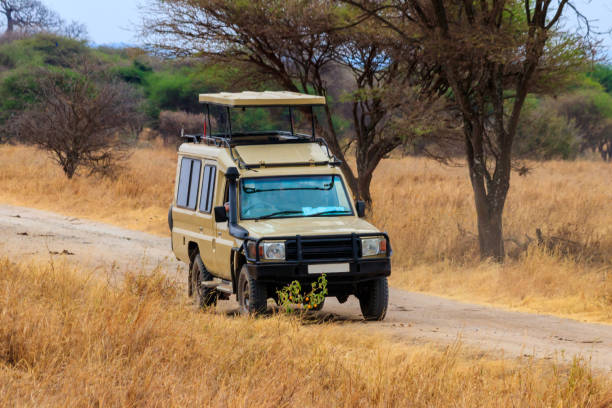
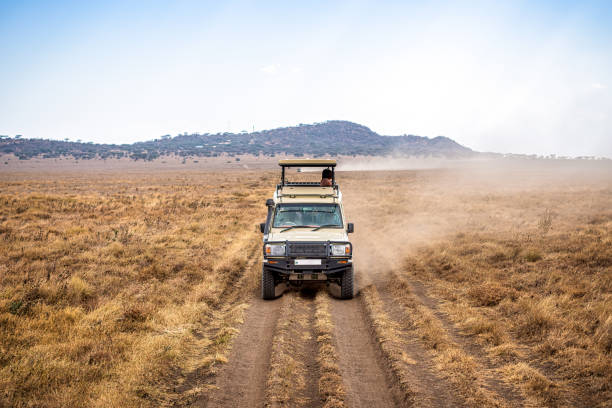
A Hwange National Park safari is an immersive experience. Expect to spend a significant amount of time in open-top safari vehicles, traversing the park’s tracks in search of wildlife. The pace is generally relaxed, allowing for observation and photography.
- Game Drives: These are the primary activity. They typically start early in the morning (around sunrise) and again in the late afternoon, continuing after sunset for night drives. Experienced guides use their knowledge of animal behavior and the terrain to find sightings.
- Walking Safaris: Offered by some camps, these provide a more intimate connection with the bush. You’ll learn about tracking, plants, insects, and the smaller details of the ecosystem. They are usually conducted in the early morning or late afternoon and require a certain level of fitness and willingness to be on foot in a wild environment.
- Photography: Hwange is a photographer’s dream. The open landscapes and the concentration of animals at waterholes offer fantastic opportunities. Bring a good zoom lens and consider camera gear that performs well in low light for dawn, dusk, and night drives.
- Comfort Levels: Accommodation ranges from rustic campsites and basic chalets to luxurious lodges with private plunge pools and fine dining. Most safari camps offer comfortable en-suite facilities, hot and cold running water, and electricity, though power might be generator-based and run for limited hours.
- Meals: Meals are typically served in a central dining area or sometimes as bush breakfasts or dinners. Expect hearty, delicious meals often prepared with local ingredients.
- Temperatures: Day temperatures can be very hot, especially during the summer months. Early mornings and evenings in the dry season (winter) can be surprisingly cold, often requiring a warm jacket or fleece.
For your Hwange National Park safari in 2026-2027, be prepared for early mornings and late evenings, as these are the prime times for wildlife activity. Patience is also a virtue; sometimes, the best sightings come after a period of quiet observation.
Packing and Preparation for Your Hwange Safari
Proper packing is crucial for a comfortable and enjoyable Hwange National Park safari. The key is to pack light, versatile, and practical items. Remember that luggage on light aircraft transfers (if used) is often restricted to 15-20kg in soft-sided bags.
Hwange Safari Packing Checklist
- Clothing:
- Lightweight, breathable long-sleeved shirts (for sun and insect protection)
- T-shirts and casual tops
- Comfortable trousers or safari pants (2-3 pairs)
- Shorts or skirts (for warmer days, though long trousers are often preferred for evenings)
- Warm fleece jacket or sweater (essential for cool mornings/evenings, especially in the dry season)
- Lightweight waterproof jacket (for unexpected rain showers, particularly during the wet season)
- Comfortable walking shoes or hiking boots (broken in)
- Sandals or flip-flops (for around camp)
- Socks (including warmer pairs)
- Pajamas
- Headwear & Protection:
- Wide-brimmed hat or cap (for sun protection)
- Sunglasses
- High SPF sunscreen
- Insect repellent (with DEET)
- Health & Personal Items:
- Personal first-aid kit (including any personal medication, pain relievers, antiseptic wipes, bandages)
- Motion sickness medication (if needed for road transfers)
- Hand sanitizer
- Toiletries (biodegradable where possible)
- Prescription glasses/contact lenses and solution
- Equipment & Accessories:
- Binoculars (essential for wildlife viewing)
- Camera with extra batteries, memory cards, and charger
- Power bank or adapter for charging devices
- Headlamp or small flashlight (for navigating camp at night)
- Reusable water bottle
- Small backpack or daypack
- Field guides for birds and mammals (optional, but recommended)
- Passport, visas, travel documents, copies of important documents
- Cash (USD is widely accepted for tips and small purchases)
What to Avoid: Brightly colored clothing (stick to neutral tones like khaki, green, brown, grey), strong perfumes, and excessive luggage.
Important Note for 2026-2027 Travel: Always check the latest travel advisories and any specific packing recommendations from your tour operator or lodge.
Common Mistakes to Avoid on Your Hwange Safari
To ensure your Hwange National Park safari is as smooth and enjoyable as possible, be aware of common pitfalls that travelers sometimes encounter.
- Underestimating the Cold: Especially during the dry season (May-October), early mornings and evenings can be surprisingly chilly. Many people are caught off guard without adequate warm clothing.
- Overpacking: Luggage restrictions, particularly for light aircraft transfers, mean you need to pack efficiently. Stick to soft-sided bags and essential items.
- Not Booking in Advance: Popular lodges and safari packages, especially for peak season in 2026 and 2027, can book up months, even a year, ahead. Last-minute bookings can lead to disappointment or higher prices.
- Ignoring Insect Repellent: While Hwange is drier than some rainforest destinations, mosquitoes are present, especially during the rainy season. Protect yourself to avoid bites and potential diseases.
- Expecting Constant Action: Wildlife viewing involves patience. While Hwange offers excellent sightings, there will be times of quiet observation. Don’t get discouraged if you don’t see a lion every hour.
- Disregarding Your Guide’s Advice: Guides are highly experienced. Listen to their instructions regarding safety, photography, and animal behavior. They know the park and its wildlife intimately.
- Wearing Bright Colors: Animals can be easily spooked by bright or white clothing. Stick to neutral, earthy tones.
- Not Bringing Binoculars: While your guide will have them, having your own pair allows you to appreciate distant sightings and observe details without always needing to ask.
- Failing to Plan for Transfers: Understand how you will get to and from the park. Road transfers can be long, and it’s wise to know the schedule and comfort stops.
- Not Budgeting for Extras: While your package might cover most things, remember to budget for tips, park fees (if not included), drinks, and souvenirs.
Avoiding these common mistakes will significantly enhance your Hwange National Park safari experience for 2026-2027.
Who is Hwange National Park Safari Best Suited For?
Hwange National Park offers a safari experience that appeals to a broad range of travelers, but certain types will find it particularly rewarding.
- Serious Wildlife Enthusiasts: Those who prioritize seeing a wide variety of animals, especially elephants and predators, in a natural, wild setting will be delighted. The park’s size and diverse habitats support rich biodiversity.
- Photographers: The open plains, waterhole spectacles, and opportunities for close-up encounters make Hwange a prime location for wildlife photography. The chance to capture iconic shots of elephants, lions, and wild dogs is high.
- Travelers Seeking Authenticity: For those who want a less commercialized and more raw safari experience, Hwange’s vastness and wild nature are a major draw. It offers a sense of stepping back in time.
- Adventure Seekers: Exploring the more remote northern sections, or opting for walking safaris, appeals to those who enjoy a bit more adventure and a deeper immersion in the wilderness.
- Families with Older Children: While young children might find long game drives challenging, families with older children (typically 8+) can have incredibly educational and exciting experiences.
- Birdwatchers: With over 400 species recorded, Hwange is a fantastic destination for birding, especially during the wet season when migratory species are present.
- Travelers Combining with Victoria Falls: Its proximity to Victoria Falls makes it a perfect extension for a trip to the region, offering a complete southern African natural wonder and wildlife experience.
While Hwange is accessible, it’s less geared towards very young children or those seeking luxury amenities like constant Wi-Fi and extensive shopping. However, with a range of accommodation options, it can cater to those seeking comfortable to high-end experiences. For your 2026-2027 Hwange National Park safari, consider what aspects of the safari experience are most important to you.
Alternatives to Hwange National Park
While Hwange National Park is exceptional, other national parks in Zimbabwe and neighboring countries offer fantastic safari experiences. Understanding these alternatives can help you make the best choice for your 2026-2027 travel plans.
Hwange vs. Other Safari Destinations
| Destination | Key Features | Best For | Considerations |
|---|---|---|---|
| Mana Pools National Park (Zimbabwe) | UNESCO World Heritage site, Zambezi River frontage, walking safaris, canoeing, abundant wildlife (elephants, hippos, crocodiles, lions). | Walking safaris, canoeing, intimate wildlife encounters, stunning river scenery. | Seasonal access (closed during peak rains), more remote, requires more self-sufficiency or guided tours. |
| South Luangwa National Park (Zambia) | The ‘birthplace of the walking safari’, incredible leopard sightings, diverse predator and prey species, excellent birdlife. | Walking safaris, leopard tracking, high-quality guiding, raw wilderness. | Can be more expensive, requires flights to access Mfuwe airport. |
| Chobe National Park (Botswana) | Famous for its massive elephant herds, extensive riverfront (Chobe River), boat safaris, diverse game viewing. | Elephant viewing, boat safaris, diverse landscapes (riverfront, Savuti marsh). | Can be very popular and busy, especially along the riverfront. Botswana is generally a higher-cost destination. |
| Kruger National Park (South Africa) | Vast, well-developed infrastructure, excellent Big Five sightings, self-drive options, wide range of accommodation. | Self-drive safaris, Big Five focus, variety of experiences and budgets. | Can be crowded, especially in public rest camps. Private reserves offer exclusivity but at a higher cost. |
| Serengeti National Park (Tanzania) | Home to the Great Migration, vast plains, iconic predator sightings, diverse ecosystems. | Witnessing the Great Migration, iconic predator action, vast open spaces. | Requires more extensive travel planning, can be expensive, distances are large. |
While these destinations offer unique advantages, Hwange National Park stands out for its sheer scale, incredible elephant populations, and authentic, wild feel, making it a compelling choice for many travelers planning safaris in 2026 or 2027.
Planning Your Hwange National Park Safari for 2026-2027
Planning ahead is key to a successful Hwange National Park safari. Here’s a guide to help you prepare for your 2026 or 2027 adventure.
1. Determine Your Travel Dates
As discussed, the dry season (May-October) offers the best game viewing. If you’re keen on seeing the Great Migration (though not in Hwange), you’d look at different timing. For Hwange, decide if you prefer the high season buzz and reliable sightings or the greener, quieter, but potentially more challenging rainy season.
2. Choose Your Accommodation Style
Hwange offers a range of options:
- Luxury Lodges: Offer high-end amenities, gourmet food, private guides, and exclusive game viewing.
- Tented Camps: Provide a classic safari feel, often with comfortable canvas tents, en-suite bathrooms, and delicious meals.
- Self-Catering Chalets/Campsites: Available at Main Camp and Sinamatella Camp. These are more budget-friendly and require more self-sufficiency.
Consider your budget, desired comfort level, and the type of experience you want (e.g., walking safaris, photography focus).
3. Decide on Your Itinerary Length
A minimum of 3 nights is recommended to get a feel for the park. 4-5 nights allow for exploration of different areas (e.g., south and north). If you have more time, 7 nights would offer a very in-depth experience.
4. Consider Transportation
- Road Transfers: The most common way to reach Hwange from Victoria Falls or Bulawayo. This can be done in a private vehicle or as part of a group tour.
- Light Aircraft Charters: Some lodges offer private charter flights directly to their airstrips, which is the quickest but most expensive option.
5. Health and Safety Precautions
- Malaria: Hwange is a malaria-risk area. Consult your doctor about appropriate anti-malarial medication and take precautions against mosquito bites.
- Vaccinations: Ensure your routine vaccinations are up to date. Consult your doctor for any specific travel-related vaccinations.
- Travel Insurance: Essential for any safari, covering medical emergencies, trip cancellations, and lost belongings.
6. Visa Requirements
Check the visa requirements for Zimbabwe based on your nationality. Many nationalities can obtain a visa on arrival, but it’s best to verify this in advance for 2026-2027 travel.
Booking Timeline for 2026-2027:
- 10-12 Months Ahead: For peak season (dry season), especially if traveling during school holidays or wanting specific lodges.
- 6-9 Months Ahead: For shoulder seasons or if you have some flexibility with accommodation.
- 3-6 Months Ahead: For off-season travel or more budget-conscious options.
Starting your Hwange National Park safari planning early will give you the best options and peace of mind.
Booking Your Hwange National Park Safari: Advice
Choosing the right tour operator is crucial for a well-organized and enjoyable Hwange National Park safari. Here’s what to look for and how to proceed.
Work with a Reputable Tour Operator
A good tour operator will:
- Have in-depth knowledge of Hwange National Park and Zimbabwe.
- Offer customized itineraries based on your interests and budget.
- Provide clear information on what’s included and excluded in your safari package.
- Assist with all bookings, including accommodation, transfers, and park fees.
- Offer reliable customer support before, during, and after your trip.
- Be transparent about pricing and payment schedules.
What to Expect in a Safari Package
A typical Hwange National Park safari package might include:
- Accommodation in lodges or camps.
- All meals (breakfast, lunch, dinner).
- Standard drinks (water, juice, local beers, house wine – check specifics).
- Scheduled game drives with experienced guides.
- Park entrance fees.
- Road transfers from a designated point (e.g., Victoria Falls Airport).
Often Excluded: Premium drinks, gratuities, personal travel insurance, visas, flights to/from Zimbabwe, optional activities (e.g., night drives if not standard, guided walks if not included).
Questions to Ask Your Operator
- What is the typical group size for game drives?
- Are guides qualified and experienced?
- What is the cancellation policy?
- What is the luggage allowance for transfers?
- Are park fees included?
- What is the payment schedule?
- What is the emergency contact procedure?
Making Your Booking for 2026-2027
Once you’ve chosen an operator and itinerary:
- Confirm Details: Review the proposed itinerary, inclusions, exclusions, and pricing carefully.
- Deposit: You’ll likely be asked for a deposit to secure your booking.
- Final Payment: The balance is usually due 60-90 days before your departure date.
- Pre-Departure Information: Your operator should provide a detailed pre-departure pack with all necessary information, including contact details, what to pack, and emergency procedures.
For a seamless Hwange National Park safari experience in 2026 or 2027, partnering with experienced professionals is highly recommended. We specialize in crafting unforgettable African adventures. Contact us to start planning your dream Hwange National Park safari.
Ready to Plan Your Hwange Safari?
Let us help you create the perfect Hwange National Park safari for 2026-2027. We offer personalized itineraries, expert advice, and seamless booking. Get in touch today!
WhatsApp: +255616946642
Email: topguideadventures@gmail.com
Backup Email: info@topguideadventures.com
Frequently Asked Questions (FAQs) for Hwange Safari
What is the best time to see elephants in Hwange?
The dry season, from May to October, is the best time to see large herds of elephants as they congregate around the park’s waterholes. You can see elephants year-round, but sightings are most concentrated during this period.
Is Hwange National Park safe for tourists?
Hwange National Park is generally safe for tourists when following standard safari precautions. This includes listening to your guide, staying within designated areas, and taking necessary health measures like malaria prevention. Reputable lodges and tour operators prioritize guest safety.
Can I do a self-drive safari in Hwange?
Yes, self-drive is possible, especially in the southern areas. However, a 4×4 vehicle is highly recommended, particularly during the wet season or if you plan to explore the more remote northern sections. Many visitors prefer to use guided safaris for convenience and expert knowledge.
What wildlife can I expect to see in Hwange?
Hwange is famous for its large elephant herds, lions, leopards, cheetahs, African wild dogs, hyenas, zebras, giraffes, and a variety of antelope species (oryx, eland, kudu, etc.). It also boasts over 400 bird species.
How do I get to Hwange National Park?
The most common way is to fly into Victoria Falls Airport (VFA) and then take a road transfer to Hwange, which takes about 2-3 hours. Alternatively, you can drive from Bulawayo.
What is the accommodation like in Hwange?
Hwange offers a range of accommodation, from luxury lodges and tented camps with en-suite facilities to more basic self-catering chalets and campsites within the park’s main camps (Main Camp, Sinamatella).
Do I need malaria precautions for Hwange?
Yes, Hwange is a malaria-risk area, particularly during the warmer, wetter months. It is essential to consult your doctor about appropriate anti-malarial medication and use insect repellent.
What should I pack for a Hwange safari in 2026?
Pack light, neutral-colored clothing, a warm fleece for cool mornings/evenings, comfortable walking shoes, a hat, sunscreen, insect repellent, binoculars, and a camera. Refer to the packing checklist in this guide for more details.
How many days should I spend in Hwange?
A minimum of 3 nights is recommended for a good overview. 4-5 nights allow for deeper exploration of different areas, and 7 nights or more provide a comprehensive experience. This can be adjusted for your 2027 travel plans.
Are park fees included in safari packages?
This varies by tour operator and package. It’s important to clarify with your operator whether park entrance fees are included in the quoted price. Most reputable operators will include them.
What are the main differences between Hwange and other safari parks like Chobe?
Hwange is known for its vast elephant herds and predator populations within a landlocked savannah environment, with waterholes being key viewing points. Chobe National Park (Botswana) is famous for its riverfront, offering extensive boat safaris and different viewing dynamics, alongside large elephant herds.
Planning your Hwange National Park safari for 2026-2027 is an exciting endeavor. With its incredible wildlife and wild landscapes, it promises an unforgettable African adventure. We are here to help you every step of the way.
Book Your Dream Hwange National Park Safari
Ready to experience the magic of Hwange National Park? Let our experts craft a personalized safari itinerary for your 2026-2027 trip. We handle all the details so you can focus on the adventure.
Contact us today:
WhatsApp: +255616946642
Email: topguideadventures@gmail.com
Backup Email: info@topguideadventures.com
Let’s plan your ultimate Hwange National Park safari!
Plan your Hwange National Park safari with Top Guide Adventures
Tell us your travel dates, group size, comfort level, and dream experience. We will help you shape a clear, realistic, and memorable Tanzania itinerary.







 Veedesigner
 Fatma Kizanga
 Benjamin Waryuba
 Philip Philip
 John jr Itaja
 Antonia Optatus
 Edith Kanyere
 Neema Iddy
 Kelvin Boniphace
 Damari Maiga



