
Updated planning guide for 2026-2027
South Luangwa Safari: Best Guide
Discover the magic of South Luangwa National Park with our comprehensive guide. Learn why it's a top safari destination for 2026-2027, find the best times to visit, plan your ideal itinerary, and get expert booking tips.
WhatsApp +255616946642 | topguideadventures@gmail.com | info@topguideadventures.com

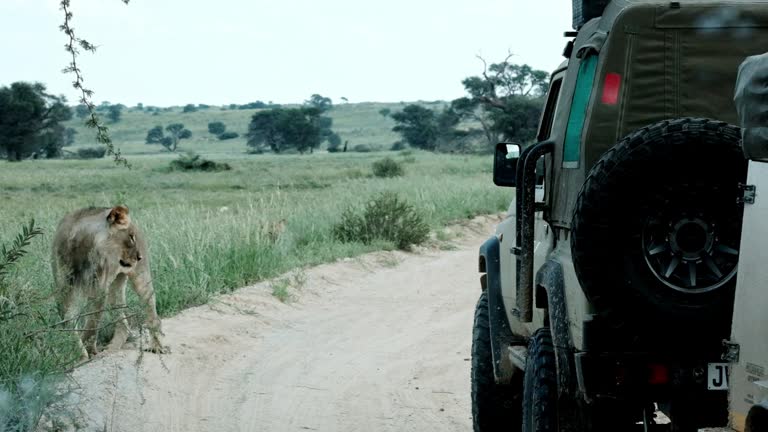
South Luangwa Safari: Your Expert Travel Guide 2026-2027
South Luangwa National Park in Zambia stands as one of Africa’s most revered wildlife sanctuaries. Renowned for its exceptional leopard sightings and pioneering walking safaris, it offers an authentic and immersive experience for those seeking to connect with the wild. If you are planning a safari adventure for 2026 or 2027 and are drawn to untamed landscapes and unparalleled wildlife encounters, a South Luangwa safari should be at the top of your list. This guide provides everything you need to know, from understanding the park’s unique appeal to practical planning advice, ensuring your trip is memorable and rewarding.
Quick Answers
- What is South Luangwa famous for? It’s celebrated for its high density of leopards, pioneering walking safaris, and a remarkably wild, uncrowded atmosphere.
- When is the best time to visit South Luangwa? The dry season, from June to October, offers the best game viewing. The green season (November to May) is ideal for birding and a different, lush landscape.
- How long should a South Luangwa safari be? A minimum of 3-4 nights is recommended to experience the park’s diverse areas and activities.
- Is South Luangwa suitable for first-time safari-goers? Absolutely. While wild, the infrastructure and guiding standards are excellent, making it accessible and safe.
- What is the typical cost of a South Luangwa safari? Costs vary greatly depending on accommodation style, duration, and season, but expect mid-range to luxury pricing.
Table of Contents
- Introduction to South Luangwa
- Why Choose South Luangwa?
- South Luangwa Quick Facts
- Best Time to Visit South Luangwa (2026-2027)
- South Luangwa National Park Overview
- Wildlife Highlights
- Unique Safari Activities
- Planning Your South Luangwa Safari
- Where to Stay: Lodges and Camps
- Sample South Luangwa Safari Itinerary (5 Days)
- What to Expect on Your Safari
- Typical Inclusions and Exclusions
- Packing Essentials for a South Luangwa Safari
- Common Mistakes to Avoid
- Who is a South Luangwa Safari Best For?
- Alternatives to South Luangwa
- Planning Your 2026-2027 South Luangwa Safari
- Booking Your South Luangwa Safari
- Frequently Asked Questions (FAQs)
- Ready for Your South Luangwa Adventure?
Introduction to South Luangwa
South Luangwa National Park, located in Zambia’s Eastern Province, is a vast wilderness area flanking the Luangwa River. It is often cited as one of Africa’s premier wildlife destinations, particularly for those who appreciate a truly wild and authentic safari experience. Unlike some more developed parks, South Luangwa retains a rugged charm, with fewer roads and a strong emphasis on getting you close to nature, often on foot. Its significance in the history of African safaris, especially concerning walking safaris, cannot be overstated. For travelers in 2026 and 2027 looking for a profound connection with the African bush, South Luangwa delivers.
Why Choose South Luangwa?
Several factors make South Luangwa a compelling choice for your next safari:
- Exceptional Leopard Sightings: The park is world-famous for its high leopard population. Their elusive nature makes spotting them a thrill, and in South Luangwa, sightings are frequent, especially during night drives.
- Pioneering Walking Safaris: South Luangwa is the birthplace of the walking safari. This activity allows for a deeper immersion into the bush, focusing on tracking, smaller details, and the sheer sensory experience of being in the wild.
- Vast and Unspoiled Wilderness: Covering over 9,000 square kilometers, the park is immense and largely undeveloped. This means fewer vehicles, a more intimate experience, and a feeling of true exploration.
- Diverse Ecosystems: The Luangwa River is the lifeblood of the park, creating a mosaic of habitats including mopane woodlands, riverine forests, lagoons, and open grasslands, which support a wide array of wildlife.
- Expert Guiding: Zambia is known for its highly trained and knowledgeable guides, many of whom have grown up in the region and possess an intimate understanding of the flora, fauna, and tracking.
- Photographic Opportunities: The landscape, the wildlife, and the quality of guiding create fantastic photographic potential, especially for those interested in capturing intimate wildlife moments.
South Luangwa Quick Facts
| Feature | Details |
|---|---|
| Location | Eastern Province, Zambia |
| Size | Approx. 9,050 sq km (3,500 sq mi) |
| Main River | Luangwa River |
| Key Wildlife | Leopards, lions, elephants, hippos, crocodiles, Thornicroft’s giraffe, Cookson’s wildebeest, diverse birdlife. |
| Signature Activity | Walking Safaris, Night Game Drives |
| Best Time (Dry Season) | June – October |
| Best Time (Green Season) | November – May (excellent for birding, lush scenery) |
| Access | Fly-in to Mfuwe Airport (MFU) or overland |
| Park Entry Fees | Applicable daily fees (typically paid to the park authority) |
Best Time to Visit South Luangwa (2026-2027)
The timing of your South Luangwa safari can significantly impact your experience. Zambia has a distinct rainy season and dry season, each offering different advantages.
The Dry Season (June to October)
This is widely considered the prime time for wildlife viewing in South Luangwa. As the dry season progresses, water sources become scarce, concentrating animals around the Luangwa River and its permanent lagoons. This makes them easier to spot.
- June & July: Cooler temperatures, clear skies, and vegetation begins to thin. Game viewing is excellent, and the landscape is still relatively green.
- August – October: Hottest months. Water is scarce, leading to peak game concentrations. This is the best time for spotting predators and large herds. Roads are at their most accessible.
The Green Season (November to May)
Also known as the ‘Emerald Season’ or ‘Little Season’, this period offers a different kind of beauty and unique safari opportunities.
- November & December: The first rains arrive, bringing fresh growth and dramatic thunderstorms. It’s a beautiful time with fewer visitors. Birdlife becomes more active, and migratory birds arrive.
- January – March: The peak of the rainy season. Some camps may close or become fly-in only due to road accessibility. It’s fantastic for birding, photography due to the lush scenery, and seeing newborn animals. The park is quiet, offering a very exclusive feel.
- April & May: Rains begin to subside. The landscape is incredibly vibrant. Roads start to dry out, and game viewing improves as animals begin to congregate near receding water. This is a great shoulder season for value and fewer crowds.
For 2026-2027 planning: Consider the dry season (June-October) for the most reliable and diverse game viewing. If you’re a keen birder or photographer drawn to lush landscapes and fewer crowds, the green season (November-May) offers a distinct and rewarding experience.
South Luangwa National Park Overview
South Luangwa National Park is characterized by the meandering Luangwa River, which forms its western boundary. The park is divided into several key areas, each with its unique appeal:
The Luangwa River Front
This is the most popular and accessible area, with a network of game-drive tracks running along the river. It’s known for its high concentrations of hippos, crocodiles, elephants, and lions. The riverine vegetation provides cover for leopards, making it a prime spotting location.
The Mopane Woodlands
Inland from the river, vast mopane woodlands dominate. These areas can be more challenging for game drives but are excellent for tracking predators and offer a different landscape. Thornicroft’s giraffe and Cookson’s wildebeest are often found here.
The South Park
The southern section of the park, particularly areas like Chinzombo and areas accessible from Mfuwe, is rich in lagoons and waterholes that remain even in the dry season. This attracts a wide variety of game.
The Remote North
The northern part of the park is more remote and less visited, offering a truly wild and exclusive experience. Access is often seasonal and requires specialized vehicles or fly-in safaris.
Area Map Illustration (Conceptual Route)
| South Luangwa National Park |
| (Conceptual Flow) |
| Mfuwe Airport (Arrival/Departure) → Southern Sector Lodges (River Front) → Central Sector (Walking Safari Camps) → Northern Sector (Remote Exploration – Seasonal) |
Wildlife Highlights
South Luangwa is home to an impressive array of African wildlife, with particular strengths in certain species:
- Leopards: The undisputed stars of South Luangwa. Their abundance and habituation to vehicles allow for remarkable sightings, especially during night drives.
- Lions: Packs are commonly seen, often resting in the shade during the day or hunting in the early morning and late evening.
- Elephants: Large herds frequent the park, especially along the river and waterholes.
- Hippos: Thousands of hippos inhabit the Luangwa River, creating impressive ‘pods’ and providing constant activity.
- Crocodiles: The river is teeming with Nile crocodiles, often seen basking on the banks.
- Buffalo: Herds of Cape buffalo are a common sight.
- Giraffes: The endemic Thornicroft’s giraffe, with its distinctive markings, is a highlight, along with the more common South African giraffe.
- Wildebeest: Cookson’s wildebeest are found in the park.
- Other Mammals: Hyena, wild dog (though less common than in some other parks), various antelope species (impala, puku, kudu, waterbuck), warthogs, baboons, and monkeys.
- Birdlife: Over 400 bird species have been recorded, making it a paradise for ornithologists, particularly during the green season.
Unique Safari Activities
South Luangwa offers a range of activities that go beyond the standard game drive, enhancing the safari experience:
Walking Safaris
This is South Luangwa’s signature experience. Led by highly trained armed rangers and guides, walking safaris allow you to explore the bush on foot. You’ll learn about tracking, identify animal spoor, discover medicinal plants, and appreciate the smaller details of the ecosystem. It’s an incredibly intimate and educational way to experience the wilderness. Walking safaris are typically offered in the dry season when conditions are safer.
Night Game Drives
South Luangwa is one of the best places in Africa for night drives. With spotlights, guides can search for nocturnal animals like leopards, genets, civets, owls, and bushbabies. The experience of seeing the bush come alive after dark is thrilling and offers a completely different perspective.
Day Game Drives
Classic game drives in open 4×4 vehicles are the primary way to cover larger distances and spot a wide variety of diurnal wildlife. Guides are skilled at finding animals and interpreting animal behavior.
Boating Safaris (Seasonal)
In certain camps and during the green season when water levels are higher, boat trips can offer unique views of hippos, crocodiles, and water birds from the river.
Planning Your South Luangwa Safari
A well-planned safari ensures you maximize your enjoyment and minimize potential issues. Consider these key aspects:
Duration
For a truly immersive experience in South Luangwa, aim for at least 3 to 4 nights. This allows time to explore different areas, engage in various activities like walking safaris and night drives, and increases your chances of seeing a variety of wildlife, including elusive species like leopards.
Choosing a Camp/Lodge
South Luangwa offers a range of accommodation, from rustic bush camps to more luxurious lodges. Your choice will depend on your budget, desired comfort level, and preferred safari style. Consider:
- Location: Camps situated along the Luangwa River offer classic game viewing, while those deeper in the park might offer more exclusive walking safari opportunities.
- Style: Do you prefer a more intimate, rustic bush camp or a lodge with more amenities?
- Activities Offered: Ensure the camp offers the activities you’re interested in (e.g., walking safaris, night drives).
Getting There
The most convenient way to reach South Luangwa is by flying into Mfuwe Airport (MFU). Several charter flights operate from Lusaka (LUN) and sometimes from other safari hubs. From Mfuwe, your lodge will typically arrange a transfer, which often includes a short game drive en route.
Alternatively, it’s possible to drive from Lusaka, but this is a long journey (8-10 hours) and requires a 4×4 vehicle. Most travelers opt for the flight to save time and begin their safari experience sooner.
Budget Considerations
South Luangwa safaris are generally considered mid-range to high-end. The cost is influenced by:
- Accommodation: Luxury lodges are more expensive than basic bush camps.
- Season: The dry season is peak season and usually more expensive. The green season can offer better value.
- Duration: Longer stays generally mean higher overall costs.
- Inclusions: Full board, drinks, park fees, and activities can be included or extra.
- Transfers: Flights to Mfuwe and road transfers add to the total cost.
Where to Stay: Lodges and Camps
South Luangwa boasts a variety of excellent camps and lodges, catering to different preferences and budgets. Here are a few types:
Luxury Lodges
These offer high levels of comfort, excellent service, gourmet dining, and often beautiful swimming pools and spacious chalets. Examples might include lodges with private plunge pools, stunning river views, and exceptional guiding. They are ideal for those seeking a pampered safari experience.
Mid-Range Camps
These provide comfortable accommodation, usually in well-appointed tents or chalets, with delicious meals and great game viewing. They strike a balance between comfort, authenticity, and value.
Walking Safari Camps
Often more rustic and intimate, these camps are specifically designed for guests participating in walking safaris. They might be smaller, located in more remote areas, and focus on the bush experience. Facilities can be simpler, but the immersion is profound.
Remote Camps
Located in the less-visited northern sectors, these camps offer extreme exclusivity and a sense of true wilderness. Access might be limited to fly-in safaris during certain times of the year.
When booking for 2026-2027, it’s advisable to book popular camps well in advance, especially for peak season.
Sample South Luangwa Safari Itinerary (5 Days)
This is a sample itinerary focusing on a mix of activities and exploring different aspects of the park. It assumes arrival at Mfuwe Airport.
| Day | Morning Activity | Afternoon Activity | Evening Activity | Accommodation Type |
|---|---|---|---|---|
| Day 1 | Arrive at Mfuwe Airport (MFU). Meet your lodge representative. Transfer to your lodge with a short game drive en route. | Settle in, enjoy lunch. Briefing on activities. | Evening game drive, focusing on nocturnal animals and leopard spotting. | Riverfront Lodge/Camp |
| Day 2 | Morning game drive focusing on predators and riverine wildlife. | Return to lodge for lunch and rest. | Night game drive, exploring different areas. | Riverfront Lodge/Camp |
| Day 3 | Walking Safari: Depart after breakfast for a guided bush walk (typically 3-4 hours). Focus on tracking, flora, and fauna. | Return to lodge for lunch. Relax or enjoy a siesta. | Evening game drive, perhaps exploring areas further from the river. | Riverfront Lodge/Camp or Central Walking Camp |
| Day 4 | Full-day exploration, potentially moving to a different area of the park or continuing with drives/walks from your current lodge. Focus on specific interests (e.g., birding, photography). | Picnic lunch in the bush or return to lodge. | Final evening game drive or sundowners in a scenic spot. | Riverfront Lodge/Camp or Central Walking Camp |
| Day 5 | Early morning game drive or walk, depending on flight schedule. | Return to lodge for breakfast. Transfer back to Mfuwe Airport for your departure. | N/A | N/A |
Note: This itinerary can be customized. For longer stays (e.g., 7 days), you might split your time between two different camps in different areas of the park for varied experiences.
What to Expect on Your Safari
A South Luangwa safari is about immersion in nature. Here’s what you can anticipate:
- Early Mornings and Late Evenings: The best game viewing times are at dawn and dusk when animals are most active. Expect early wake-up calls and late returns to camp.
- Open Vehicles: Game drives are typically conducted in open 4×4 vehicles, allowing for unobstructed views and photography.
- Walking Experience: Walking safaris are conducted at a walking pace, focusing on the details of the bush. Guides will teach you about tracking, animal signs, and the local environment.
- Bush Meals: Many camps offer bush breakfasts, lunches, or dinners, providing a unique dining experience in the heart of the wilderness.
- Night Drives: These are thrilling experiences using spotlights to find nocturnal creatures.
- Uncrowded Experience: While popular, South Luangwa generally has fewer vehicles per sighting than some other major African parks, contributing to its wild feel.
- Comfort and Safety: Lodges provide comfortable accommodation and meals. Guided activities are conducted with safety as a priority by experienced professionals.
Typical Inclusions and Exclusions
Safari packages can vary, so it’s crucial to understand what is included in your booking. Always clarify with your tour operator.
Common Inclusions:
- Accommodation
- All meals (breakfast, lunch, dinner)
- Local branded drinks (sometimes excludes premium drinks)
- Scheduled game drives (morning and evening)
- Scheduled walking safaris (where available and booked)
- Park entrance fees
- Laundry services (in some camps)
- Transfers between camps within the operator’s network (if applicable)
Common Exclusions:
- International flights
- Domestic flights to/from Mfuwe (MFU)
- Visa fees
- Travel insurance
- Premium drinks and imported wines
- Gratuities for guides and camp staff
- Personal expenses (e.g., souvenirs, phone calls)
- Optional activities not specified in the itinerary
- Community development fees (sometimes separate)
Packing Essentials for a South Luangwa Safari
Pack light, neutral-colored clothing for your South Luangwa safari. Layers are key, as temperatures can vary throughout the day.
| Category | Items |
|---|---|
| Clothing |
|
| Footwear |
|
| Accessories |
|
| Documents |
|
Note on Luggage: If flying on small charter planes, there are strict weight limits (usually 15-20 kg, soft bags only). Check with your operator.
Common Mistakes to Avoid
To ensure a smooth and enjoyable South Luangwa safari, be aware of these common pitfalls:
- Underestimating Luggage Restrictions: Especially if flying between camps or to Mfuwe, soft-sided bags are essential due to aircraft size limits.
- Packing Bright or Dark Colors: Neutral, earthy tones blend in best. Bright colors can startle wildlife. Dark colors can attract tsetse flies in some areas.
- Not Bringing Binoculars: Essential for spotting distant animals and appreciating details.
- Assuming All-Inclusive: Clarify what is included regarding drinks, park fees, and specific activities.
- Overpacking: Lodges often have laundry services, and you’ll need less than you think.
- Not Booking in Advance: Popular camps and lodges, especially for peak season in 2026-2027, book up months, sometimes over a year, in advance.
- Ignoring Health Advice: Consult your doctor about necessary vaccinations and malaria prophylaxis well before your trip.
- Expecting Guarantees: While South Luangwa is known for leopard sightings, wildlife is wild. No sighting is ever guaranteed.
- Focusing Only on Big Cats: South Luangwa offers incredible diversity. Appreciate the smaller creatures, birds, and the landscape itself.
Who is a South Luangwa Safari Best For?
South Luangwa appeals to a specific type of traveler, making it ideal for:
- Wildlife Enthusiasts: Those who are passionate about observing animals in their natural habitat, especially keen on predators like leopards.
- Adventurous Travelers: Individuals who appreciate a more rugged, authentic experience and are open to activities like walking safaris.
- Photographers: The combination of wildlife density, diverse landscapes, and skilled guides provides excellent photographic opportunities.
- Nature Lovers: People who enjoy being immersed in nature, appreciating the sights, sounds, and smells of the African bush.
- Experienced Safari-Goers: While suitable for first-timers, those who have been on safaris before might particularly appreciate the depth and authenticity South Luangwa offers compared to more commercialized destinations.
- Travelers Seeking Exclusivity: The park’s size and lower visitor density offer a sense of privacy and remoteness.
It might be less suitable for travelers seeking bustling towns, extensive shopping, or a resort-like atmosphere. It’s also important to note that while safe, it is a wild environment, so a degree of adventurous spirit is beneficial.
Alternatives to South Luangwa
While South Luangwa is exceptional, other African destinations offer fantastic safari experiences. If your plans or preferences lead you elsewhere, consider:
Tanzania (Serengeti, Ngorongoro Crater)
- Pros: Famous for the Great Migration, iconic landscapes, high density of predators, excellent infrastructure.
- Cons: Can be more crowded, higher cost, sometimes less emphasis on walking safaris.
Kenya (Masai Mara)
- Pros: Similar to Serengeti for migration and predator sightings, known for Maasai culture.
- Cons: Can be very busy, strict rules on off-road driving and night drives in some conservancies.
Botswana (Okavango Delta, Chobe)
- Pros: High-end, exclusive, pristine wilderness, diverse water-based activities (mokoro, boat safaris), excellent for elephants (Chobe).
- Cons: Generally the most expensive safari destination, often fly-in only.
Zimbabwe (Hwange, Mana Pools)
- Pros: Excellent walking safaris (Mana Pools), great for elephants and predators (Hwange), generally more affordable than Botswana.
- Cons: Infrastructure can be less developed in some areas.
Each destination offers a unique flavor of Africa. South Luangwa’s draw remains its unparalleled leopard sightings and its commitment to the walking safari tradition.
Planning Your 2026-2027 South Luangwa Safari
Planning ahead is crucial for securing the best experiences and accommodations for your 2026-2027 trip. Here’s a timeline and key considerations:
12-18 Months Before Travel
- Research: Identify your interests (wildlife, photography, walking), preferred season, and budget. Start researching parks and lodges.
- Choose Your Operator: Select a reputable tour operator like Top Guide Adventures who specializes in Zambian safaris. Discuss your vision for your 2026-2027 trip.
9-12 Months Before Travel
- Book Key Accommodations: Popular lodges and camps, especially for peak season (June-October) in 2026 and 2027, get booked up quickly. Confirm your chosen lodges and dates.
- Book Flights: International flights and any necessary internal flights (e.g., to Lusaka or Mfuwe) should be booked to secure good prices.
6-9 Months Before Travel
- Confirm Itinerary: Finalize your day-to-day itinerary with your tour operator.
- Visa Requirements: Check visa requirements for Zambia based on your nationality.
3-6 Months Before Travel
- Health Consultations: Visit your doctor or a travel clinic to discuss necessary vaccinations (e.g., Yellow Fever) and malaria prevention.
- Travel Insurance: Purchase comprehensive travel insurance that covers medical emergencies, trip cancellation, and lost luggage.
1-3 Months Before Travel
- Packing: Begin gathering your safari clothing and gear. Check luggage restrictions if flying on light aircraft.
- Currency: Familiarize yourself with the local currency (Zambian Kwacha) and plan for any cash needs (e.g., for tips). US Dollars are widely accepted for park fees and sometimes lodge payments.
Weeks Before Travel
- Final Payments: Ensure all outstanding payments are made to your tour operator.
- Confirm Details: Reconfirm flight times, lodge contact numbers, and transfer arrangements.
By planning early for your 2026-2027 South Luangwa safari, you ensure a smoother journey and access to the best experiences Zambia has to offer.
Booking Your South Luangwa Safari
Booking your South Luangwa safari is a significant step towards your adventure. Here’s how to approach it:
Work with a Specialist Operator
Engaging with a reputable tour operator, such as Top Guide Adventures, is highly recommended. They possess in-depth knowledge of Zambia, South Luangwa, and the various lodges. They can:
- Tailor an itinerary to your specific interests and budget.
- Advise on the best camps and activities for your travel style.
- Handle all bookings, logistics, and confirmations.
- Provide crucial pre-departure information and support.
Key Booking Considerations:
- Inclusions: Clearly understand what your safari package covers (accommodation, meals, drinks, activities, park fees, transfers).
- Payment Schedule: Most operators require a deposit to confirm bookings and the balance payment closer to the travel date.
- Cancellation Policies: Review the cancellation terms and conditions of both the tour operator and the lodges.
- Flexibility: For 2026-2027 travel, understand the flexibility offered in case of unforeseen circumstances.
- Travel Insurance: Mandatory for most reputable operators. Ensure it provides comprehensive cover.
When you’re ready to plan your South Luangwa safari for 2026 or 2027, reaching out to experienced operators is the best first step. They can guide you through the options and craft an unforgettable journey.
Frequently Asked Questions (FAQs)
Q1: Is South Luangwa safe for tourists?
Yes, South Luangwa is considered very safe for tourists. The park is managed by Zambia Wildlife Authority (ZAWA), and lodges employ experienced, armed guides for all activities. Standard safety precautions for wildlife viewing apply, but the infrastructure and guiding standards are excellent.
Q2: What is the best way to get around South Luangwa?
Within the park, game drives are conducted in open 4×4 safari vehicles. Walking safaris are done on foot. Transfers to and from the park are typically by road from Mfuwe Airport or by charter flight to remote airstrips.
Q3: Can I do a South Luangwa safari on a budget in 2026-2027?
South Luangwa is generally a mid-range to luxury destination. While it might not be the most budget-friendly safari option in Africa, traveling during the green season (November-May) can offer lower rates. Staying in more rustic bush camps instead of luxury lodges can also help manage costs. Booking in advance for 2026-2027 is key to finding better value.
Q4: What wildlife can I expect to see in South Luangwa?
South Luangwa is renowned for its leopards. You can also expect to see lions, elephants, hippos, crocodiles, Thornicroft’s giraffe, Cookson’s wildebeest, various antelope species, hyenas, and abundant birdlife. It’s a fantastic park for diverse wildlife encounters.
Q5: How many days are recommended for a South Luangwa safari?
A minimum of 3-4 nights is recommended to get a good feel for the park. For a more in-depth experience, especially if you want to combine walking safaris with game drives and potentially visit different areas, 5-7 nights is ideal.
Q6: What should I pack for a South Luangwa safari in 2026?
Pack light, neutral-colored clothing, comfortable walking shoes, a warm layer for cool mornings/evenings, sun protection (hat, sunscreen, sunglasses), insect repellent, a camera, and binoculars. Remember to check luggage weight limits if flying on small aircraft.
Q7: Is it possible to see walking safaris year-round?
Walking safaris are primarily offered during the dry season (June to October) when conditions are safer and more conducive to walking. Some camps may offer limited walking during the shoulder seasons (May, November) depending on the conditions.
Q8: What are the main differences between South Luangwa and other safari destinations?
South Luangwa’s key differentiators are its pioneering role in walking safaris, exceptional leopard sightings, and a more raw, less commercialized wilderness feel compared to some busier parks in East Africa or Southern Africa.
Q9: What are the risks of malaria in South Luangwa?
Malaria is present in South Luangwa, as it is in much of Zambia. It is crucial to consult your doctor about malaria prophylaxis and take precautions such as using insect repellent and wearing long sleeves/trousers in the evenings.
Q10: How far in advance should I book my 2027 South Luangwa safari?
For peak season (June-October 2027), booking 9-12 months in advance is highly recommended. For the green season, 6-9 months might be sufficient, but popular lodges still fill up quickly. Early booking ensures availability and potentially better rates.
Ready for Your South Luangwa Adventure?
A South Luangwa safari promises an authentic, thrilling, and deeply rewarding experience. Whether you dream of tracking leopards on foot or witnessing the African bush come alive after dark, this park offers an unparalleled connection with nature. For expert advice and seamless planning of your 2026-2027 South Luangwa safari, or any other Tanzanian adventure, our team is here to help.
Contact us today to start crafting your personalized journey:
WhatsApp: +255616946642
Email: topguideadventures@gmail.com
Backup Email: info@topguideadventures.com
Let us help you create unforgettable memories in the wild heart of Africa. Your South Luangwa safari awaits!
Plan your South Luangwa safari with Top Guide Adventures
Tell us your travel dates, group size, comfort level, and dream experience. We will help you shape a clear, realistic, and memorable Tanzania itinerary.







 Veedesigner
 Fatma Kizanga
 Benjamin Waryuba
 Philip Philip
 John jr Itaja
 Antonia Optatus
 Edith Kanyere
 Neema Iddy
 Kelvin Boniphace
 Damari Maiga



