


An Itigi Birdwatching Expedition in Tanzania offers a focused, specialist adventure for dedicated ornithologists and keen amateur birders, targeting the unique avian life found in the Itigi-Sekenke ecosystem, renowned for its dry miombo woodlands and distinctive bird species. Typically, such an expedition would involve several days dedicated to exploring these specific habitats, led by expert guides, with durations ranging from 5 to 10 days to maximize sightings and cover different areas within the Itigi region, often starting from Dodoma or Tabora and arranged by local operators like Top Guide Adventures for the 2026-2027 season.
Discovering the Avian Riches of Itigi: An Expedition Like No Other
The vast, often overlooked landscapes of Tanzania hold a treasure trove of biodiversity, and for the passionate birder, the Itigi region presents an exceptional frontier. Far from the well-trodden paths of the Serengeti or Ngorongoro, Itigi offers a different kind of safari – one defined by the rustle of dry leaves, the symphony of unseen calls, and the thrill of spotting species that are rarely encountered elsewhere. A dedicated Itigi Birdwatching Expedition is not just a trip; it’s an immersion into a specialized ecosystem, crafted for those who appreciate the subtle beauty and intricate world of birds.
Top Guide Adventures specializes in crafting these unique experiences, understanding that a birdwatching expedition requires a different approach, a keener eye, and a deeper knowledge of avian behavior and habitat. We design itineraries that prioritize optimal birding conditions, working with guides who possess an intimate understanding of the Itigi-Sekenke area and its feathered inhabitants. Whether you’re aiming for specific endemic species or simply wish to experience the sheer diversity of Tanzanian birdlife in a less-visited setting, an Itigi expedition promises profound rewards.
This guide aims to provide an exhaustive overview for anyone considering an Itigi Birdwatching Expedition, covering everything from the unique species you might encounter to the best times to plan your visit, especially looking towards the 2026-2027 travel years. We will explore the logistical considerations, the expertise required, and what makes this region a must-visit for serious birdwatchers.
The Allure of Itigi: Why This Region Captivates Birdwatchers
Itigi, located in the central-western part of Tanzania, is synonymous with the Itigi-Sekenke dry woodlands. This ecosystem is characterized by its arid conditions, sandy soils, and a dominant vegetation of miombo trees, punctuated by grasslands and occasional rocky outcrops. This unique environment supports a specialized avifauna, distinct from the more common savanna species found in northern Tanzania’s famous parks.
What makes Itigi particularly compelling for birdwatchers is its potential for hosting species that are either endemic to Tanzania or have a very restricted range. The dry miombo woodland habitat is crucial for several species that thrive in these specific conditions. For instance, the region is a stronghold for the **Itigi Dwarf-Kingfisher** (a name that itself evokes the exclusivity of the location), and offers excellent opportunities to spot other miombo specialists like the **White-faced Owl**, **Woodward’s Batis**, **Red-throated Tit**, and various sunbirds and woodpeckers adapted to this environment.
Beyond the specific target species, the sheer density and variety of birds that can be encountered during an expedition are remarkable. The open woodlands allow for good visibility, making it easier to spot birds perched or moving through the canopy. The presence of water sources, however scarce, can draw a multitude of species, especially during drier periods. The landscape itself, with its undulating terrain and ancient trees, provides a dramatic backdrop to the birding experience.
For the dedicated birder, Itigi represents a chance to contribute to the understanding of these bird populations, observe their behaviors in a relatively undisturbed setting, and experience the thrill of discovery in a landscape that feels truly wild and untamed. This is the essence of an Itigi Birdwatching Expedition – a journey into the heart of a unique avian world.
Key Bird Species to Anticipate on Your Itigi Expedition
Planning an expedition involves understanding the potential sightings. The Itigi-Sekenke ecosystem boasts a list of sought-after species that draw birdwatchers from around the globe. While no expedition can guarantee sightings of every species, knowing what to look for enhances the anticipation and the overall experience.
Here are some of the most notable avian residents of Itigi and the surrounding miombo woodlands:
- Itigi Dwarf-Kingfisher (Ispidina rousselii): This is arguably the star attraction. The Itigi Dwarf-Kingfisher is a small, elusive bird, and the Itigi area is one of its primary known locations. Spotting this jewel requires patience and expert guidance, as it prefers dense thickets and can be difficult to detect.
- Woodward’s Batis (Batis fratrum): A small, active flycatcher that inhabits the undergrowth of miombo woodlands. Its distinctive call and energetic foraging make it a rewarding sighting.
- Red-throated Tit (Pariparus fringilloides): Another resident of the dry woodlands, this tit is characterized by its striking red throat and lively behavior as it flits through the trees.
- White-faced Owl (Ptilopsis leuotis): This striking owl is a nocturnal hunter, but experienced guides can often locate roosting individuals during the day. Its camouflage makes it a challenging but satisfying find.
- Crested Guineafowl (Guttera pucherani): While found in other parts of Tanzania, seeing them in the Itigi woodlands adds to the sense of place. They often move in small, noisy groups.
- Arnot’s Chat (Myrmecocichla arnoti): A beautiful black and white bird with a distinctive chestnut rump, often found in rocky areas within the woodlands.
- Miombo Rock-Thrush (Monticola angolensis): This species is a classic inhabitant of miombo woodlands, often seen perching on prominent branches.
- African Pitta (Pitta angolensis): Though migratory and somewhat erratic, this stunningly colorful bird can be found in the region during certain times of the year, its presence a delightful surprise.
- Various Sunbirds and Woodpeckers: The miombo ecosystem supports a diverse array of sunbirds (like the **Scarlet-chested Sunbird**) and woodpeckers (such as the **Cardinal Woodpecker** and **Bearded Woodpecker**), which are common and add vibrant flashes of color to the landscape.
- Raptors: The open woodlands and surrounding areas can host various raptors, including species like the **African Fish Eagle** near water bodies, and woodland eagles.
This list is not exhaustive, but it highlights the quality of species that make an Itigi Birdwatching Expedition a prime objective for serious birders seeking a unique Tanzanian experience. The thrill of ticking off these specialized birds from your life list is a significant part of the expedition’s appeal.
Optimal Timing for Your Itigi Birdwatching Expedition (2026-2027)
Timing is paramount in birdwatching, and the Itigi region has distinct periods that are more conducive to sightings. Understanding these seasonal patterns will help you plan your expedition for the best possible experience in 2026 or 2027.
Generally, the dry season, which runs from **June to October**, is considered the prime time for birdwatching in Itigi. During these months:
- Reduced Vegetation Cover: The dry conditions lead to less dense foliage, making birds easier to spot against the landscape.
- Concentration around Water Sources: As water becomes scarce, birds tend to congregate around the remaining waterholes and rivers, increasing the chances of sightings.
- Breeding Plumage: Many resident species are in their full breeding plumage, making them more visually striking and easier to identify.
- Migration Patterns: While Itigi is primarily known for its resident species, some migratory birds may be present, especially during the shoulder months.
The shoulder months, such as **May** and **November**, can also be excellent. May often marks the end of the rainy season, with lush landscapes and resident birds active. November can see the arrival of some intra-African migrants. However, these months can also experience intermittent rains, which might affect travel conditions and bird activity.
The rainy season, typically from **March to April** and sometimes extending into **December** and **January**, can be challenging for birdwatching expeditions in Itigi. While the rains bring life to the landscape and can attract certain species, the dense vegetation makes spotting birds difficult, and roads can become impassable, impacting accessibility.
**For 2026-2027 planning:**
- High Season (Best for Birding): June, July, August, September, October 2026 and 2027. Expect excellent visibility and good chances of spotting a wide variety of species. This is also a popular time for general tourism in Tanzania, so early booking is advisable.
- Shoulder Season (Good Birding, Fewer Crowds): May, November 2026 and 2027. These months offer a good balance, with potentially fewer visitors and active birdlife.
- Low Season (Challenging Birding, Lush Scenery): December, January, February, March, April 2026 and 2027. Birding can be more difficult due to dense vegetation and potential rain, but the landscape is vibrant.
When booking your Itigi Birdwatching Expedition with Top Guide Adventures, we will consult with you to determine the optimal dates based on your specific interests and the latest birding reports for the region.
Crafting Your Itigi Birdwatching Expedition Itinerary
An effective birdwatching expedition requires more than just showing up; it demands a thoughtfully designed itinerary that maximizes opportunities for sightings. Top Guide Adventures specializes in creating bespoke itineraries for Itigi, focusing on accessibility, optimal birding times, and expert guidance.
An typical Itigi Birdwatching Expedition might span 5 to 10 days, depending on the depth of exploration desired and the starting point. Here’s a potential structure:
Sample 7-Day Itigi Birdwatching Expedition Itinerary
This is a sample itinerary and can be customized to your specific interests and pace.
- Day 1: Arrival in Dodoma/Tabora & Transfer to Itigi Area
Arrive at Dodoma Airport (DOD) or Tabora Airport (TBO). Meet your expert birding guide and transfer by 4×4 vehicle to your accommodation near the Itigi-Sekenke woodlands. Settle in and perhaps enjoy some introductory birding around the lodge/camp as dusk approaches.
- Day 2-3: Exploring the Dry Miombo Woodlands
Full days dedicated to exploring the core miombo woodland habitats. This involves early morning and late afternoon drives/walks, focusing on areas known for species like the Itigi Dwarf-Kingfisher, Woodward’s Batis, and Red-throated Tit. Your guide will use calls and knowledge of bird behavior to locate targets.
- Day 4: Rocky Outcrops and Grassland Edges
Focus shifts to areas with rocky outcrops and grassland interfaces, searching for species like Arnot’s Chat and various grassland birds. This day might involve slightly longer drives to access specific microhabitats.
- Day 5: Water Sources and Riverine Areas
Visit any permanent or seasonal water sources within the expedition area. These are crucial for spotting water-dependent birds, including potential raptors and kingfishers. This is also a good opportunity for general birding as species come to drink and feed.
- Day 6: Deeper Exploration or Return to Known Hotspots
Depending on sightings and interests, this day could involve venturing further into less-explored sections of the woodlands or revisiting areas where specific target species were previously sighted. It’s a flexible day to ensure you maximize your chances.
- Day 7: Final Birding & Departure
Enjoy a final early morning birding session. After breakfast, begin your transfer back to Dodoma or Tabora for your onward flight. Reflect on the incredible avian diversity you’ve encountered.
Key considerations for itinerary planning:
- Duration: Longer trips (8-10 days) allow for more thorough exploration and increase the likelihood of finding rarer species.
- Accommodation: Options range from comfortable lodges and tented camps to more rustic bush camps, depending on your preference and the specific location.
- Logistics: Travel within Itigi is primarily by 4×4 safari vehicle, essential for navigating the sandy tracks and challenging terrain.
- Expert Guides: The quality of your guide is paramount. Top Guide Adventures partners with highly experienced local birding guides who know the Itigi ecosystem intimately.
We work closely with clients to tailor each itinerary, ensuring it aligns with their birding goals, fitness levels, and desired comfort. For inquiries regarding custom itineraries for 2026-2027, please reach out to us.
Logistics and Practicalities for Your Expedition
Successfully undertaking an Itigi Birdwatching Expedition involves careful planning of logistics. Unlike popular national parks, Itigi is less developed, which contributes to its wild appeal but also means more preparation is needed.
Getting to Itigi
The most common entry points for an Itigi expedition are:
- Dodoma (DOD): Tanzania’s capital city, accessible by domestic flights from Dar es Salaam or Kilimanjaro International Airport. From Dodoma, it’s a drive of several hours to the Itigi area.
- Tabora (TBO): Another regional airport, also accessible by domestic flights. Tabora is closer to some parts of the Itigi-Sekenke ecosystem than Dodoma.
Top Guide Adventures can arrange all necessary domestic flights and airport transfers. The journey from the airport to your accommodation will be in a sturdy 4×4 safari vehicle, the only practical mode of transport for the terrain.
Accommodation Options
Accommodation in and around Itigi is more basic than in the main tourist circuits. Options typically include:
- Tented Camps: Comfortable safari tents with essential amenities, often set in scenic locations.
- Lodges: Small, locally run lodges offering comfortable rooms and meals.
- Bush Camps: For the more adventurous, we can arrange basic bush camps with camping equipment, offering a truly immersive experience.
We prioritize clean, safe, and well-located accommodations that minimize environmental impact and provide a comfortable base for your birding activities. We are happy to discuss specific lodge or camp preferences for your 2026-2027 trip.
Transportation
A **4×4 safari vehicle** is non-negotiable for an Itigi expedition. These vehicles are equipped to handle the sandy tracks, rough terrain, and potential wet conditions that can occur even in the dry season. They offer excellent vantage points for birding and are equipped with pop-up roofs for unobstructed viewing and photography.
Guides and Expertise
The success of your expedition hinges on the quality of your guide. Top Guide Adventures works with guides who:
- Possess extensive knowledge of Tanzanian birdlife, with a specialization in the Itigi-Sekenke avifauna.
- Are skilled in identifying birds by sight and sound.
- Understand bird behavior and habitat preferences.
- Are proficient in navigating the challenging terrain.
- Are trained in first aid and vehicle maintenance.
Our guides are passionate about sharing their knowledge and ensuring a rewarding and safe experience for every birder.
Health and Safety
Consult your doctor about necessary vaccinations and malaria prophylaxis well in advance of your travel. It is advisable to carry a basic first-aid kit, insect repellent, and sunscreen. Staying hydrated is crucial in the dry climate. Your guide will be equipped with a first-aid kit and knowledge of emergency procedures.
What to Pack
Packing appropriately is key to comfort and enjoyment:
- Clothing: Lightweight, neutral-colored clothing (khaki, green, brown) is best. Long sleeves and trousers protect against sun and insects. A light to medium-weight jacket for cooler mornings and evenings.
- Footwear: Comfortable, broken-in walking shoes or hiking boots for any walking excursions. Sandals or comfortable shoes for camp.
- Birding Gear: High-quality binoculars (8×42 or 10×42 are recommended), a spotting scope if you have one (your guide will likely have one), and a field guide to the birds of East Africa.
- Photography: Camera with a good zoom lens, extra batteries, and memory cards.
- Sun Protection: Wide-brimmed hat, sunglasses, and high SPF sunscreen.
- Insect Repellent: Containing DEET or Picaridin.
- Personal Items: Prescription medications, personal toiletries, a headlamp or flashlight.
- Water Bottle: Reusable water bottles are encouraged.
Top Guide Adventures provides a more detailed packing list upon booking your expedition.
The Role of Expert Guides in an Itigi Birdwatching Expedition
In any birdwatching tour, the guide is central to the experience. For an Itigi Birdwatching Expedition, this role is amplified. The Itigi-Sekenke ecosystem is vast, the terrain can be challenging, and many of the target species are elusive and require expert knowledge to locate.
Our birding guides are not merely drivers; they are seasoned ornithologists and naturalists. They possess an intimate understanding of:
- Avian Distribution: Knowing precisely which habitats within Itigi are likely to host specific species, from the densest thickets for dwarf-kingfishers to the open woodlands for tits and chats.
- Bird Calls and Songs: The ability to identify birds by their vocalizations is crucial, especially for species that are heard more often than seen. Guides can mimic calls to attract birds for closer observation.
- Behavioral Patterns: Understanding feeding habits, roosting sites, and territorial behaviors helps in predicting where birds will be and when.
- Habitat Assessment: Recognizing subtle changes in vegetation, soil type, and the presence of water that indicate potential birding hotspots.
- Navigation: Safely navigating the network of tracks and off-road routes, ensuring you reach prime birding locations without getting lost or stuck.
When you book an Itigi Birdwatching Expedition with Top Guide Adventures, you are partnering with individuals who are passionate about birds and dedicated to providing an unparalleled experience. They are trained to cater to different levels of birding expertise, from beginners to seasoned listers, ensuring everyone in the group benefits from their knowledge.
Photography Tips for Birdwatchers in Itigi
Itigi offers fantastic opportunities for bird photography, but its unique environment presents specific challenges and rewards.
- Light: The dry woodlands can sometimes have dappled light. Early mornings and late afternoons (the golden hours) offer the best, softest light for photography. Be prepared for potentially harsh midday sun.
- Lens Choice: A telephoto lens is essential. For most bird photography, a 300mm to 500mm lens is a good starting point. If you have a 600mm or larger, it will be invaluable for capturing distant subjects or shy species. A 1.4x or 2x teleconverter can also extend your reach.
- Camera Settings: Use a fast shutter speed to freeze bird movement. Aperture priority or manual mode gives you control over depth of field. If shooting in low light, be prepared to increase your ISO, but be mindful of noise.
- Patience and Stealth: Birds in Itigi can be wary. Move slowly and quietly. Use the 4×4 vehicle as a mobile hide, often allowing you to get closer than you would on foot.
- Focusing: Modern cameras with advanced autofocus systems are a great advantage. Practice tracking moving birds.
- Composition: Look for opportunities to include elements of the miombo woodland habitat in your shots to provide context.
Your guide will be invaluable in helping you position the vehicle for the best photographic opportunities and may even help spot subjects you might otherwise miss.
Conservation and Responsible Birdwatching in Itigi
As visitors to a unique and relatively untouched ecosystem, responsible tourism and conservation are paramount. Top Guide Adventures is committed to sustainable practices, and we expect our guests to share this commitment.
- Respect Wildlife: Maintain a safe distance from all animals, including birds. Avoid disturbing nesting sites or feeding birds.
- Minimize Footprint: Stay on designated tracks when driving. When walking, tread lightly and avoid damaging vegetation.
- Waste Management: Pack out everything you pack in. Do not leave any litter behind.
- Support Local Communities: Where possible, engage with local communities respectfully.
- Photography Ethics: Avoid using playback calls excessively, as it can stress birds and disrupt their natural behavior. Never bait birds.
By choosing Top Guide Adventures, you are supporting a tour operator that prioritizes conservation and works with local guides who are invested in protecting the environment they call home. We believe that responsible birdwatching not only minimizes our impact but also enhances the experience for everyone, ensuring that the Itigi-Sekenke ecosystem thrives for future generations and for future birdwatching expeditions in 2026-2027 and beyond.
Comparing Itigi with Other Tanzanian Birding Destinations
Tanzania is a birdwatcher’s paradise, offering a diverse range of habitats and species. While Itigi is a specialist destination, it’s useful to understand how it compares to other popular birding spots within the country.
- Northern Circuit Parks (Serengeti, Ngorongoro, Tarangire, Lake Manyara): These areas are famous for their large mammal sightings and offer a good variety of savanna and woodland birds. However, they are generally more crowded and lack the specialized miombo species that Itigi excels in. Birding here is often a secondary activity for general safari-goers.
- Southern Circuit Parks (Ruaha, Selous/Nyerere): These parks offer a more wild and less-visited experience than the north. Ruaha, in particular, has impressive birdlife, including raptors and savanna species. Selous (Nyerere) has riverine and woodland birds. While excellent for birding, they don’t focus on the unique dry miombo specialists found in Itigi.
- Western Tanzania (Mahale, Gombe): These parks are primarily known for chimpanzee trekking. Birdlife is present but not the main focus, and the habitats are different (rainforests, mountains).
- Coastal Areas and Islands (Zanzibar, Pemba): These offer unique coastal and endemic species, such as the Pemba Sunbird or Zanzibar Red Bishop. They represent a completely different habitat and species list compared to Itigi’s dry woodlands.
Itigi’s Unique Selling Proposition:
- Miombo Specialists: Itigi is the premier destination for species like the Itigi Dwarf-Kingfisher and other miombo woodland endemics.
- Undisturbed Ecosystem: Offers a chance to experience birding in a less commercialized and more wild environment.
- Focused Expedition: Ideal for dedicated birdwatchers who want to concentrate on a specific habitat and its associated species.
For a comprehensive Tanzanian birding tour, combining Itigi with other regions can provide an incredibly diverse experience. For example, a trip could start in the north for general safari and birding, move south for different savanna species, and conclude in Itigi for the specialized miombo avifauna. Top Guide Adventures can help design such multi-faceted itineraries for 2026-2027.
Booking Your Itigi Birdwatching Expedition with Top Guide Adventures
Planning a specialized trip like an Itigi Birdwatching Expedition requires expert knowledge and reliable local partners. Top Guide Adventures is your premier choice for an unforgettable ornithological adventure in Tanzania.
We offer:
- Customized Itineraries: Tailored to your specific birding interests, time frame, and budget.
- Expert Local Guides: Our guides are among the best in Tanzania, with deep knowledge of Itigi’s birdlife and ecosystems.
- Reliable Logistics: We handle all transportation, accommodation, and park fees, ensuring a smooth and hassle-free experience.
- Commitment to Conservation: We practice and promote responsible tourism.
Whether you are planning for the 2026 or 2027 season, we recommend booking well in advance, especially if you aim for the peak dry season (June-October). This allows us to secure the best accommodations and guides for your expedition.
To start planning your personalized Itigi Birdwatching Expedition, or if you have any questions about birding in Tanzania, please do not hesitate to contact us:
- WhatsApp: +255616946642
- Email: topguideadventures@gmail.com
- Backup Email: info@topguideadventures.com
Let Top Guide Adventures guide you to the remarkable avian treasures of Itigi. Your extraordinary birdwatching journey awaits!
Frequently Asked Questions about Itigi Birdwatching
What is the best time of year for birdwatching in Itigi?
The best time is during the dry season, from June to October, when vegetation is less dense, and birds congregate around water sources. Shoulder months like May and November can also be good.
What are the main target bird species in Itigi?
Key species include the Itigi Dwarf-Kingfisher, Woodward’s Batis, Red-throated Tit, White-faced Owl, Arnot’s Chat, and various miombo woodland specialists.
How long should an Itigi Birdwatching Expedition typically last?
An expedition usually ranges from 5 to 10 days to allow for thorough exploration of the diverse habitats within the Itigi-Sekenke ecosystem.
What kind of accommodation can I expect in Itigi?
Accommodation options include comfortable tented camps, locally run lodges, and basic bush camps for a more immersive experience. Top Guide Adventures ensures clean and safe facilities.
Is Itigi suitable for beginner birdwatchers?
Yes, Itigi can be suitable for beginners, especially with an expert guide who can help identify species and understand behaviors. However, it is a specialist destination, and a keen interest in birds is essential. For a more general birding experience, other Tanzanian parks might be considered, but Itigi offers unique rewards for dedicated enthusiasts.
What is the cost of an Itigi Birdwatching Expedition?
The cost varies based on the duration, accommodation style, number of travelers, and inclusions. Expeditions are typically priced on a per-person basis and can range from $250 to $500+ per person per day, covering accommodation, meals, park fees, guide services, and 4×4 transport. For a detailed quote for your 2026-2027 trip, please contact Top Guide Adventures directly.
Check Availability for Itigi Birdwatching Expedition: A Comprehensive Guide By Top Adventures
Ready to compare dates, prices, and the best option for your group? Send the package name and travel month so the team can reply with a clear quote, availability, and what is included.
 Itigi Thicket Nature Tour: Your Ultimate Tanzania Wildlife ExperienceExplore the wonders of the Itigi Thicket on a specialized nature tour, a less crowded place for unique wildlife encounters in Tanzania. This…View packageAd. Manyoni, Itigi And Central Wilderness GuideDiscover the hidden safari treasures of AD. Manyoni, Itigi, and Central Wilderness in Tanzania. This guide explores their unique wildlife…View package
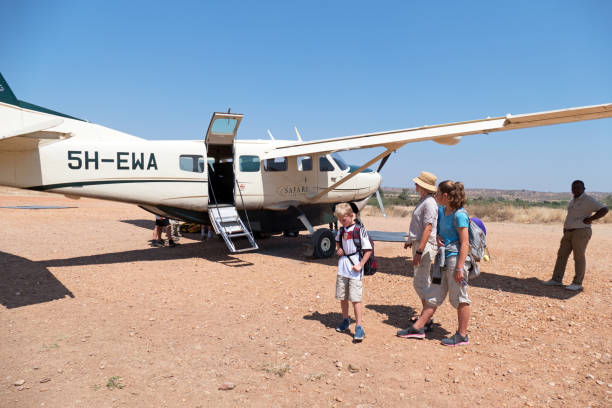 Geita Forest And Birdwatching Tour: Your Ultimate Tanzania Birding Adventurestart an unparalleled birdwatching expedition in Tanzania's Geita Forest. This tour offers a deep look at one of East Africa's most biodiverse…View package
 2-Day Manyoni Cultural Adventure: An Immersive Tanzanian Experience 2026-2027Experience the heart of Tanzania with a 2-Day Manyoni Cultural Adventure. This short, impactful journey offers deep dives into local traditions…View package
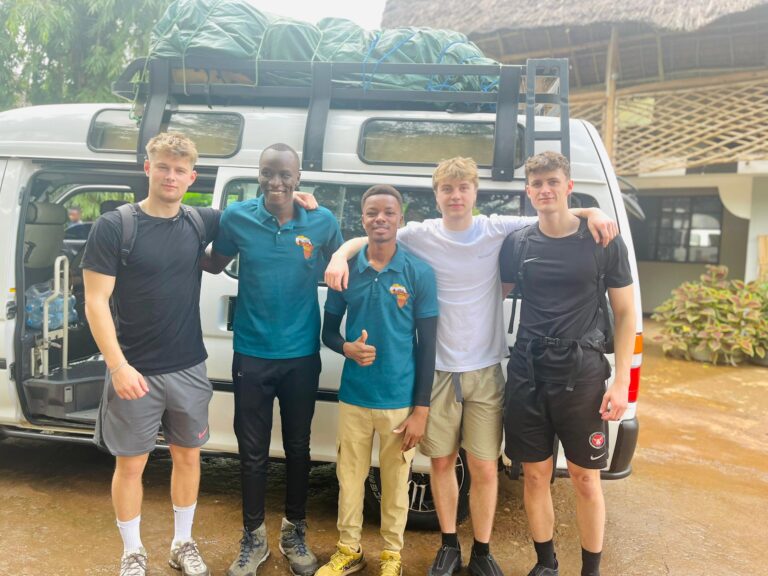 1-Day Manyoni Historical Route Tour: A Deep Dive With Top Guide AdventuresDiscover the rich heritage of Tanzania on a 1-Day Manyoni Historical Route Tour. This immersive experience, expertly guided by Top Guide…View package
 Geita Fishing Village Experience: A Deep Look At Lake Victoria Life 2026-2027Discover the vibrant heart of Lake Victoria life with an unforgettable Geita Fishing Village experience. This guide explores the authentic…View package
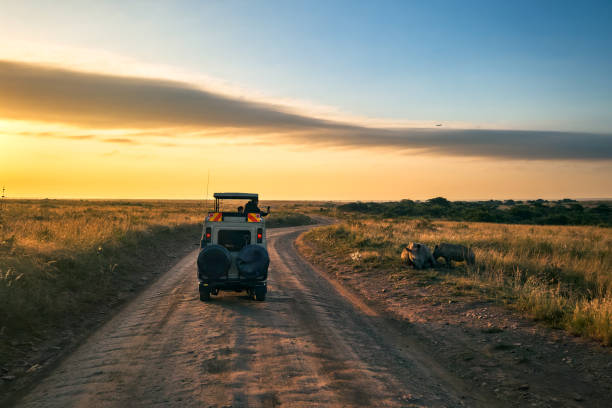 Geita Mining Community Tour: Experience Tanzanias Gold Rush History 2026-2027A detailed 2026-2027 guide to Geita Mining Community Tour, with clear planning and booking information for travelers.View package
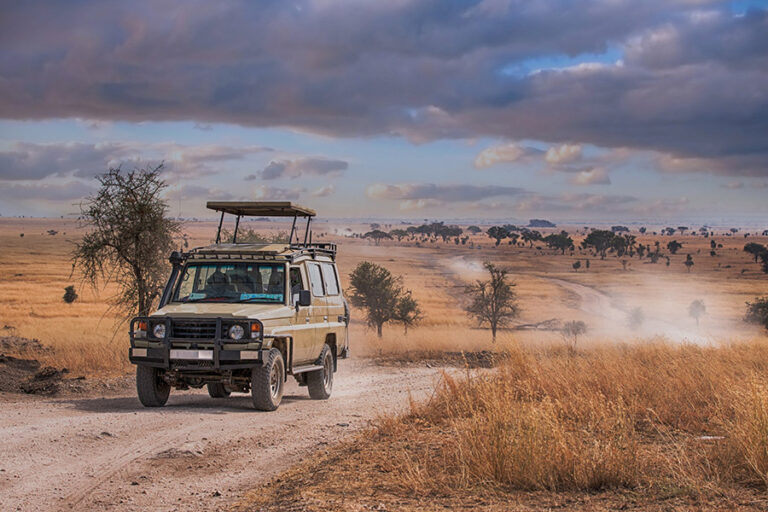 Geita Cultural Village Experience: A Deep Look At Tanzanian TraditionsExplore the rich cultural mix of Tanzania with an immersive experience at Geita Cultural Village. Discover authentic traditions, local life, and…View package


