
An Itigi Botanical Photography Tour is a specialized adventure focused on capturing the unique and often overlooked plant life of the Itigi Thicket ecosystem in Tanzania, offering unparalleled opportunities for nature photographers to document rare flora, endemic insects, and the diverse bird species that inhabit this distinctive biome, with prime viewing and photographic conditions typically found during the dry seasons of 2026 and 2027.
Understanding the Itigi Thicket: A Photographer’s Paradise
When we speak of Tanzania, the mind often conjures images of vast savannas teeming with iconic wildlife – lions, elephants, and giraffes silhouetted against the sunset. However, the country harbors ecological treasures far beyond these well-trodden paths. The Itigi Thicket, a unique and critically important dry forest ecosystem, stands as a testament to this biodiversity. For photographers, especially those with a keen interest in botany and the intricate details of nature, an Itigi Botanical Photography Tour presents an opportunity unlike any other in East Africa.
This isn’t your typical safari. While wildlife is certainly present and often spectacular, the true stars of an Itigi expedition are the plants themselves. The Itigi Thicket is characterized by a dense, thorny, and often impenetrable growth of woody shrubs and small trees, forming a distinct landscape that supports a specialized array of life. Its unique geological setting and climatic conditions have fostered an environment where endemic species thrive, many of which are found nowhere else on Earth. This makes it a vital subject for scientific study and an incredibly rewarding destination for nature photographers seeking to document the subtle beauty and ecological significance of this threatened habitat.
Why Choose Itigi for Botanical Photography?
The allure of Itigi for a botanical photography tour lies in its exclusivity and the sheer novelty of its flora. Unlike the more generalized flora of savannas or montane forests, the Itigi Thicket boasts a high degree of endemism. This means that many of the plant species found here have evolved in isolation, adapting to the specific arid conditions and soil types of the region. For a photographer, this translates into encountering shapes, textures, and colors that are entirely new and visually striking.
Consider the architectural forms of the thorny branches, the intricate patterns of bark, the surprising bursts of color from small, resilient flowers that bloom after rare rains, and the delicate structures of seed pods. These elements, often overlooked on a conventional safari focused on large mammals, form the intricate details that make up the foundation of the ecosystem. A dedicated botanical photography tour allows you to slow down, observe closely, and compose shots that highlight these often-unseen subjects.
Furthermore, the Itigi Thicket is not devoid of animal life; it simply hosts species that are adapted to its specific conditions. Birdlife can be surprisingly rich, with many species specializing in foraging within the dense undergrowth. Insects, crucial pollinators and food sources, are abundant and incredibly diverse, offering macro photography opportunities that are second to none. Small mammals, reptiles, and amphibians also navigate this unique environment, often camouflaged amongst the foliage, presenting a challenge and a reward for the patient photographer.
Planning Your Itigi Botanical Photography Tour: Key Considerations for 2026-2027
To make the most of your photographic journey into the Itigi Thicket, careful planning is essential. The timing of your visit, the equipment you bring, and the expertise of your guides will significantly influence the quality of your experience and the photographs you capture. Considering the travel window for 2026-2027, understanding these factors will set you up for success.
Best Time to Visit for Photography
The Itigi Thicket experiences distinct wet and dry seasons, and each offers unique photographic opportunities. For botanical photography, the dry seasons are often preferred. These typically run from June to October and again from December to February. During these periods:
- Reduced Vegetation Density: While the thicket is always dense, the dry season can lead to some natural reduction in leaf cover, potentially making it easier to spot and photograph subjects within the undergrowth.
- Animal Concentration: Water sources become scarcer, which can lead to animals congregating around available water, making them easier to find and photograph. This is particularly true for birds and smaller mammals.
- Clearer Light: The dry season generally brings clearer skies, offering more consistent light conditions for photography. This avoids the diffused light and potential rain that can occur during the wet season.
- Flowering and Fruiting: While the wet season is when most plants flower and fruit, some species in arid environments have adapted to bloom after the initial rains or during specific periods within the dry season. Researching the specific flowering times of key species you wish to photograph is advisable.
The wet season (approximately March to May, and November) can offer a different aesthetic. The landscape is lush and green, and the arid-adapted plants may be in bloom. However, photography can be more challenging due to:
- Difficult Access: Roads can become impassable, limiting mobility.
- Overgrown Vegetation: The density of the thicket increases, making it harder to find subjects.
- Rainy Conditions: Frequent rain showers can interrupt shooting and affect light quality.
For a dedicated botanical photography tour in 2026 or 2027, aiming for the June-October window or the December-February period will likely yield the best results for accessibility, light, and potential sightings.
Essential Photography Gear
Photographing the Itigi Thicket requires a versatile kit that can handle diverse subjects, from the grand scale of the landscape to the minute details of a flower or insect. Given the dense environment, flexibility is key.
- Camera Bodies: A DSLR or mirrorless camera with interchangeable lenses is ideal. Consider bringing a backup body, especially for extended trips in remote areas.
- Lenses:
- Macro Lens: A 100mm or 105mm macro lens is essential for capturing the intricate details of flowers, insects, and textures.
- Telephoto Zoom Lens: A 70-200mm or 100-400mm lens is crucial for wildlife sightings (birds, small mammals) and for isolating details within the thicket without disturbing subjects.
- Wide-Angle Lens: A 16-35mm or 24-70mm lens can be useful for capturing the sweeping vistas of the thicket and for environmental portraits of plants.
- Tripod/Monopod: A sturdy tripod or monopod will be invaluable for sharp macro shots, low-light conditions, and telephoto work.
- Filters: A circular polarizing filter (CPL) can help reduce glare on leaves and water, and enhance sky colors. A neutral density (ND) filter might be useful for certain creative shots.
- Memory Cards and Batteries: Bring plenty of high-capacity memory cards and extra batteries. Charging facilities can be limited.
- Cleaning Kit: Dust and humidity are common. A good lens cleaning kit is a must.
- Rain Protection: Waterproof covers for your camera and bag are highly recommended, even during the dry season, as unexpected showers can occur.
The Role of Expert Guides
For a botanical photography tour, the guide is more than just a driver; they are an interpreter of the ecosystem. Top Guide Adventures understands the unique demands of this type of specialized travel.
- Botanical Knowledge: Guides with a strong understanding of local flora can identify species, point out rare plants, and explain their ecological significance and medicinal uses. This knowledge is invaluable for both learning and for finding photographic subjects.
- Wildlife Spotting: Even on a botanical tour, spotting the elusive birds, insects, and small mammals that inhabit the thicket requires trained eyes. A good guide will know where and when to look.
- Photographic Insight: Experienced guides can suggest optimal times of day for light, understand the best angles for shots, and help you position yourself safely and effectively without disturbing the environment.
- Logistics and Safety: Navigating the Itigi Thicket can be challenging. Expert guides ensure your safety, manage logistics, and handle vehicle maintenance, allowing you to focus entirely on your photography.
Choosing a tour operator like Top Guide Adventures, with a proven track record in Tanzania and a commitment to personalized experiences, is crucial for maximizing your success on an Itigi Botanical Photography Tour.
Unique Flora of the Itigi Thicket: What to Photograph
The Itigi Thicket’s botanical significance stems from its specific adaptations to an arid environment and its high rate of endemism. While a comprehensive list would be exhaustive, several plant groups and species stand out as prime subjects for photographers.
Dominant Plant Families and Genera
The thicket is dominated by species from families like Fabaceae (legumes), Euphorbiaceae (spurges), and Combretaceae (combretum family). These often present as shrubs and small trees, characterized by their thorny defenses, small leaves to minimize water loss, and tough, woody structures.
- Dichrostachys cinerea (Sickle Bush): A common and characteristic thorny shrub or small tree. Its drooping, fragrant flower spikes are a beautiful subject, and its intricate branching patterns are visually striking.
- Acacia species: While perhaps more associated with savannas, various Acacia (now often reclassified as Vachellia and Senegalia) species are present, with their iconic thorns and feathery leaves offering great photographic detail.
- Euphorbs: Many species in this family have adapted to arid conditions, often resembling cacti (convergent evolution), with succulent stems and sharp spines. Their unusual forms are perfect for abstract botanical photography.
- Combretum species: These often contribute to the shrub layer, with interesting bark textures and sometimes vibrant autumn colors before leaf drop.
Endemic and Rare Species
The true treasure of Itigi lies in its endemic species, plants found nowhere else. Documenting these is a significant contribution to understanding and conservation.
- Itigi Endemics: Specific species that have evolved within this particular biome. Identifying these requires expert knowledge, making a guided tour indispensable. These might include unique shrubs, ground herbs, or specialized climbers.
- Medicinal Plants: Many plants in the thicket have traditional medicinal uses by local communities. Learning about these and photographing them in their natural context adds a layer of cultural and scientific interest to your images.
Photographic Opportunities: Details and Textures
Beyond specific species, the Itigi Thicket offers a wealth of photographic subjects:
- Thorns and Spines: The dominant feature of many plants here. Photographing their varied shapes, sizes, and arrangements can be fascinating. Macro shots highlighting dew drops on thorns or the sharp, menacing points can be very impactful.
- Bark Textures: The rough, peeling, or deeply fissured bark of older trees and shrubs provides excellent opportunities for abstract and detailed photography.
- Leaf Structures: Small, leathery leaves, needle-like foliage, or compound leaves adapted for water conservation offer unique patterns and forms.
- Flowers and Fruits: Despite the arid conditions, many plants produce surprisingly delicate and colorful flowers, often small and requiring macro lenses. The seed pods and fruits that follow are equally diverse and interesting.
- Camouflage and Adaptation: Photographing how plants blend into their environment, or how their structures are adapted for survival (e.g., water storage, defense), tells a story within the image.
Wildlife Photography in the Itigi Thicket
While the focus is botanical, the Itigi Thicket supports a unique assemblage of wildlife that complements the flora. A successful photographic tour will capture this interplay.
Avian Wonders
The dense vegetation provides habitat for numerous bird species, many of which are specialists in dry forest environments. Birdwatchers and photographers will find a rewarding experience.
- Endemic and Near-Endemic Birds: Look out for species like the Yellow-collared Lovebird, which has a strong association with the Itigi Thicket, and other dry-land specialists.
- Raptors: Various eagles and buzzards patrol the skies and perch on taller trees, offering opportunities for flight shots or perched portraits.
- Ground Birds: Species that forage in the undergrowth, requiring patience and a keen eye to spot.
- Insectivores: Many smaller birds dart through the foliage, feeding on the abundant insect life.
A telephoto lens is essential for capturing birds in this environment, often requiring you to be patient and wait for them to emerge from the dense cover.
Insects and Smaller Creatures
The Itigi Thicket is a haven for insects, many of which are vital pollinators for the plants you are there to photograph. This is where macro photography truly shines.
- Butterflies and Moths: The variety of colors and patterns can be stunning. Photographing them at rest on flowers or in flight requires a steady hand and a good macro lens.
- Beetles: Many species of beetles, from iridescent scarabs to camouflaged dung beetles, inhabit the thicket.
- Ants and Termites: Observing their colonies and foraging behavior can provide fascinating photographic narratives.
- Spiders: The intricate webs spun between thorny branches are often works of art, especially when adorned with dew.
Macro photography allows you to reveal the intricate details of these small creatures, their textures, and their interactions with the plant life.
Mammals and Reptiles
While large mammals are less common than in savannas, the Itigi Thicket is home to species adapted to its unique environment.
- Small Antelopes: Dik-diks and other small antelopes may be spotted, often relying on camouflage.
- Primates: Certain monkey species might inhabit the fringes or more open areas.
- Reptiles and Amphibians: Lizards, snakes, and frogs are present, though often well-camouflaged. Patience and a good guide are key to finding them.
The challenge of photographing these elusive animals adds another dimension to the tour, rewarding keen observation and stillness.
Itigi Botanical Photography Tour: Practicalities and Logistics
A successful photographic expedition requires more than just great gear and a keen eye. Understanding the practicalities of travel in the Itigi region is crucial for a smooth and rewarding experience, especially when planning for 2026-2027.
Accommodation Options
Accommodation near or within the Itigi Thicket is generally more rustic than in major safari parks. Options often include:
- Tented Camps: Basic but comfortable tented camps offer an immersive experience. These can range from semi-luxury to more budget-friendly setups, often located in scenic spots.
- Local Lodges: Small, locally-run lodges may be available in nearby towns, offering a more comfortable stay with basic amenities.
- Mobile Camping: For a truly wild experience, Top Guide Adventures can arrange mobile camping, where a full camp is set up in a designated area, providing privacy and a close connection to nature. This is often the preferred option for dedicated photography tours, allowing for maximum flexibility.
When booking your 2026-2027 tour, discuss your comfort preferences with your tour operator to find the best fit.
Transportation and Access
Accessing the Itigi Thicket typically involves 4×4 vehicles. The terrain can be challenging, especially after rains.
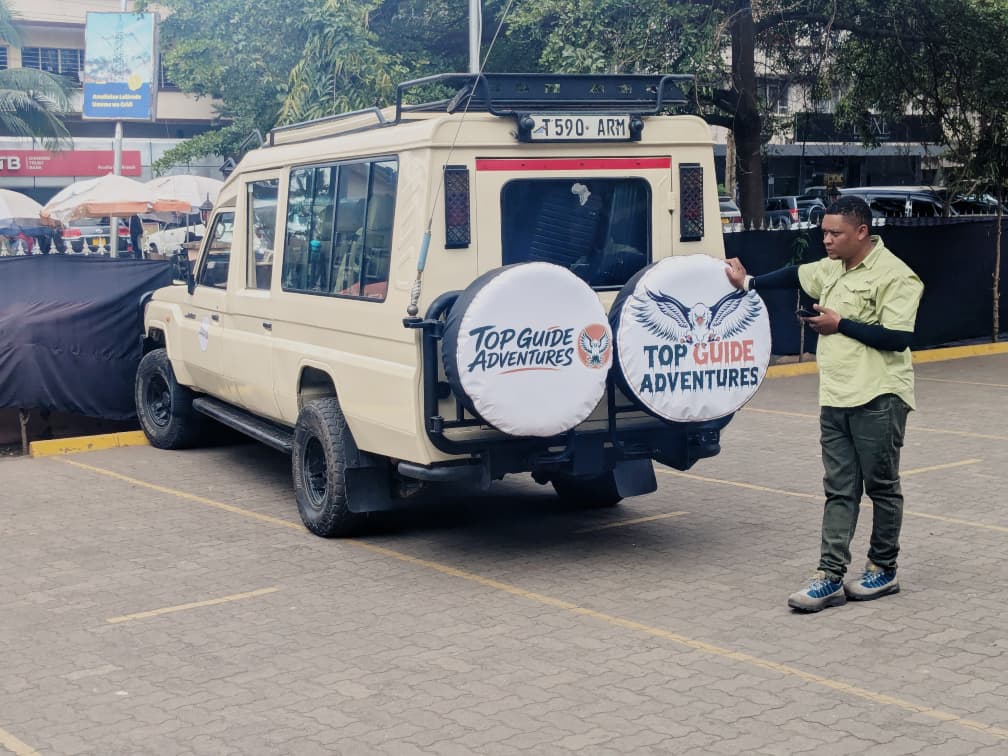
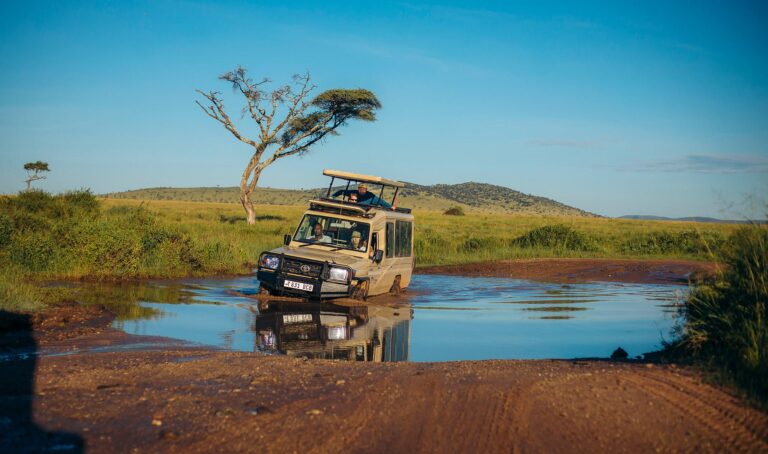
- 4×4 Safari Vehicles: Specially equipped 4×4 safari vehicles are essential for navigating the rough tracks and dense vegetation. These vehicles are usually open-sided or have pop-up roofs for optimal photography viewing.
- Road Conditions: Roads can be dusty and bumpy in the dry season, and muddy and potentially impassable in the wet season. A reliable vehicle and experienced driver are paramount.
- Duration of Travel: Reaching Itigi often involves significant travel time from major hubs like Dar es Salaam or Arusha. Factor this into your itinerary.
Safety and Health Precautions
As with any trip to Tanzania, health and safety are important considerations.
- Malaria Prevention: Itigi is a malaria-endemic area. Consult your doctor about appropriate antimalarial medication and take precautions against mosquito bites (repellent, long sleeves/trousers at dawn and dusk).
- Vaccinations: Ensure you are up-to-date with recommended vaccinations, such as Yellow Fever (required for entry if coming from an endemic country), Typhoid, and Hepatitis A.
- Hydration: The climate can be hot and dry. Drink plenty of purified water to stay hydrated.
- Sun Protection: Use high SPF sunscreen, wear a wide-brimmed hat, and sunglasses.
- Wildlife Safety: Always follow your guide’s instructions regarding wildlife. Maintain a safe distance and never feed animals.
Top Guide Adventures prioritizes the safety and well-being of its guests, providing guidance on health and safety measures before and during your trip.
Environmental Considerations and Photography Ethics
Responsible tourism is paramount, especially in sensitive ecosystems like the Itigi Thicket.
- Leave No Trace: Pack out everything you pack in. Avoid disturbing plants or wildlife.
- Respect the Environment: Stay on designated tracks where possible. Do not pick flowers or collect specimens.
- Ethical Wildlife Photography: Do not bait or harass animals for a photograph. Maintain a respectful distance and avoid using flash on sensitive nocturnal animals.
- Support Local Communities: Engage respectfully with local people, and consider purchasing local crafts if opportunities arise, ensuring fair trade practices.
An Itigi Botanical Photography Tour is an opportunity to document a unique environment; doing so responsibly ensures its preservation for future generations and for future photographic expeditions in 2027 and beyond.
The Itigi Experience: Beyond the Lens
While the primary goal of an Itigi Botanical Photography Tour is to capture stunning images, the experience itself offers profound rewards that extend far beyond the photographic output.
Connecting with Nature
In the dense, quiet embrace of the Itigi Thicket, away from the noise and distractions of modern life, there’s an opportunity for deep connection with the natural world. The focus shifts from rapid observation to slow, deliberate appreciation. You learn to see the intricate details, the subtle interactions, and the resilience of life in a challenging environment. This mindful approach can be incredibly restorative and grounding.
Learning and Discovery
An expertly guided tour transforms the trip into an educational journey. You’ll learn about plant identification, ecological relationships, the adaptations of species to arid conditions, and the cultural significance of the flora. This knowledge enriches the photographic process, allowing you to tell more compelling stories with your images.
The Art of Patience
Botanical photography, and nature photography in general, demands patience. Waiting for the right light, for a bird to appear, for an insect to land on a flower, or for the wind to still for a sharp shot, cultivates a valuable skill. The Itigi Thicket, with its dense cover and elusive subjects, is an excellent place to practice and hone this art.
Creating a Lasting Portfolio
The photographs you bring back from Itigi will not just be images; they will be a testament to a unique ecosystem and your dedication to documenting it. This specialized portfolio can stand out, showcasing your ability to capture subjects that are often overlooked, demonstrating a unique photographic vision.
Why Choose Top Guide Adventures for Your Itigi Botanical Photography Tour?
Planning a specialized tour like an Itigi Botanical Photography Tour requires a partner who understands the nuances of such an adventure. Top Guide Adventures is dedicated to providing tailored experiences that meet the specific needs of photographers and nature enthusiasts.
Our team comprises experienced guides with deep knowledge of Tanzania’s ecosystems, including the specialized flora and fauna of the Itigi Thicket. We understand the importance of flexible itineraries, optimal timing for photography, and comfortable yet practical logistics. Whether you are planning for 2026 or 2027, we are equipped to help you craft an unforgettable journey.
We pride ourselves on:
- Customized Itineraries: We work with you to design a tour that aligns with your photographic interests and desired pace.
- Expert Guides: Our guides are not only knowledgeable about wildlife but also possess a keen eye for botanical subjects and the best photographic opportunities.
- Logistical Excellence: We handle all aspects of your trip, from transportation in specialized 4×4 vehicles to comfortable accommodation and safety protocols.
- Commitment to Sustainability: We operate with a strong respect for the environment and local communities, ensuring your visit is responsible and impactful.
An Itigi Botanical Photography Tour with Top Guide Adventures is more than just a trip; it’s an immersive experience designed to help you capture the soul of this extraordinary Tanzanian landscape. We invite you to connect with us to discuss your photographic aspirations for 2026-2027.
For inquiries and to start planning your bespoke Itigi Botanical Photography Tour, please reach out to us:
- WhatsApp: +255616946642
- Email: topguideadventures@gmail.com
- Backup Email: info@topguideadventures.com
Let us help you capture the hidden botanical wonders of Tanzania.
Check Availability for Itigi Botanical Photography Tour: Discover Tanzanias Unique Flora In…
Ready to compare dates, prices, and the best option for your group? Send the package name and travel month so the team can reply with a clear quote, availability, and what is included.
 Itigi Birdwatching Expedition: A Comprehensive Guide By Top Adventuresstart an unparalleled birdwatching journey to Itigi, Tanzania. This comprehensive guide by Top Guide Adventures covers everything from species…View package
 Itigi Thicket Nature Tour: Your Ultimate Tanzania Wildlife ExperienceExplore the wonders of the Itigi Thicket on a specialized nature tour, a less crowded place for unique wildlife encounters in Tanzania. This…View packageAd. Manyoni, Itigi And Central Wilderness GuideDiscover the hidden safari treasures of AD. Manyoni, Itigi, and Central Wilderness in Tanzania. This guide explores their unique wildlife…View package
 2-Day Manyoni Cultural Adventure: An Immersive Tanzanian Experience 2026-2027Experience the heart of Tanzania with a 2-Day Manyoni Cultural Adventure. This short, impactful journey offers deep dives into local traditions…View package
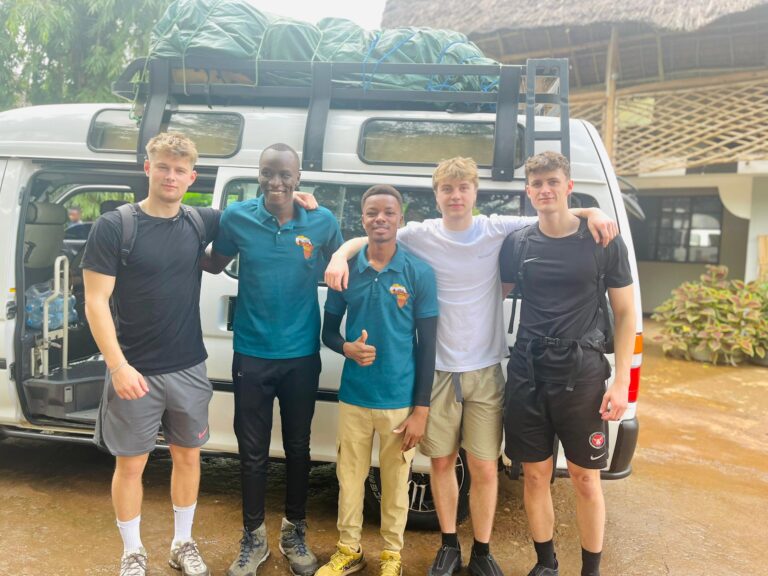 1-Day Manyoni Historical Route Tour: A Deep Dive With Top Guide AdventuresDiscover the rich heritage of Tanzania on a 1-Day Manyoni Historical Route Tour. This immersive experience, expertly guided by Top Guide…View package
 Geita Fishing Village Experience: A Deep Look At Lake Victoria Life 2026-2027Discover the vibrant heart of Lake Victoria life with an unforgettable Geita Fishing Village experience. This guide explores the authentic…View package
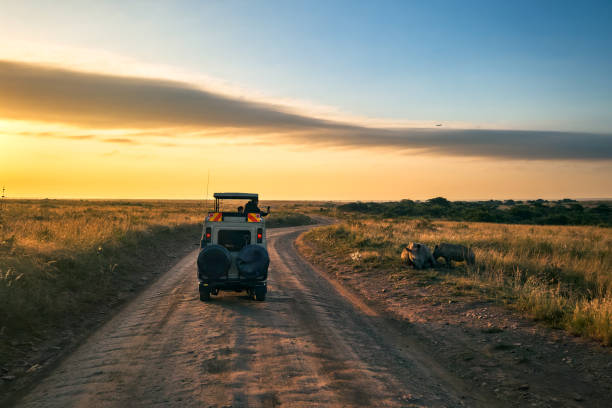 Geita Mining Community Tour: Experience Tanzanias Gold Rush History 2026-2027A detailed 2026-2027 guide to Geita Mining Community Tour, with clear planning and booking information for travelers.View package
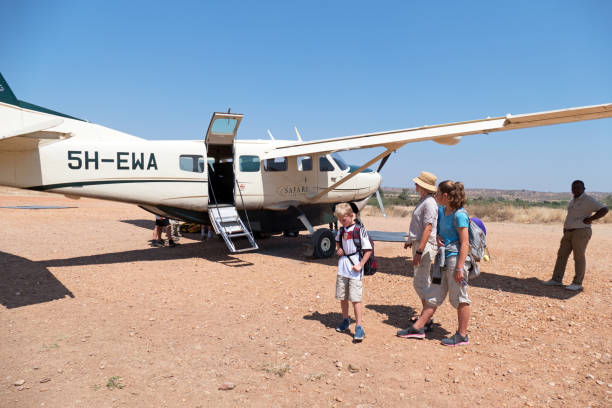 Geita Forest And Birdwatching Tour: Your Ultimate Tanzania Birding Adventurestart an unparalleled birdwatching expedition in Tanzania's Geita Forest. This tour offers a deep look at one of East Africa's most biodiverse…View package


