
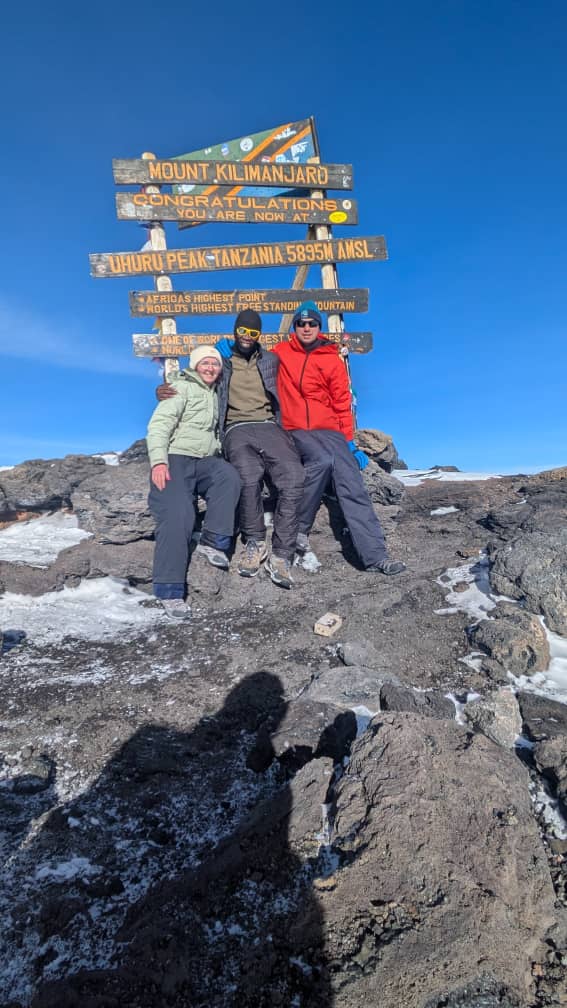

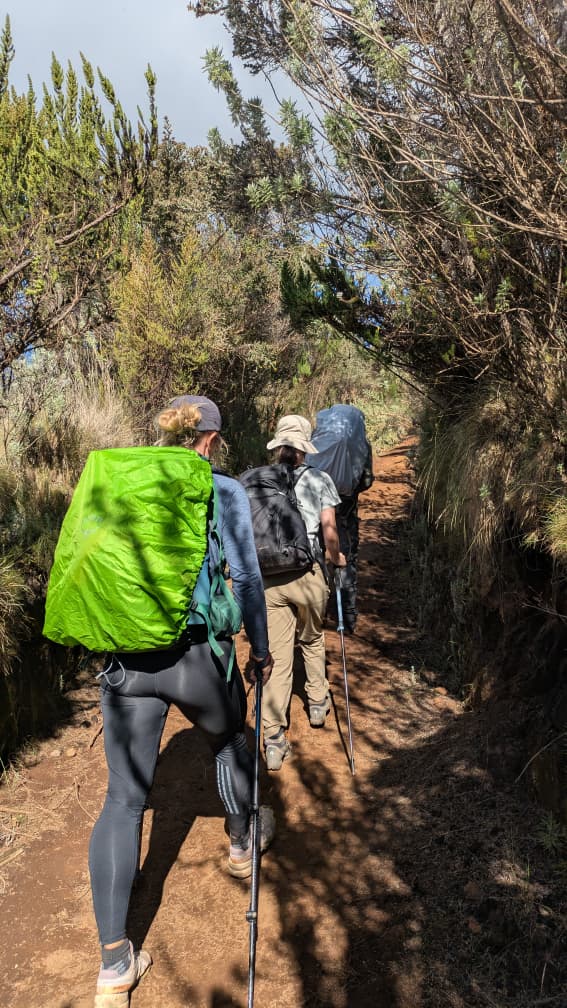
For adventurers planning their ascent of Africa’s highest peak, the 6 Days Rongai Route – 04 November 2026 Departure | Quiet Kilimanjaro Climb offers a compelling opportunity. This specific departure date on November 4, 2026, is designed for those who value a less congested trekking experience while still aiming for the summit of Mount Kilimanjaro. The Rongai Route is renowned for its gradual ascent and higher success rates, making it an excellent choice for trekkers of varying experience levels. This article provides a comprehensive guide to this particular climb, from route specifics and preparation to what you can expect on your 2026 adventure.
Why Choose the Rongai Route for a Quieter Kilimanjaro Experience in 2026?
Kilimanjaro is a popular destination, and routes like Marangu and Machame can become quite busy, especially during peak seasons. The Rongai Route, originating from the north side of the mountain near the Kenyan border, naturally attracts fewer trekkers. This seclusion offers a more intimate connection with the mountain’s diverse ecosystems and a more peaceful journey towards the summit. Opting for a departure date like November 4, 2026, which falls outside the absolute peak months, further enhances the possibility of a tranquil climb. The Rongai Route is often considered one of the most scenic and easiest routes in terms of acclimatization due to its steady, gradual incline.
Understanding the 6-Day Rongai Route Itinerary
The 6-day Rongai Route is a popular choice for its balance between acclimatization and duration. While shorter than some other Rongai itineraries, it still provides a reasonable chance of success for those who prepare adequately. The route progresses through several distinct ecological zones, offering a fascinating journey through rainforest, moorland, alpine desert, and arctic summit zones.
Rongai Route 6-Day Itinerary Overview (November 2026 Departure)
- Day 1: Nale Moru Gate (1,950m/6,398ft) to Simba Camp (2,600m/8,530ft)
- Day 2: Simba Camp (2,600m/8,530ft) to Kikelewa Caves (3,600m/11,811ft)
- Day 3: Kikelewa Caves (3,600m/11,811ft) to Mawenzi Tarn Hut (4,310m/14,140ft)
- Day 4: Mawenzi Tarn Hut (4,310m/14,140ft) to Kibo Hut (4,720m/15,485ft)
- Day 5: Kibo Hut (4,720m/15,485ft) to Uhuru Peak (5,895m/19,341ft) and descend to Horombo Hut (3,700m/12,140ft)
- Day 6: Horombo Hut (3,700m/12,140ft) to Marangu Gate (1,800m/5,905ft) and transfer to hotel
This itinerary is structured to allow for acclimatization, a critical factor in summit success. The daily ascents are manageable, and the itinerary includes a period spent near the base of the Kibo massif, which is crucial for adapting to the altitude before the final push.
Preparing for Your November 2026 Kilimanjaro Expedition
Successful Kilimanjaro climbs hinge on thorough preparation. For your 6 Days Rongai Route – 04 November 2026 Departure, consider the following:
Physical Training:
- Cardiovascular Fitness: Engage in regular aerobic activities like hiking, running, cycling, or swimming for at least 3-4 months prior to your trek. Focus on endurance.
- Strength Training: Include exercises that strengthen your legs, core, and back. Squats, lunges, and step-ups are beneficial.
- Hiking Practice: Undertake long hikes, preferably with a backpack and on varied terrain, to simulate mountain conditions. Aim for hikes of 4-6 hours with significant elevation gain.
- Altitude Simulation: If possible, spend time at higher altitudes in the weeks leading up to your climb.
Mental Preparation:
- Understand the challenges of high-altitude trekking, including potential altitude sickness symptoms.
- Cultivate a positive mindset and be prepared for varying weather conditions and physical discomfort.
- Research the Rongai Route and the specific itinerary for your November 2026 departure.
Gear and Equipment:
- Layering System: Essential for managing body temperature. Include base layers (synthetic or wool), mid-layers (fleece or down), and an outer shell (waterproof and windproof).
- Footwear: Well-broken-in waterproof hiking boots are crucial. Bring sturdy socks (wool or synthetic).
- Headwear and Handwear: A warm hat, balaclava, gloves, and mittens are vital for summit night.
- Sleeping Bag: A four-season sleeping bag rated to at least -15°C (0°F) is recommended.
- Other Essentials: Headlamp with extra batteries, sunglasses, sunscreen, lip balm, water bottles or hydration reservoir, water purification tablets or filter, gaiters, trekking poles, and a comfortable daypack.
Kilimanjaro Climbing Seasons and November Weather
Understanding Kilimanjaro’s weather patterns is key to planning. The mountain has two main dry seasons and two wet seasons. The driest and warmest months are generally January to March and June to October. November falls within the short rainy season, which typically runs from November to mid-December. However, this does not mean constant rain. Showers are often intermittent, and the Rongai Route, being on the northern side, often receives less rainfall than the southern routes.
For your 04 November 2026 departure, expect cooler temperatures as you gain altitude, with potential for rain, especially in the lower rainforest zone. The higher alpine and arctic zones will be cold, with frost and potentially snow on summit night. The advantage of trekking in the shoulder season like November is often fewer crowds, which aligns perfectly with the goal of a quiet Kilimanjaro climb. You might experience some cloudy days, but clear mornings and evenings are still common, offering spectacular views.
The Role of Guides, Porters, and Support Staff
Your safety and success on Kilimanjaro depend heavily on the expertise and dedication of your support crew. For the 6 Days Rongai Route – 04 November 2026 Departure, you will be accompanied by experienced guides, skilled cooks, and strong porters. Our teams are trained in first aid, high-altitude physiology, and emergency rescue procedures. They are adept at monitoring your health and acclimatization progress, making crucial decisions to ensure your well-being.
Guides: Typically, you’ll have at least two guides for a group, one lead guide and one assistant guide. They are responsible for navigation, safety, and managing the pace of the trek. They are your primary point of contact for any concerns.
Porters: These individuals carry the majority of your gear, including tents, food, cooking equipment, and your duffel bag. They are essential for making the climb feasible and comfortable. Their strength and efficiency are vital.
Cooks: They prepare nutritious and varied meals to keep your energy levels up throughout the trek. Expect hearty breakfasts, packed lunches, and delicious dinners.
When booking with us for your 2026 Kilimanjaro adventure, you can be assured of a professional and well-supported team. We adhere to fair labor practices for our crew, ensuring they are well-equipped and compensated.
Altitude Sickness (Acute Mountain Sickness – AMS)
Altitude sickness is the most significant risk on Kilimanjaro. It can affect anyone, regardless of fitness level. The Rongai Route’s gradual ascent is beneficial for acclimatization, but vigilance is still required.
Understanding AMS:
- Symptoms: Headache, nausea, dizziness, fatigue, loss of appetite, and difficulty sleeping are common early signs.
- Prevention: The best prevention is slow ascent and proper acclimatization, which the 6-day Rongai itinerary facilitates. Stay hydrated, avoid alcohol and strenuous activity on arrival, and eat well.
- Treatment: If symptoms worsen, the only effective treatment is to descend. Your guides are trained to recognize and manage AMS. Do not hesitate to communicate any symptoms you experience.
- Medication: Diamox (Acetazolamide) can be prescribed by your doctor to aid acclimatization. Discuss this option with your physician before your trek.
The quiet Kilimanjaro climb experience allows guides to pay closer attention to each individual’s well-being, further enhancing safety regarding altitude.
Booking Your 2026 Kilimanjaro Climb: What to Expect
Booking your trek is a significant step. When you decide to join the 6 Days Rongai Route – 04 November 2026 Departure, here’s what you can generally expect from a reputable tour operator like Best Tanzania Tour Operator:
Typical Inclusions for a 6-Day Rongai Route Climb:
- Park entrance fees, camping/hut fees, and rescue fees.
- Professional guide services (English-speaking).
- Porter services for carrying group gear and your duffel bag.
- All meals on the mountain (breakfast, lunch, dinner).
- Boiled water on the mountain.
- Accommodation in tents at campsites or huts (depending on the route section).
- All necessary camping equipment (tents, mess tent, table, chairs).
- Transfer from/to Kilimanjaro International Airport (JRO) and your hotel in Moshi/Arusha.
- Pre- and post-climb accommodation in a hotel (often 1 night before and 1 night after, check specific package details).
- Group departure guarantee for the November 4, 2026 date.
Typical Exclusions:
- International airfare.
- Visa fees.
- Travel insurance (mandatory).
- Personal climbing gear (sleeping bag, trekking poles, etc.).
- Tips for guides, porters, and cooks (budget approximately $250-$350 per climber).
- Lunches, dinners, and drinks in hotels before and after the climb.
- Personal expenses (souvenirs, laundry).
- Optional climbing gear rental.
- Emergency evacuation costs (covered by insurance).
Cost Guidance: For a 6-day Rongai Route climb with a reputable operator in 2026, expect prices to range from $1,500 to $2,500 per person for a group climb. This can vary based on the level of service, accommodation before/after the climb, and specific inclusions. Private climbs will be higher. It is advisable to get a detailed quote for the 04 November 2026 departure to understand exactly what is covered. Contact us directly for a personalized quote and to confirm availability for this specific date.
Choosing Between Group and Private Climbs for 2026
The 04 November 2026 Departure is advertised as a group departure, offering a more social and often more economical way to climb Kilimanjaro. However, understanding the difference between group and private climbs is important for your planning.
Group Climbs:
- Pros: More affordable, opportunity to meet fellow travelers, shared experience.
- Cons: Pace is dictated by the slowest member of the group, less flexibility, potentially larger group size.
Private Climbs:
- Pros: Flexible pace, tailored itinerary (if desired), more personalized attention from guides, ideal for families or groups of friends.
- Cons: Higher cost.
The quiet Kilimanjaro climb aspect of this departure means that even in a group, the experience is likely to be more serene than on busier routes or dates. If you prefer complete solitude or have specific timing needs, a private climb can be arranged for 2026 or 2027.
What to Pack for a November Kilimanjaro Trek
Packing correctly is crucial for comfort and safety. Given the November timing, be prepared for a range of temperatures and potential precipitation.
Essential Gear Checklist for November 2026:
- Clothing:
- Moisture-wicking base layers (tops and bottoms) – 2-3 sets
- Insulating mid-layers (fleece jacket, down vest/jacket) – 1-2
- Waterproof and windproof outer shell jacket and pants
- Warm hiking pants (quick-drying) – 2 pairs
- T-shirts (synthetic or wool) – 3-4
- Thermal underwear (for summit night)
- Footwear:
- Broken-in waterproof hiking boots
- Camp shoes or comfortable trainers for evenings
- Thick wool or synthetic hiking socks – 4-5 pairs
- Liner socks (optional)
- Gaiters (to keep debris and snow out of boots)
- Headwear & Handwear:
- Warm woolen hat or balaclava
- Sun hat with a wide brim
- Gloves (waterproof outer, warm liner)
- Mittens (for summit night)
- Sleeping:
- Four-season sleeping bag (-15°C/0°F comfort rating)
- Sleeping bag liner (optional, adds warmth)
- Sleeping pad (if not provided)
- Technical Gear:
- Backpack (40-60 liters)
- Duffel bag (80-100 liters) for porters
- Trekking poles (highly recommended)
- Headlamp with extra batteries
- Other Essentials:
- Sunglasses (UV protection)
- Sunscreen (SPF 30+) and lip balm with SPF
- Water bottles or hydration reservoir (2-3 liters capacity)
- Water purification tablets or filter
- Personal first-aid kit (including blister treatment, pain relievers, personal medications)
- Toiletries (biodegradable soap, toothbrush, toothpaste, wet wipes)
- Quick-drying towel
- Camera and extra batteries/power bank
- Snacks (energy bars, nuts, dried fruit)
- Passport, visa, flight details, and copies
- Money for tips and personal expenses
Travel Tips for a Successful Kilimanjaro Climb
Beyond training and gear, several practical tips can enhance your experience on the 6 Days Rongai Route – 04 November 2026 Departure.
Local Insights for Your Trek:
- Hydration is Key: Drink at least 3-4 liters of water daily. Dehydration exacerbates altitude sickness.
- Pace Yourself: “Pole pole” (slowly, slowly) is the mantra on Kilimanjaro. Walk at a pace that allows you to converse comfortably.
- Communicate with Your Guides: Be honest about how you are feeling. Any symptom, no matter how minor, should be reported.
- Eat Well: Even if your appetite decreases at altitude, try to eat. High-carbohydrate meals are best.
- Sleep is Crucial: Rest as much as possible. Avoid alcohol and caffeine, especially in the days leading up to summit night.
- Acclimatization Dumps: Your guides may suggest short walks and then returning to sleep at a lower altitude to aid acclimatization.
- Summit Night: This is the most challenging part. Dress in multiple warm layers, use your headlamp, and take small, steady steps.
- Respect the Environment: Follow Leave No Trace principles. Pack out everything you pack in.
Why 2026 is a Great Year to Plan Your Kilimanjaro Adventure
Planning your Kilimanjaro climb for 2026 offers several advantages. Booking in advance, especially for a specific departure date like the 04 November 2026, allows you to secure your spot, especially if you are traveling from afar. It also gives you ample time for physical training and mental preparation. Furthermore, booking early often means better availability for flights and pre/post-climb accommodation. For those seeking a quiet Kilimanjaro climb, choosing a departure date in November 2026, which is a shoulder season, is a strategic decision.
Similarly, if you’re looking further ahead, you might consider planning for 2027. Early booking for 2027 departures is also highly recommended to ensure you get your preferred route and dates, especially for popular itineraries or quieter departures.
Choosing the Right Operator for Your Kilimanjaro Climb
Selecting a reliable and experienced tour operator is paramount for a safe and enjoyable Kilimanjaro experience. When considering your 6 Days Rongai Route – 04 November 2026 Departure, look for operators who:
- Have a proven track record and positive reviews.
- Prioritize safety with well-trained guides and emergency protocols.
- Adhere to ethical treatment and fair wages for their staff.
- Provide clear and comprehensive information about inclusions, exclusions, and costs.
- Offer good communication and support throughout the booking process and pre-climb phase.
Best Tanzania Tour Operator is committed to providing exceptional Kilimanjaro climbing experiences. We pride ourselves on our experienced guides, robust safety measures, and commitment to our porters and staff. For detailed information on our group departures, including dates for 2026 and 2027, you can visit our group departures page. We also offer other popular routes like the Machame Route, with group departure dates available.
Conclusion: Your Quiet Kilimanjaro Climb Awaits
The 6 Days Rongai Route – 04 November 2026 Departure | Quiet Kilimanjaro Climb presents an exceptional opportunity to conquer Mount Kilimanjaro with a focus on a more peaceful and intimate trekking experience. The Rongai Route’s unique advantages, combined with a strategic departure date in November 2026, promise a memorable journey through diverse landscapes towards the roof of Africa. With careful preparation, a reliable tour operator, and a spirit of adventure, your summit dream is well within reach. Don’t miss out on securing your place for this unique 2026 expedition; early booking is advised.
If you are ready to take the next step towards your Kilimanjaro adventure or have any questions regarding the 04 November 2026 Rongai Route departure, please do not hesitate to contact us. Our team is here to help you plan every detail of your 2026 or 2027 Kilimanjaro climb and Tanzania safari. You can reach us via WhatsApp at +255616946642, email us at topguideadventures@gmail.com, or use our backup email info@topguideadventures.com. Let’s make your Kilimanjaro dream a reality!







 Veedesigner
 Fatma Kizanga
 Benjamin Waryuba
 Philip Philip
 John jr Itaja
 Antonia Optatus
 Edith Kanyere
 Neema Iddy
 Kelvin Boniphace
 Damari Maiga



