
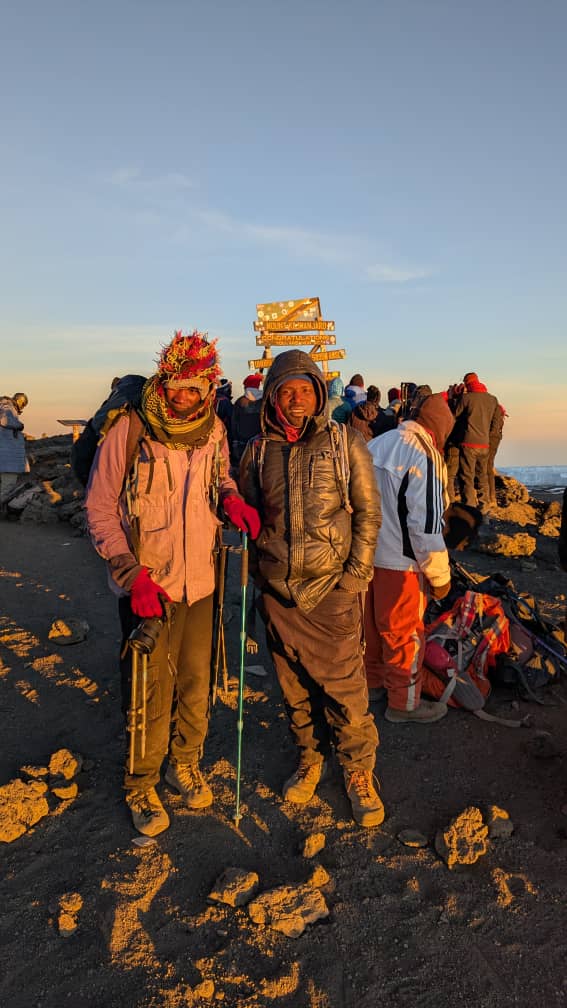
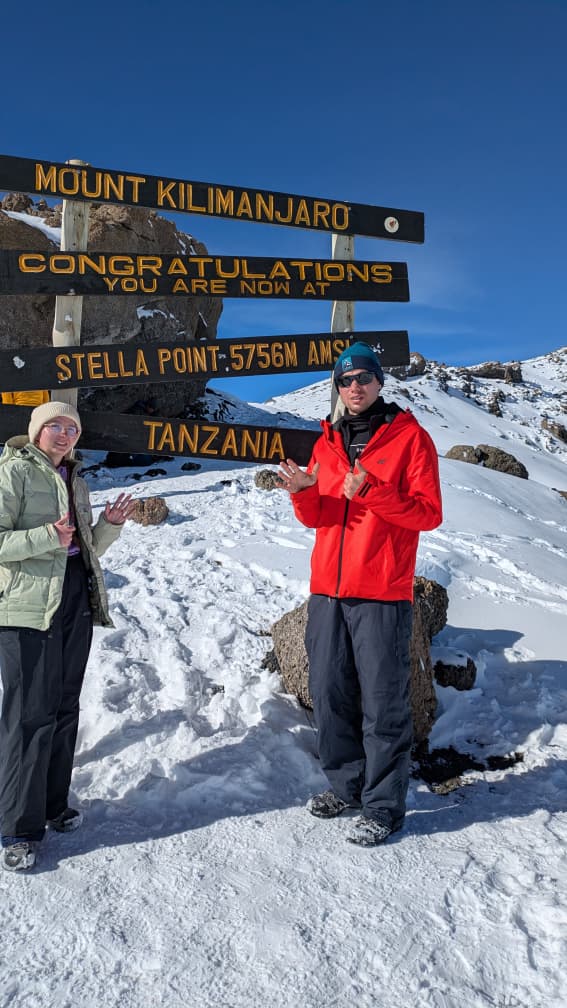

The allure of Kilimanjaro, Africa’s highest peak, draws adventurers from across the globe. For those looking to conquer this iconic mountain with a well-paced and scenic journey, the 7 Days Lemosho Route – 02 November 2026 Departure | Group Kilimanjaro Climb offers a prime opportunity. This specific departure date in November 2026 is carefully selected to provide a balance of favorable weather conditions and a memorable group experience. As you plan your expedition for 2026 or even consider future adventures in 2027, understanding the nuances of the Lemosho route and what a group climb entails is crucial for a successful ascent.
This article serves as your comprehensive guide to the 7 Days Lemosho Route Kilimanjaro climb, focusing specifically on the November 2, 2026 departure. We will explore why Lemosho is a favored choice, the daily rhythm of the trek, what to expect from a group departure, essential preparation, and how to make the most of your journey to the summit. Whether you are a seasoned trekker or embarking on your first major mountain challenge, this information will help you prepare effectively and confidently for your Tanzanian adventure.
Why Choose the 7-Day Lemosho Route for Your Kilimanjaro Ascent?
The Lemosho route stands out for several compelling reasons, making it a popular choice for many Kilimanjaro climbers. Its primary advantage lies in its excellent acclimatization profile. The route begins in the lush rainforest on the western side of Kilimanjaro, offering a gentler introduction to the altitude and a longer period for your body to adapt. This gradual ascent significantly increases your chances of reaching the summit, Uhuru Peak, safely and successfully.
Beyond its physiological benefits, the Lemosho route is renowned for its stunning scenery. It traverses diverse landscapes, from dense forests teeming with wildlife (you might spot colobus monkeys or other primates on your first day) to open moorlands, alpine deserts, and the stark, volcanic terrain near the summit. The route also offers a more remote and less crowded trekking experience, especially in the initial days, allowing for a more immersive connection with the mountain’s environment. The 7-day itinerary on Lemosho strikes an excellent balance between adequate acclimatization and an efficient trek duration, making it suitable for a wide range of fitness levels.
Choosing a group departure like the one scheduled for November 2, 2026, adds another layer of experience. Group climbs foster camaraderie, shared motivation, and often provide a more cost-effective option compared to private treks. You’ll trek alongside like-minded individuals, creating a supportive atmosphere where everyone encourages each other towards the common goal: the summit.
Understanding the 02 November 2026 Departure: Group Dynamics and Benefits
When you join a group Kilimanjaro climb on a fixed departure date, such as the November 2, 2026 slot for the Lemosho route, you benefit from a pre-arranged expedition. This means logistics like permits, park fees, guides, porters, cooks, and group camping equipment are all managed. The fixed date simplifies your planning, allowing you to focus on training and preparation.
Benefits of a Group Departure:
- Shared Experience: Trekking with others creates a unique bond. You’ll share stories, challenges, and triumphs, making the journey more engaging and memorable.
- Cost-Effectiveness: Group departures often allow operators to spread fixed costs (like guide salaries and equipment) across more participants, potentially lowering the per-person price.
- Built-in Community: You’ll meet people from diverse backgrounds, all united by the same goal. This can be particularly appealing for solo travelers looking for company.
- Logistical Simplicity: Everything is organized for you. The operator handles all the complex arrangements, allowing you to simply show up and trek.
- Expert Guidance: You are guaranteed professional, experienced guides and support staff who are accustomed to leading groups on Kilimanjaro.
The November 2, 2026 departure is part of a carefully planned schedule designed to maximize the chances of good weather. November falls within the short rainy season, but often, the early part of the month can still offer clear skies and manageable conditions before the heavier rains typically set in later in the month or in December. It’s a time when the landscape is vibrant, and the crowds are generally smaller than during the peak dry seasons.
The 7-Day Lemosho Route Itinerary: A Day-by-Day Breakdown
The 7-day Lemosho route is structured to provide optimal acclimatization while covering the most scenic sections of the mountain. Here’s a typical itinerary, which you can expect for the 02 November 2026 departure:
Day 1: Machame Gate (1,800m/5,905ft) to Mti Mkubwa Camp (2,750m/9,022ft)
Trek Time: 3-4 hours
Distance: 5 km / 3 miles
Habitat: Rainforest
Your Kilimanjaro adventure begins at the Machame Gate. After completing registration and meeting your trekking crew, you’ll start your ascent through the dense rainforest. The path is relatively gentle, and the lush vegetation provides a beautiful introduction to the mountain. Keep an eye out for monkeys and diverse birdlife. You’ll reach Mti Mkubwa (Big Tree) Camp in the late afternoon, where you’ll settle in for your first night.
Day 2: Mti Mkubwa Camp (2,750m/9,022ft) to Shira 1 Camp (3,600m/11,811ft)
Trek Time: 4-5 hours
Distance: 8 km / 5 miles
Habitat: Moorland
Today, you’ll leave the rainforest behind and enter the moorland zone. The terrain becomes more open, with heather and giant groundsels dominating the landscape. The trail can be steeper in places. You’ll gain significant altitude, and the views of the surrounding plains begin to open up. Shira 1 Camp is situated on a vast, grassy plateau, offering spectacular sunset views.
Day 3: Shira 1 Camp (3,600m/11,811ft) to Barranco Camp (3,950m/12,960ft) via Shira 2 Camp
Trek Time: 5-6 hours
Distance: 10 km / 6 miles
Habitat: Alpine Desert
This day involves traversing the Shira Plateau, a stunning volcanic landscape. You’ll pass Shira 2 Camp and then begin a steady climb towards the Barranco Valley. The altitude gain is moderate, but the terrain is rugged. The highlight of the day is arriving at Barranco Camp, nestled beneath the imposing Barranco Wall. This camp is known for its dramatic scenery.
Day 4: Barranco Camp (3,950m/12,960ft) to Karanga Camp (4,000m/13,123ft)
Trek Time: 4-5 hours
Distance: 5 km / 3 miles
Habitat: Alpine Desert
The morning begins with the famous Barranco Wall scramble. While it looks intimidating, it’s more of a climb than a technical ascent and is managed carefully by your guides. After conquering the wall, the trail continues through the alpine desert, with incredible views of Kilimanjaro’s southern glaciers. You’ll descend slightly into the Karanga Valley before ascending to Karanga Camp, a picturesque spot with good views.
Day 5: Karanga Camp (4,000m/13,123ft) to Barafu Camp (4,650m/15,256ft)
Trek Time: 3-4 hours
Distance: 4 km / 2.5 miles
Habitat: Alpine Desert
This is a shorter trekking day, designed to conserve energy for the summit push. You’ll ascend steadily towards Barafu Camp, the base camp for your summit attempt. Barafu Camp is situated on a rocky ridge, exposed to the elements. You’ll arrive in the early afternoon, giving you ample time to rest, hydrate, and prepare for the night’s ascent. Your guides will brief you on the summit strategy.
Day 6: Barafu Camp (4,650m/15,256ft) to Uhuru Peak (5,895m/19,341ft) and descent to Mweka Camp (3,100m/10,170ft)
Trek Time: 7-8 hours to summit, 4-5 hours descent
Distance: 5 km / 3 miles ascent, 12 km / 7.5 miles descent
Habitat: Arctic
Summit night! You’ll wake up around midnight and begin your ascent towards Uhuru Peak. This is the most challenging part of the trek, involving a steep climb in the cold and dark. You’ll pass Stella Point on the crater rim and then continue for another hour to Uhuru Peak, the true summit of Kilimanjaro. After celebrating your achievement, you’ll begin the long descent, passing Barafu Camp and continuing down to Mweka Camp, where you’ll rest for the night.
Day 7: Mweka Camp (3,100m/10,170ft) to Mweka Gate (1,640m/5,380ft)
Trek Time: 3-4 hours
Distance: 10 km / 6 miles
Habitat: Rainforest
Your final day on the mountain. After breakfast, you’ll descend through the rainforest, retracing some of your initial steps. The trail is often muddy and slippery. Upon reaching Mweka Gate, you’ll receive your climbing certificates and bid farewell to your guides and crew. You’ll then be transferred back to your hotel in Moshi or Arusha.
Preparing for Your 02 November 2026 Kilimanjaro Climb
Success on Kilimanjaro hinges on preparation, both physical and mental. For the 7 Days Lemosho Route – 02 November 2026 Departure | Group Kilimanjaro Climb, starting your preparations well in advance is key.
Physical Training:
Kilimanjaro is not a technical climb, but it demands significant cardiovascular endurance and leg strength. Focus on:
- Cardiovascular Fitness: Engage in activities like hiking, running, cycling, or swimming at least 3-4 times a week for several months leading up to your climb.
- Hiking with a Pack: Simulate mountain conditions by hiking on varied terrain (hills, stairs) wearing a backpack loaded with 10-15 lbs (5-7 kg). This helps your body adapt to carrying weight.
- Strength Training: Focus on leg exercises like squats, lunges, and step-ups, as well as core strengthening.
- Stamina: Practice longer hikes (4-6 hours) on weekends to build endurance.
Gear and Equipment:
Proper gear is essential for comfort and safety. Layering is crucial to adapt to the dramatic temperature changes. Key items include:
- Layering System: Base layers (moisture-wicking), mid-layers (fleece or down jacket), and an outer shell (waterproof and windproof jacket and pants).
- Footwear: Broken-in, waterproof hiking boots are non-negotiable. Bring comfortable camp shoes or trainers.
- Headwear: A warm hat, sun hat, and balaclava or neck gaiter.
- Gloves: Warm, waterproof gloves and liner gloves.
- Sleeping Bag: A 4-season sleeping bag rated to at least -15°C (0°F).
- Headlamp: With extra batteries.
- Trekking Poles: Highly recommended for stability and reducing knee strain.
- Sun Protection: High SPF sunscreen, sunglasses, and lip balm.
- Hydration: Water bottles or a hydration reservoir (ensure it’s insulated to prevent freezing).
Your tour operator will provide a detailed gear list. It’s wise to acquire and test your gear well before your November 2026 departure.
Mental Preparation:
Kilimanjaro is as much a mental challenge as a physical one. Prepare for long days, cold temperatures, and the effects of altitude. Positive self-talk, visualization, and a determined mindset are invaluable. Remember why you are climbing and focus on one step at a time.
Health and Acclimatization: Your Top Priorities
Altitude sickness (Acute Mountain Sickness – AMS) is the primary concern on Kilimanjaro. The Lemosho route’s gradual ascent is designed to mitigate this, but vigilance is essential.
- Hydration: Drink plenty of water (3-4 liters per day). Dehydration can exacerbate AMS symptoms.
- Pacing: “Pole pole” (slowly, slowly) is the mantra. Avoid overexertion, especially on summit night.
- Listen to Your Body: Report any symptoms (headache, nausea, dizziness) to your guide immediately. They are trained to assess and manage altitude sickness.
- Medication: Consult your doctor about Diamox (acetazolamide) as a preventative measure against AMS.
- Avoid Alcohol and Smoking: These can impair acclimatization.
The success of the 7 Days Lemosho Route Kilimanjaro climb on November 2, 2026 depends heavily on your body’s response to altitude. Trust your guides; they have extensive experience in recognizing and managing altitude-related issues.
What’s Included and Excluded in Your Group Climb?
Understanding the inclusions and exclusions of your tour package is vital for budgeting and planning. For a group Kilimanjaro climb with operators like Best Tanzania Tour Operator, typical inclusions are:
Typical Inclusions for the 7-Day Lemosho Route Group Climb:
- All park entry fees, camping fees, and rescue fees.
- Professional, licensed guides, cooks, and porters.
- Nutritious meals prepared by your cook during the trek (breakfast, lunch, dinner).
- Boiled drinking water.
- Quality tents for camping (sleeping tents, dining tent, toilet tent).
- Portable toilet.
- Campsite accommodation.
- Oxygen cylinders for emergency use.
- Temporary satellite phone for emergency communication.
- Transfers from/to Kilimanjaro International Airport (KIA) or your Moshi/Arusha hotel to the park gate and back.
- Free storage for excess luggage at the hotel.
- Government taxes (VAT).
Typical Exclusions:
- International flights to and from Kilimanjaro.
- Visa fees.
- Travel and medical insurance (mandatory).
- Personal climbing gear (sleeping bag, trekking poles, clothing, etc.).
- Tips for guides, porters, and cooks (a significant part of their income).
- Personal expenses (e.g., souvenirs, extra snacks, alcoholic beverages).
- Gratuities for hotel staff.
- Optional activities before or after the climb.
- Vaccinations and medications.
- Lunches and dinners in town before and after the climb.
It’s always best to confirm the exact inclusions and exclusions with your chosen tour operator when booking your November 2, 2026 departure. For specific pricing and detailed inclusions for the 7 Days Lemosho Route – 02 November 2026 Departure | Group Kilimanjaro Climb, contacting the operator directly is recommended.
Choosing Your Operator for the 2026 Kilimanjaro Expedition
Selecting the right tour operator is paramount for a safe and enjoyable Kilimanjaro climb. For your November 2026 adventure, consider operators with a proven track record, a strong commitment to safety, fair treatment of their staff, and excellent customer service. Look for:
- Experienced Guides: Certified guides with extensive knowledge of Kilimanjaro, altitude sickness, and first aid.
- Safety Protocols: Clear emergency procedures, availability of oxygen, and communication devices.
- Porter Welfare: Ethical treatment and fair wages for porters are crucial indicators of a responsible operator.
- Group Size: While this is a group climb, inquire about the typical group size to ensure a comfortable experience.
- Reviews and Reputation: Check independent reviews on platforms like TripAdvisor. For instance, Top Guide Adventures has a strong reputation.
When you book with a local Tanzanian company like Best Tanzania Tour Operator, you often get more direct support and a deeper understanding of the local context. For inquiries about the 7 Days Lemosho Route – 02 November 2026 Departure | Group Kilimanjaro Climb, you can reach out via WhatsApp at +255616946642 or email topguideadventures@gmail.com. They also have a backup email: info@topguideadventures.com.
Planning for 2027 and Beyond: Flexibility in Departures
While the 02 November 2026 departure is a fantastic option, many trekkers plan further ahead. If 2026 dates don’t align with your schedule, or if you’re already thinking about 2027, most reputable operators offer a range of fixed group departures throughout the year. The Lemosho route is generally accessible year-round, though certain months offer better weather prospects. The dry seasons (January-March and June-October) are typically considered ideal, but the shoulder seasons and even the short rainy season (November) can be rewarding with fewer crowds and lush scenery, provided you are prepared for potential rain.
For those considering 2027, it’s advisable to book at least 6-12 months in advance, especially for specific dates or popular routes like Lemosho. This ensures availability and allows ample time for training and preparation. You can explore other group departure dates for Kilimanjaro, including different routes like Machame, at links such as Machame Route Kilimanjaro Group Departures Dates or general group tour information at All Tanzania Safaris Group Departures Dates.
Common Mistakes to Avoid on Your Kilimanjaro Climb
To ensure a successful and enjoyable experience on your 7 Days Lemosho Route Kilimanjaro climb, be aware of common pitfalls:
- Inadequate Training: Underestimating the physical demands can lead to exhaustion and potential failure to summit.
- Poor Gear Choices: Wearing cotton, not having waterproofs, or using ill-fitting boots can lead to discomfort, blisters, or hypothermia.
- Ignoring Altitude Sickness Symptoms: Pushing on despite feeling unwell is dangerous. Always communicate with your guide.
- Dehydration: Not drinking enough water is a common mistake that worsens altitude sickness and fatigue.
- Going Too Fast: The “pole pole” pace is crucial for acclimatization. Rushing leads to burnout.
- Not Packing Essentials: Forgetting items like sunscreen, a headlamp, or warm gloves can significantly impact your comfort.
- Overpacking: While essentials are key, carrying unnecessary weight is also detrimental. Stick to the recommended gear list.
By being aware of these mistakes and preparing thoroughly, you significantly increase your chances of a positive outcome for the 02 November 2026 departure.
The Summit Night Experience: What to Expect
Summit night is the most demanding and rewarding part of the Kilimanjaro climb. For the 7 Days Lemosho Route Kilimanjaro climb, this typically occurs on Day 6.
- Departure Time: You’ll start around midnight, often between 11 PM and 1 AM, from Barafu Camp (4,650m).
- The Climb: The ascent is steep, and the terrain is often scree (loose gravel). The cold and wind can be intense. You’ll be walking slowly, focusing on each step.
- Headlamps: The only light comes from your headlamp, illuminating a small circle ahead. You’ll see a line of headlamps above and below, a reminder that you are part of a larger expedition.
- Stella Point: Reaching Stella Point (5,756m) on the crater rim is a significant milestone. You’ll take a short break here to catch your breath and witness the incredible sunrise if conditions permit.
- Uhuru Peak: From Stella Point, it’s another hour’s walk along the crater rim to Uhuru Peak (5,895m), the highest point in Africa. The views from the summit are breathtaking, with glaciers and vast plains stretching out below.
- Descent: The descent is surprisingly long and can be tough on the knees. You’ll pass Barafu Camp again and continue down to Mweka Camp (3,100m) for a well-deserved rest.
Your guides will be with you every step of the way, offering encouragement, checking on your well-being, and ensuring you maintain a safe pace. The feeling of accomplishment upon reaching Uhuru Peak is unparalleled.
Beyond the Climb: Extending Your Tanzanian Adventure
Many travelers combine their Kilimanjaro climb with a safari or a visit to Zanzibar. After descending from the mountain and recovering, you might consider exploring Tanzania’s world-renowned national parks such as the Serengeti, Ngorongoro Crater, or Tarangire. These offer incredible wildlife viewing opportunities and a different kind of adventure. Zanzibar, with its beautiful beaches, historic Stone Town, and vibrant culture, provides a perfect place to relax and reflect on your Kilimanjaro achievement.
Best Tanzania Tour Operator specializes in creating comprehensive Tanzanian itineraries, combining Kilimanjaro treks with safaris and Zanzibar holidays. You can find more information on their safari offerings and other tours on their website.
Booking Your 7 Days Lemosho Route – 02 November 2026 Departure
Securing your spot on the 7 Days Lemosho Route – 02 November 2026 Departure | Group Kilimanjaro Climb is straightforward. It’s recommended to book as early as possible, especially for fixed group departures, to guarantee your place and allow sufficient time for preparation. For detailed pricing, availability, and to confirm your booking for the November 2, 2026 climb, please contact Best Tanzania Tour Operator. You can reach them via:
- WhatsApp: +255616946642
- Email: topguideadventures@gmail.com
- Backup Email: info@topguideadventures.com
They are ready to answer all your questions regarding the 7-day Lemosho route, group climb logistics, and preparation for your 2026 or 2027 Kilimanjaro expedition. Climbing Kilimanjaro is a life-changing experience, and choosing the right route and departure date is the first step towards making it a reality. We look forward to helping you reach the Roof of Africa!







 Veedesigner
 Fatma Kizanga
 Benjamin Waryuba
 Philip Philip
 John jr Itaja
 Antonia Optatus
 Edith Kanyere
 Neema Iddy
 Kelvin Boniphace
 Damari Maiga



