
Updated planning guide for 2026, 2027-2028
July Migration Safari From Moshi: Best Guide 2026-2027-2028
Discover the magic of a July migration safari starting from Moshi. This comprehensive guide covers everything you need to know for an unforgettable experience in Tanzania's iconic parks, focusing on the best wildlife viewing during this prime month. Plan your 2026-2027 journey with expert insights.
WhatsApp +255616946642 | topguideadventures@gmail.com | info@topguideadventures.com
July Migration Safari From Moshi: The Ultimate Guide
A July migration safari from Moshi offers an unparalleled opportunity to witness one of the planet’s most spectacular natural events: the Great Migration of wildebeest and zebras across the Serengeti ecosystem. As the dry season takes hold in Northern Tanzania, the herds move in search of greener pastures and vital water sources, often leading to dramatic river crossings and intense predator-prey interactions. This guide is designed to help you plan the perfect safari experience, focusing on the unique advantages of traveling in July and how to best access these incredible wildlife spectacles from the convenient base of Moshi, a gateway town to Tanzania’s northern safari circuit.
For travelers looking to experience the raw beauty and power of African wildlife, a safari in July is exceptionally rewarding. The vegetation thins out, making animals easier to spot, and the weather is generally pleasant with clear skies and moderate temperatures. By starting your journey from Moshi, you position yourself close to Kilimanjaro International Airport (JRO) and have straightforward access to national parks like Tarangire, Lake Manyara, the Ngorongoro Conservation Area, and, crucially, the vast plains of the Serengeti where the migration makes its dramatic moves.
Table of Contents
- Quick Facts: July Migration Safari from Moshi
- Overview: The Great Migration in July
- Why Choose July for Your Migration Safari from Moshi?
- Serengeti Regions to Target in July
- Beyond the Migration: Other Parks Accessible from Moshi
- Sample 10-Day July Migration Safari Itinerary from Moshi
- What to Expect on Your Safari
- Packing and Preparation Essentials
- Common Mistakes to Avoid
- Who is a July Migration Safari from Moshi Best For?
- Alternative Safari Experiences in July
- Planning Your 2026-2027 Safari
- Booking Your Safari: Expert Tips
- Frequently Asked Questions
Quick Facts: July Migration Safari from Moshi
| Aspect | Details |
|---|---|
| Primary Focus | Great Migration (Wildebeest & Zebra), Predators, Big Cats |
| Starting Point | Moshi, Tanzania |
| Key Parks in July | Serengeti (Central, Western, Northern), potentially Ngorongoro Crater |
| Typical Duration | 7-14 days recommended for migration focus |
| Weather in July | Dry season, cool mornings/evenings, warm days, minimal rain, clear skies |
| Wildlife Viewing | Excellent; thinner vegetation aids spotting, high predator activity |
| Migration Location (July) | Often in the western or central Serengeti, moving north; potential for Grumeti River crossings. |
| Accessibility from Moshi | Fly from Moshi/Arusha to Serengeti airstrips, or drive via Arusha and park gates. |
| Best for | Wildlife photographers, serious wildlife enthusiasts, those seeking dramatic sightings. |
Overview: The Great Migration in July
The Great Migration is a continuous, circular movement of over 1.5 million wildebeest, zebras, and gazelles, driven by the search for fresh grazing and water. While the exact location shifts annually, July typically sees the massive herds consolidating in the western and central corridors of the Serengeti National Park. This is often a period of significant activity, including the challenging crossings of the Grumeti River in the western Serengeti. These crossings are fraught with danger, as Nile crocodiles lie in wait, and lions, leopards, and cheetahs are never far behind, ready to capitalize on any stragglers or weakened individuals.
From Moshi, you can access these prime migration viewing areas. While Moshi itself is not directly adjacent to the Serengeti, it serves as an excellent logistical hub. Many travelers arrive in Moshi to climb Mount Kilimanjaro or visit the nearby Usambara Mountains, and then extend their trip with a safari. Alternatively, Kilimanjaro International Airport (JRO), located between Arusha and Moshi, offers direct flights to various airstrips within the Serengeti, significantly cutting down travel time and maximizing your time on safari.
Why Choose July for Your Migration Safari from Moshi?
July presents a compelling case for safari-goers, especially those targeting the Great Migration:
- Prime Migration Viewing: This is a peak month for observing the herds. They are typically in the western or central Serengeti, often congregating and preparing for or undertaking river crossings. The sheer numbers are awe-inspiring.
- Excellent Wildlife Visibility: The dry season means vegetation is less dense, making it easier to spot animals. Waterholes become crucial gathering points, concentrating wildlife and increasing viewing opportunities for lions, leopards, cheetahs, and hyenas that prey on the migrating herds.
- Pleasant Weather: July falls within Tanzania’s long dry season. Expect sunny days with comfortable temperatures (averaging 20-25°C or 68-77°F), and cooler evenings and early mornings. Rainfall is minimal, making for ideal game driving conditions.
- Lower Humidity: Compared to the wetter months, humidity is lower, which can make the daytime temperatures feel more comfortable.
- Predator Activity: With the large herds present and the dry conditions, predator sightings are often at their best. Lions, leopards, and cheetahs are active, hunting the abundant prey.
- Accessibility from Moshi: Moshi’s proximity to JRO airport allows for efficient transfers to Serengeti airstrips. It also provides a comfortable base before or after your safari, with opportunities to experience local culture or relax after a trek.
Serengeti Regions to Target in July
The Serengeti is vast, and understanding where the migration is likely to be in July is key to a successful safari. While the exact movements can vary slightly year to year, July often sees the herds concentrated in:
- Western Serengeti (Grumeti River Area): This is a prime location for potential Grumeti River crossings. The river is wider and deeper than others the migration crosses, leading to dramatic and often lengthy crossings as thousands of wildebeest and zebras brave the waters, with large crocodiles and opportunistic predators waiting. This region offers excellent predator sightings year-round due to its resident populations, but the migration adds another layer of excitement.
- Central Serengeti (Seronera Valley): The Seronera Valley is renowned for its resident wildlife and high predator density. In July, parts of the migration may still be passing through or lingering in this area, attracted by the permanent water sources. It’s a reliable area for seeing big cats like lions and leopards, regardless of the migration’s exact position.
- Northern Serengeti (Mara River Area): By late July and into August, the migration typically begins its northward push towards the Mara River, which forms the border with Kenya’s Masai Mara. If your safari extends into late July, you might catch the initial movements towards this iconic river, though the most dramatic Mara River crossings are usually seen later in the season (August-October).
Your safari operator will track the herds and adjust your itinerary accordingly. A good operator will have experienced guides who are in constant communication with park rangers and other guides to pinpoint the migration’s current location.
Beyond the Migration: Other Parks Accessible from Moshi
While the Serengeti is the star for migration viewing in July, your safari from Moshi can (and often should) include other incredible parks in the northern circuit. These parks offer diverse landscapes and wildlife viewing opportunities, complementing your migration experience:
- Tarangire National Park: Famous for its large elephant herds and iconic baobab trees. July is part of the dry season here, meaning elephants concentrate around the Tarangire River, making them easy to spot. The park’s open plains and acacia woodlands are also home to lions, leopards, and various antelope species.
- Lake Manyara National Park: Known for its tree-climbing lions, diverse birdlife, and stunning Rift Valley escarpment views. While smaller, it offers varied habitats, from groundwater forests to soda lakes, supporting a rich array of animals. The drier conditions in July mean animals gather near the remaining water sources.
- Ngorongoro Conservation Area (including the Crater): The Ngorongoro Crater is a UNESCO World Heritage Site and a natural amphitheater teeming with wildlife. It’s a fantastic place to see the Big Five (lion, leopard, elephant, rhino, buffalo) in a single day. While the migration might not be permanently resident here in July, the Crater boasts exceptional year-round game viewing due to its permanent water and diverse ecosystems. It’s often included in safaris starting from Moshi.
Sample 10-Day July Migration Safari Itinerary from Moshi
This is a sample itinerary designed to maximize your chances of seeing the Great Migration in July, starting and ending in Moshi. Note that internal flights can shorten travel times significantly.
Day 1: Arrival in Moshi & Safari Briefing
Arrive at Kilimanjaro International Airport (JRO). You’ll be met and transferred to your hotel in Moshi. After settling in, meet your safari guide for a detailed briefing about your upcoming adventure, including itinerary review and packing tips. Overnight in Moshi.
Day 2: Moshi to Tarangire National Park
After breakfast, drive to Tarangire National Park (approx. 3-4 hours). Tarangire is known for its massive elephant herds and baobab trees. Enjoy an afternoon game drive. Overnight near Tarangire.
Day 3: Tarangire National Park
Full day of game drives in Tarangire, focusing on its diverse wildlife and unique landscapes. Look for lions, leopards, cheetahs, and various antelope species, in addition to the large elephant populations.
Day 4: Tarangire to Ngorongoro Conservation Area
Morning game drive in Tarangire, then drive towards the Ngorongoro Conservation Area. You’ll ascend to the crater rim, enjoying breathtaking views. Overnight at a lodge on the crater rim or nearby Karatu.
Day 5: Ngorongoro Crater Tour & Transfer to Serengeti
Descend into the Ngorongoro Crater for a morning game drive. This caldera is a haven for wildlife, offering excellent chances to see the Big Five. After lunch, drive to the Serengeti National Park, entering via the Naabi Hill Gate. Depending on time, you may have a short game drive en route to your lodge/camp in the central or western Serengeti. Overnight in Serengeti.
Day 6 & 7: Serengeti National Park (Central/Western)
Two full days dedicated to exploring the Serengeti. Focus on tracking the Great Migration. In July, this often means heading towards the Grumeti River in the Western Corridor for potential river crossings, or exploring the central plains where herds might be grazing or moving north. Your guide will use their expertise and communication networks to find the best sightings. Look for lions, leopards, cheetahs, and the vast herds of wildebeest and zebras.
Day 8: Serengeti to Fly to Arusha/Moshi
Enjoy a final morning game drive in the Serengeti. After breakfast, you’ll be transferred to a local airstrip (e.g., Seronera Airstrip) for a scenic flight back to Arusha (or directly to a location near Moshi). Upon arrival, you’ll be transferred to your hotel. Overnight in Arusha/Moshi.
Day 9: Day Trip or Relaxation
Depending on your interests, you can choose a day trip to Materuni Waterfalls and coffee plantation near Moshi, explore Arusha town, or simply relax and reflect on your safari adventure. Overnight in Arusha/Moshi.
Day 10: Departure
Enjoy breakfast at your hotel. You will be transferred to Kilimanjaro International Airport (JRO) for your onward flight.
Note: This itinerary can be customized. For instance, if the migration is strongly concentrated in the northern Serengeti by late July, the itinerary can be adjusted to fly into or spend more time in that region. Internal flights are highly recommended for efficiency, especially for longer safaris.
What to Expect on Your Safari
A July migration safari from Moshi is an immersive wildlife experience. Here’s what you can generally expect:
- Early Mornings: To maximize wildlife viewing, safaris typically start early, often just after sunrise, when animals are most active. Game drives can last several hours, with breaks for meals and rest.
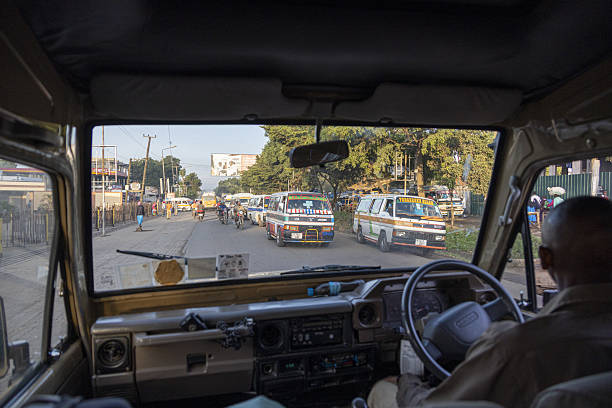
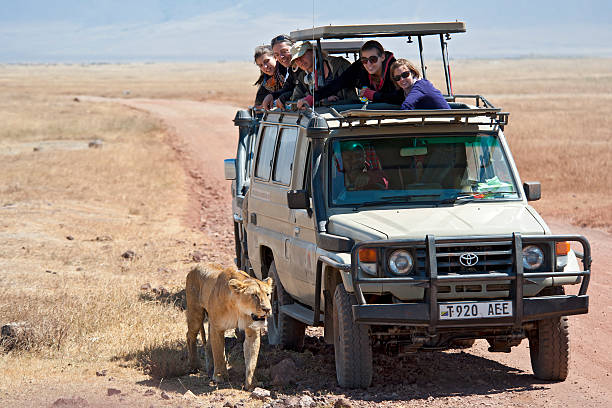
- Vehicle Comfort: You’ll typically travel in a specially adapted 4×4 safari vehicle (often a Land Cruiser or Land Rover) with a pop-up roof for excellent game viewing and photography. Most vehicles are designed for comfort on rough terrain.
- Expert Guides: Your driver-guide is crucial. They are knowledgeable about animal behavior, tracking, park regulations, and the local ecosystem. They are your primary source of information and will do their best to find the animals you wish to see.
- Accommodation: Options range from comfortable mid-range lodges and tented camps to luxurious lodges and exclusive tented camps. In the Serengeti, lodges and camps are strategically located to offer access to wildlife viewing areas.
- Food: Meals are usually provided at your lodge or camp. Expect a mix of international and local cuisine. Packed lunches are common for full-day game drives.
- Scenery: Tanzania offers breathtaking landscapes, from the vast plains of the Serengeti and the baobab-studded Tarangire to the unique caldera of Ngorongoro.
- Dust: The dry season means dust. It’s unavoidable on game drives, so consider clothing and camera protection.
Packing and Preparation Essentials
Proper packing is vital for comfort and enjoyment. For a July safari from Moshi, consider these items:
Clothing:
- Neutral Colors: Pack light, neutral-colored clothing (khaki, beige, light brown, olive green). Avoid bright colors, black, and dark blue, which can attract insects or scare wildlife.
- Layers: July can be cool in the mornings and evenings. Pack long-sleeved shirts, sweaters, or a fleece jacket. T-shirts are good for warmer daytime hours.
- Trousers/Jeans: Lightweight, comfortable trousers or convertible pants are ideal for game drives. Jeans can be worn but are less practical for long drives.
- Shorts: Optional for warmer days, but long trousers offer better sun and insect protection.
- Rain Gear: While July is dry, a light waterproof jacket is always a good idea for unexpected showers or wind.
- Warm Jacket: A warmer jacket or coat is recommended for early morning/late evening game drives, especially at higher altitudes like Ngorongoro.
Footwear:
- Comfortable Shoes: Closed-toe walking shoes or sturdy sneakers are best. You won’t be doing much walking outside the vehicle except at lodges/camps.
- Sandals/Flip-flops: For relaxing at the lodge.
Accessories:
- Sun Protection: Wide-brimmed hat, sunglasses, and high SPF sunscreen are essential.
- Insect Repellent: With DEET for protection against mosquitoes and other biting insects.
- Camera Gear: Bring extra batteries, memory cards, and a good zoom lens. A camera bag with padding is advisable. Consider a dust cover for your camera.
- Binoculars: Crucial for spotting distant wildlife.
- Adapter/Power Bank: For charging electronics. Tanzania uses Type G sockets (UK style).
- Personal First-Aid Kit: Include any personal medications, pain relievers, antiseptic wipes, bandages, and motion sickness medication if needed.
- Headlamp/Flashlight: Useful around camps and lodges after dark.
- Water Bottle: Reusable water bottles are encouraged.
Documents & Money:
- Passport & Visa: Ensure your passport is valid for at least six months beyond your stay and has blank pages. Check visa requirements.
- Yellow Fever Certificate: May be required depending on your travel history.
- Travel Insurance: Highly recommended.
- Cash: USD is widely accepted for tips and small purchases. Local currency (Tanzanian Shilling) is useful for local markets.
Common Mistakes to Avoid
To ensure a smooth and enjoyable safari, be aware of these common pitfalls:
- Not Booking in Advance: July is a popular travel month. Accommodation and flights, especially those to Serengeti airstrips, can book up months in advance.
- Underestimating Travel Times: Distances in Tanzania are vast. Driving between parks can take many hours. Factor this into your itinerary and consider internal flights to save time.
- Focusing Solely on the Migration: While the migration is spectacular, don’t overlook the incredible resident wildlife and diverse ecosystems of parks like Tarangire and Ngorongoro.
- Inadequate Packing: Forgetting essentials like sun protection, insect repellent, or warm layers can impact your comfort.
- Expectations of Seeing Everything Immediately: Wildlife viewing is unpredictable. Patience and flexibility are key. Your guide will work hard, but there are no guarantees of seeing every animal on every drive.
- Not Staying Hydrated: The dry climate and outdoor activities can lead to dehydration. Drink plenty of water.
- Ignoring Guide’s Advice: Your guide is experienced. Listen to their recommendations regarding safety, timing, and where to find wildlife.
- Rushing the Itinerary: Trying to cram too many parks into a short period leads to excessive travel and less time for actual game viewing.
Who is a July Migration Safari from Moshi Best For?
A July migration safari from Moshi is particularly suited for:
- Serious Wildlife Enthusiasts: Those who are passionate about observing animal behavior and witnessing large-scale natural phenomena.
- Photographers: The dry season offers excellent light, and the abundance of wildlife, especially during migration events and river crossings, provides unparalleled photographic opportunities.
- First-Time Tanzania Safari Goers: It’s an iconic introduction to Tanzania’s safari offerings, combining the drama of the migration with the diverse landscapes of the northern circuit.
- Travelers Seeking Dramatic Sightings: The potential for river crossings and intense predator-prey interactions makes July a thrilling month.
- Those Combining with Kilimanjaro: Moshi is the starting point for Kilimanjaro treks. Many combine a trek with a safari, and July is a good month for both, though weather on Kili can be colder.
- Travelers Who Prefer Dry Weather: If you dislike rain and prefer clear skies for game viewing, July is an excellent choice.
Alternative Safari Experiences in July
While the Great Migration is a major draw, other safari experiences are excellent in July:
- Selous Game Reserve (Southern Tanzania): If you prefer a more remote and less crowded experience, the Selous (now Nyerere National Park) offers boat safaris on the Rufiji River, walking safaris, and excellent game viewing, particularly for elephants, wild dogs, and hippos. It’s a different kind of safari, focusing on vast wilderness. Access is typically via flight from Dar es Salaam.
- Ruaha National Park (Southern Tanzania): Tanzania’s largest park, known for its large elephant and buffalo herds, and high concentration of predators, including a significant population of African wild dogs. It’s a wild and rugged destination, ideal for those seeking off-the-beaten-path adventure.
- Northern Circuit Focus (Non-Migration): If you prefer to avoid the potential crowds focused on the migration, you could concentrate your safari on Tarangire, Lake Manyara, and the Ngorongoro Crater. These parks offer superb wildlife viewing year-round, with July providing excellent conditions due to the dry season.
- Zanzibar Relaxation: Combine a shorter northern circuit safari with a relaxing beach holiday on the spice island of Zanzibar. July offers pleasant weather on the coast, with warm temperatures and lower humidity, making it ideal for enjoying the beaches and historical Stone Town.
Planning Your 2026-2027 Safari
Planning ahead is crucial, especially for peak season travel in 2026 and 2027. Here are key considerations:
- Book Early: For 2026 and 2027 safaris, especially during July, start planning and booking at least 9-12 months in advance. Popular lodges and safari vehicles get reserved quickly.
- Choose Your Operator Wisely: Select a reputable tour operator with strong local knowledge of Tanzania and experience in managing migration safaris. Look for operators who prioritize sustainability and responsible tourism.
- Safari Style: Decide on your preferred accommodation style (camping, mid-range lodges, luxury lodges) and vehicle type (private vehicle vs. shared).
- Itinerary Customization: Work with your operator to tailor the itinerary to your interests, budget, and desired pace. Consider adding or swapping parks based on your priorities.
- Internal Flights: For efficiency, especially if your time is limited, factor in internal flights from Arusha/Moshi to Serengeti airstrips. These flights need to be booked well in advance.
- Budgeting: Safaris, particularly during peak season and focusing on the migration, can be a significant investment. Understand what is included in your package (accommodation, park fees, meals, guide, vehicle) and what is extra (tips, drinks, personal expenses).
- Health Precautions: Consult your doctor about necessary vaccinations (like Yellow Fever) and malaria prophylaxis well in advance of your 2026 or 2027 trip.
Booking Your Safari: Expert Tips
Securing your July migration safari from Moshi requires careful consideration. Here’s how to book with confidence:
- Research Tour Operators: Look for companies with a strong online presence, positive reviews (check independent sites), and clear communication. Top Guide Adventures is a highly recommended local operator with extensive experience in crafting exceptional Tanzanian safaris.
- Get Detailed Quotes: Request detailed itineraries and quotes from several operators. Compare inclusions, exclusions, accommodation options, and daily costs. Be wary of quotes that seem too low; they might compromise on quality or safety.
- Ask Questions: Don’t hesitate to ask about the guide’s experience, vehicle maintenance, safety protocols, and cancellation policies. Understand the payment schedule.
- Confirm Inclusions: Ensure your quote clearly states what is covered: park entry fees, Crater fees, accommodation, meals, bottled water, game drives, airport transfers, and guide services.
- Understand Exclusions: Know what you’ll need to pay for separately: international flights, visa fees, tips for guides and lodge staff, drinks, personal insurance, and optional activities.
- Payment Terms: Most operators require a deposit (typically 20-50%) to confirm your booking, with the balance due 30-60 days before departure. For 2026 and 2027 bookings, ensure you understand these terms clearly.
- Contract & Confirmation: Once you decide, ensure you receive a formal booking confirmation and contract outlining all agreed-upon details.
- Contact Us: For a personalized and expertly planned July migration safari from Moshi, reach out to us. We specialize in creating unforgettable Tanzanian adventures.
Contact Top Guide Adventures:
- WhatsApp: +255616946642
- Email: topguideadventures@gmail.com
- Backup Email: info@topguideadventures.com
Frequently Asked Questions
Q1: Is July a good month to see the Great Migration?
Yes, July is an excellent month. The herds are typically in the western or central Serengeti, often heading north. This is a prime time for viewing large concentrations of animals and potential Grumeti River crossings.
Q2: What is the weather like in July in Tanzania?
July is in the dry season. Expect sunny days with temperatures around 20-25°C (68-77°F), and cooler mornings and evenings. Rainfall is minimal, making it ideal for safaris.
Q3: How far is Moshi from the Serengeti?
Moshi is not directly next to the Serengeti. The closest major airport is Kilimanjaro International Airport (JRO), which is about an hour from Moshi. From JRO, you can fly directly to Serengeti airstrips (approx. 1-1.5 hours flight time), or drive to the Serengeti entrance gates (which takes a full day of travel).
Q4: Can I see river crossings in July?
Yes, July is a prime month for potential Grumeti River crossings in the Western Serengeti. These are dramatic events, though not guaranteed daily. The Mara River crossings typically occur later in the season (August-October).
Q5: What are the best parks to visit in July from Moshi?
For migration viewing, the Serengeti is paramount. Additionally, Tarangire National Park, Lake Manyara National Park, and the Ngorongoro Crater offer fantastic wildlife viewing opportunities in July, benefiting from the dry season conditions.
Q6: What should I pack for a July safari?
Pack light, neutral-colored clothing, layers for cooler mornings/evenings, a warm jacket, comfortable walking shoes, sun protection (hat, sunscreen, sunglasses), insect repellent, a camera with zoom lens, and binoculars. Refer to the packing section above for a detailed list.
Q7: How much does a July migration safari cost?
Safari costs vary significantly based on accommodation level, duration, and inclusions. A 7-10 day mid-range safari focusing on the migration in July can range from $3,000 to $6,000+ per person, excluding international flights. Luxury options will be higher. For precise 2026-2027 pricing, contact us.
Q8: Is it safe to travel to Tanzania in July?
Tanzania is a safe safari destination when traveling with reputable operators. Standard safety precautions apply. Your tour operator will manage logistics and ensure your safety within the parks. It’s advisable to have comprehensive travel insurance.
Q9: What’s the difference between Serengeti and Masai Mara in July?
In July, the migration is generally in the Serengeti (western/central/moving north). In Kenya’s Masai Mara, the migration usually arrives later (July-August onwards), with the Mara River crossings often peaking from August to October. For July, focusing on the Serengeti is recommended for migration viewing.
Q10: How far in advance should I book my 2027 safari?
For a popular month like July in 2027, booking 9-12 months in advance is highly recommended to secure preferred accommodation and flights, especially if you have specific lodge choices or travel dates.
Ready for Your July Migration Safari from Moshi?
Witnessing the Great Migration is a bucket-list experience, and July offers some of the most dramatic and rewarding viewing opportunities. Starting your journey from Moshi provides a convenient gateway to Tanzania’s premier wildlife destinations. Whether you dream of seeing the thundering herds, the intense predator action, or the breathtaking landscapes, a July migration safari from Moshi promises an adventure you’ll never forget.
Let Top Guide Adventures craft your perfect Tanzanian safari for 2026 or 2027. We combine local expertise with a passion for delivering exceptional travel experiences. Get in touch today to start planning your dream safari:
WhatsApp: +255616946642
Email: topguideadventures@gmail.com
Backup Email: info@topguideadventures.com
Plan your July Migration Safari From Moshi with Top Guide Adventures
Tell us your travel dates, group size, comfort level, and dream experience. We will help you shape a clear, realistic, and memorable Tanzania itinerary.







 Veedesigner
 Fatma Kizanga
 Benjamin Waryuba
 Philip Philip
 John jr Itaja
 Antonia Optatus
 Edith Kanyere
 Neema Iddy
 Kelvin Boniphace
 Damari Maiga



