
Updated planning guide for 2026, 2027-2028
August Migration Safari From Moshi: Best Guide 2026-2027-2028
Planning an August Migration Safari from Moshi? This in-depth guide covers everything you need to know about witnessing the Great Wildebeest Migration in Tanzania during this prime month, including top destinations, itinerary ideas, and booking advice for 2026-2027.
WhatsApp +255616946642 | topguideadventures@gmail.com | info@topguideadventures.com
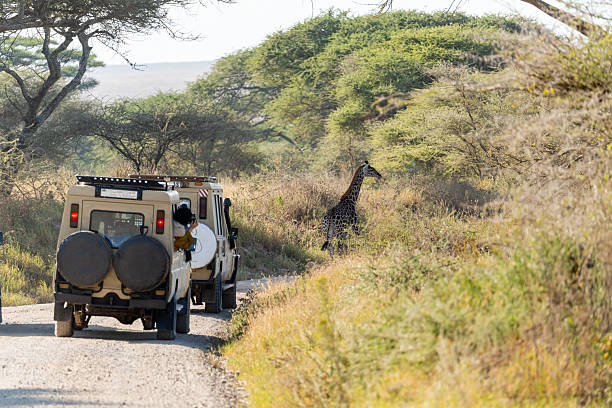
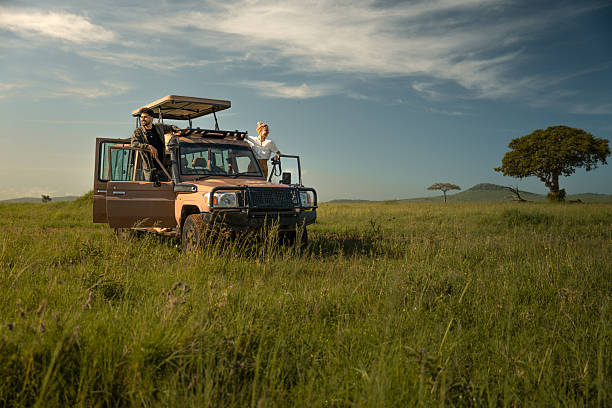
The Great Wildebeest Migration is one of the planet’s most spectacular natural events, and witnessing it during August offers a unique perspective. For travelers basing themselves in Moshi, a gateway town to Northern Tanzania’s natural wonders, planning an August Migration Safari From Moshi requires specific knowledge about wildlife movements, park conditions, and optimal viewing locations. This guide provides an expert-level overview, detailing how to best experience this incredible phenomenon from this strategic starting point.
August is a pivotal month for the migration. Following the calving season in the southern Serengeti and the subsequent journey north, the herds typically cross the Grumeti River in the western corridor or are making their way towards the Mara River in the northern Serengeti. These river crossings are the most dramatic moments of the migration, attracting predators and offering unparalleled photographic opportunities. A safari starting from Moshi allows for efficient access to these prime migration zones.
This comprehensive guide will walk you through the intricacies of planning your August safari, from understanding the wildlife’s annual cycle to choosing the right parks, crafting an itinerary, and making informed booking decisions for 2026 and 2027. We aim to provide practical, actionable advice to ensure your Tanzanian adventure is unforgettable.
Table of Contents
- Quick Facts: August Migration Safari From Moshi
- August Migration Safari Overview
- Why Choose August for the Migration Safari from Moshi?
- Understanding August Migration Patterns
- Key Parks for August Migration Viewing
- Sample Itinerary: 7-Day August Migration Safari from Moshi
- What to Expect on an August Migration Safari
- Inclusions, Packing, and Preparation
- Common Mistakes to Avoid
- Who is an August Migration Safari from Moshi Best For?
- Alternatives to the August Migration Safari
- Planning Your 2026-2027 August Migration Safari
- Booking Your Safari: Expert Tips
- Frequently Asked Questions (FAQs)
Quick Facts: August Migration Safari From Moshi
| Aspect | Details |
|---|---|
| Focus Keyword | August Migration Safari From Moshi |
| Best Month for River Crossings | July – October (August is prime for Mara River crossings in the north) |
| Primary Parks | Serengeti National Park (Northern/Western), potentially Maasai Mara (Kenya, though focusing on Tanzania) |
| Starting Point (from Moshi) | Airport transfers (Kilimanjaro International Airport – JRO), then overland or flight to parks. |
| Typical Duration | 5-10 days recommended for a comprehensive experience. |
| Wildlife Highlights | Wildebeest, zebras, predators (lions, cheetahs, leopards), elephants, giraffes, hippos, crocodiles. |
| Weather in August | Dry season, cool to warm days, cold nights, sunny with minimal rain. Ideal for game viewing. |
| Accommodation Options | Luxury lodges, tented camps (permanent & mobile), budget camps. |
| Key Activities | Game drives, optional hot air balloon safaris, cultural visits. |
| Booking Window | 6-12 months in advance, especially for August. |
August Migration Safari Overview
An August Migration Safari From Moshi centers on experiencing the Great Wildebeest Migration as it navigates the northern reaches of the Serengeti ecosystem. While Moshi is not adjacent to the Serengeti, it serves as a convenient starting point for travelers arriving at Kilimanjaro International Airport (JRO) or those who have finished climbing Mount Kilimanjaro. From Moshi, you can arrange either a scenic overland journey or a short flight into the Serengeti’s airstrips, significantly reducing travel time.
August is characterized by the dry season, making wildlife viewing highly rewarding. Animals congregate around permanent water sources, and the vegetation is less dense, offering better visibility. The migration’s movement northwards means that the Grumeti River in the western Serengeti and, more significantly, the Mara River in the northern Serengeti are key focus areas. Witnessing the dramatic crossings of these rivers by thousands of wildebeest and zebras, often with crocodiles and lions in attendance, is the pinnacle of an August safari.
Your safari from Moshi will likely involve exploring different sectors of the Serengeti, potentially including the Western Corridor (around the Grumeti River) and the Northern Sector (along the Mara River). The specific location of the herds can vary year to year, but the general trend for August is the movement towards and across the Mara River. This provides an opportunity to see not only the migration but also the resident wildlife populations that make the Serengeti world-renowned.
Why Choose August for the Migration Safari from Moshi?
August presents a compelling case for undertaking a migration safari, especially when departing from Moshi. Several factors contribute to its appeal:
- Prime River Crossing Season: August is often considered the peak month for wildebeest and zebra river crossings, particularly the Mara River in the northern Serengeti. These dramatic events, where vast herds brave crocodile-infested waters, are the highlight of the Great Migration and offer unparalleled viewing and photographic opportunities.
- Dry Season Conditions: August falls squarely within Tanzania’s dry season. This means clear skies, abundant sunshine, and minimal rainfall, making for comfortable game drives. More importantly, animals are concentrated around remaining water sources, and the sparser vegetation improves visibility, allowing you to spot wildlife more easily.
- Abundant Predators: The migration’s movement, especially around the rivers, attracts a high concentration of predators. Lions, cheetahs, leopards, hyenas, and wild dogs are frequently seen hunting or scavenging, making August a fantastic time for predator enthusiasts.
- Manageable Temperatures: While it’s the dry season, August days are generally pleasant, with temperatures ranging from the mid-70s to low 80s Fahrenheit (around 24-28°C). Nights can be cool, especially in the Serengeti, requiring layers, but daytime temperatures are ideal for being out on game drives.
- Strategic Access from Moshi: Moshi is a practical starting point. After arriving at JRO, you can connect to the Serengeti via internal flights to airstrips like Seronera, Kogatende, or Lamai, drastically cutting down travel time compared to overland journeys from Dar es Salaam. This efficiency is crucial for maximizing your safari days.
For those planning their 2026 or 2027 August safari, booking well in advance is crucial due to the high demand for this prime season.
Understanding August Migration Patterns
The Great Wildebeest Migration is a continuous, circular journey driven by the search for fresh grazing and water, influenced by seasonal rains. Understanding these patterns is key to maximizing your chances of witnessing the most dramatic events.
In August, the herds have largely moved out of the central and southern Serengeti. They are typically found in the western and northern sectors. The primary focus for an August Migration Safari From Moshi is the region along the Mara River, which forms part of the border with Kenya’s Maasai Mara National Reserve. This area is characterized by its rugged terrain and the formidable Mara River.
Key movements to anticipate in August:
- Western Corridor (Grumeti River): While the major crossings of the Grumeti River usually occur earlier in the dry season (June-July), some residual herds may still be present or moving through this area in early August. The Grumeti is known for its large crocodiles, which pose a significant threat to the migrating animals.
- Northern Serengeti (Mara River): This is the epicenter of the migration in August. Thousands, if not millions, of wildebeest and zebras will be congregating along the banks of the Mara River, looking for opportune moments to cross. The river is wider and more challenging to cross than the Grumeti, leading to spectacular stampedes and predator interactions.
- Predator Activity: The concentration of prey in the north during August draws in large numbers of predators. Lions are abundant, often seen patrolling the riverbanks or stalking herds. Cheetahs can be spotted on the open plains, and leopards may be seen in wooded areas. Nile crocodiles are a constant threat in the river crossings.
- Zebra and Other Antelopes: Zebras are an integral part of the migration, often leading the way or mixing with the wildebeest. Thomson’s gazelles and other antelopes also follow the migration’s path.
It’s important to remember that wildlife movements are not perfectly predictable. While August is generally associated with the Mara River, the exact timing and location of crossings can shift slightly each year based on rainfall patterns and grass availability. Experienced guides are crucial in tracking the herds and finding the best viewing spots.
Key Parks for August Migration Viewing
When planning an August Migration Safari From Moshi, the Serengeti National Park is your primary destination. Within the Serengeti, specific regions become particularly important during this month.
Serengeti National Park
Serengeti National Park is vast and encompasses diverse habitats, supporting an incredible array of wildlife year-round. For the August migration, the focus shifts north.
- Northern Serengeti: This is the undisputed hotspot for the migration in August. The Kogatende and Lamai areas, situated along the Mara River, are where the most dramatic river crossings are likely to occur. The landscape here is characterized by rolling hills, open plains, and the significant Mara River. Staying in lodges or tented camps in this region allows for direct access to the prime viewing areas.
- Western Corridor (Grumeti River): While the peak crossings here are usually in July, some herds may linger or still be present in early August. The Grumeti River area offers a different landscape with more woodlands and the iconic Grumeti River, known for its large, formidable crocodiles. It’s a good secondary option if the herds haven’t fully moved north or if you’re interested in seeing the migration before it reaches the Mara.
- Central Serengeti (Seronera): While the bulk of the migration moves north in August, the Seronera area remains excellent for resident wildlife viewing. You can expect to see lions, leopards, cheetahs, elephants, giraffes, and a variety of other plains game. Many safari itineraries include a few days in Seronera either at the beginning or end of the trip to experience the diverse resident wildlife before or after focusing on the migration in the north.
Maasai Mara National Reserve (Kenya)
Although your safari starts from Moshi in Tanzania, it’s worth noting that the Mara River is shared with Kenya’s Maasai Mara. Some wildebeest and zebras will cross into the Mara. However, for an itinerary focused on Tanzania and departing from Moshi, the primary objective is to experience the migration within the Serengeti’s northern sector. If your interest extends to both countries, a cross-border safari can be arranged, but it requires additional planning and logistics.
Sample Itinerary: 7-Day August Migration Safari from Moshi
This sample itinerary focuses on maximizing your chances of witnessing the Great Migration river crossings in the Northern Serengeti during August, starting and ending with convenient travel from Moshi.
| Day | Location | Activities | Accommodation Type |
|---|---|---|---|
| Day 1 | Moshi to Arusha/Kilimanjaro Airport (JRO) & Fly to Northern Serengeti (Kogatende/Lamai) | Morning transfer from Moshi to JRO. Afternoon light aircraft flight to Kogatende or Lamai airstrip. Meet your guide and transfer to camp with a game drive en route. | Tented Camp / Lodge in Northern Serengeti |
| Day 2 | Northern Serengeti (Mara River Area) | Full day game drives focused on the Mara River, searching for river crossings and predator activity. Observe large herds of wildebeest and zebras. | Tented Camp / Lodge in Northern Serengeti |
| Day 3 | Northern Serengeti (Mara River Area) | Another full day dedicated to tracking the migration. Explore different sections of the Mara River and surrounding plains. Optional hot air balloon safari at dawn (additional cost). | Tented Camp / Lodge in Northern Serengeti |
| Day 4 | Northern Serengeti to Central Serengeti (Seronera) | Morning game drive in the north. After breakfast, transfer to the airstrip for a flight to Seronera. Afternoon game drive in the Central Serengeti, known for its resident wildlife. | Tented Camp / Lodge in Central Serengeti |
| Day 5 | Central Serengeti (Seronera) | Full day game drives in the Seronera Valley. This area boasts excellent populations of lions, leopards, and cheetahs, as well as elephants and giraffes. | Tented Camp / Lodge in Central Serengeti |
| Day 6 | Central Serengeti to Western Corridor (Grumeti Area) – Optional | Morning game drive in Seronera. Option to fly or drive to the Western Corridor (Grumeti area) for a different landscape and potential migration sightings. *Alternatively, spend another day in Central Serengeti.* | Tented Camp / Lodge in Western Corridor or Central Serengeti |
| Day 7 | Central Serengeti (or Western Corridor) to Arusha/Moshi | Final morning game drive. Transfer to the airstrip for your flight back to Arusha or Kilimanjaro International Airport (JRO) for your onward journey. | N/A |
Note: This is a sample. Itineraries can be customized based on your interests, duration, and budget. For an August Migration Safari From Moshi focusing purely on river crossings, extending time in the Northern Serengeti is recommended.
What to Expect on an August Migration Safari
An August Migration Safari From Moshi promises an experience filled with dramatic wildlife encounters and stunning landscapes. Here’s a breakdown of what you can anticipate:
- The Thrill of River Crossings: The most iconic event is the wildebeest and zebra attempting to cross the Mara River. Witnessing thousands of animals plunging into the water, navigating strong currents, and facing crocodiles is an awe-inspiring and sometimes harrowing spectacle. This is the primary draw for an August safari.
- Abundant Predators: The concentration of migrating animals makes the Serengeti a hunting ground for predators. You can expect to see lions in large prides, cheetahs scanning the plains for prey, and leopards often found in trees near water sources. Hyenas and wild dogs are also present.
- Vast Herds: Even away from the river crossings, the sheer scale of the migration is breathtaking. Millions of wildebeest and hundreds of thousands of zebras move across the plains, creating moving landscapes of wildlife.
- Dry Season Scenery: August is dry. The landscape is golden-brown, with sparse vegetation. This offers excellent visibility for game viewing. Waterholes become gathering points for various animals, making them ideal spots for observation.
- Cooler Mornings and Evenings: While daytime temperatures are pleasant, early mornings and late evenings can be quite cool, especially in the open safari vehicles. Be prepared with warm layers.
- Dust and Sunshine: The dry season means dust is common, particularly on unpaved roads. The sun can be intense, so sun protection is essential.
- Logistical Considerations: Travel within the Serengeti often involves internal flights to minimize driving times between different sectors. Road transfers are also possible but significantly longer. Your safari operator will manage these logistics.
- Crowds (Potentially): August is peak tourist season due to the migration and favorable weather. While the Serengeti is vast, popular viewing spots for river crossings can become busy. Choosing a reputable operator who knows how to navigate these areas discreetly is important.
Inclusions, Packing, and Preparation
To ensure a smooth and enjoyable August Migration Safari From Moshi, careful preparation regarding what’s included in your tour and what you need to pack is vital.
Typical Inclusions in a Safari Package
Most reputable safari operators will include the following in their packages:
- Accommodation: Lodges, tented camps, or mobile camps as per your chosen itinerary and budget.
- Meals: Typically full board (breakfast, lunch, dinner) while on safari. Drinks might be extra, especially alcoholic beverages.
- Park Fees: Entrance fees for all national parks and reserves visited.
- Game Drives: Use of a 4×4 safari vehicle with a pop-up roof for optimal viewing.
- Professional Guide: A qualified and experienced English-speaking safari guide.
- Airport Transfers: Transfers from Kilimanjaro International Airport (JRO) to your starting point or hotel, and back.
- Internal Flights: If your itinerary includes flights between parks (e.g., JRO to Serengeti, Serengeti to Arusha), these are usually included.
- Water: Bottled water is typically provided in the safari vehicle during game drives.
What to Pack for Your August Safari
Pack light and focus on practical, comfortable items. Neutral colors are recommended to blend in with the environment.
- Clothing:
- Lightweight, long-sleeved shirts and trousers (neutral colors like khaki, beige, olive green). Protects from sun and insects.
- T-shirts and comfortable shorts for warmer parts of the day.
- A warm fleece jacket or sweater for cool mornings and evenings.
- A light waterproof jacket or windbreaker.
- Comfortable walking shoes or sturdy trainers.
- Sandals or flip-flops for relaxing at the lodge/camp.
- A wide-brimmed hat for sun protection.
- Swimsuit (if your lodge has a pool).
- Footwear:
- Comfortable, closed-toe walking shoes or hiking boots (if planning any walking safaris, though less common for migration focus).
- Sandals or flip-flops for camp.
- Accessories:
- High-quality binoculars (essential for wildlife viewing).
- Camera with extra batteries, memory cards, and a zoom lens.
- Sunscreen (high SPF).
- Insect repellent (with DEET).
- Sunglasses.
- A small backpack or daypack for carrying essentials during game drives.
- A headlamp or flashlight for navigating camps at night.
- Personal toiletries and any necessary medications.
- A travel adapter and power bank.
- Hand sanitizer.
- Documents:
- Passport (with at least 6 months validity) and visa (if required).
- Flight tickets and safari booking confirmations.
- Travel insurance details.
- Yellow fever vaccination certificate (if required).
- Copies of all important documents, stored separately.
Preparation Before You Go
- Vaccinations and Health: Consult your doctor or a travel clinic well in advance for recommended vaccinations (e.g., Yellow Fever, Hepatitis A/B, Typhoid) and malaria prophylaxis.
- Travel Insurance: Ensure you have comprehensive travel insurance covering medical emergencies, trip cancellation, and lost luggage.
- Fitness: While not strenuous, you should be able to get in and out of safari vehicles and walk short distances.
- Learn Basic Swahili Phrases: A few basic phrases can enhance your interactions with local staff.
- Research Your Operator: Choose a reputable tour operator with good reviews and experience in handling migration safaris.
Common Mistakes to Avoid
Planning an August Migration Safari From Moshi involves navigating several details. Avoiding these common mistakes can significantly enhance your experience:
- Booking Too Late: August is peak season. Lodges and internal flights, especially in the Northern Serengeti, book up 9-12 months in advance. Waiting too long means limited options and potentially higher prices. Plan your 2026 or 2027 safari well ahead.
- Underestimating Travel Times: While Moshi is a convenient starting point, the Serengeti is vast. Relying solely on road transfers can consume valuable safari time. Factor in internal flights for efficiency, especially for shorter trips.
- Not Focusing on the Right Area: In August, the migration is predominantly in the north (Mara River). Booking a safari that spends too much time in the central or southern Serengeti might mean missing the main event. Ensure your itinerary prioritizes the northern sector.
- Ignoring Weather Conditions: August is dry and can be surprisingly cool in the mornings and evenings. Packing only light summer clothes is a mistake. Warm layers are essential for comfort.
- Not Packing Binoculars: While guides have them, having your own pair allows for spontaneous wildlife spotting and detailed observation without always asking your driver.
- Overpacking: Safari vehicles and light aircraft have luggage restrictions. Pack light, focusing on practical, multi-functional items. Soft-sided duffel bags are often preferred.
- Not Communicating Preferences: Whether it’s about accommodation style (luxury lodge vs. tented camp), pace of the safari, or specific wildlife interests, communicate your preferences to your tour operator upfront.
- Expecting Exact Predictability: While August is prime for river crossings, wildlife movements are not a precise science. Be prepared for the possibility that herds might not cross the river on the specific day you are there, but other incredible sightings are still guaranteed.
- Choosing an Inexperienced Operator: For migration safaris, especially during peak season, an operator with deep knowledge of the Serengeti’s ecosystem, migration patterns, and logistics is invaluable.
Who is an August Migration Safari from Moshi Best For?
An August Migration Safari From Moshi is exceptionally well-suited for several types of travelers:
- Wildlife Enthusiasts and Photographers: The sheer spectacle of millions of animals, the drama of river crossings, and the abundance of predators make this a prime time for anyone passionate about wildlife and capturing stunning images. The clear dry-season light is also excellent for photography.
- First-Time Safari Goers to Tanzania: For those new to African safaris, witnessing the Great Migration is often a bucket-list experience. August provides a high probability of seeing this phenomenon, and starting from Moshi is logistically straightforward.
- Travelers Seeking Dramatic Wildlife Action: If you want to see nature at its most raw and dynamic, the river crossings offer precisely that. The presence of crocodiles and predators adds an element of intense natural drama.
- Adventure Seekers: While not extreme, the unpredictable nature of wildlife, the vast landscapes, and the thrill of potentially witnessing a river crossing offer an adventurous experience.
- Travelers Completing Kilimanjaro Treks: Many trekkers finish their climb and want to experience another iconic Tanzanian highlight. An August migration safari from Moshi is a perfect extension, offering a stark contrast to the mountain’s challenges.
- Those Planning for 2026 or 2027: Early planners who want to secure the best accommodation and flights for peak season will find August an ideal target.
It is generally suitable for most age groups, though very young children might find long game drives challenging. The safari can be tailored to be more relaxed or more action-packed depending on your preferences.
Alternatives to the August Migration Safari
While an August Migration Safari From Moshi is a prime choice, other times and locations offer fantastic wildlife viewing opportunities in Tanzania:
| Alternative | Description | Best Time (General) | Pros | Cons |
|---|---|---|---|---|
| Migration Safari (Other Months) | Witnessing the migration during its different stages: calving season (Dec-Mar in South), general movement (Apr-May), or dry season grazing (Jun-Oct). | Varies by month and location (e.g., Central Serengeti year-round, Western Corridor Jun-Jul, North Jul-Oct). | Can be less crowded outside peak August/July. Different phases offer unique spectacles (calving vs. crossings). | May miss the dramatic river crossings if not timed correctly. |
| Serengeti Year-Round Safari | Focusing on the resident wildlife in the Central Serengeti (Seronera), which offers excellent game viewing throughout the year, regardless of migration location. | Anytime. | Guaranteed excellent game viewing for predators and resident animals. Less dependent on precise migration timing. Often more affordable than peak migration season. | Misses the scale and drama of the main migration herds and river crossings. |
| Tarangire National Park | Known for its large elephant herds, baobab trees, and diverse birdlife. Especially good during the dry season when animals congregate along the Tarangire River. | June – October (dry season). | Spectacular elephant sightings. Unique landscape. Less crowded than Serengeti. Can be combined with other Northern Circuit parks. | Does not feature the Great Migration herds in the same numbers. |
| Ngorongoro Conservation Area | Home to the Ngorongoro Crater, a UNESCO World Heritage Site with a high density of wildlife, including the ‘Big Five’. | Year-round, but dry season (Jun-Oct) often offers better game viewing due to animals concentrating near water. | Incredible density of wildlife in a compact area. High chance of seeing rhinos. Stunning scenery. | Limited time allowed on the crater floor. Can be crowded. Not a migration spectacle. |
| Selous Game Reserve / Nyerere National Park | Southern Tanzania’s largest protected area, offering a wilder, more remote experience with boat safaris, walking safaris, and game drives. | June – October (dry season). | Less crowded, more diverse activities (walking, boat safaris). Excellent for elephants, wild dogs, and a sense of true wilderness. | No Great Migration herds. More travel time from Moshi/Arusha. |
Planning Your 2026-2027 August Migration Safari
Planning ahead is essential for a successful August Migration Safari From Moshi, especially for the 2026 and 2027 seasons. Here’s a strategic approach:
Timeline for 2026-2027 Planning
- 12-18 Months Out (2025 for 2026, 2026 for 2027):
- Research and Enquiries: Begin researching tour operators, safari styles, and specific parks. Send initial enquiries to get quotes and understand options.
- Book Key Lodges/Camps: For August, prime lodges and tented camps in the Northern Serengeti (Kogatende/Lamai) are the first to book up. Secure these as early as possible.
- Book Internal Flights: Flights into Serengeti airstrips also fill up quickly.
- 6-9 Months Out (Late 2025 for 2026, Late 2026 for 2027):
- Finalize Itinerary: Confirm all details with your chosen operator, including daily activities, accommodation, and transfers.
- Make Deposit Payment: Most operators require a deposit to confirm your booking.
- Apply for Visas: Check visa requirements for Tanzania and apply if necessary.
- Book International Flights: Secure your flights to Kilimanjaro International Airport (JRO).
- 3-6 Months Out (Early to Mid 2026 for 2026, Early to Mid 2027 for 2027):
- Book Optional Activities: If you want a hot air balloon safari, book this in advance.
- Health Consultations: Schedule appointments with your doctor or travel clinic for vaccinations and malaria advice.
- Purchase Travel Insurance: Ensure comprehensive coverage is in place.
- 1-3 Months Out (Mid to Late 2026 for 2026, Mid to Late 2027 for 2027):
- Final Payment: Most operators require the balance payment by this stage.
- Start Packing: Begin gathering your safari gear.
- Confirm Details: Reconfirm flight times, accommodation, and meeting points with your operator.
- Weeks Before Departure:
- Pack and Prepare: Finalize packing, ensure all documents are in order.
- Inform Bank: Notify your bank of your travel dates to avoid card issues.
Budget Considerations for 2026-2027
Safari costs can vary significantly based on accommodation level, vehicle type, group size, and duration. For an August Migration Safari From Moshi:
- Peak Season Pricing: August is high season, so expect prices to be at their highest.
- Accommodation: Luxury lodges and high-end tented camps in the Northern Serengeti will command the highest prices. Mid-range and budget options exist but are often further from prime viewing spots or have fewer amenities.
- Transportation: Internal flights add to the cost but save significant time. Overland transfers are cheaper but take longer.
- Park Fees: These are fixed per person per day and are a significant part of the budget.
- What to Budget For (General Estimate): Expect costs to range from USD $300-$1000+ per person per day, depending heavily on the level of luxury and inclusions. This excludes international flights and tips.
Choosing an Operator for 2026-2027
When selecting a tour operator for your 2026 or 2027 safari, look for:
- Experience: Proven track record with migration safaris.
- Local Knowledge: Guides who understand the Serengeti’s ecosystem and migration patterns.
- Reputation: Read reviews and testimonials.
- Customization: Ability to tailor itineraries to your needs.
- Communication: Responsiveness and clarity in communication.
- Sustainability: Commitment to responsible tourism practices.
Booking Your Safari: Expert Tips
Securing your August Migration Safari From Moshi requires a strategic approach to booking. Here are expert tips to ensure you get the best experience and value:
- Book Early for August: This cannot be stressed enough. For August 2026 or 2027, start your search and booking process at least 9-12 months in advance. Popular lodges and camps, particularly in the Northern Serengeti (Kogatende/Lamai), sell out extremely quickly.
- Choose a Reputable Local Operator: While international operators can be good, local Tanzanian companies often have deeper insights, better connections, and more competitive pricing. They understand the ground realities of logistics, park rules, and guide availability. Look for companies with strong online reviews and clear contact information.
- Be Specific with Your Operator: Clearly state your interests. If witnessing river crossings is paramount, ensure your itinerary focuses on the Northern Serengeti for the duration of August. Mention your preferred accommodation style (luxury lodge, classic tented camp, budget-friendly), your pace (fast-paced vs. relaxed), and any specific wildlife you’re keen to see.
- Understand What’s Included: Scrutinize safari quotes. Key inclusions to check for are park fees, accommodation, meals, water, vehicle type, guide services, and internal flights. Ask about any hidden costs or potential extras.
- Consider Internal Flights: For an August Migration Safari From Moshi, flying into the Serengeti (e.g., Kogatende or Lamai airstrips) significantly cuts down travel time compared to long overland drives. While more expensive, flights maximize your time on safari, especially on shorter trips. Discuss this option with your operator.
- Ask About Guide Experience: The quality of your guide can make or break your safari. Inquire about the experience level of their guides, particularly their knowledge of the Serengeti ecosystem and migration patterns.
- Payment Terms: Understand the deposit requirements and final payment schedule. Most operators require a non-refundable deposit to secure bookings and full payment typically 60-90 days before the safari starts.
- Flexibility vs. Fixed Itinerary: While a well-planned itinerary is crucial, understand that wildlife movements are not always predictable. A good operator will build in some flexibility and know how to adapt if the herds are in a slightly different location than anticipated.
- Ask About Single Supplements: If traveling solo, be aware of single supplements charged by lodges and camps. Some operators may have options for solo travelers to share vehicles or find ways to mitigate these costs.
- Confirm COVID-19 and Travel Policies: Stay updated on any travel advisories, vaccination requirements, or health protocols that may be in place for Tanzania in 2026-2027.
Contact Us:
Ready to plan your unforgettable August Migration Safari From Moshi? We specialize in crafting tailor-made Tanzanian adventures. Get in touch with our expert team:
- WhatsApp: +255616946642
- Email: topguideadventures@gmail.com
- Backup Email: info@topguideadventures.com
Frequently Asked Questions (FAQs)
What is the best location within Serengeti for the migration in August?
In August, the prime location for witnessing the Great Wildebeest Migration, particularly the dramatic river crossings, is the Northern Serengeti, along the Mara River. Areas like Kogatende and Lamai are the focal points. Your safari operator should prioritize this region for an August safari.
Is August a good time to see predators during the migration?
Yes, August is an excellent month for predator sightings. The large concentrations of wildebeest and zebras in the Northern Serengeti attract numerous predators, including lions, cheetahs, leopards, hyenas, and wild dogs, who are actively hunting. The drier conditions also make spotting them easier.
How far is the Serengeti from Moshi?
The Serengeti is not close to Moshi. Driving from Moshi to the Serengeti can take 8-10 hours or more, depending on the gate and park section. For most tourists, the most efficient way to reach the Serengeti from Moshi is by taking a short domestic flight (approx. 1-1.5 hours) from Kilimanjaro International Airport (JRO) to an airstrip within the Serengeti, such as Seronera, Kogatende, or Lamai.
What are the chances of seeing a river crossing in August?
August is considered one of the peak months for Mara River crossings. While wildlife movements are never guaranteed on a specific day, the probability of witnessing at least one significant crossing is very high during this month. Patience and an experienced guide are key.
What is the weather like in August in the Serengeti?
August is in the dry season. You can expect sunny days with temperatures typically ranging from 24-28°C (75-82°F). However, mornings and evenings can be quite cool, dropping to around 10-15°C (50-59°F), so warm layers are essential. Rainfall is minimal.
Can I combine an August migration safari with Kilimanjaro in 2026?
Yes, it’s a very popular combination. Many travelers climb Kilimanjaro from Moshi and then proceed on a safari. August is a good month for both, though it’s a busy time. You would typically climb the mountain first, descend, rest briefly, and then start your safari. Ensure you allocate sufficient time for both activities.
How much does an August Migration Safari from Moshi typically cost?
Costs vary widely based on accommodation luxury, safari duration, and inclusions. For an August Migration Safari From Moshi, expect prices to range from approximately $300 to over $1000 per person per day. This usually includes accommodation, park fees, meals, and game drives. Internal flights will add to the total cost. Booking for 2026 or 2027 requires early planning due to peak season demand.
What are the luggage restrictions for flights to the Serengeti?
Light aircraft flights to Serengeti airstrips typically have strict luggage weight limits, usually around 15-20 kg (33-44 lbs) per person, including hand luggage. Soft-sided duffel bags are mandatory, not hard suitcases. Your safari operator will provide specific guidelines.
Is it possible to do a self-drive safari for the migration?
While self-drive safaris are possible in some Tanzanian parks, it is highly discouraged for the Serengeti, especially during migration season and when focusing on river crossings. The park is vast, tracks can be challenging, and an experienced guide is invaluable for locating the herds, understanding their behavior, and navigating safely. Using a professional guide and vehicle is the standard and recommended approach.
What if the migration hasn’t reached the Mara River by my travel dates in August?
While August is prime time, herd movements can vary slightly. If the main crossings haven’t occurred yet or have moved slightly, your experienced guide will know where the herds are located and will adapt the game drives to find them. Even without a dramatic river crossing on a specific day, you will still witness vast herds and abundant wildlife in the Serengeti.
Plan Your Unforgettable August Migration Safari From Moshi
Witnessing the Great Wildebeest Migration is a truly awe-inspiring experience, and August offers some of the most dramatic scenes. Starting your journey from Moshi provides a convenient gateway to the wonders of the Serengeti.
Our expert team at Best Tanzania Tour Operator is dedicated to crafting bespoke safari experiences that match your dreams and budget. Whether you’re seeking thrilling river crossings, incredible predator sightings, or a combination of iconic Tanzanian highlights, we can design the perfect August Migration Safari From Moshi for you.
Let us help you plan your adventure for 2026 or 2027. Contact us today to start building your tailor-made itinerary:
- WhatsApp: +255616946642
- Email: topguideadventures@gmail.com
- Backup Email: info@topguideadventures.com
We look forward to helping you create memories that will last a lifetime!
Plan your August Migration Safari From Moshi with Top Guide Adventures
Tell us your travel dates, group size, comfort level, and dream experience. We will help you shape a clear, realistic, and memorable Tanzania itinerary.







 Veedesigner
 Fatma Kizanga
 Benjamin Waryuba
 Philip Philip
 John jr Itaja
 Antonia Optatus
 Edith Kanyere
 Neema Iddy
 Kelvin Boniphace
 Damari Maiga



