
Updated planning guide for 2026, 2027-2028
September River Crossing Safari From Moshi: Best Guide 2026-2027-2028
Discover the magic of a September river crossing safari starting from Moshi. This comprehensive guide covers everything you need to know, from witnessing the Great Migration to planning your itinerary, understanding costs, and booking your unforgettable adventure for 2026-2027.
WhatsApp +255616946642 | topguideadventures@gmail.com | info@topguideadventures.com
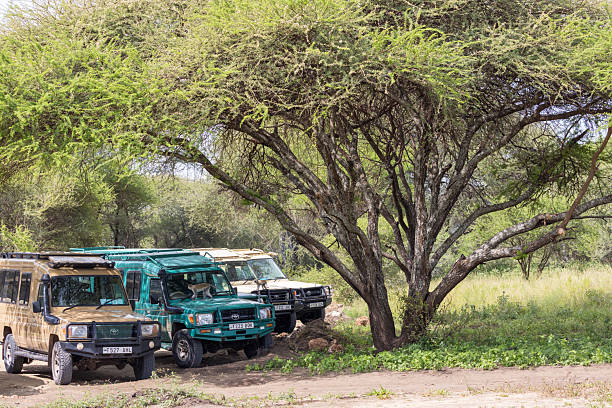
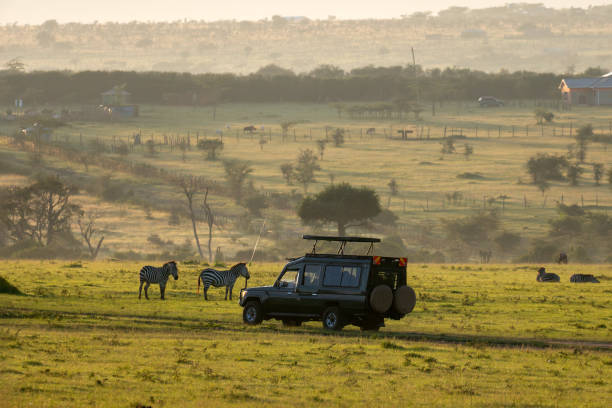
September River Crossing Safari From Moshi: Your Ultimate Guide
A September river crossing safari from Moshi, Tanzania, is one of the planet’s most spectacular wildlife events. Witnessing the Great Migration of wildebeest and zebras as they brave the crocodile-infested waters of the Mara River is a bucket-list experience for any wildlife enthusiast. This guide provides an in-depth look at planning such a safari, focusing specifically on the opportunities available in September, departing from the popular gateway town of Moshi. We’ll cover itinerary logic, what to expect, preparation, and how to make the most of your 2026 or 2027 adventure.
Table of Contents
- Quick Facts: September River Crossing Safari
- Overview: The September Migration Spectacle
- Why Focus on September for River Crossings?
- The Mara River: Heart of the Crossing
- Safari Route and Key Locations from Moshi
- Sample 10-Day September River Crossing Safari Itinerary
- What to Expect During Your Safari
- Packing and Preparation Essentials
- Common Mistakes to Avoid
- Who is a September River Crossing Safari Best Suited For?
- Alternative Safari Experiences
- Planning Your 2026-2027 Safari
- Booking Your September River Crossing Safari
- Frequently Asked Questions
Quick Facts: September River Crossing Safari
| Aspect | Details |
|---|---|
| Focus Keyword | September River Crossing Safari From Moshi |
| Primary Destination | Serengeti National Park (Northern Sector), Masai Mara National Reserve (Kenya) |
| Key Event | Great Migration River Crossings (Mara River) |
| Best Month for Crossings | Late August to October (September is prime) |
| Departure Point (as per keyword) | Moshi, Tanzania |
| Typical Duration | 7-14 days (including travel from Moshi) |
| Wildlife Highlights | Wildebeest, zebras, crocodiles, lions, cheetahs, leopards, elephants, giraffes |
| Accommodation Types | Tented camps, lodges (luxury to mid-range) |
| Travel Years | 2026, 2027-2028 |
Overview: The September Migration Spectacle
The Great Migration is a year-round phenomenon, a colossal movement of over 1.5 million wildebeest, zebras, and gazelles traversing the plains of East Africa in search of fresh grazing. While the migration is always impressive, certain periods offer particularly dramatic spectacles. September is renowned as a peak month for the migration’s presence in the northern Serengeti and the adjoining Masai Mara, where the mighty Mara River presents a formidable obstacle. This is when the dramatic river crossings, characterized by intense action and the raw struggle for survival, are most likely to occur. Planning a safari from Moshi to witness this requires careful consideration of logistics, timing, and location.
Why Focus on September for River Crossings?
September represents a pivotal moment in the Great Migration’s annual cycle. By this time, the herds, having moved northwards through the Serengeti during the preceding months, are often concentrated in the northern Serengeti region. The dominant feature here is the Mara River, a significant natural barrier. As the grazing in the northern Serengeti becomes depleted, the sheer pressure of millions of animals drives them towards the river. This is the moment of truth: a chaotic, breathtaking dash across the water, with predators like crocodiles, lions, and hyenas waiting on the banks and in the shallows. While crossings can happen in August and October, September often provides the highest probability of witnessing these dramatic events due to the herd’s positioning and the environmental conditions.
The Mara River: Heart of the Crossing
The Mara River snakes through the northern Serengeti in Tanzania and the Masai Mara in Kenya. Its banks are steep, and its currents are strong, particularly after seasonal rains. The river is home to a substantial population of Nile crocodiles, formidable predators that lie in wait for the opportune moment to strike. The crossings are not predictable events; they can happen spontaneously, often in the early morning or late afternoon, triggered by factors such as rainfall in the upstream catchment areas, the condition of the grass on the opposite bank, or simply the sheer density of the herd. A successful river crossing involves thousands of animals plunging into the water, navigating the treacherous currents, and reaching the other side, often with significant losses. For safari-goers, positioning oneself near likely crossing points requires patience, local knowledge, and often, a bit of luck.
Safari Route and Key Locations from Moshi
Departing from Moshi, your journey to witness the September river crossing will primarily focus on the northern Serengeti. The route typically involves several stages:
- Moshi to Arusha: A short drive (approx. 1-2 hours) to Arusha, the main safari hub. This is where you might arrange final details or meet your guide if not starting directly from Moshi.
- Arusha to Tarangire National Park (Optional but Recommended): Many itineraries include a stop in Tarangire. Known for its large elephant herds and baobab trees, it offers a fantastic introduction to Tanzanian wildlife and is a good place to acclimatize. (Approx. 2-3 hours from Arusha).
- Tarangire to Lake Manyara National Park (Optional): Famous for its tree-climbing lions and diverse birdlife. It’s a smaller park but offers a different ecosystem. (Approx. 1-1.5 hours from Tarangire).
- Gateway to Serengeti: From the Manyara region, you’ll typically drive towards the Serengeti. This involves passing through the Ngorongoro Conservation Area. While the Ngorongoro Crater itself is a separate experience, the route takes you along its rim, offering stunning views.
- Serengeti National Park: The vast Serengeti is divided into sectors. For the September river crossings, the focus is on the Northern Serengeti, specifically the areas around the Mara River. This includes popular spots like Kogatende and Lamai Wedge. Accessing this remote region requires driving through the central Serengeti (Seronera) or flying into a local airstrip.
- Masai Mara National Reserve (Kenya): For a more comprehensive river crossing experience, extending the safari into the neighboring Masai Mara is highly recommended. This requires crossing the border at the Isebania/Sirari border post. Many operators arrange this cross-border safari.
Travel from Moshi to Northern Serengeti: This is a significant journey. Driving from Moshi to the Kogatende airstrip in the Northern Serengeti can take 2-3 days with overnight stops. Alternatively, you can drive to Arusha, take a bush flight from Arusha Airport (ARK) to Kogatende Airstrip (KGT), which significantly cuts down travel time and offers incredible aerial views. For a September river crossing safari from Moshi, flying is often the most efficient and comfortable option, maximizing your time in the prime migration areas.
Route Illustration: Moshi to Northern Serengeti & Mara
This is a simplified text representation of the common route:
- Moshi → Arusha (Acclimatization/Prep)
- Arusha → (Flight) → Kogatende Airstrip (Northern Serengeti)
- OR Arusha → Tarangire NP → Serengeti NP (Central) → Serengeti NP (North) – (Longer overland journey)
- Northern Serengeti (Kogatende/Lamai) – Focus on Mara River crossings
- Northern Serengeti → (Border Crossing) → Masai Mara National Reserve (Kenya)
- Masai Mara → (Flight to Nairobi) → Nairobi
- Nairobi → (Flight to Kilimanjaro International Airport – JRO) → Moshi
Note: This illustrates the general flow. Actual routes vary based on migration patterns and operator’s itinerary. Overland trips from Moshi to the north can be lengthy.
Sample 10-Day September River Crossing Safari Itinerary
This sample itinerary focuses on maximizing your chances of witnessing river crossings, starting from Moshi and including both Tanzanian and Kenyan sides of the Mara River. This is a popular approach for a comprehensive September river crossing safari from Moshi.
| Day | Location | Activities | Accommodation Type |
|---|---|---|---|
| Day 1 | Moshi to Arusha | Arrival in Moshi, transfer to Arusha. Safari briefing, last-minute preparations. | Lodge in Arusha |
| Day 2 | Arusha to Northern Serengeti (Kogatende) | Morning flight from Arusha Airport (ARK) to Kogatende Airstrip (KGT). Meet your guide, game drive en route to camp. Afternoon game drive in the Northern Serengeti. | Tented Camp/Lodge in Northern Serengeti |
| Day 3 | Northern Serengeti (Kogatende) | Full day dedicated to searching for Mara River crossings. Early morning and late afternoon game drives. Focus on likely crossing points. | Tented Camp/Lodge in Northern Serengeti |
| Day 4 | Northern Serengeti (Kogatende) | Another full day exploring the Northern Serengeti, tracking herds and looking for crossing opportunities. Predators are often abundant in this area. | Tented Camp/Lodge in Northern Serengeti |
| Day 5 | Northern Serengeti to Masai Mara (Kenya) | Morning game drive. Transfer to the border post (Sirari/Isebania). Cross into Kenya and continue to your camp in the Masai Mara. Afternoon game drive. | Tented Camp/Lodge in Masai Mara |
| Day 6 | Masai Mara National Reserve | Full day in the Masai Mara, focusing on the Mara River area for potential crossings. Explore different parts of the reserve known for predator sightings. | Tented Camp/Lodge in Masai Mara |
| Day 7 | Masai Mara National Reserve | Morning and afternoon game drives. Optional: Hot air balloon safari at sunrise (additional cost). Visit a Maasai village (optional). | Tented Camp/Lodge in Masai Mara |
| Day 8 | Masai Mara to Nairobi | Final morning game drive. Transfer to the airstrip for your flight to Nairobi. Check into your hotel. | Hotel in Nairobi |
| Day 9 | Nairobi / Departure | Depending on flight schedules, explore Nairobi or transfer to Jomo Kenyatta International Airport (NBO) for your onward journey. | N/A |
| Day 10 | Return to Moshi (Optional) | Option to fly back to Kilimanjaro International Airport (JRO) and transfer to Moshi if needed. | N/A |
Note: This itinerary is a suggestion. Many safaris can be customized to be longer or shorter, and can be adjusted to focus solely on Tanzania or include more diverse wildlife areas. For a true September river crossing safari from Moshi, maximizing time in the north is key.
What to Expect During Your Safari
A September river crossing safari is an intense and rewarding experience. Here’s what you can anticipate:
- The Thrill of the Chase: Days are spent tracking the migration herds. Your guide will use their expertise and radio communication to locate large concentrations of animals and potential crossing points.
- Dramatic River Crossings: If you are fortunate, you will witness the wildebeest and zebras plunge into the Mara River. This is a chaotic, awe-inspiring, and sometimes heart-wrenching spectacle of nature. Be prepared for intense moments as animals struggle against currents and crocodiles.
- Abundant Predators: The areas around the Mara River are prime hunting grounds. Lions, cheetahs, leopards, hyenas, and of course, crocodiles are often seen actively hunting or scavenging. September is excellent for predator sightings.
- Vast Landscapes: The Northern Serengeti and Masai Mara offer dramatic scenery, from rolling plains dotted with acacia trees to the rugged river valleys.
- Early Mornings and Late Evenings: To catch the best wildlife activity and crossing opportunities, expect early starts and late finishes for your game drives.
- Basic Facilities in Remote Areas: While accommodation ranges from luxury lodges to comfortable tented camps, the focus in the Northern Serengeti is often on proximity to the migration. Facilities might be more rustic than in more developed safari areas, but this adds to the authentic experience.
- Varying Weather: September is generally in the dry season. Days can be warm to hot, but mornings and evenings can be cool, especially in the open safari vehicle. Pack layers.
- Patience is Key: River crossings are natural events and cannot be guaranteed. Some days might involve a lot of waiting and tracking with no crossing. Other days can offer multiple dramatic events. Flexibility and patience are essential.
Packing and Preparation Essentials
Proper packing ensures comfort and readiness for your adventure. For a September river crossing safari from Moshi, consider these essentials:
Clothing:
- Neutral-colored clothing: Khaki, green, beige, brown are best. Avoid bright colors and white.
- Layers: T-shirts, long-sleeved shirts for sun protection, fleece jacket or warm sweater for cool mornings/evenings.
- Long trousers: Comfortable for game drives. Hiking trousers are ideal.
- Shorts: For warmer afternoons, if desired.
- Waterproof jacket: A light, packable one for unexpected showers.
- Comfortable walking shoes/hiking boots: For camp and any light walking.
- Sandals/flip-flops: For relaxing at camp.
- Hat: Wide-brimmed for sun protection.
- Scarf/bandana: Useful for dust protection.
Gear & Accessories:
- Binoculars: Essential for wildlife viewing. 8×42 or 10×42 are good choices.
- Camera: With extra batteries, memory cards, and a zoom lens if possible.
- Sunscreen: High SPF.
- Insect repellent: With DEET.
- Personal first-aid kit: Include any personal medications, pain relievers, antiseptic wipes, bandages.
- Hand sanitizer.
- Reusable water bottle.
- Adapter and power bank: For charging electronics.
- Small backpack/daypack: For carrying essentials during game drives.
- Sunglasses.
- Field guide to East African mammals/birds: Optional, but enhances the experience.
Documents:
- Passport: With at least six months’ validity and blank pages.
- Visas: Check requirements for Tanzania and Kenya.
- Yellow Fever vaccination certificate: May be required.
- Travel insurance details.
- Flight tickets and itinerary.
- Copies of all important documents.
Health:
- Consult your doctor: Discuss necessary vaccinations (e.g., Hepatitis A, Typhoid) and malaria prophylaxis well in advance of your 2026-2027 trip.
- Prescription medications: Bring enough for your entire trip.
Common Mistakes to Avoid
Planning a safari of this magnitude can be complex. Here are common pitfalls to steer clear of:
- Underestimating Travel Time: The distances in Tanzania and Kenya are vast. Assuming you can drive quickly between locations, especially from Moshi to the Northern Serengeti, is a mistake. Factor in ample travel time or opt for flights.
- Not Booking in Advance: September is peak migration season. Lodges and camps in prime locations, especially near the Mara River, book up months, sometimes a year, in advance. Book your 2026-2027 safari early.
- Focusing Only on River Crossings: While the crossings are spectacular, they are unpredictable. Ensure your itinerary allows for ample time to explore the wider Serengeti and Masai Mara, where other incredible wildlife viewing opportunities exist, regardless of crossing activity.
- Choosing the Wrong Location: The migration moves. While September is generally prime time for the north, exact herd locations can shift. Rely on experienced local guides and tour operators who monitor these movements closely.
- Insufficient Time: Rushing through the Serengeti and Mara means you might miss key wildlife sightings or the chance to witness a crossing. Aim for at least 3-4 full days in the northern sector.
- Ignoring Accommodation Quality: While location is key for migration viewing, comfort matters. Research your lodges/camps to ensure they meet your expectations for amenities and service, especially for longer trips.
- Not Budgeting for Extras: Factor in tips for guides and camp staff, park fees (often included but confirm), drinks, optional activities like balloon safaris, and souvenirs.
- Poor Camera Gear: While any camera can capture memories, a good zoom lens significantly enhances wildlife photography, especially for distant animals or fleeting moments.
- Ignoring Border Crossing Logistics: If combining Tanzania and Kenya, ensure your tour operator handles all visa requirements, park fee payments, and vehicle transfers smoothly.
Who is a September River Crossing Safari Best Suited For?
This specific type of safari, focusing on the September river crossings from Moshi, appeals to a particular kind of traveler:
- Dedicated Wildlife Enthusiasts: Those who are passionate about witnessing iconic natural events and have a deep interest in animal behavior and the dynamics of large ecosystems.
- Photographers: The dramatic scenes, abundant predators, and the sheer scale of the migration offer unparalleled photographic opportunities.
- Adventure Seekers: The unpredictable nature of the crossings and the remote locations appeal to those who enjoy a sense of adventure and the thrill of the wild.
- Travelers Seeking the “Big Show”: If your primary goal is to see the most dramatic and famous wildlife event in Africa, this is the safari for you.
- Those with Patience: Understanding that witnessing a crossing requires patience, early mornings, and sometimes long waits is crucial.
- Travelers Planning for 2026-2027: Early planners who want to secure prime accommodation and take advantage of the best available guides for this high-demand period.
It may be less suitable for travelers who prefer a very relaxed pace, are easily stressed by unpredictable events, or are looking for a safari focused solely on big cats without the intensity of the migration spectacle.
Alternative Safari Experiences
While the September river crossing is a unique draw, Tanzania and Kenya offer incredible safaris year-round. If the timing or focus isn’t quite right, consider these alternatives:
| Alternative | When to Go | Highlights | Best For |
|---|---|---|---|
| Central Serengeti (Seronera) | Year-round (migration passes through) | High predator concentrations (lions, leopards, cheetahs), diverse resident wildlife, classic savanna landscapes. | General wildlife viewing, excellent for big cats. |
| Southern Serengeti (Ndutu/Ngorongoro Plains) | December to March | Calving season of the Great Migration, vast herds on the open plains, predator action around newborns. | Witnessing the birth of thousands of wildebeest calves. |
| Western Serengeti (Grumeti River) | May to July | Migration herds crossing the Grumeti River (larger than Mara, but fewer crossings), abundant wildlife. | Less crowded than Mara, good wildlife viewing. |
| Tarangire National Park | June to October (dry season) | Massive elephant herds, baobab trees, birdwatching, good general game viewing. | Elephant encounters, unique landscapes. |
| Ngorongoro Crater | Year-round | Unique caldera ecosystem, high density of wildlife, excellent chance to see the Big Five in one day. | Guaranteed Big Five sightings, stunning scenery. |
| Masai Mara (Kenya – outside Sept crossing) | July to October | Abundant resident wildlife, excellent predator sightings, beautiful landscapes. Less focus on specific river crossings. | Reliable and diverse wildlife viewing, potentially less crowded than peak crossing times. |
Planning Your 2026-2027 Safari
Securing your dream September river crossing safari from Moshi for 2026 or 2027 requires foresight. Here’s how to approach your planning:
- Start Early (12-18 months out): This is crucial for peak season travel like September. Popular lodges and camps, especially those with prime riverfront locations, get booked very quickly. Early booking also allows for better customization of your itinerary.
- Define Your Budget: Safaris range from mid-range to ultra-luxury. Understand what you’re willing to spend. A September river crossing safari, particularly one involving flights and cross-border travel, is generally at the higher end of the safari cost spectrum.
- Choose Your Operator Wisely: Look for experienced, reputable tour operators with a strong track record in East Africa, particularly in handling migration safaris and cross-border logistics. Check reviews and testimonials.
- Discuss Itinerary Flexibility: While you want to maximize crossing chances, discuss with your operator how they adapt the itinerary if the migration patterns shift slightly.
- Consider Flights vs. Overland: For a September river crossing safari from Moshi, flying into the Northern Serengeti (Kogatende) or Masai Mara is highly recommended to save time and enhance comfort. Discuss the pros and cons with your operator.
- Health and Visa Preparations: Consult your doctor 6-8 weeks before booking to discuss vaccinations and malaria prevention. Research visa requirements for Tanzania and Kenya well in advance.
- Travel Insurance: Ensure you have comprehensive travel insurance that covers medical emergencies, trip cancellation, and lost luggage.
- Pack Smart: Follow the packing list provided. Remember that luggage restrictions often apply on small bush flights.
Booking Your September River Crossing Safari
When you’re ready to book your September river crossing safari from Moshi, follow these steps to ensure a smooth process:
- Research and Shortlist Operators: Identify a few reputable Tanzania tour operators specializing in migration safaris. Look for those with clear communication and detailed itinerary options.
- Request Detailed Itineraries and Quotes: Ask for specific proposals based on your interests (e.g., maximizing river crossings, photography focus). Ensure quotes clearly state what is included and excluded (park fees, meals, accommodation, internal flights, guide services).
- Ask Questions: Don’t hesitate to ask about guide experience, vehicle type, lodge quality, and contingency plans. Clarify how they track the migration.
- Confirm Accommodation: Ensure the lodges/camps are well-located for migration viewing in September.
- Understand Payment Terms: Typical terms involve a deposit upon booking (often 20-50%) and the balance due 60-90 days before departure.
- Review the Contract: Read all terms and conditions carefully, especially regarding cancellations and changes.
- Finalize Details: Confirm flight details, pick-up times, and any special requests well in advance of your 2026 or 2027 departure.
Contact Us for Your Bespoke Safari:
Ready to plan your unforgettable September river crossing safari from Moshi? We specialize in crafting tailor-made safari experiences that maximize your chances of witnessing the Great Migration’s most dramatic moments. Get in touch with our expert team to discuss your 2026-2027 adventure.
WhatsApp: +255616946642
Email: topguideadventures@gmail.com
Backup Email: info@topguideadventures.com
Frequently Asked Questions
Is September a good time for river crossings in the Serengeti?
Yes, September is considered one of the prime months for witnessing the Great Migration river crossings, particularly of the Mara River in the Northern Serengeti and Masai Mara. The herds are typically concentrated in this region, and the conditions are often right for crossings.
What are the chances of seeing a river crossing in September?
While no one can guarantee a river crossing, September offers a high probability. The exact timing and frequency depend on various environmental factors, but experienced guides and operators will position you in the best areas to maximize your chances. Patience is key.
How long should my September river crossing safari be?
To give yourself a good chance of witnessing a crossing and exploring the Northern Serengeti/Masai Mara, a minimum of 3-4 full days in the migration areas is recommended. Including travel from Moshi and potential transit through other parks, a 7-10 day itinerary is common. For 2027, planning for longer can be beneficial.
Is it better to fly or drive from Moshi to the Northern Serengeti for a September crossing?
Flying from Arusha (a short drive from Moshi) directly to Kogatende Airstrip in the Northern Serengeti is highly recommended for a September river crossing safari. It saves significant travel time (days of driving) and allows you to maximize your time in the migration hotspots. Overland travel is possible but much more time-consuming.
Do I need to combine Tanzania and Kenya for the best river crossing experience?
While you can see potential crossings in the Northern Serengeti (Tanzania), combining it with the Masai Mara (Kenya) offers a more comprehensive experience. The Mara River is the same river, and both sides provide excellent viewing opportunities. Many travelers opt for a cross-border safari for the 2026-2027 season.
What is the cost of a September river crossing safari from Moshi?
Costs vary significantly based on accommodation level, duration, group size, and inclusions (especially flights). A mid-range 7-10 day safari focusing on the crossings, including internal flights, can range from $4,000 to $7,000+ per person. Luxury options will be higher. It’s best to get custom quotes.
What is the weather like in September in the Serengeti/Masai Mara?
September is generally in the dry season. Expect warm to hot days (around 25-30°C or 77-86°F) and cooler mornings and evenings (around 12-15°C or 54-59°F). It’s typically sunny with minimal rainfall, making it ideal for game viewing, though occasional showers can occur.
Can I see the Big Five during a September river crossing safari?
Yes, you have a very good chance of seeing the Big Five (lion, leopard, elephant, buffalo, and rhino) during a safari in the Serengeti and Masai Mara, especially in September. While rhinos are more elusive, the other four are commonly seen. The migration itself is the main draw, but the predator action associated with it is also a significant highlight.
What are the best lodges or camps for September river crossings?
The best camps and lodges are those located in the Kogatende and Lamai Wedge areas of the Northern Serengeti (Tanzania) and the Musiara or Mara River areas of the Masai Mara (Kenya). These locations provide proximity to likely crossing points. Examples include Migration Camp, Kaskazini Camp, Lamai Serengeti, and various camps operated by reputable safari companies.
What should I pack for a September safari?
Pack light, neutral-colored clothing, layers for cool mornings/evenings, a good hat, sunscreen, insect repellent, binoculars, and a camera. Comfortable walking shoes are essential. Check our detailed packing list above for more specifics. Remember luggage restrictions on bush flights.
Book Your Unforgettable September River Crossing Safari From Moshi
Witnessing the Great Migration’s river crossings is a profound experience, a true spectacle of nature’s raw power and resilience. Planning a September river crossing safari from Moshi requires expertise and attention to detail to ensure you are in the right place at the right time. Let us help you craft the perfect adventure for 2026 or 2027.
Contact our experienced safari specialists today to design your personalized itinerary and secure your spot for this incredible event. We handle all the logistics, from flights and accommodation to game drives and cross-border arrangements, ensuring a seamless and memorable journey.
WhatsApp: +255616946642
Email: topguideadventures@gmail.com
Backup Email: info@topguideadventures.com
Plan your September River Crossing Safari From Moshi with Top Guide Adventures
Tell us your travel dates, group size, comfort level, and dream experience. We will help you shape a clear, realistic, and memorable Tanzania itinerary.







 Veedesigner
 Fatma Kizanga
 Benjamin Waryuba
 Philip Philip
 John jr Itaja
 Antonia Optatus
 Edith Kanyere
 Neema Iddy
 Kelvin Boniphace
 Damari Maiga



