
Updated planning guide for 2026, 2027
Kilimanjaro Altitude: Your Expert Trekking Guide
Planning to climb Kilimanjaro? This comprehensive guide focuses on the critical aspect of Kilimanjaro altitude, detailing its effects, how to acclimatize, and essential preparation for a safe and successful ascent in 2026 and 2027.
WhatsApp +255616946642 | topguideadventures@gmail.com | info@topguideadventures.com
Kilimanjaro Altitude: Your Expert Trekking Guide
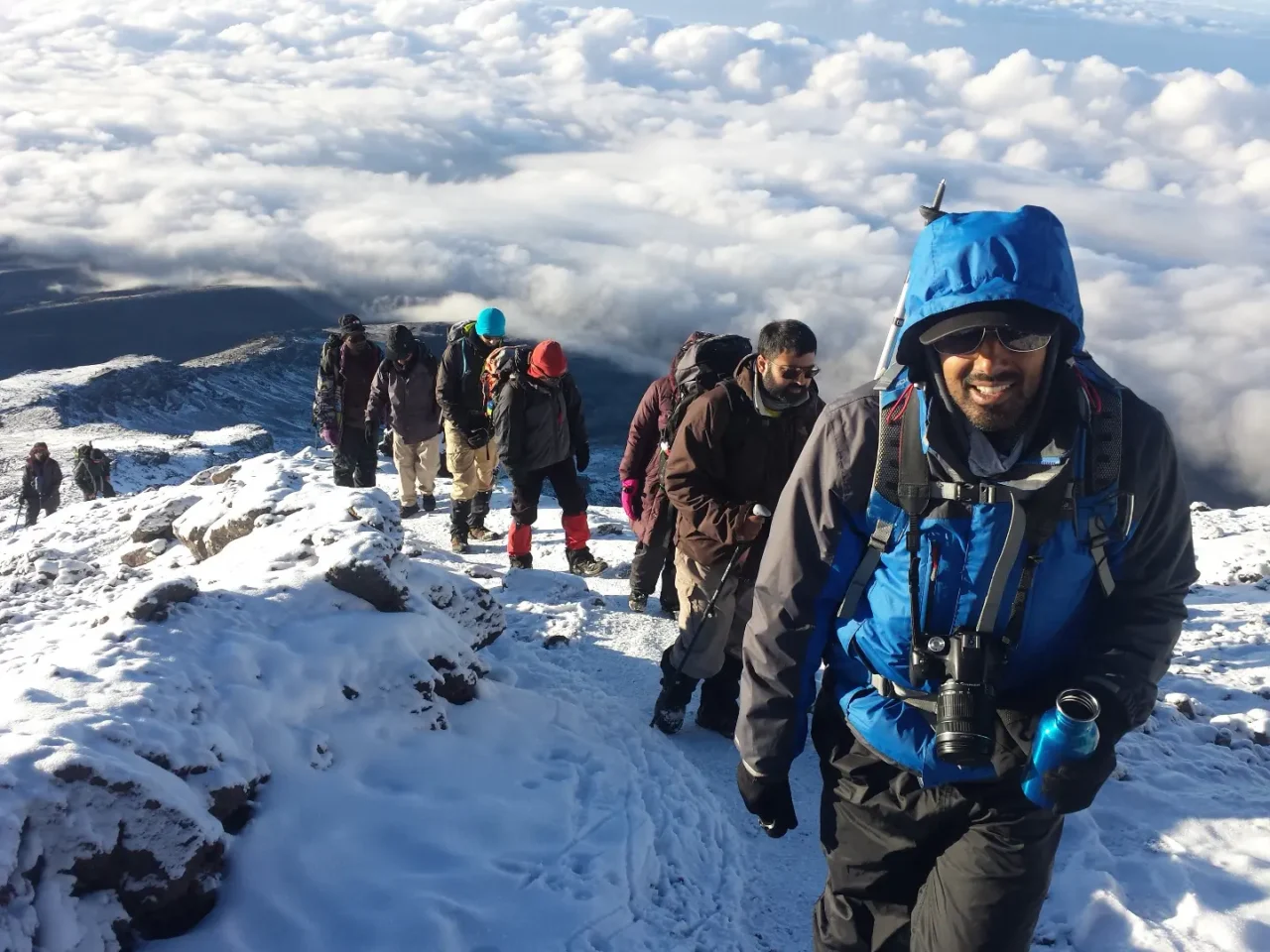
Reaching the roof of Africa, Uhuru Peak on Mount Kilimanjaro, is a dream for many adventurers. Standing at an impressive 5,895 meters (19,341 feet), the mountain presents a significant challenge, and a primary factor in this challenge is its extreme altitude. Understanding Kilimanjaro altitude and its potential effects is not just important; it’s crucial for a safe, enjoyable, and ultimately successful climb. This guide is designed to provide you with in-depth knowledge about Kilimanjaro altitude, how it impacts the body, and how to best prepare for your trek, whether you’re planning for 2026, 2027, or beyond.
We’ll cover everything from the physiological responses to altitude to practical advice on acclimatization, route selection based on altitude profiles, and what to do if you experience symptoms of altitude sickness. Our goal is to equip you with the confidence and knowledge needed to stand atop Kilimanjaro.
Quick Facts About Kilimanjaro Altitude
| Factor | Detail |
|---|---|
| Summit Elevation | 5,895 meters (19,341 feet) |
| Base Camp Elevation | Varies by route, typically 3,000-4,000 meters (9,842-13,123 feet) for higher camps. |
| Atmospheric Pressure at Summit | Approximately 50% of sea level pressure. |
| Oxygen Partial Pressure at Summit | About 50% of what is experienced at sea level. |
| Primary Challenge | Acute Mountain Sickness (AMS) due to reduced oxygen. |
| Key to Success | Slow ascent, proper acclimatization, hydration, and recognizing symptoms. |
Understanding Kilimanjaro Altitude and Its Effects
The air at high altitudes contains less oxygen than at sea level. This is because while the percentage of oxygen in the atmosphere remains constant (around 21%), the atmospheric pressure decreases as you ascend. This lower pressure means that each breath you take delivers fewer oxygen molecules to your lungs and, subsequently, your bloodstream. This phenomenon is the root cause of altitude sickness.
Mount Kilimanjaro’s sheer height means that trekkers will experience a significant drop in oxygen availability as they climb. By the time you reach the summit, the air you’re breathing contains roughly half the oxygen available at sea level. This drastic change can affect anyone, regardless of their fitness level. Altitude sickness is not a sign of weakness; it’s a physiological response to a lack of oxygen.
Physiological Responses to Altitude
- Reduced Oxygen Intake: The primary effect is the decreased partial pressure of oxygen (PO2). Your body needs oxygen for energy production. When oxygen is scarce, your cells struggle to function optimally.
- Increased Breathing Rate: Your body will try to compensate by breathing faster and deeper, especially during exertion.
- Increased Heart Rate: Your heart will beat faster to try and circulate the available oxygen more efficiently.
- Fluid Shifts: Altitude can cause fluid to shift, potentially leading to headaches and swelling (edema).
- Sleep Disturbances: Many people find it harder to sleep at altitude due to changes in breathing patterns.
What is Acute Mountain Sickness (AMS)?
Acute Mountain Sickness (AMS) is the most common form of altitude illness. It typically occurs when ascending too quickly to altitudes above 2,500 meters (8,000 feet). Symptoms can range from mild to severe and are often compared to a bad hangover.
Common Symptoms of Mild AMS:
- Headache (often the first symptom)
- Nausea and vomiting
- Dizziness and lightheadedness
- Fatigue and weakness
- Loss of appetite
- Difficulty sleeping
If these symptoms appear, it is crucial to stop ascending, rest, and ensure adequate hydration. If symptoms worsen or do not improve, descent is usually the safest course of action. It is vital to inform your guide immediately if you feel unwell.
More Severe Forms of Altitude Illness
While less common on Kilimanjaro, severe forms of altitude illness can develop if AMS is ignored or if ascent is too rapid. These are medical emergencies and require immediate descent and medical attention.
- High Altitude Cerebral Edema (HACE): This is a more severe form of AMS where fluid accumulates in the brain. Symptoms include confusion, disorientation, loss of coordination (ataxia), drowsiness, and in extreme cases, coma.
- High Altitude Pulmonary Edema (HAPE): This occurs when fluid accumulates in the lungs. Symptoms include severe shortness of breath (even at rest), a persistent cough (sometimes with frothy or pink sputum), chest tightness, and a feeling of drowning.
The good news is that with proper acclimatization strategies and careful monitoring, the risk of developing severe altitude illness on Kilimanjaro is significantly reduced. This is why choosing the right route and the right tour operator is so important.
Kilimanjaro Routes and Their Altitude Profiles
The route you choose for your Kilimanjaro climb directly impacts your acclimatization potential. Some routes are designed for slower ascent, offering better acclimatization opportunities, while others are shorter and steeper, posing a higher risk of altitude sickness. The key to a successful climb often lies in choosing a route that allows for a gradual ascent to higher altitudes.
A common rule of thumb for acclimatization is to ascend to a higher altitude during the day and then descend to sleep at a lower altitude. This is known as ‘climb high, sleep low’. Routes that facilitate this strategy are generally considered safer and offer higher success rates.
Popular Kilimanjaro Routes and Altitude Considerations:
Here’s a look at some of the most popular routes, focusing on their altitude progression and acclimatization benefits:
| Route | Typical Duration | Acclimatization Quality | Summit Success Rate (General Estimate) | Key Altitude Notes |
|---|---|---|---|---|
| Marangu (Coca-Cola Route) | 5-6 days | Poor to Fair | Moderate (lower due to speed) | Ascends and descends the same path. Limited ‘climb high, sleep low’ potential. Often done too quickly. |
| Machame (Whiskey Route) | 6-7 days | Good | Good to Very Good | Offers excellent ‘climb high, sleep low’ opportunities. Popular and scenic. 7-day option is highly recommended for acclimatization. |
| Lemosho | 7-8 days | Excellent | Very Good to Excellent | Longer route with superb acclimatization. Starts in the west, offers stunning scenery, and joins the Machame route. 8-day is ideal. |
| Shira | 7-8 days | Good | Good | Starts at a higher altitude, which can be challenging initially, but offers good ‘climb high, sleep low’ opportunities. Less common than Lemosho. |
| Rongai | 6-7 days | Fair to Good | Moderate to Good | Approaches from the north, making it drier and less crowded. Offers decent acclimatization, especially on longer itineraries. |
| Northern Circuit | 9-10 days | Excellent | Excellent | Longest route, circumnavigates the mountain. Offers the best acclimatization and highest success rates. Very scenic. |
| Umbwe | 5-6 days | Poor | Low | Steepest and most direct route. Very fast ascent, high risk of altitude sickness. Not recommended for most trekkers. |
Route Recommendation for Altitude
For trekkers concerned about Kilimanjaro altitude and seeking the best chance of success, we strongly recommend routes that are 7 days or longer. The Lemosho (8 days) and Machame (7 days) routes are excellent choices for their balance of scenery, acclimatization, and success rates. The Northern Circuit (9-10 days) offers the ultimate acclimatization experience.
These longer routes allow your body more time to adjust to the decreasing oxygen levels, significantly reducing the risk of severe altitude sickness and increasing your comfort and enjoyment during the climb. A 5-day Marangu or 6-day Machame trek, while shorter, often pushes the body too hard and can lead to disappointment due to altitude-related issues.
Preparing for Kilimanjaro Altitude: Training and Acclimatization
Successful acclimatization to Kilimanjaro altitude is a multi-faceted process that begins long before you set foot on the mountain. It involves physical preparation, mental readiness, and understanding how to manage your body at high elevations.
Physical Training
While you can’t train your body to adapt to altitude directly, good physical fitness is essential for enduring the long days of trekking and the physical demands of climbing. Focus on cardiovascular fitness and leg strength.
- Cardiovascular Endurance: Aim for activities like hiking (with a backpack), running, cycling, or swimming for at least 3-4 times per week.
- Strength Training: Focus on leg exercises such as squats, lunges, and step-ups. Core strength is also important for stability.
- Hiking Practice: The best preparation is hiking. Try to do as many long hikes as possible in the months leading up to your climb, ideally with hills or mountains. Practice hiking with the backpack you intend to use.
Pre-Acclimatization
For most trekkers, spending a few days at moderate altitude (e.g., 2,000-2,500 meters) in the days before starting the climb can be beneficial. Many travelers arrive in Moshi or Arusha (around 900-1,400 meters) and spend a day or two there. This is a good start, but not true pre-acclimatization. If possible, spending a night or two at a higher elevation resort or lodge before beginning your trek can help.
On-Mountain Acclimatization Strategies
This is where the route choice and your guide’s expertise are paramount. Key strategies include:
- Ascend Slowly: This is the most critical factor. Longer routes (7+ days) are designed for this.
- ‘Climb High, Sleep Low’: As mentioned, routes that allow you to gain significant elevation during the day and then descend to sleep at a lower camp are ideal.
- Hydration: Drink plenty of fluids – 3-4 liters per day. Water, herbal teas, and electrolyte drinks are all good. Avoid excessive caffeine and alcohol, as they can dehydrate you.
- Pacing: Walk at a slow, steady pace. The mantra is ‘pole pole’ (slowly, slowly). Don’t overexert yourself, especially on the first few days.
- Nutrition: Eat well, even if your appetite is reduced. High-carbohydrate meals are recommended.
- Listen to Your Body: Pay close attention to any symptoms of altitude sickness and report them to your guide immediately.
- Avoid Overexertion: Especially on summit night. The goal is to conserve energy and keep moving slowly.
Medication for Altitude Sickness
Consult your doctor about Diamox (acetazolamide). It is a prescription medication that can help speed up acclimatization and reduce the risk of AMS. It is not a cure or a guarantee against altitude sickness, and it doesn’t eliminate the need for proper acclimatization strategies, but it can be a valuable tool for many trekkers. Your doctor will advise on dosage and potential side effects.
Other medications might be considered for symptom relief (e.g., ibuprofen for headaches), but always under medical guidance.
What to Expect During Your Kilimanjaro Climb: The Altitude Experience
The journey up Kilimanjaro is a gradual progression through distinct ecological zones, each associated with different altitudes and environmental conditions. As you ascend, the air thins, temperatures drop, and the landscape changes dramatically.
The Ascent Stages and Altitude Effects
Here’s a general idea of what to expect at different altitude bands:
- Lower Slopes (up to 2,000m / 6,500ft): Tropical rainforest zone. Warm, humid, and plenty of oxygen. You’ll feel strong and energetic.
- Middle Slopes (2,000m – 3,000m / 6,500ft – 9,800ft): Moorland zone. Temperatures start to cool, and you’ll begin to notice the effects of altitude if you ascend quickly. Breathing might feel slightly heavier during exertion.
- High Altitude (3,000m – 4,000m / 9,800ft – 13,100ft): Alpine desert zone. Significant drop in oxygen. You’ll likely experience mild symptoms of AMS like headaches or slight breathlessness. Staying hydrated and walking slowly (‘pole pole’) becomes crucial.
- Very High Altitude (4,000m – 5,000m / 13,100ft – 16,400ft): Arctic zone. Very cold temperatures, especially at night. Oxygen levels are about 60% of sea level. Most trekkers will feel the effects of altitude daily – headaches, fatigue, and reduced appetite are common. Good acclimatization is vital here.
- Extreme Altitude (5,000m – 5,895m / 16,400ft – 19,341ft): Summit zone. Oxygen levels are around 50% of sea level. This is the most challenging part of the climb, particularly the summit night push. Every step requires effort, and breathlessness is constant.
Summit Night: The Ultimate Altitude Challenge
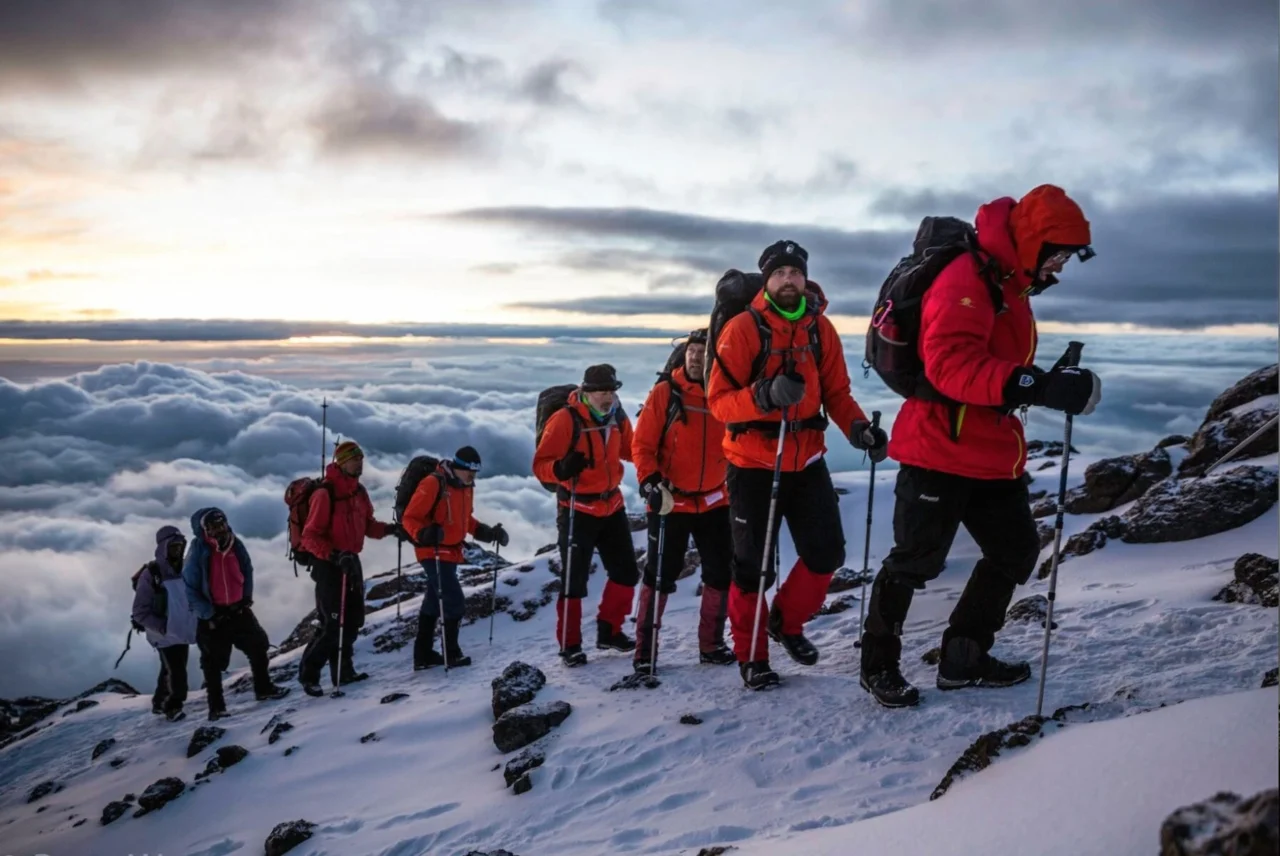
Summit night is typically the most demanding part of the trek. You’ll start climbing around midnight from your highest camp (often Barafu Camp at ~4,600m or Kibo Hut at ~4,700m). You will trek for 6-8 hours in the dark, in extreme cold, and with significantly reduced oxygen levels.
During this ascent, you’ll experience the full impact of Kilimanjaro altitude. It will feel like walking through thick mud with every step. Your guide will be monitoring you closely, ensuring you maintain a slow, steady pace and stay hydrated. The goal is to reach Stella Point (5,756m) by sunrise, then continue for another hour to Uhuru Peak (5,895m).
The descent from the summit is often overlooked but is equally important. You must descend below 3,000 meters as quickly as possible to avoid the risk of HAPE and HACE, as symptoms can worsen rapidly even after reaching the summit. Your body is also more vulnerable during the descent due to fatigue.
Common Mistakes to Avoid Regarding Kilimanjaro Altitude
Many trekkers make mistakes that can jeopardize their climb. Being aware of these common pitfalls is key to a successful and safe experience.
Mistakes to Avoid:
- Choosing a Short Route: Opting for a 5-day or 6-day trek is the most common mistake. These routes do not allow for adequate acclimatization, leading to a higher chance of altitude sickness and failure to reach the summit. For 2026 and 2027 treks, prioritize longer itineraries.
- Ascending Too Quickly: Pushing yourself too hard, especially in the first few days, can lead to symptoms of AMS. Listen to your guide and maintain a slow, consistent pace (‘pole pole’).
- Ignoring Symptoms: Mild headaches or nausea can escalate quickly. Never try to ‘tough it out’. Always communicate any discomfort to your guide.
- Dehydration: Not drinking enough water is a major contributor to altitude sickness and general fatigue. Aim for 3-4 liters daily.
- Alcohol and Caffeine: Consuming alcohol or excessive caffeine can lead to dehydration and interfere with sleep, both of which exacerbate altitude effects.
- Overpacking or Underpacking: While not directly related to altitude, being unprepared with gear can lead to discomfort, hypothermia, or heat exhaustion, which can mimic or worsen altitude symptoms.
- Not Consulting a Doctor: Failing to discuss altitude sickness medication (like Diamox) and other health concerns with your physician before your trip.
- Relying Solely on Fitness: A high level of fitness is beneficial but does not guarantee immunity to altitude sickness. Acclimatization is the primary factor.
Who is Kilimanjaro Best Suited For?
Kilimanjaro is often referred to as a ‘walk-in’ mountain because it doesn’t require technical climbing skills. However, it is a serious high-altitude trek that demands good physical condition and mental fortitude. It’s best suited for:
- Reasonably Fit Individuals: People who can comfortably hike for 5-8 hours a day for multiple consecutive days, carrying a light daypack.
- Adventurous Spirit: Those willing to embrace challenging conditions, including cold, basic accommodation, and the physical effects of altitude.
- Determined Climbers: Individuals with a strong desire to reach the summit and the mental resilience to push through discomfort.
- First-Time High-Altitude Trekkers: Kilimanjaro can be an excellent introduction to high-altitude trekking, provided a suitable route (7+ days) and operator are chosen.
It is generally NOT suitable for:
- Individuals with serious pre-existing heart or respiratory conditions.
- Those who are not prepared for physically demanding activity.
- People who are unwilling to listen to their bodies or their guides regarding altitude sickness.
Kilimanjaro Altitude and Children
Climbing Kilimanjaro with children is possible but requires careful consideration. The minimum age is typically 10 years old for children aged 10-15, and 12 years old for those aged 16+. Children can be more susceptible to altitude sickness. It is crucial to choose the longest possible route (9-10 days) and have a doctor’s clearance before booking. Children’s bodies react differently, and their ability to communicate symptoms might be less developed.
Alternatives to Kilimanjaro or Other High-Altitude Treks
If Kilimanjaro’s altitude or demands seem daunting, or if you’re looking for different high-altitude experiences, consider these alternatives:
| Destination/Trek | Max Altitude | Typical Duration | Key Features |
|---|---|---|---|
| Mount Meru (Tanzania) | 4,566m (14,980ft) | 3-4 days | Excellent acclimatization for Kilimanjaro, fantastic wildlife viewing, challenging trek, less crowded. |
| Mount Kenya (Kenya) | Point Lenana: 4,985m (16,355ft) | 4-7 days | Spectacular scenery, varied routes, Point Lenana is a trek, Batian and Nelion require technical climbing. |
| Toubkal (Morocco) | 4,167m (13,671ft) | 2-3 days | Highest peak in North Africa, accessible, good introduction to altitude, requires basic scrambling. |
| Everest Base Camp Trek (Nepal) | 5,364m (17,598ft) | 12-14 days | Iconic trek, significant altitude gain, requires excellent acclimatization, stunning Himalayan views. |
| Annapurna Base Camp Trek (Nepal) | 4,130m (13,550ft) | 7-12 days | Beautiful scenery, less extreme altitude than EBC, diverse landscapes. |
Planning Your Kilimanjaro Climb for 2026 and 2027
Planning a Kilimanjaro trek requires foresight, especially when considering the critical factor of Kilimanjaro altitude. Booking well in advance is highly recommended, particularly if you’re aiming for peak seasons in 2026 or 2027.
Best Time to Climb
The best times to climb Kilimanjaro are during the dry seasons, which offer clearer skies and more stable weather:
- January to March: Generally dry and warm, though can be colder at higher elevations. Short rains may occur in March.
- June to October: The main dry season. Cooler temperatures, clear skies, and excellent visibility. This is a very popular period.
Avoid the rainy seasons (April-May and November-early December) as they make trekking conditions difficult and increase the risk of landslides and poor visibility.
Booking Your Trek
When choosing a tour operator, prioritize those with a strong safety record, experienced guides certified in wilderness first aid, and a commitment to ethical trekking practices. For Kilimanjaro altitude management, look for operators who:
- Strongly recommend and primarily offer 7-day or longer itineraries.
- Have clear protocols for managing altitude sickness.
- Provide experienced guides trained in altitude medicine.
- Ensure adequate oxygen and medical kits are carried.
Research operators thoroughly. Reviews, testimonials, and direct communication can provide valuable insights. Booking for 2026 or 2027 should ideally be done 6-12 months in advance to secure your preferred dates and potentially better pricing.
What’s Included? Understanding Your Package
A typical Kilimanjaro climbing package usually includes:
- Park entrance fees, camping/hut fees, and rescue fees.
- All meals during the trek.
- Tents or accommodation in mountain huts.
- Experienced, licensed mountain guides.
- Assistant guides and porters.
- Cooks and kitchen staff.
- Bottled water or purified water.
- Use of group camping equipment (tents, mess tent, tables, chairs).
- Emergency oxygen and a comprehensive first-aid kit.
What’s typically NOT included:
- Flights to/from Kilimanjaro International Airport (JRO).
- Visa fees.
- Travel and rescue insurance (mandatory).
- Personal gear (sleeping bag, trekking poles, clothing, etc.).
- Tips for guides, porters, and cooks (a significant part of their income).
- Personal snacks, drinks, and souvenirs.
- Pre- and post-climb accommodation in hotels.
- Medications (e.g., Diamox).
Packing Essentials for Altitude
Proper gear is crucial for comfort and safety at high altitudes. Layering is key:
- Base Layers: Moisture-wicking thermal tops and bottoms (merino wool or synthetic).
- Mid Layers: Fleece jackets or down vests for insulation.
- Outer Layer: Waterproof and windproof jacket and trousers (Gore-Tex or similar).
- Insulated Jacket: A warm down or synthetic jacket for evenings and summit night.
- Headwear: Warm woolen hat, sun hat with a brim, balaclava or buff for face protection.
- Handwear: Warm waterproof gloves, liner gloves.
- Footwear: Broken-in, waterproof hiking boots. Camp shoes or trainers for evenings. Several pairs of warm socks (wool).
- Sleeping Bag: A 4-season sleeping bag rated to at least -15°C (0°F).
- Backpack: A comfortable daypack (30-40L) for essentials. Duffel bag for porters (80-100L).
- Trekking Poles: Highly recommended for stability and reducing knee strain.
- Headlamp: With extra batteries for summit night.
- Sun Protection: High SPF sunscreen, lip balm, sunglasses (UV protection).
- Hydration: Water bottles or hydration reservoir (at least 3L capacity). Insulated sleeve to prevent freezing.
- First-Aid Kit: Personal medications, blister treatment, pain relievers, antiseptic wipes, etc.
- Toiletries: Biodegradable soap, toothbrush, toothpaste, wet wipes.
Your tour operator will provide a detailed packing list tailored to Kilimanjaro.
Frequently Asked Questions About Kilimanjaro Altitude
Q1: How high is Kilimanjaro?
A: Kilimanjaro’s summit, Uhuru Peak, stands at 5,895 meters (19,341 feet) above sea level.
Q2: What are the symptoms of Kilimanjaro altitude sickness?
A: Common symptoms include headache, nausea, dizziness, fatigue, loss of appetite, and difficulty sleeping. If you experience any of these, inform your guide immediately.
Q3: Can I get altitude sickness even if I am fit?
A: Yes, fitness does not prevent altitude sickness. It is a physiological response to reduced oxygen, and anyone can be affected, regardless of their fitness level. Proper acclimatization is key.
Q4: Which Kilimanjaro route is best for acclimatization?
A: Longer routes like the Northern Circuit (9-10 days), Lemosho (8 days), or Machame (7 days) offer the best acclimatization opportunities due to their slower ascent profiles and ‘climb high, sleep low’ opportunities.
Q5: How much water should I drink on Kilimanjaro?
A: You should aim to drink 3-4 liters of water per day. Staying well-hydrated is crucial for acclimatization and preventing headaches.
Q6: Is Diamox recommended for Kilimanjaro?
A: Diamox (acetazolamide) can help speed up acclimatization and reduce AMS symptoms for some individuals. It is a prescription medication, and you should consult your doctor about its suitability for you before your trek.
Q7: What happens if I get severe altitude sickness?
A: If you develop severe symptoms of HACE or HAPE, immediate descent is the only effective treatment. Your guides are trained to recognize these conditions and will initiate evacuation if necessary.
Q8: How much oxygen is available at the summit of Kilimanjaro?
A: At the summit (5,895m), the atmospheric pressure is about half of that at sea level, meaning you are breathing air with approximately 50% of the oxygen molecules available at sea level.
Q9: Can I climb Kilimanjaro in 2026 or 2027?
A: Absolutely. 2026 and 2027 are excellent years to plan your Kilimanjaro adventure. Booking in advance, especially for peak seasons, is recommended.
Q10: What is the most important rule for climbing Kilimanjaro?
A: The most important rule is ‘pole pole’ – walk slowly and steadily. This allows your body to acclimatize gradually to the increasing Kilimanjaro altitude.
Your Kilimanjaro Altitude Success Starts Here
Climbing Mount Kilimanjaro is an unforgettable journey, and understanding the role of Kilimanjaro altitude is fundamental to making that journey a success. By choosing the right route, preparing adequately, and trusting experienced guides, you can navigate the challenges of high altitude and achieve your dream of standing on the roof of Africa.
We are passionate about helping adventurers like you experience the magic of Kilimanjaro safely and responsibly. Our expert guides and well-planned itineraries are designed with your acclimatization and well-being as the top priority, ensuring you have the best possible chance of reaching Uhuru Peak.
Ready to plan your 2026 or 2027 Kilimanjaro adventure? Let’s discuss your goals and tailor the perfect trek for you. Contact us today!
Get in Touch:
WhatsApp: +255616946642
Email: topguideadventures@gmail.com
Backup Email: info@topguideadventures.com
Plan your kilimanjaro altitude with Top Guide Adventures
Tell us your travel dates, group size, comfort level, and dream experience. We will help you shape a clear, realistic, and memorable Tanzania itinerary.







 Veedesigner
 Fatma Kizanga
 Benjamin Waryuba
 Philip Philip
 John jr Itaja
 Antonia Optatus
 Edith Kanyere
 Neema Iddy
 Kelvin Boniphace
 Damari Maiga



