
Updated planning guide for 2026, 2027
Kilimanjaro Elevation & Geology: Your Essential Guide
Understand the fascinating elevation and geological makeup of Mount Kilimanjaro. This comprehensive guide helps you prepare for your trek, covering everything from its volcanic origins to the summit's altitude and what it means for your climb.
WhatsApp +255616946642 | topguideadventures@gmail.com | info@topguideadventures.com

Kilimanjaro Elevation & Geology: A Complete Trekker’s Guide
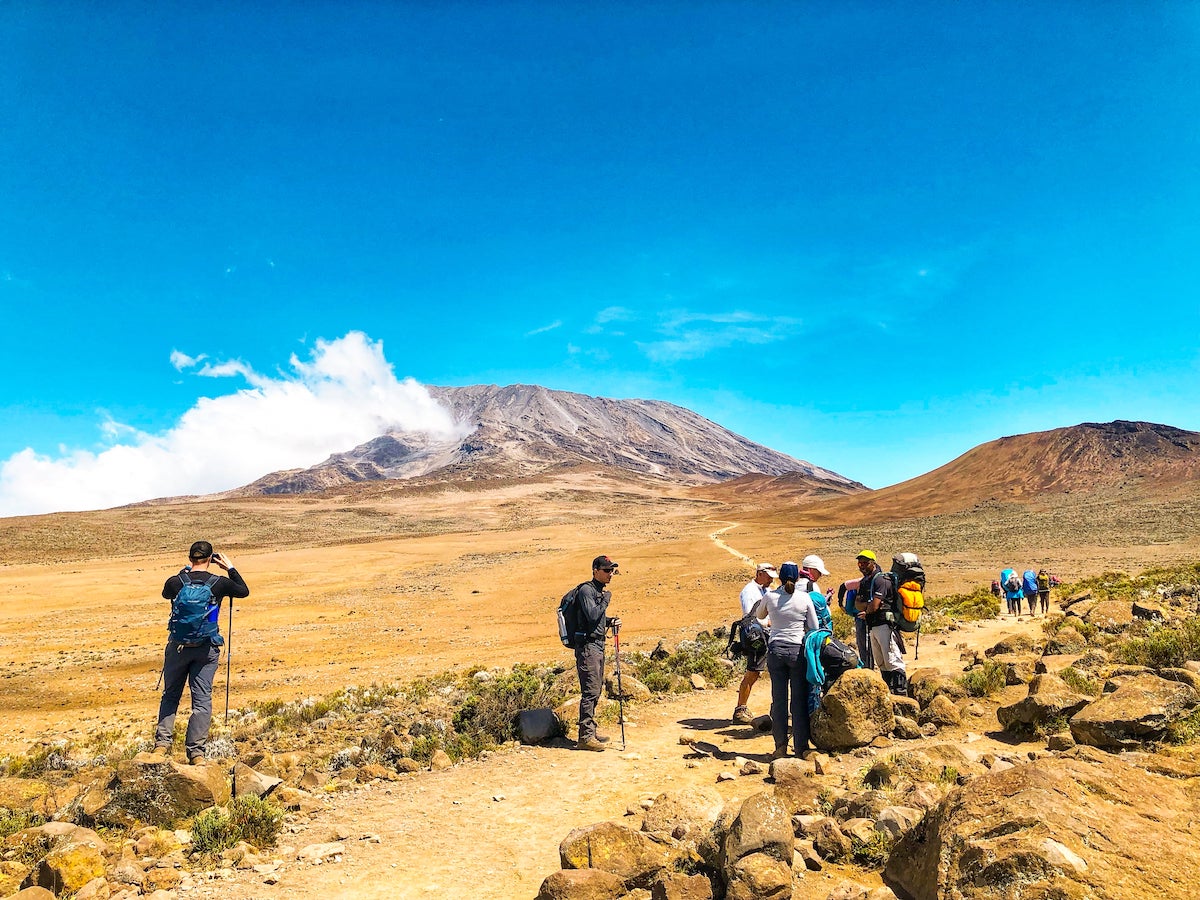
Mount Kilimanjaro, the Roof of Africa, stands as a majestic dormant volcano and a premier destination for adventurers worldwide. Its imposing presence and the allure of reaching its summit, Uhuru Peak, draw thousands each year. Understanding the kilimanjaro elevation & geology is not just for the scientifically curious; it’s fundamental for any trekker aiming for a safe and successful climb. From the base camp’s gentle slopes to the thin air at 5,895 meters (19,341 feet), the mountain’s structure and changing altitudes profoundly impact your journey. This guide will explore the geological story of Kilimanjaro and detail the significance of its elevation for your trek, helping you plan your 2026 or 2027 adventure with confidence.
Kilimanjaro Quick Facts
| Feature | Detail |
|---|---|
| Elevation (Uhuru Peak) | 5,895 meters (19,341 feet) |
| Type of Mountain | Dormant Volcano (Stratovolcano) |
| Geological Formation | Three volcanic cones: Kibo, Mawenzi, and Shira |
| Location | Kilimanjaro Region, Tanzania |
| Highest Point | Uhuru Peak on Kibo cone |
| Climate Zones | Cultivation, Rainforest, Heather/Moorland, Alpine Desert, Arctic Summit |
| National Park Status | Kilimanjaro National Park (UNESCO World Heritage Site) |
Understanding Kilimanjaro’s Geological Origins
Kilimanjaro’s dramatic landscape is a product of powerful volcanic forces that have shaped it over millions of years. It’s not a single peak but a massive stratovolcano composed of three distinct volcanic cones, each with its own history and geological characteristics.
The Three Cones: Kibo, Mawenzi, and Shira
The mountain’s structure is defined by these three volcanic centers:
- Kibo: This is the highest and youngest of the three cones. It is also the most symmetrical and contains the summit crater and Uhuru Peak. Kibo is considered dormant, meaning it hasn’t erupted in recorded history, but it still shows signs of geothermal activity, like hot spots within the crater. The crater itself is about 2.4 km (1.5 miles) wide.
- Mawenzi: Located to the east of Kibo, Mawenzi is an older, eroded volcanic cone. Its jagged peaks and dramatic ridges make it a challenging climb, though it’s not a route trekkers typically ascend to the summit. Mawenzi’s ruggedness is a testament to prolonged erosion.
- Shira: Situated to the west of Kibo, Shira is the oldest of the cones. Its caldera has collapsed, leaving behind a high-altitude plateau known as the Shira Ridge. This ridge is a significant feature on some trekking routes, like the Shira route, and offers stunning views.
Volcanic Activity and Formation
Kilimanjaro’s formation is a classic example of rifting and volcanic activity along the East African Rift Valley. Tectonic forces caused the Earth’s crust to thin and crack, allowing magma to rise from the mantle and erupt to the surface. These eruptions occurred in distinct phases:
- Phase 1: Shira Cone Formation: Around 1 million years ago, volcanic activity began, forming the Shira cone.
- Phase 2: Mawenzi and Kibo Formation: Later, around 750,000 years ago, activity shifted, leading to the formation of Mawenzi and Kibo. These cones grew by erupting lava and ash, building up their massive structures over hundreds of thousands of years.
- Phase 3: Kibo’s Dominance and Summit Formation: The most recent activity focused on Kibo, culminating in the formation of its crater and the eventual development of the summit plateau. The last known eruption is estimated to have occurred between 150,000 and 200,000 years ago.
The composition of Kilimanjaro’s rock is primarily basalt and tephrite, common volcanic rocks. The erosion patterns, influenced by weather and altitude, have sculpted the mountain’s slopes, creating the diverse landscapes trekkers encounter.
The Significance of Kilimanjaro’s Elevation for Trekkers
The sheer kilimanjaro elevation is the most critical factor influencing your trek. Ascending from the base to nearly 6,000 meters means experiencing a dramatic change in atmospheric pressure, temperature, and oxygen levels. This is why acclimatization is paramount.
Altitude Sickness (Acute Mountain Sickness – AMS)
As you gain altitude, the air becomes thinner, meaning there’s less oxygen available for your body to absorb. This can lead to Acute Mountain Sickness (AMS), a condition that affects many trekkers. Symptoms can range from mild headaches and nausea to severe, life-threatening conditions like HAPE (High Altitude Pulmonary Edema) and HACE (High Altitude Cerebral Edema).
Key Factors Influencing AMS:
- Rate of Ascent: Climbing too quickly is the primary cause of AMS. Your body needs time to adjust to the lower oxygen levels.
- Individual Physiology: Some people are more susceptible to altitude sickness than others, regardless of their fitness level.
- Hydration and Rest: Dehydration and fatigue can exacerbate AMS symptoms.
The “Climb High, Sleep Low” Principle
Effective acclimatization is achieved by following the principle of “climb high, sleep low.” This means ascending to a higher altitude during the day for acclimatization purposes and then descending to a lower altitude to sleep. This allows your body to produce more red blood cells, improving its oxygen-carrying capacity.
Temperature and Weather at Different Altitudes
Kilimanjaro’s elevation dictates distinct climate zones, each with its own temperature range and weather patterns:
- Cultivation Zone (1,000-1,800m): Warm, humid, and fertile. Home to farms and small villages.
- Rainforest Zone (1,800-2,700m): Lush, dense forest with high rainfall and cooler temperatures than the base. Expect mist and rain.
- Heather/Moorland Zone (2,700-4,000m): Vegetation becomes sparser, with giant heathers, groundsels, and lobelias. Temperatures drop significantly, and it can be windy.
- Alpine Desert Zone (4,000-5,000m): Arid, cold, and exposed. Vegetation is scarce, consisting of hardy mosses and lichens. Days can be sunny but cold, with freezing nights.
- Arctic Summit Zone (Above 5,000m): Extremely cold, with temperatures often well below freezing. Expect frost, ice, and potentially snow, especially on the summit day. The air is very thin.
Understanding these zones helps in packing appropriate gear and preparing for the drastic temperature changes.
Kilimanjaro Routes: Elevation Profiles and Geological Features
Each of Kilimanjaro’s trekking routes offers a unique perspective on the mountain’s geology and elevation. The choice of route significantly impacts acclimatization, scenery, and difficulty.
Kilimanjaro Route Overview (Simplified)
| Route | Starting Point | Duration (Days) | Key Elevation/Geological Notes |
|---|---|---|---|
| Marangu | Marangu Gate (1,800m) | 5-6 | Gradual ascent, passes through rainforest, gradual climb to saddle, less optimal acclimatization. |
| Machame | Machame Gate (1,800m) | 6-7 | “Whiskey Route”, popular for good acclimatization (“climb high, sleep low”), traverses Shira Plateau, diverse vegetation zones. |
| Lemosho | Lemosho Gate (2,100m) | 7-8 | Scenic route, excellent acclimatization, starts in rainforest, crosses Shira Plateau, high success rates. |
| Shira | Shira Gate (3,300m) | 7-8 | Starts at high altitude on Shira Plateau, good views but potentially faster AMS onset due to high starting point. |
| Rongai | Nanyuki (Kenya side, 1,950m) | 6-7 | Drier route, approaches from the north, good for rainy season, passes through rainforest and moorland, less scenic than western routes. |
| Northern Circuit | Lemosho (2,100m) | 9-10 | Longest route, offers a full 360-degree circuit, best acclimatization, highest success rates, remote and scenic. |
| Umbwe | Umbwe Gate (1,600m) | 5-6 | Steepest and most challenging route, direct path, poor acclimatization, for experienced climbers only. |
Route-Specific Elevation Challenges
- Marangu: Its direct ascent and lack of significant “climb high, sleep low” opportunities make it challenging for acclimatization, contributing to lower success rates for the 5-day option.
- Machame & Lemosho: These routes are highly recommended because they spend more days on the mountain and utilize the “climb high, sleep low” strategy effectively, traversing the Shira Plateau and offering excellent acclimatization as you gain altitude.
- Shira: While offering great views, starting at 3,300m can be tough for some trekkers, requiring immediate acclimatization.
- Northern Circuit: This route’s extended duration (9-10 days) provides the best possible acclimatization, significantly increasing the chances of reaching Uhuru Peak safely. Its path circles the mountain, exposing trekkers to varied terrain and elevations.
- Umbwe: This route is known for its rapid ascent through steep terrain, offering minimal acclimatization. It’s suited for very fit individuals who have prior high-altitude experience.
The Summit Push: Stella Point and Uhuru Peak
The final ascent to Uhuru Peak is the most demanding part of the climb, occurring typically in the early hours of summit day. This push takes place from Kibo’s crater rim at an elevation of about 5,700 meters (18,700 feet).
From Barafu Camp to Stella Point
Most routes converge at Kibo’s base camp (often Barafu Camp, around 4,600m). From here, the trek begins around midnight. The trail is steep, rocky, and loose scree. You’ll ascend approximately 1,100 meters in just a few hours. The air is extremely thin, and the cold is biting. This section tests your physical and mental endurance. Stella Point (5,756m / 18,885ft) is the first point reached on the crater rim.
From Stella Point to Uhuru Peak
From Stella Point, it’s another 1.5 to 2 hours of trekking along the crater rim to reach Uhuru Peak (5,895m / 19,341ft), the highest point on Kilimanjaro. The rim walk is relatively flat but exposed to wind and cold. The dramatic landscape, with glaciers and volcanic ash, is a constant reminder of the mountain’s geological history and extreme elevation.
The geological feature of the crater rim itself is a vast caldera, a result of past massive eruptions. The glaciers on Kilimanjaro, though shrinking rapidly due to climate change, are remnants of its ice age past and sit atop this volcanic giant.
Planning Your Kilimanjaro Climb for 2026/2027: What to Consider
When planning your Kilimanjaro expedition for 2026 or 2027, understanding the interplay of elevation and geology is crucial for making informed decisions about your trek.
Kilimanjaro Planning Checklist
- Choose Your Route: Based on desired scenery, acclimatization profile, and difficulty. Longer routes (7+ days) are recommended for higher success rates.
- Select Your Tour Operator: Research reputable operators with good safety records and experienced guides.
- Book in Advance: Especially for popular routes and peak seasons in 2026 and 2027. Park permits can be limited.
- Physical Preparation: Focus on cardiovascular fitness and endurance. Strength training is beneficial.
- Altitude Preparation: Understand AMS, practice “climb high, sleep low” principles on shorter hikes if possible, and discuss acclimatization strategies with your operator.
- Gear Acquisition: Invest in or rent high-quality, layered clothing, sturdy boots, and essential trekking equipment.
- Travel Insurance: Ensure it covers high-altitude trekking and emergency evacuation.
- Vaccinations and Health: Consult your doctor about necessary vaccinations and altitude sickness medication.
- Visa and Passport: Ensure your passport is valid for at least six months beyond your travel date and check visa requirements for Tanzania.
- Financial Planning: Budget for the trek, flights, gear, tips, and personal expenses.
Choosing the Right Season
Kilimanjaro has two main dry seasons, which are ideal for climbing:
- June to October: This is the longest and most popular dry season. Temperatures are cooler, and the skies are generally clear.
- December to February: This is the shorter, warmer dry season. It’s often sunny, though there can be occasional rain showers.
The rainy seasons (March-May and November) see more precipitation, making trails muddy and visibility lower. While it’s possible to climb during these times, it’s generally less comfortable and can increase the risk of landslides on certain sections.
Physical and Mental Preparation
While you don’t need to be an elite athlete, a good level of fitness is essential. Focus on cardiovascular exercises like hiking, running, cycling, and swimming. Practice hiking with a backpack on varied terrain, including inclines, to simulate trek conditions. Mental preparation is equally important; visualize yourself succeeding and be ready to push through challenging moments.
Gear for Kilimanjaro’s Diverse Elevations
Layering is key to managing the temperature fluctuations across Kilimanjaro’s climate zones. Your gear must be suitable for everything from tropical rainforest humidity to arctic summit conditions.
Essential Gear Considerations
| Item Category | Key Considerations for Kilimanjaro |
|---|---|
| Boots | Waterproof, broken-in, sturdy hiking boots with good ankle support. |
| Layering System | Base layers (moisture-wicking), mid-layers (fleece/down), outer layer (waterproof and windproof jacket and pants). |
| Headwear | Warm, insulated hat; sun hat with brim; balaclava or warm scarf for summit night. |
| Gloves | Warm, waterproof outer gloves; liner gloves for dexterity. |
| Trekking Poles | Essential for stability on ascents and descents, reducing strain on knees. |
| Backpack | Comfortable daypack (30-40L) for daily essentials; duffel bag (80-100L) for porters. |
| Sleeping Bag | Rated to at least -15°C (0°F), preferably -20°C (-4°F) for summit night. |
| Headlamp | With spare batteries for summit night and camp use. |
| Sun Protection | High SPF sunscreen, lip balm, sunglasses (UV protection). |
| Hydration | Water bottles or hydration reservoir (at least 3L capacity). Insulated sleeve recommended for cold. |
Common Mistakes to Avoid Related to Elevation and Geology
Many trekkers make errors that can jeopardize their climb. Awareness of these pitfalls, particularly concerning altitude and the mountain’s nature, is key.
- Ignoring Acclimatization: Rushing the ascent or not taking acclimatization seriously is the most common and dangerous mistake. Always listen to your body and your guides.
- Underestimating the Cold: The summit is an arctic environment. Inadequate warm clothing is a frequent oversight.
- Dehydration: It’s easy to forget to drink enough water at altitude, which can worsen AMS. Aim for 3-4 liters per day.
- Poor Route Choice: Opting for shorter routes with poor acclimatization profiles (like the 5-day Marangu or 6-day Umbwe) without proper experience.
- Over-reliance on Fitness: Being very fit does not guarantee immunity to altitude sickness. Acclimatization is king.
- Not Packing Proper Gear: Failing to bring essential items like waterproofs, warm layers, or good boots.
- Skipping Summit Night Warm-ups: Not preparing mentally and physically for the demanding, cold, and dark summit push.
Who is Kilimanjaro Best Suited For?
Kilimanjaro is often mistakenly seen as a purely physical challenge. While fitness is important, it’s more about endurance, mental fortitude, and effective acclimatization. It is suitable for:
- Adventurous Individuals: Those seeking a significant personal challenge and a unique travel experience.
- First-time High-Altitude Trekkers: Kilimanjaro is a popular “introduction” to high-altitude climbing due to its well-established routes, infrastructure, and the availability of guides and support. However, this should not lead to complacency regarding altitude.
- Those Seeking a Summit: Anyone who dreams of standing on the highest point of a continent and is willing to prepare adequately.
- Nature Enthusiasts: The diverse ecosystems and dramatic geological formations offer stunning scenery.
It is generally NOT suited for:
- Individuals with severe pre-existing heart or respiratory conditions without thorough medical consultation.
- Those unwilling to follow safety instructions or acclimatization protocols.
- People seeking a casual hike; it is a serious trek requiring commitment.
Alternatives to Kilimanjaro
If Kilimanjaro’s specific challenges don’t align with your aspirations, other impressive African peaks offer different experiences:
- Mount Kenya: Africa’s second-highest mountain, offering more technical climbing routes (Point Lenana is a trekking peak) and stunning alpine scenery. Its geology is also volcanic, but it presents a different trekking experience.
- Mount Meru: Located near Kilimanjaro, it’s a great acclimatization climb or a trek for those seeking a shorter, challenging experience. Its volcanic nature is evident, with a collapsed crater.
- Mount Toubkal (Morocco): The highest peak in North Africa, offering a challenging trek in the Atlas Mountains, with a distinct cultural context.
Planning Your 2026/2027 Kilimanjaro Expedition
Planning a Kilimanjaro climb for 2026 or 2027 requires foresight, especially regarding booking and preparation. The mountain’s popularity means that permits and accommodations can fill up, particularly during peak seasons.
Booking Timeline Considerations:
- 12-18 Months Out: Ideal time to start researching routes and tour operators. This allows ample time to compare options, ask questions, and secure your preferred dates, especially for longer, more popular routes like the Northern Circuit or Lemosho.
- 6-12 Months Out: Confirm your booking with a reputable tour operator. This is crucial for securing park permits and ensuring availability for 2026 and 2027. Operators often need to pre-book these.
- 3-6 Months Out: Begin your focused physical training program. Start acquiring necessary gear and testing it.
- 1-3 Months Out: Finalize travel arrangements (flights, visas, insurance). Consult your doctor for medical advice and necessary prescriptions (e.g., for altitude sickness).
- Weeks Before: Pack your bags, ensuring everything is organized and accessible. Confirm all details with your tour operator.
When choosing an operator for your 2026 or 2027 climb, prioritize those who emphasize safety, proper acclimatization, fair treatment of porters, and have a strong understanding of the mountain’s kilimanjaro elevation & geology. They should be able to provide detailed itineraries, explain the acclimatization strategy of their chosen routes, and answer all your questions.
Booking Your Kilimanjaro Trek
Selecting the right tour operator is paramount for a safe and enjoyable Kilimanjaro experience. Look for companies that:
- Have a proven track record and positive reviews focusing on safety and guide expertise.
- Offer comprehensive pre-trek information and support.
- Provide experienced, certified guides who understand altitude sickness and mountain rescue protocols.
- Use well-maintained equipment and have a clear emergency plan.
- Are transparent about what is included in their package (e.g., park fees, meals, crew wages, equipment).
When you’re ready to discuss your Kilimanjaro adventure for 2026 or 2027, our team at Best Tanzania Tour Operator is here to help. We specialize in creating safe, memorable Kilimanjaro treks tailored to your needs. Contact us to learn more about our routes, safety standards, and how we manage the challenges of Kilimanjaro’s elevation and geology.
Get in touch today:
- WhatsApp: +255616946642
- Email: topguideadventures@gmail.com
- Backup Email: info@topguideadventures.com
Frequently Asked Questions (FAQs)
Q1: How high is Mount Kilimanjaro?
A: Mount Kilimanjaro’s highest point, Uhuru Peak on the Kibo cone, stands at 5,895 meters (19,341 feet) above sea level.
Q2: Is Kilimanjaro an active volcano?
A: Kilimanjaro is considered a dormant volcano. While it has not erupted in recorded history, there is evidence of geothermal activity within its crater.
Q3: What are the main geological features of Kilimanjaro?
A: Kilimanjaro is a stratovolcano formed by three volcanic cones: Kibo (the highest, dormant), Mawenzi (eroded, jagged), and Shira (oldest, collapsed caldera forming a plateau).
Q4: What is the biggest risk when climbing Kilimanjaro?
A: The biggest risk is Acute Mountain Sickness (AMS) due to the extreme elevation. Other risks include hypothermia, injuries, and exhaustion.
Q5: How important is acclimatization for Kilimanjaro?
A: Acclimatization is critically important. Ascending too quickly to high altitudes can lead to AMS, which can be life-threatening. Longer routes and proper pacing are key.
Q6: What is the best route for acclimatization on Kilimanjaro?
A: Routes like the Northern Circuit (9-10 days), Lemosho (7-8 days), and Machame (7 days) are highly recommended for their excellent acclimatization profiles, allowing trekkers to “climb high, sleep low.”.
Q7: Can I climb Kilimanjaro if I have no prior mountaineering experience?
A: Yes, Kilimanjaro is often considered a “walk-up” peak, meaning it doesn’t require technical climbing skills. However, it requires good physical fitness, mental endurance, and proper preparation for the altitude.
Q8: What should I pack for Kilimanjaro in 2026?
A: Essential items include waterproof and windproof outer layers, multiple warm insulating layers, sturdy hiking boots, a warm sleeping bag, sun protection, and trekking poles. Layering is key for the varying elevations.
Q9: How much does it cost to climb Kilimanjaro?
A: Prices vary significantly based on the route, duration, operator, and inclusions. Budget anywhere from USD 2,000 to USD 5,000+ per person for a reputable trek package.
Q10: When is the best time to climb Kilimanjaro in 2027?
A: The best times are the dry seasons: June to October and December to February. These months offer clearer skies and more stable weather conditions.
Your Kilimanjaro Adventure Awaits
The kilimanjaro elevation & geology are integral to its character and the challenge it presents. By understanding these aspects, you can approach your trek with greater knowledge, respect, and preparedness. Whether you’re planning for 2026 or 2027, a successful climb depends on choosing the right route, training effectively, and partnering with an experienced tour operator.
Best Tanzania Tour Operator is dedicated to providing safe, ethical, and unforgettable Kilimanjaro trekking experiences. We understand the mountain’s demands and help our clients navigate them with confidence.
Ready to plan your ascent? Contact us for a personalized consultation:
- WhatsApp: +255616946642
- Email: topguideadventures@gmail.com
- Backup Email: info@topguideadventures.com
Plan your kilimanjaro elevation & geology with Top Guide Adventures
Tell us your travel dates, group size, comfort level, and dream experience. We will help you shape a clear, realistic, and memorable Tanzania itinerary.







 Veedesigner
 Fatma Kizanga
 Benjamin Waryuba
 Philip Philip
 John jr Itaja
 Antonia Optatus
 Edith Kanyere
 Neema Iddy
 Kelvin Boniphace
 Damari Maiga



